
7 Things That Happen Inside a Dog’s Body When Their Owner Cries That Scientists Have Only Recently Measured
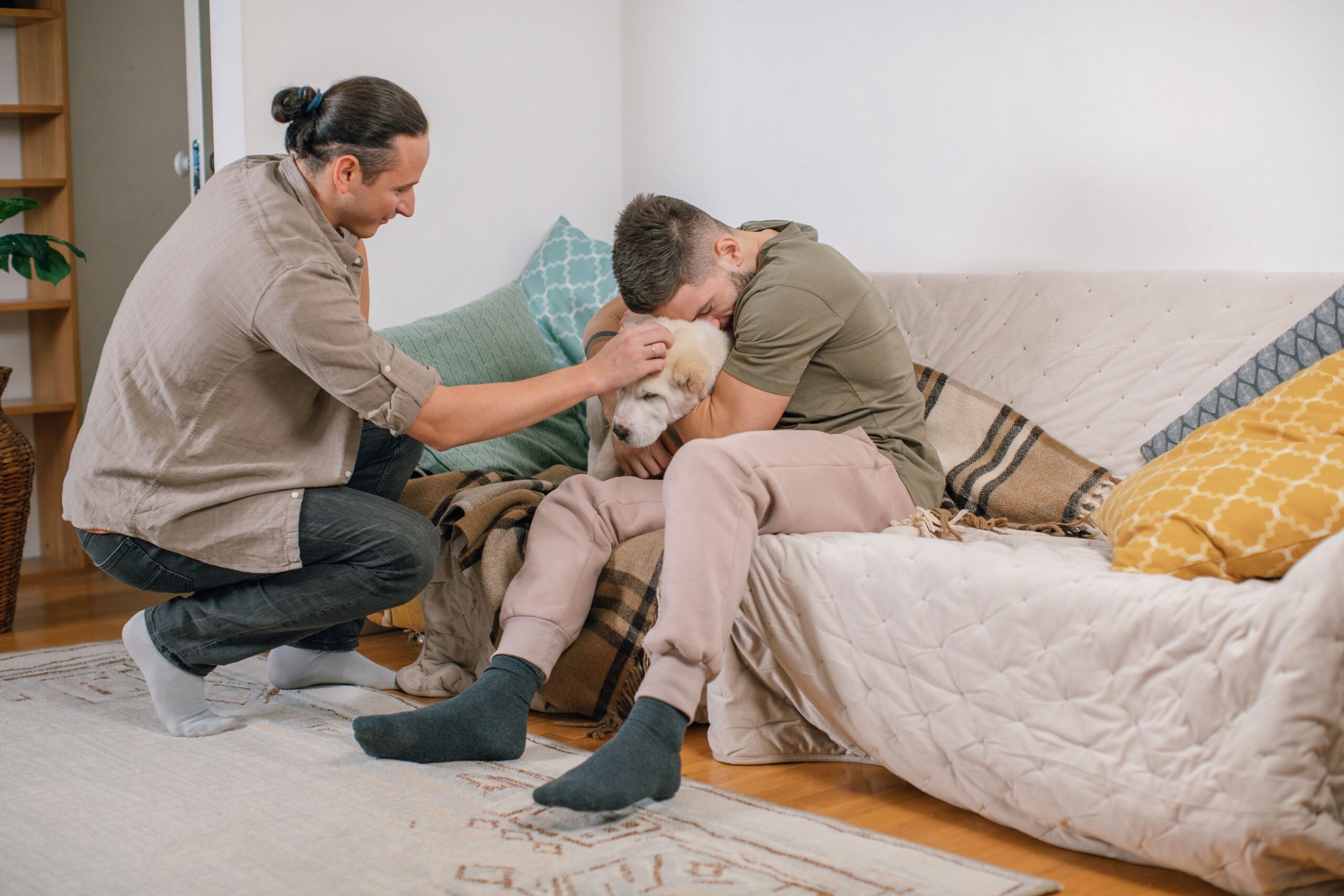
Anyone who lives with a dog has probably had that strange, intimate moment: you start crying, and suddenly there’s a wet nose nudging your hand, a warm body pressed against your legs, or a quiet dog staring straight into your face. It feels like they know something is wrong. For years, people called this a coincidence or wishful thinking. Now, modern research is finally catching up with what dog owners have been saying all along.
In the last decade or so, scientists have started using brain scans, hormone tests, heart monitors, and clever behavioral experiments to ask a surprisingly deep question: what is actually happening inside a dog’s body when their person is upset? The answers are not magic, but they are emotional, complicated, and honestly a little bit humbling. Let’s walk through what researchers are finding, from shifting hormone levels to subtle changes in brain activity, and why your tears might matter more to your dog than you ever imagined.
1. Their Stress Hormone Levels Can Rise When Yours Do

One of the most striking findings from recent dog–human research is that our stress can literally show up inside a dog’s body. When people go through periods of high emotional stress, their bodies release more of the hormone cortisol. Studies that follow dogs and owners over time have found that dogs living closely with stressed humans often show elevated cortisol levels too, as if their internal stress systems are echoing ours.
This isn’t just theoretical lab talk; it shows up in real life. Researchers have measured cortisol in dog hair and saliva and compared it with the levels in their owners, seeing patterns that suggest a kind of shared stress rhythm. When you cry, especially during a tough period, your emotional state is not just a “vibe” your dog picks up on. It can translate into a measurable hormonal shift inside their body, nudging their stress system to wake up alongside yours.
2. Their Heart Rate and Arousal Patterns Can Change

When you cry, your dog’s heart may quietly speed up. Using heart-rate monitors and similar tools, scientists have found that dogs often show signs of increased physiological arousal when they hear a human in distress, including their owner. That arousal can look like a slight increase in heart rate, subtle changes in breathing, or small shifts in heart rate variability, which is a fancy way of measuring how flexible and responsive the heart is.
This does not always mean the dog is panicking; arousal is just the body’s way of saying, “Pay attention, something important is happening.” Some dogs will rush over, whine, or paw at their person. Others may freeze, stare, or hover a short distance away. On the inside, though, their cardiovascular system has likely shifted gears. Your tears are a signal their body does not ignore; it wakes them up, physically, to your emotional state.
3. Their “Bonding” Hormone Oxytocin May Shift Along With Emotion

Oxytocin is often called the bonding hormone, and while that nickname is a bit oversimplified, it does play a big role in social connection and soothing. Research has shown that when dogs and their owners engage in gentle interaction, gaze at each other, or share affection, both can experience changes in oxytocin levels. When you cry and your dog responds with comfort-seeking behavior, their body may lean on this same system to manage the situation.
Some experiments have found that mutual gaze between dog and human can trigger oxytocin changes in both species, creating a feedback loop of bonding and calm. So if you are crying and your dog insists on looking into your eyes, nudging you, or curling right against your chest, they may be tapping into that built-in biology of connection. Inside their body, oxytocin might be helping to soften stress and push them toward closeness rather than avoidance, which is exactly what a hurting human often needs.
4. Their Nose Starts Reading Your Tears Like Data
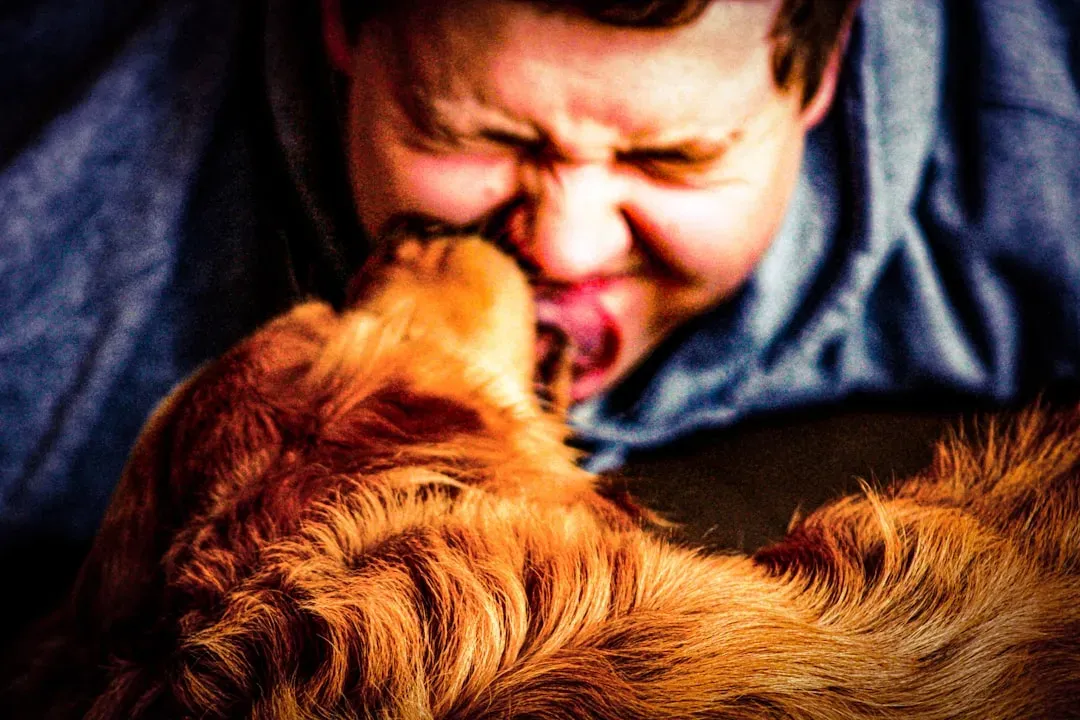
Dogs live in a smell-based universe, and your tears are not just water to them. Human emotional states can alter body odor and the chemical signals we give off, and there is evidence that dogs can distinguish different human emotions by scent alone. When you cry, your sweat, breath, and possibly even your tears themselves change slightly, and your dog’s nose treats that like a detailed report about what is going on inside you.
Scientists have found that dogs can respond differently to odors collected from people who are fearful, happy, or stressed. Those smell signals can change dog behavior and physiology, nudging them toward anxiety, curiosity, or comfort-seeking. So when your dog walks over and deeply sniffs your face while you’re sobbing, they are not being rude. They are taking in a complex emotional snapshot through scent and feeding it straight into their nervous system, helping them decide how to respond.
5. Emotion-Linked Brain Regions Light Up When They Hear You Cry
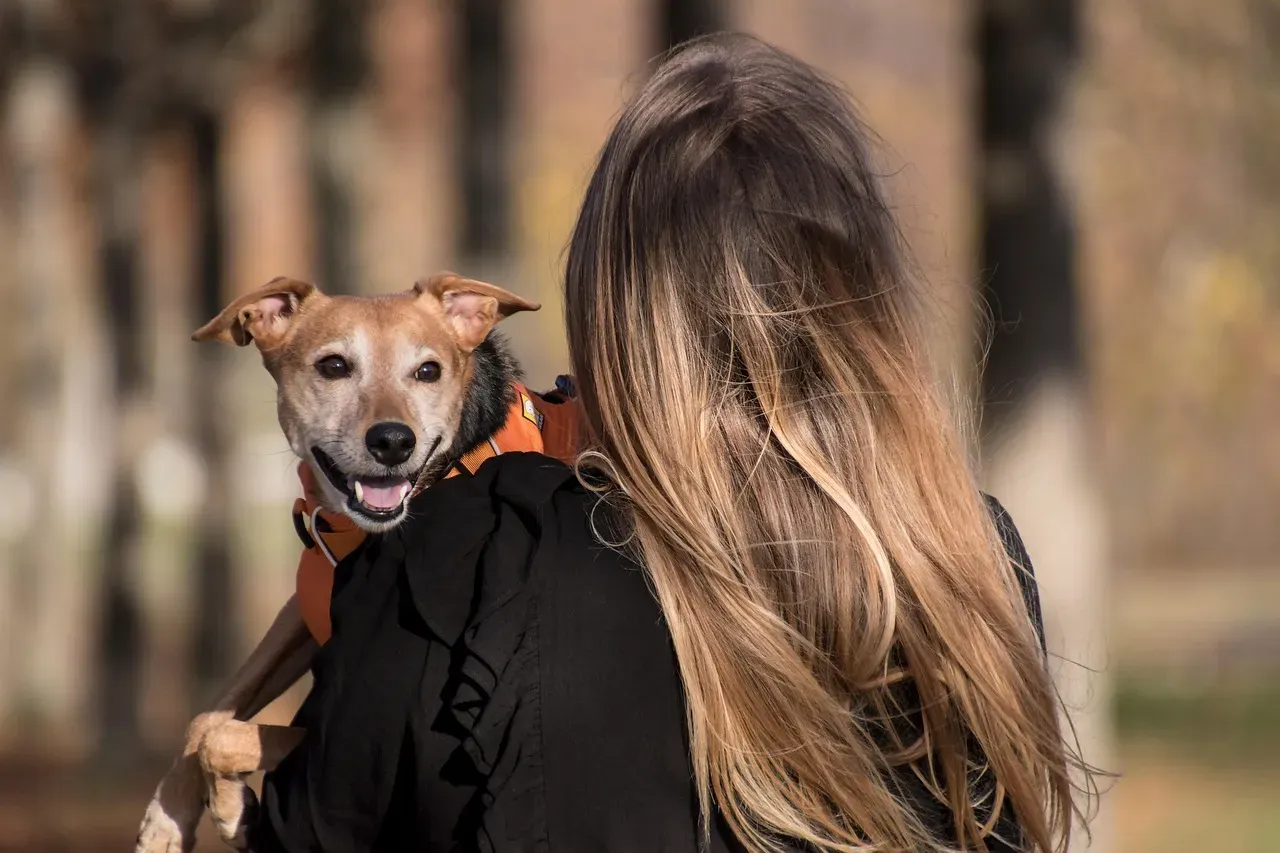
One of the most mind-bending areas of dog research has come from brain imaging. In some studies, dogs have been trained to lie still in MRI machines while listening to different sounds, including human voices with various emotional tones. When dogs hear their owner or another human crying or speaking in a distressed way, parts of their brain associated with processing emotion and social sounds can become more active.
This suggests that your crying voice is not just another noise; it is interpreted by the dog’s brain as meaningful and emotionally loaded. Certain auditory and limbic regions in a dog’s brain appear tuned to pick up on emotional cues in human voices, similar in spirit to how our own brains react. So when you break down in tears, you are sending a signal that your dog’s brain treats as important social information, which can help explain why their behavior often shifts so quickly and intensely.
6. Their Own Emotional State Can Shift Toward Distress or Concern

Dogs do not just observe emotions; they can be emotionally affected by them. Some experiments have shown that dogs will work to reach a crying owner, even bypassing a mild obstacle, suggesting that the sound of human distress is not neutral to them. Many dogs show signs of anxiety or concern around a crying person: whining, pacing, licking, or leaning heavily into their owner, like they are trying to plug a hole in a leaking ship.
Inside, this likely reflects changes in their own emotional systems, not just polite social responding. Stress hormones, heart rate, and brain activity can all shift in ways consistent with heightened emotion. There is debate about whether this is true empathy, but from a practical point of view, your pain can become their discomfort too. As someone who has had a dog climb halfway into my lap during a late-night crying session, it honestly felt like their body could not bear to stay neutral while I was falling apart.
The flip side is important: a dog who repeatedly experiences intense human distress without relief might start to carry a heavier emotional load over time. While that does not mean you should hide your feelings, it does argue for being mindful of their emotional world and making sure they get their own calm, predictable routines too. They are not just witnesses to your storms; they can be pulled into the wind with you.
7. Their “Comfort Response” Systems Activate, Driving Them Toward You
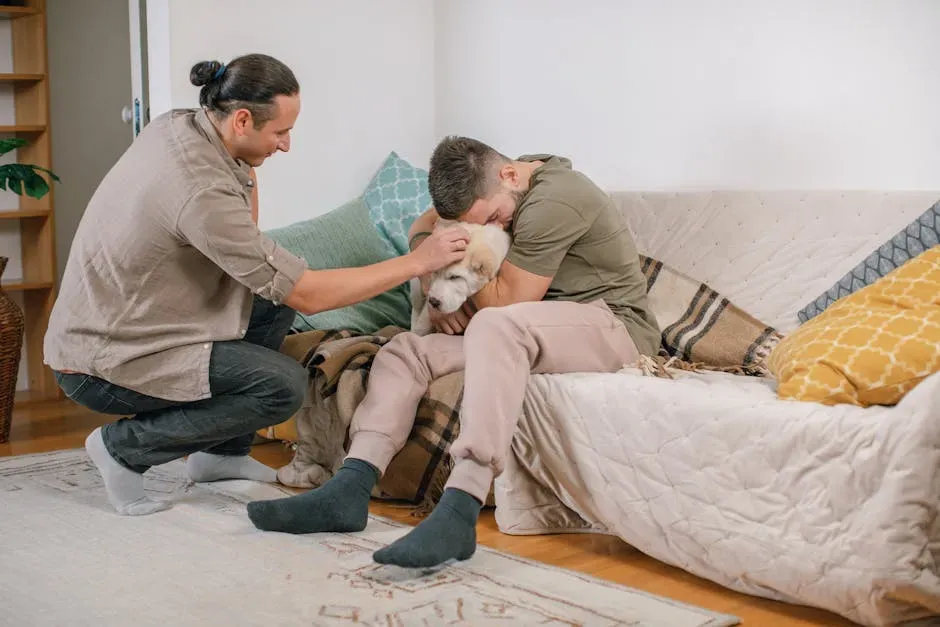
Here is the part that often feels almost magical, but is rooted in biology: many dogs appear wired to move toward their person when they sense distress. Studies where an owner acts upset, versus neutral, have shown that dogs are more likely to approach, interact, or try to physically reach the distressed person. Inside their bodies, this likely reflects a mix of social bonding mechanisms, learned history, and basic stress-regulation systems pushing them to close the gap.
Approaching you, making contact, and staying close can be soothing for the dog as well as for you. Physical touch, familiar scent, and routine closeness may calm their own nervous system, turning a stressful signal (your crying) into an opportunity to restore security for both of you. In a very real sense, your dog’s body may be using you as their safety blanket at the same time that you are leaning on them as yours, two nervous systems wrapping around each other until the worst of the moment passes.
Conclusion: Your Tears Are Not Invisible to Your Dog
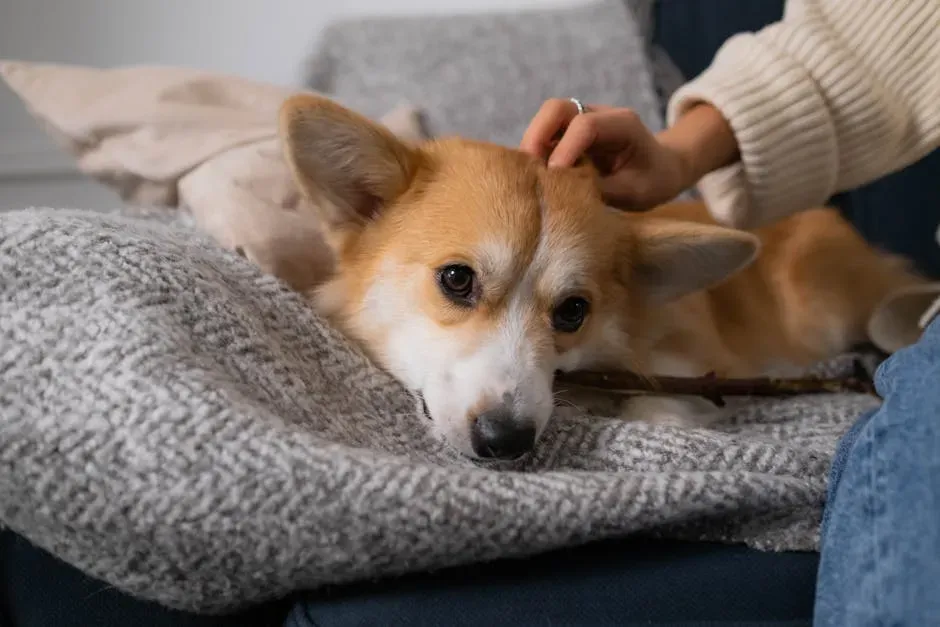
When you step back from all these findings, a clear picture starts to emerge: your dog is not a detached spectator when you cry. Their hormones can shift, their heart can race, their brain can rewire its attention, and their own emotional state can slide into concern. In my view, that goes far beyond simple conditioning or “they just want a treat”; it points to a deeply entangled relationship where your inner life leaves fingerprints on their biology.
At the same time, it is worth staying honest about what science can and cannot say yet. We do not fully know what dogs “feel” in human terms, and we should be careful not to project our own stories too neatly onto them. But the growing evidence that your stress shows up in their body is, to me, both beautiful and a little sobering. Your dog is carrying some of your emotional weather inside their own skin. The next time you find yourself crying into their fur, it might be worth asking: if they are willing to share the weight of your tears, what can you do, in return, to make their inner world feel a little lighter too?