Ever noticed your dog doing something that seems oddly familiar, as if they’re replaying a scene from their puppy days? It’s not just your imagination. Dogs have remarkable memories, and many of their daily behaviors are echoes from their early life experiences. Let’s explore seven everyday actions that reveal just how much your furry friend recalls from their puppyhood.
They Recognize People They Met as Puppies
They Recognize People They Met as Puppies (Image Credits: Pexels)Dogs have an impressive ability to remember individuals they encountered during their formative weeks. If someone who interacted with your dog during puppyhood visits years later, your dog might greet them with unusual enthusiasm. This recognition isn’t just about scent; it’s a deep-seated memory of early social bonds.Such encounters often trigger behaviors reminiscent of their younger days, like playful jumps or affectionate nuzzles. This enduring memory underscores the importance of positive interactions during a dog’s early life, as these experiences can shape their responses to people throughout their lives.
They React Strongly to Certain Scents From Early Life
They React Strongly to Certain Scents From Early Life (Image Credits: Rawpixel)A dog’s sense of smell is extraordinary, and certain scents from their puppyhood can evoke strong reactions. For instance, the aroma of a specific shampoo used during their early baths might make them wag their tail excitedly or, conversely, cause them to retreat if the memory was unpleasant.This olfactory memory plays a crucial role in how dogs perceive their environment. Familiar scents can provide comfort, while unfamiliar or negative ones might trigger caution. It’s a testament to how deeply their early experiences are ingrained in their sensory perceptions.
They Know the Way Around Old Neighborhoods
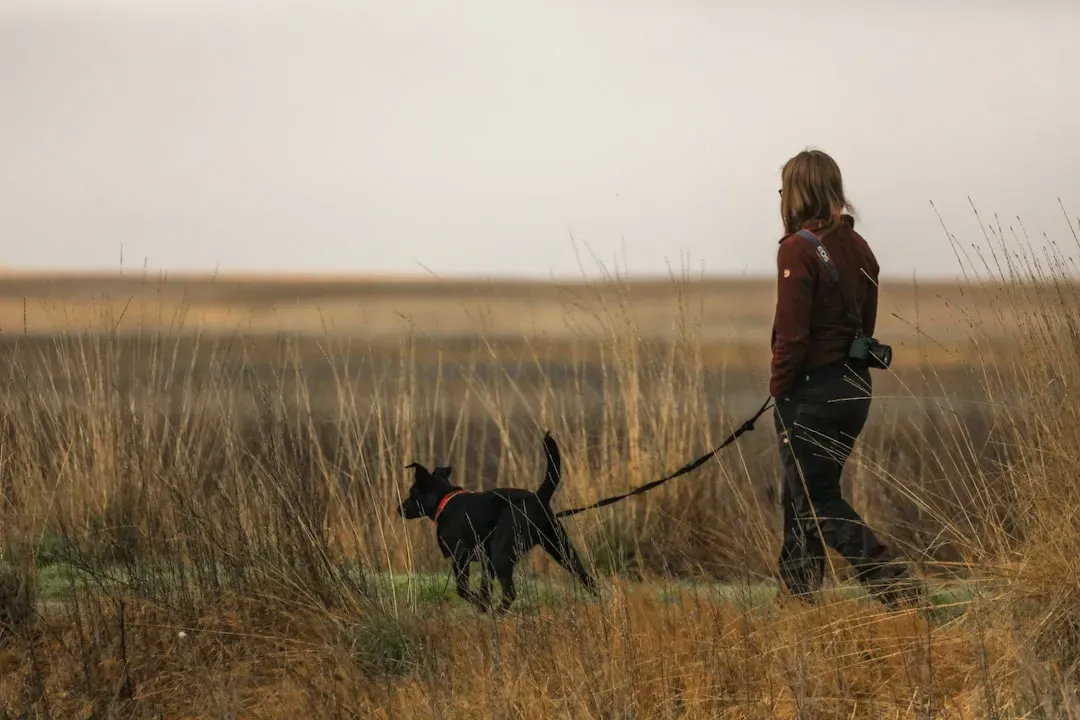
They Know the Way Around Old Neighborhoods (Image Credits: Unsplash)Even after years away, dogs often display an uncanny ability to navigate places they frequented as puppies. Returning to an old neighborhood, your dog might lead you directly to their favorite park or the spot where they used to meet other dogs.This spatial memory highlights the lasting impact of early explorations. The routes and landmarks they learned as puppies become etched in their minds, allowing them to recall and traverse these paths with ease, even after significant time has passed.
They Still Follow Commands Learned in Puppy Class
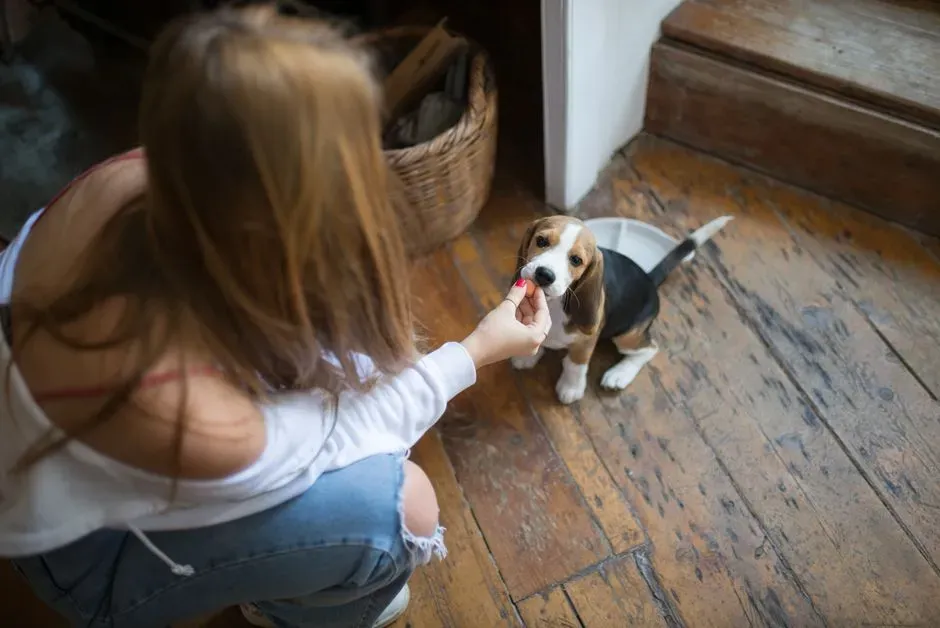
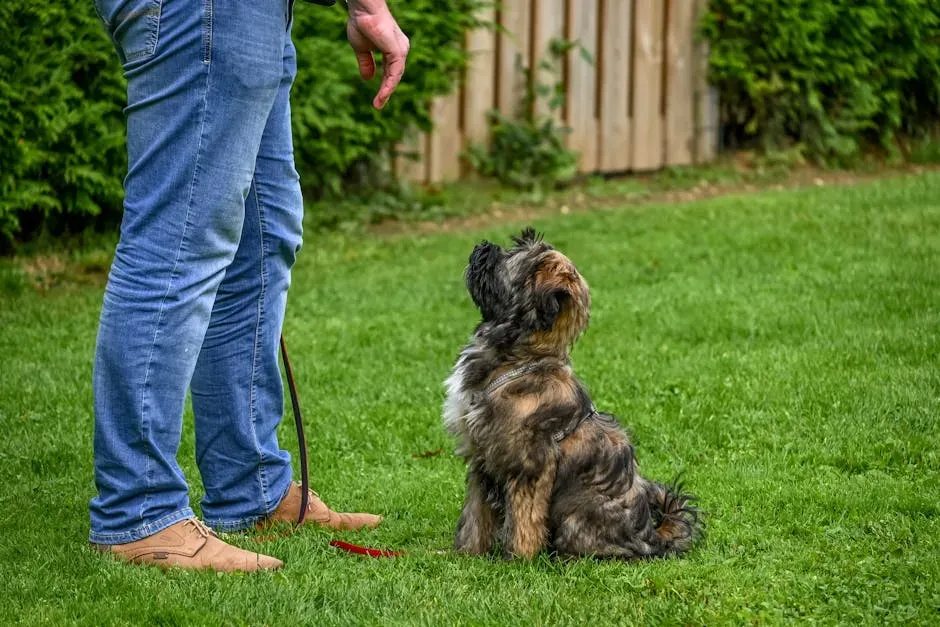
They Still Follow Commands Learned in Puppy Class (Image Credits: Pexels)Commands taught during puppyhood often stick with dogs for life. Even if you haven’t practiced “sit” or “stay” in years, your dog is likely to respond promptly when you use these cues. This retention showcases their ability to form long-term memories through consistent training.The enthusiasm with which they perform these commands can also reflect the positive reinforcement they received during training sessions. It emphasizes the importance of early education and the lasting bond it creates between dogs and their owners.
They Show Fear or Joy Around Specific Objects
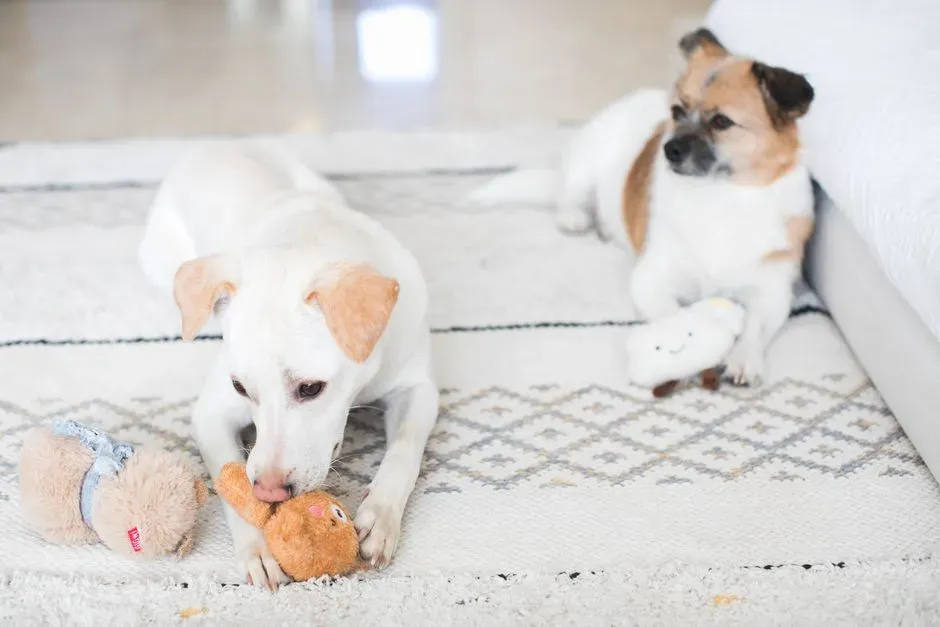
They Show Fear or Joy Around Specific Objects (Image Credits: Pexels)Certain objects can elicit strong emotional responses from dogs, rooted in their puppyhood experiences. A particular toy might bring immense joy because it was associated with playtime as a pup, while a specific type of leash might cause anxiety if it was linked to negative experiences.These reactions demonstrate how early associations influence a dog’s behavior. Positive experiences with objects during puppyhood can lead to lifelong affection for them, whereas negative ones can result in aversion or fear.
They Remember Other Animals From Their First Home
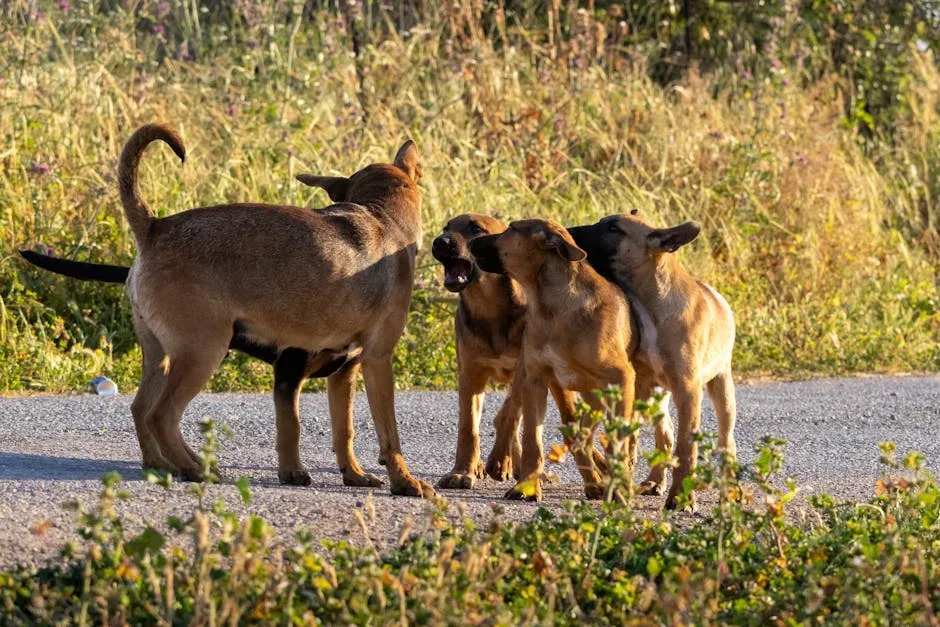
They Remember Other Animals From Their First Home (Image Credits: Pexels)Dogs often remember and recognize other animals they lived with during their early months. Reuniting with a littermate or a cat from their first home can lead to familiar play behaviors or affectionate interactions, even after years apart.This recognition underscores the social bonds formed during puppyhood. The early relationships they build with other animals can leave lasting impressions, influencing their social behaviors and preferences throughout their lives.
They Repeat Daily Routines From Their Puppy Schedule
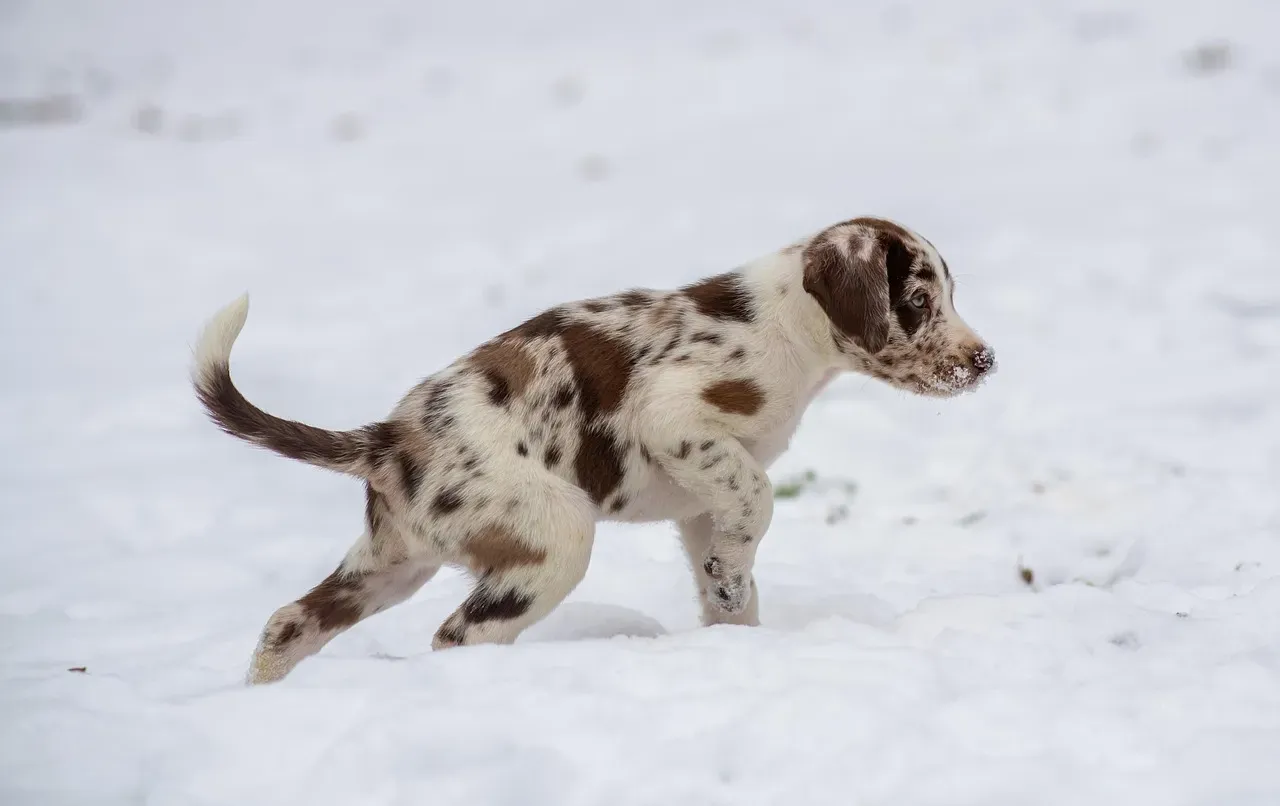
They Repeat Daily Routines From Their Puppy Schedule (Image Credits: Pixabay)Dogs are creatures of habit, and many of their daily routines are carryovers from their puppyhood. They might wake up, eat, or seek playtime at the same times they did as pups, even if your current schedule differs.This adherence to early routines highlights the impact of consistency during their formative weeks. Establishing positive habits early on can lead to well-adjusted adult dogs who thrive on structure and predictability.In conclusion, our canine companions are more than just creatures of the moment; they’re living archives of their past experiences. The behaviors they exhibit daily are not random but are deeply rooted in their puppyhood memories. Recognizing and understanding these actions not only deepens our bond with them but also emphasizes the importance of providing positive experiences during their early stages. After all, isn’t it fascinating to think that every wag, bark, or playful leap might be a page from their puppy diary?