

#1: They Stop Responding to Things That Once Lit Them Up

One of the first and most quietly devastating signs is a dog that simply stops caring about the things they used to love. A noticeable decline in interest in previously enjoyed activities is a significant behavioral change that indicates a dog’s diminishing vitality. This can look like showing no interest in toys or games they once enthusiastically enjoyed, or becoming less responsive to familiar sounds or even the presence of their loved ones.
If a dog is near the end, they may not want to get up from their spot, even for their most favoritest things, like toys, treats, and offers to go for a walk. They might not even seem happy to see family members. Owners often interpret this as depression or a bad day. Sometimes it’s both. Other times, it’s a window into something much more final, and recognizing the difference starts with noticing how consistently it’s happening.
#2: They Begin Seeking Unusual Places to Rest

As their body temperature regulation changes or their urge to feel safer increases, dying dogs start seeking unusual places to rest. This could include under furniture, in closets, and in other secluded spots. Your dog may want to be away from the hustle and bustle of daily household activities. It might seem odd at first. You’ll find them tucked behind the dryer, or wedged under a bed they’ve never used, and wonder what on earth they’re doing.
A dog’s emotional state can become more fragile as their final journey nears, leading to heightened anxiety or apprehension. They may become restless, unable to settle in one spot, or engage in repetitive pacing, even at night. Seeking out secluded or dark places to hide is a way to cope with their discomfort. This instinct to retreat is deeply ingrained. Don’t force them out. Instead, make that quiet corner as warm and comfortable as possible, and let them know you’re near.
#3: Their Breathing Changes in Subtle but Noticeable Ways

Labored or shallow breathing can occur due to fluid buildup in the lungs or weakening respiratory muscles. Open-mouth breathing even when not warm can indicate difficulty getting enough oxygen. These aren’t dramatic, gasping moments, at least not at first. In the early part of a dog’s final week, the change might be nothing more than a slightly longer pause between breaths, or a soft wheeze that wasn’t there a month ago.
You can look for shallow or rapid breaths, long pauses between their breaths, and a death rattle due to fluid buildup in their lungs. In this situation, keeping your dog in a calm and ventilated environment and doing gentle stroking can give reassurance to ease their anxiety. Breathing changes, especially when combined with other signs on this list, are one of the clearest indicators that the body is beginning to wind down. If you notice this, contact your veterinarian.
#4: Eating and Drinking Quietly Taper Off

Pets may lose interest in food or water as vital organ functions begin to shut down. Your dog may be reluctant to approach their food bowl, but continue to take treats, or they may stop eating altogether. This is one of the most commonly missed signs, particularly in the early stages. Many owners assume their dog is just being picky. A refused meal or two is filed away as nothing. The real signal is the consistent, progressive pattern of eating less and less over several days.
Loss of appetite is a common sign that a dog may be dying. As older dogs approach the end of their time, their bodies start shutting down, including their digestive system. As a result, they might refuse to eat or be fussy with certain foods. Encouraging eating and drinking without pressuring your pet by warming their food, using food toppers, or hand-feeding them can temporarily help your pet overcome appetite issues. Even small gestures like these carry enormous comfort in those final days.
#5: Their Social Behavior Does a Complete Reversal
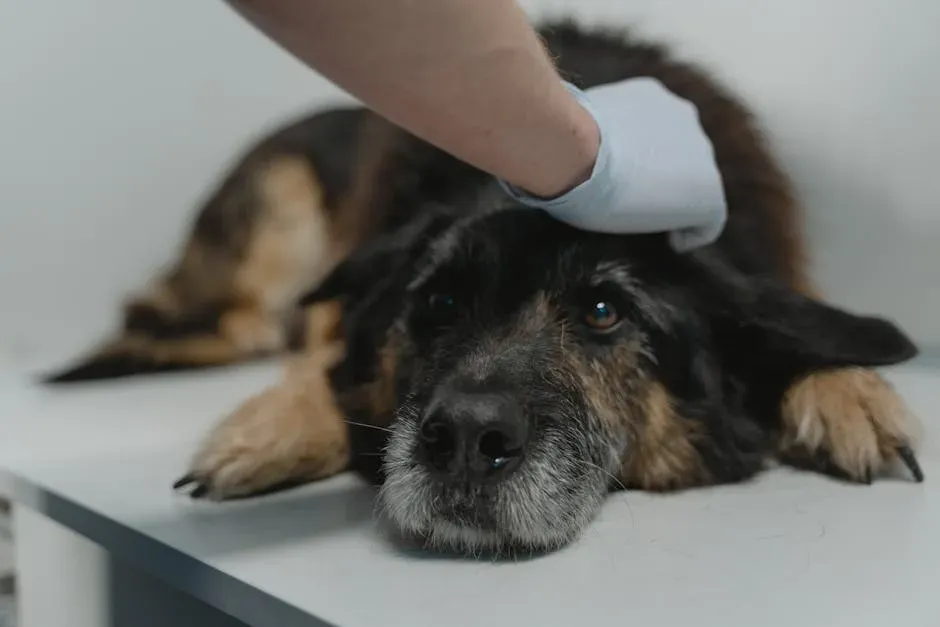
Dying dogs exhibit unusual behaviors like clinginess or withdrawal, sleep and appetite changes, confusion, and altered vocalization. What makes this sign so easy to miss is that it goes in two opposite directions. Some dogs press themselves against their owners constantly, following every step with a need for closeness that feels almost urgent. Others disappear entirely, slipping off to a room they rarely used, wanting nothing but quiet.
You may notice behavior changes toward the end of your dog’s life, things like lack of interest, lethargy, depression, anxiety or even aggression or clinginess. This can be due to a lot of reasons, from chemical to emotional, and varies from dog to dog. While dogs can’t speak their goodbyes, some pet owners have observed behavior at the end of life that could be a dog communicating their goodbye, like seeking out extra companionship or solitude. Neither response is wrong. Both deserve your patience and your presence.
#6: Confusion and Disorientation Set In
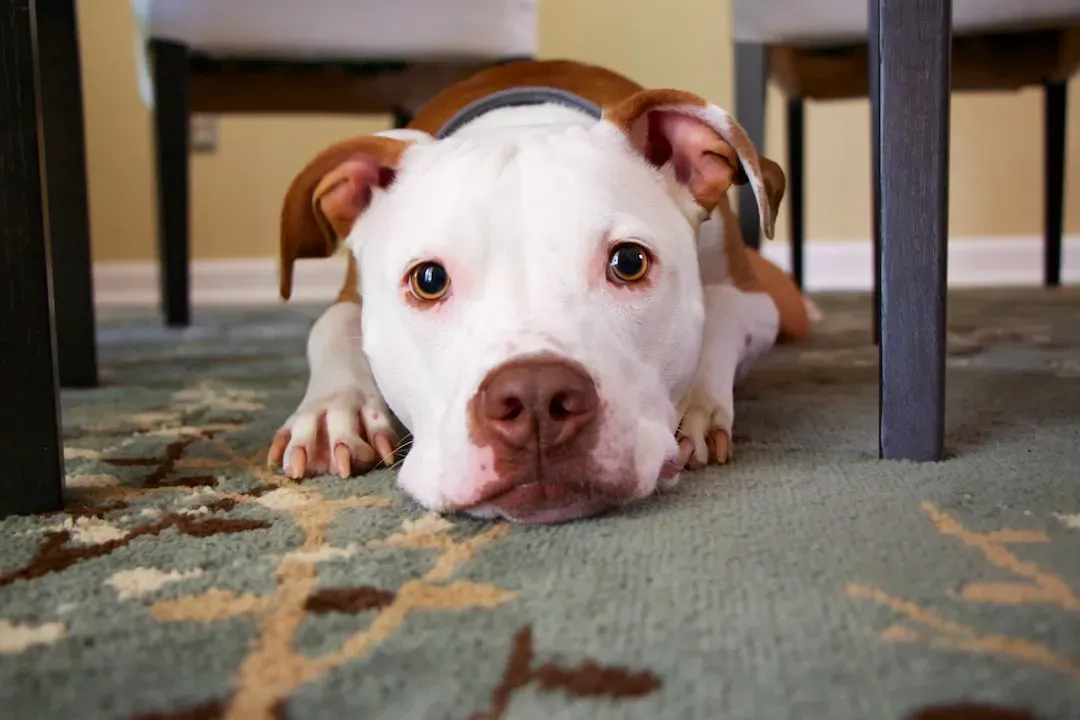
Disorientation and confusion are common. You might find your dog staring at walls, getting stuck in corners, or forgetting where their water bowl is as canine cognitive dysfunction sets in, a condition similar to dementia in humans. This is one of the most distressing signs to witness, because the dog you’ve always known seems to momentarily not recognize the world around them. It can happen in brief episodes or linger for longer stretches during a final week.
Canine Cognitive Dysfunction or “dog dementia” can become more pronounced in a dog’s final stages. This can manifest as disorientation, where they may seem lost in familiar surroundings or have trouble recognizing family members. Affected pets may pace, stare, vocalize, develop anxiety, or seem lost in their once-familiar home. Medication and sticking to a routine can sometimes help these pets, although the behaviors can be distressing for pet owners, too. Keeping the environment calm, consistent, and familiar is one of the best things you can do.
#7: Their Vocalization Patterns Shift Unexpectedly

Some dogs may become unusually quiet, while others may exhibit increased vocalization, such as whining, howling, or barking, often without an apparent trigger. These vocalizations can be a sign of pain, anxiety, confusion, or a general sense of unease. For a dog that has always been vocal, sudden silence can be just as alarming as sudden crying. Both deserve attention, because both are the dog’s only way of saying that something inside them has changed.
Changes in vocalization patterns can provide insights into a dog’s comfort level, pain, or emotional state as their time draws to a close. This may include vocalizing, whining, or whimpering more due to discomfort, becoming unusually quiet and ceasing to bark or growl, or emitting low-pitched howls or disoriented barks if experiencing a decline in their mental faculties. If your dog is crying or whimpering more than usual, talk to your vet promptly. Pain management in a dog’s final days can make an enormous difference to their quality of life and their sense of safety.
What This All Means: A Conclusion Worth Reading

Here’s an honest truth that doesn’t get said enough: most owners already sense when something is wrong. They feel it before they can name it. Sometimes, specific end-of-life behaviors are hard to pinpoint. Many pet parents seem to sense when something is off with a pet’s overall energy or expressions. That gut feeling is worth trusting. It’s not pessimism. It’s a deep attentiveness that years of love and companionship build between a person and their dog.
These signs can also be vague indicators of other non-terminal health issues, so it’s important to have your dog examined by their regular vet if you notice a change or decline in their health or daily routine at home. Not every sign on this list means the end is certain. Some may point to treatable conditions. That’s precisely why veterinary guidance matters so much in these moments.
What I believe, firmly, is that the greatest disservice we do to our dogs near the end of their lives is to mistake their quiet signals for ordinary aging and look away. These seven behaviors aren’t random. They’re a language. As you spot these changes, you can create meaningful, peaceful final experiences filled with love and comfort rather than confusion and distress. Your dog spent their entire life reading your moods, your footsteps, the sound of your car. The least we can offer in return is to pay just as close attention to theirs.


