
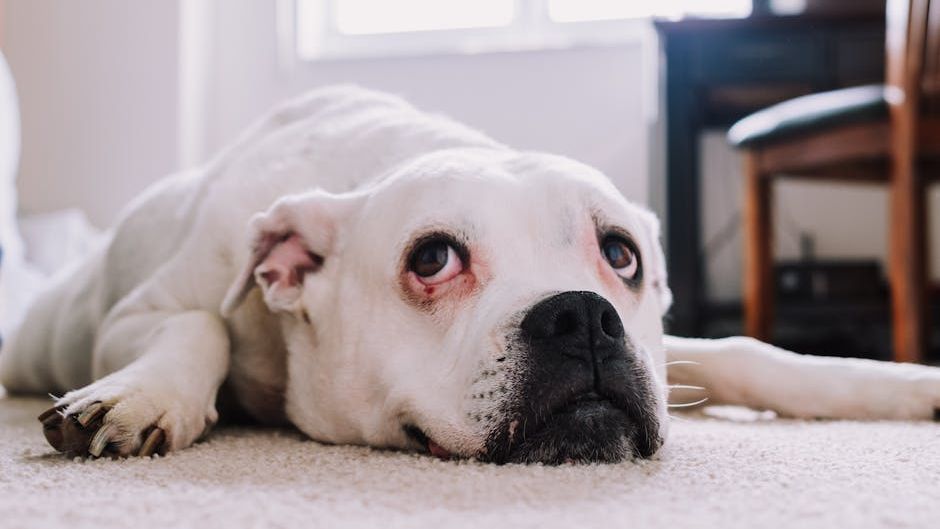
#1: They Start Avoiding Eye Contact With You
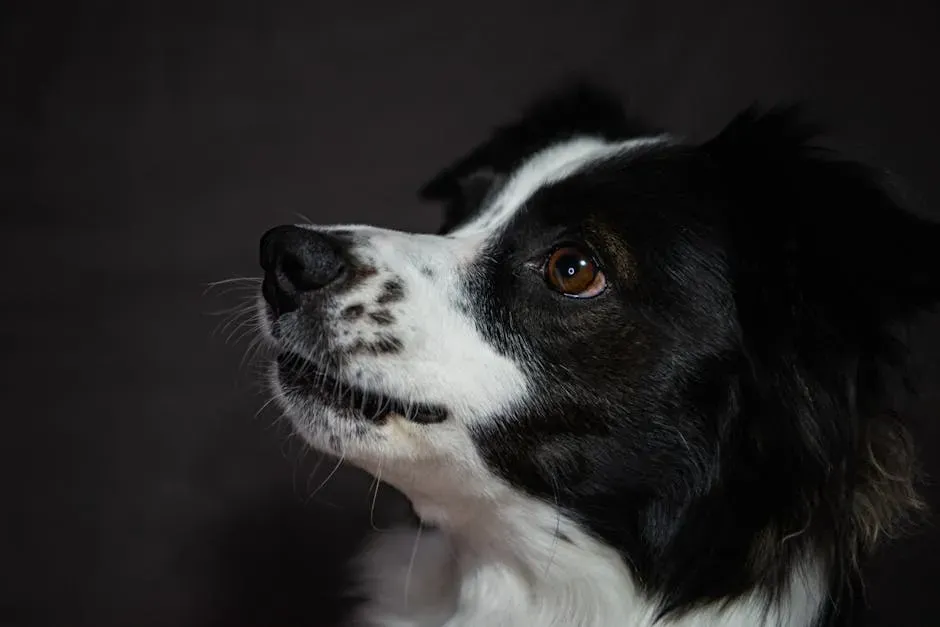
In a balanced and healthy relationship, dogs generally seek their owner’s gaze, and making eye contact poses no discomfort for them. In cases where a dog awkwardly averts its gaze when its owner looks at it, possibly even retreats or turns away, it most likely signifies a lack of trust and uneasiness on the part of the animal. This isn’t a small thing. For a species that uses visual communication as a primary social tool, averted eyes carry real weight.
A dog that trusts you will likely have a relaxed body posture and facial expression. Dogs will often avoid eye contact with people they do not trust, as they see this as a sign of hostility. So when your dog consistently looks away the moment your gaze lands on them, they’re not being aloof. They’re sending a message, carefully and repeatedly, hoping you’ll eventually understand it.
#2: They Hide or Retreat When You Come Home
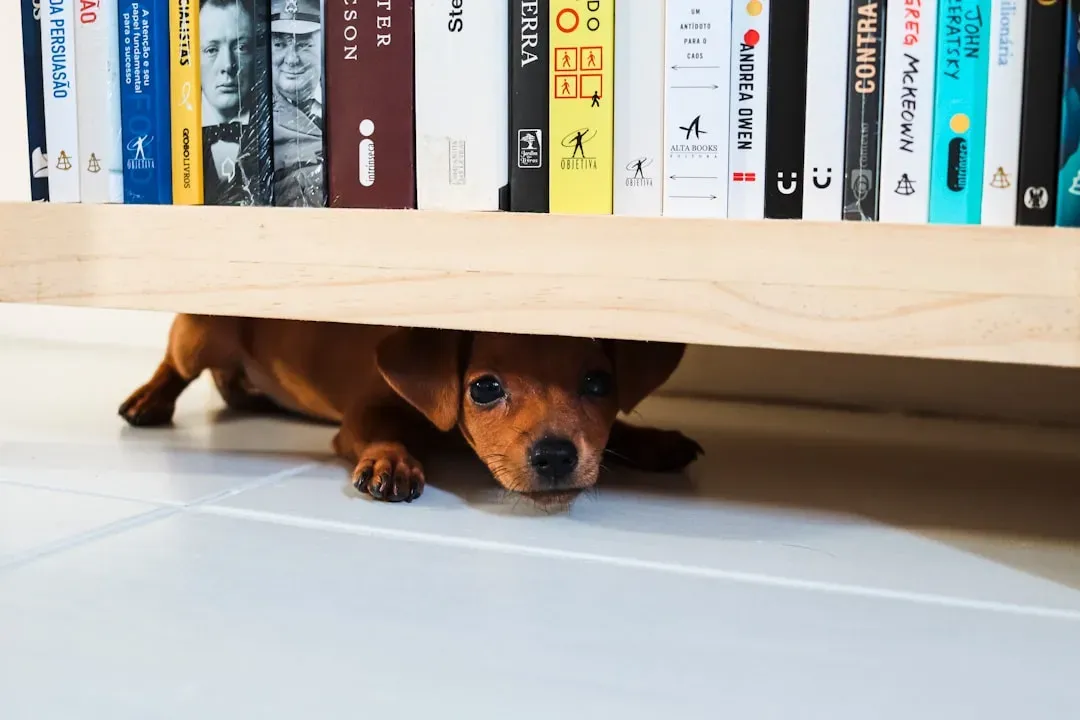
In a balanced dog-owner relationship, dogs typically greet the returning person with exuberant joy and rapid tail wagging. In the case of certain breeds, the entire hindquarters may follow the tail’s movement. If this is absent, and the dog approaches cautiously, tucking its tail between its hind legs, or cautiously and very slowly wagging its tail, it is a clear sign that the owner’s presence triggers tension and alertness in the dog.
The situation is considered somewhat more severe when a dog avoids you or seeks refuge when you arrive home. It may move to another room, or hide under or behind something. Often this behavior is accompanied by the dog’s wide eyes and a fixed gaze, closely following your movements, never taking its eyes off you. All of this is a clear sign that your presence induces fear and discomfort in the animal. Coming home should be the highlight of their day. When it becomes something to brace for instead, trust is already slipping fast.
#3: They Stop Responding to Your Cues and Commands
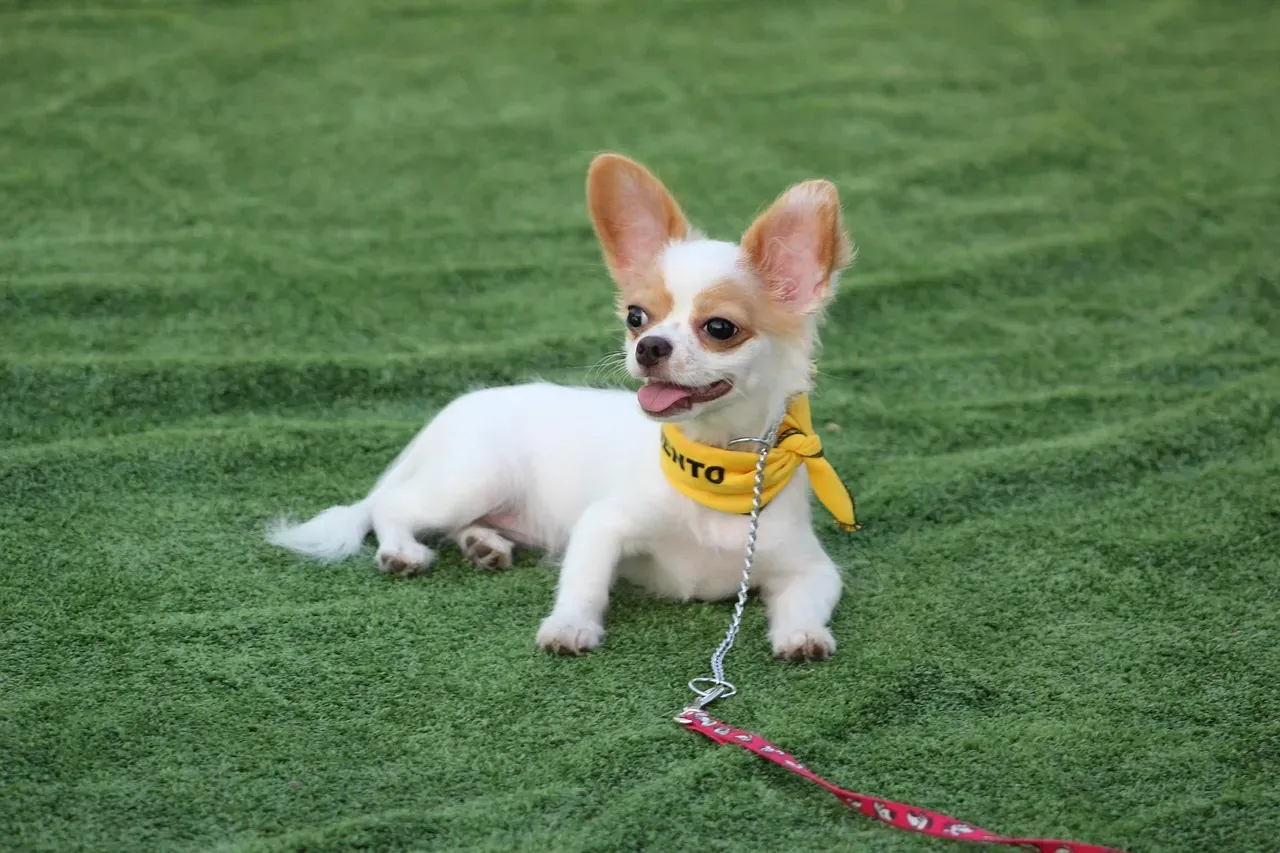
If you pay attention to your dog sometimes and ignore him at other times, or if you’re mean to him sometimes and nice at others, he won’t know what to expect. He will always be nervous and afraid of you. His trust in you will be damaged or will not develop at all. When trust erodes, the motivation to listen erodes right along with it. A dog that once came running on the first call now lingers, hesitates, or flat-out ignores you.
Your dog watches you more carefully than you probably realize. Every mood shift, every rule you bend, every moment you override their signals, they’re tracking all of it. Dogs are extraordinarily sensitive to patterns, and when those patterns stop making sense, something quietly breaks in the relationship. Selective listening isn’t defiance. It’s a dog that has stopped believing your signals are safe to follow.
#4: They Show Stress Signals You’ve Been Misreading
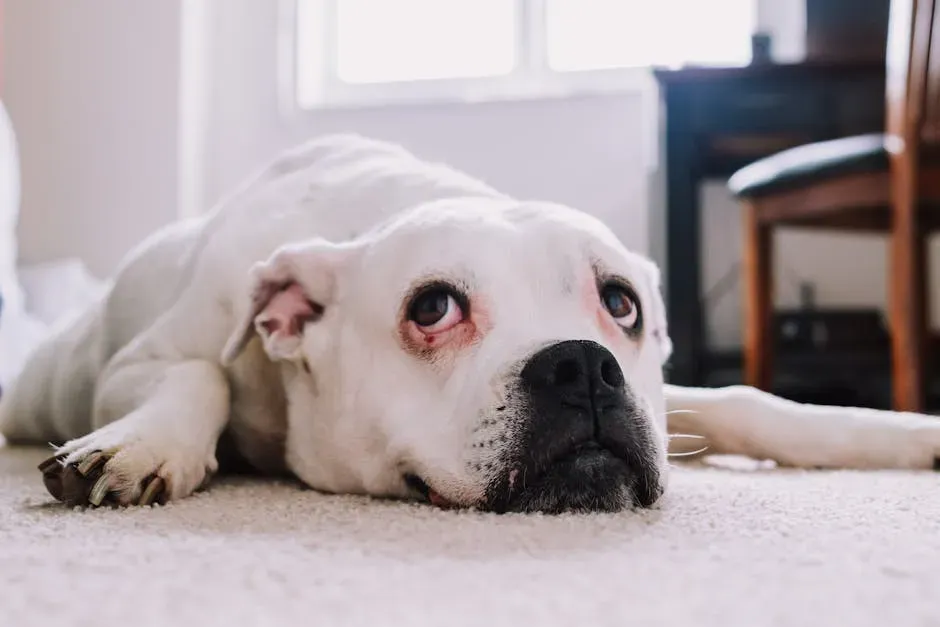
Dogs communicate discomfort through body language, including ears pinned back, tail tucked, lip licking, or avoiding eye contact. Dismissing these signs and pushing them into stressful situations makes them feel unheard and unsafe. The problem is that many owners don’t recognize these signals for what they are. A dog yawning during a cuddle session doesn’t look distressed. A dog licking its lips during training looks normal. These behaviors are anything but.
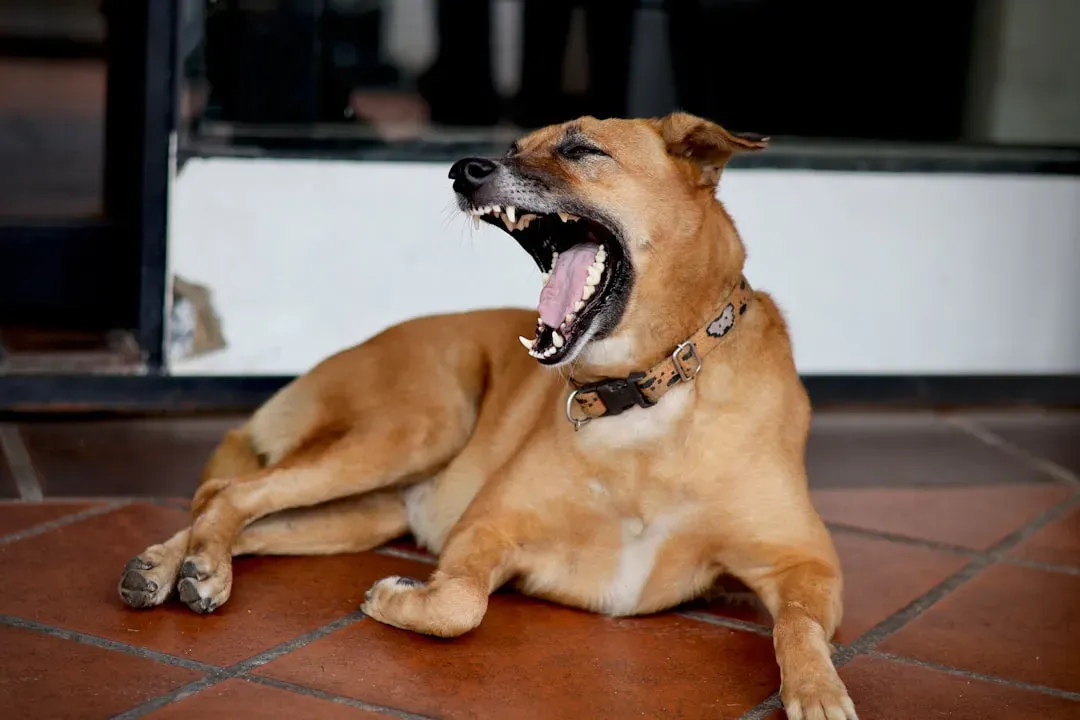
If your dog yawns during a training session, at the vet, or when being hugged, it is likely a stress yawn. This is a displacement behavior used to release internal tension. It is your dog’s way of saying, “I am feeling overwhelmed right now.” Respecting that signal, rather than pushing through it, is one of the clearest ways to communicate to your dog that their boundaries matter. That communication builds more trust than any amount of forced cuddles ever could.
#5: They Refuse Treats From You But Accept Them From Others
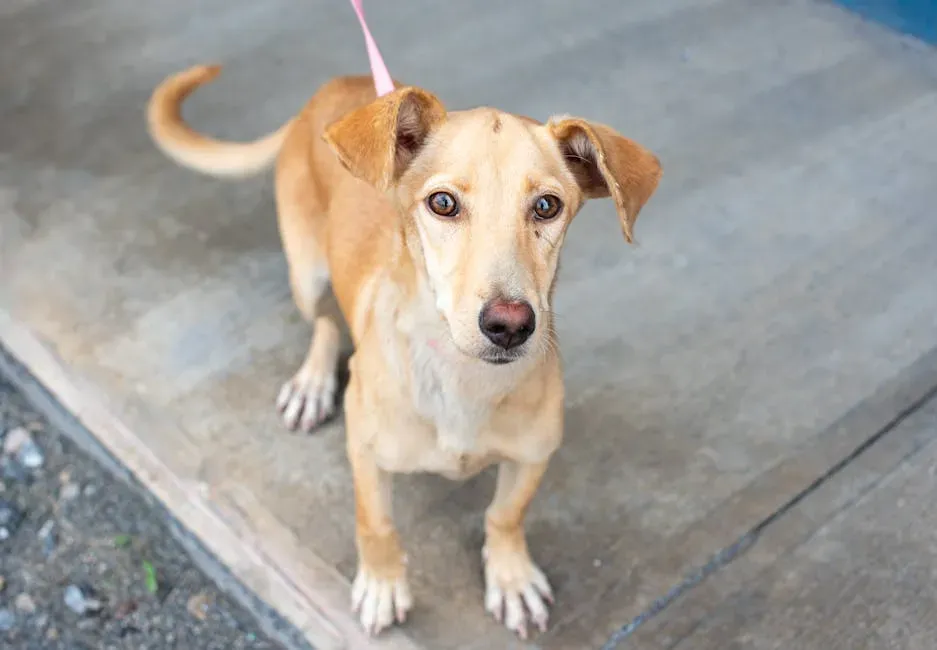
Particularly fearful dogs may refuse even their favorite treats from someone they don’t trust or they directly fear. If your dog accepts treats from someone else and then not from you, it’s often a sign that they don’t trust you enough. This one is hard to take. Watching your dog eagerly take a biscuit from a stranger while turning their nose up at the same treat from your hand tells you everything you need to know about where the relationship currently stands.
If your dog acts happy and cuddly with someone else but not with you, it could indicate that they fear you or do not have sufficient trust in you. It could be that they associate you with negative experiences or simply don’t enjoy how you interact with them. It’s a quiet but specific rejection, and it’s worth taking seriously rather than brushing off as pickiness or coincidence.
#6: They Flinch, Freeze, or Tense Up When You Reach for Them
If your dog flinches or moves away when you try to touch her, it may be an indication of fear or that she doesn’t yet trust you. A flinch is one of the most direct pieces of communication a dog can offer. It’s involuntary, instinctive, and brutally honest. When reaching out to pet your dog turns into a moment of bracing rather than comfort, the relationship has moved into troubled territory.
One common mistake made over and over again with fearful dogs whose progress is “stuck” is failure to recognize more subtle signs of fear and discomfort. This can really damage the bond you have with your dog. Because the signals aren’t always obvious, owners often report that their dog seems “fine” in a given situation. When observed more carefully, the dog is actually quite uncomfortable. Freezing, stiffening, or a sudden stillness under your touch are signs that deserve the same attention as a visible flinch. They all mean the same thing.
#7: They Guard Resources or Growl Without an Obvious Trigger
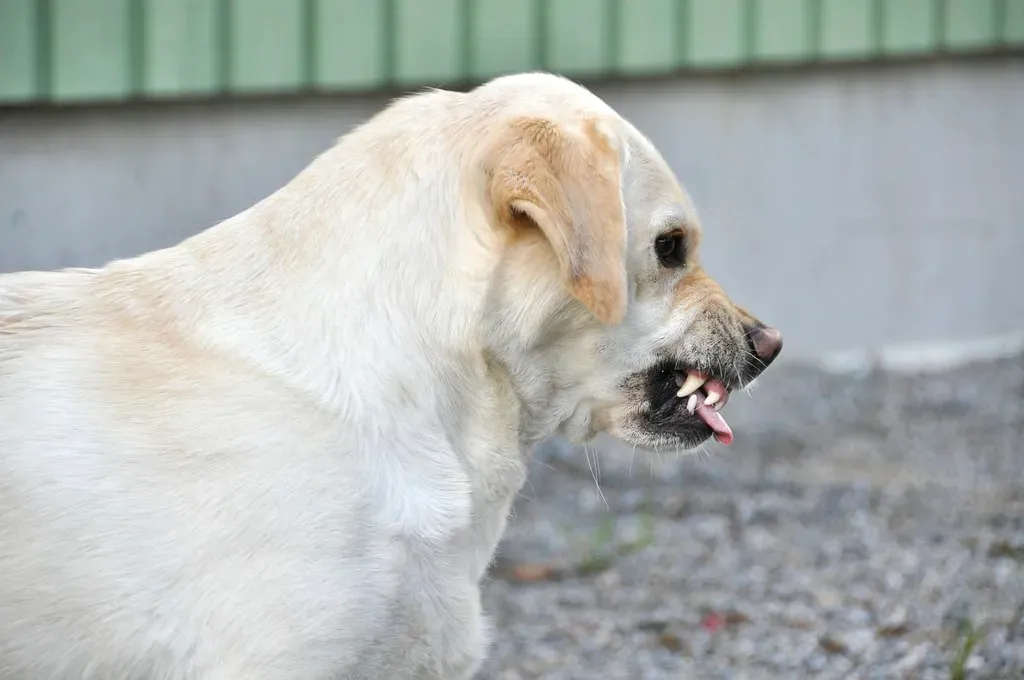
The usual trigger is often that an inexperienced or assertive owner neglected to establish rules defining the framework of coexistence in a timely manner, along with their consistent enforcement. Consequently, it becomes unclear for the dog what it can or cannot do. This lack of clarity can result in incomplete trust towards family members. Resource guarding and low growls that seem unprovoked are rarely random. They’re a dog that has stopped feeling secure enough to rely on you for protection and predictability, so they’ve started handling it themselves.
Signs to look out for include moving away with items when in their possession. Dogs may even bite if they have learned that people are always going to reach into their mouths and remove things. They have learned that aggression is their only effective tool. Aggression may be the most alarming sign of a dog’s distrust towards its owner. A dog that doesn’t trust you might snap, bite, or react out of fear or anxiety. It’s not the dog turning “bad.” It’s a dog that has been pushed to a place where they feel they have no other options left.
What You Can Still Do About It
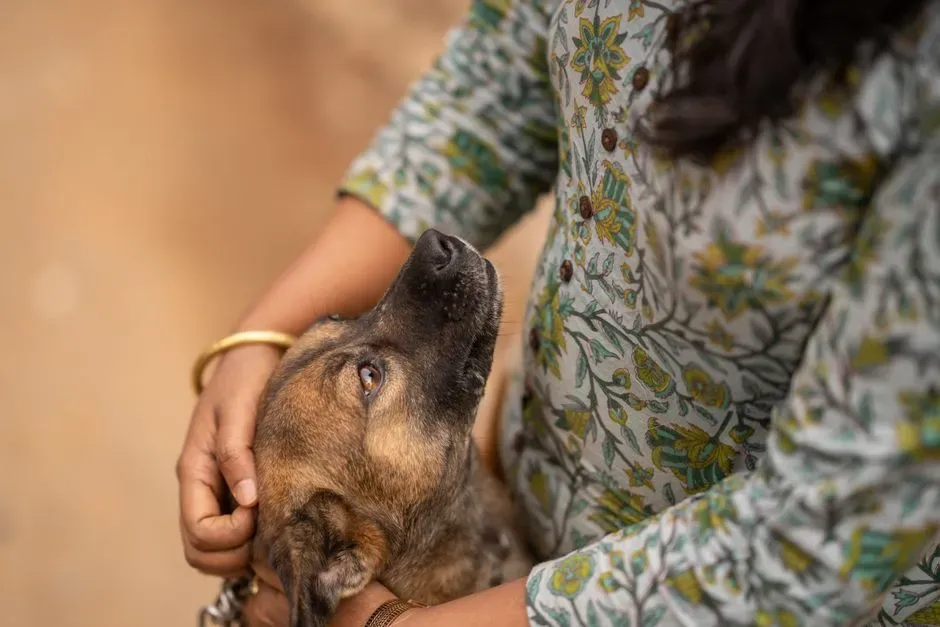
Dogs build trust the same way humans do, through predictability, safety, and consistent experiences over time. For some dogs that process is relatively fast, for others it can take many, many months. The good news is that trust, even heavily damaged trust, is rarely completely gone. It’s been withdrawn, not destroyed. The path back requires slowing down, reading the room, and letting your dog lead the pace of repair.
If we remove agency, we remove choice and control, and if we remove those two things, trust will not grow. It may in fact evaporate completely. Many humans interpret avoidance as stubbornness or independence, but often it means the dog hasn’t learned that being near you is safe and predictable. The path back requires giving dogs more room to make choices, more space to approach on their own terms, and more predictable positive outcomes to anchor their sense of safety. Tossing treats towards the dog and away from you instead of reaching toward them, and letting the dog approach voluntarily at their pace, are practical starting points for rebuilding confidence.
Final Thought
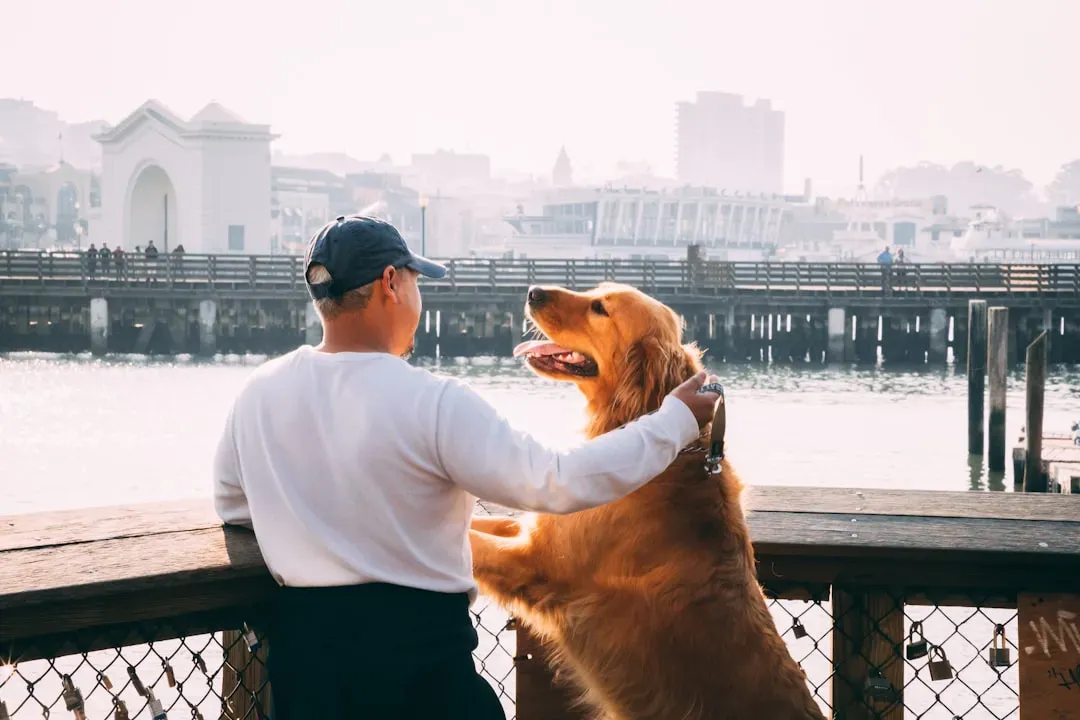
Trust between a dog and their person isn’t dramatic when it’s healthy. It looks like a tail wagging at the door, a body relaxing into your hand, a dog that follows you from room to room simply because being near you feels good. When those small things start disappearing, they don’t disappear all at once.
They go one quiet signal at a time. The honest, uncomfortable truth is that most of the behaviors listed here aren’t signs of a broken dog. They’re signs of a dog that tried to tell you something, again and again, in the only language available to them. The question worth sitting with isn’t whether your dog still trusts you. It’s whether you’ve been listening closely enough to know.


