
#1: You Exercise Empathy in a Way Most People Never Bother To
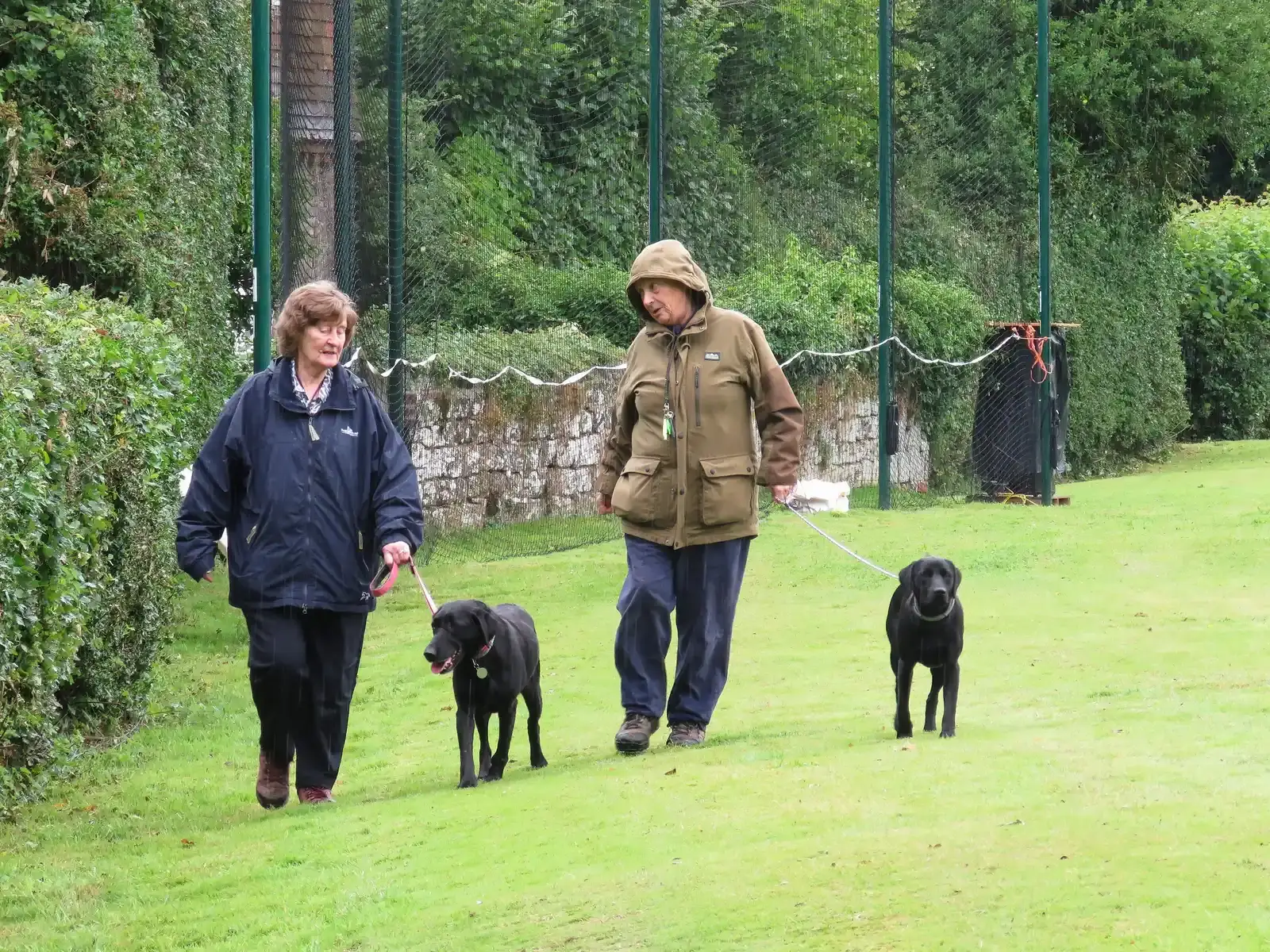
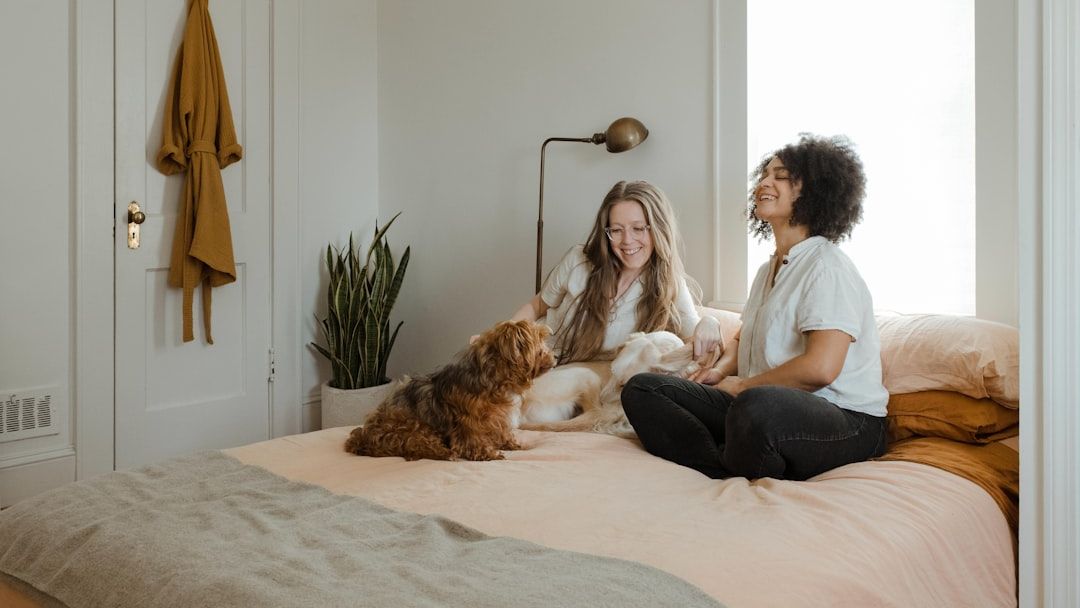
Empathy is one of the most commonly recognized traits in people who talk to their pets as though they are human. According to studies, this behavior often signals that a person is highly tuned in to the feelings and experiences of others. There’s something telling about the willingness to emotionally invest in a being that cannot respond with words. It requires an imaginative leap, a genuine desire to connect rather than just be heard.
A study found a strong correlation between pet attachment and emotional intelligence. The research suggests that individuals who form strong bonds with their pets, often through human-like communication, tend to have higher levels of emotional intelligence. This ability to connect on an emotional level with non-human beings shows an impressive capacity for empathy, self-awareness, and emotional regulation. In practice, this means the person talking to their dog about a hard afternoon is likely the same person who notices when a colleague seems off, or who genuinely listens without immediately redirecting the conversation back to themselves.
#2: Your Brain Is Wired for Deep Social Cognition
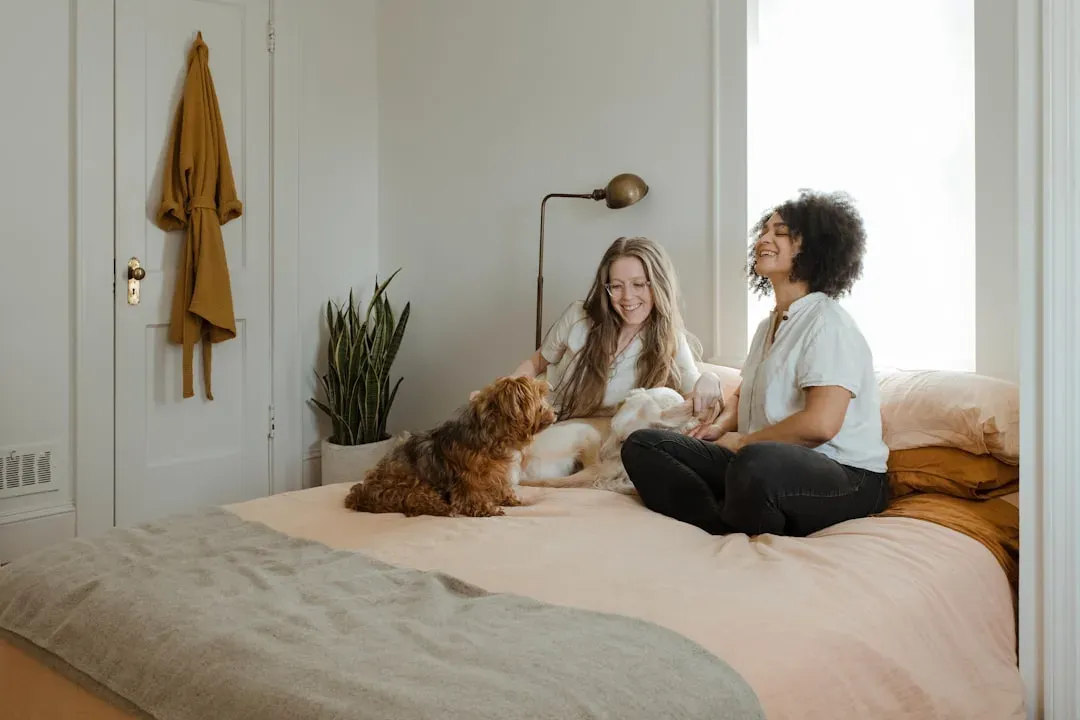
Talking to pets may seem like a quirky habit, but it reveals far more than a love for animals. The act of treating pets like people touches on deep emotional instincts, social behavior, and even cognitive development. While some may see it as silly, psychology offers a much more compelling explanation. Speaking to dogs, cats, birds, or even lizards as if they understand is not only normal but tied to specific emotional traits and mental well-being.
Pet owners often assign moods or reactions to their pets, such as saying a dog “looks guilty” or a cat “wants attention.” These interpretations require mental perspective-taking, a key part of social cognition. This explains why people in fields like teaching, therapy, or caregiving are often more likely to talk to their animals. The ability to imagine what someone else is experiencing, human or otherwise, is precisely the kind of mental flexibility that makes people genuinely good at navigating relationships. It’s not a small thing.
#3: You’re Practicing Emotional Honesty in a Space Without Judgment
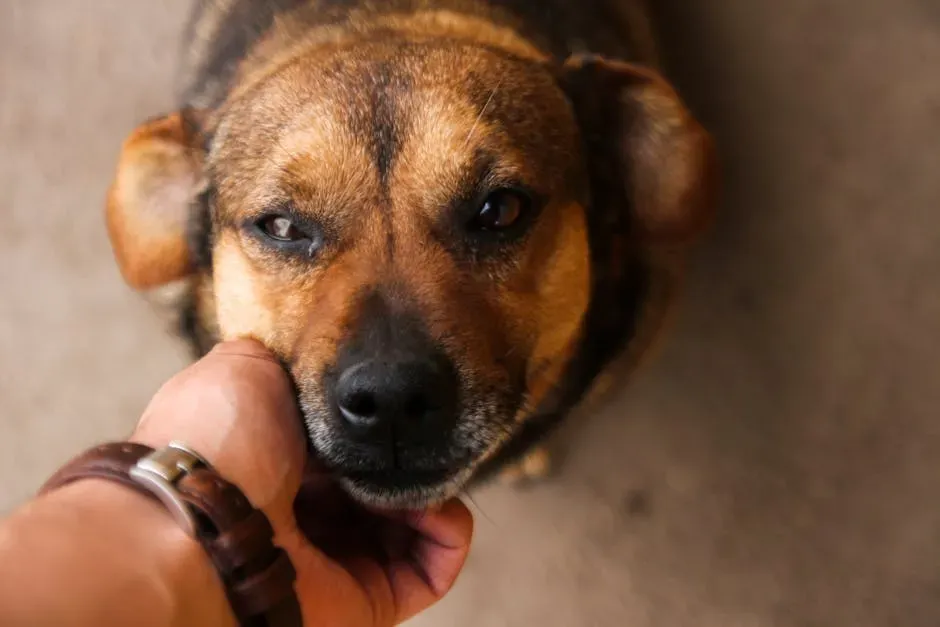
The habit of narrating your inner life to a creature who can’t judge you turns out to be surprisingly good practice for the kind of honesty that actual relationships require. When you tell your dog about your terrible day, you’re practicing the act of putting internal experience into words. You’re narrating feelings that might otherwise stay tangled up in your chest. Most people spend enormous energy filtering what they say to others. Your dog removes that filter entirely.
According to Psychology Today, people who anthropomorphize tend to show stronger social bonds and richer empathy. Research suggests that people who regularly talk to their pets like they’re human tend to develop communication habits that actually make them better at connecting with other humans too. Therapists spend entire sessions trying to help clients articulate internal states clearly. People who talk to their dogs do this informally, almost daily, without realizing the value of what they’re practicing.
#4: You Naturally Gravitate Toward Emotional Regulation
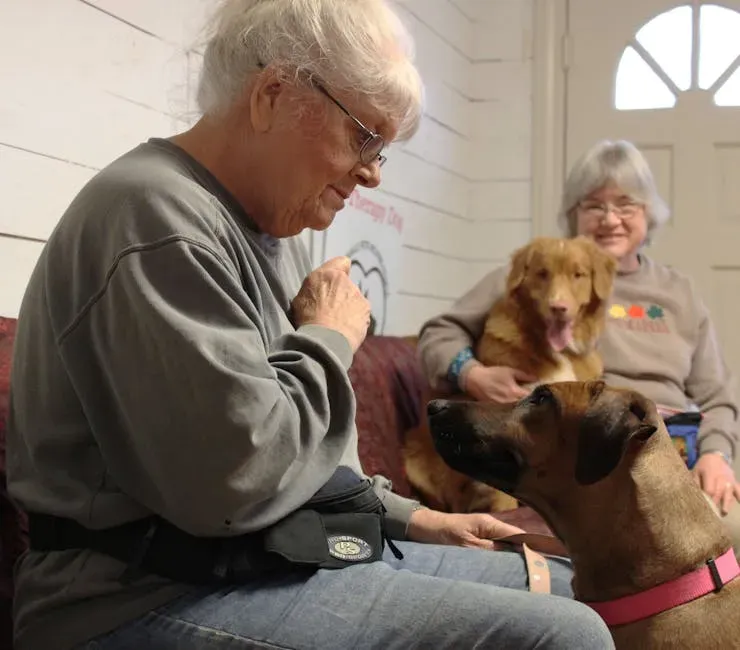
Emotional regulation is a core skill in mental health treatment. Many people have difficulty identifying, expressing, and managing strong emotions such as anger, sadness, or fear. Animals can help us practice emotional regulation in real time. For example, a therapy dog may respond calmly to a distressed person, which provides a model for regulating intense feelings. People who already talk to their pets at home are essentially doing an informal version of what structured animal-assisted therapy achieves in clinical settings.
In therapy, especially for children or trauma survivors, talking to pets can be a useful tool. Animal-assisted therapy uses dogs, horses, or even rabbits to help clients express emotions safely. Patients often find it easier to talk to animals first, before opening up to humans. This process helps rebuild trust and teaches emotional regulation. The fact that everyday dog owners do this naturally, without a therapist present, suggests they’ve developed a genuine instinct for self-soothing and emotional processing that many people actively struggle to build.
#5: You Possess a Form of Intelligence That’s Rarer Than It Sounds

People who talk to their pets aren’t just projecting human qualities onto them. They’re exercising a sophisticated form of perspective-taking that requires imagination, emotional depth, and cognitive flexibility. This ability to connect with non-verbal beings reflects a broader capacity for understanding and relating to others, both human and animal. It’s a quieter kind of intelligence, not the sort that shows up on a test, but one that shapes the quality of every relationship a person has.
Attributing emotions, attitudes, mental states, and values to non-human things can help you feel connected to something. Human brains process social information quickly, so it’s natural for them to assess non-humans with the same thought process. As research continues to explore the human-animal bond, the psychological meaning behind pet-talking becomes clearer. It is not a strange habit or a harmless eccentricity. It is a window into the emotional traits that shape how humans connect, feel, and care.
A Final Thought Worth Sitting With
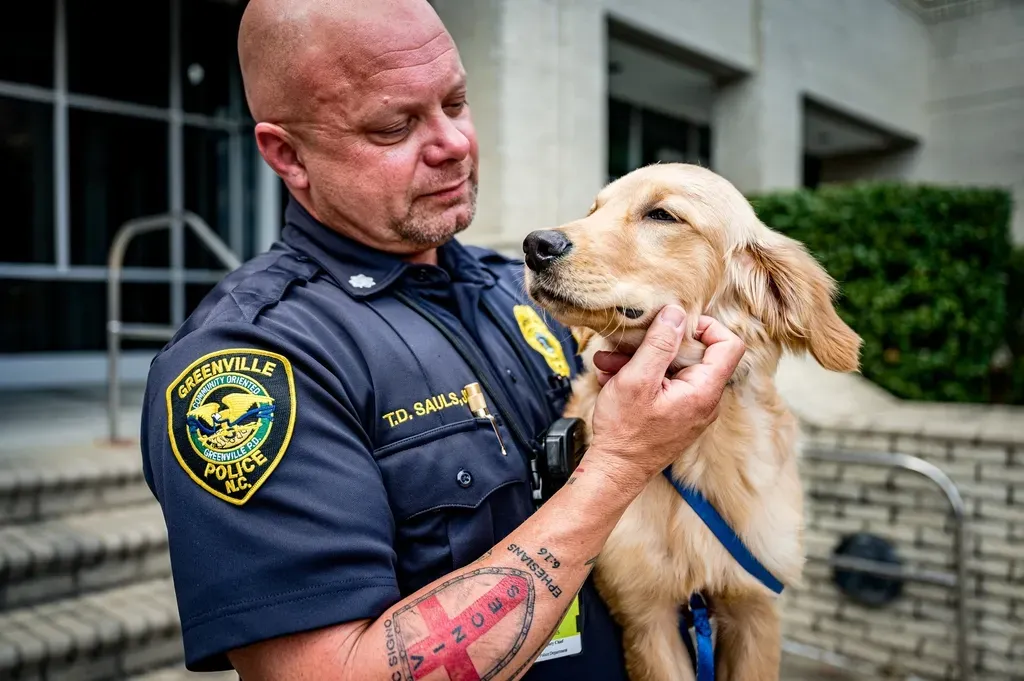
There’s a quiet irony here. The behavior that gets the most eye-rolls from strangers, the person in the park having a full conversation with their dog, is the same behavior that points toward some of the most valued psychological traits in human connection. Empathy. Emotional honesty. Perspective-taking. Regulation. These are not small things. Therapists spend careers helping people cultivate exactly this.
So if you’ve ever caught yourself explaining your feelings to your dog at the end of a long day and wondered whether you were being a little strange, consider this: you probably weren’t. You were being, in the most unguarded and unpretentious way possible, emotionally intelligent. Your dog already knew that. It just took the research a while to catch up.


