
7 Things Your Dog Stores in Long-Term Memory That Will Surprise Every Expert Who Thought They Knew Better

If you’ve ever had your dog lock eyes with you in a way that feels almost too human, you’ve probably wondered what is actually going on in that furry head. We know dogs remember basic commands and routines, but the deeper science of their long-term memory is still catching up with what many dog owners quietly suspected all along: our dogs are keeping much more than simple habits and treats tucked away in their minds.
What researchers are now starting to piece together is both heartwarming and, honestly, a little humbling. Dogs are not just reacting in the moment; they are carrying emotional snapshots, social stories, and tiny details about us over months and years. As someone who once watched a rescue dog I fostered sprint to greet me after a year apart, tail spinning like a helicopter, I’m convinced: their long-term memory is richer, messier, and more personal than most experts used to admit.
1. The Emotional “Flavor” Of Your Relationship

Here’s the shocker: your dog is not just memorizing what you do, but how you make them feel over and over again. Studies on canine cognition suggest that dogs form strong emotional associations, so your overall vibe – patient, tense, playful, unpredictable – gets stored as a kind of emotional profile in their long-term memory. They may not replay specific days like a movie, but they absolutely remember whether life with you feels safe, chaotic, exciting, or stressful.
This is why a dog can seem uneasy around someone who has never “done anything bad” in front of you. Their memory isn’t a simple list of events; it’s more like a long-running emotional average. If you think of it like a playlist, your dog is always asking: is this person’s playlist mostly calm, mostly scary, or mostly fun? That emotional flavor is what they carry forward when they decide how to greet you at the door or whether to lean into your chest on a bad day.
2. Tiny Context Clues You Don’t Realize You Repeat
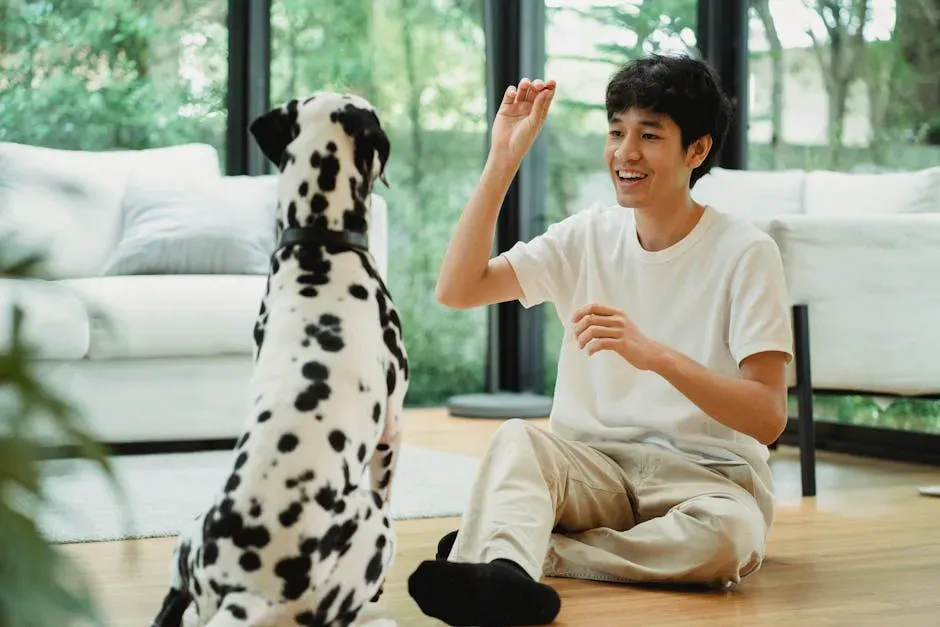
Most people assume their dog remembers the big stuff: the leash means a walk, the food bowl means dinner. But dogs are quietly logging dozens of tiny context clues and folding them into long-term memory. The way you grab your keys, the specific shoes you put on before a hike, even the sound of the cabinet you open before you sneak a snack – these become cues stored in their mind like a private codebook.
Over time, those clues fuse into patterns your dog will rely on for years. I once had a dog who would start pacing nervously anytime I rolled a suitcase out of the closet, because in his mind that exact sound meant I would disappear for days. No one trained him to think that; he simply stitched those little details together and filed them away. Experts used to underestimate just how much of our background noise ends up as lasting, meaningful information for our dogs.
3. The Social Rules Of Your Household

Your dog is quietly memorizing the unwritten rules that even humans sometimes struggle to explain. They learn who is allowed on the couch, which rooms are usually off-limits, and how loud is “too loud” before someone scolds them. Over time, these rules do not stay as short-term trial and error; they solidify into a long-term social map of your home that your dog can carry across months and even big life changes.
That’s why a dog can return to a house after a long break – maybe after a move or a stay with relatives – and snap right back into the old code of conduct. They remember that the teen daughter sneaks them food, that the toddler is unpredictable, and that the older adult in the house prefers quiet greetings. In a way, your dog stores a social rulebook that many experts once assumed only human kids could build. It is not just obedience; it is a stored understanding of “how things work around here.”
4. Your Unique Smell Story, Even Years Later
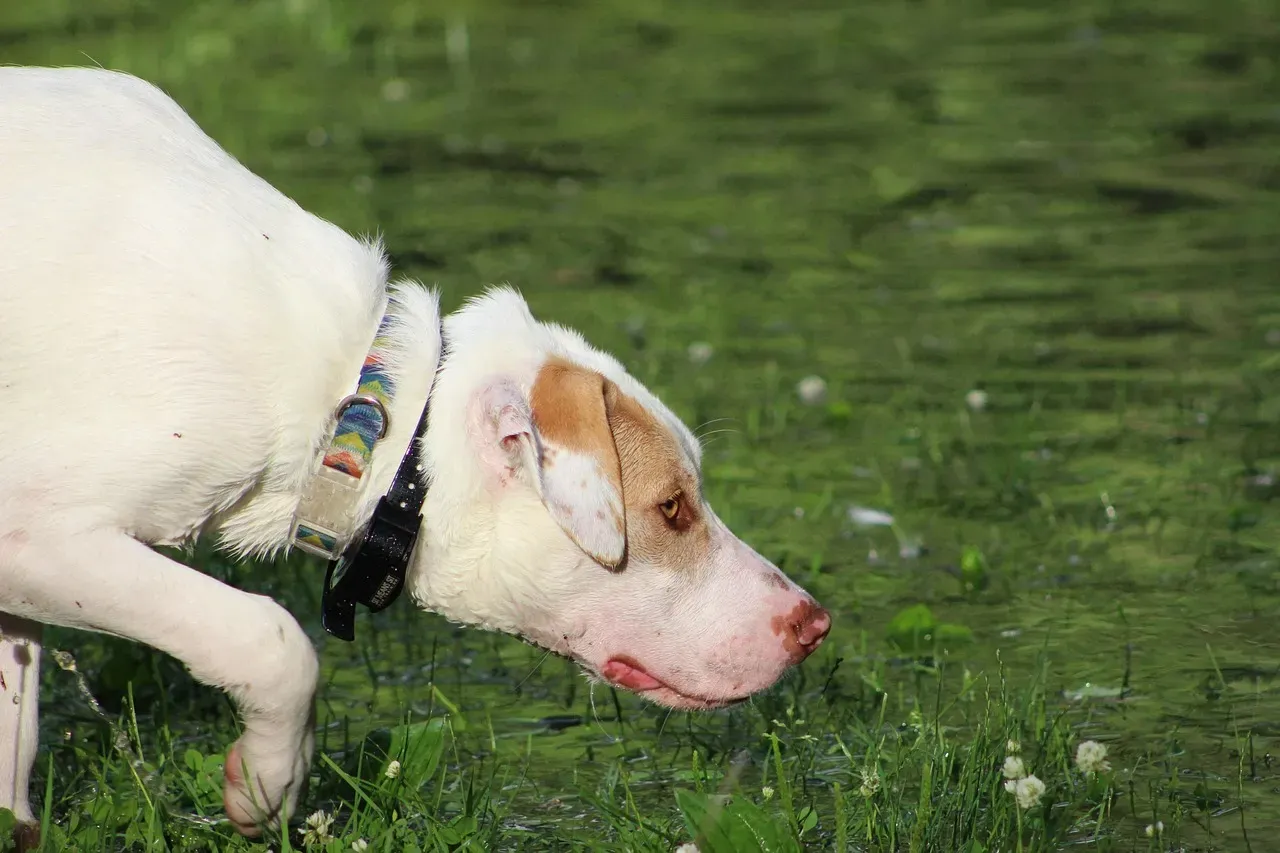
Everyone knows dogs have powerful noses, but we usually treat that like a fun fact and move on. What gets less attention is how scent weaves into long-term memory. Your dog is building a detailed scent profile of you, layer by layer, over time: your natural odor, the soap you use, the lingering smell of your workplace, even changes related to stress, hormones, or illness. All of that becomes a kind of scent biography they can recall after long absences.
This is why reunited dogs can go wild when they catch even a faint whiff of an owner on a piece of clothing or at a doorway. They are not just recognizing a smell in the moment; they are pulling up a long-stored scent file full of history and emotion. To me, that is one of the most moving things about living with a dog: even if you feel forgettable some days, you are literally unforgettable to them, chemically and emotionally, in a way that lingers for years.
5. How You React When They Are In Trouble
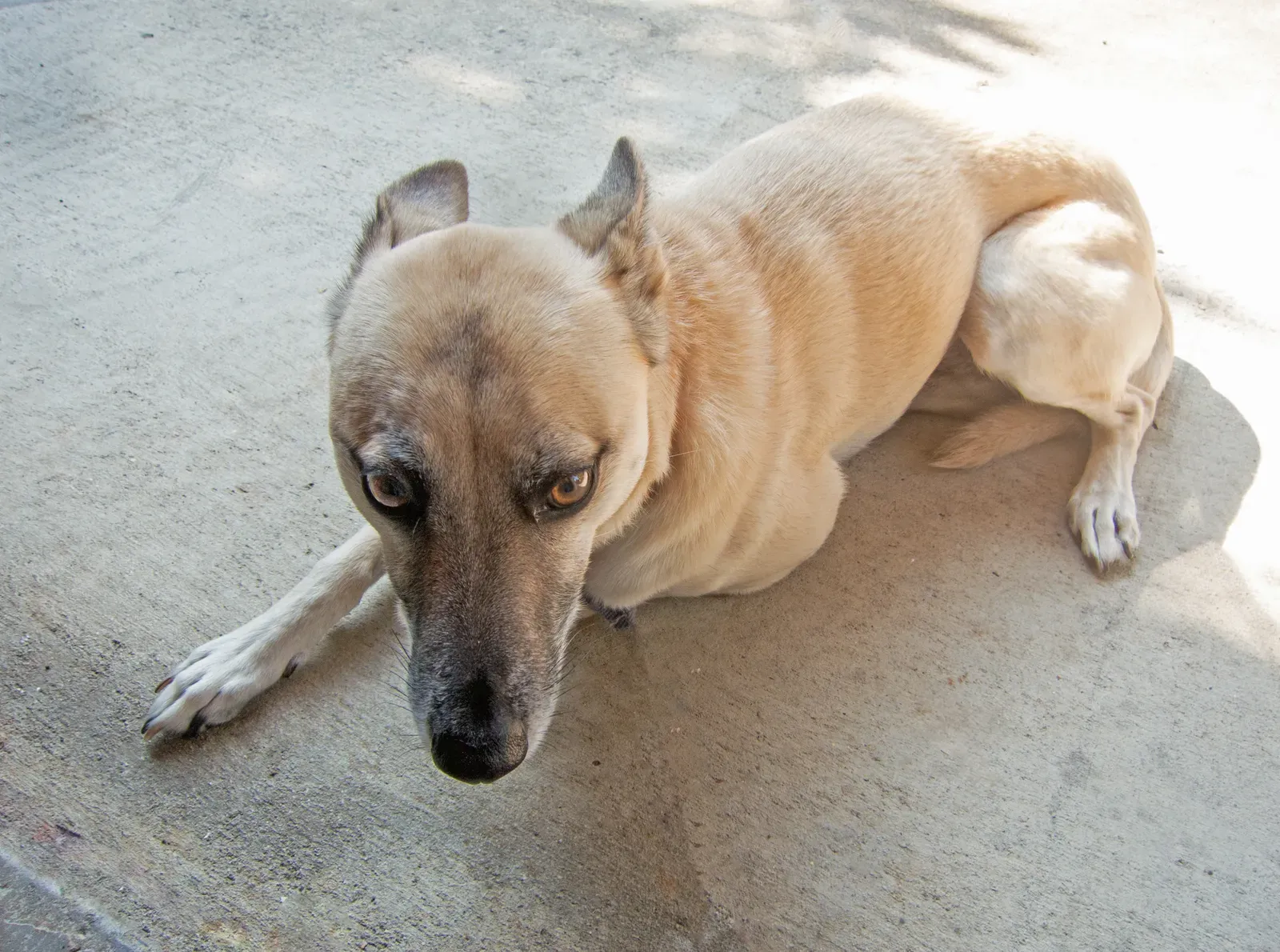
People often say dogs live in the moment, but their reactions to conflict tell another story. Dogs remember, with surprising clarity, how you behave when they are scared, hurt, or have done something “wrong.” Do you yell? Do you freeze them out? Do you quietly help them and move on? Those big emotional moments sink deep, and dogs store them as reference points for future situations.
This is why some dogs crouch or hide even when you raise your voice at a completely different situation. Somewhere in their long-term memory is a catalog of intense episodes that taught them what to expect from humans under pressure. A dog who has learned that mistakes lead to calm guidance will approach you differently from a dog who has learned that mistakes trigger chaos. Experts used to oversimplify this as simple conditioning, but in practice it acts more like a lasting story about what humans are like when the stakes are high.
6. Routes, Landmarks, And “Shared Adventures”
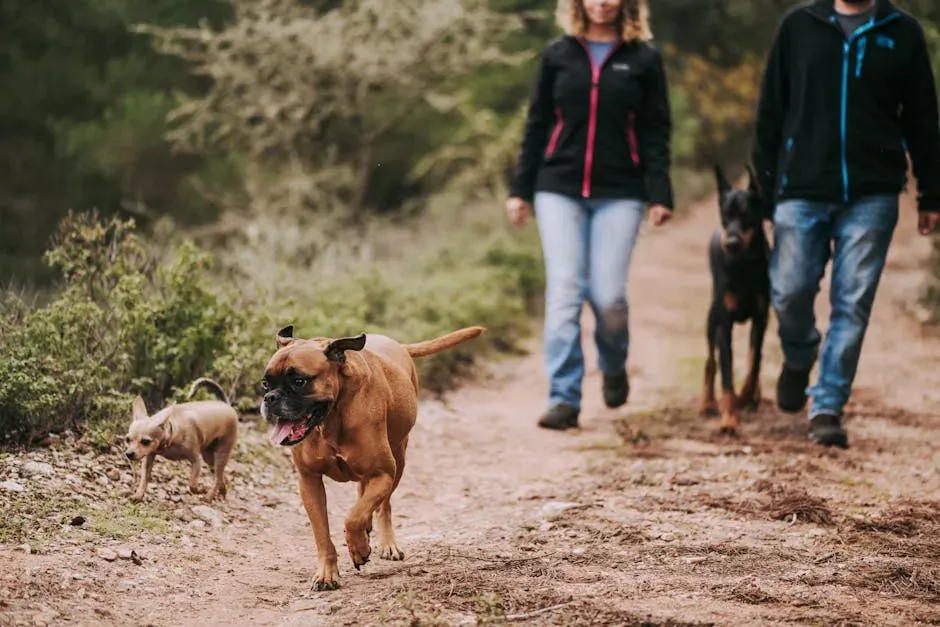
Take your dog on enough walks, hikes, or road trips, and you’ll see how much they store about places you have been together. Dogs do not just memorize a single walking route; they build a mental map of turns, smells, and landmarks that can stick for a very long time. They remember the corner where the loud truck scared them, the park where they met their favorite playmate, and the path that always leads to the lake.
What really surprises many experts is how these routes become part of a shared story between you and your dog. When my own dog dragged me eagerly toward an old trail we had not visited in over a year, it felt like he was saying, “Hey, remember this adventure?” Their long-term memory does not store place names like a human GPS, but it absolutely stores the emotional geography of familiar paths, especially the ones traveled with their favorite people.
7. The Version Of You They Trust Most
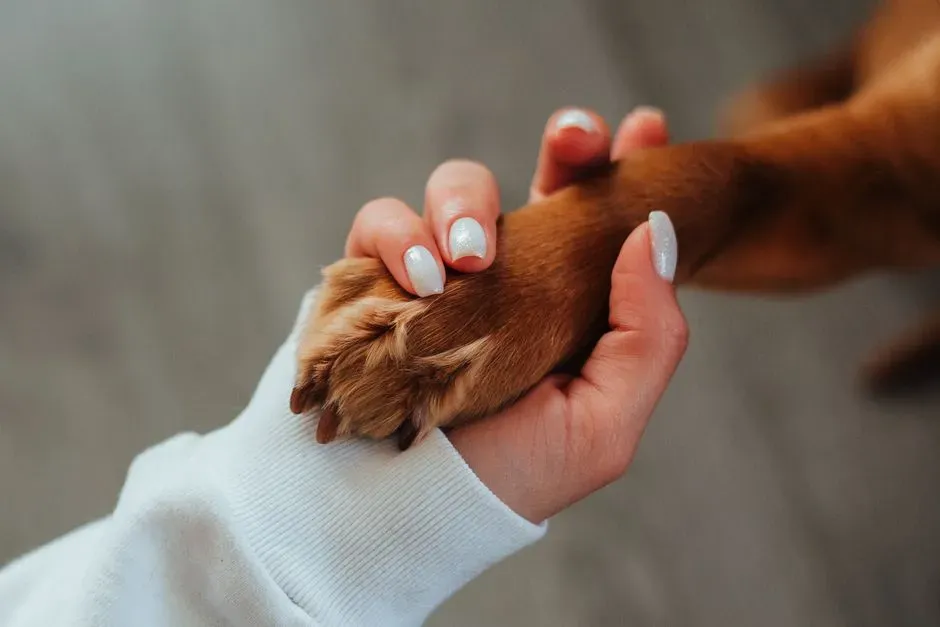
Over months and years, your dog collects thousands of tiny memories of you: when you were patient, when you were distracted, when you were playful, when you were sad. Out of all that raw footage, they quietly build a long-term picture of who you are and, more importantly, which version of you they trust the most. That image shapes how they come to you for comfort, how quickly they bounce back from scary moments, and how deeply they relax in your presence.
I genuinely believe this is the most humbling thing dogs store in long-term memory. They are not judging you on one bad week or one mistake; they seem to remember patterns. If the long arc of their experience is kindness, they lean into that, even if you sometimes fall short. To me, that is both a gift and a challenge. Your dog’s long-term memory is quietly writing your character sketch every day. The question is: what kind of person are you giving them to remember?
Conclusion: Your Dog’s Memory Is A Mirror
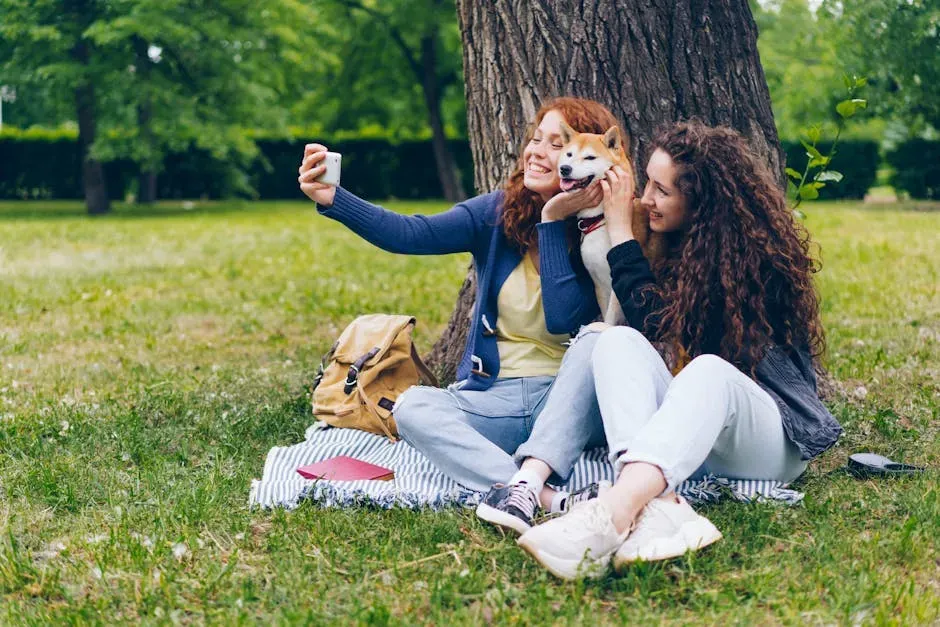
When you look at the emerging science alongside everyday life with dogs, one thing becomes hard to deny: long-term memory in dogs is more personal, more emotional, and more socially tuned than many experts wanted to believe for a long time. They are not little robots responding only to treats and tone; they are historians of your shared life, tracking emotional flavors, social rules, and who you really are when it counts. In a strange way, your dog’s memory of you is often more consistent and forgiving than the way you remember yourself.
That is why I think we should retire the idea that dogs simply “live in the moment” and nothing more. Yes, they excel at soaking up the present, but they are doing it on top of a deep archive of remembered patterns and feelings. Their long-term memory is a quiet mirror held up to our behavior over time, reflecting the home, the routines, and the emotional climate we create. The real surprise is not that dogs remember so much; it is that they remember us so generously. When your dog looks at you today, what kind of long-term story do you hope they are saving for later?