
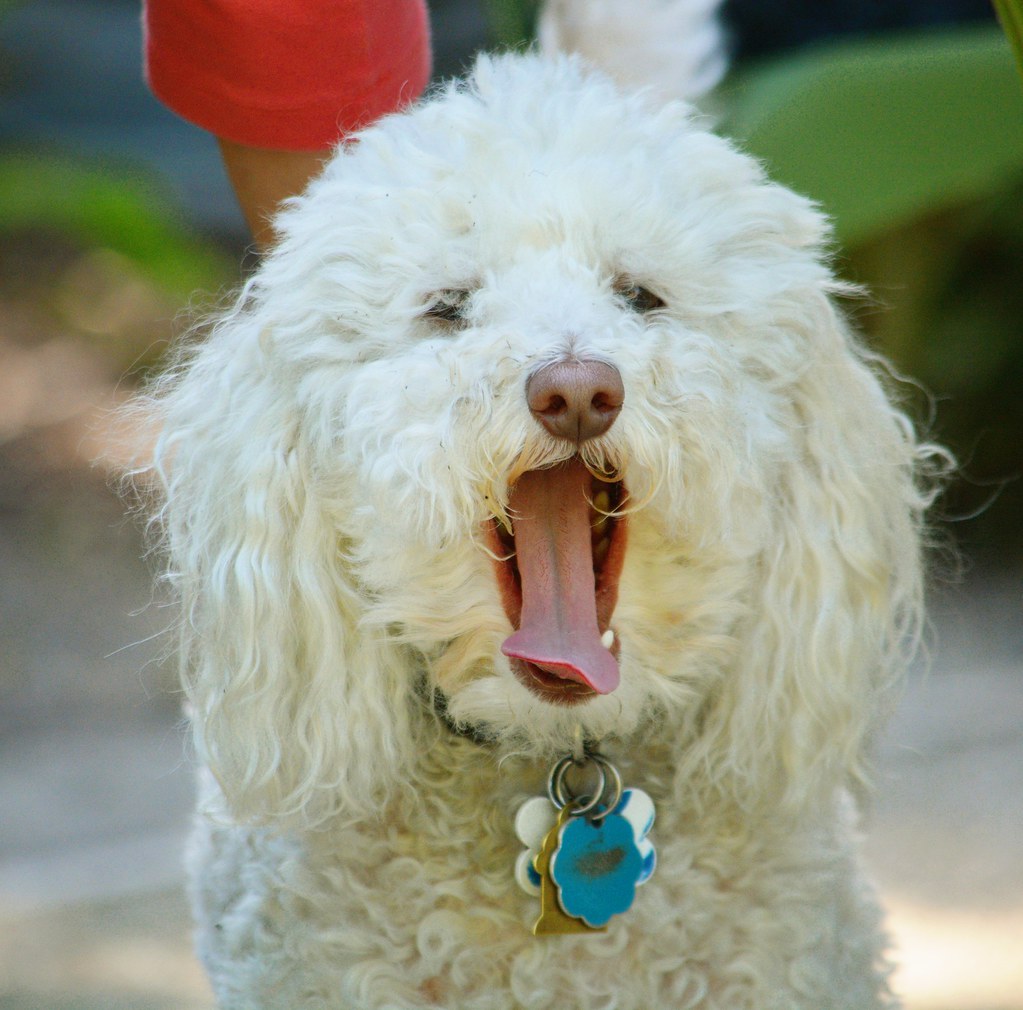
Dogs have an uncanny ability to sense things that often escape human perception. Their acute senses and intuitive nature make them excellent judges of character. If your dog exhibits unusual behavior around a particular individual in your home, it might be signaling that this person cannot be trusted. Here are seven warning signs to watch for:
1. Persistent Growling or Barking
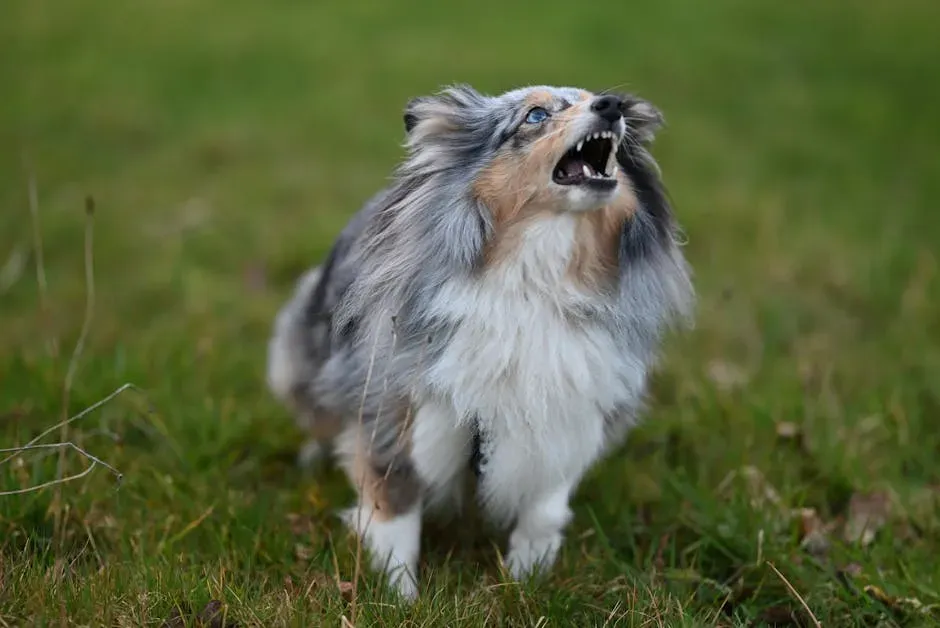
When your dog consistently growls or barks at someone, it’s not just noise – it’s communication. Dogs use vocalizations to express discomfort or alertness to potential threats. If this behavior is directed at a specific person and doesn’t subside over time, your dog may be sensing something amiss.
This persistent vocalization can be a dog’s way of signaling that they perceive the individual as a threat. It’s essential to pay attention to these cues, as dogs often pick up on subtle signals that humans might overlook.
2. Avoidance or Hiding
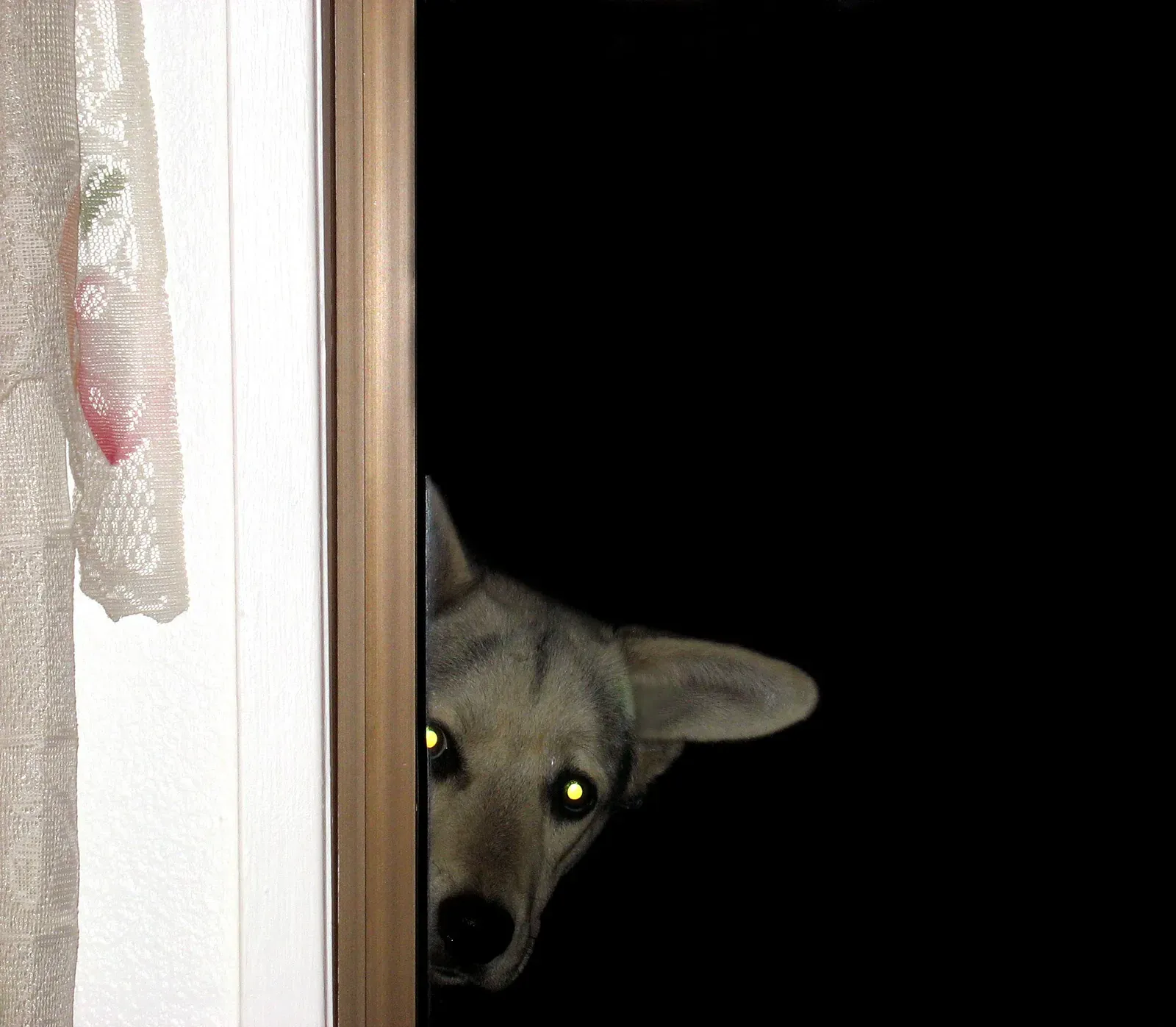
If your dog actively avoids or hides from a particular person, it’s a clear sign of discomfort. Dogs are social animals, and such behavior indicates they feel unsafe or uneasy. This avoidance can manifest as leaving the room when the person enters or seeking refuge in a secluded spot.
This behavior suggests that your dog perceives the individual as a potential threat. It’s crucial to observe these actions, as they can provide insight into your dog’s feelings about the person in question.
3. Unusual Aggression
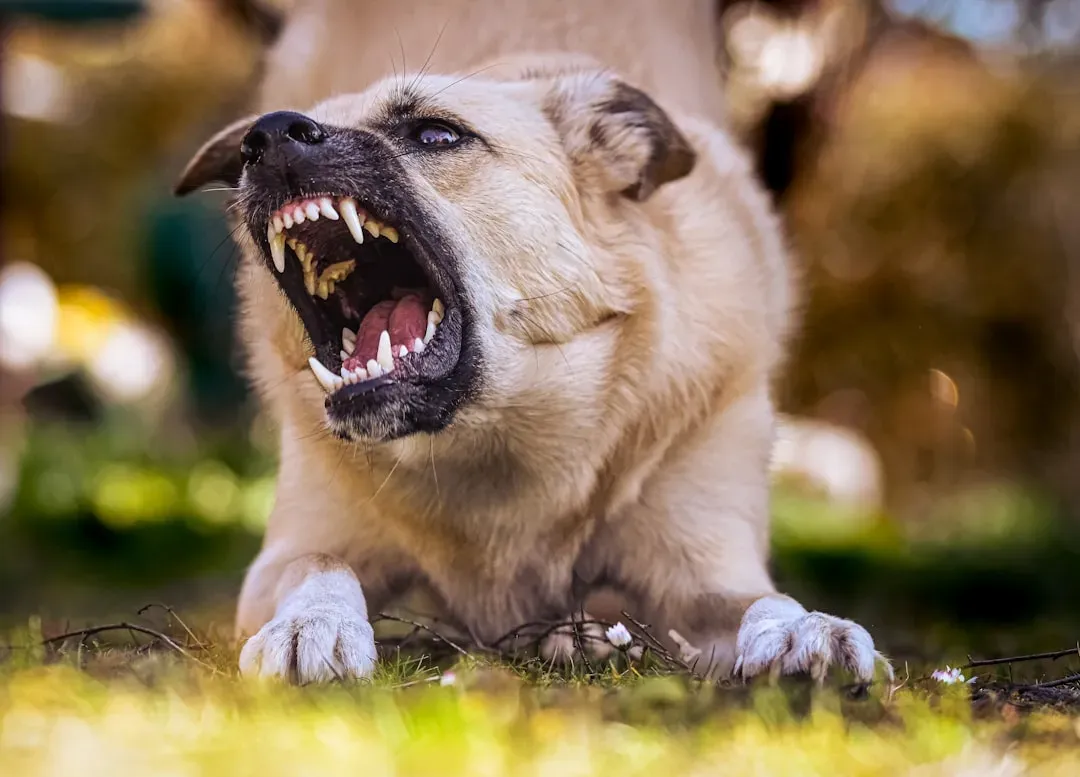
A dog displaying aggression – such as snarling, snapping, or even attempting to bite – towards a specific person is a significant red flag. Aggression is often a response to fear or perceived danger. If your dog exhibits these behaviors exclusively around one individual, it’s worth investigating further.
Such aggression indicates that your dog feels threatened by the person’s presence. Understanding the root cause of this behavior is essential to address any underlying issues.
4. Raised Hackles and Stiff Posture
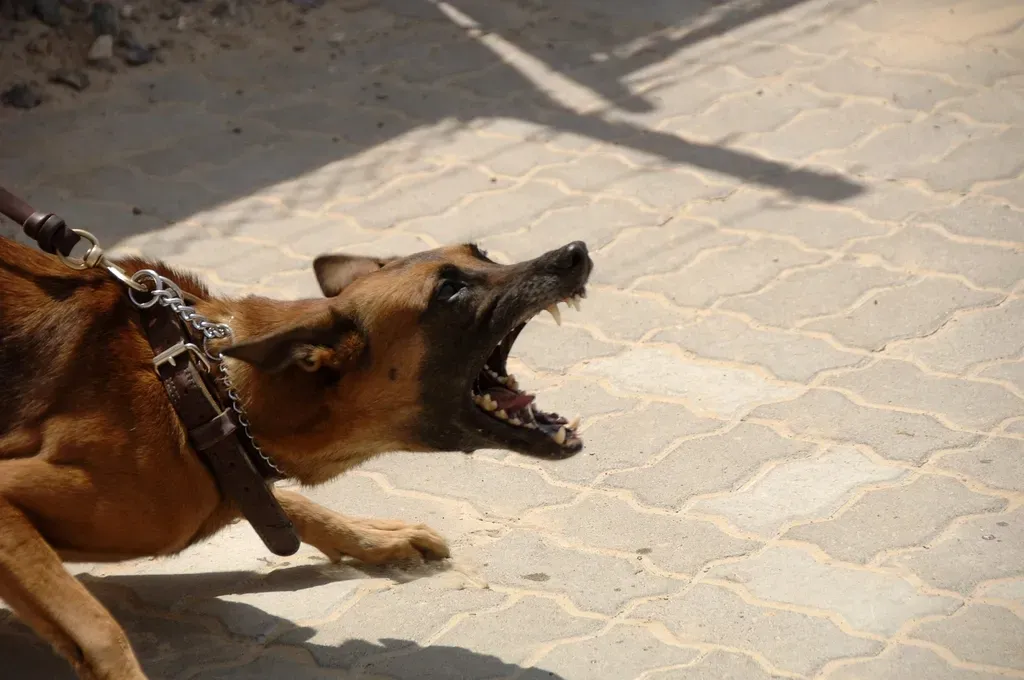
Raised hackles – the hair along a dog’s back standing up – combined with a stiff posture, are physical signs of alertness or aggression. If your dog displays these signs in the presence of a particular person, it indicates heightened vigilance or discomfort.
This physical response suggests that your dog is on high alert and may perceive the individual as a threat. It’s important to monitor these signs to understand your dog’s reactions better.
5. Refusal to Accept Treats or Affection
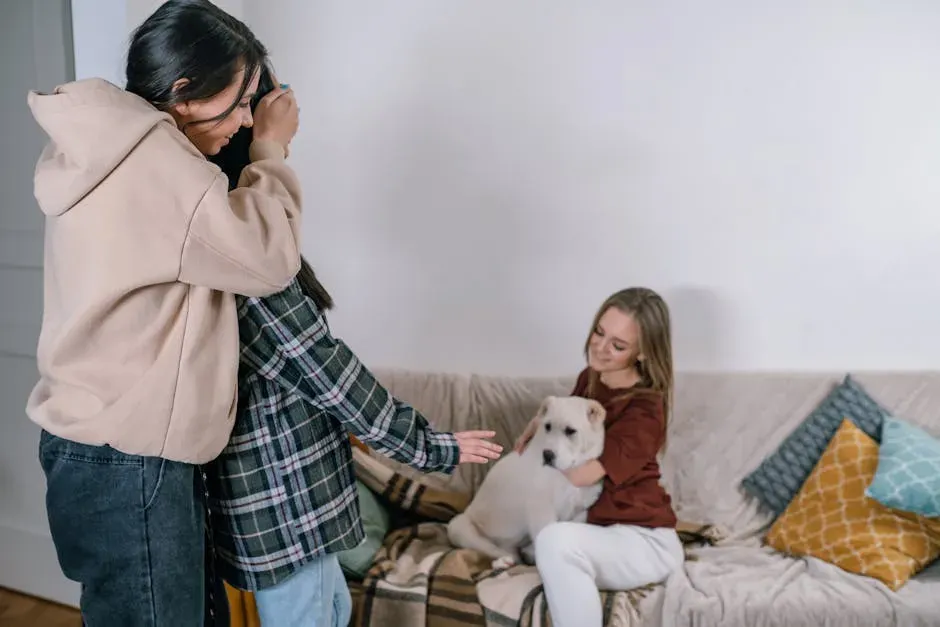
Dogs typically accept treats and affection readily. If your dog refuses these offerings from a specific person, it indicates a lack of trust or comfort. This behavior is particularly telling if your dog is usually friendly and accepting.
Such refusal suggests that your dog is wary of the individual and does not feel safe accepting their gestures. It’s a subtle yet significant sign of distrust.
6. Excessive Yawning or Lip Licking
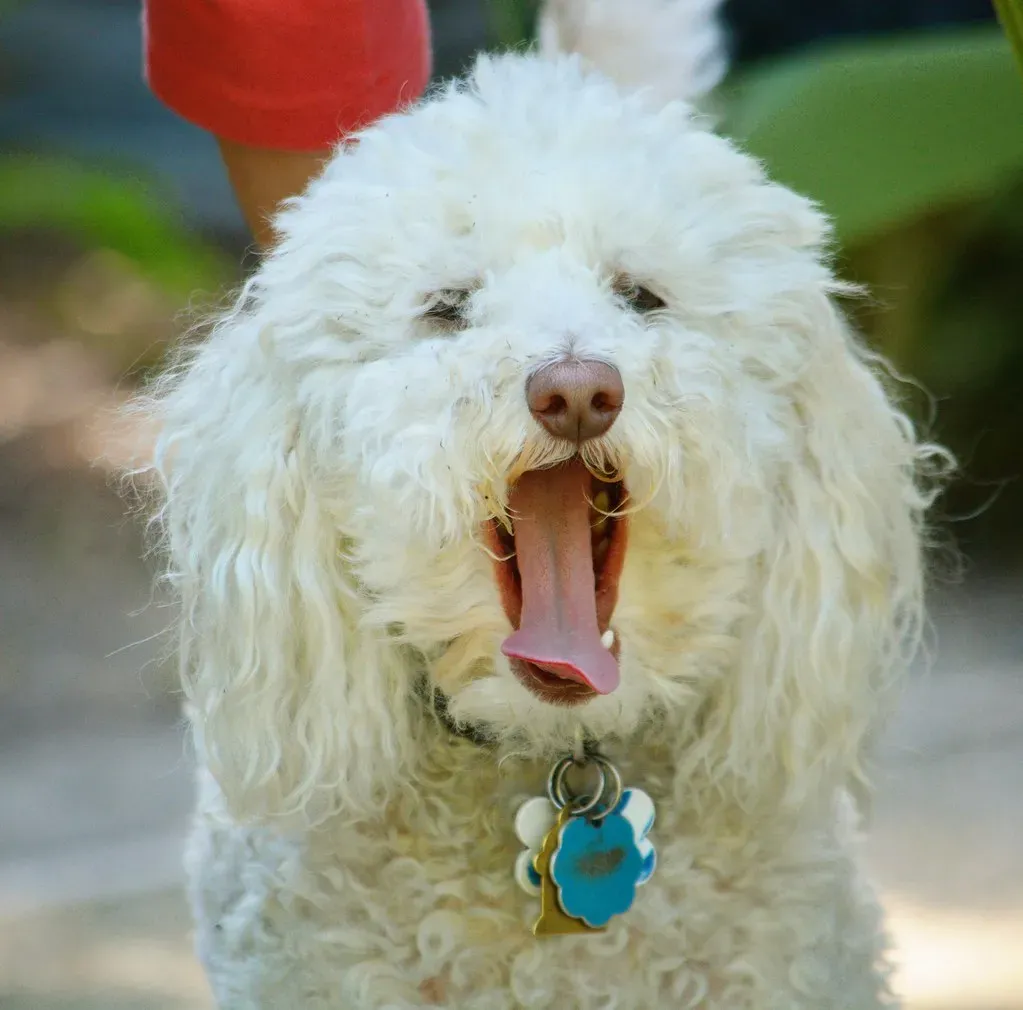
While yawning and lip licking can be normal behaviors, excessive occurrences in the presence of a particular person can indicate stress or anxiety. These are subtle signs that your dog is uncomfortable and trying to self-soothe.
Observing these behaviors can provide insight into your dog’s emotional state. It’s essential to consider the context and frequency to determine if they are stress-related.
7. Unusual Clinginess or Protective Behavior
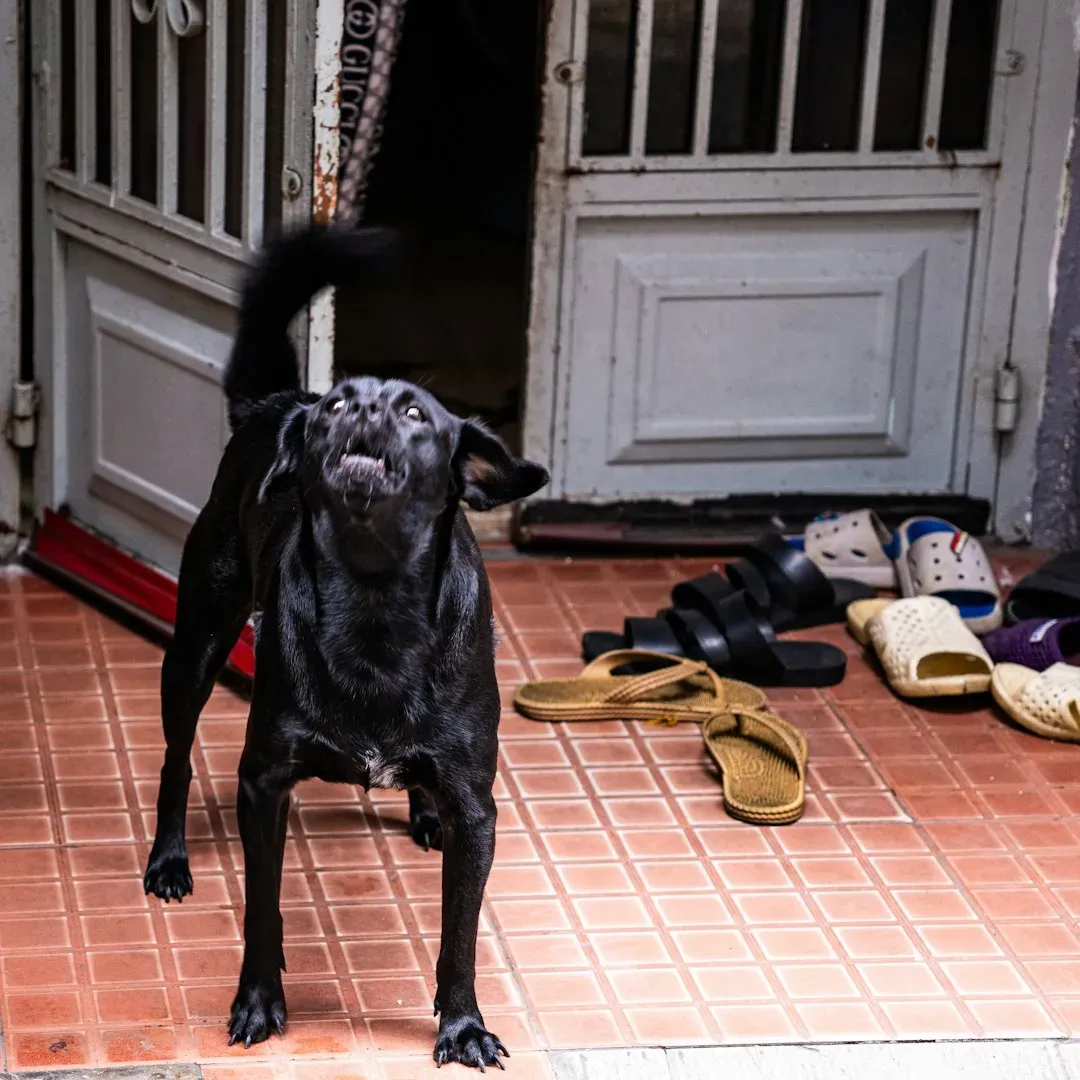
If your dog becomes unusually clingy or protective when a certain person is around, it may be sensing a threat. This behavior can manifest as staying close to you, positioning itself between you and the person, or displaying protective postures.
Such behavior indicates that your dog is trying to shield you from a perceived danger. It’s a sign of your dog’s loyalty and concern for your safety.
In conclusion, dogs possess a remarkable ability to sense and react to human emotions and intentions. If your dog consistently exhibits any of these behaviors around a specific individual, it’s essential to take note and consider the possibility that your dog is trying to warn you. Trusting your dog’s instincts can provide valuable insights into the dynamics within your home. After all, who knows you better than your loyal canine companion?


