
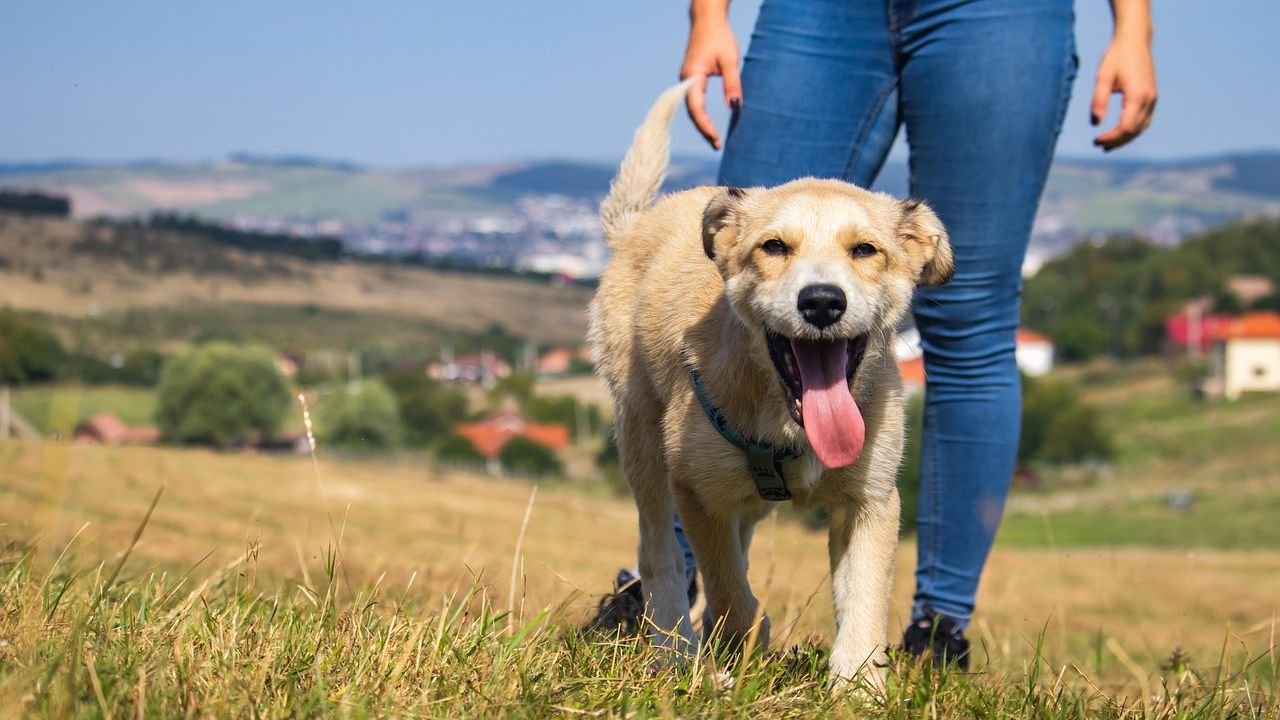
Picture this: your sweet pup gives you those irresistible puppy dog eyes, and before you know it, you’ve handed over another treat, ignored another small misbehavior, or let them get away with something you swore you wouldn’t. Sound familiar? Trust me, you’re not alone in this daily struggle.
The line between loving our dogs and accidentally spoiling them can be surprisingly thin. What feels like showing affection might actually be creating problems that affect both your dog’s well-being and your relationship together. The best part? Once you recognize these patterns, they’re totally fixable with some simple changes that’ll make both you and your furry friend happier.
1. Giving Too Many Treats and Table Scraps
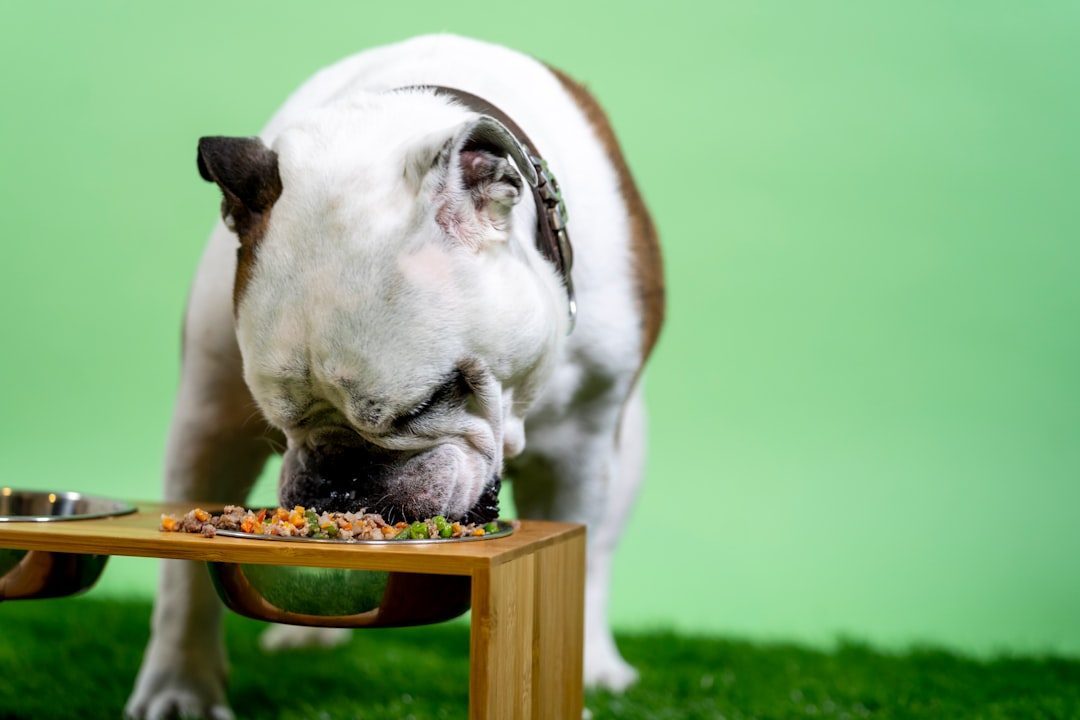
Your dog’s enthusiastic tail wagging every time you open the treat jar might feel like pure joy, but this habit can quickly spiral out of control. Showing your love by showering your dog with treats and sharing human food is one of the most dangerous ways to spoil your dog. 25-30% of the canine population is obese.
Treats are great for training and rewards, but overdoing it can lead to obesity and unhealthy eating habits. Constantly feeding your dog treats sends the message that they don’t need to earn their rewards – making them expect snacks for every little thing. Plus, all those extra calories add up quickly, leading to weight gain and potential health issues down the line.
The most recent statistics classify the majority of dogs in the U.S. – 56% – as overweight or obese. While that makes obesity a major health crisis for dogs, it’s a problem that’s often overlooked, as many pet owners may not even realize their pets are overweight.
2. Measure Food Portions Precisely

Here’s a habit that sounds simple but makes a huge difference: measuring your dog’s food instead of eyeballing it. Many pet owners don’t monitor their pet’s food intake. According to a Waltham Petcare Science Institute study, 54% of pet owners give food to their begging pet, 22% of cat and dog owners overfeed their pet to keep them happy, only 20% measure their pet’s food at every meal, and 87% guestimate their pet’s food serving.
This small change prevents overfeeding and helps maintain your dog’s ideal weight throughout their life. Your dog will actually feel more satisfied with consistent, appropriate portions than with random amounts that vary wildly from day to day.
3. Ignoring Bad Behaviors Because They’re “Cute”

That adorable head tilt when your dog jumps on guests, or the way they “talk back” with little barks might seem charming now, but these behaviors often become problematic later. Whether it’s barking at everything that moves or chewing on your favorite shoes, some bad habits get overlooked because they’re “adorable.” But ignoring these behaviors only reinforces them, making your dog think it’s acceptable. Over time, these habits can become ingrained and much harder to correct.
Just like children, if you pamper your dog too much, things can quickly go out of hand, and you will have to deal with a high-maintenance, spoilt little pup down the road. The older the dog, the more difficult it gets to correct their bad behaviours and habits.
4. Set Clear, Consistent Boundaries
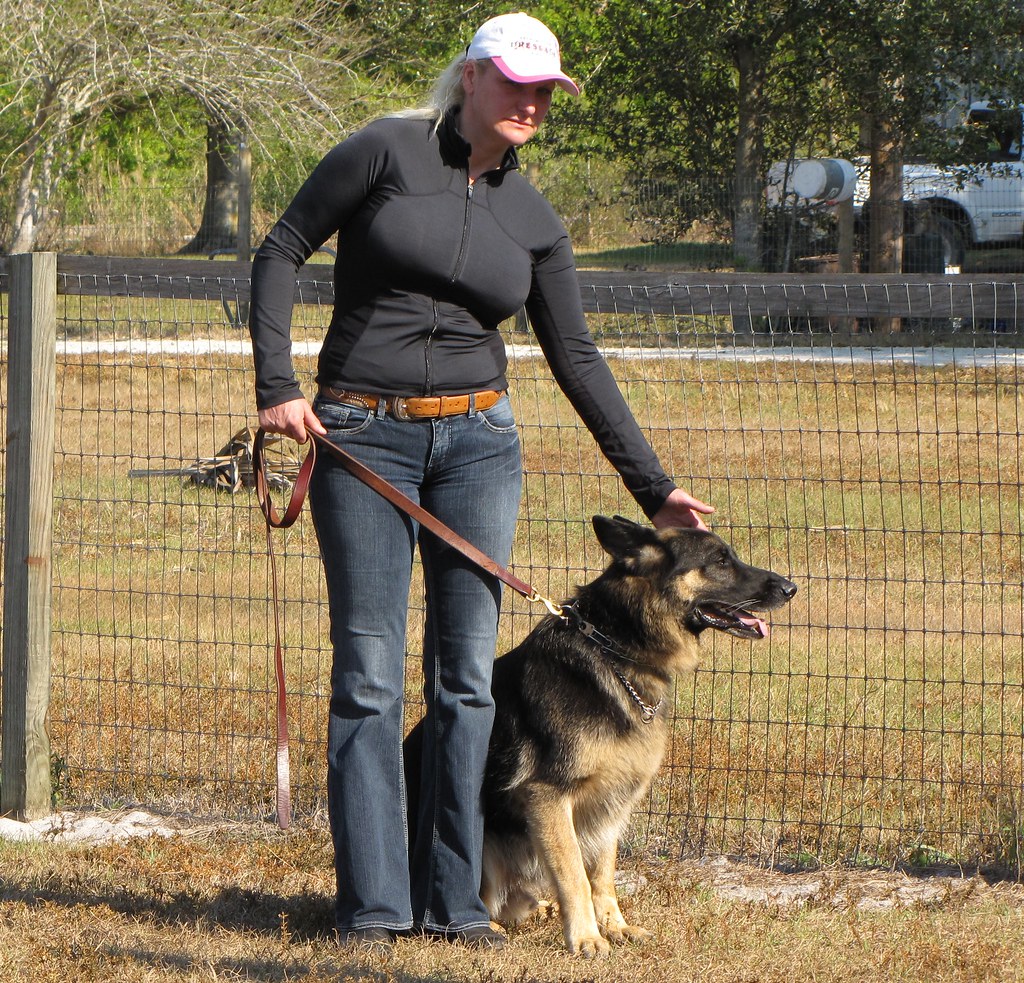
Establishing boundaries for your dog is essential for their safety and well-being, as well as for the harmony of your household. Whether it’s preventing your dog from darting out the front door, entering certain rooms, or staying off furniture, boundary training helps create a structured and respectful environment for both you and your pet. Additionally, teaching your dog to respect boundaries can prevent accidents, minimize destructive behavior, and enhance your bond with your furry companion.
But dogs don’t feel calm when they’re allowed to run the show, they feel stressed. They crave predictability. They settle when they know the rules, when those rules are applied consistently, and when they can trust you to lead.
5. Inconsistent Rules and Mixed Messages

One day your dog can sleep on the couch, the next day they can’t. Sometimes jumping is okay, other times it’s not. If you’re not consistent with rules, your dog will take advantage. One day they’re not allowed on the couch, the next day they are – it’s confusing for them and sets the stage for spoiled behavior.
Dogs don’t hold grudges in the way humans do, but they do build associations. And when those associations are laced with inconsistency, it often leads to behavioural instability. Your dog isn’t being stubborn when they break rules; they’re genuinely confused about what you actually want from them.
6. Use Positive Reinforcement Training Consistently

Positive reinforcement training involves rewarding your dog for the things they do right. The reward could be a toy, a game, or a treat – whatever your dog wants to work for. But positive reinforcement training is neither a bribe nor a gimmick. It’s based on the science of animal learning, and it’s incredibly effective.
Positive reinforcement training uses a reward for desired behaviors. Because the reward makes them more likely to repeat the behavior, positive reinforcement is one of your most powerful tools for shaping or changing your dog’s behavior. The key is timing and consistency with everyone in your household using the same approach.
7. Carrying Your Dog Everywhere

Small dogs especially fall victim to this well-meaning habit. While it might seem protective and loving to carry your tiny pup everywhere, this actually prevents them from developing confidence and proper socialization skills. Dogs need to experience the world on their own four paws to build resilience and learn appropriate behaviors around other dogs and people.
Constantly being carried can also lead to what experts call “small dog syndrome,” where your pup becomes overly dependent, anxious when separated from you, and sometimes even aggressive toward strangers or other dogs because they haven’t learned proper social cues.
8. Encourage Natural Exercise and Exploration

Instead of carrying your dog, encourage them to walk and explore their environment safely. Start with short walks and gradually build up their stamina and confidence. Even small dogs need regular exercise to maintain both physical and mental health.
Dogs need physical exercise daily. This doesn’t mean exhausting marathon sessions, but rather consistent, appropriate activity that matches your dog’s breed, age, and energy level. Regular walks also provide crucial mental stimulation through new sights, sounds, and smells.
9. Giving In to Demanding Behaviors

This is the dog who “demand-barks” to go out, come back in, get a treat or a toy – and the human gives him what he wants because she knows the barking will just escalate if she doesn’t. It’s the dog who digs at his owner’s arm for attention – and gets it. It’s the dog who jumps up on the bed next to the wife and growls at the husband when he tries to get in his side (especially if the husband then goes and sleeps on the sofa).
When your dog learns that persistent demanding gets results, you’re accidentally teaching them to be more demanding, not less. This creates a cycle where behaviors escalate because your dog has learned that intensity works.
10. Teach the “Say Please” Protocol

A “Say please” program is a great way to prevent or overcome the challenges of living with a spoiled dog. Also known as “Nothing in Life Is Free” or “No Free Lunch,” a “Say please” program teaches your dog that she must ask for good stuff – politely – by performing a desirable behavior, rather than by demanding – and getting – what she wants.
“Sit” is the most versatile “Say please” behavior, and by far the easiest to install. Most dogs can learn to offer a sit in a few minutes or less. As soon as your dog learns that sitting is a very rewardable behavior, it’s a simple matter to wait for her to sit before bestowing good stuff on her.
11. Over-Protecting from Normal Dog Experiences
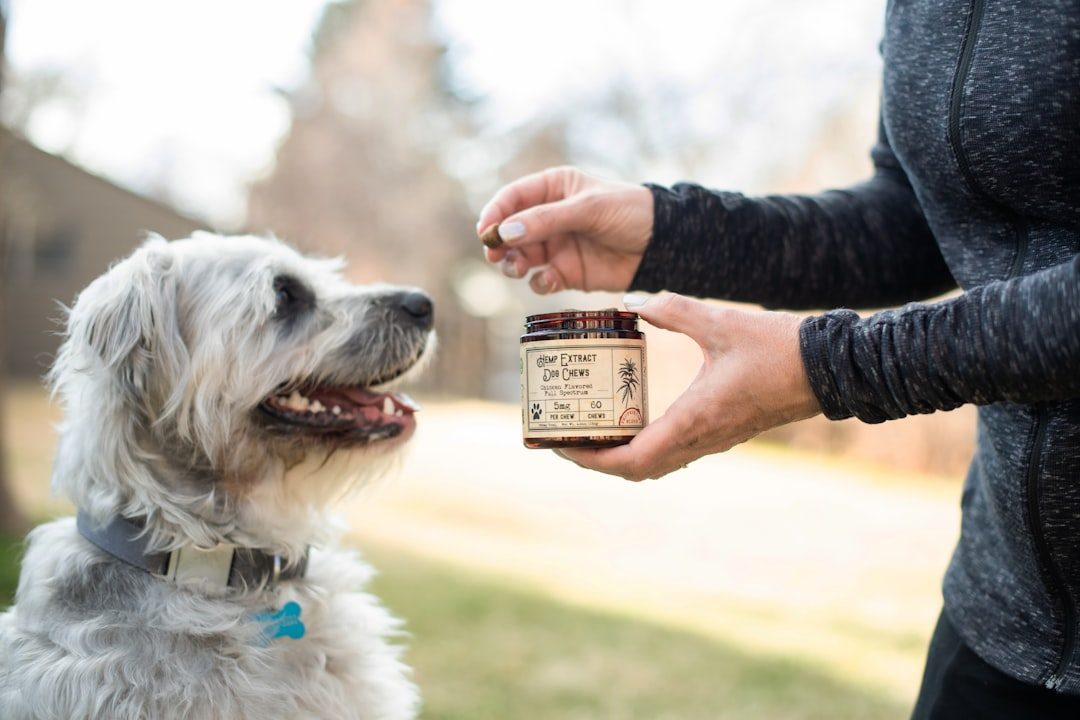
Shielding your dog from every potential challenge or mild discomfort actually does them a disservice. A spoiled dog is often an anxious dog. They’ve never had to wait, they’ve never learnt to cope with not getting what they want, and they’ve never been taught how to just be still. That anxiety can come out in clinginess, barking, chewing, reactivity on walks, and even aggression. And because the dog has been overindulged, the owner often has no tools left to redirect the behaviour.
Dogs need to experience mild frustrations and learn to work through them. This builds resilience and confidence, creating a more balanced, emotionally stable companion.
12. Build Confidence Through Gradual Challenges

Help your dog develop coping skills by introducing gentle challenges in a controlled way. This might mean having them wait a few seconds before meals, teaching them to settle calmly when visitors arrive, or practicing basic commands in slightly distracting environments.
Just like humans, dogs are constantly learning and adapting to their environment. While basic skills like ‘sit’ or ‘down’ may be mastered relatively quickly, there will always be new situations and challenges that require ongoing training and reinforcement. Whether it’s teaching your dog to feel secure within and navigating unfamiliar environments or refining their social skills, training is an ongoing process of learning and growth for both you and your dog.
13. Excessive Material Spoiling
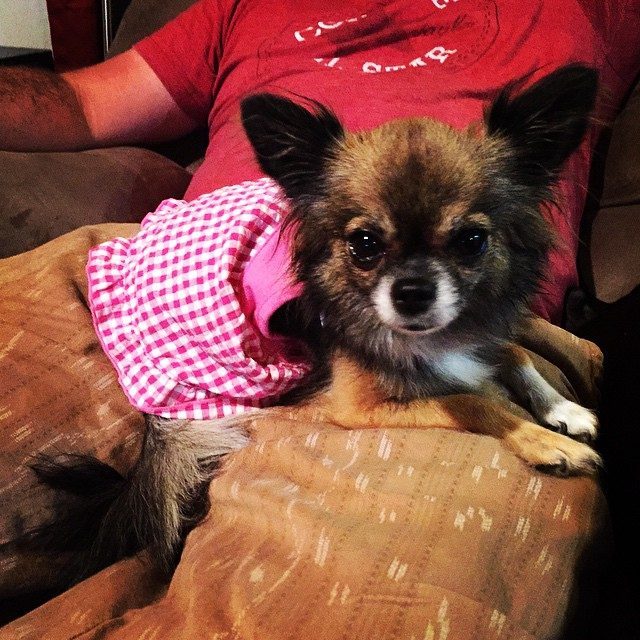
Spa days, designer outfits, and gourmet meals may seem like the ultimate way to pamper your pet, but too much can create an entitled, high-maintenance dog. While occasional spoiling is fine, turning it into a lifestyle can make your dog expect the royal treatment all the time, leading to stress and behavioral issues when they don’t get it.
Your dog doesn’t actually need a wardrobe that rivals yours or gourmet meals every day. Other than essential dog gear like warm coats, booties, or a dog life jacket, your dog doesn’t really need anything else. There’s no harm in a few cute bandanas, hiking pack, or even a Halloween costume. But if your dog’s clothing drawer is beginning to burst, it’s time to re-think this outfit habit.
14. Focus on Experiences Over Things

Instead of showering your dog with material goods, invest in experiences that strengthen your bond and enrich their life. This could be exploring new hiking trails together, teaching them new tricks, or simply spending quality time in training and play sessions.
The strongest relationships between dogs and humans are based on cooperation and kindness rather than on human dominance and animal submission. If you choose to use positive techniques when building a relationship with your dog, you’re well on your way to establishing and maintaining a connection that increases trust and results in a stronger, healthier bond between you. Put simply, if your dog feels good about you, she will be happier, confident, and more inclined to respond to you when you ask her to do something.
Conclusion

The journey from spoiling to supporting your dog doesn’t happen overnight, and honestly, that’s okay. No dog is ever born spoiled. Just like with kids, their behavior is due to the parents treating them that way. The good news is that dogs are incredibly adaptable and forgiving creatures who respond beautifully to consistent, loving guidance.
Remember, truly loving your dog means setting them up for success in the world. This includes teaching them how to be calm, confident, and well-behaved companions who can go anywhere with you. The habits we’ve discussed aren’t about being strict or mean; they’re about creating a foundation of mutual respect and clear communication that makes life better for everyone involved.
What surprised you most about these spoiling habits? Have you noticed any of these patterns with your own furry friend?


