
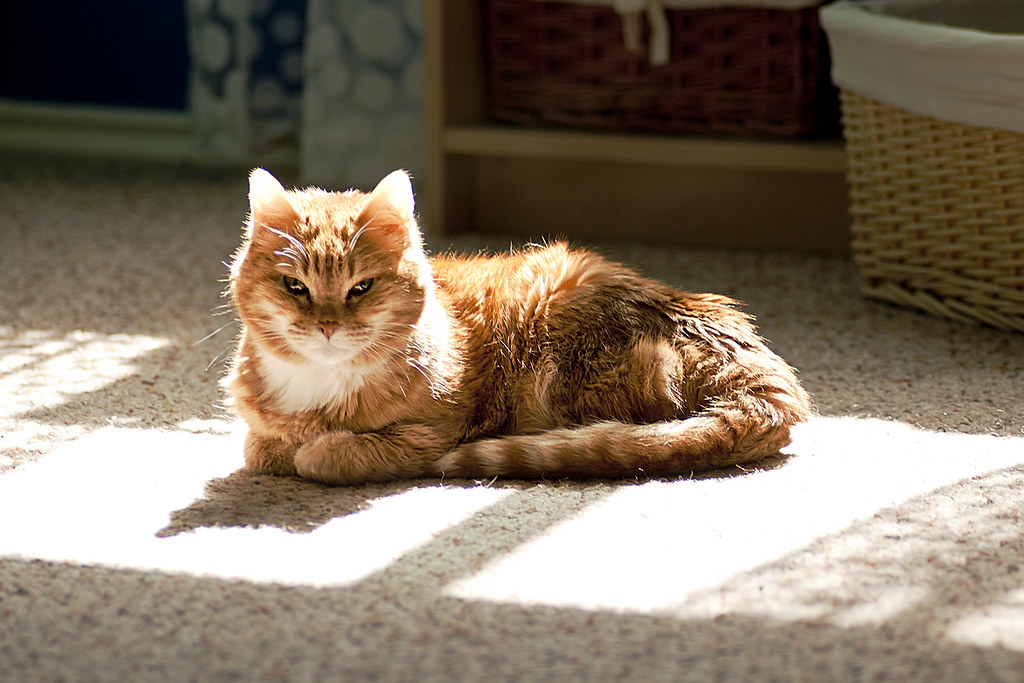
If you’ve ever stared at your cat and thought, “Wow, that was kind of rude,” you’re not alone. From the random swats to the infamous butt-in-your-face, cats have a special talent for confusing the humans they live with. But a lot of what looks like attitude is, in reality, a mix of trust, instinct, and personal space.
Once you start to see the patterns, your cat suddenly looks a lot less like a tiny furry tyrant and a lot more like a creature trying to communicate clearly in a very cat way. Let’s break down some of the most “rude” behaviors that are actually about trust or boundaries, so you can stop taking them personally and start reading them like the social signals they really are.
1. Turning Their Back on You (Yes, Including the Butt-in-Your-Face)
It feels almost insulting when your cat sits down with their back to you, tail neatly wrapped, presenting you with the feline version of a moon. In human social rules, turning your back on someone can signal disinterest or rejection, so it’s easy to read this as your cat ignoring you on purpose. The reality, though, is almost the exact opposite.
In the cat world, giving someone your back is a major trust signal. A cat is most vulnerable when they’re not facing a potential threat, so if they’re comfortable turning away from you, it often means they feel safe in your presence and are relaxed around you. That “butt in your face” move when they step over your pillow or your laptop is clumsy, yes, but it’s also rooted in familiarity and the scent-based way they experience closeness.
2. Slow-Blinking… Then Walking Away
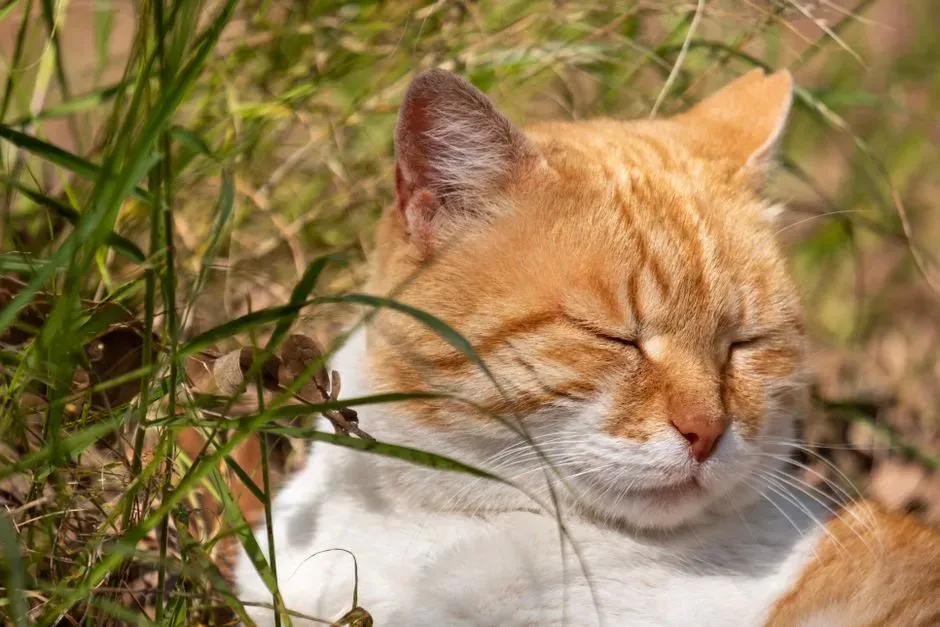
Picture this: your cat looks at you from across the room, slowly closes and opens their eyes, and then calmly leaves. To a human, this can look like a bored teenager giving you the most minimal acknowledgment possible before disappearing. Many people assume it means the cat doesn’t care or is done with them for the moment.
But slow-blinking is one of the most studied and widely recognized feline signs of trust and emotional safety. Cats use the slow blink as a way to say they’re relaxed and not feeling threatened, almost like a friendly nod. When they follow that with walking away, it generally means they feel content enough to go about their business, not that they’re snubbing you. It’s more like a roommate giving you a soft “all good” before heading to another room.
3. Ignoring You When You Call Their Name
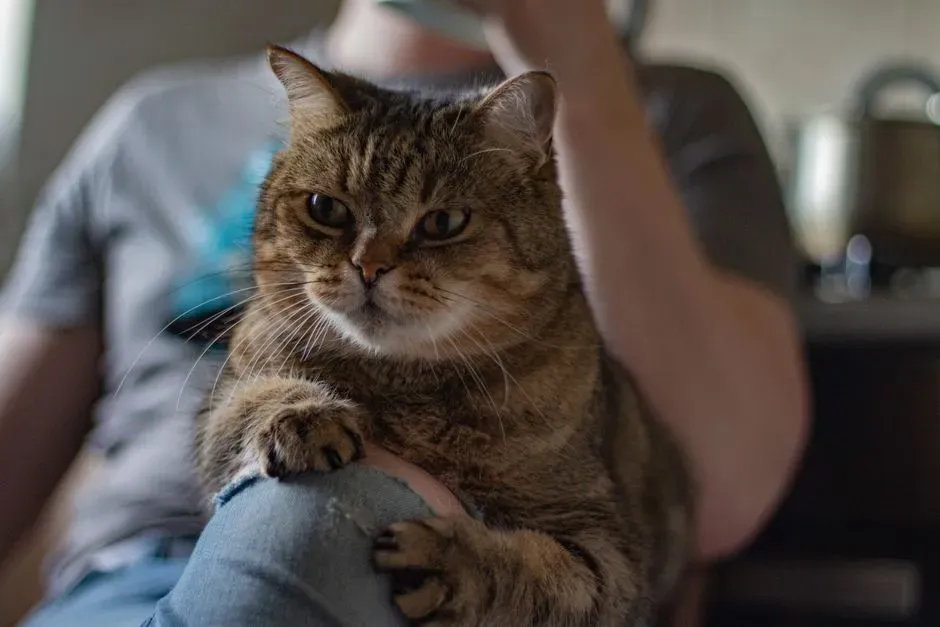
Calling your cat and watching them look straight at you, then deliberately look away, can feel brutally disrespectful. Dogs race over like you’re the best thing that’s ever happened to them, and your cat just… blinks and resumes grooming. It’s tempting to label this as arrogance or spite, but that’s more projection than science.
Cats are much more independent decision-makers than dogs and are less wired to respond automatically to human cues. Often, a cat who “ignores” you has heard you and assessed whether it’s worth moving based on past experience: do you usually offer something pleasant, like treats or gentle petting, or are you just calling for your own satisfaction? In a way, this is a boundary behavior – your cat is choosing when to engage, which is actually healthier than a pet that responds out of stress, fear, or obligation.
4. Swatting Your Hand When You Try to Pet Them
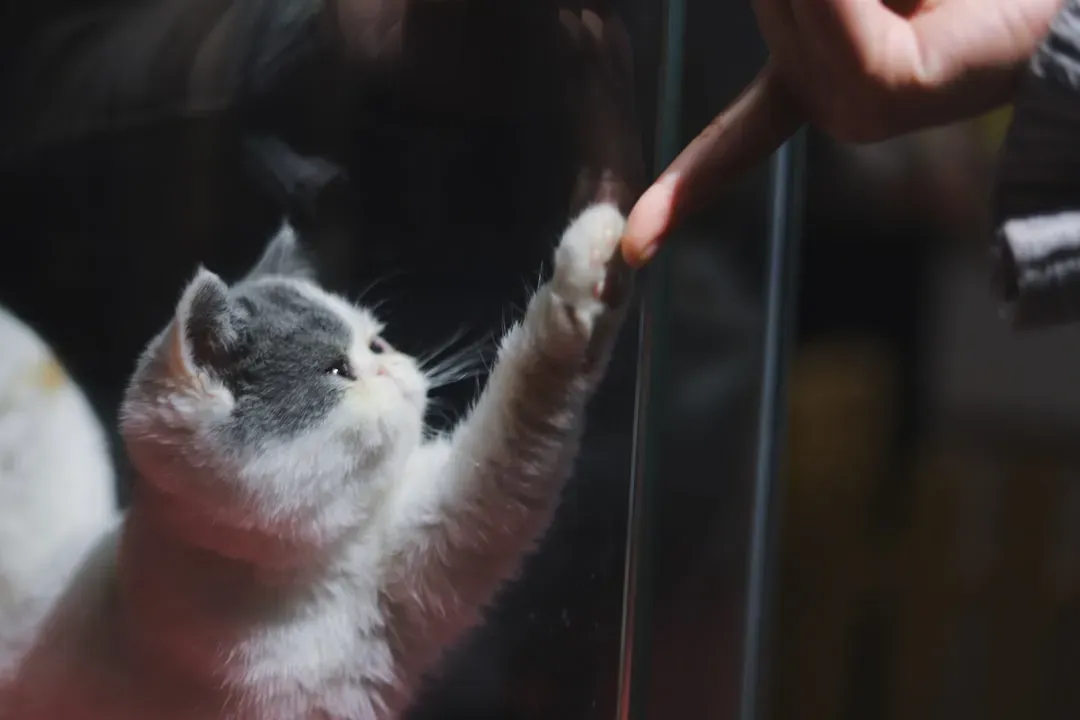
Getting lightly smacked by a paw when all you wanted to do was show affection can sting more emotionally than physically. Many people interpret a swat as outright aggression or meanness, especially if the cat sometimes enjoys petting and suddenly changes their mind. The inconsistency makes it easy to think the cat is being temperamental or ungrateful.
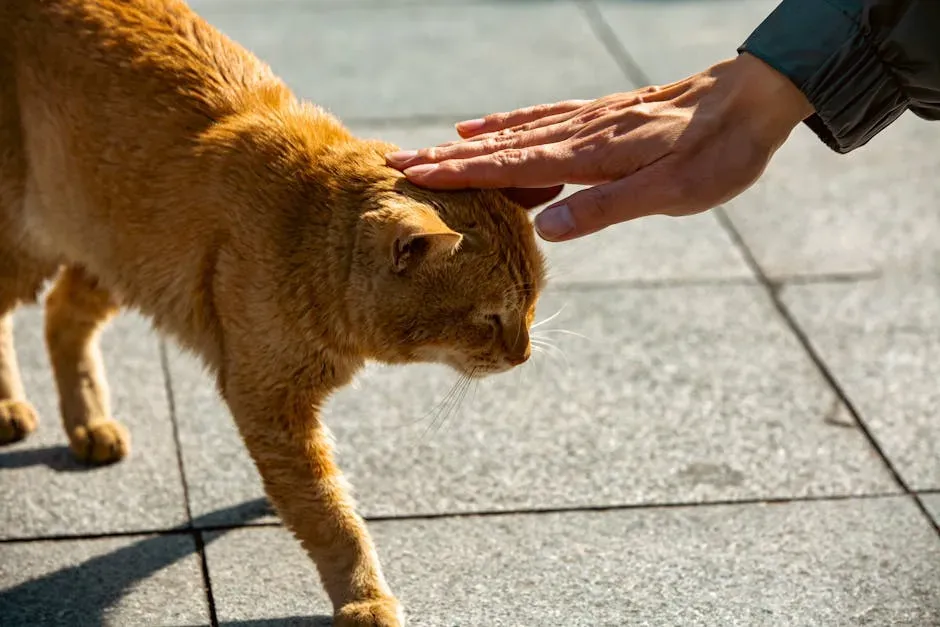
However, a lot of swats are essentially your cat saying “too much” or “not right now” in the only language they have. Many cats have specific touch preferences – such as loving being rubbed on the cheeks or under the chin but disliking long strokes down the back or sudden touches on the belly. A gentle, claws-in swat is usually a boundary marker, not a full attack. It’s their version of pushing your hand away instead of exploding, and respecting that signal often leads to fewer scratches and a better relationship overall.
5. Knocking Things Off Tables and Shelves
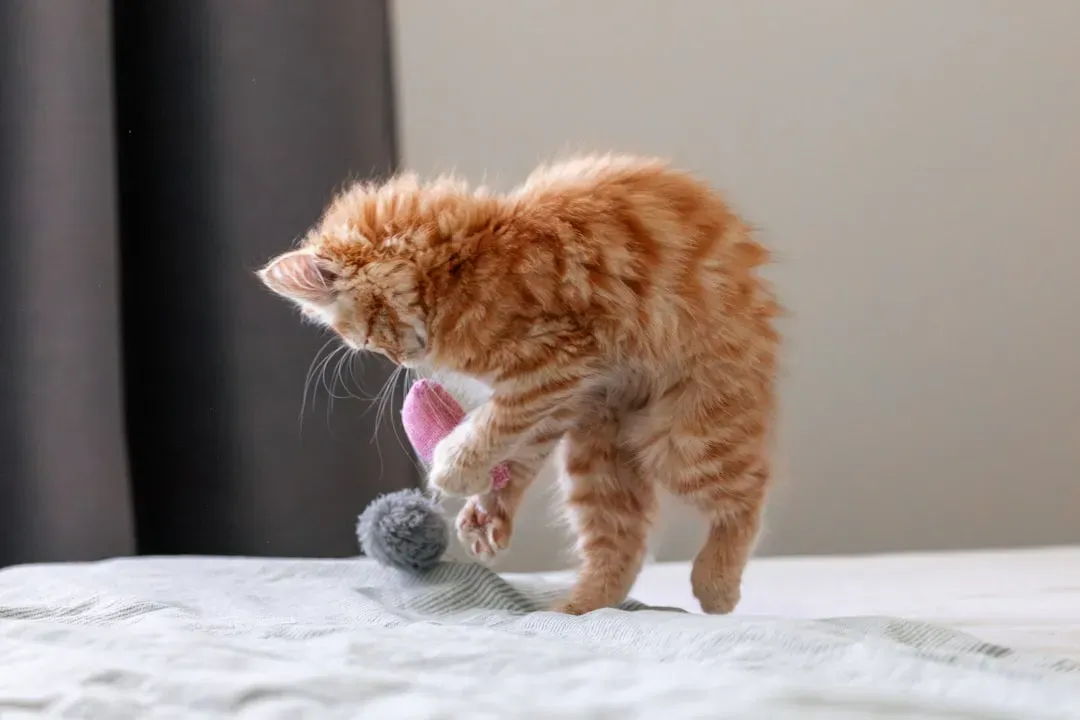
Few behaviors are as infuriating – or as meme-worthy – as a cat maintaining hard eye contact with you while slowly pushing your pen, glass, or figurine off the table. It can feel calculated, like they’re deliberately disrespecting your stuff or trying to get revenge for that last vet visit. Humans love assigning motive, so this one almost begs for dramatic interpretation.
In reality, cats are natural explorers with an intense curiosity about objects, sounds, and movement. Pawing and pushing things is a mix of play behavior, hunting instinct, and cause-and-effect learning. Some cats quickly figure out that knocking objects makes a sound or brings you running, so it doubles as a way to get attention. That doesn’t make it less annoying, but it reframes the behavior: your cat isn’t being rude; they’re testing their environment and sometimes asking, in a very chaotic way, for interaction or stimulation.
6. Leaving the Room When You Come In
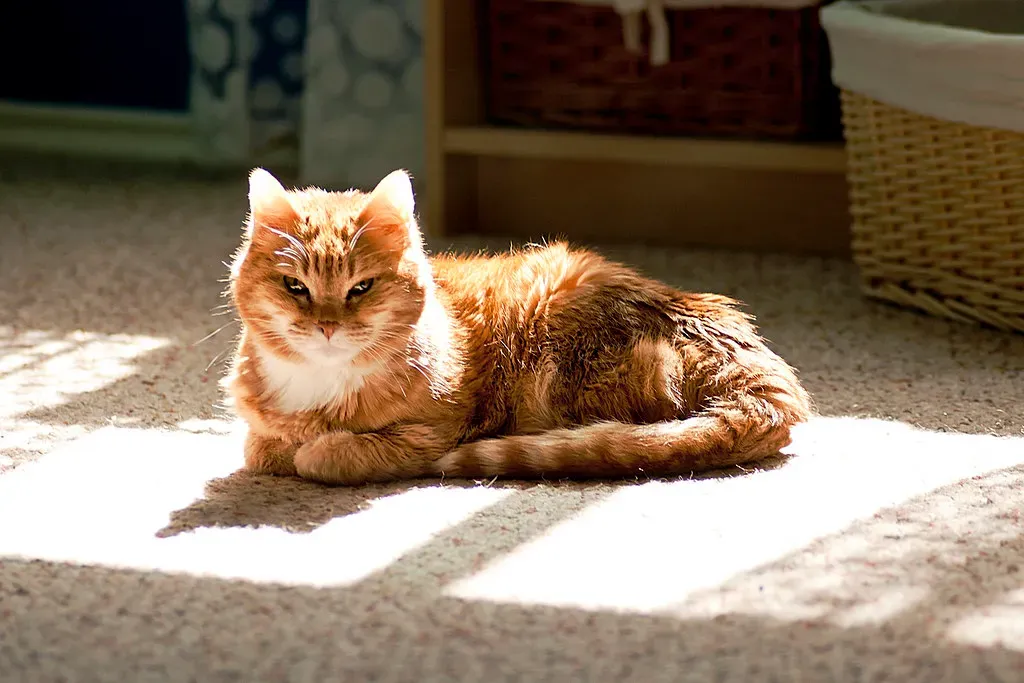
Walking into a room only to have your cat get up and casually leave can feel like they’re avoiding you. For a lot of people, especially those who crave their cat’s affection, it’s easy to take this personally and conclude that the cat doesn’t enjoy their presence. That emotional hit can be surprisingly sharp if you already worry your cat prefers another family member.
But there are many less dramatic explanations that line up better with what we know about feline behavior. Sometimes your cat was simply finished with whatever they were doing and had already decided to move elsewhere. Other times, they might just want a quieter spot, more vertical space, or distance from a noise or smell you brought into the room. Choosing to leave is a boundary – your cat regulating their own comfort level. When an animal feels safe enough in a home to move away rather than freeze or lash out, that’s actually a positive sign of security, not rejection.
7. Biting During Petting or Cuddling (“Love Bites”)
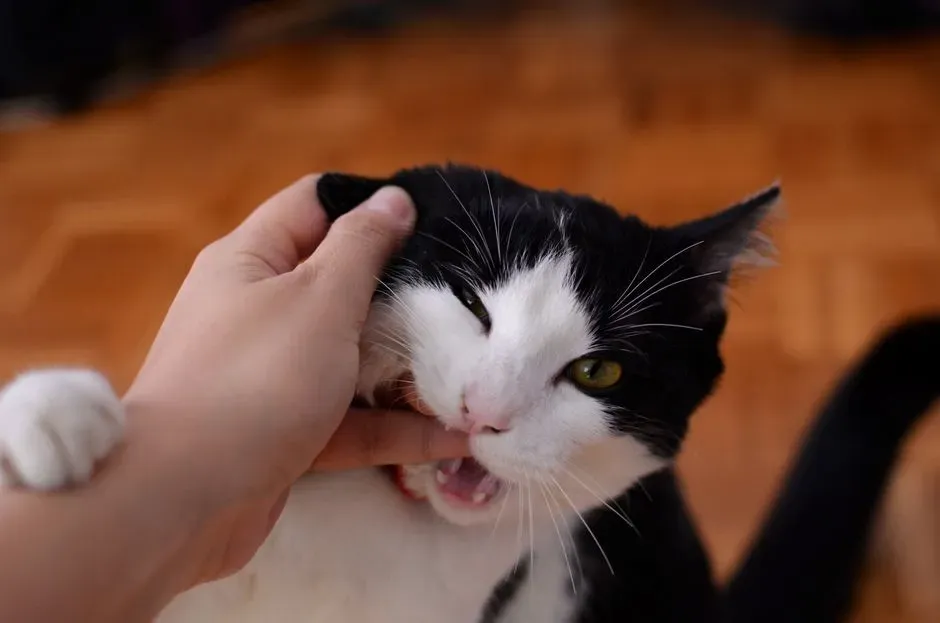
You’re petting your cat, everything is calm, maybe you’re even a little proud of how snuggly they’re being… and then suddenly, chomp. It might not break the skin, but it’s surprising and can feel like a weird betrayal of the moment. People often label these as “love bites” to make sense of the contradiction, but they’re more nuanced than that.
Soft bites that happen during petting are usually your cat’s way of communicating about intensity, duration, or overstimulation. Many cats have a threshold: they enjoy affection up to a point, and then their nervous system shifts from relaxed to “too much.” Because they can’t say, “Okay, that’s enough now,” they may nip gently to stop the interaction or redirect your hand. Far from being random cruelty, these bites are early warning signs that your cat needs a break. Listening to them and pausing usually leads to calmer, more predictable cuddle sessions in the long run.
8. Sleeping Just Out of Reach Instead of on Your Lap
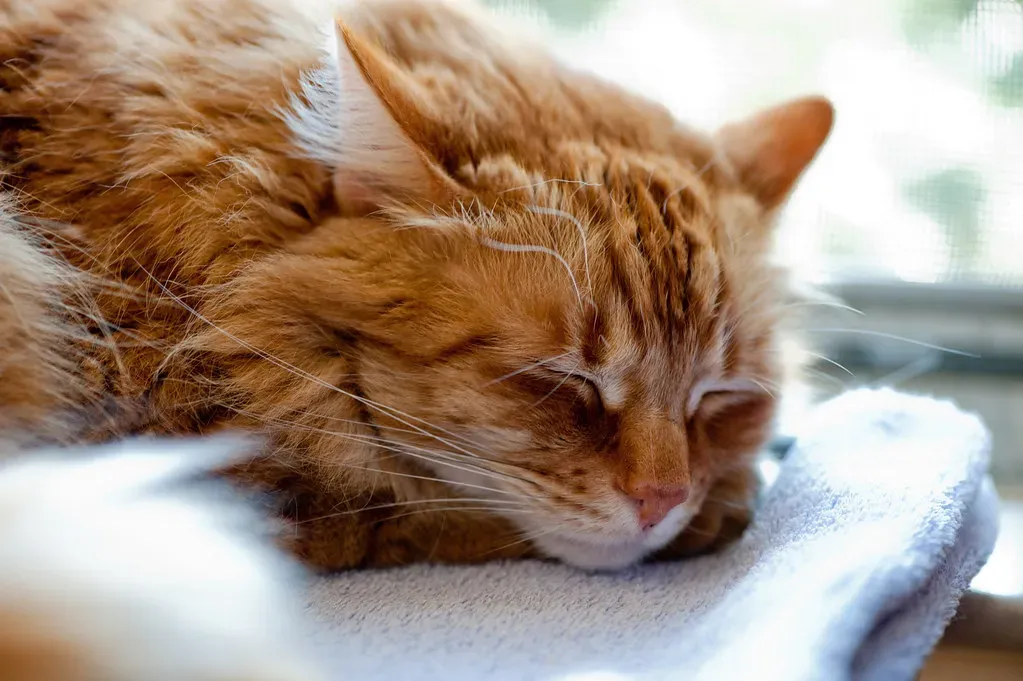
Maybe the most quietly painful “rude” behavior is when your cat chooses to nap near you, but not on you – like curling up on the far end of the couch instead of your lap. You can see them. They can see you. But there’s a deliberate few inches (or feet) of space, and that gap can feel oddly personal, especially if you’re craving a warm, purring weight against you.
For cats, though, choosing to sleep in the same room, but not necessarily in direct contact, is often a sign of comfort plus healthy boundaries. Many cats prefer to maintain control over their body position and quick access to escape routes, even with people they deeply trust. By settling near you, they’re signaling that they feel safe in your presence and want your company, just not constant touch. It’s a bit like a friend who loves hanging out on the same couch but doesn’t always want to be hugged while they chill.
Opinionated Conclusion: Your Cat Isn’t Rude – You’re Just Speaking Different Languages
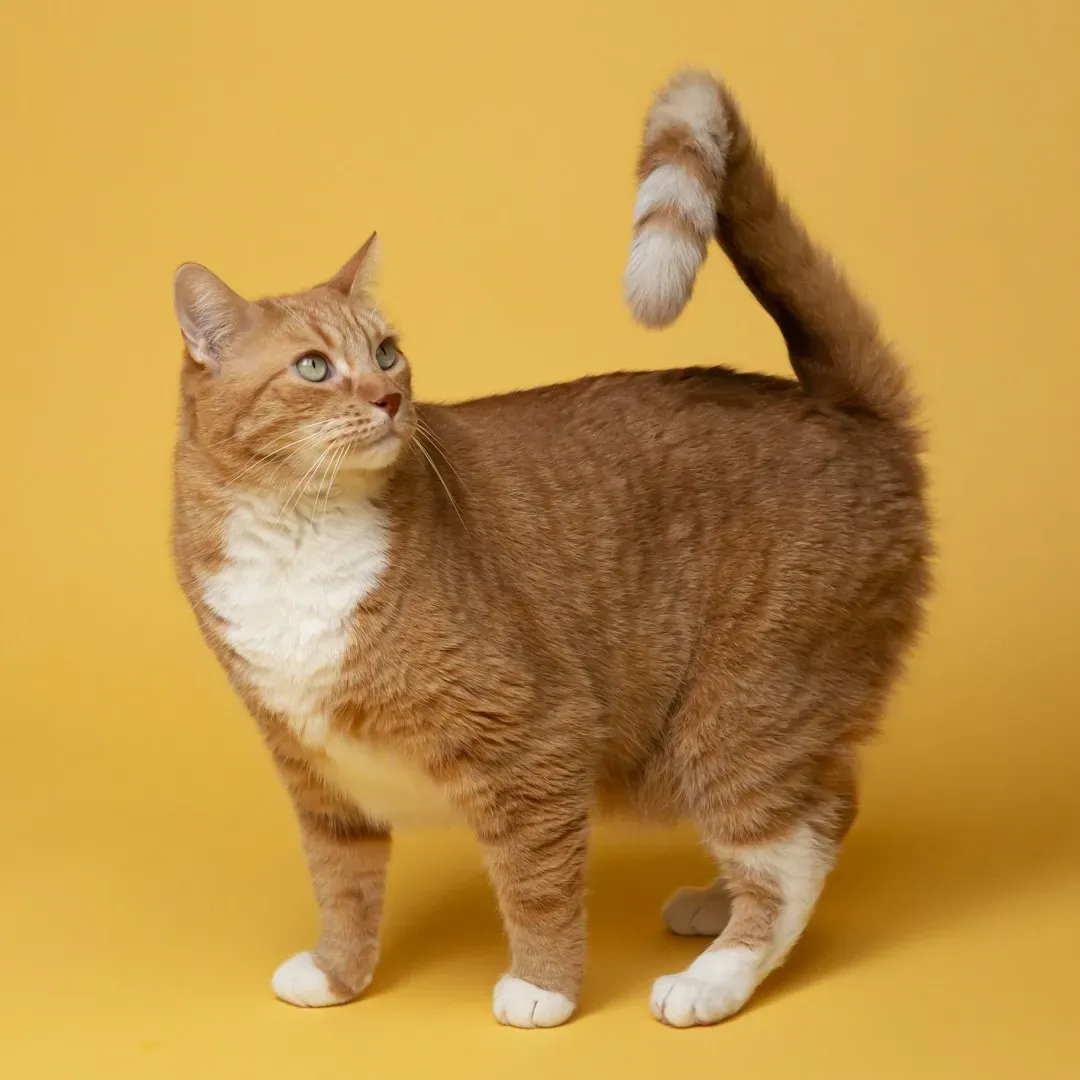
When you zoom out, a pattern appears: the behaviors we label as rude are usually cats saying “I trust you” or “I need space” without any of the sugar-coating humans wrap around those messages. They are blunt, yes, but they are not cruel. Personally, I think we often expect cats to behave like dogs or like tiny, furry people, and when they don’t, we blame them instead of adjusting our expectations.
Once you start reading these behaviors as trust signals and boundary-setting rather than insults, your entire relationship shifts. That back turned to you, that walk-away, that gentle swat – they become information, not rejection. In a world where so many of us struggle to state our own needs clearly, there’s something almost refreshing about how honestly cats communicate. The real question is not whether your cat is being rude, but whether you’re willing to learn their language – are you?


