
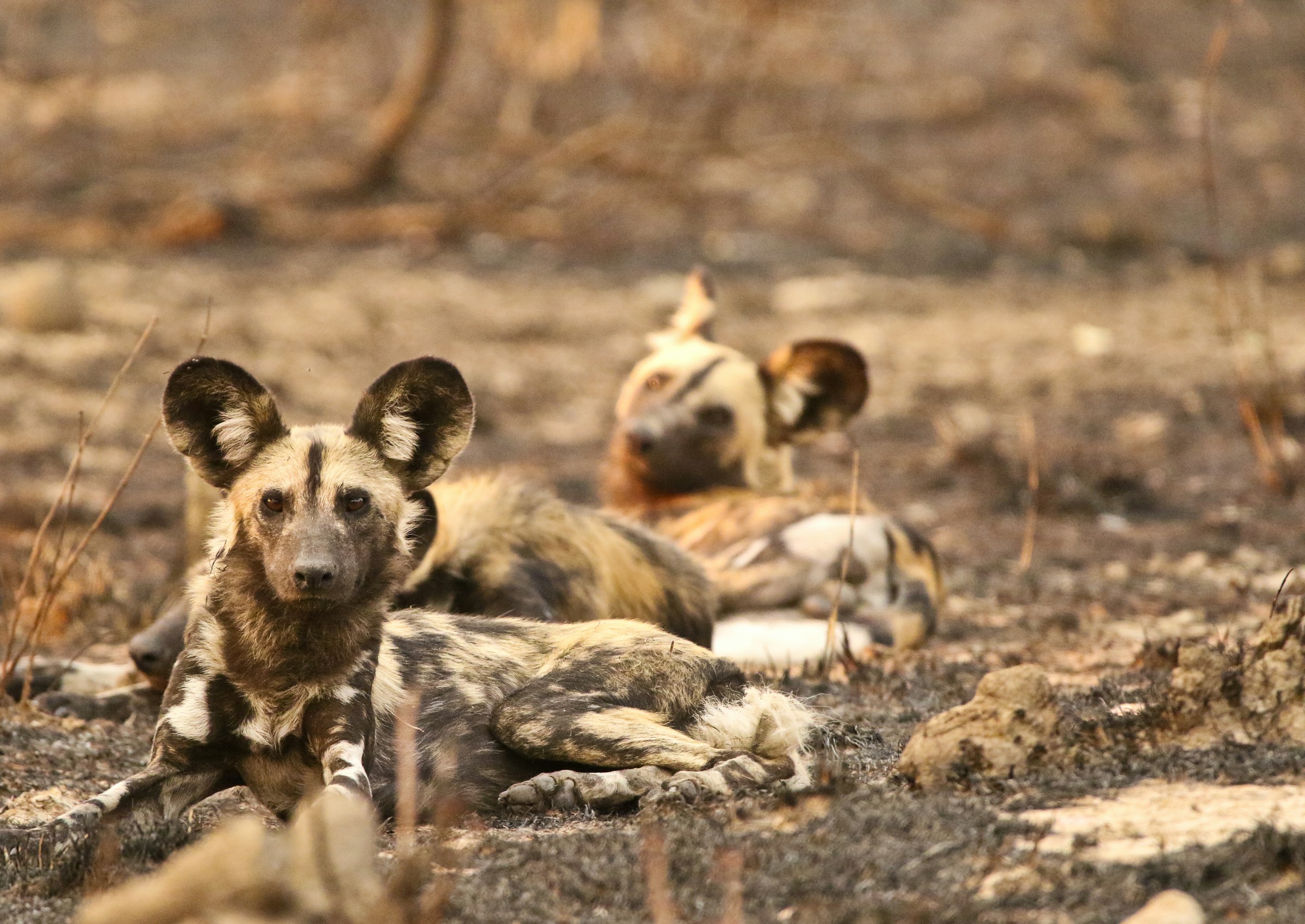
If you only knew African wild dogs from a quick glance, you might mistake them for scruffy, oversized street dogs with paint-splattered coats. In reality, you’re looking at some of the most efficient and relentless hunters on the continent. While lions get the documentaries and leopards get the drama, African wild dogs quietly rack up hunting success rates that put the big cats to shame.
I still remember the first time I watched a wild dog hunt on video. It was not the dramatic ambush you see from lions; it was more like a high-speed chess game combined with a marathon. Everyone in the pack seemed to know exactly where to be and when. It felt less like watching “nature” and more like watching a well-drilled sports team that has practiced the same play a thousand times.
The Surprising Truth: Wild Dogs Beat Lions at the Hunting Game
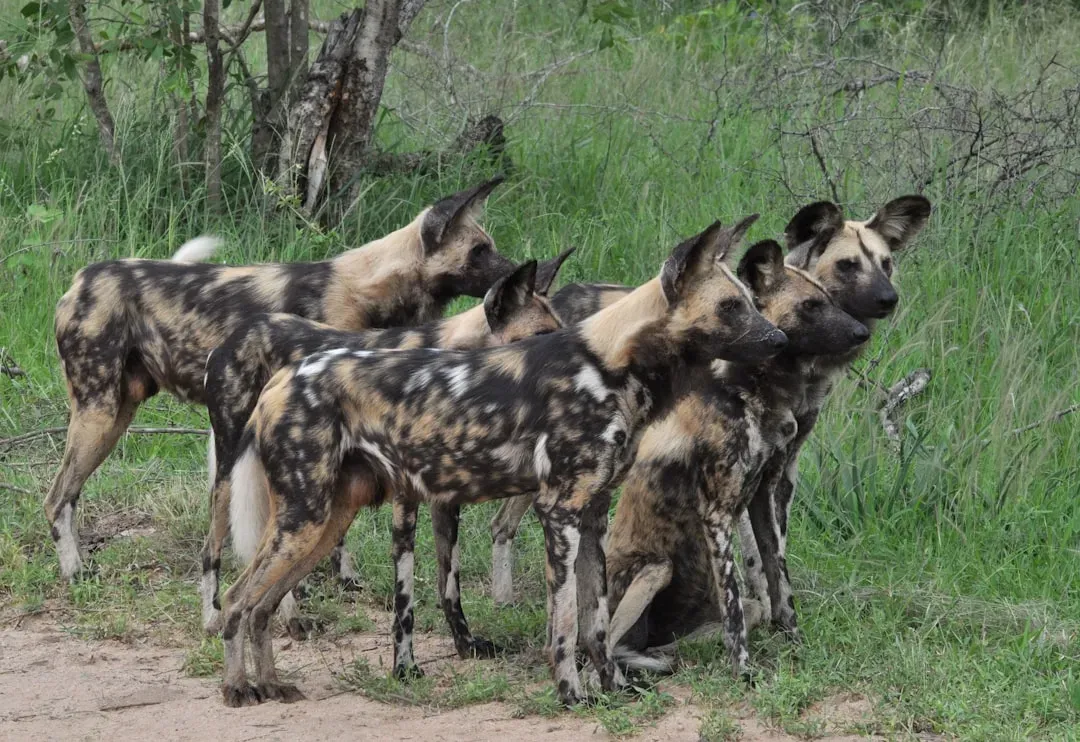
Here’s the shocking part: African wild dogs consistently succeed in a much higher share of their hunts than lions and leopards. While big cats often fail more times than they succeed, wild dogs regularly bring down prey in the majority of their attempts. In some well-studied areas, more than half of their hunts end with a kill, which is an astonishing record compared to many other large predators.
This doesn’t mean wild dogs are stronger or more powerful than lions; they are absolutely not. What they have instead is teamwork, stamina, and precision. Think of lions as heavyweight fighters looking for a knockout punch, while wild dogs play more like a ruthless, well-coordinated soccer team that wins by never stopping, never breaking formation and always backing each other up.
A Pack With a Plan: Coordination On a Different Level
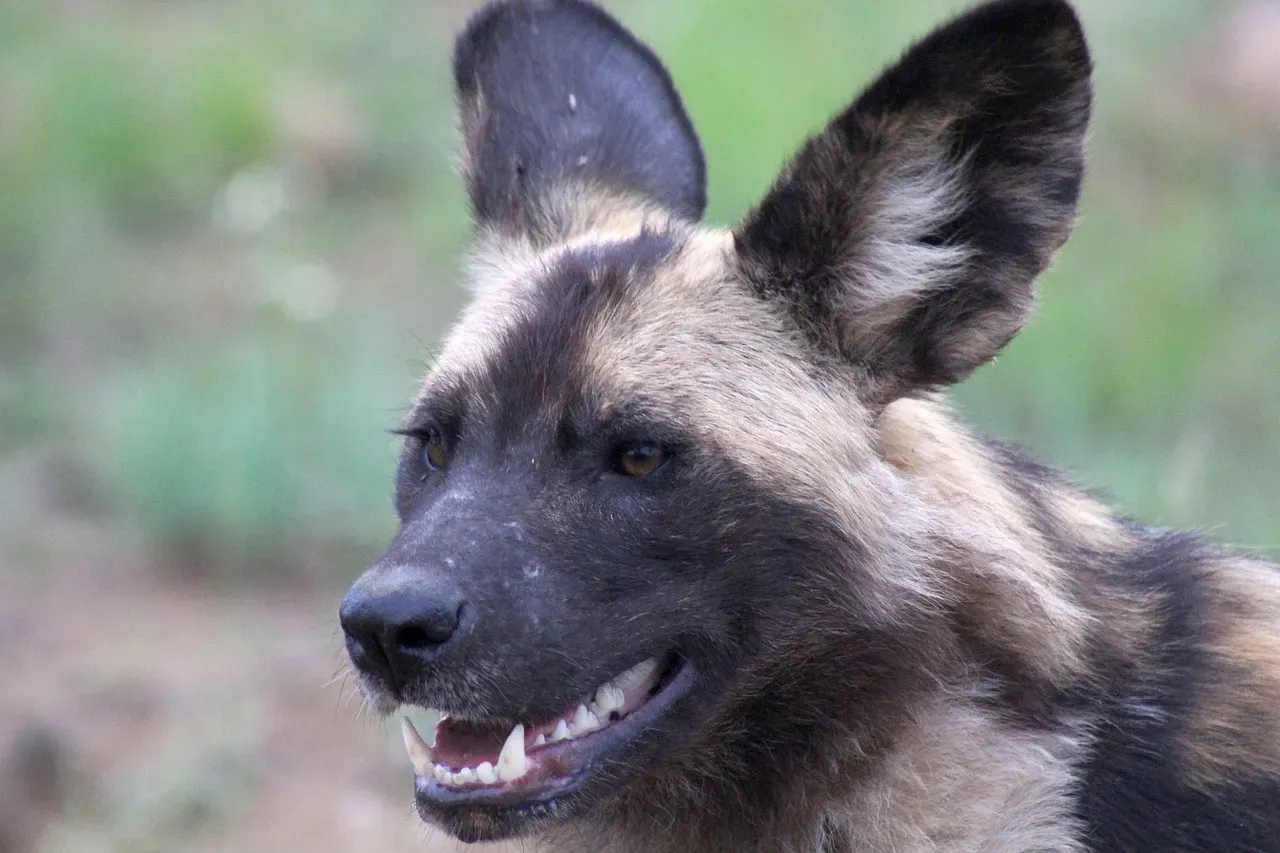
One of the wild dog’s biggest advantages is that they really hunt as a team, not just as a loose group of individuals. When a hunt starts, they do not charge in chaotically; they spread out, flank the herd, and pressure the weak or distracted animal. You can actually see them adjusting their positions, almost like each individual has a specific role in a play that everyone else understands.
There is usually a dominant breeding pair, but leadership during a chase is fluid and responsive. Different dogs may take turns being in front depending on who is freshest or best positioned. This flexible, almost intuitive coordination is something we humans love to romanticize in sports teams or elite military units, yet wild dogs do it instinctively in the middle of the savanna, at full sprint.
Built to Run: Endurance That Outlasts Their Prey
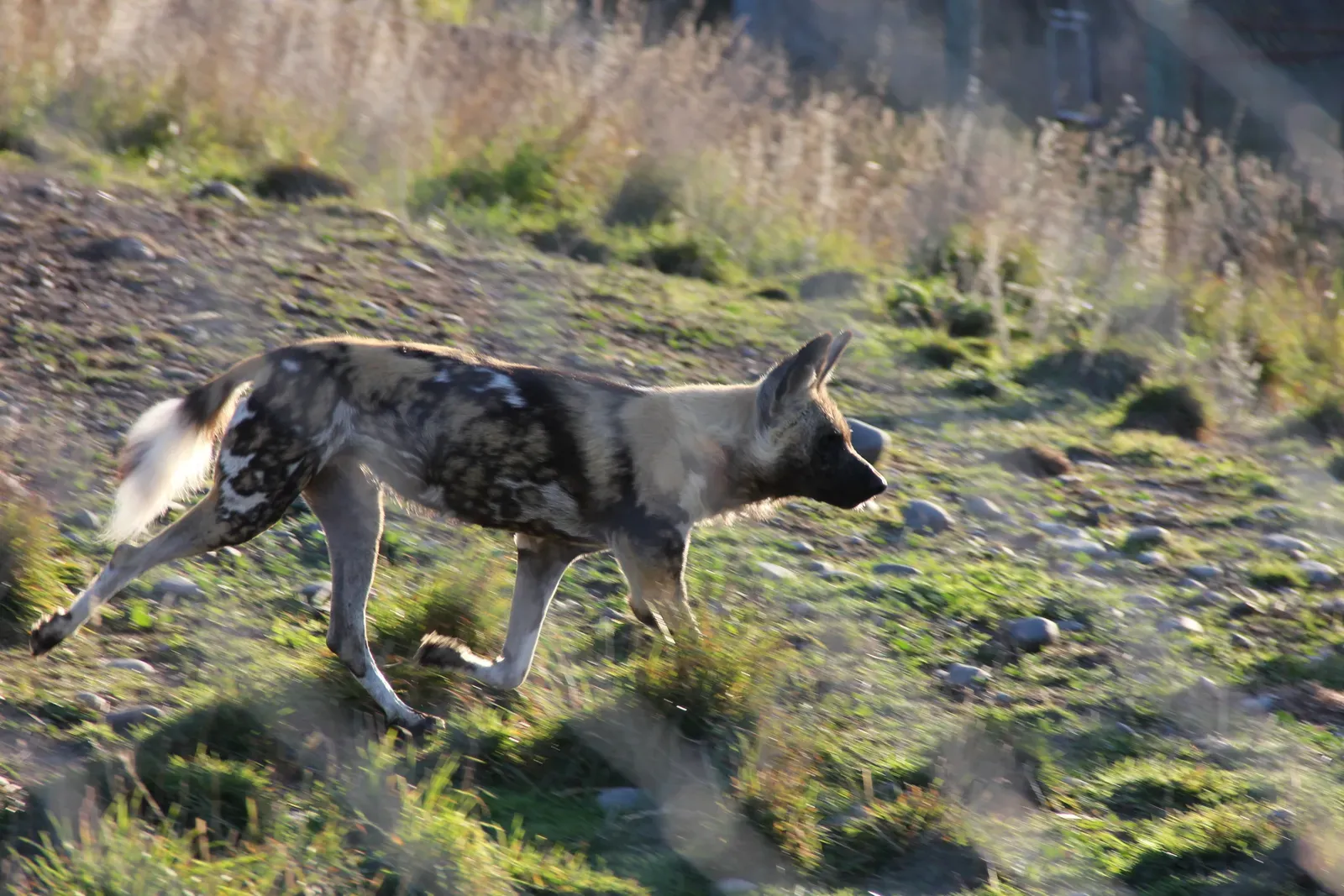
African wild dogs are not the heaviest or strongest carnivores around, but they are absolutely built for long-distance running. Their lean bodies, long legs, and large lungs allow them to maintain a high-speed chase over impressive distances. While many predators rely on short, explosive bursts, wild dogs simply outlast their prey in what is essentially a deadly, high-speed marathon.
Most antelope can outrun a wild dog in a short sprint, but they struggle to keep that pace when pushed for long stretches. Wild dogs take advantage of this by relentlessly chasing, forcing the prey to make sharp turns that sap energy and break rhythm. Over time, fatigue becomes the real killer, and the dog’s endurance becomes their most powerful weapon.
Silent Signals and Smart Communication
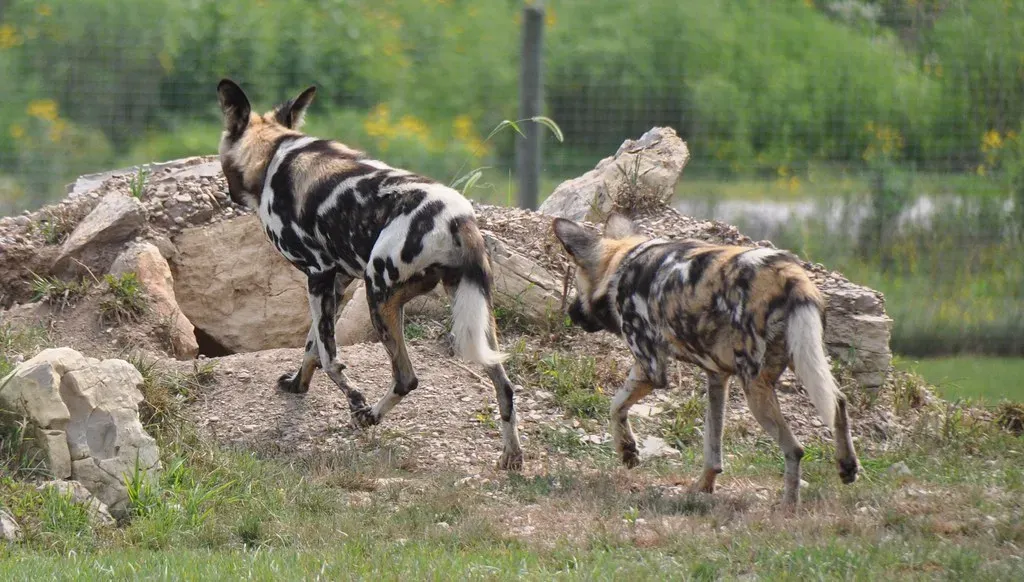
Effective hunting is impossible without communication, and wild dogs are masters at staying in touch with one another during fast, chaotic chases. They use a mix of vocalizations, body language, and even subtle movements of the head and tail to coordinate. Before a hunt, packs often gather, jump, whine softly, and touch muzzles, almost like a pre-game team huddle that raises energy and synchronizes focus.
During the chase, their communication becomes more tactical. Dogs at the front might adjust direction, and those on the flanks respond immediately, tightening or widening the pursuit. It’s easy to overlook how sophisticated this is, because we tend to think of “intelligence” as tool use or problem-solving. But coordinating a dozen fast-moving bodies through open terrain is a kind of intelligence too, just expressed through instinct and motion rather than gadgets.
Targeting the Weak: Strategy Over Brute Force
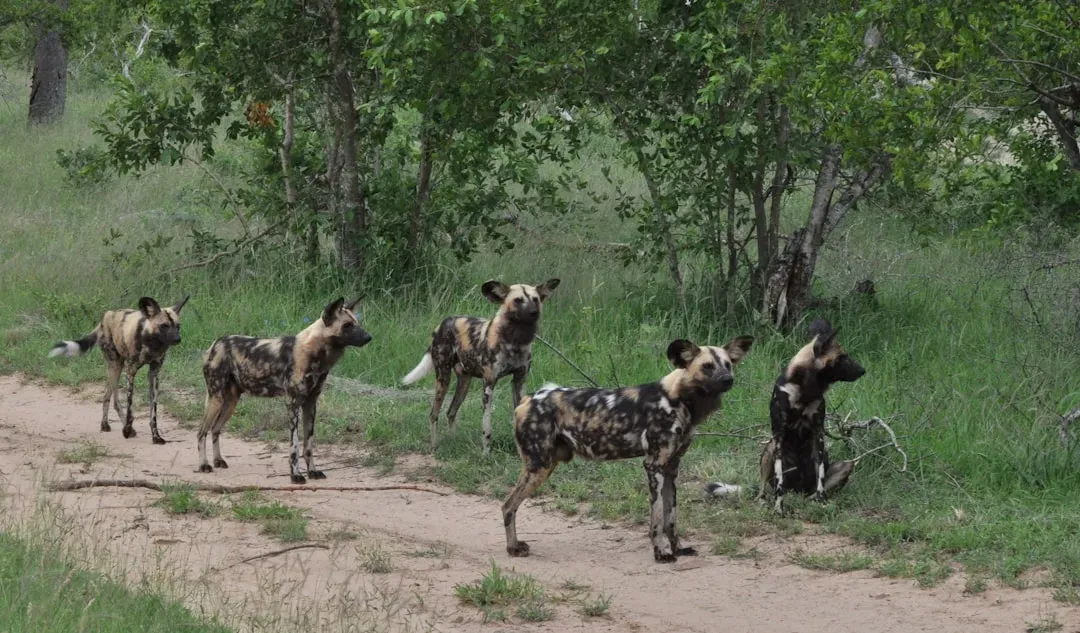
Wild dogs do not try to take down the largest or strongest animal; that would be a waste of energy and a big risk. Instead, they are incredibly good at scanning a herd and selecting the most vulnerable target: a youngster, an older individual, or one that is already injured or slowed. In other words, they sharpen their odds before the first step of the chase begins.
This selective strategy also explains why their hunting looks so clinical and efficient. They do not simply burst into the middle of a herd and hope for the best. They test, probe, and pressure from different angles until one animal stumbles or falls behind. It can feel brutal to watch, but from a purely ecological standpoint, it is a harsh but efficient way of removing the weakest individuals and keeping prey populations overall lean and responsive.
Sharing the Spoils: Social Bonds That Make the Pack Stronger
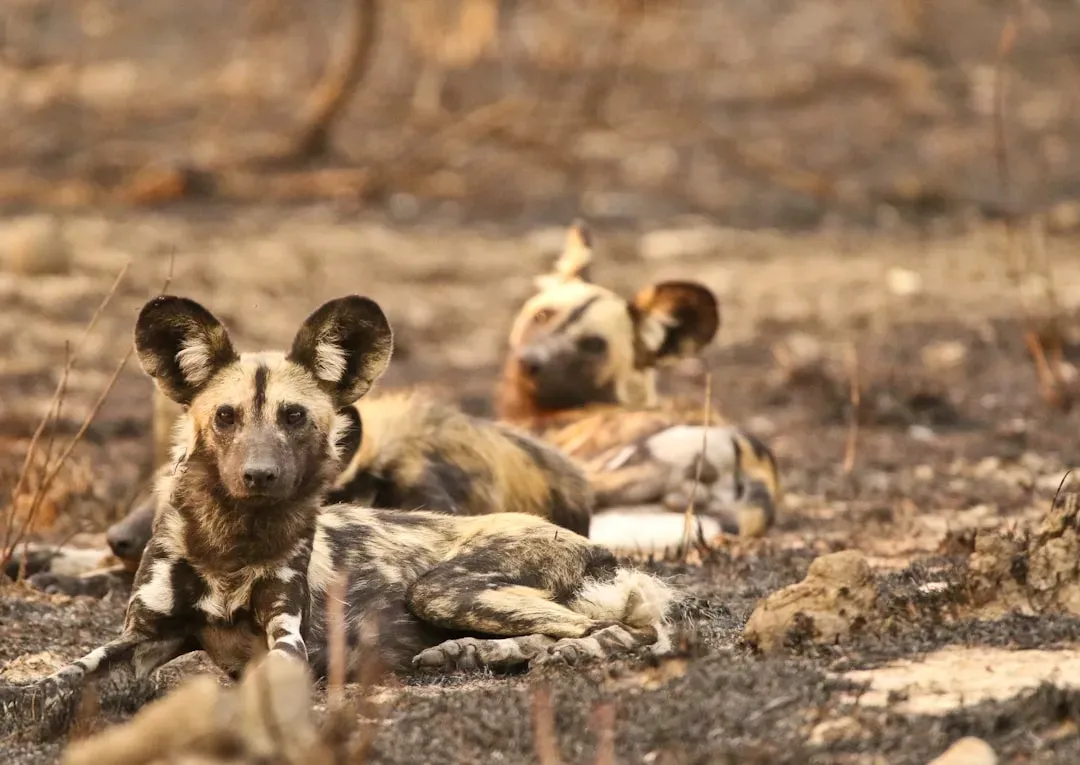
Another remarkable thing about African wild dogs is what happens after the kill. They are extremely cooperative feeders and will share food with pups, injured members, and even adults that stayed behind to guard the den. If you watch them after a successful hunt, you often see them regurgitating meat for younger or weaker individuals, like a living support system built into the pack.
This habit of sharing does more than just keep everyone fed; it reinforces tight social bonds and makes sure that the whole pack remains strong. A well-fed, healthy group means more hunters, more eyes scanning for danger, and more babysitters for the next generation. In a way, every successful hunt is an investment not only in the present, but in the future strength and resilience of the entire pack.
Facing Lions, Hyenas, and a Harsh Landscape
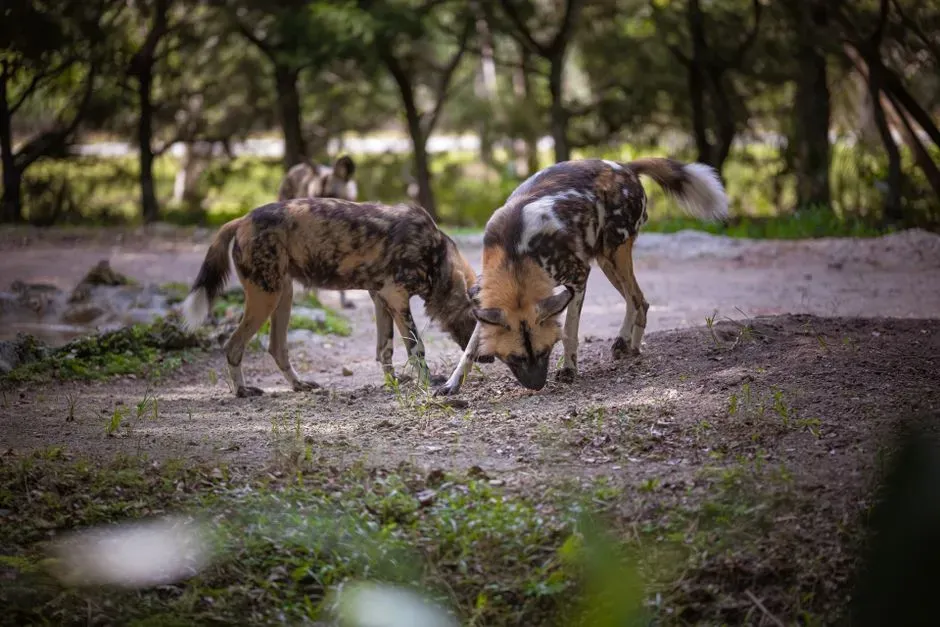
What often gets ignored in all the talk about their hunting success is that wild dogs are doing this in a brutally competitive environment. Lions, hyenas, and even leopards will kill wild dogs if they can and often steal their kills. These larger carnivores see wild dogs both as rivals and as inconvenient competition for the same prey, which means the dogs have to be smart about where and when they hunt.
To cope, wild dogs tend to rely on speed, timing, and vigilance. They often hunt during cooler times of the day, keep their kills moving when they can, and abandon carcasses fast when a bigger predator shows up. It is like watching a small, fast food truck that knows it has to serve quickly and drive off before a giant restaurant chain bulldozes the place. Their efficiency is not just about catching prey; it is also about avoiding losing it.
Conservation Reality: Efficient Hunters, Fragile Future
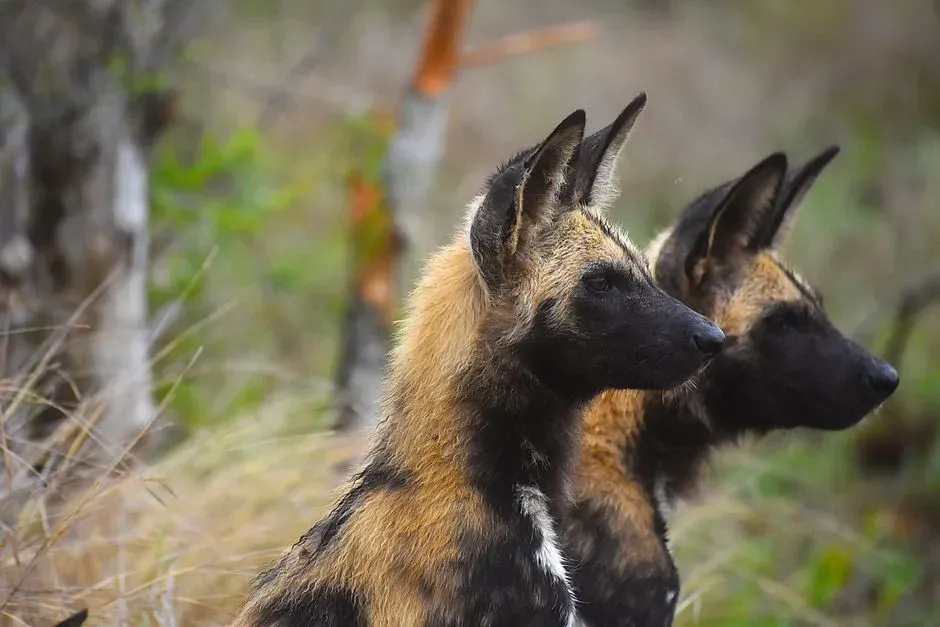
For all their skill, African wild dogs are still one of the most threatened large carnivores on the continent. Habitat loss, human conflict, and diseases transmitted from domestic dogs have driven their numbers down across much of their historic range. In many countries, only fragmented populations remain, separated by roads, farms, and fences that tear apart what used to be wide, connected landscapes.
To me, that’s the cruel irony: here you have one of the most capable, evolved hunting systems nature has produced, and it is losing not because it fails in the wild, but because the world around it is changing faster than it can adapt. Protecting wild dogs means protecting large, connected habitats, supporting local communities, and managing disease risks. If we want this extraordinary hunting machine to keep running, we have to stop kicking the legs out from under it.
Conclusion: The Underdog That Outperforms the Kings
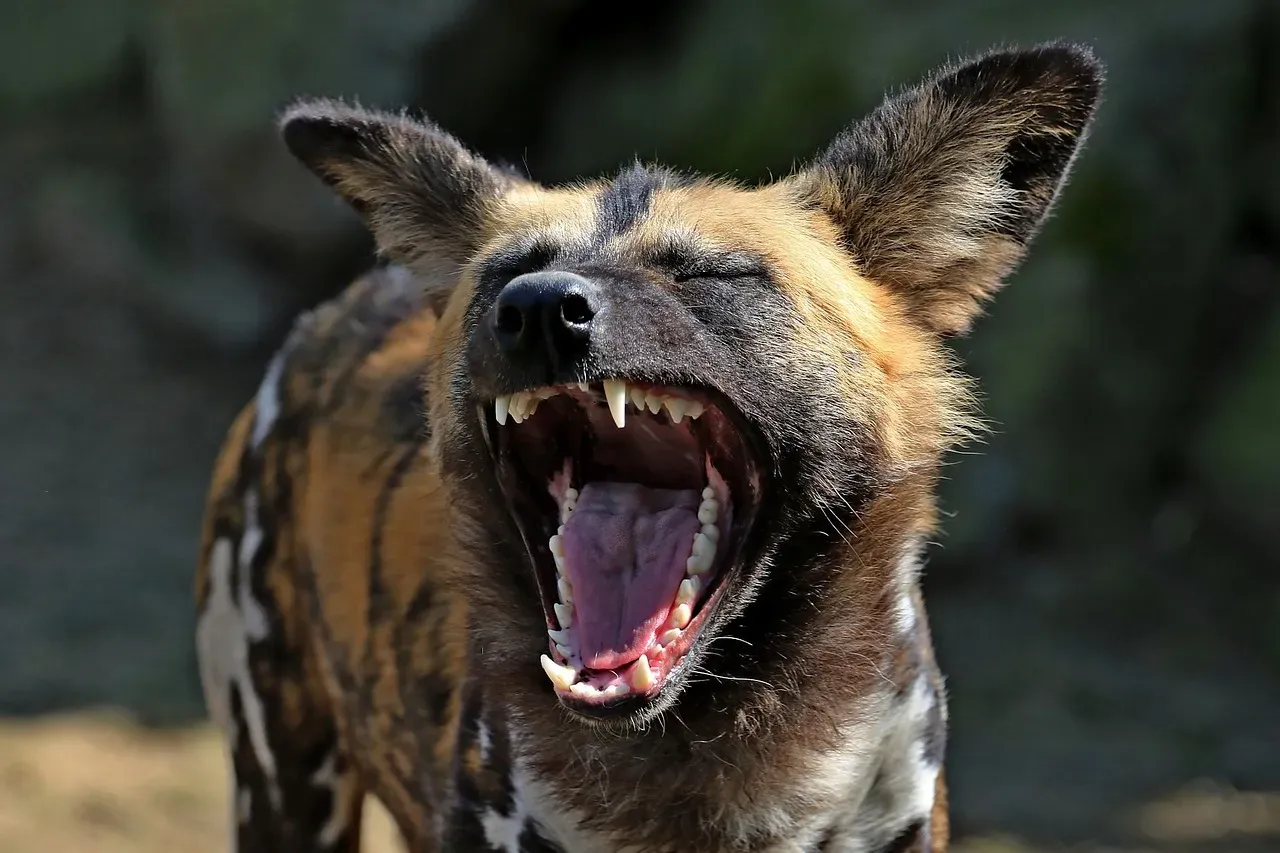
When you strip away the drama and the big-cat bias in popular culture, African wild dogs stand out as the true professionals of the African hunting world. They are smaller, lighter, and more vulnerable than lions, yet they win more often because they lean into what they do best: coordination, endurance, and unwavering social support within the pack. Their success is not a fluke; it is the result of millions of years of evolution fine-tuning a system where every member matters.
Personally, I think wild dogs deserve far more respect and attention than they get, not just because they are efficient hunters, but because they embody a different kind of power. It is not the power of sheer strength or solitary heroics, but the power of connection, persistence, and shared purpose. In a world that often glorifies lone predators, African wild dogs quietly remind us that sometimes the real winners are the ones who run together. Did you expect the scruffy-looking underdog to be the savanna’s most successful hunter?


