
#1: Body Blocking – Standing Between You and the Unknown
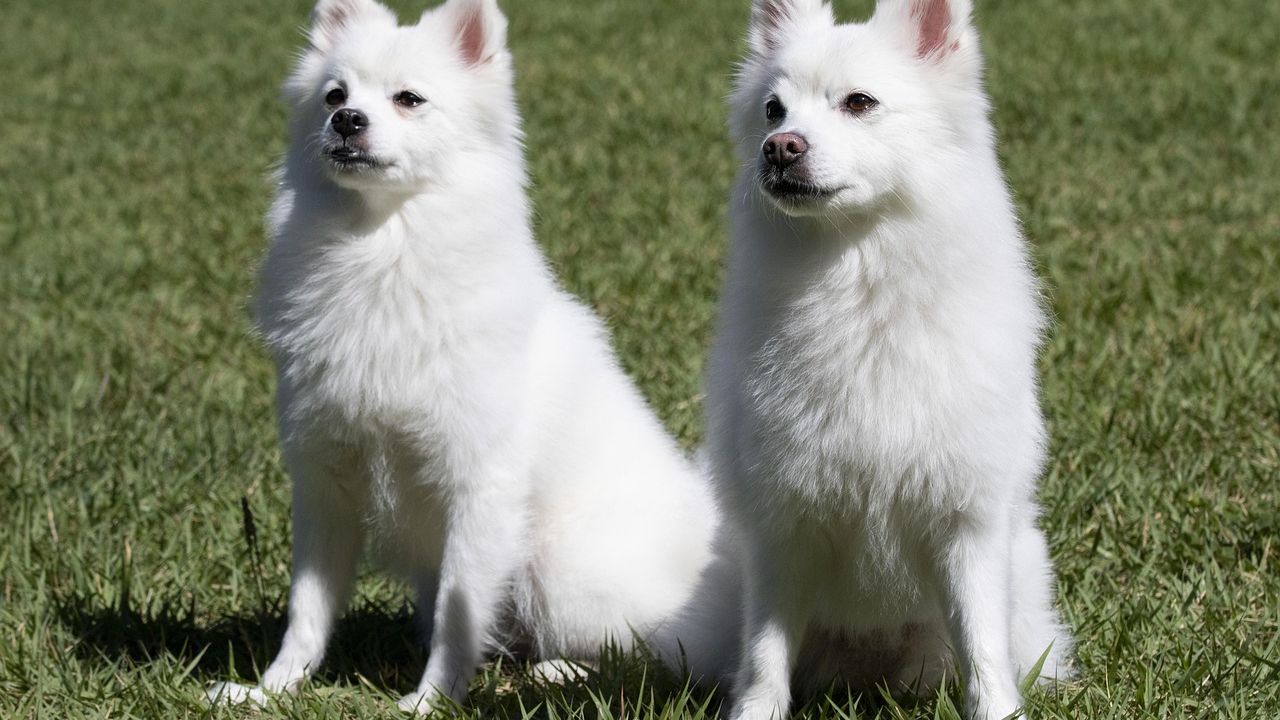
You might have noticed your dog casually positioning themselves in front of you when a stranger walks by, or nudging their way between you and a guest at the door. It feels coincidental until it happens every single time. Body blocking is a protective behavior where a dog positions itself between its owner and a perceived threat. This can be a subtle move, such as standing in front of you when someone approaches, or more pronounced, like pushing you away from an unfamiliar situation.
This isn’t random or accidental. This behavior indicates that your dog is actively safeguarding you from what it perceives as danger. It’s a quiet, deliberate act that requires no barking or growling, just pure instinct translated into physical placement. When your dog does this, they’ve already made a judgment call about the situation, often well before you’ve had a chance to even notice something feels off.
#2: Hypervigilance – That Fixed, Unblinking Stare
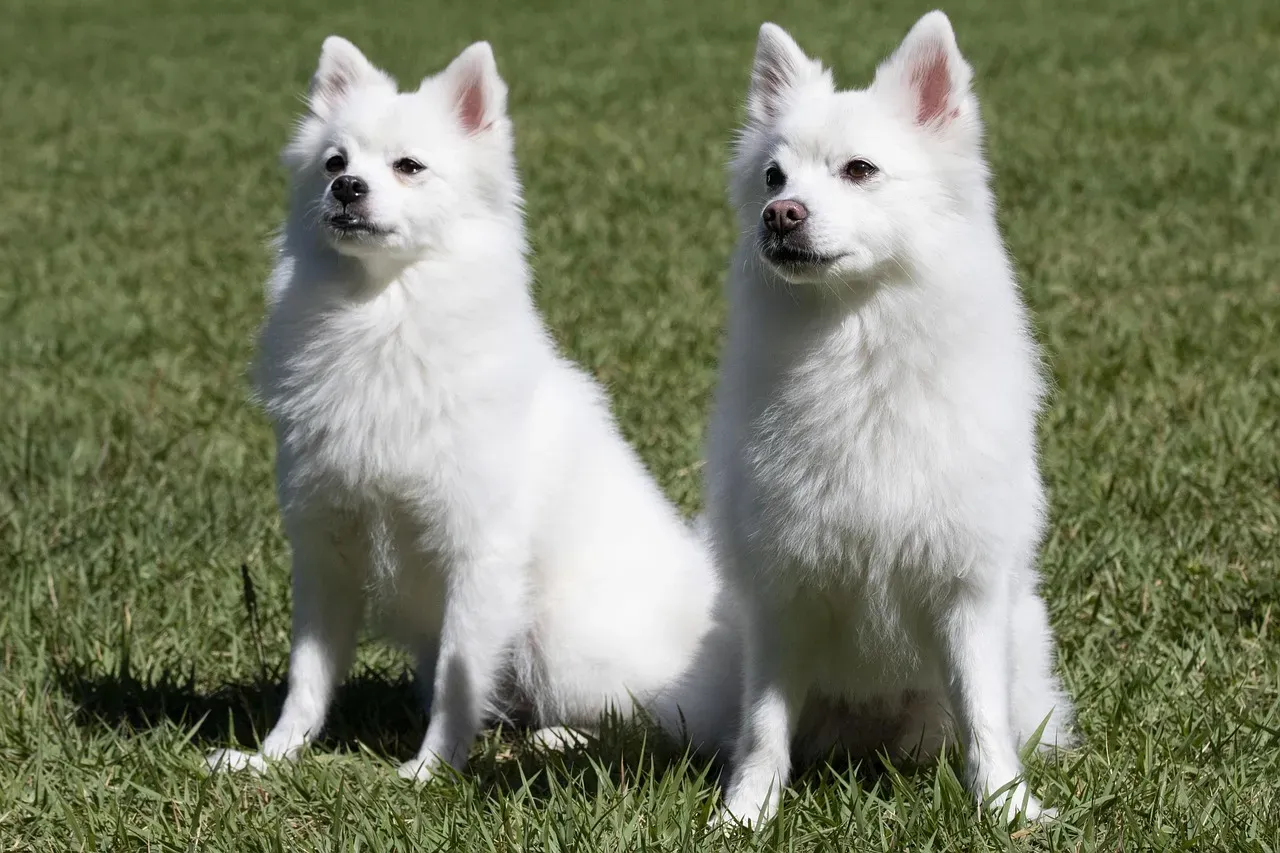
Sometimes your dog will go eerily still, ears forward, eyes locked on a door, a window, or a specific person. It’s almost unsettling to watch. A dog trying to protect you will often exhibit vigilant behavior, constantly watching and sometimes staring intently at potential threats. This watchfulness means they’re assessing the environment for signs of danger to keep you safe.
Some dogs will intently stare at you like a hawk as a way to interpret your feelings and detect warning signs of danger as early as possible. In addition to observing you, they may constantly maintain a visual and emotional “radar” on windows and doors if anything suspicious occurs. Think of it as a threat assessment in real time. Your dog isn’t overreacting. They’re processing sensory information that simply hasn’t registered on your radar yet, and they’re doing it with remarkable focus.
#3: Shadowing – Following Your Every Move
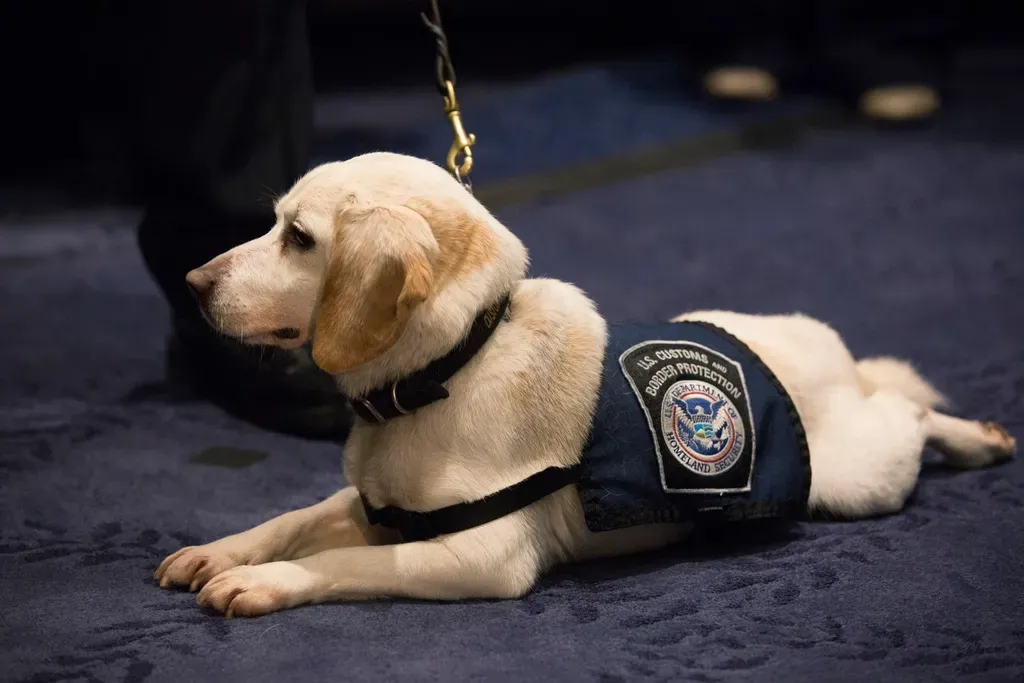
You go to the kitchen, they follow. You move to the bedroom, they’re right behind you. Most people chalk this up to clinginess or separation anxiety, but there’s often a more protective explanation. When a dog follows you closely, particularly in unfamiliar environments, it’s often a sign they’re trying to protect you. This behavior, known as “shadowing,” ensures they’re always close enough to intervene if a threat arises. It demonstrates their commitment to your safety and readiness to act as your guardian.
Dogs that are protective of their owners tend to stick by their side, especially in unfamiliar environments. They want to ensure your safety and be ready to intervene if needed. Context matters here. A dog that shadows you in an unfamiliar place, or after something unusual has happened nearby, is reading a situation that you haven’t fully registered. They’d rather stay two steps behind you than risk being too far away if something goes sideways.
#4: Growling With No Obvious Trigger
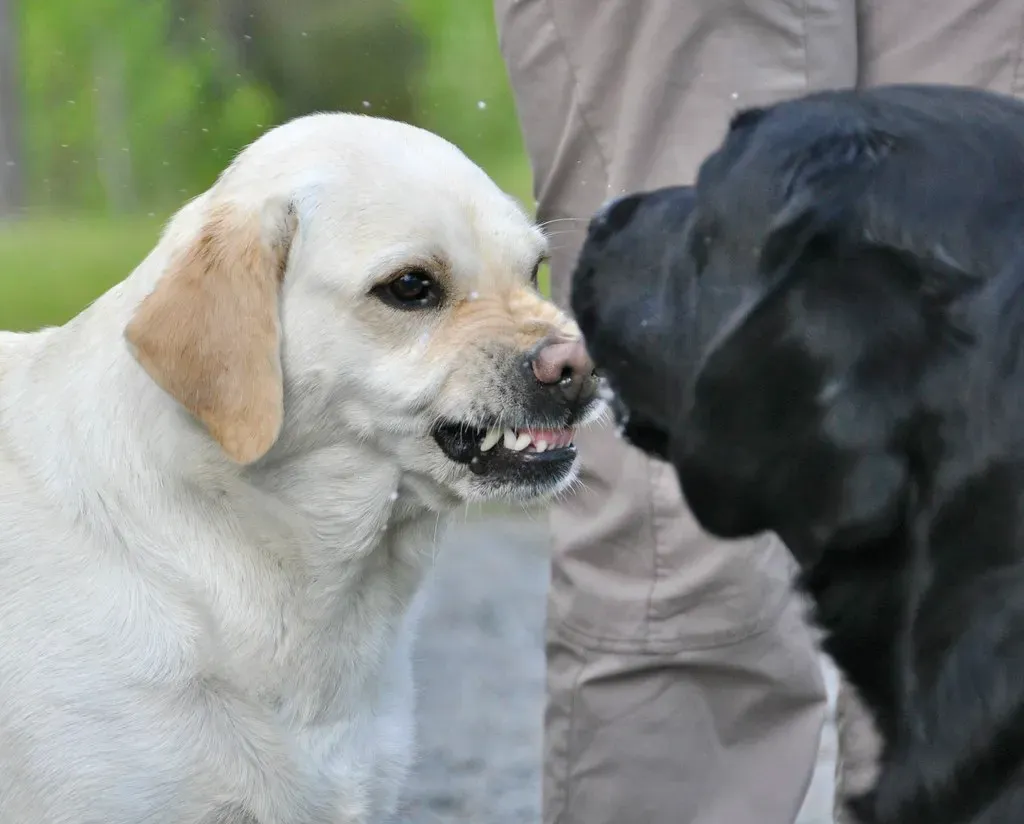
A low, sustained growl directed at nothing you can see is one of the more startling protective signals a dog can give you. Your first instinct might be to shush them. Resist that impulse. Growling is a more direct form of communication, signaling discomfort, fear, or the presence of a perceived threat. When a dog growls in certain situations, it’s not just expressing its unease; it’s also trying to protect you by warning off whatever it perceives as dangerous.
Growling should not be punished, as it’s a crucial way dogs communicate their boundaries and warn before potentially escalating to more aggressive behaviors. Understanding and respecting this warning allows owners to safely remove themselves and their dogs from potentially threatening situations. The growl is your dog’s most honest signal. It means they’ve picked up on something, and they want whatever is out there to know they’ve noticed. That’s not aggression for its own sake. That’s communication, deliberate and purposeful.
#5: Scanning the Room – The Environmental Sweep
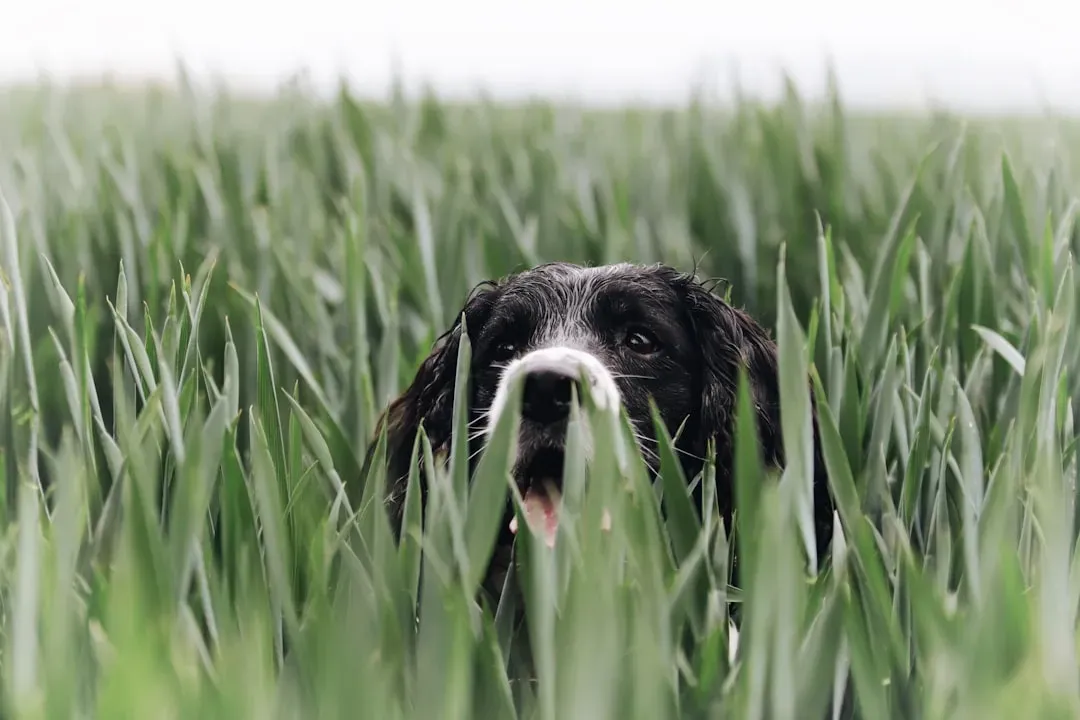
Watch closely the next time you’re in a new environment with your dog. You’ll often catch them doing a slow, methodical sweep of the space, eyes and nose working in tandem. A protective dog remains hyper-aware of their surroundings. They may scan the environment frequently and react quickly to sudden noises or movements.
Canine family members have remarkable senses of smell and hearing, which helps them pick up clues to the many forms of danger that may be near you. Once they pick up these clues, as subtle as they may be, the dogs will react. The sensory advantage dogs hold over humans is significant. A dog has about 300 million scent receptors compared with a human’s 6 million. That room scan isn’t casual curiosity. It’s a full-spectrum threat assessment being completed quietly, efficiently, and mostly without your awareness.
#6: Alert Barking Followed by Calm – The “All Clear” Signal
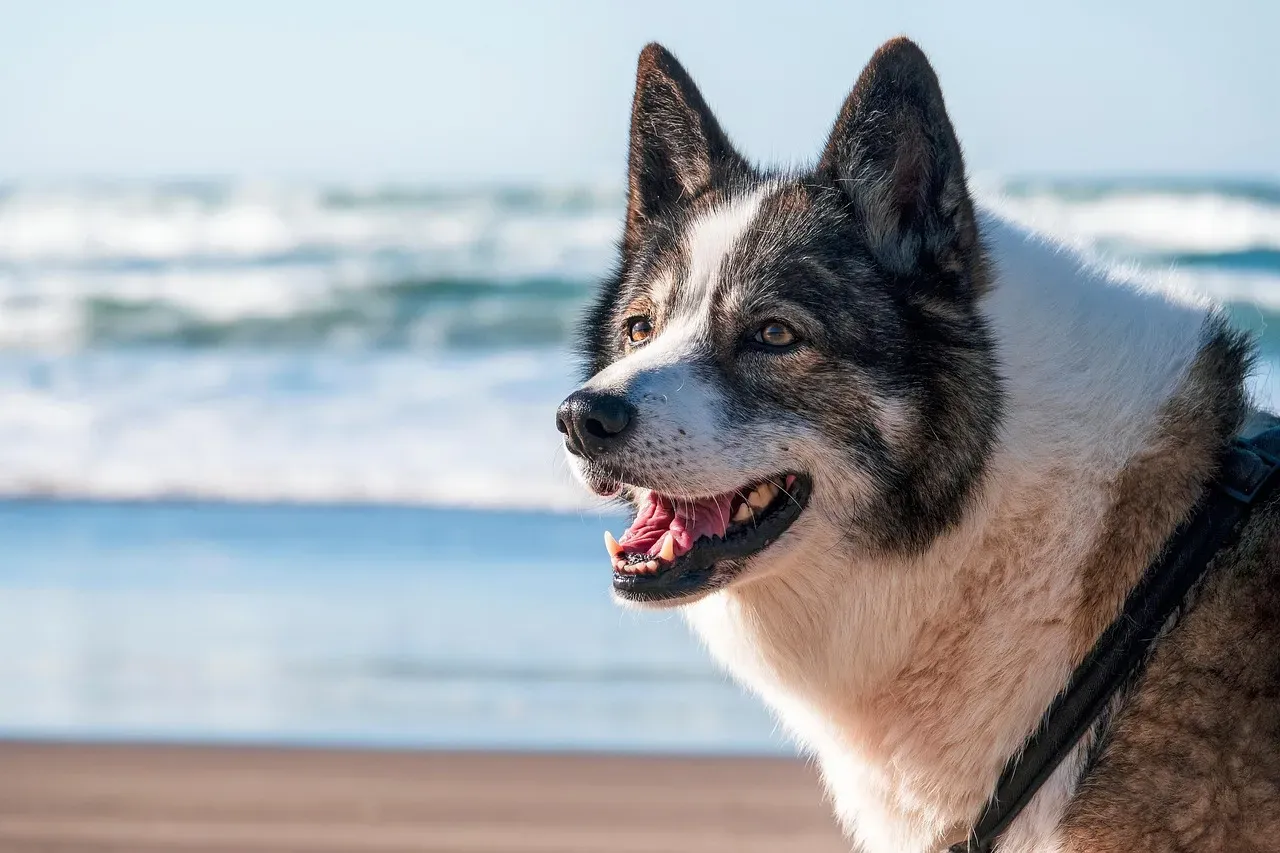
There’s a distinct difference between your dog barking at a squirrel and the sharp, focused bark they give when they’ve detected something that feels genuinely wrong to them. Common signs your dog is protective include watching surroundings carefully, standing between you and others, barking at perceived threats, and calming once danger passes. That last part is the key most people miss.
Dogs have keen senses and often alert their owners to unusual activity or noises the human ear might not detect. This alerting behavior, whether through barking, becoming visibly alert, or nudging their owner, is a way of protecting by ensuring you’re aware of potential dangers. When your dog barks with intensity and then settles the moment the perceived threat has moved on or dissipated, they’re not being erratic. They’re running a clean, logical system: alert, assess, stand down. That’s not the behavior of an anxious animal. That’s a guardian doing their job well.
#7: Redirecting You – Steering You Away From Harm
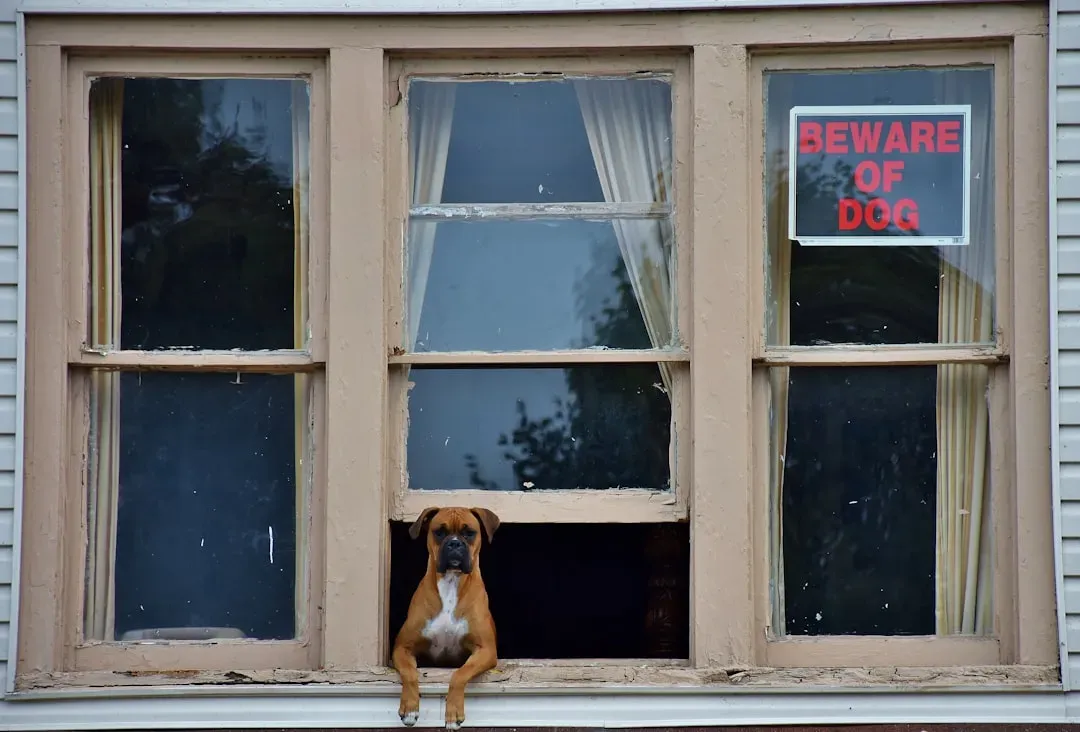
This one tends to catch people off guard. Your dog starts nudging you in a different direction, pulling on your sleeve, placing a paw on you insistently, or even standing in your path to block you from moving forward. Protective dogs may sometimes try to steer you away from perceived dangers. For instance, a dog might place a toy at your feet, bark insistently, pull you toward safety or maybe try to drag your arms or feet outside of a pool.
Dogs hear lower frequencies, smell chemicals we cannot detect, feel atmospheric pressure changes, and continuously observe the people around them. A sudden shift in a dog’s behavior – clinginess, alertness, pacing, avoidance – is often a response to an environmental change we do not yet recognize. This redirecting behavior is arguably the most proactive form of canine protection. The dog isn’t waiting for danger to arrive. They’re trying to physically move you away from it before it does. That takes a level of intentional thought about your wellbeing that’s genuinely remarkable.
#8: Reading People – Reacting to Intentions You Haven’t Noticed

Dogs are extraordinary social readers. They watch people with a level of focus and nuance that most humans never bring to their interactions. Dogs also have a great ability to detect facial expressions and overall body movements. People who have bad intentions move in a jerky fashion. They blink more and their vocal tones are different than normal. Couple these visuals with the human scent of fear or insecurity, and your dog senses danger.
Dogs have an extraordinary sense of smell, capable of detecting even the smallest changes in human body chemistry. When we’re scared or anxious, our bodies release pheromones that dogs can pick up on instantly. That’s why they often react to nervous strangers or sense when their owners are stressed before we even say a word. When your normally relaxed dog stiffens around a specific person for no reason you can identify, take that seriously. If a normally relaxed and reliable dog suddenly senses bad people, you should remove yourselves from proximity as fast as possible. Their read on people isn’t infallible, but it’s grounded in a sensory depth that ours simply cannot match.
What This Means for You and Your Dog
There’s something genuinely humbling about the fact that your dog is, in many ways, more aware of your environment than you are. Dogs’ protective behaviors are rooted in attachment and emotional contagion. Long ago, dogs survived by bonding with humans and acting when danger appeared. Modern dogs may no longer face enemies at the door, but that protective wiring remains.
None of this means every growl or stare demands a panic response. True protective behavior is calm, controlled, and situational. Look for strategic positioning, focused alertness, and responsive behavior rather than constant anxiety or aggression. Protective dogs assess situations rationally, respond to commands, and maintain composure. The goal is to build enough awareness of your specific dog’s behavior patterns that you can tell the difference between routine noise and a genuine signal worth paying attention to.
Honestly, in a world full of distractions, there’s something worth appreciating about a creature who is, at any given moment, entirely focused on your safety. Your dog isn’t performing loyalty. They’re living it. And the least you can do is learn to listen when they’re trying to tell you something you don’t yet know how to hear.


