
#1: The Curled-Up Donut – “I’m Not Fully Safe Yet”
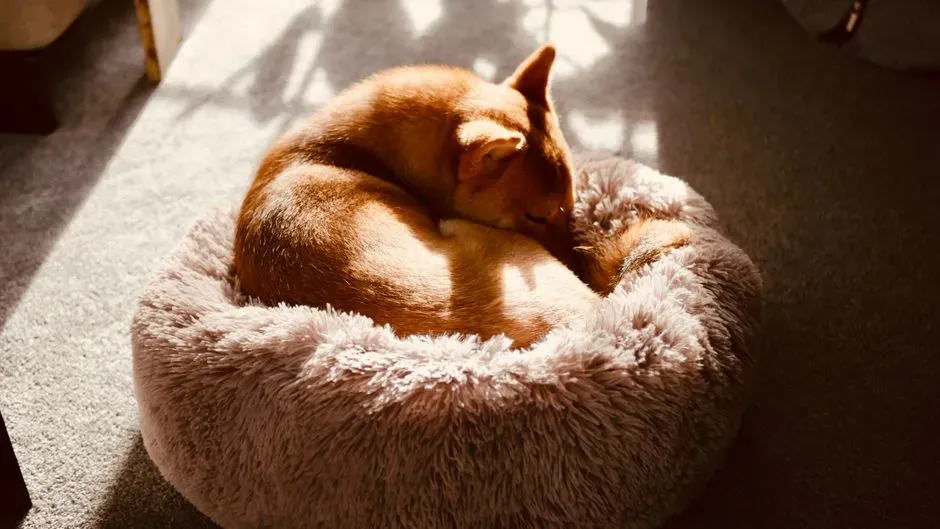
Walk past a dog curled tightly into a ball, nose nearly touching tail, and you’re looking at one of the most instinct-driven sleeping positions in the canine world. The curled-up position is one of the most common among dogs, and when a dog curls tightly into a ball, it’s usually to conserve warmth and protect vital organs. It’s a posture that says, on some level, the world still feels a little uncertain.
Curled up in a tight ball, dogs in the donut pose have their limbs tucked close to their bodies with their nose near the tail. These pups tend to be sweet and caring but reserved around strangers or settling into new homes. This sleeping posture also traps body heat, so a curled-up canine might simply be cold. The key thing to notice is context: a dog who curls up on a chilly evening is doing something entirely different from a dog who curls up even in a warm, familiar room. A dog that feels unwell might also be curled up in a ball. So it’s worth paying attention to whether this is a habit or a shift.
The emotional undercurrent here is one of guardedness. This position helps dogs conserve heat and protect their vital organs, reflecting an instinct for safety that is common when dogs feel the need for extra security. A dog sleeping this way isn’t necessarily anxious or distressed – they may simply feel that staying a little compact, a little ready, is the sensible thing to do right now.
#2: The Side Sleeper – “I Have Nowhere Else to Be”
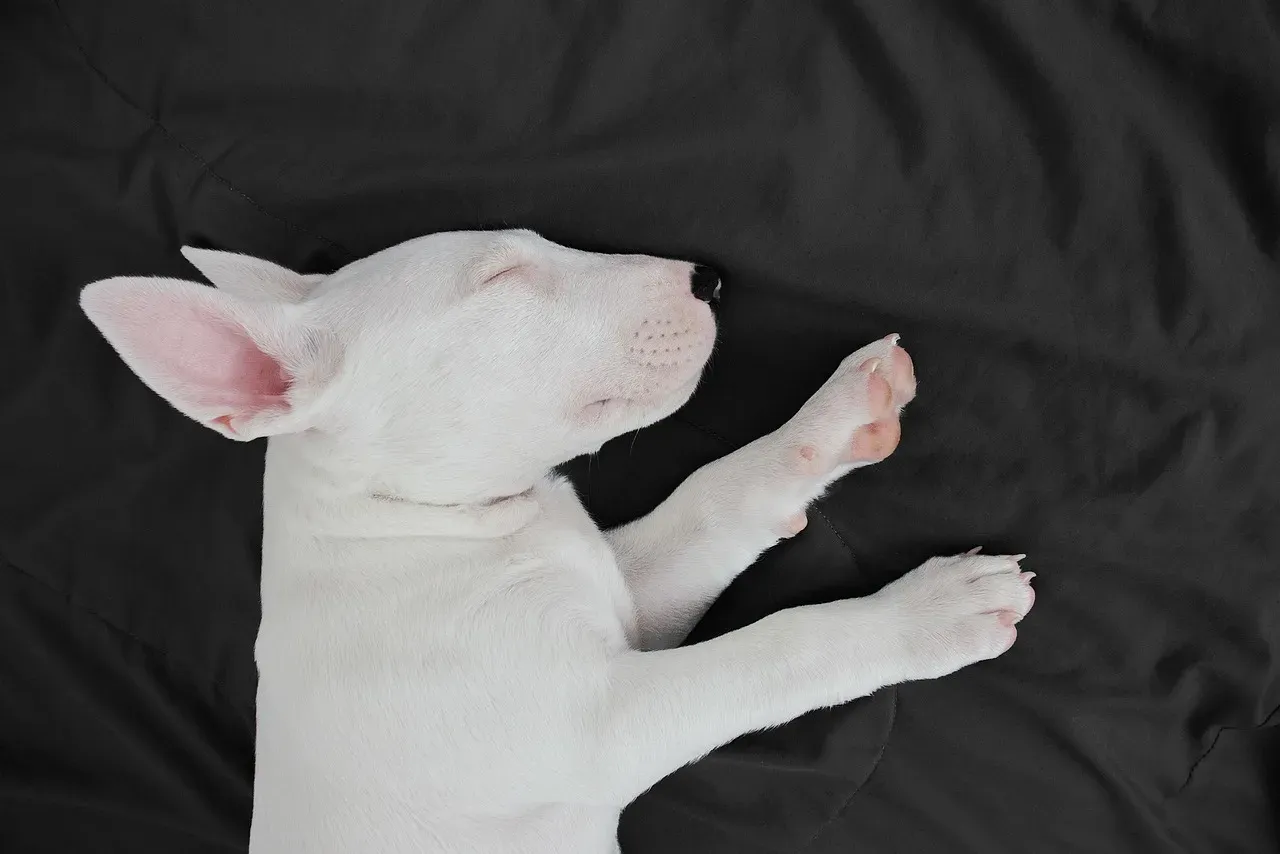
If the curled donut signals mild vigilance, the side sleeper is the opposite. When a dog sleeps on their side with legs extended, it’s a sign of deep relaxation and comfort. Dogs in this position feel safe and secure in their environment, as the side position leaves vital organs exposed. Exposing the belly and abdomen takes a certain amount of trust – biologically, no animal exposes its softest parts unless it genuinely believes nothing bad is coming.
Side sleeping exposes the belly, a vulnerable area that dogs only reveal when they feel completely safe and relaxed. The legs-extended posture allows full muscle relaxation and even weight distribution across the body’s largest surface area. This is the sleeping position of a dog who, deep in their nervous system, has decided the world is manageable today. Side sleeping is also the most comfortable position for dogs with arthritis, allergies, or anxiety because it distributes body weight evenly across the most surface area, minimizing joint pressure.
Senior dogs may choose this position because it reduces joint pressure compared to curling tightly, though older dogs with arthritis might switch sides frequently to stay comfortable. Watch for that restlessness. A dog who shifts sides often, groans softly when settling, or struggles to stay comfortable may be communicating something worth taking seriously.
#3: The Lion’s Pose – “I’m Watching, Just in Case”
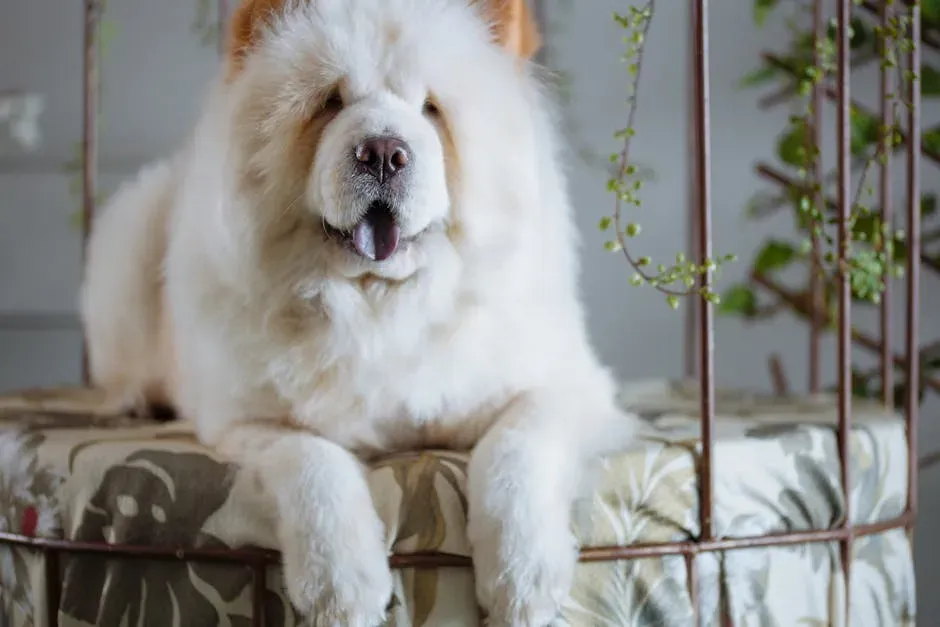
You’ve seen it: the dog lying on their stomach, front legs stretched forward, head resting directly on their paws like a small furry sphinx. Experts suggest that when dogs sleep in the lion pose, it allows them to spring into action immediately if they need to – though this doesn’t mean they aren’t having a good sleep. It’s an interesting compromise between rest and readiness, and some dogs spend a large part of their day in exactly this position.
In the lion’s pose, dogs lie with front legs stretched out and heads resting on them, looking like majestic sphinxes. Dogs in this pose are resting lightly while ready to spring into action, reflecting alertness yet offering some relaxation without falling into deep sleep. Think of it as the canine equivalent of sitting on the edge of a chair rather than leaning back. This sleeping pose may also indicate that a pup is anxious and ready to jump up at a moment’s notice. It’s not always anxiety, though. Some dogs simply have that kind of temperament – alert, engaged, never quite fully off duty.
The lion pose suggests physical comfort and a body free of joint pain. Older dogs may use this pose less frequently due to stiffness, and if an adult dog suddenly avoids stretching positions, it could indicate emerging discomfort worth monitoring. So if your dog has always been a lion sleeper and suddenly stops, that change matters more than the position itself ever did.
#4: The Belly-Up Sprawl – “I Trust You With Everything”
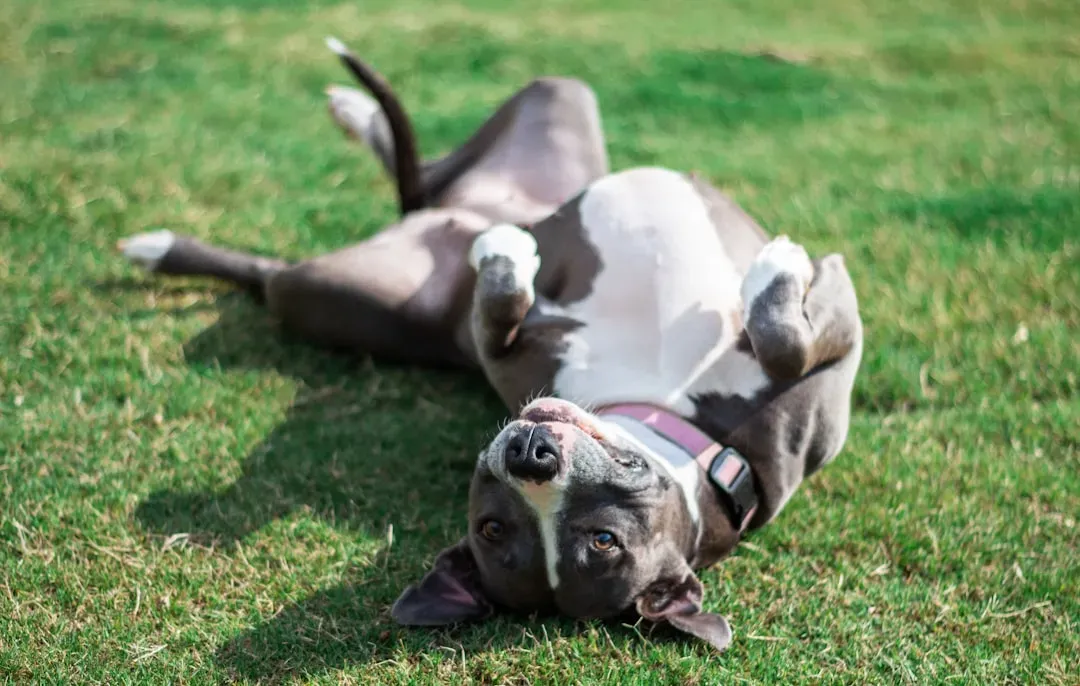
Few sleeping positions carry the emotional weight of a dog lying flat on their back, paws flopped open, belly fully exposed to the ceiling. A dog exposing their stomach while sleeping displays profound trust and comfort, and this posture also helps cool the body. It’s the most vulnerable position a dog can physically take. The abdomen is unguarded, the spine is relaxed, and there is zero preparation for anything that might go wrong.
Emotionally, the belly-up position is one of the strongest signs that your dog feels safe. A dog would not expose their most vulnerable area unless they felt truly secure. This is a position that usually develops as a dog grows more confident and more comfortable within their home and with the people in it. As dogs age, they may switch away from this posture to something like the side sleeper, since belly-up sleeping can put pressure on the spine. When an older dog still sleeps belly-up, it’s worth appreciating. That’s a dog who has genuinely made peace with where they are.
Not all belly-up positions indicate relaxation, and if a dog flips over suddenly or appears tense, the stretch might be an attempt to relieve discomfort. Context always matters. A dog who seems stiff when they wake up, or who shifts uncomfortably rather than melting into the position, may be telling a different story than the pose alone suggests.
#5: The Cuddler and Burrower – “Time Only Exists Near You”
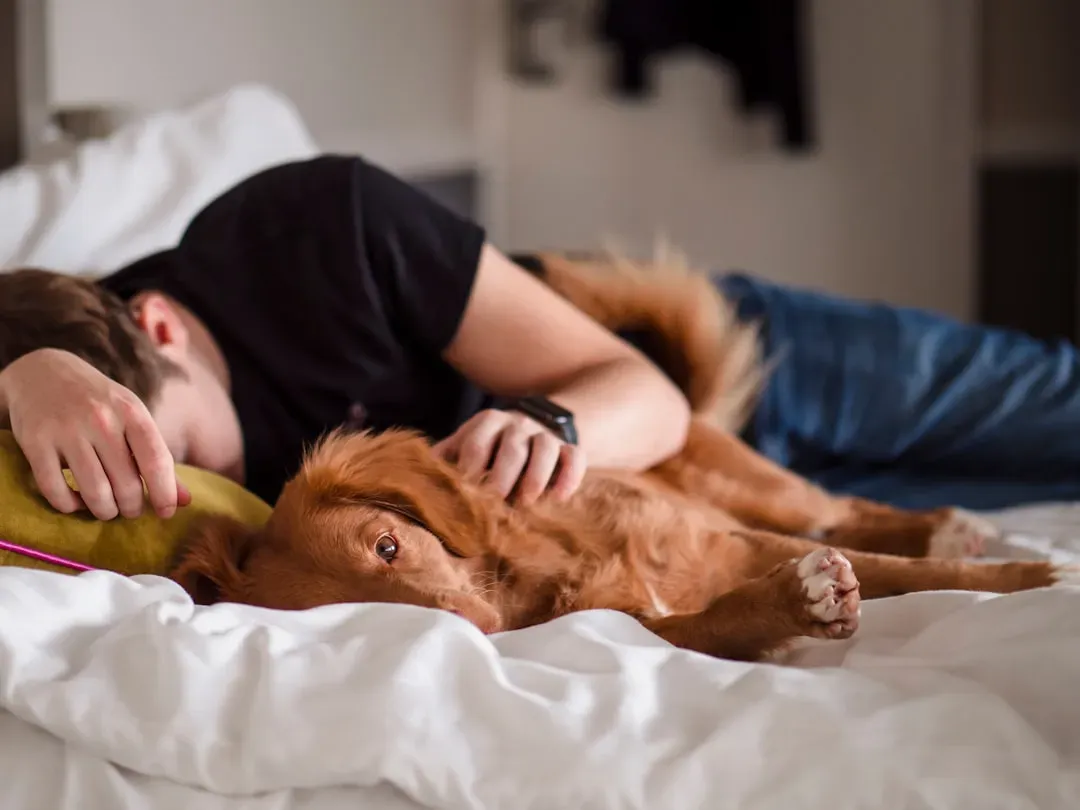
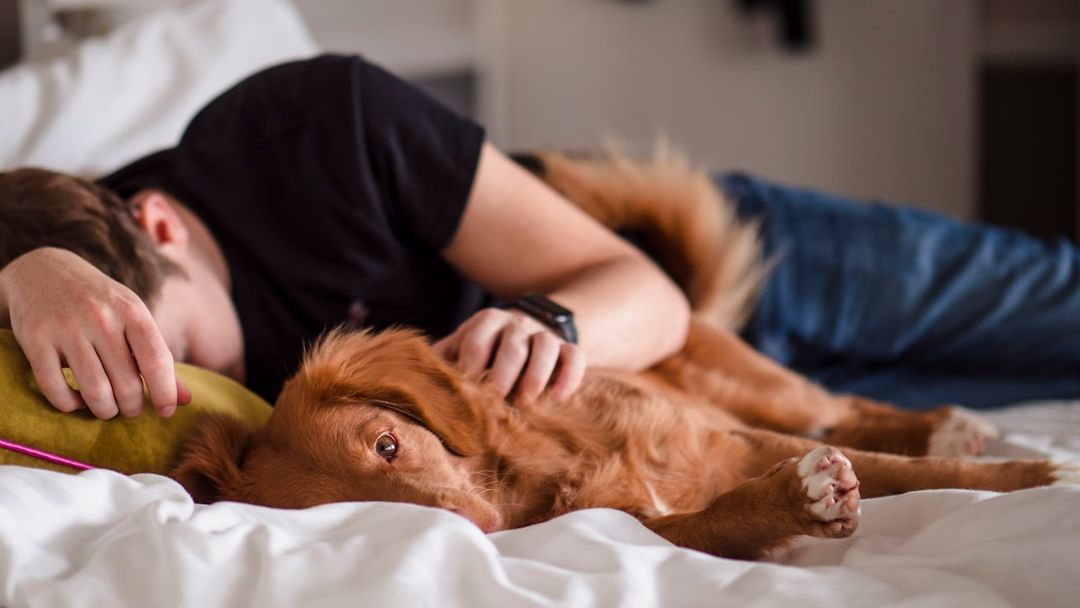
For pet parents, the cutest and most rewarding position for a dog to sleep in is when they cuddle up on you or against you and fall asleep. Sleeping next to you or snuggled up against another dog gives them that feeling of security and warmth they had as a puppy with their mother. Safe in a cozy embrace, they are probably getting the best sleep of their lives. There’s nothing casual about this behavior. A dog who chooses to sleep against you is making a deliberate social statement.
Contact sleeping is a pack bonding behavior rooted in thermoregulation and social security. Dogs that sleep touching others are seeking warmth, comfort, and the calming hormone release triggered by physical contact. For dogs that burrow specifically, the reason may be in response to the ancient self-protective canine instinct to create a cozy den, since dog ancestors probably made similar nests in tall grasses. Your pup seeks the same sense of comfort and security when buried in your blankets, and this position tells you they want to block out outside distractions while maximizing their sense of relaxation and safety.
If a dog chooses hiding consistently or suddenly, it could suggest nervousness or stress. Resting directly on a person or leaning against them reveals attachment and affection, and some dogs with separation sensitivities cling more during sleep. A sudden increase in burrowing or pressing behavior, especially in a dog who wasn’t previously that clingy, is worth noting. Sometimes it signals stress. Sometimes it signals pain. Either way, it’s a communication.
Conclusion: Your Dog Is Always Telling You Something
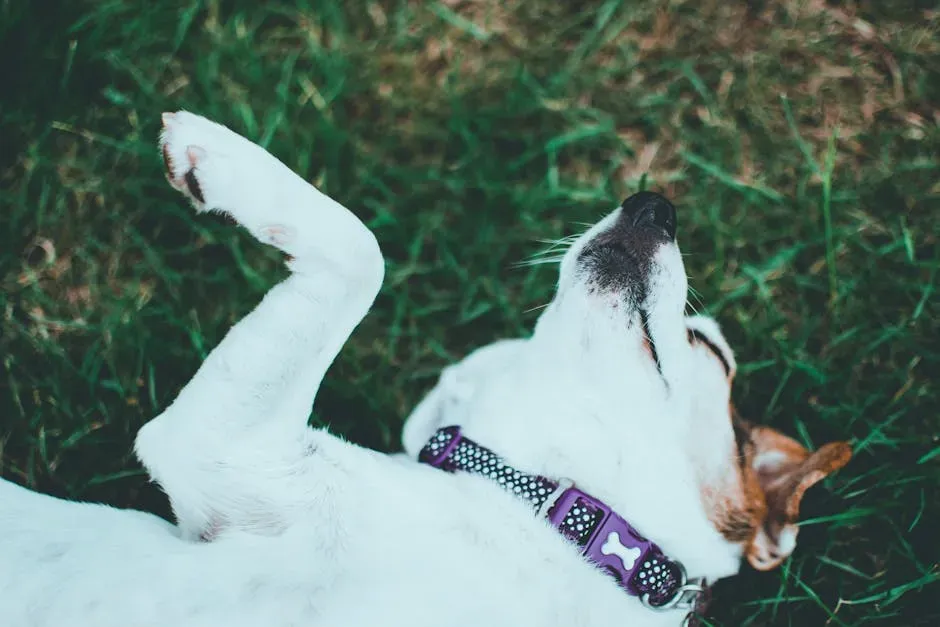
The title of this article takes a creative angle, and honestly, that angle holds up. Dogs don’t intellectually ponder mortality. What they do carry, though, is an incredibly honest nervous system. Their bodies reveal stories that run deeper than simple habits, and sleep is one of the most honest places to read those stories. A dog resting with ease shows you a window into their comfort, wellbeing, and emotional world. Every position, from the tight donut to the full belly-up sprawl, exists on a spectrum that runs from guardedness to complete surrender.
In my view, the real takeaway isn’t a sleep dictionary. It’s the practice of actually watching. Changes in sleeping habits may signal stress, discomfort, or health issues, and those changes are far easier to catch if you already know what’s normal for your specific dog. As dogs age, their sleeping positions often become more consistent and more focused on comfort, and while changes with age are normal, sudden shifts are not.
The dog who sleeps belly-up in a warm room full of people they love has, in the truest possible sense, decided they have all the time in the world. The dog curled tight in the corner is still figuring that out. Your job, as the person they chose to trust, is simply to keep paying attention – because they never really stop talking. They’ve just learned to do it very, very quietly.


