
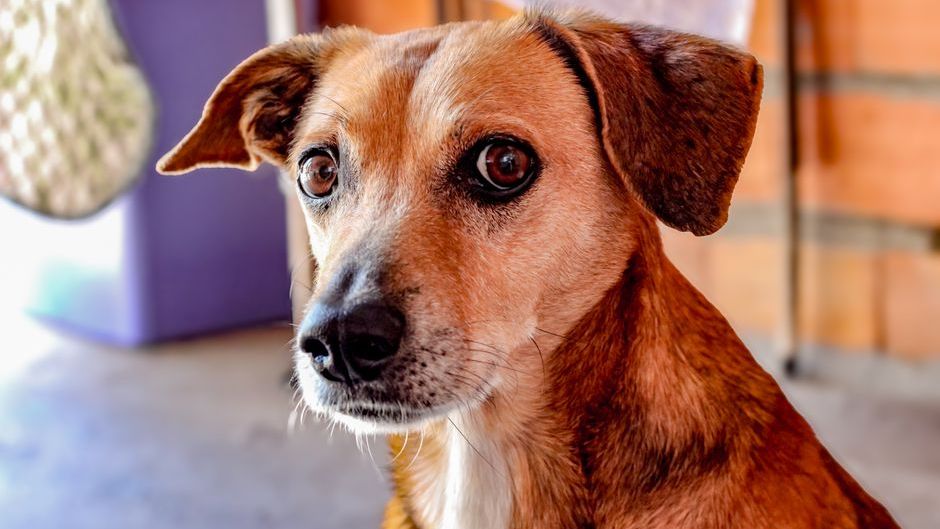
They Consistently Turn Their Back When You Enter the Room
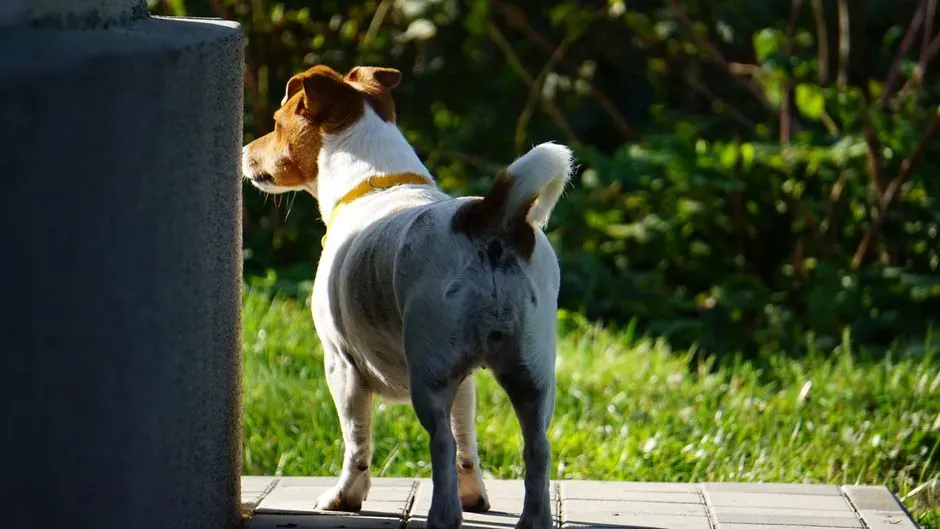
A dog that once greeted arrivals with curiosity now positions itself facing away. This posture creates a physical barrier that keeps interaction at a distance. Over repeated instances the behavior becomes a reliable signal rather than an occasional preference.
The choice to face the wall or corner reduces visual contact and limits the chance of further engagement. It often appears after periods of stress or inconsistent handling. Owners notice the pattern most clearly during routine moments like mealtime or evening settling.
Eye Contact Becomes Rare or Quickly Broken
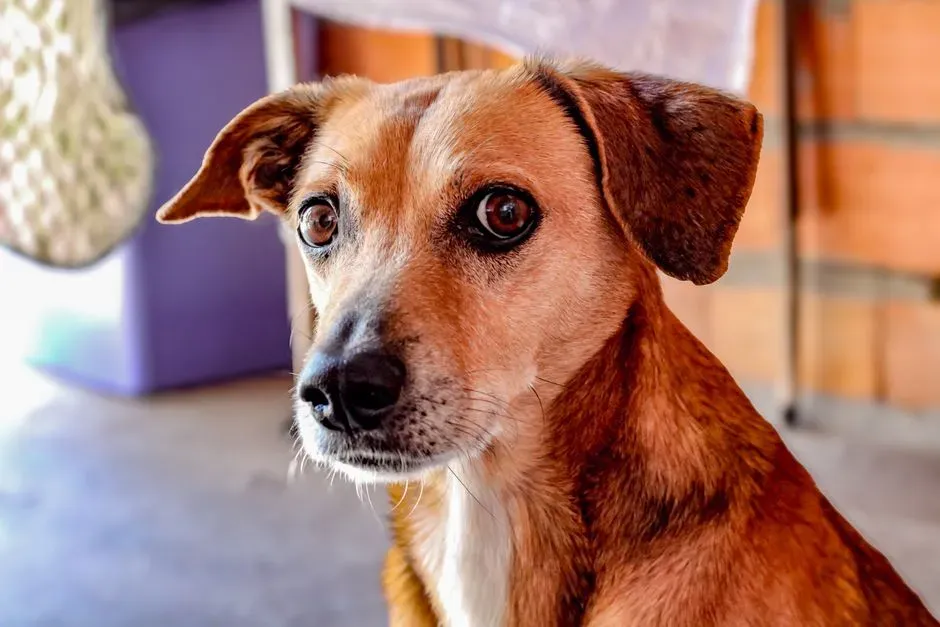
Direct looks that once felt like connection now last only a second before the dog glances aside. The avoidance feels deliberate rather than distracted. In some cases the dog will even close its eyes or turn its head when spoken to softly.
This shift removes an important channel of communication that many dogs use to read intentions. It tends to show up alongside other subtle tension markers such as tightened facial muscles. The pattern can persist even when the person tries to reestablish gentle interaction.
Treats and Toys Are Left Untouched for Long Periods
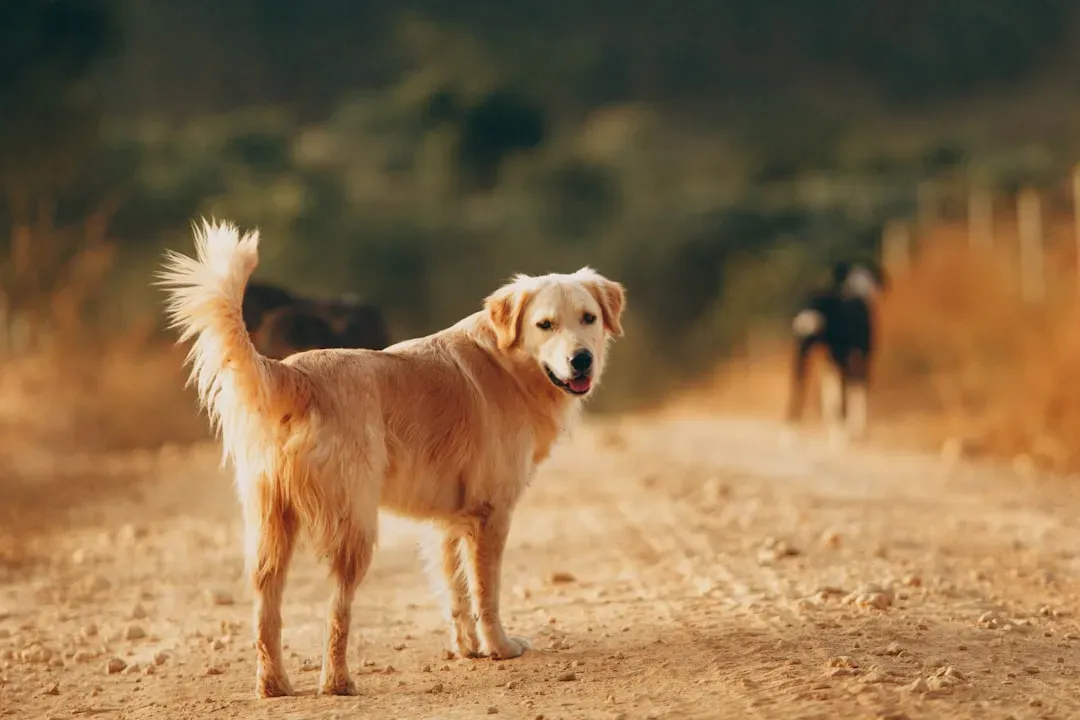
Food that used to disappear quickly now sits in the bowl while the dog stays in another part of the house. Favorite toys remain in the same spot day after day. The lack of interest extends beyond a single missed meal into a steady refusal.
Such disengagement often follows experiences where positive items were paired with unpredictable outcomes. The dog learns that approaching rewards carries risk rather than comfort. Over time the pattern solidifies into a general shutdown around anything that once brought pleasure.
The Dog Seeks Out Small Dark Spaces and Stays There

Closets, under furniture, or behind appliances become preferred locations for extended stays. The dog enters these spots even when the household is calm and quiet. Attempts to coax it out meet with resistance or further retreat.
These hiding places offer a sense of enclosure that reduces exposure to movement or sound. The behavior differs from occasional napping because the dog remains alert yet unwilling to emerge. It can last through normal activity times such as walks or play sessions.
Body Language Shows Constant Low Level Tension
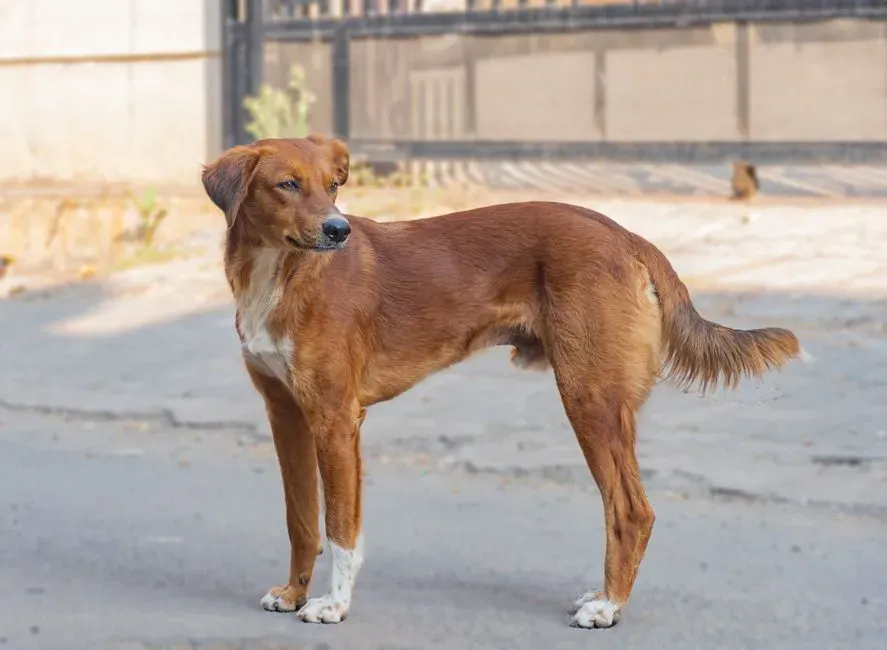
Ears stay pinned back and the tail remains tucked even during neutral moments. Muscles along the back appear tight rather than relaxed. Breathing may stay slightly faster than expected for the situation.
These physical signs do not spike into full panic but linger as a baseline state. They appear consistently across different rooms and times of day. The overall posture communicates readiness to withdraw rather than engage.
Responses to Their Name or Simple Cues Fade Away
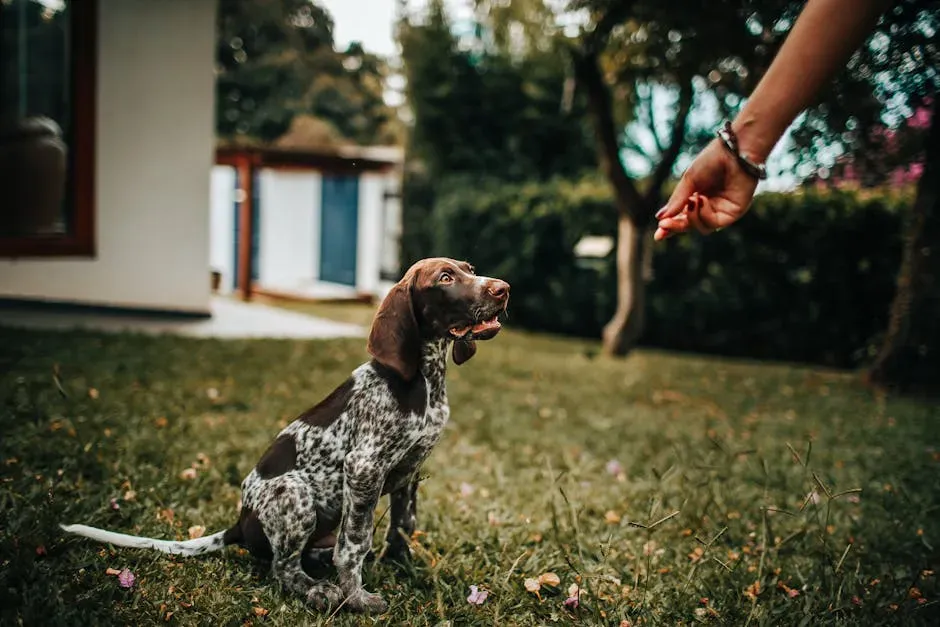
Calling the dog produces no head turn or ear flick in many cases. Commands that once prompted movement now receive no visible reaction. The dog may continue whatever small action it was doing without acknowledgment.
This lack of response is not the same as selective hearing during excitement. It reflects a broader decision to tune out voices that previously held meaning. The pattern holds even when the tone stays calm and the request is familiar.
Physical Contact Is Met With Immediate Stiffening or Moving Away
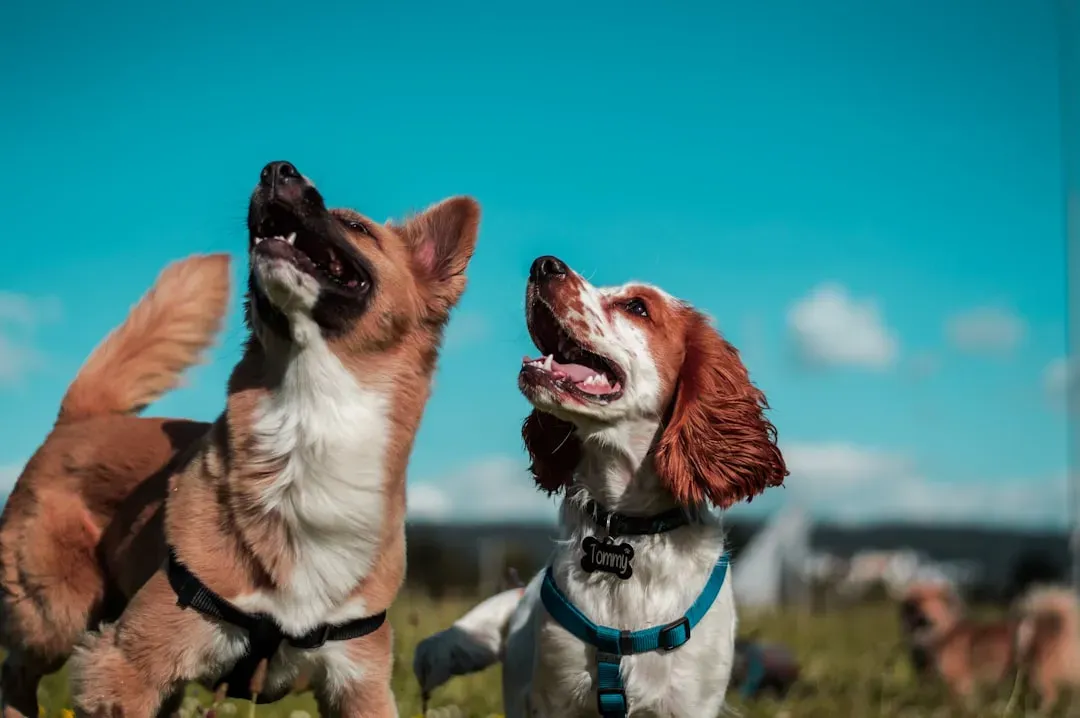
A hand reaching to pet meets a rigid posture followed by a slow shift out of reach. The dog does not growl but also does not lean into the touch as before. The reaction repeats across different people and settings.
Over time the avoidance becomes automatic rather than situational. The dog may tolerate brief contact only to relocate the moment it ends. This creates a clear boundary that limits closeness without dramatic displays.
Sudden Startle Responses Appear Even to Gentle Sounds
Soft footsteps or a door closing trigger a full body flinch followed by quick retreat. The reaction occurs without obvious threat and repeats across ordinary household noises. Recovery takes longer than it once did.
The heightened sensitivity reflects a lowered threshold for feeling safe. What used to register as background now registers as potential risk. The pattern can make daily routines feel unpredictable for both the dog and the household.
Many of these signals develop gradually after repeated disappointments or frightening events. Recognizing them as a form of self protection rather than stubbornness opens space for patient rebuilding. Professional guidance from a qualified behaviorist often helps when the withdrawal runs deep. Small consistent steps can sometimes restore a measure of comfort though full trust may never return to its earlier level.


