
The Role of Acute Hearing
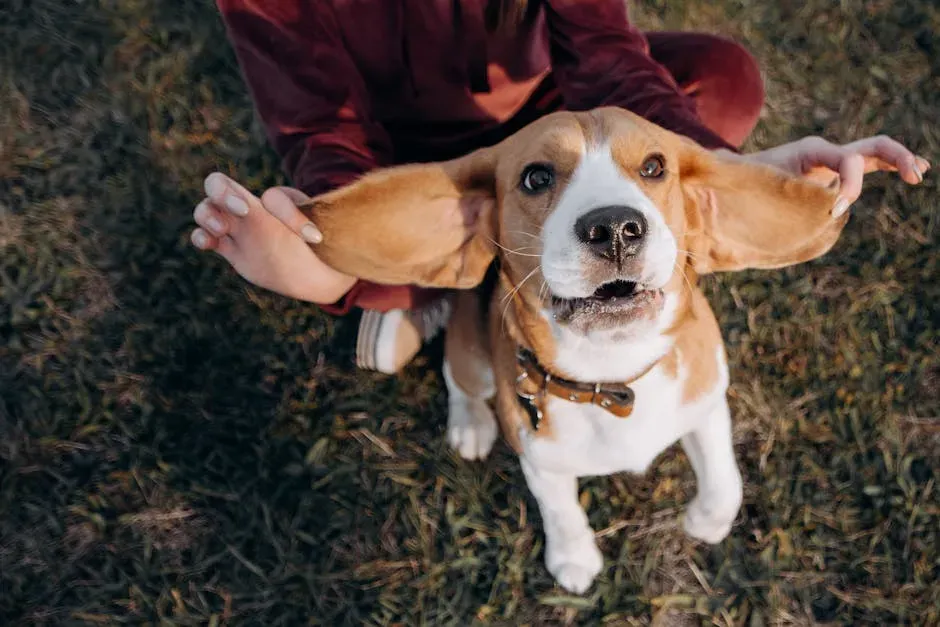
Dogs pick up sounds well beyond the range of human ears. High frequency noises from small rodents, insects, or even electronic devices can draw their focus to a specific spot. This sensitivity often explains why a corner suddenly becomes the center of attention after dark when the house quiets down.
Owners sometimes report similar behavior near walls or floors where pipes run. Those subtle vibrations or distant hums travel differently at night. The result is a dog that appears to stare at nothing while actually tracking an invisible source of sound.
Enhanced Night Vision
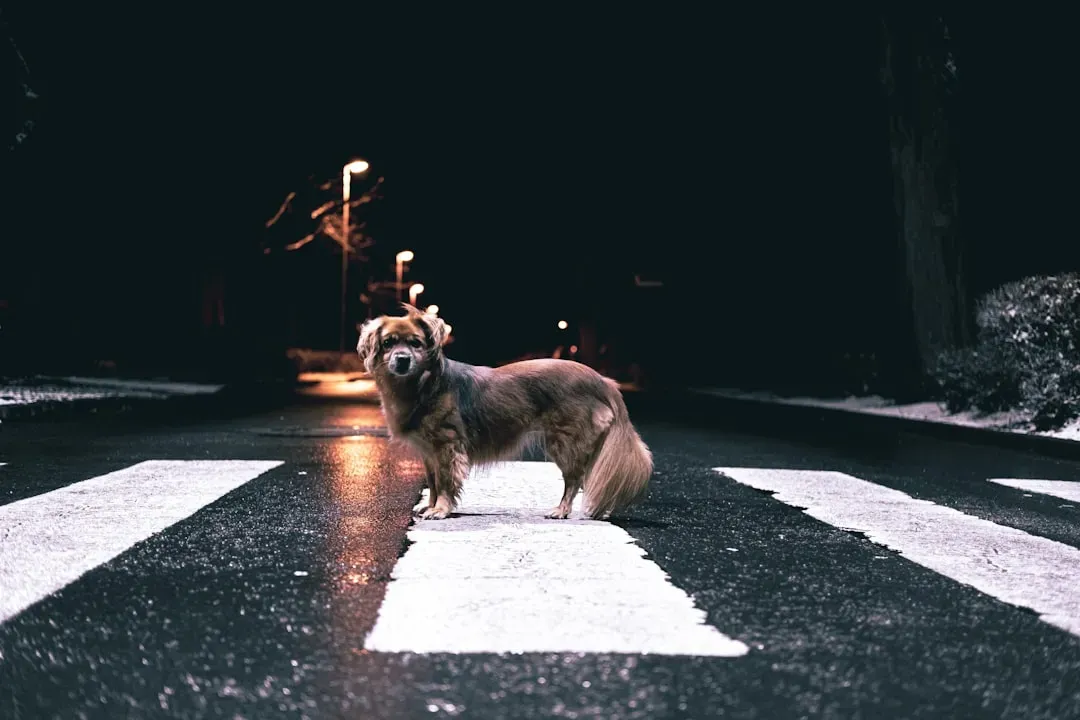
A dog’s eyes contain a reflective layer called the tapetum lucidum that improves sight in dim conditions. This adaptation lets them detect faint movements or shadows that remain invisible to people. A small shift in light from a passing car or even a clock display can trigger the stare.
Low light also makes ordinary objects look different. What seems like an empty space to you might hold a subtle reflection or outline for your dog. Their vision works differently enough that the corner becomes a point of interest without any obvious cause.
Signs of Canine Anxiety
Some dogs develop fixation behaviors when they feel unsettled. Changes in routine, new household sounds, or even mild separation feelings can lead them to focus on one area as a way to self soothe. The corner offers a predictable spot to monitor during uncertain moments.
Body language often gives clues here. A stiff posture or repeated glances back at the owner can signal unease rather than simple curiosity. Over time these patterns may appear more often if the underlying stress stays unaddressed.
When to Check for Health Issues

Persistent staring sometimes points to vision changes or cognitive shifts in older dogs. Conditions like cataracts or canine cognitive dysfunction can alter how a dog processes their surroundings. A sudden increase in this behavior warrants a visit to the veterinarian for a full check.
Other medical factors include ear infections or neurological concerns that affect balance and perception. Early attention helps rule out problems before they progress. Regular exams catch many of these issues while they remain manageable.
Boredom and the Need for Stimulation
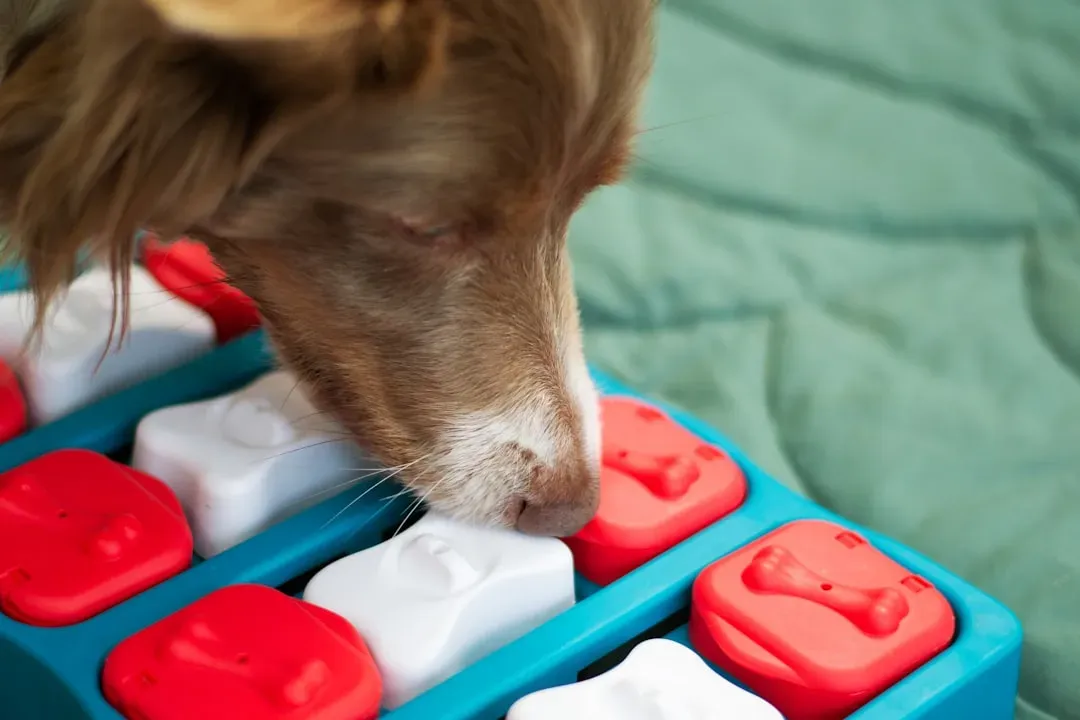
Evening hours can stretch long for dogs with limited activity during the day. A quiet corner may become a focal point simply because it offers something different to observe. Mental understimulation often shows up as repetitive gazing or pacing.
Adding puzzle toys or short training sessions before bedtime can shift that focus. Dogs thrive on variety, and a tired mind tends to settle more easily. Small adjustments in daily routine frequently reduce the intensity of the staring habit.
Household Noises or Reflections
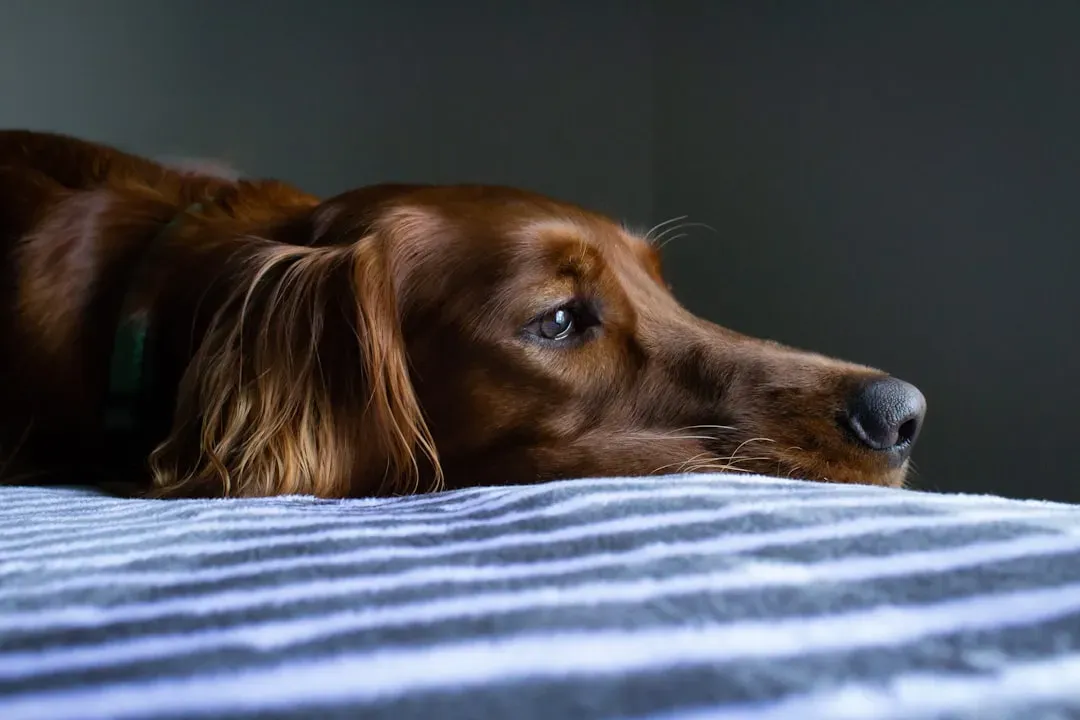
Everyday items create unexpected triggers after sunset. A refrigerator cycling on, a phone charger emitting a faint buzz, or light bouncing off a picture frame can all draw attention. These elements blend into the background for humans but stand out sharply for dogs.
Testing the space during the day sometimes reveals the source. Moving a lamp or covering a reflective surface may change the pattern. Simple environmental tweaks often resolve the behavior without further intervention.
Natural Predatory Instincts
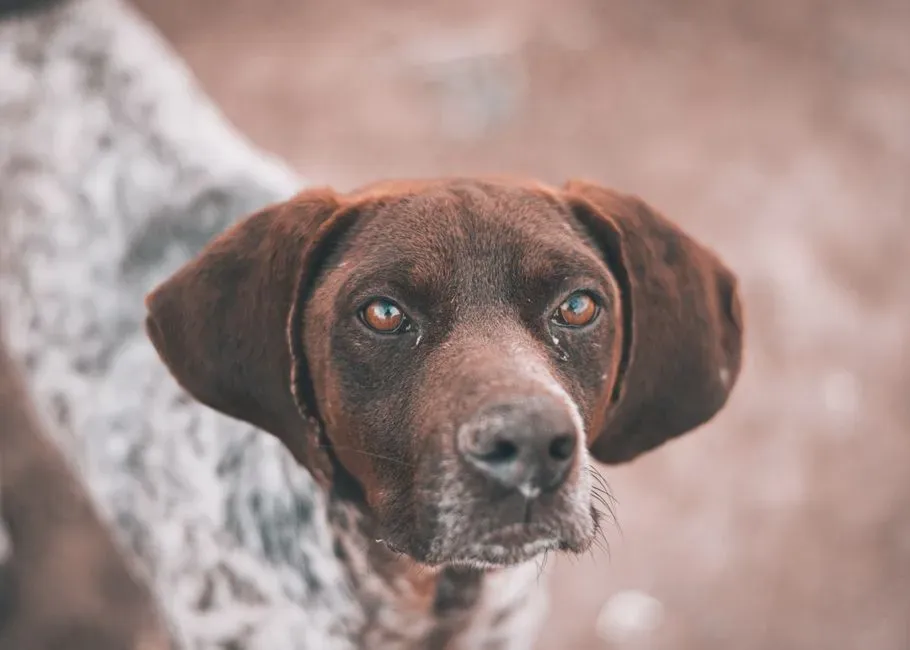
Dogs retain strong hunting drives even in domestic settings. A corner might hold the scent of a past visitor like a mouse or insect that lingers in their memory. The stare reflects an instinct to watch and wait rather than any immediate threat.
This behavior appears more often in breeds with strong prey drive. It serves as a reminder of their heritage while living in a modern home. Understanding the instinct helps owners respond with patience instead of concern.
Most cases turn out to be harmless quirks rooted in normal canine senses or daily life. Paying attention to patterns and ruling out medical causes gives owners peace of mind. In the end, that quiet stare often says more about how differently dogs experience the world than about anything alarming in the room itself.


