
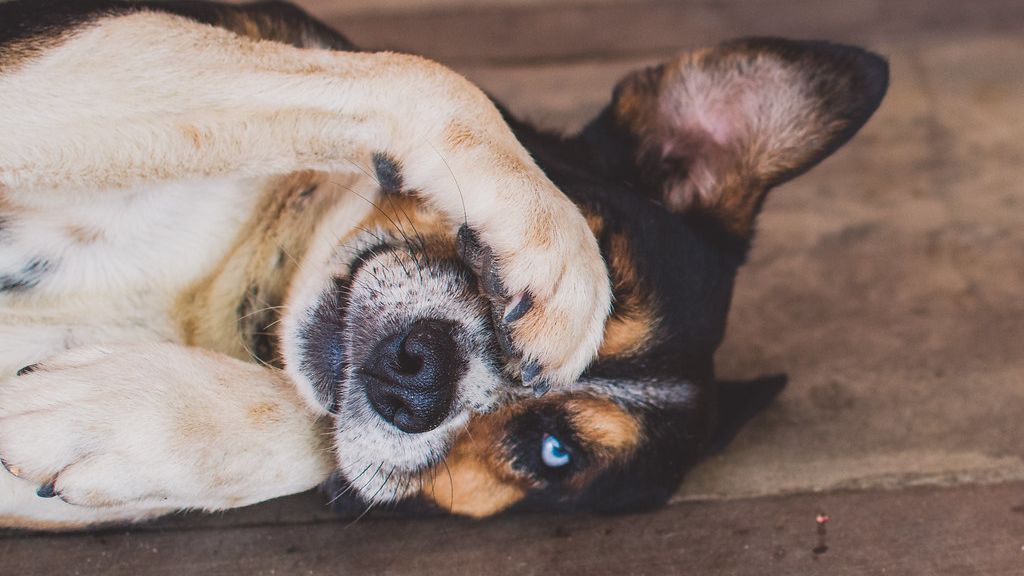
Imagine the heartbreak of a once joyful dog now retreating into shadows, their trust shattered beyond repair. Dogs, much like humans, can suffer profound emotional wounds that lead them to withdraw from the world around them. Recognizing these signs is crucial for anyone looking to help a dog heal and rebuild the trust they’ve lost.
Avoidance of Eye Contact
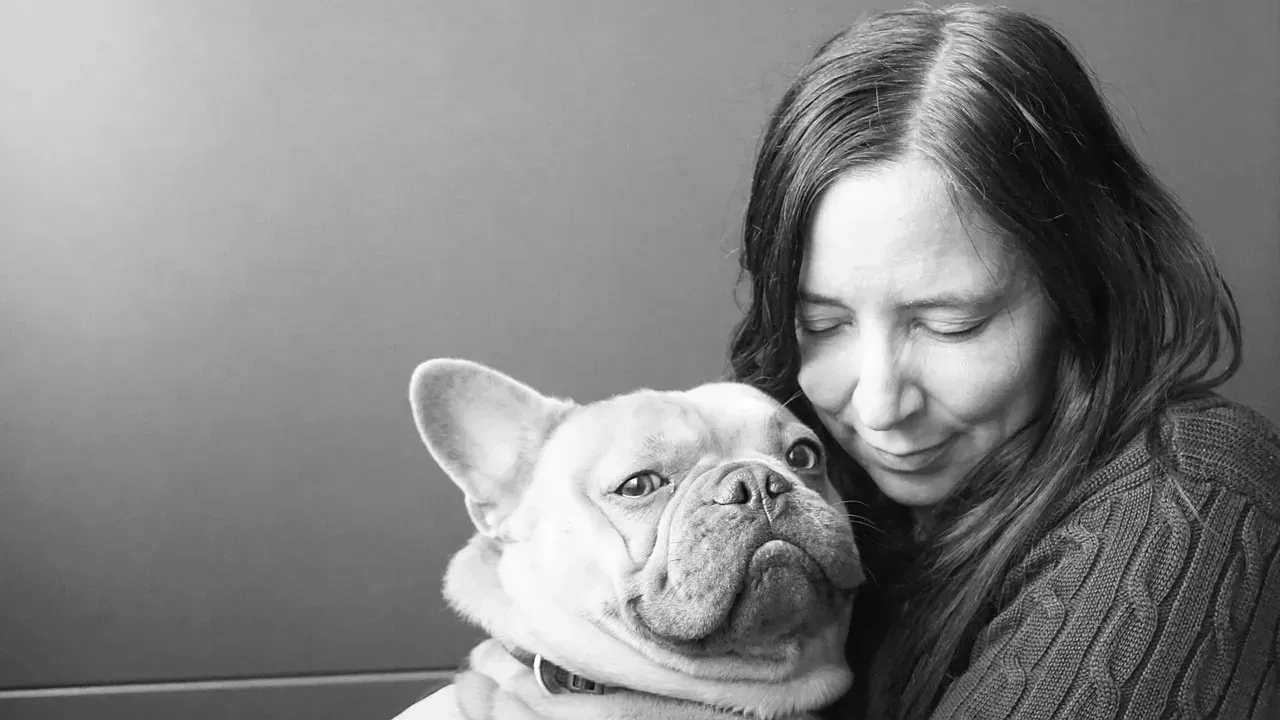
When a dog consistently avoids making eye contact, it’s a glaring red flag. This behavior isn’t about shyness; it’s a deep-seated signal of discomfort and distrust. Dogs naturally use eye contact to communicate and bond. Averted gazes indicate a desire to disengage, often stemming from negative past experiences.
In such cases, the dog may turn their head away or lower their eyes whenever someone approaches. This avoidance is their way of saying, “I don’t feel safe.” It’s essential to approach these dogs with patience, allowing them to set the pace for interaction, thereby slowly rebuilding their confidence.
Excessive Submission
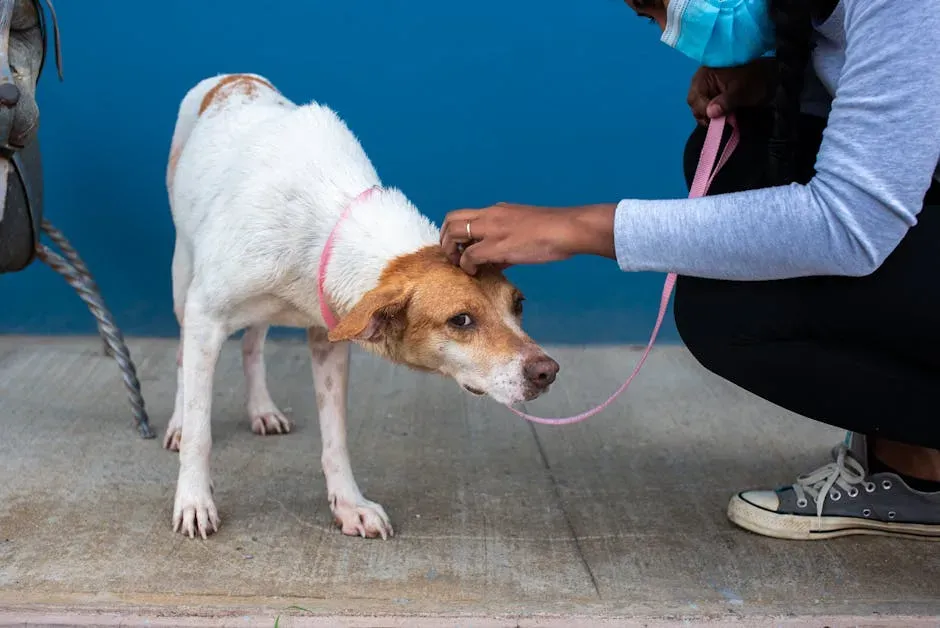
Over-the-top submissive behaviors, such as rolling onto their back with a tucked tail or urinating when greeted, are distress signals. These actions go beyond normal canine submission and point to a history of fear and intimidation. The dog is essentially trying to appease perceived threats to avoid potential harm.
Such behaviors often develop in environments where the dog has been subjected to harsh discipline or unpredictable treatment. Recognizing this, caregivers should focus on creating a stable, positive environment, reinforcing the dog’s sense of security without resorting to punitive measures.
Persistent Hiding

A dog that frequently seeks refuge under furniture, in closets, or other secluded spots is exhibiting a clear sign of emotional distress. This constant hiding indicates a desire to escape from interactions, suggesting that the dog feels unsafe or overwhelmed in their current environment.
Addressing this behavior involves identifying and mitigating the sources of the dog’s anxiety. Providing a quiet, safe space where the dog can retreat without fear of intrusion is a step toward helping them feel more secure and gradually encouraging them to engage with their surroundings.
Unprovoked Aggression
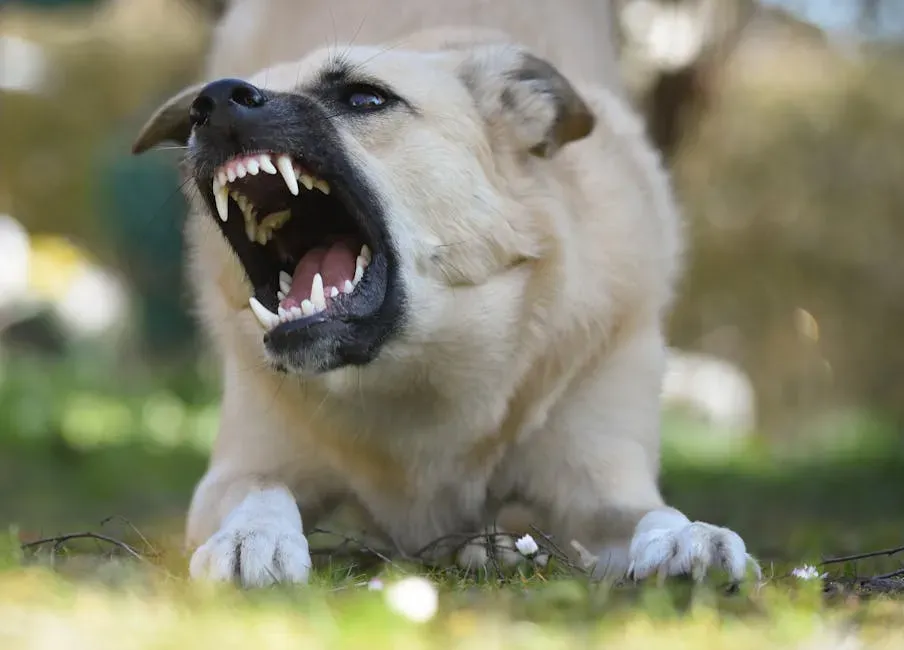
When a dog displays aggression without an apparent trigger, it’s often rooted in deep-seated fear and mistrust. Growling, snapping, or even biting can be defensive mechanisms, signaling that the dog perceives a threat where none is evident to others.
Understanding that this aggression is fear-based is crucial. Punishing the dog for these reactions can exacerbate the problem. Instead, employing positive reinforcement techniques and, if necessary, consulting with a professional behaviorist can help address the underlying issues and guide the dog toward more appropriate responses.
Loss of Interest in Play

Play is a fundamental aspect of a dog’s well-being. A sudden disinterest in toys, games, or social interactions is a concerning sign. This withdrawal often indicates that the dog is experiencing emotional turmoil, leading them to disengage from activities they once enjoyed.
Reigniting a dog’s interest in play requires patience and creativity. Introducing new toys, engaging in gentle play sessions, and celebrating small victories can help rekindle their enthusiasm and serve as a bridge to rebuilding trust.
Reluctance to Be Touched

Dogs that flinch, pull away, or tense up when touched are communicating discomfort and a lack of trust. This aversion to physical contact can result from past abuse or negative associations with handling.
To help a dog overcome this reluctance, it’s important to respect their boundaries. Allow the dog to initiate contact, and use treats and soothing words to create positive associations with touch. Over time, this approach can help the dog feel more comfortable and willing to accept affection.
Hyper-Vigilance
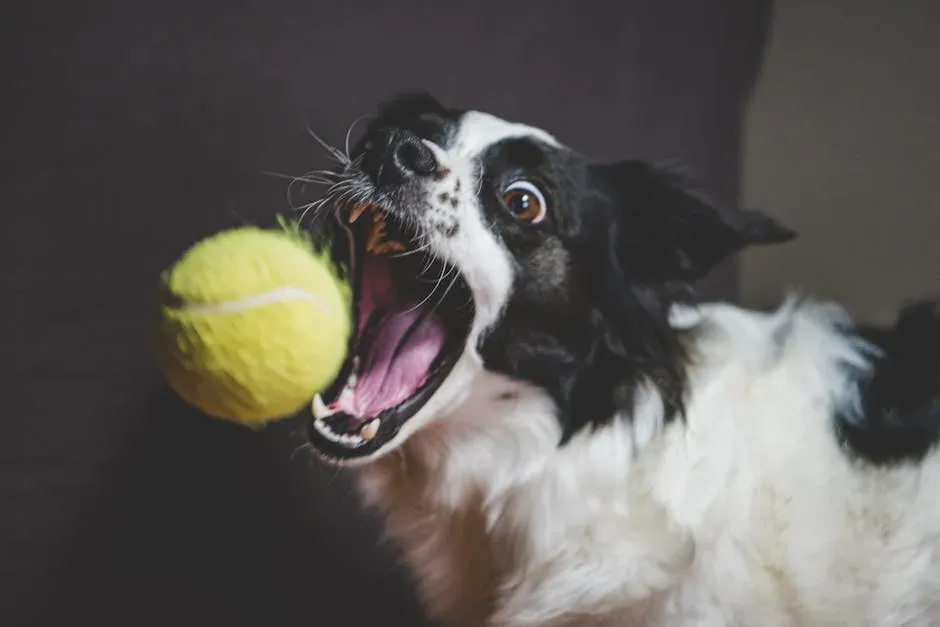
A dog that is constantly on edge, reacting to every sound or movement, is exhibiting hyper-vigilance. This state of heightened alertness suggests that the dog feels perpetually threatened, unable to relax even in familiar settings.
Creating a calm and predictable environment is key to helping such dogs. Establishing routines, minimizing sudden noises, and providing a safe space can help reduce their anxiety levels and encourage a sense of security.
Destructive Behavior
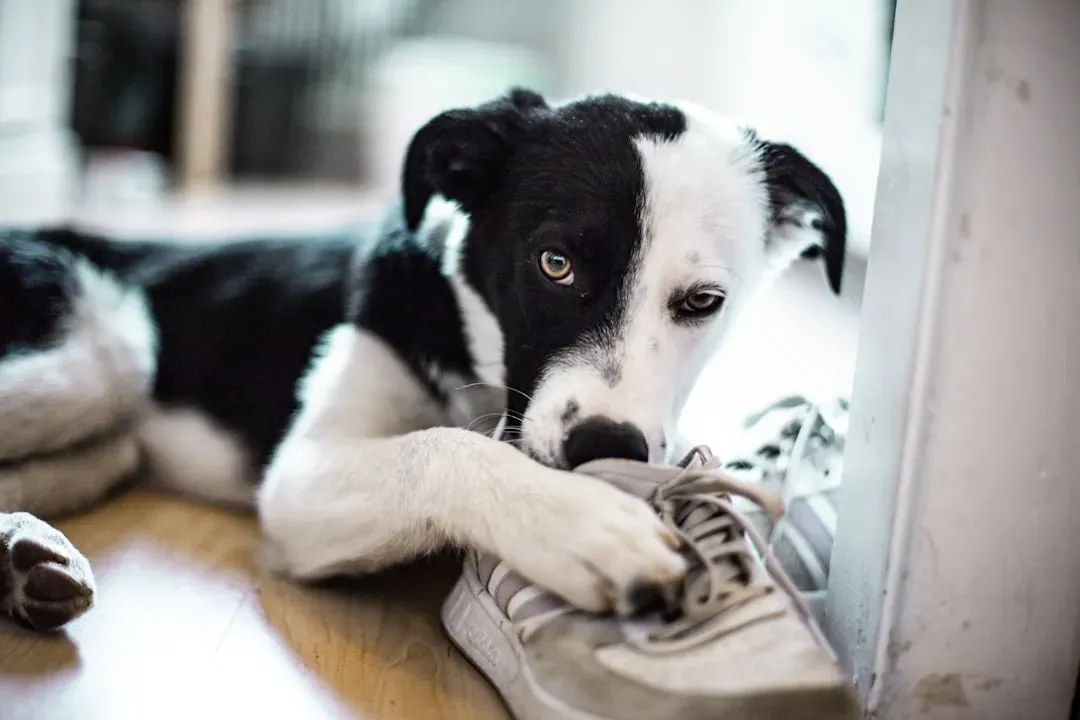
Engaging in destructive activities, such as chewing furniture or digging excessively, can be a manifestation of a dog’s inner turmoil. This behavior often serves as an outlet for their anxiety and frustration, especially when they feel isolated or neglected.
Addressing destructive behavior involves providing appropriate outlets for the dog’s energy, such as regular exercise and interactive toys. Additionally, ensuring that the dog receives ample attention and positive reinforcement can help alleviate the underlying emotional distress driving these actions.
In conclusion, these behaviors are not mere quirks; they are cries for help from dogs who have lost their faith in humans. Recognizing and understanding these signs is the first step toward healing. With patience, compassion, and consistent positive interactions, it’s possible to rebuild the trust that has been broken. After all, isn’t every dog deserving of a second chance at love and security?


