
Dogs form bonds that run deeper than many people realize. When that connection breaks, some react in ways that go beyond simple sadness and touch their physical state.
Stories of pets withdrawing completely after a loss surface often enough to make you wonder which breeds might feel it most intensely. Certain ones stand out for their intense loyalty and sensitivity to change.
Labrador Retriever
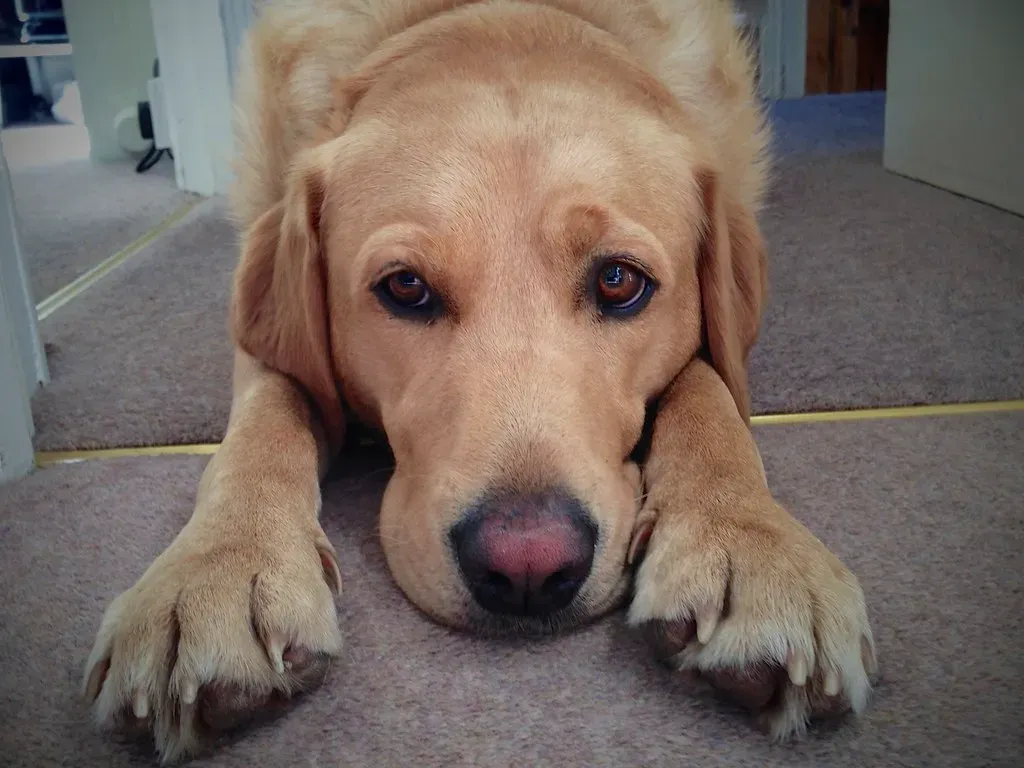
Labradors build incredibly tight attachments to their main person. When that person is gone, they often stop eating and spend hours lying in one spot without moving much.
Their usual energy drains away fast. Owners report the dogs becoming listless and unresponsive to toys or walks they once loved. This breed’s people pleasing nature makes the absence hit especially hard.
German Shepherd
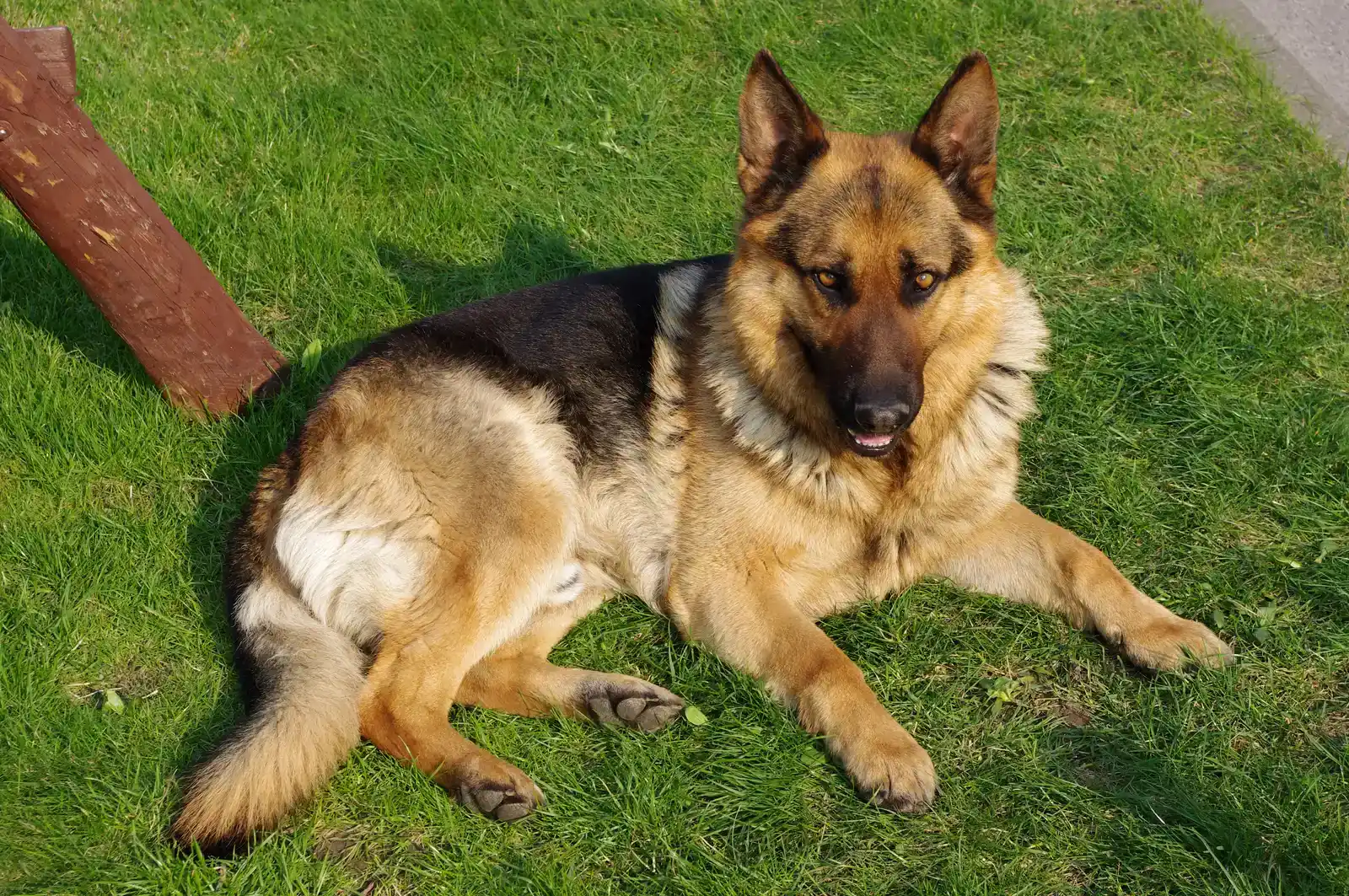
German Shepherds treat their favorite human like the center of their world. Loss can trigger a full withdrawal where the dog barely acknowledges anyone else around.
They may pace less and sleep more while showing little interest in food or play. Their protective instincts seem to turn inward during these periods. The structured bond they form leaves a noticeable void when it ends.
Border Collie
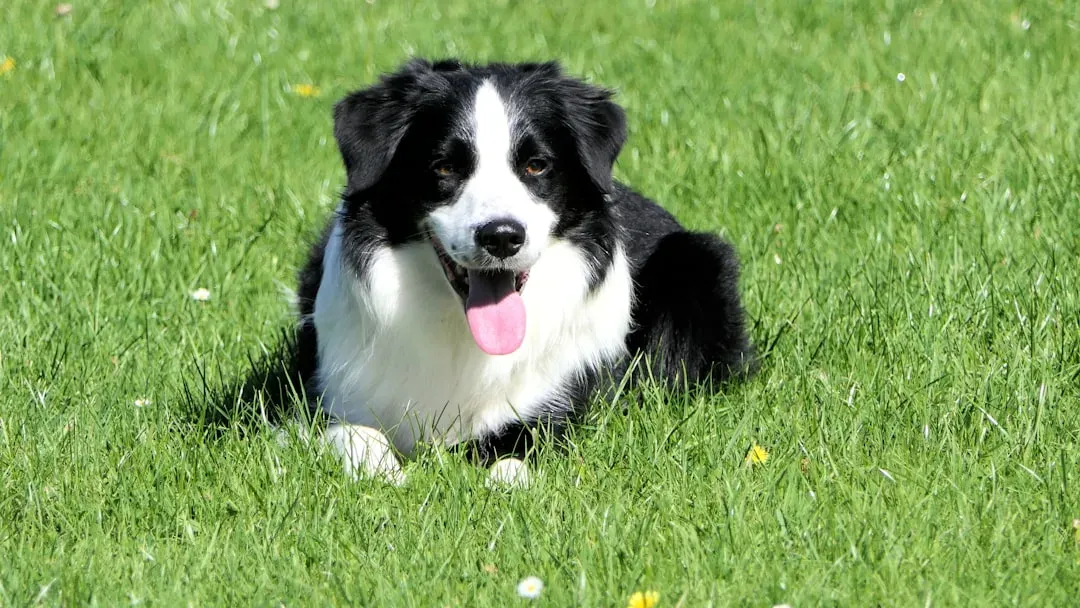
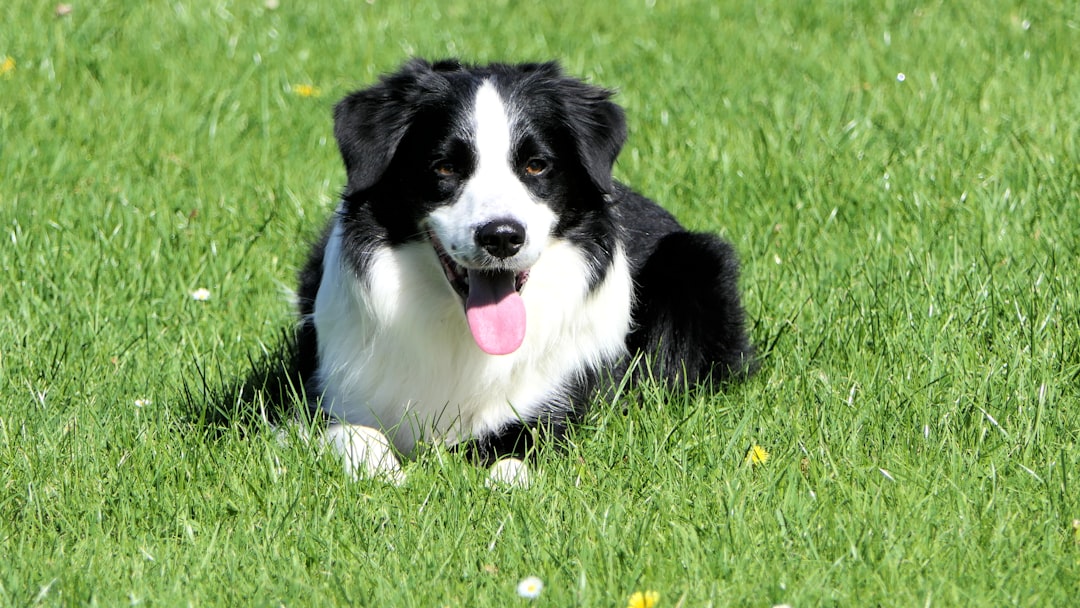
Border Collies thrive on routine and close partnership with one person. Without that daily connection, they can sink into a state of low activity and disinterest in their surroundings.
Mental stimulation drops off sharply as they lose motivation to engage. Some become unusually quiet and avoid interaction altogether. Their high intelligence seems to amplify the sense of disruption.
Vizsla
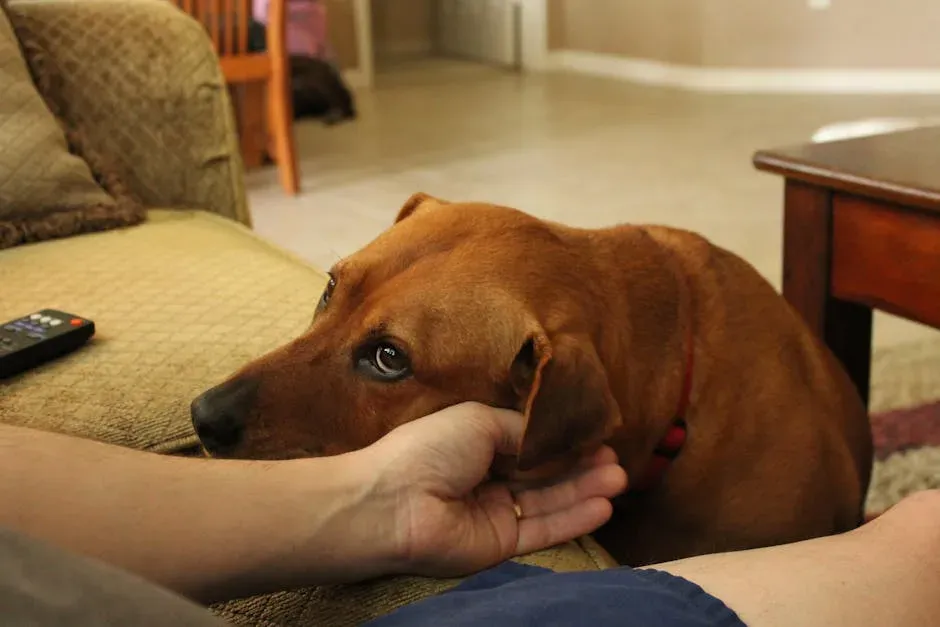
Vizslas are known as velcro dogs because they stay glued to their person. Separation through loss often leads to prolonged periods of stillness and reduced appetite.
They might follow family members less and choose isolated corners instead. The breed’s affectionate drive makes the physical signs of grief more visible over time. Recovery tends to require extra patience and new routines.
Australian Shepherd
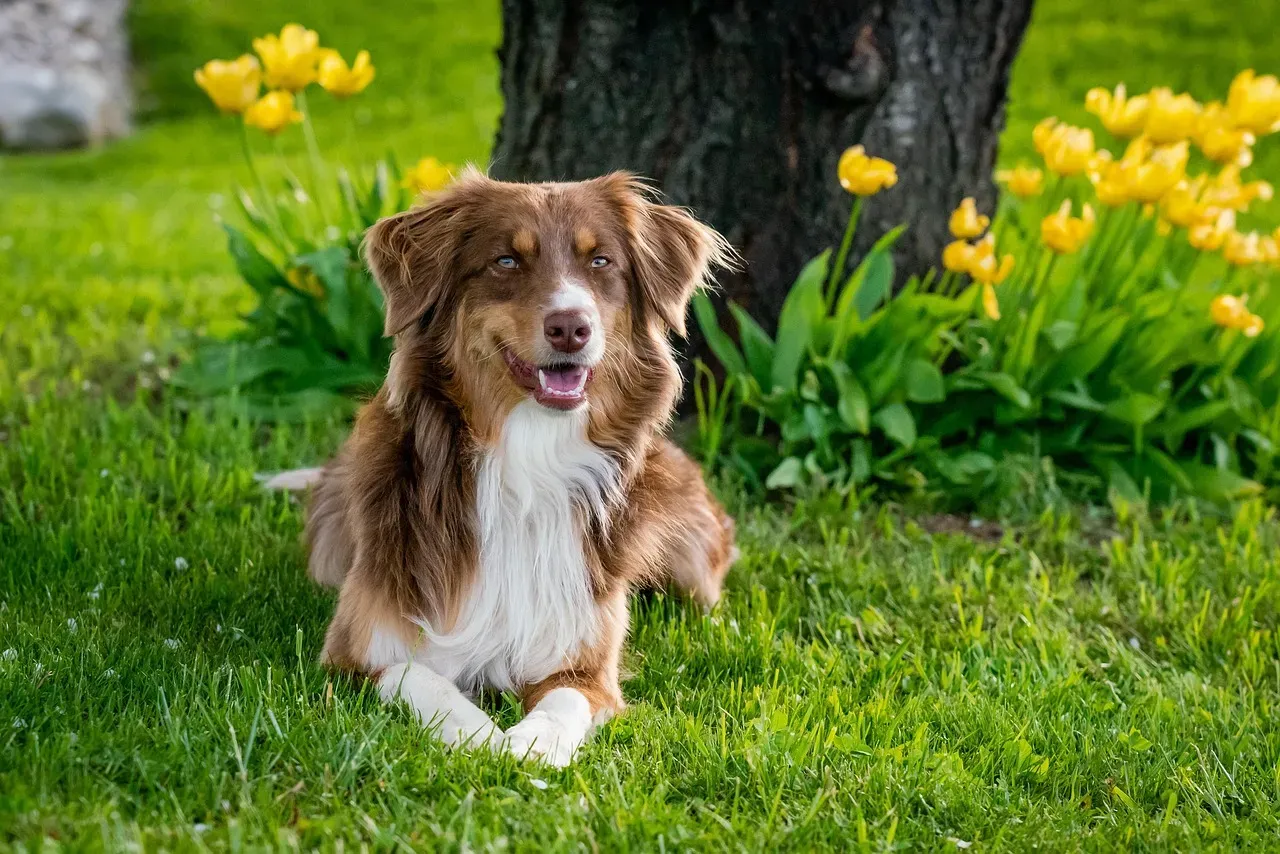
Australian Shepherds form strong working partnerships with their owners. When that role disappears, they can appear shut down and unwilling to participate in normal activities.
Energy levels plummet while they stare off or rest for extended stretches. Their herding background leaves them particularly attuned to the absence of their leader. Small changes in behavior signal deeper emotional impact.
Golden Retriever
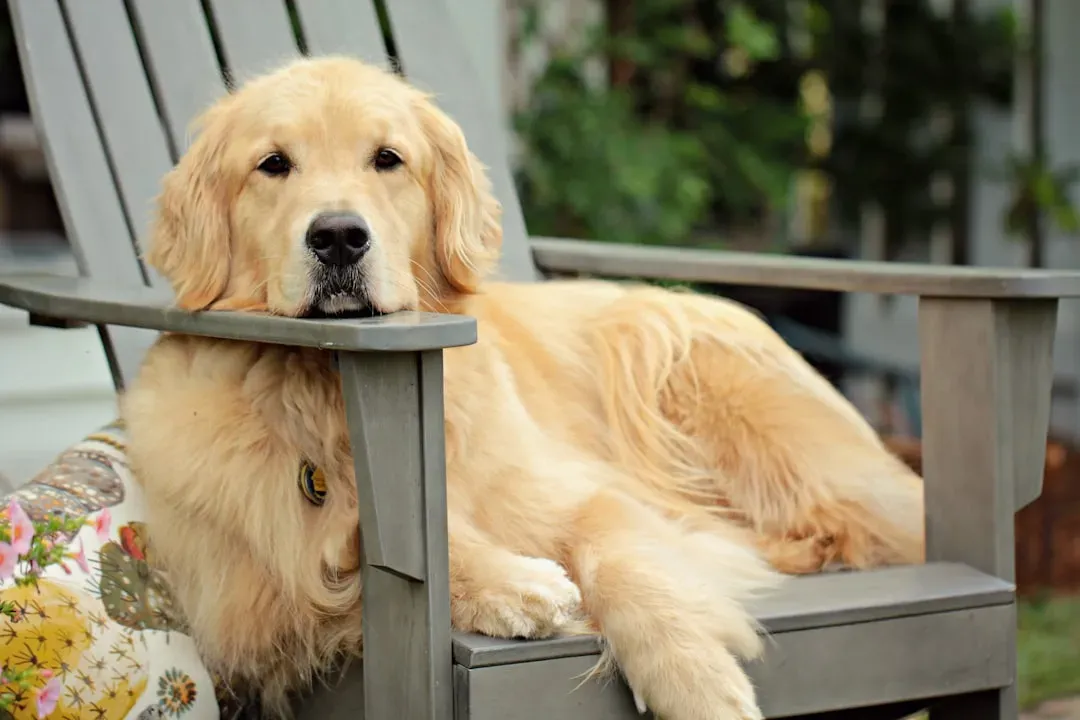
Golden Retrievers pour affection into their closest human. Grief can manifest as complete disengagement from family life and favorite spots around the house.
They often lose weight from not eating and move slowly when prompted. The breed’s gentle temperament hides how deeply the loss registers physically. Gentle encouragement helps but does not erase the initial shutdown phase.
Bichon Frise
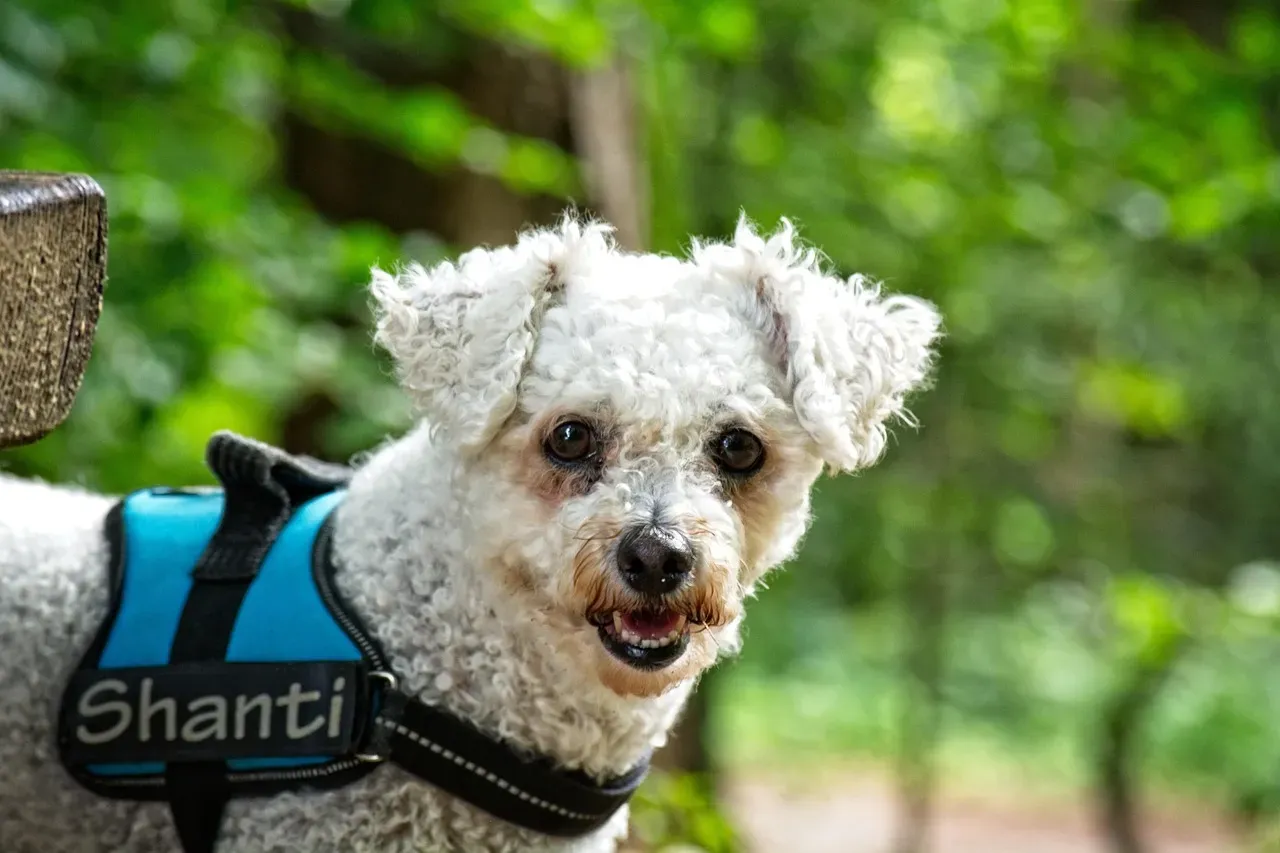
Bichon Frises bond tightly despite their small size. Losing their person can cause them to curl up and ignore attempts at comfort for days or weeks.
Playfulness vanishes and they may hide or sleep excessively. Their social nature makes the contrast in behavior stand out clearly to owners. The compact frame does not lessen the emotional weight they carry.
Cavalier King Charles Spaniel

Cavalier King Charles Spaniels seek constant companionship from their favorite person. Absence triggers a quiet withdrawal marked by lethargy and minimal response to surroundings.
They might stop seeking attention and show little enthusiasm for treats or affection from others. The breed’s loving disposition turns inward during these times. Owners often notice the shift in energy right away.
Supporting a Grieving Dog
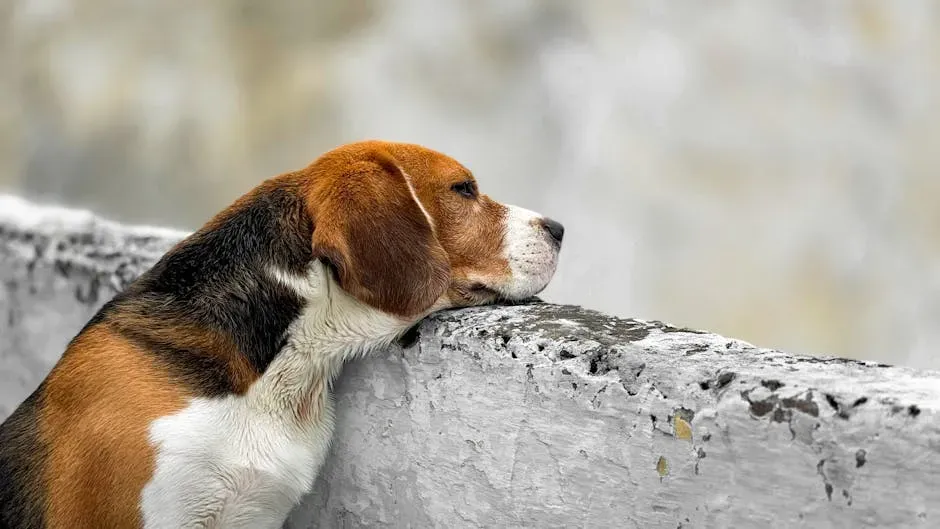
Every dog processes loss differently, yet these breeds show patterns worth watching. Extra time, consistent routines, and veterinary checks can ease the transition without forcing quick fixes.
Patience matters more than any quick solution. Watching a dog come back slowly reminds us how real their attachments run.


