
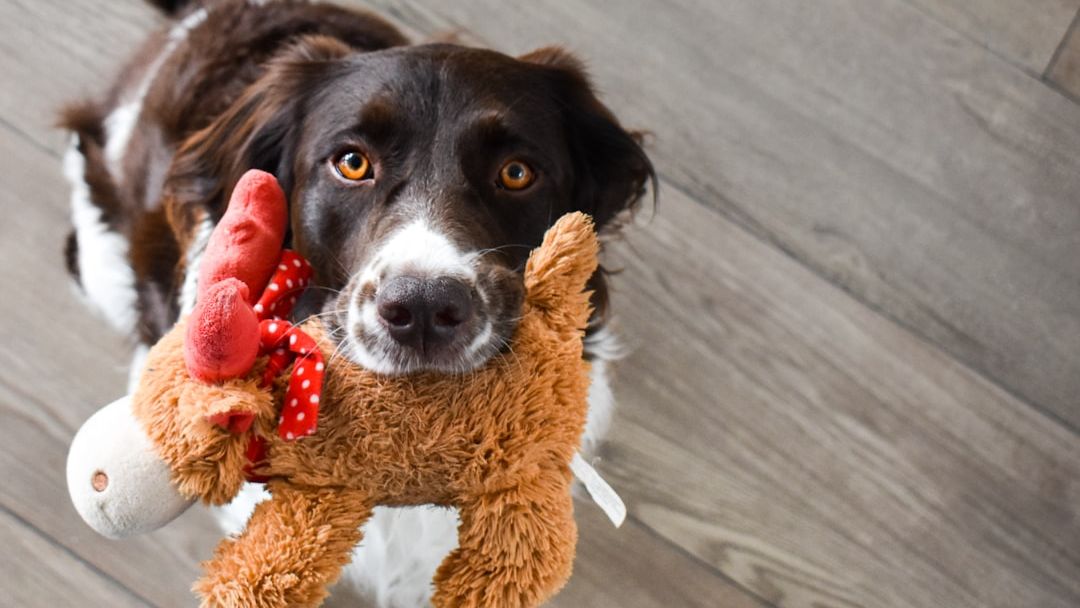
Unpacking the Bedtime Toy Delivery
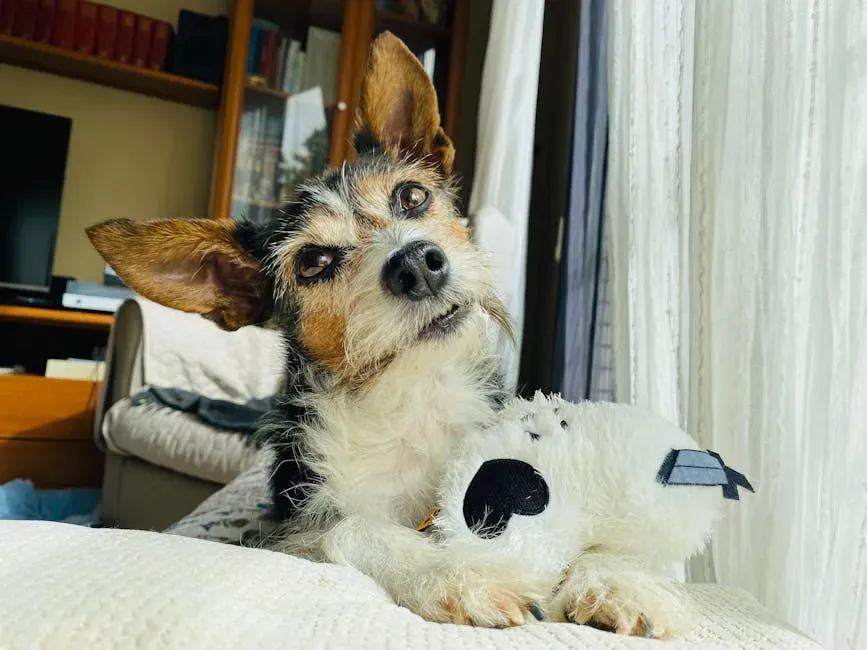
Dogs often carry objects to their resting spots as a way to create a sense of order in their immediate surroundings. The bed represents the safest corner of their world, so placing a toy there keeps something valued close at hand. This habit echoes how they might tuck away a prized item for later use rather than leave it exposed.
Owners sometimes notice the toy ends up right beside them instead of in the dog’s own crate or mat. That choice suggests the item serves as a bridge between the dog’s space and the person’s presence. The behavior tends to appear consistently around the same evening hour, turning a casual moment into a predictable routine.
Roots in Wild Canine Survival

Ancestral dogs in the wild needed to protect limited resources from competitors or scavengers. Carrying food remnants or useful objects back to a den helped ensure nothing valuable disappeared overnight. Modern pets retain fragments of those patterns even when food arrives in a bowl twice a day.
Bringing a toy before sleep may represent a scaled down version of securing the den. The action does not require actual scarcity to trigger. It simply follows an internal script that once supported group survival in harsher environments.
The Role of Resource Protection

Resource guarding appears in many everyday dog interactions, from meals to favorite resting spots. When a dog selects a toy and moves it to the bedroom area, the move can signal an instinct to keep that object under personal watch. The toy becomes part of the protected circle rather than something left out in the open.
Psychologists who study canine behavior note that this form of guarding rarely turns aggressive in the bedtime context. Instead it functions more like quiet preparation. The dog settles once the item rests nearby, suggesting the ritual itself brings calm.
How Toys Become Symbols of Security
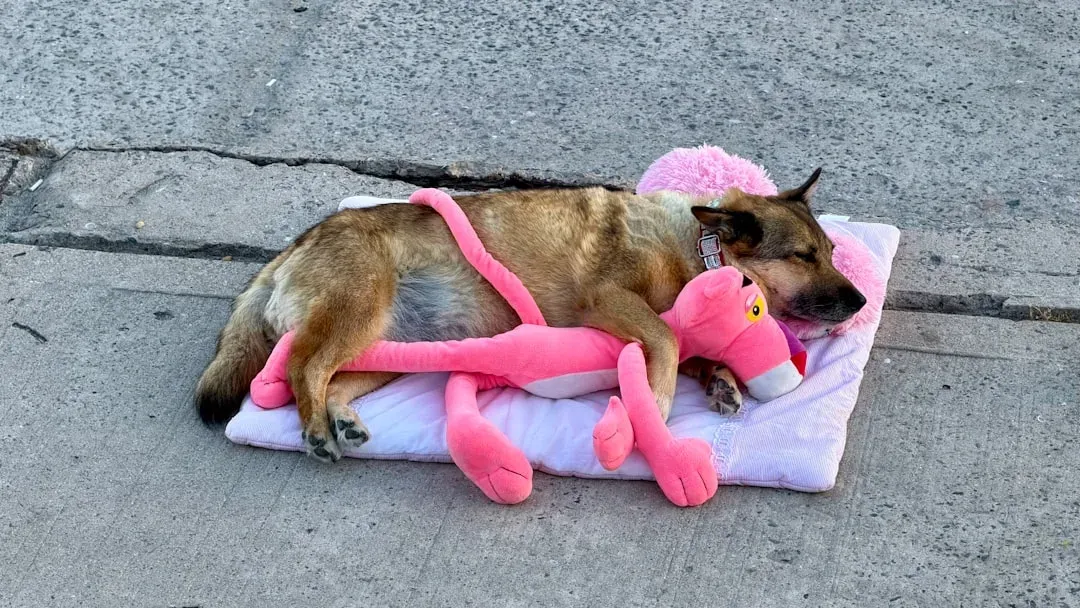
A well loved toy carries familiar scents and textures that comfort a dog at the end of the day. Placing it near the owner extends that comfort outward. The gesture links the dog’s personal security object with the larger safety provided by the household.
Over time the routine strengthens the association between bedtime and feeling protected. Dogs that repeat the action seem to treat the toy as an extension of their own sense of safety. The choice of which toy appears each night can even shift depending on the dog’s mood or recent experiences.
Interpreting Your Dog’s Intentions
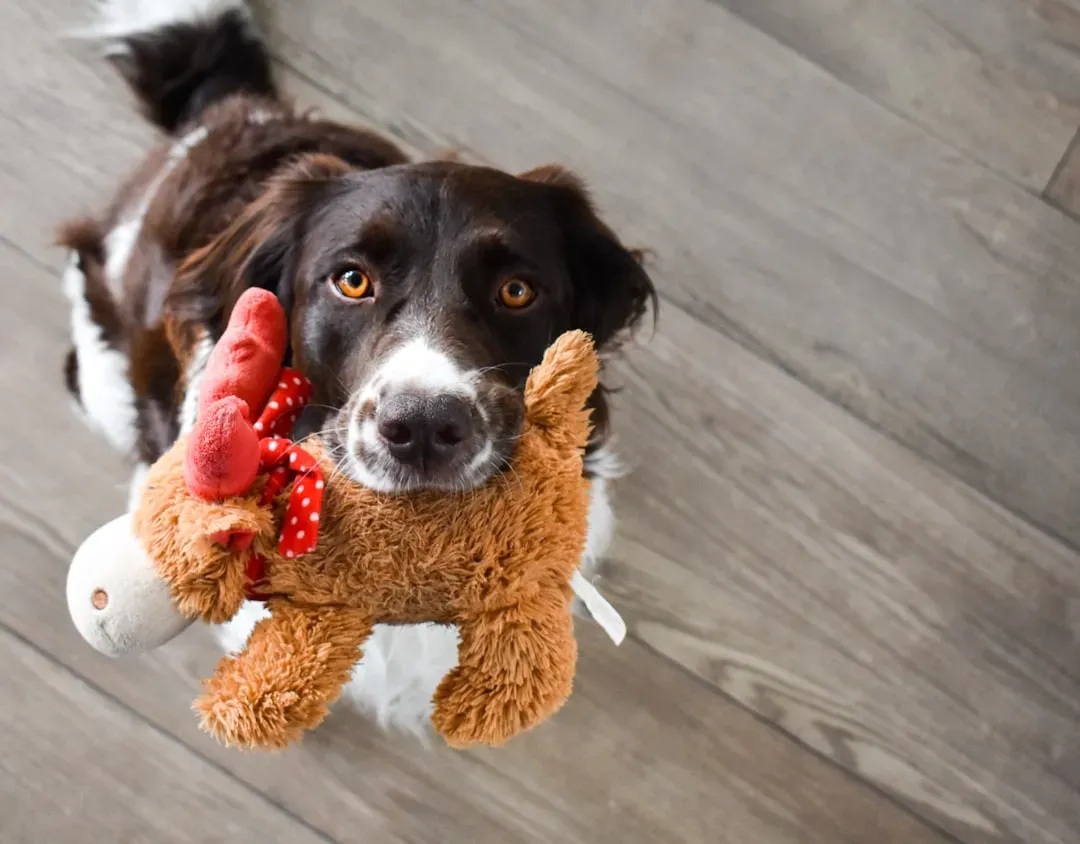
Context matters when reading the behavior. A dog that drops the toy and immediately curls up shows a different intention than one that waits for interaction first. Subtle body language such as relaxed ears or a loose tail often accompanies the genuine version of the ritual.
Some dogs repeat the trip multiple times, gathering several toys in one spot. Others select only a single item and guard it closely until morning. Both patterns fit within the broader picture of preparing the sleeping area with valued possessions.
Potential Links to Separation or Comfort
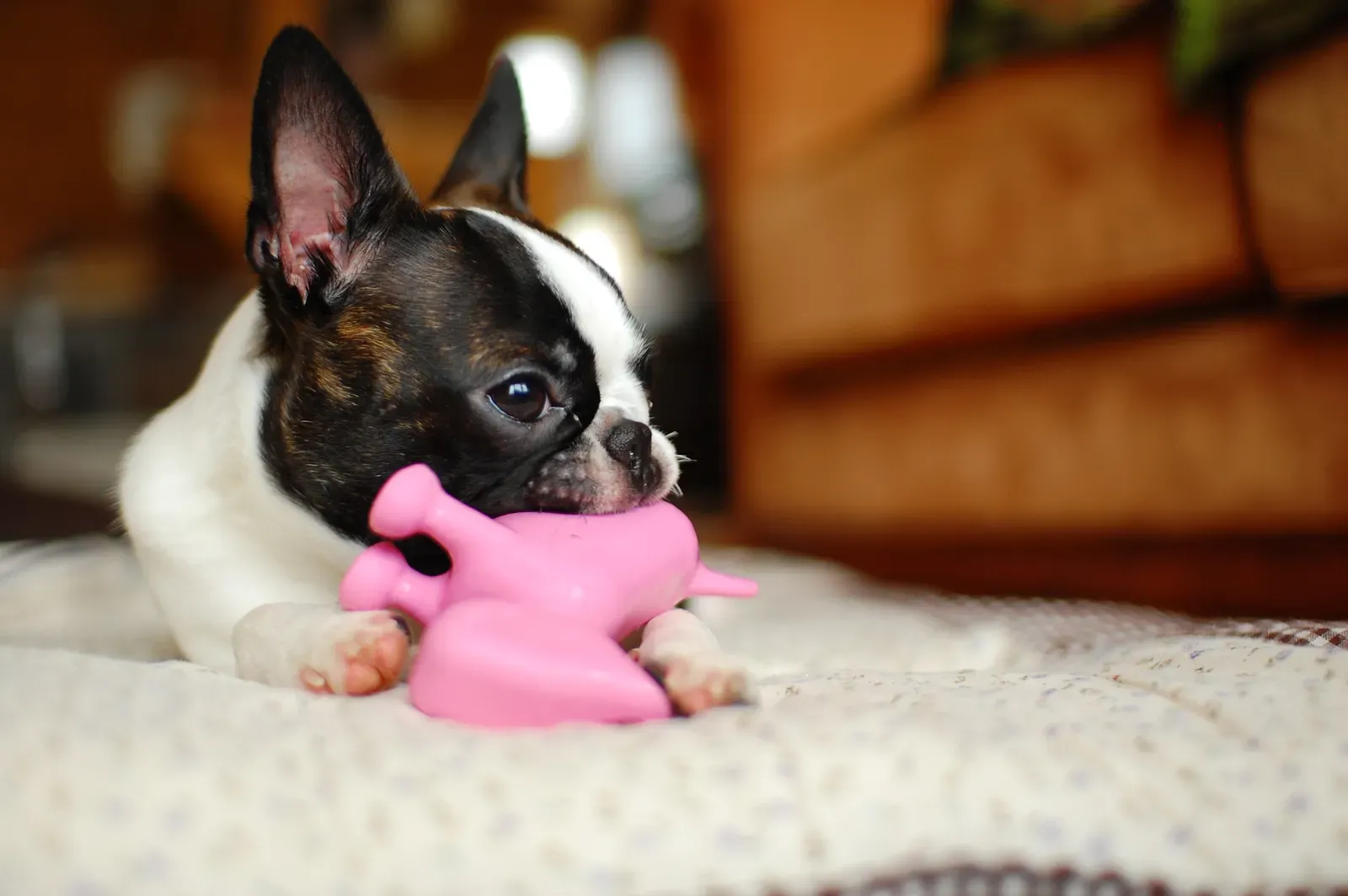
Dogs that experience mild evening restlessness sometimes use toys as self soothing tools. The act of carrying and positioning the item occupies their attention and reduces pacing. In households where the owner leaves the room last, the toy may stand in as a temporary stand in for company.
Trainers often observe that the behavior increases during periods of change, such as new work schedules or visitors in the home. Once the routine stabilizes again, the toy deliveries may become less frequent or more selective. The pattern therefore offers a small window into how the dog processes daily transitions.
Embracing This Unique Canine Habit

Recognizing the ritual allows owners to respond with quiet appreciation rather than interruption. Leaving the toy in its chosen spot respects the dog’s effort to create order. Small adjustments like providing a dedicated basket near the bed can support the habit without clutter.
Over years of living together these small evening moments accumulate into a shared language. They remind us that dogs continue to navigate the world through instincts shaped long before they joined human homes. Watching the simple act unfold each night offers a steady reminder of how deeply those ancient patterns still shape daily life.


