

Labrador Retriever
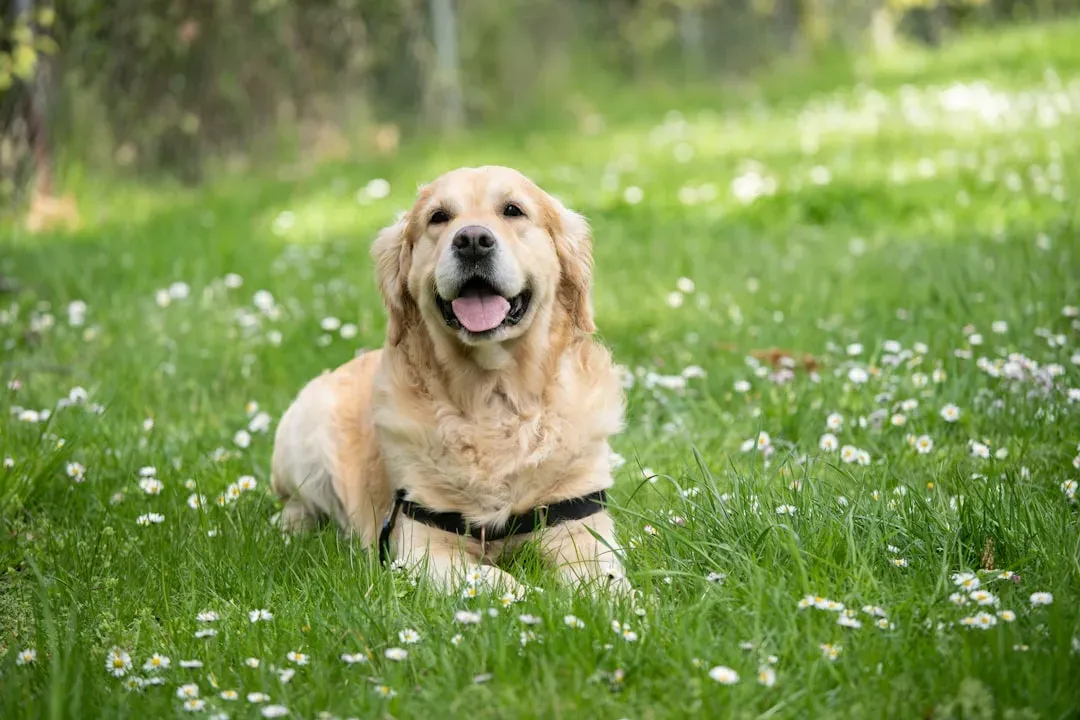
Labrador Retrievers earn their reputation as family favorites through steady loyalty that shows up in daily routines. They often shadow their owners from room to room and grow accustomed to shared meals or evening walks. When left alone for several days, some Labs skip food entirely until the household feels complete again.
Their people oriented nature stems from generations of working closely with humans, whether retrieving game or assisting families. This background leaves them wired to seek constant connection rather than independent exploration. A few days without that presence can shift their focus away from basic needs like eating.
Golden Retriever
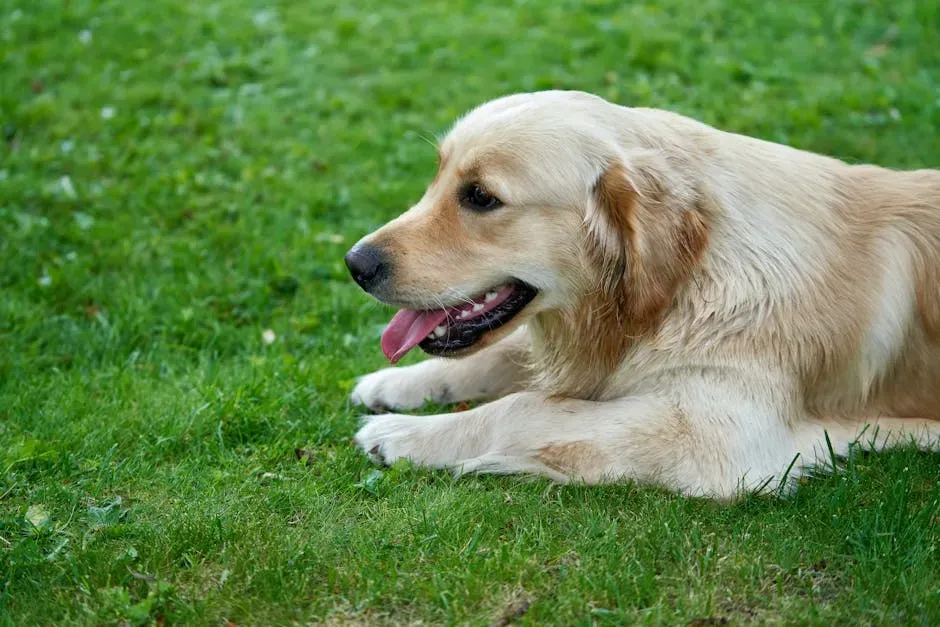
Golden Retrievers bring a gentle persistence to their attachments, often checking in with soft eyes or a quiet lean against a leg. They thrive on inclusion in family activities and can become unsettled when the usual rhythm breaks. Extended absences sometimes lead these dogs to turn away from their bowls until things return to normal.
Bred originally for companionship and retrieval work, Goldens carry an expectation of partnership that lingers even in modern homes. Their affectionate style makes them quick to form routines around one or two key people. Without that anchor, appetite can fade as they wait for the missing piece of their day.
German Shepherd
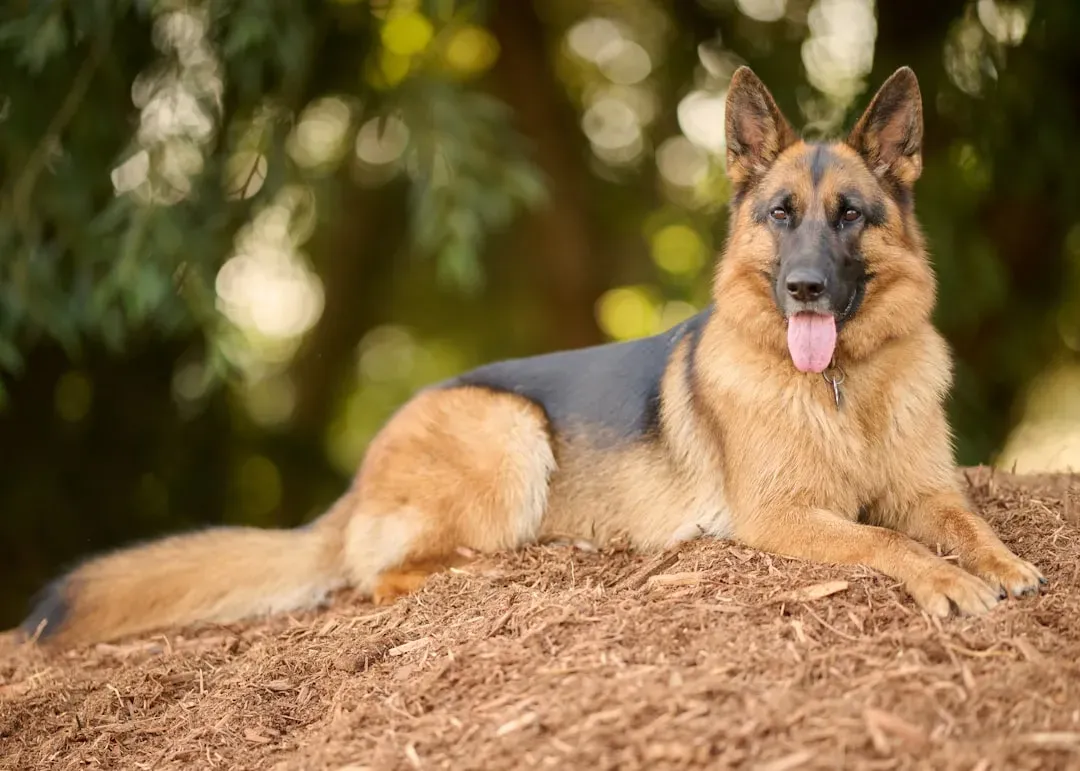
German Shepherds build protective bonds that extend beyond simple affection into a sense of shared purpose. They watch doors and track schedules with quiet attention, treating their person as the core of their world. When that person leaves for more than a couple of days, some Shepherds lose interest in food while they remain on alert.
Their working heritage emphasizes close cooperation with handlers, which translates into strong home attachments today. These dogs often prefer one primary relationship over casual interactions with others. The result can be a focused wait that sidelines normal eating habits until reunion happens.
Australian Shepherd
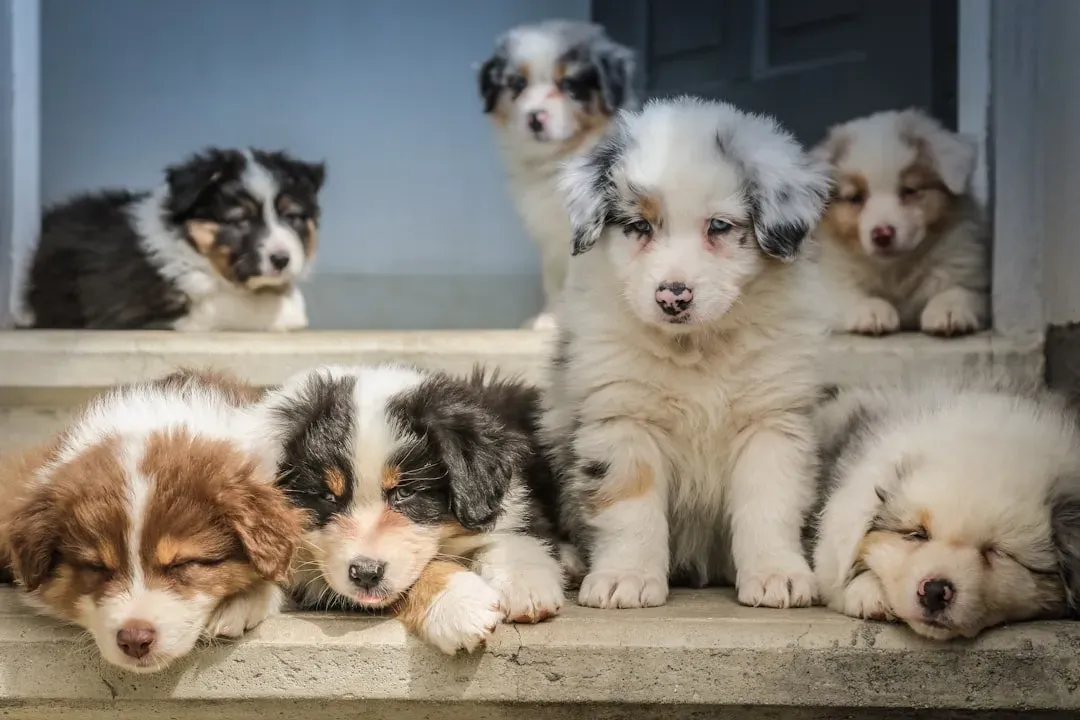
Australian Shepherds channel their herding instincts into keeping track of their people, often circling back to check locations throughout the day. They enjoy structured activities together and can grow restless without that involvement. Longer separations sometimes prompt them to ignore meals as they hold space for the absent owner.
High intelligence pairs with a need for mental engagement that frequently centers on family members. This breed tends to view its household as a team that functions best when everyone stays close. The absence of a key member disrupts that balance enough to affect appetite in sensitive individuals.
Border Collie
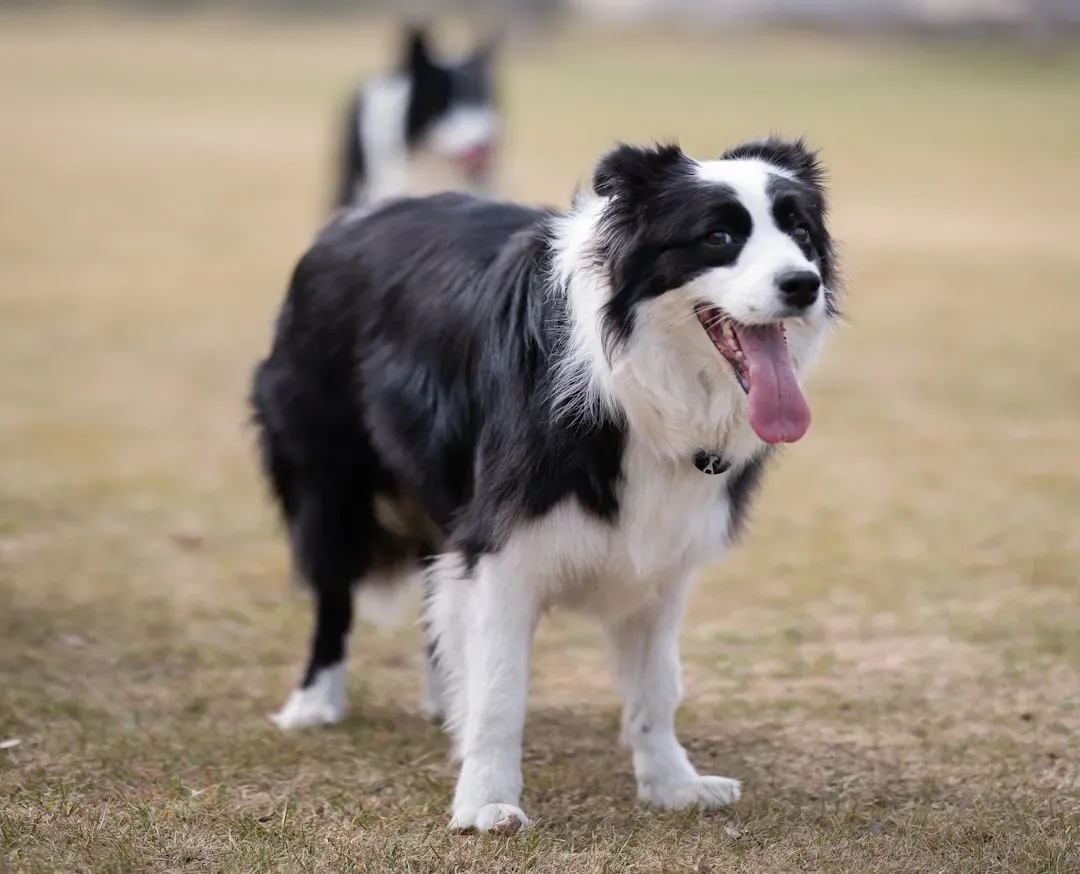
Border Collies approach relationships with the same intensity they bring to tasks, often studying their owners for cues and staying nearby during quiet moments. Their drive to work alongside people makes them sensitive to changes in presence. Some will pass on food during extended time apart, channeling energy into anticipation instead.
Originally developed for demanding livestock work, these dogs carry forward a preference for directed partnership. They form tight routines that revolve around specific humans and can struggle when those patterns shift. The focus on reunion can easily override interest in eating until the situation resolves.
Cavalier King Charles Spaniel

Cavalier King Charles Spaniels offer steady companionship that feels almost constant, with many preferring laps or close proximity over solo time. Their small size belies a big attachment that follows owners through ordinary tasks. When left for several days, a number of Cavaliers show little appetite until their person returns.
Centuries of selection as lap companions shaped a temperament that prioritizes human contact above most other activities. These dogs often mirror the emotional tone of their household and notice absences quickly. The resulting unease can translate into skipped meals while they wait for familiar company.
Shetland Sheepdog
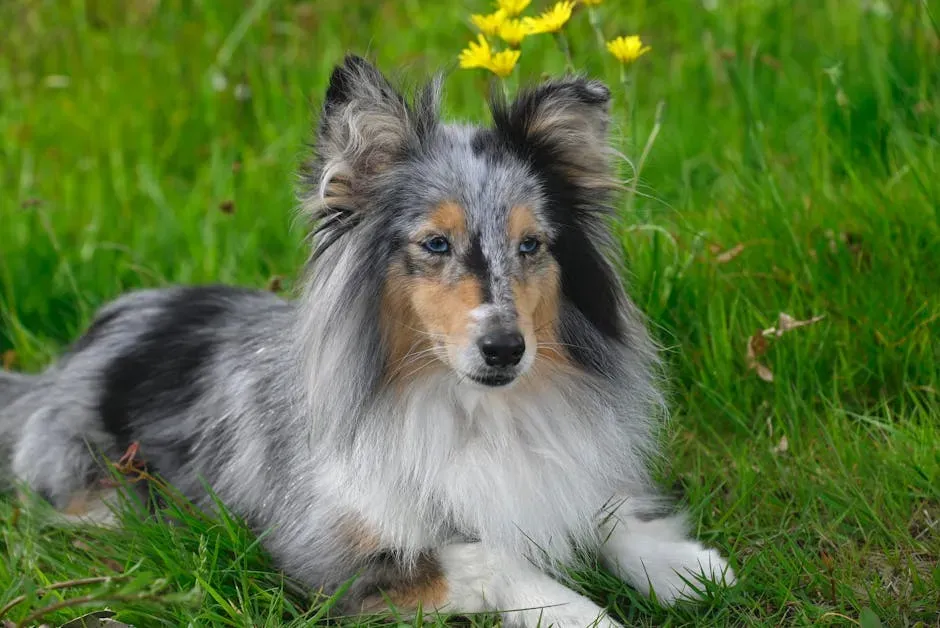
Shetland Sheepdogs display a watchful loyalty that keeps them tuned to household movements and voices. They enjoy participating in daily life and can become subdued without their usual interactions. Extended time away sometimes leads them to bypass food bowls in favor of quiet vigilance.
Their herding background encourages close monitoring of the group, which carries over into strong home bonds. These dogs often single out one or two people as their main focus and adjust behavior accordingly. The pull of that connection can sideline normal routines like eating during separations.
Vizsla

Vizslas earn the nickname velcro dog through their habit of staying physically close whenever possible. They seek out shared activities and show clear preference for their primary person. Some individuals will refuse meals during absences longer than a few days, holding out for the return of that bond.
Developed as hunting companions that worked at their handler’s side, Vizslas retain a need for proximity in everyday settings. Their affectionate style makes them quick to notice and respond to changes in routine. The intensity of attachment can manifest in reduced interest in food until the missing presence reappears.
Italian Greyhound
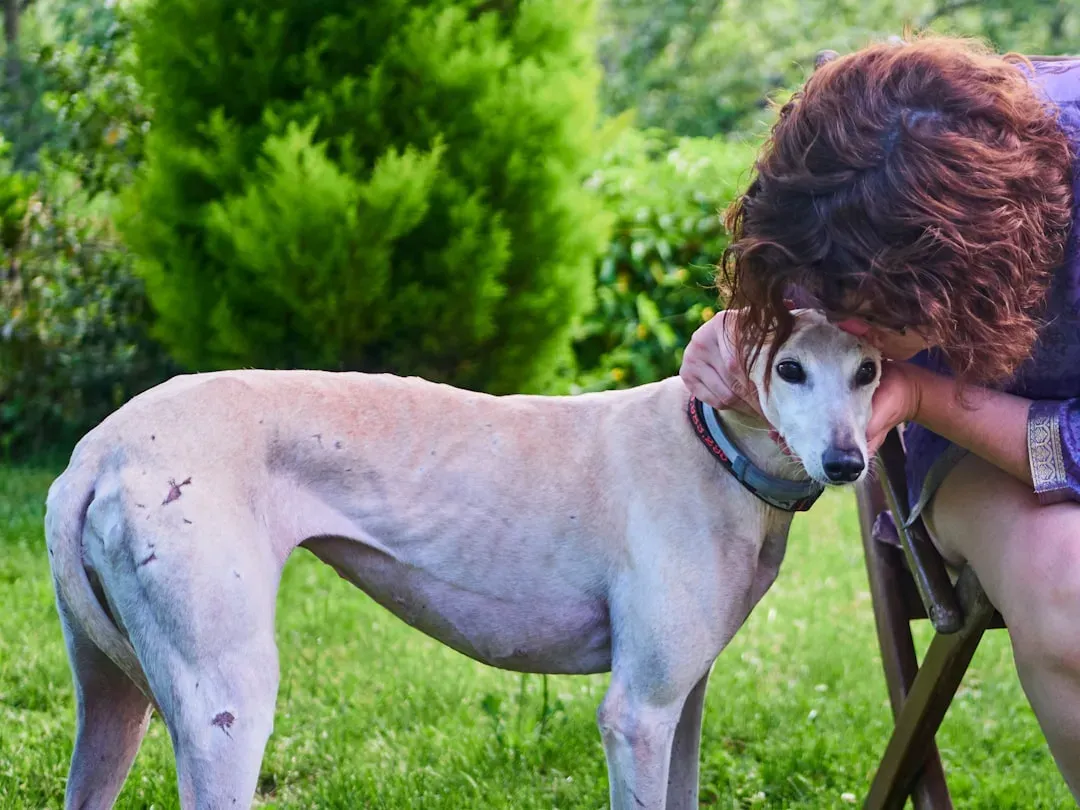
Italian Greyhounds combine a sleek independence with surprising clinginess toward their chosen people. They often seek warmth and closeness during rest periods and track family movements with quiet attention. When separated for several days, some turn away from meals while they await reunion.
Ancient roots as companion hunters left them with a temperament that values trusted relationships over broad socializing. These dogs frequently form deep attachments that influence daily habits, including appetite. The absence of their person can shift priorities enough to pause normal eating until the household feels whole again.
The breeds highlighted here illustrate how selective breeding for partnership can create dogs that treat their people as essential to daily balance. Choosing one means accepting a level of closeness that rewards attention yet demands consistency in return. Owners who match that devotion often find the connection deeply satisfying, while those unprepared may discover the intensity requires thoughtful planning around travel and care.


