Imagine a bond so profound that its absence causes not just emotional distress but actual physical pain. For certain dog breeds, separation from their beloved owners isn’t merely a moment of loneliness – it’s an agonizing experience that manifests in both behavior and health. These breeds form such intense attachments that being apart can lead to symptoms akin to physical illness. Let’s delve into eight dog breeds known for their deep connections and the challenges they face when separated from their human companions.
Labrador Retriever
Labrador Retriever (Image Credits: Unsplash)Labrador Retrievers are renowned for their friendly and outgoing nature, often forming strong bonds with their families. This deep attachment means that prolonged separations can lead to significant distress. Owners might notice behaviors such as excessive barking, destructive chewing, or even attempts to escape when left alone.To mitigate these issues, it’s essential to provide Labs with ample physical exercise and mental stimulation. Engaging them in activities like fetch, agility training, or interactive toys can help alleviate anxiety. Additionally, gradually acclimating them to short periods of solitude can build their confidence in being alone.
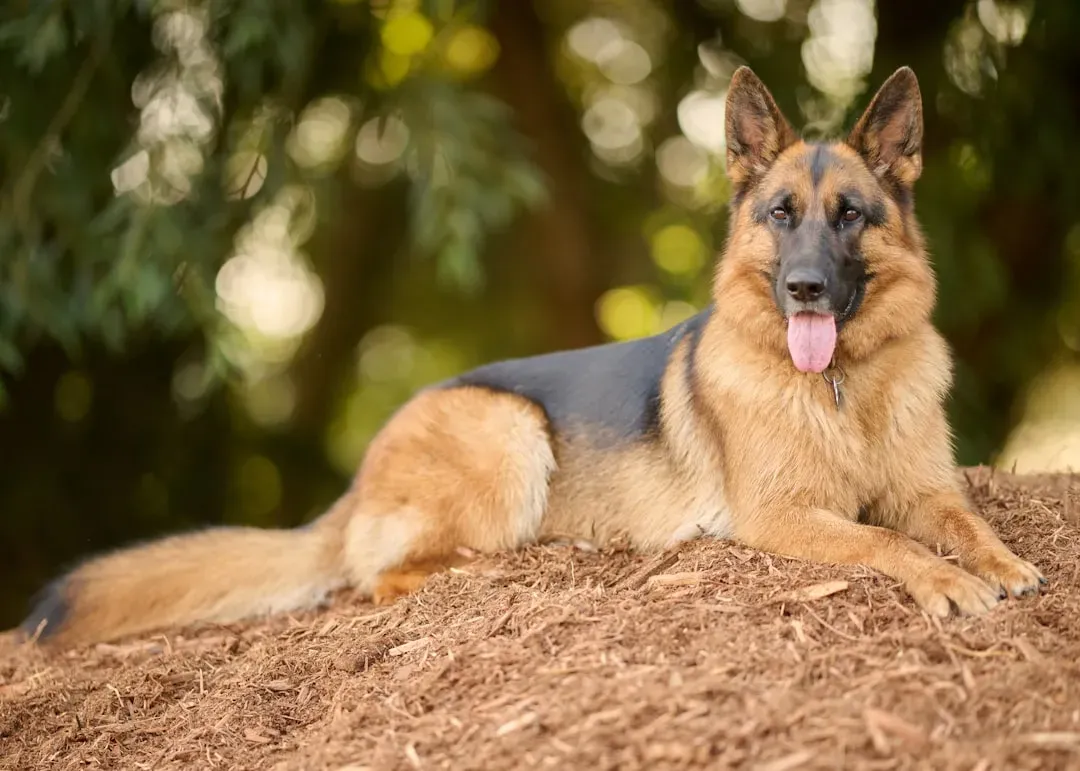
German Shepherd
German Shepherd (Image Credits: Unsplash)German Shepherds are celebrated for their intelligence and unwavering loyalty. This loyalty, however, can make them particularly susceptible to separation anxiety. When left alone, they may exhibit behaviors such as pacing, whining, or destructive tendencies.Consistent training and establishing a routine can provide a sense of security for German Shepherds. Incorporating puzzle toys and obedience exercises can keep their minds engaged, reducing feelings of anxiety during periods of separation.
Border Collie
Border Collie (Image Credits: Pexels)Border Collies are among the most intelligent dog breeds, with a strong work ethic and a desire to please their owners. This intense focus can lead to anxiety when they’re left without tasks or companionship. Signs of distress may include obsessive behaviors, barking, or even self-harm.Providing Border Collies with regular mental challenges, such as herding exercises, agility courses, or advanced obedience training, can help channel their energy positively. Ensuring they have a job to do, even in your absence, can alleviate feelings of separation anxiety.
Vizsla
Vizsla (Image Credits: Pexels)Often referred to as “Velcro dogs,” Vizslas are known for their affectionate nature and desire to be close to their owners. This closeness means that being left alone can be particularly challenging for them, leading to behaviors like excessive vocalization or destructive chewing.To support a Vizsla’s emotional well-being, it’s beneficial to establish a consistent routine and gradually increase the duration of separations. Providing comfort items, such as a piece of clothing with your scent, can also offer reassurance during your absence.
Cavalier King Charles Spaniel
Cavalier King Charles Spaniel (Image Credits: Unsplash)Bred primarily as companion animals, Cavalier King Charles Spaniels thrive on human interaction. Their affectionate disposition makes them prone to anxiety when left alone, which can manifest in behaviors like incessant barking or house soiling.Introducing gradual desensitization techniques, where the dog is left alone for short periods that are slowly increased, can help Cavaliers become more comfortable with solitude. Additionally, providing interactive toys can keep them engaged and distracted during your absence.
Chihuahua
Chihuahua (Image Credits: Unsplash)Despite their small size, Chihuahuas possess a large capacity for attachment to their owners. This strong bond can make separations particularly stressful, leading to behaviors such as trembling, excessive barking, or destructive tendencies.To help Chihuahuas cope with alone time, it’s important to create a safe and comfortable environment. Gradual training that rewards calm behavior when alone can also be effective in reducing anxiety.
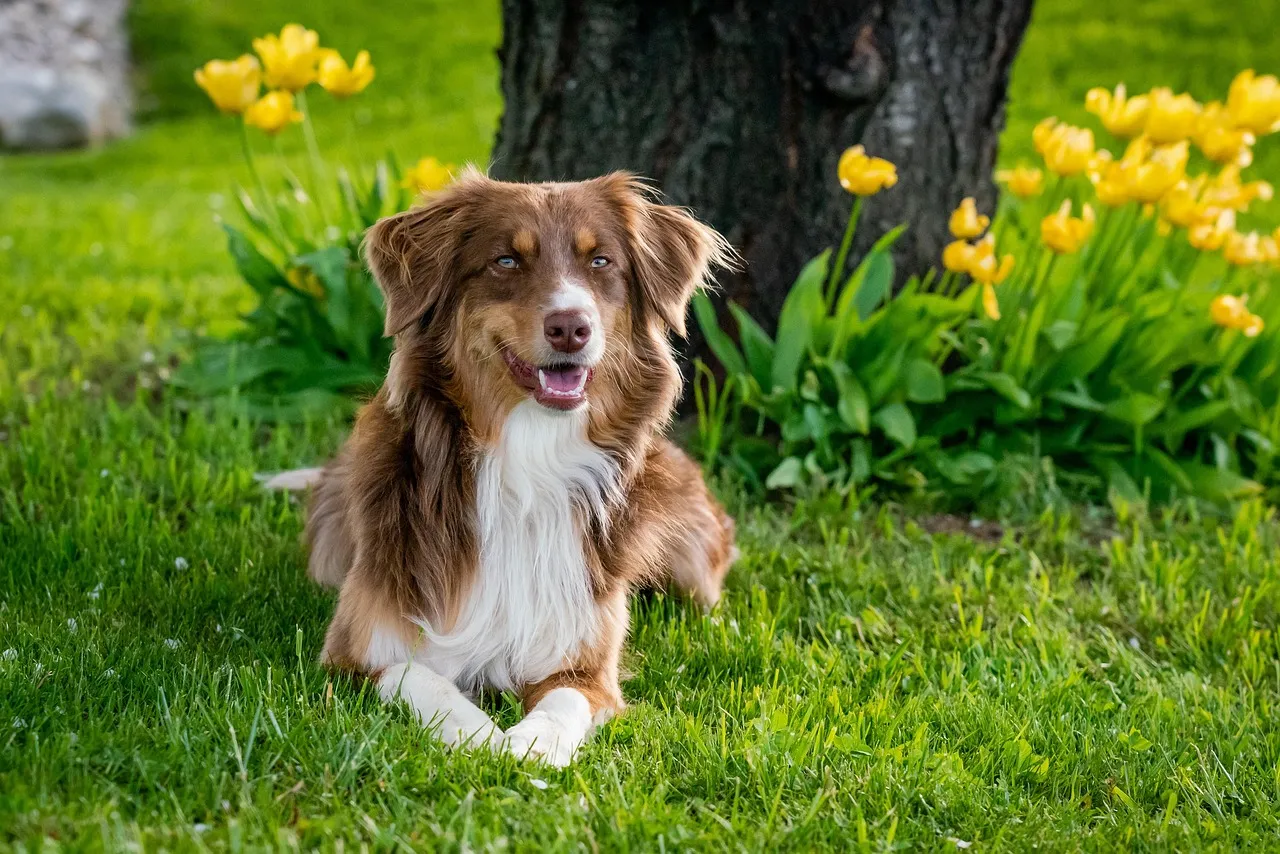
Australian Shepherd
Australian Shepherd (Image Credits: Pixabay)Australian Shepherds are energetic and intelligent dogs that form deep connections with their families. When left without sufficient stimulation or companionship, they may develop separation anxiety, exhibiting behaviors like chewing, digging, or vocalizing.Ensuring that Australian Shepherds receive adequate physical exercise and mental challenges is crucial. Activities like herding, agility training, or interactive games can help keep their minds and bodies engaged, reducing feelings of anxiety during separations.
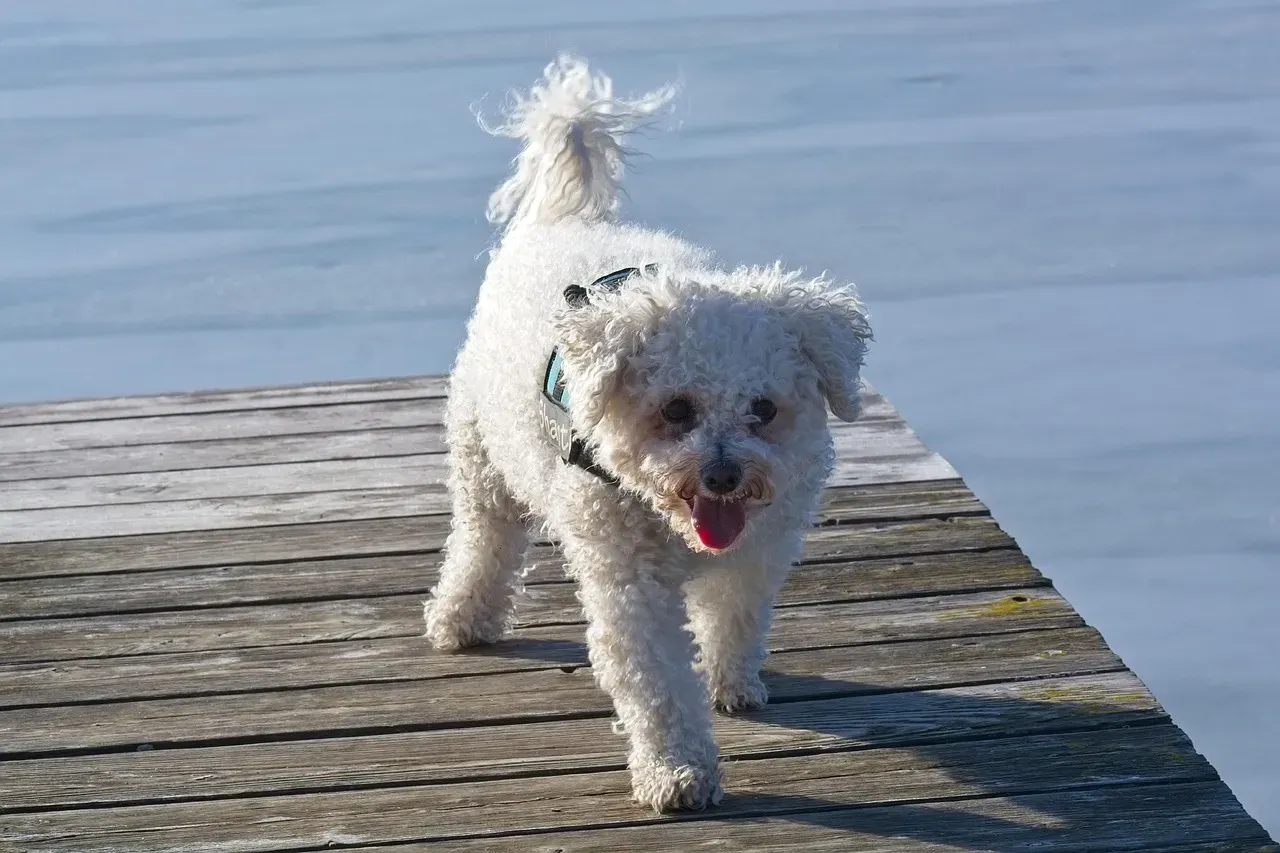
Bichon Frise
Bichon Frise (Image Credits: Pixabay)Bichon Frises are known for their cheerful disposition and love of human companionship. This affectionate nature can make them vulnerable to separation anxiety, leading to behaviors such as whining, chewing, or soiling the house when left alone.To support a Bichon Frise in coping with solitude, it’s beneficial to establish a routine that includes periods of alone time, gradually increasing in duration. Providing engaging toys and ensuring they have a comfortable space can also help alleviate anxiety.In conclusion, while the deep bonds these breeds form with their owners are heartwarming, they can also lead to challenges when separations occur. Understanding and addressing the unique needs of these breeds can help mitigate the effects of separation anxiety. By providing consistent routines, mental stimulation, and gradual training, owners can support their canine companions in developing confidence and comfort during times apart. After all, isn’t the goal to ensure our furry friends feel secure and loved, even when we’re not by their side?