
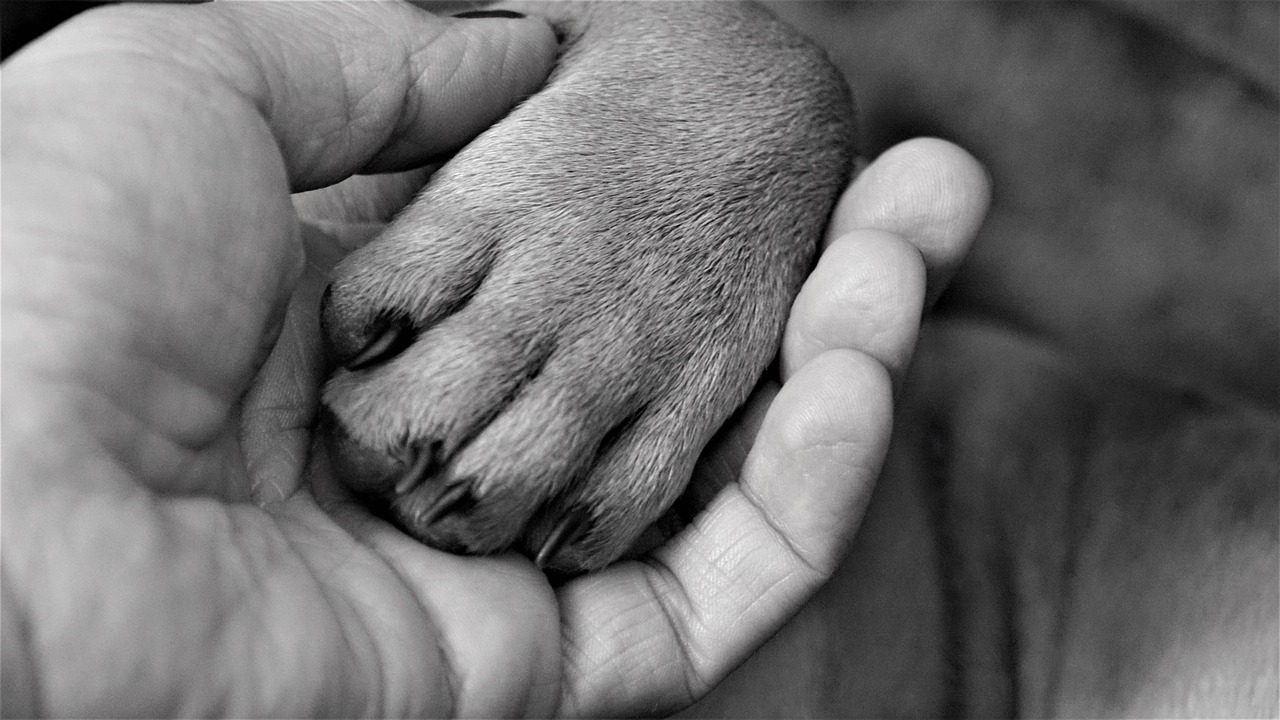
There’s a quiet moment that arrives for many dog owners, one filled with love and a heavy heart. Your companion has been by your side through years of walks, play, and simple companionship. When that time draws near, small gestures can carry more weight than words ever could.
Holding your dog’s paw offers a direct line of connection during their final hours. It speaks to the bond you share without needing explanation. This simple act can ease their transition in ways that feel both practical and deeply personal.
The Comfort of Familiar Touch
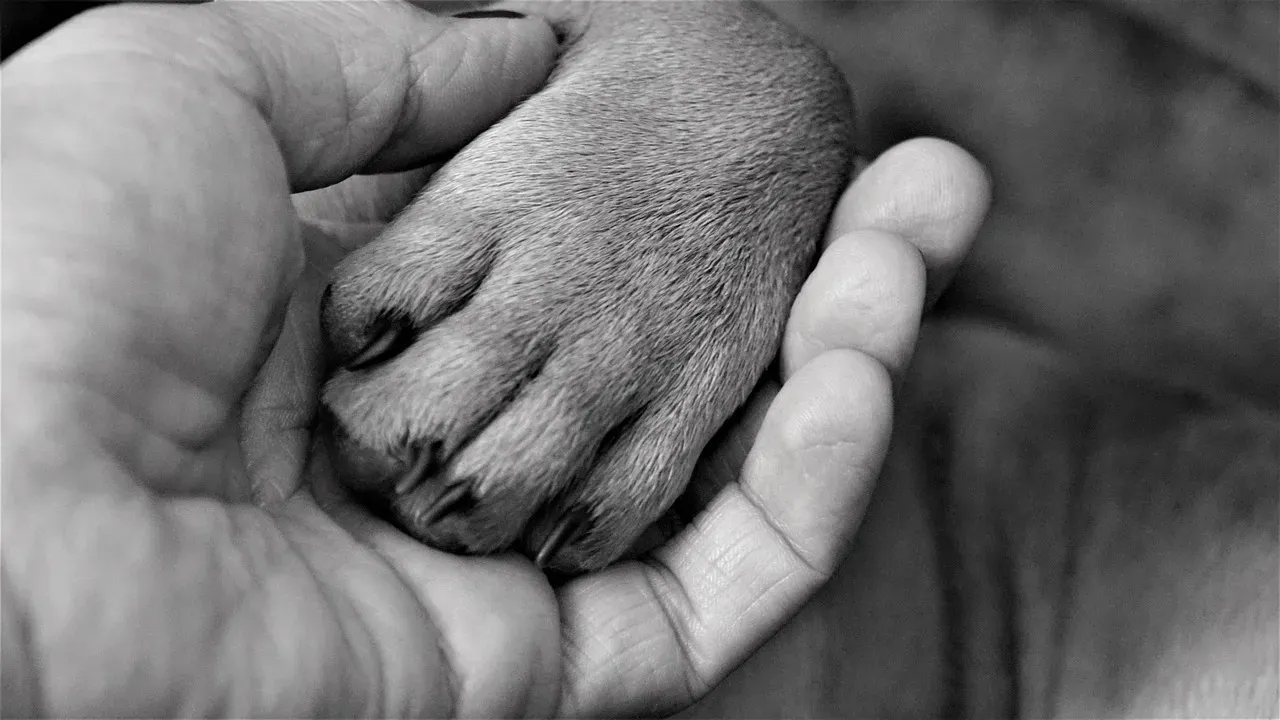
Dogs rely heavily on physical contact throughout their lives, from gentle pats on the head to full body leans against your leg. In their final days, that same touch becomes a source of security when everything else feels uncertain. Holding the paw keeps that connection steady and reassuring.
Many dogs show visible relaxation when their owner maintains contact during veterinary visits or at home. Their breathing often slows, and tension in their body eases noticeably. This response mirrors how touch calms them during thunderstorms or after a stressful event earlier in life.
Recognizing the Signs Your Dog Is Ready
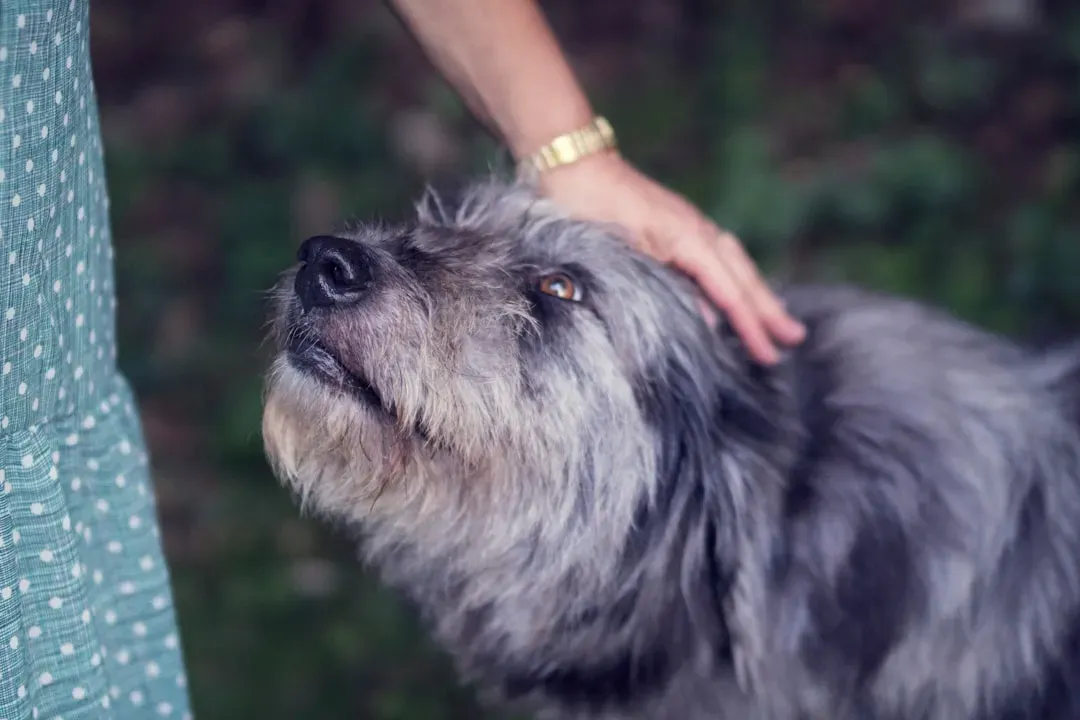
Changes in appetite, energy levels, and mobility often signal that a dog is nearing the end of their journey. You might notice more time spent sleeping or less interest in favorite toys and treats. These shifts can appear gradually or more suddenly depending on the underlying health issue.
Breathing patterns may become labored, and some dogs seek out cooler spots or withdraw from family activity. Watching for these cues helps you prepare emotionally and practically. Early awareness allows time to arrange a peaceful setting with your veterinarian.
Why Physical Connection Matters Most Now
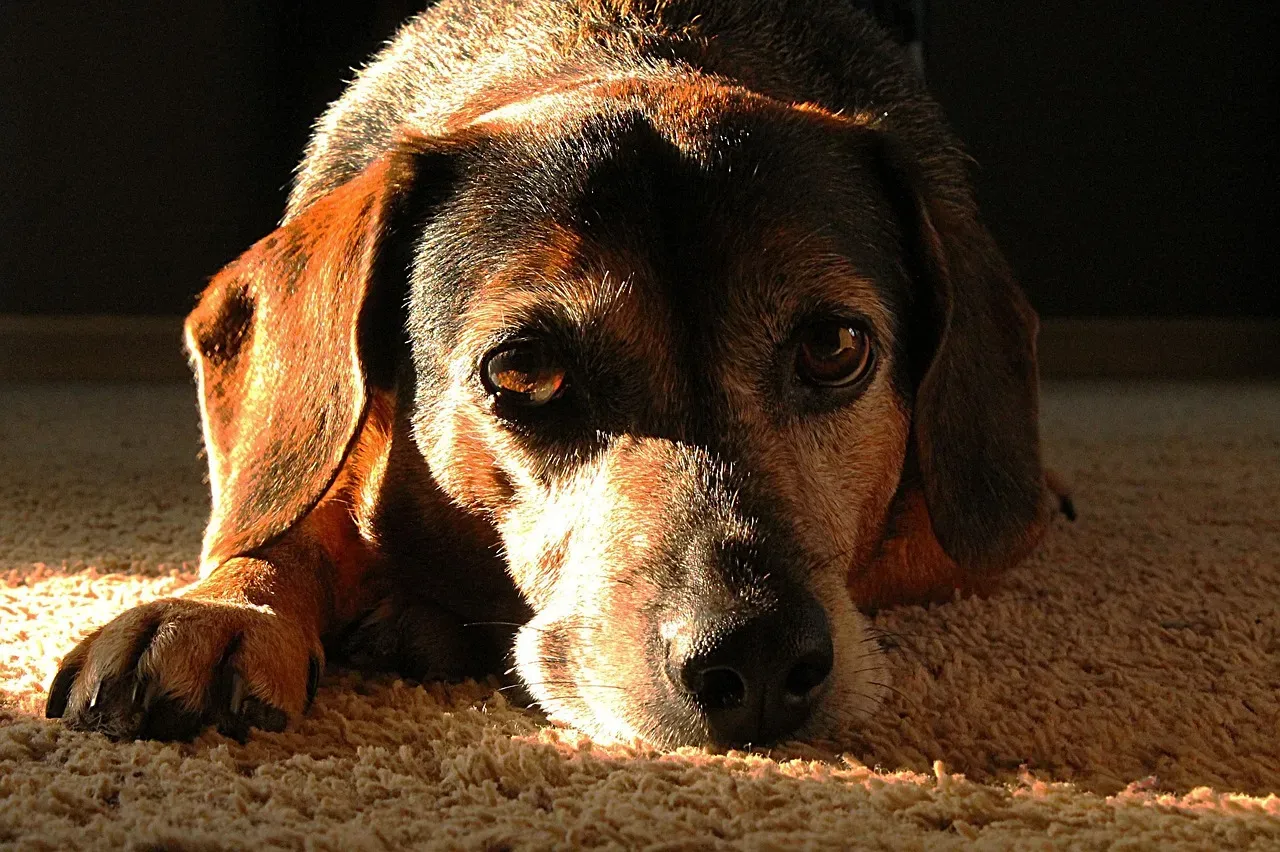
Touch releases calming signals in dogs similar to how it works in people. When you hold their paw, you provide a steady presence that reduces anxiety during an unfamiliar process. This contact can lower heart rate and help them feel safe rather than alone.
Veterinarians often observe that dogs remain calmer when their owner stays close and maintains gentle contact. The paw offers an accessible point that does not interfere with medical procedures. It keeps the focus on the relationship you have built over the years.
Creating a Calm Environment at Home or the Clinic
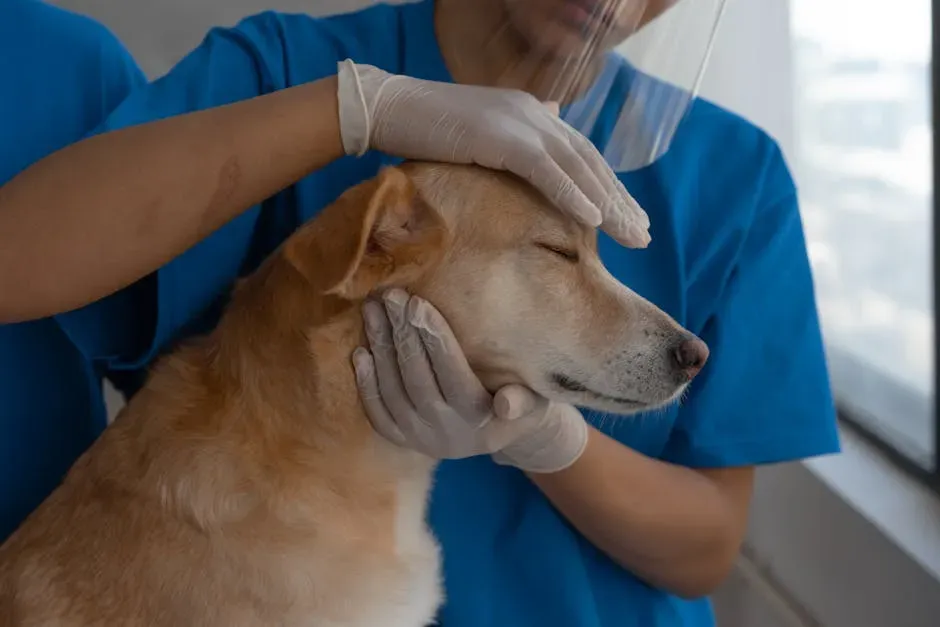
Many owners choose to hold their dog in a familiar spot like a favorite blanket or quiet room. Soft lighting and familiar scents from home items can make the space feel less clinical. Your steady hand on their paw anchors them amid any new sounds or smells.
At the clinic, arriving early gives everyone time to settle before the procedure begins. Bringing a well worn toy or their usual bed adds another layer of comfort. These small details combine with your touch to shape a more peaceful experience overall.
Supporting Your Dog Through the Process
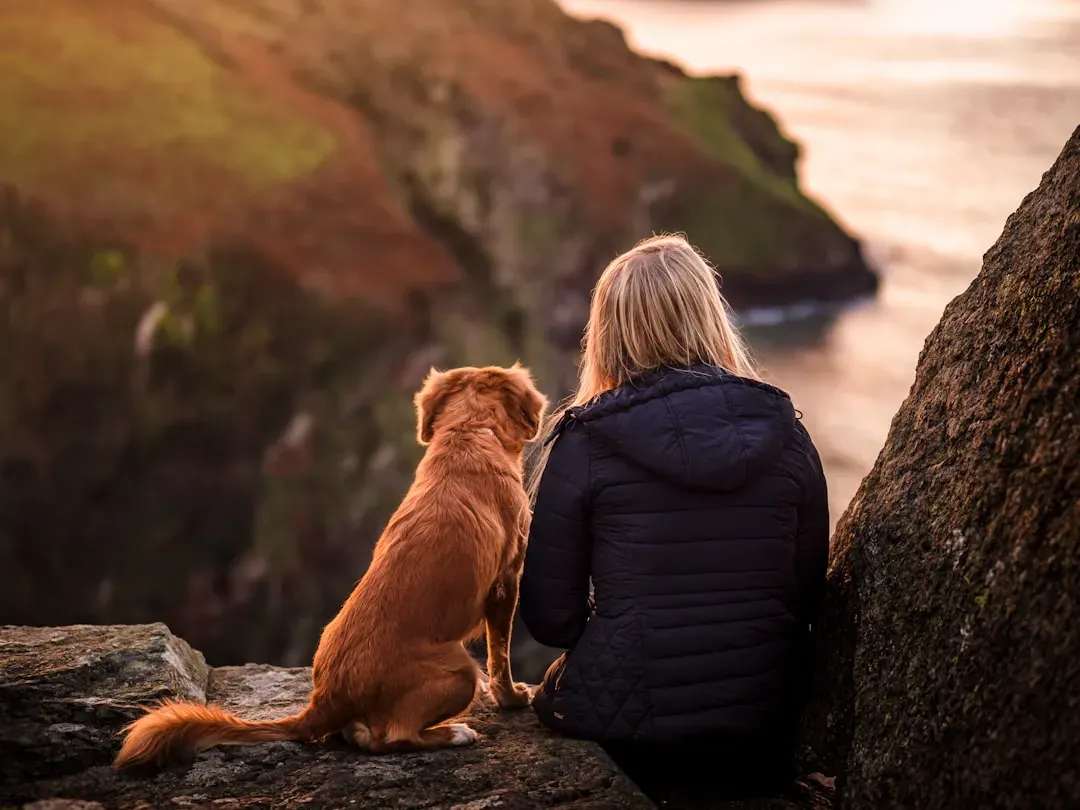
The actual moment often involves a sedative followed by the final medication. Your presence and the feel of your hand around their paw can keep them oriented toward you rather than the surroundings. Some dogs drift off while looking at their owner, which many find meaningful.
Breathing typically slows and becomes shallower as the medication takes effect. Continued gentle pressure on the paw lets them know you remain right there. This continuity helps both of you move through the steps with a shared sense of closeness.
Handling Your Own Emotions in Real Time
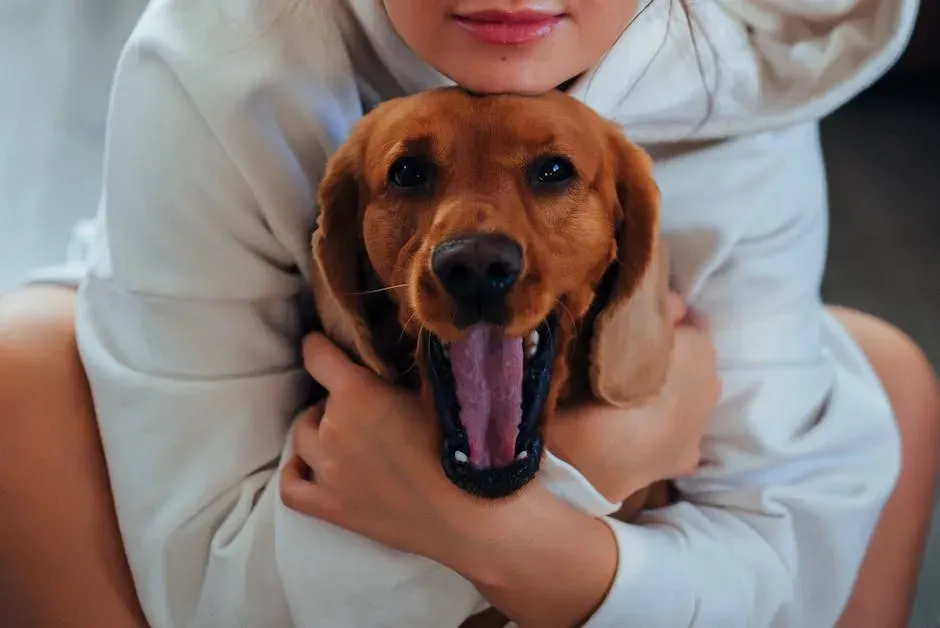
It is natural to feel overwhelmed or unsure how to act when the moment arrives. Focusing on the simple act of holding their paw gives you something concrete to do amid the sadness. That focus can steady your own breathing and thoughts.
Many owners later recall the warmth of their dog’s paw as a lasting memory. It becomes a tangible reminder of the love that defined your time together. Allowing yourself to stay present in that way honors both your dog and the bond you shared.
After the Farewell: Caring for Yourself
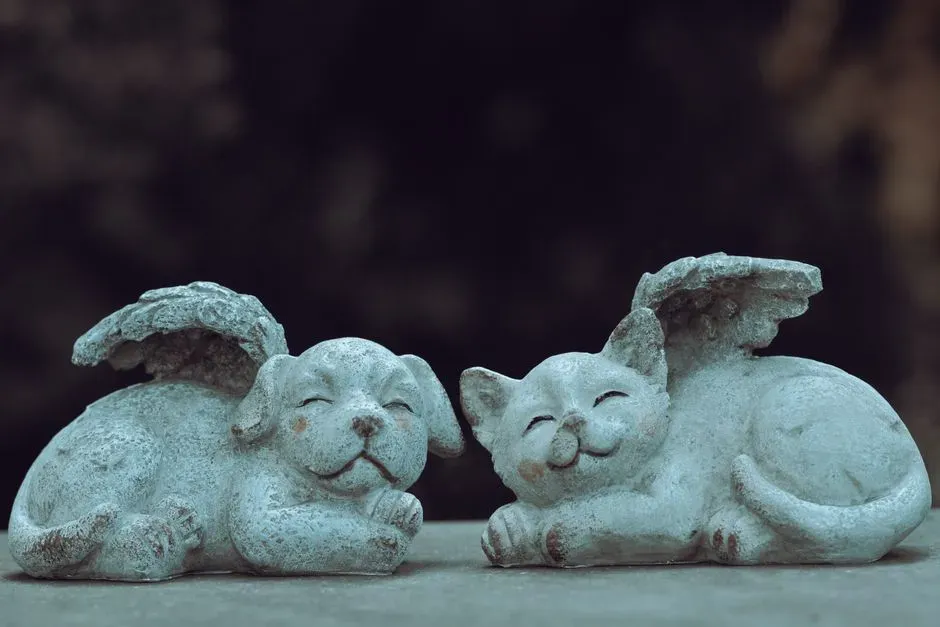
The hours and days following bring a mix of relief and grief that can feel unpredictable. Some people find comfort in keeping a small item like a collar or photo nearby. Others reach out to friends who have walked this path or join support groups for pet loss.
Physical reminders such as a paw print or a lock of fur can provide ongoing connection. Taking time for walks in places you visited together helps process the change gradually. These steps support healing without rushing the feelings that naturally surface.
Finding Peace in the Bond You Shared
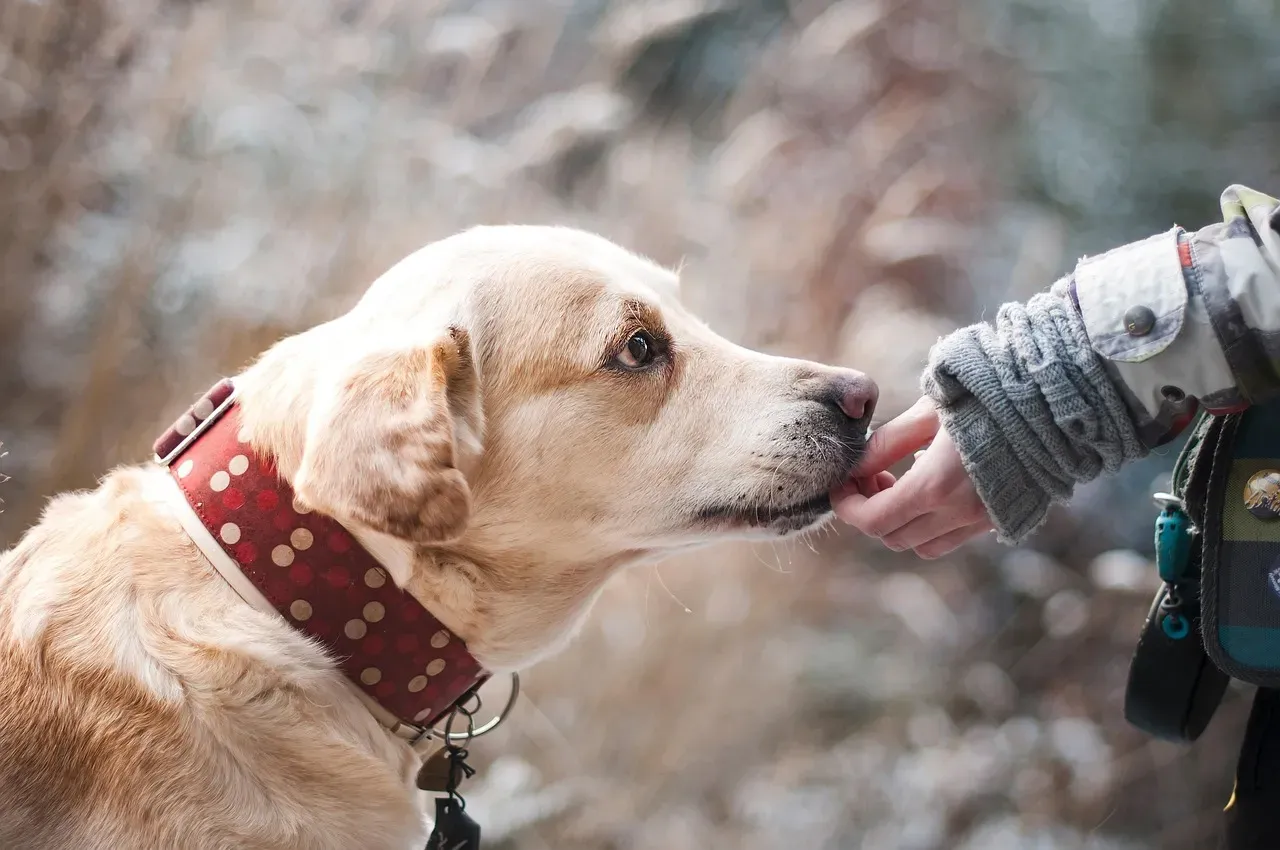
Every dog leaves paw prints on the heart that time does not erase. Holding their paw at the end reinforces the trust and affection built over countless days. It turns a difficult goodbye into one last act of care that feels right and complete.
The decision to stay close reflects the kind of companion you have been all along. That choice often brings its own quiet comfort in the weeks that follow. Your dog knew your touch from the first day to the last, and that knowledge lingers as a gentle legacy.


