
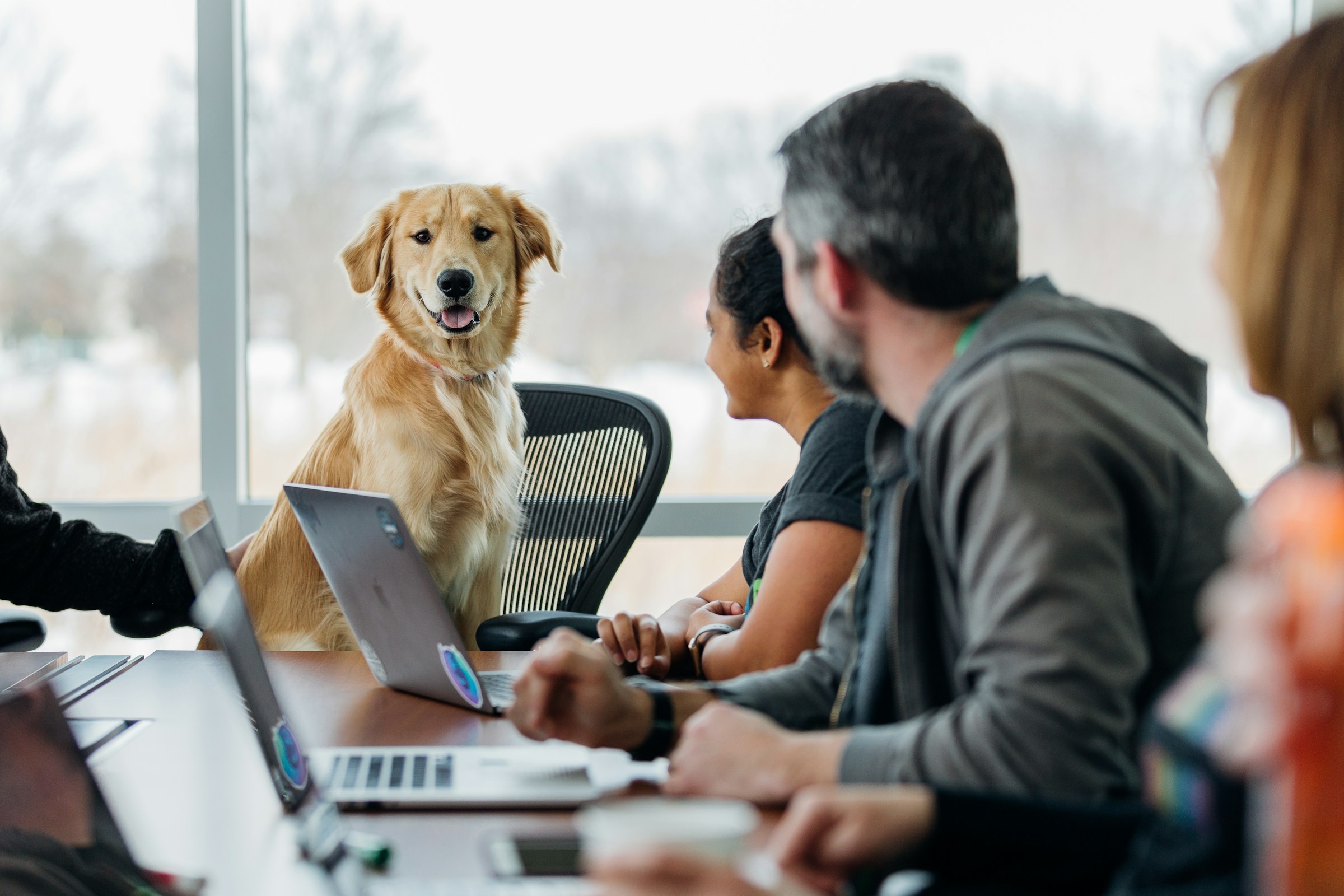
You know that moment when your dog is in the middle of pure chaos with a squeaky toy, then suddenly pauses, locks eyes with you for a second, and only then dives back into play? That tiny check-in is not random, and it is definitely not meaningless. Animal psychology research suggests that when dogs briefly interrupt their own play to look at you, they are not being clingy or unsure; they are gathering social information about the situation before deciding how to continue.
Once you start noticing it, you see it everywhere: at the dog park, during tug-of-war, even when they are zooming around the living room. That quick glance is your dog essentially asking, “Are we good? Is this still safe? Are you with me?” Understanding this behavior does more than make you melt with affection; it opens a window into how dogs read us, rely on us, and co-create their world alongside us. And honestly, once I realized what my own dog was doing, I never looked at those tiny pauses the same way again.
The Science Behind That Quick Check-In
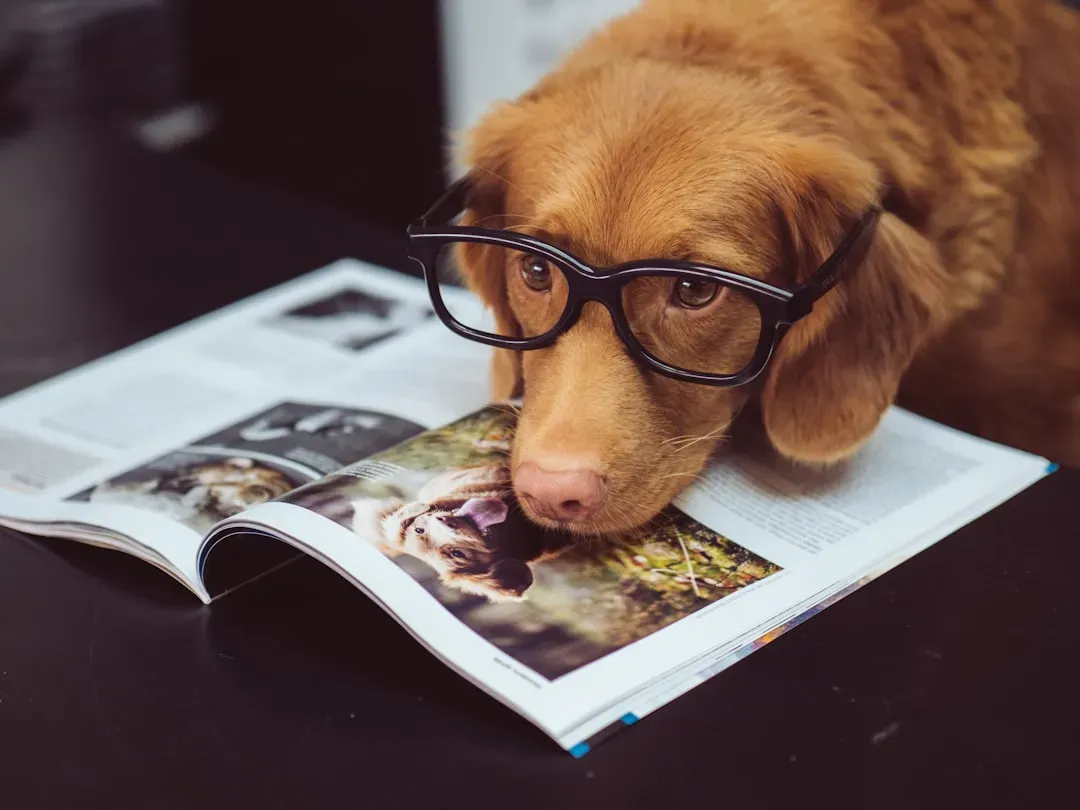
From a psychological point of view, that little look back at you sits right in the middle of what scientists call social referencing. This is the process where an animal uses another individual’s emotional reactions or body language to decide what to do next. Human babies do it with parents in uncertain situations, and dogs appear to do something very similar with us when they pause their play to see how we are reacting.
In practice, that means your dog is not just playing in a vacuum; they are constantly monitoring your facial expression, tone of voice, posture, and energy. When they interrupt their own fun to glance at you, they are essentially running a quick emotional weather check: does your face say relaxed or tense, are you laughing or suddenly silent, are you leaning in or backing away? They then feed that information back into their decision-making, like a little internal dashboard guiding whether to ramp things up, tone it down, or keep things exactly as they are.
Dogs As Social Information Sponges, Not Just Play Machines
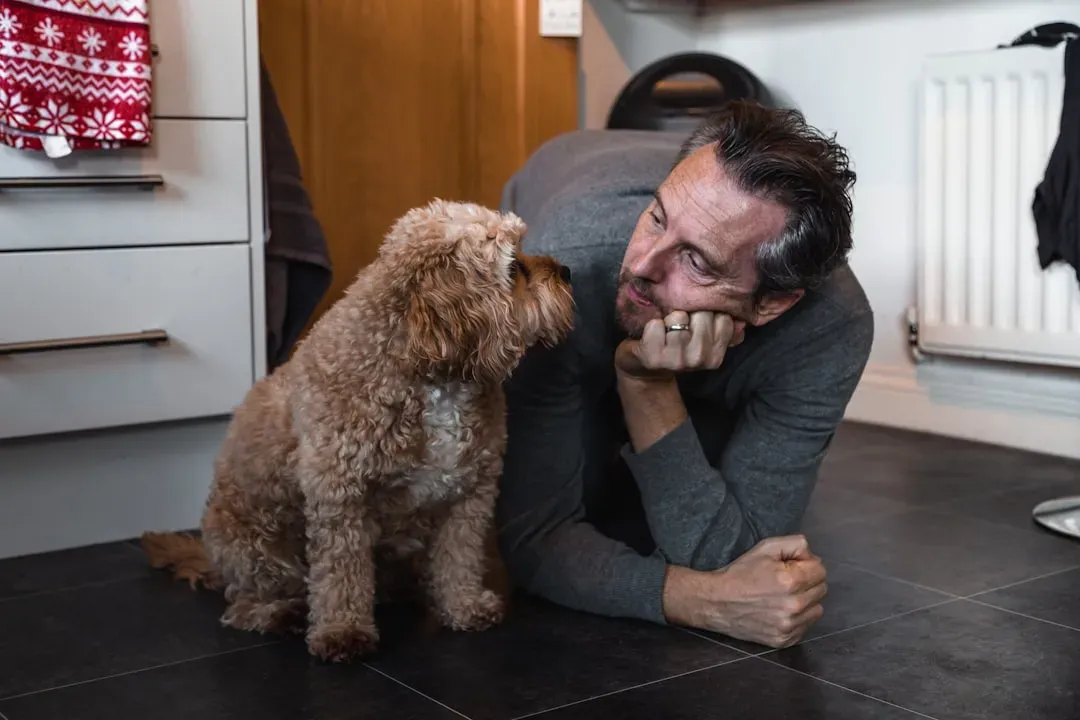
We often think of dogs as powered by instinct and emotion, but modern research paints a more nuanced picture. They are not just little play engines; they are constantly absorbing social information like sponges, especially from the people they are attached to. Interrupting their own play to check on you is a strong sign that your reactions matter to them and actively shape what they do next.
That glance can tell you that your dog is using you as a trusted reference point. It shows that play is not just about the toy or the game; it is about the shared social context you create together. In a way, every time your dog pauses mid-zoomie to look at you, they are saying, “Your opinion matters. Your mood matters. You are part of this decision.” That is a big deal, because it hints at just how deeply woven into our dogs’ social worlds we really are.
Anxiety, Caution, or Just Good Judgment? Reading The Pause
Of course, not every check-in looks exactly the same, and not every dog is doing it for identical reasons. Sometimes the pause is about caution: maybe there was a sudden noise, a new person entering the room, or another dog shifting the vibe, and your dog is taking a beat to see how you are reacting before they commit to their next move. In other cases, it may hint at a more anxious temperament, where your dog regularly looks to you for reassurance that everything is okay.
But it is important not to automatically label that behavior as insecurity or weakness. In many contexts, that quick look is closer to smart risk assessment than nervous clinging. A dog who checks in is often a dog who integrates information from the environment, from their own feelings, and from you, and then makes a more informed choice. In human terms, it is less a panicked “Help me!” and more a practical “Just checking the vibe before I floor it again.”
How Your Reactions Quietly Shape Your Dog’s Play
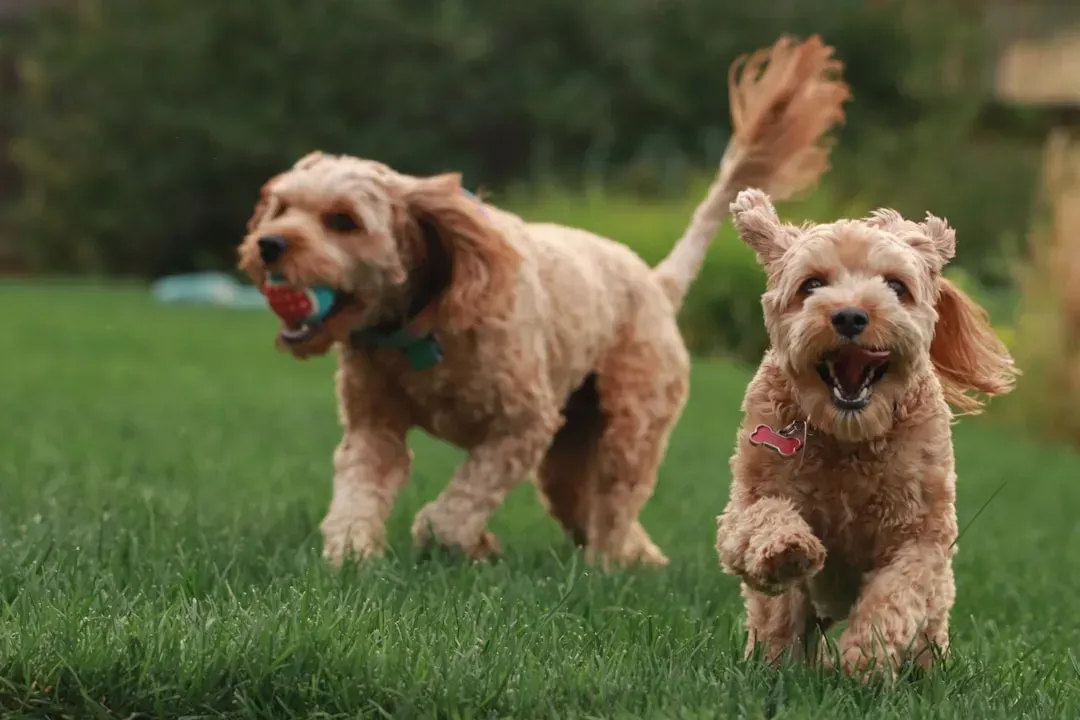
Here is the part many people underestimate: your response in that micro-moment actually feeds back into your dog’s future behavior. If you smile, laugh, or relax your shoulders, your dog is likely to read that as a green light to keep going or even dial the excitement up a notch. If you stiffen, frown, raise your voice sharply, or suddenly go still, your dog may pull back, slow down, or shift from playful to cautious.
Over time, these thousands of tiny feedback loops create patterns. A dog in a household where wild play is consistently met with calm approval may grow into a more confident, expressive player. A dog that often gets unclear, mixed, or tense signals during play might become more hesitant, stopping frequently to double-check your reaction. You might not even remember each small look, but your dog does, at least in the form of how safe or uncertain they feel about letting loose around you.
What These Check-Ins Reveal About Your Bond
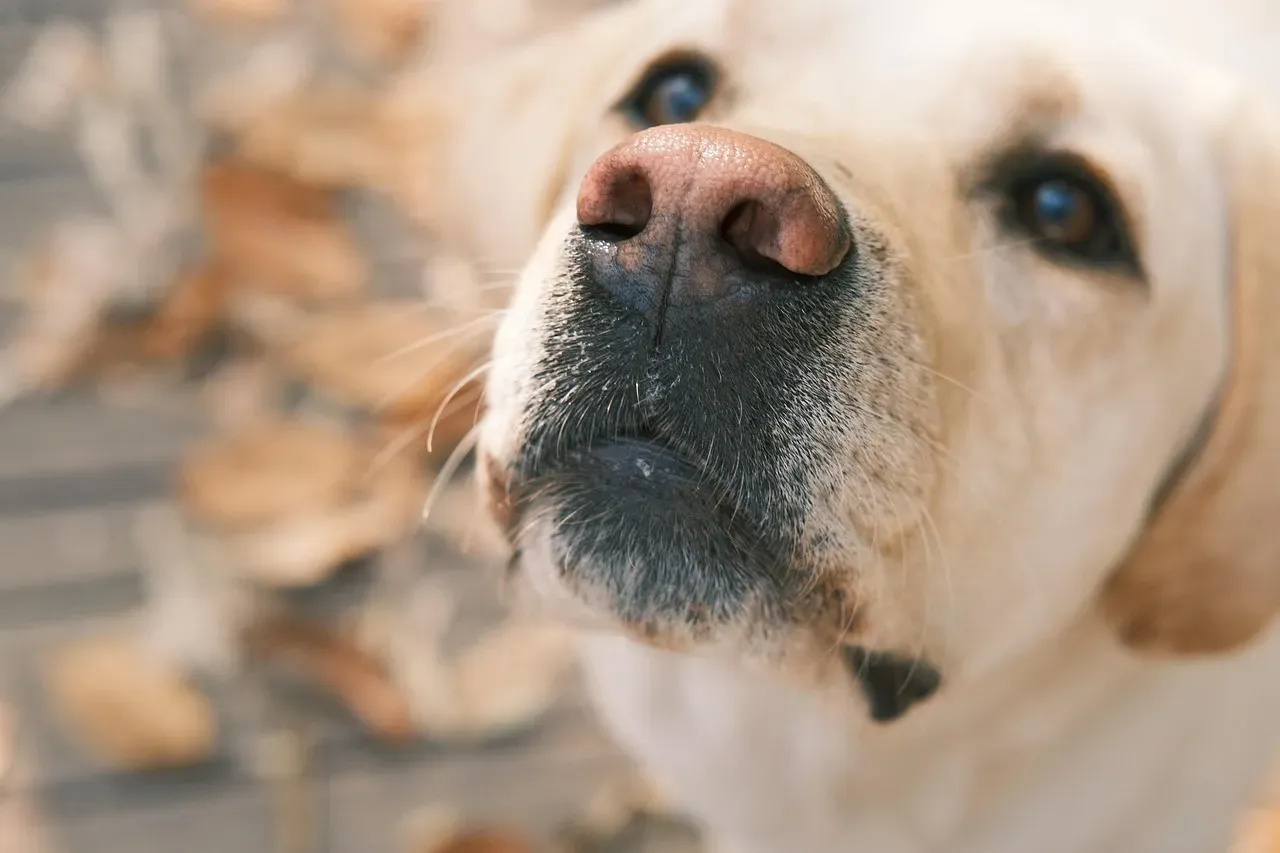
When a dog in full play mode interrupts themselves to look at you, they are effectively prioritizing relationship over impulse for that brief moment. That tells you something powerful about your bond. Your presence is not background noise; it is central to how they experience the world, even during their most joyful, self-driven activities. They could ignore you and just chase the ball, but they do not. They choose to include you in the loop.
If you pay attention, you will notice that some dogs only do these check-ins with their favorite person, the one they are most attached to, or the one whose reactions matter most. So when your dog cuts their own fun short for a second just to read your face, it is a kind of quiet compliment. They are telling you that you are emotionally important enough to factor into their decisions, even when their brain is screaming, “Play, play, play!”
How To Respond When Your Dog Looks Back At You
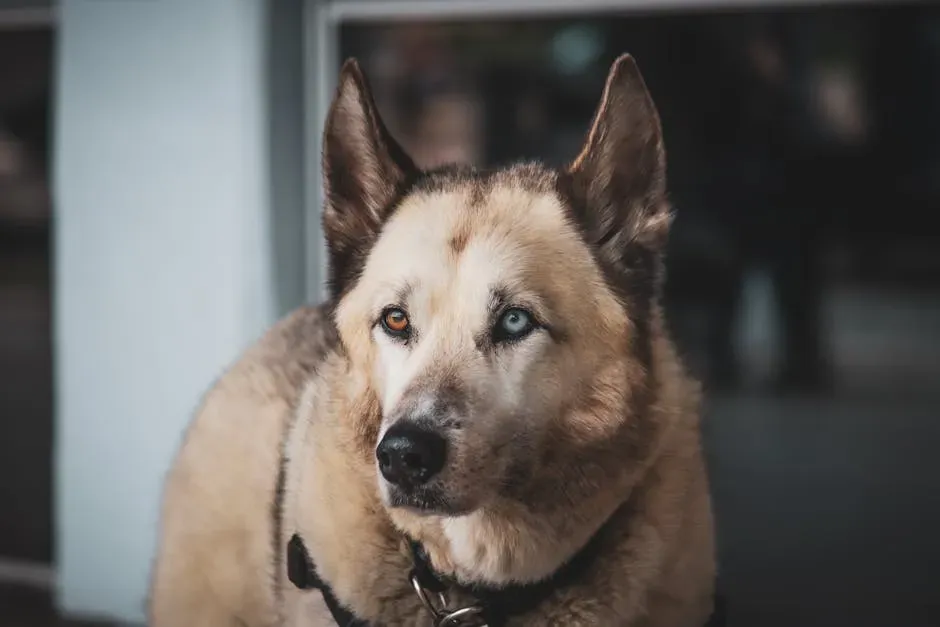
So what should you actually do in that moment when your dog looks up mid-play? The simplest approach is to be intentional. If everything is safe and you want to encourage their confidence, offer relaxed, upbeat body language: a soft smile, a warm voice, maybe a little nod or playful comment. That sends a clear signal that the game is still on and that you are comfortable with their level of excitement.
If, on the other hand, the play is getting too rough, too close to breakable objects, or seems to be tipping toward over-arousal, that check-in is your invitation to gently shape the moment. You can lower your energy, slow your movements, or calmly redirect them to a different game or a short break. When you treat that pause as a chance to communicate rather than something trivial, you help your dog become better at self-regulating with your guidance instead of just reacting blindly.
Why This Tiny Behavior Says So Much About Dogs And Us
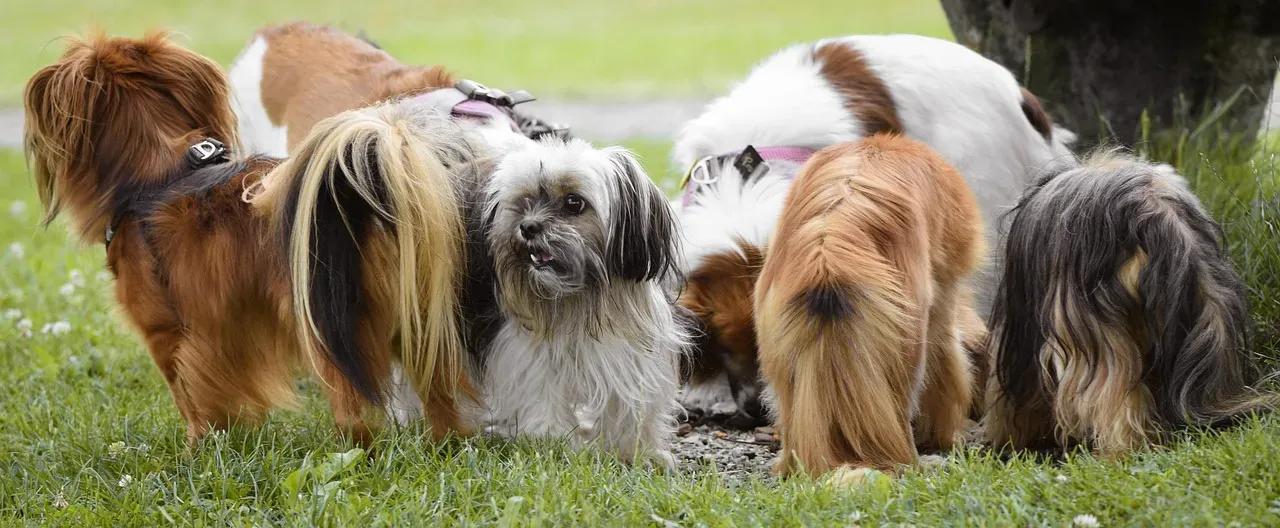
This small act of interrupting play to gather social information might seem like a minor quirk, but it fits into a much bigger story about dogs as a species. Dogs have evolved alongside humans for thousands of years, and behaviors like checking in during play reflect just how tightly their social systems are intertwined with ours. They are not just watching us; they are building their world around what we think, feel, and signal, even in passing glances.
In my opinion, that makes those moments almost sacred in a quiet way. They remind us that our dogs are not toys, not machines, and not mindless bundles of instinct. They are thoughtful, emotionally attuned partners who pause their own joy to make sure we are on the same page. The real question is not whether they are gathering social information; it is whether we are showing up as clearly and kindly as they assume we will.
Conclusion: The Look That Changes How You See Your Dog
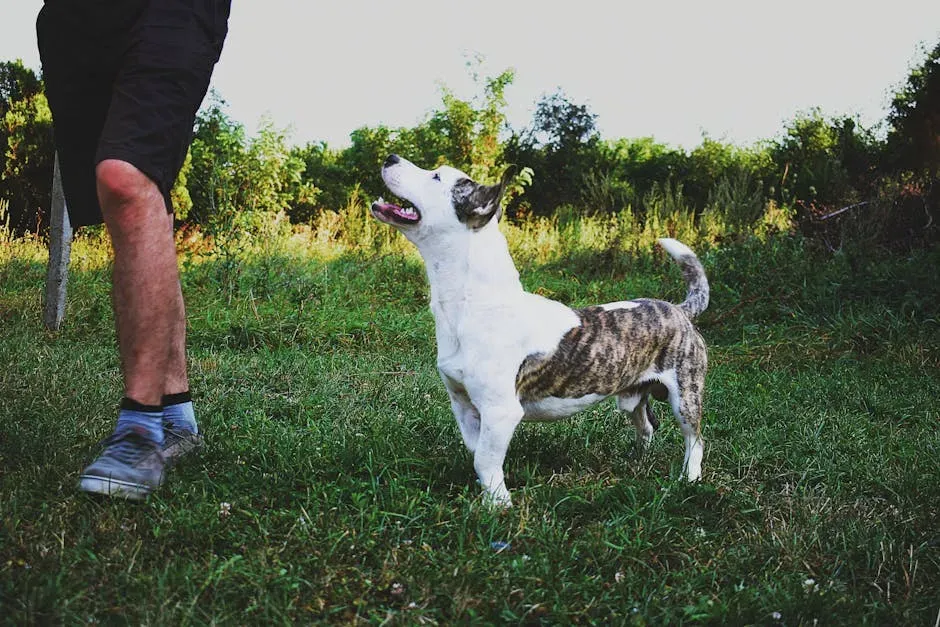
Once you understand that your dog’s mid-play glance is a deliberate act of checking in, it is hard to unsee it. That one or two seconds suddenly feels rich with meaning: trust, curiosity, caution, and a deep desire to stay connected with you even in the middle of fun. To me, that says more about the human–dog relationship than any big, dramatic gesture ever could. It is the everyday, quiet choices they make to involve us that reveal how central we are to their inner life.
I think we underestimate just how remarkable it is that another species pauses its own joy to read our faces before deciding what to do next. If anything, these tiny moments are a gentle nudge for us to pay closer attention and respond with the clarity and care our dogs already expect from us. The next time your dog stops mid-play to look at you, will you treat it as a throwaway second, or as a conversation they are inviting you into?


