
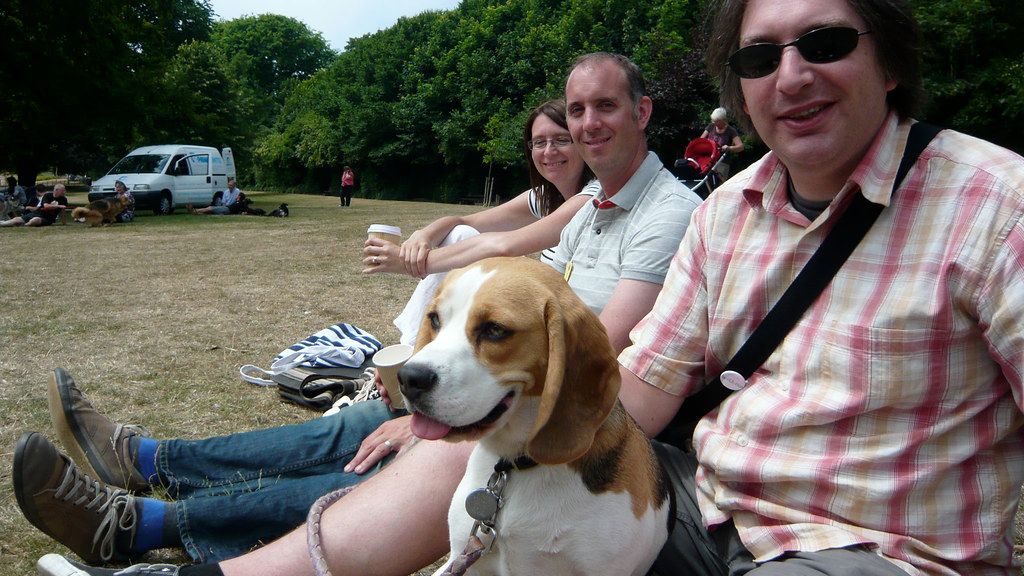
You sit down after a long day, and your dog – without prompting – launches into what can only be described as a full editorial opinion. Howls, grumbles, whines, and something halfway between a bark and a jazz solo. If you’ve shared your home with a truly vocal dog, you already know that conversation goes both ways.
Not every dog communicates the same way. Some breeds use a rich, layered vocabulary of sounds that owners quickly learn to decode, while others stay mostly quiet unless something truly important is happening. The eight breeds below are the talkers – the ones with real things to say and very little interest in staying silent about them.
1. Siberian Husky: The Conversationalist of the Canine World
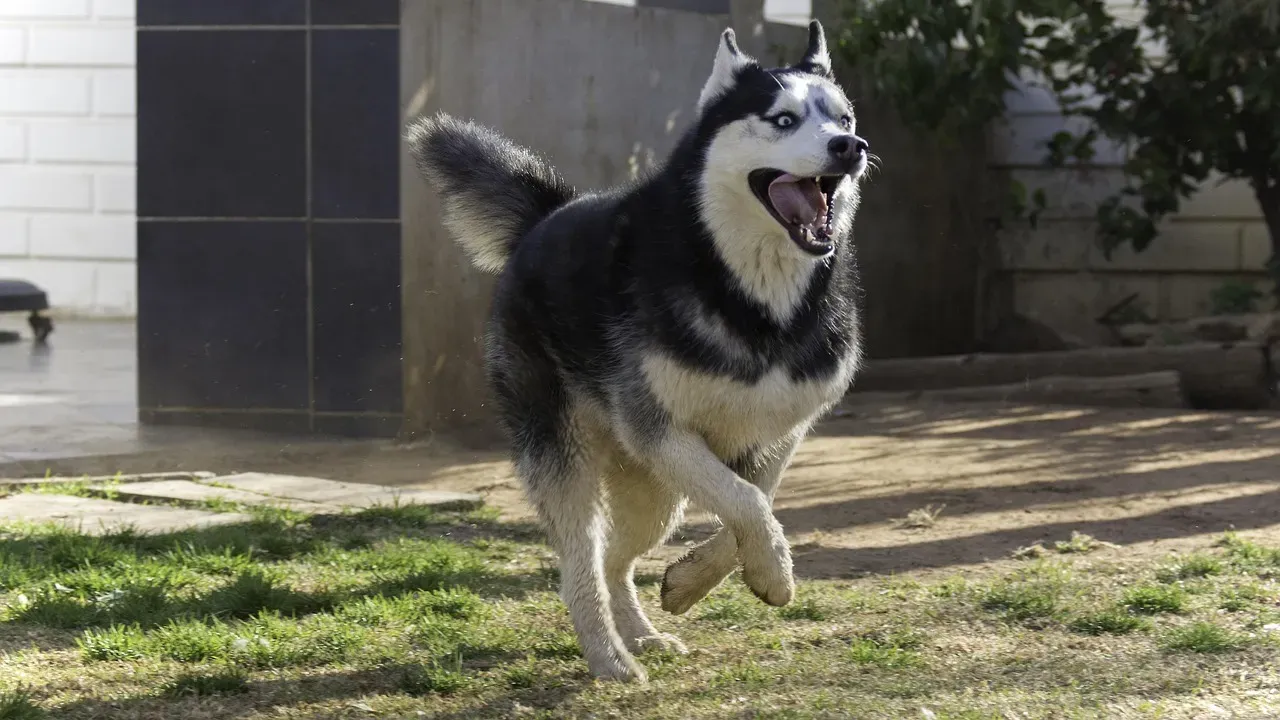
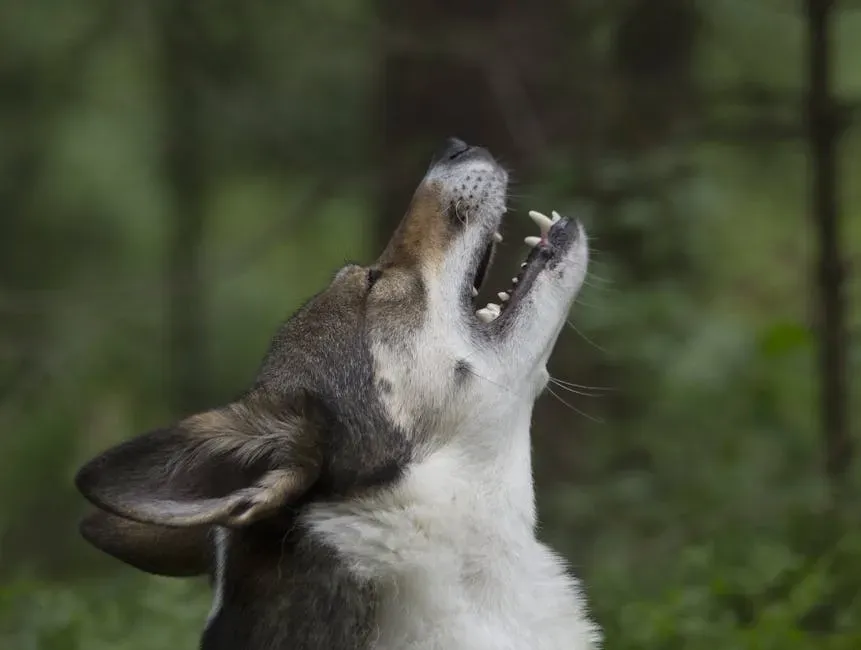
If any dog was designed for dialogue, it’s the Siberian Husky. Huskies are known for their very communicative vocalizations – whining, screaming, howling, yelping, and such a range of sounds that one could very well consider it “talking.” What sets them apart from most other breeds is that they don’t rely much on barking at all. Their preferred method of communication is through howling, whining, crying, talking, and even screaming.
The roots of this go deep. Huskies were bred as sled dogs, working in groups where communication was essential. In a sled team, barking is not useful, but howling and vocal sounds help dogs stay connected over long distances. This instinct carries over to modern pet Huskies, who still use their voices to “talk” with their owners and other dogs. The famous “woo-woo” sound many Huskies produce is perhaps their most endearing trait. Many Huskies make a unique “woo-woo” sound that sounds almost like human speech – this is the most famous Husky vocalization that makes them appear to be “talking.”
Sudden changes in vocalization patterns can indicate pain, discomfort, or underlying health problems. If your Husky’s vocal behavior dramatically changes, consult a veterinarian. For day-to-day management, you can reduce excessive howling by providing enough exercise and mental stimulation, rewarding quiet behavior instead of reacting to howls, and teaching a “quiet” command with positive reinforcement.
2. Beagle: The Nose Knows, and So Does the Whole Neighborhood
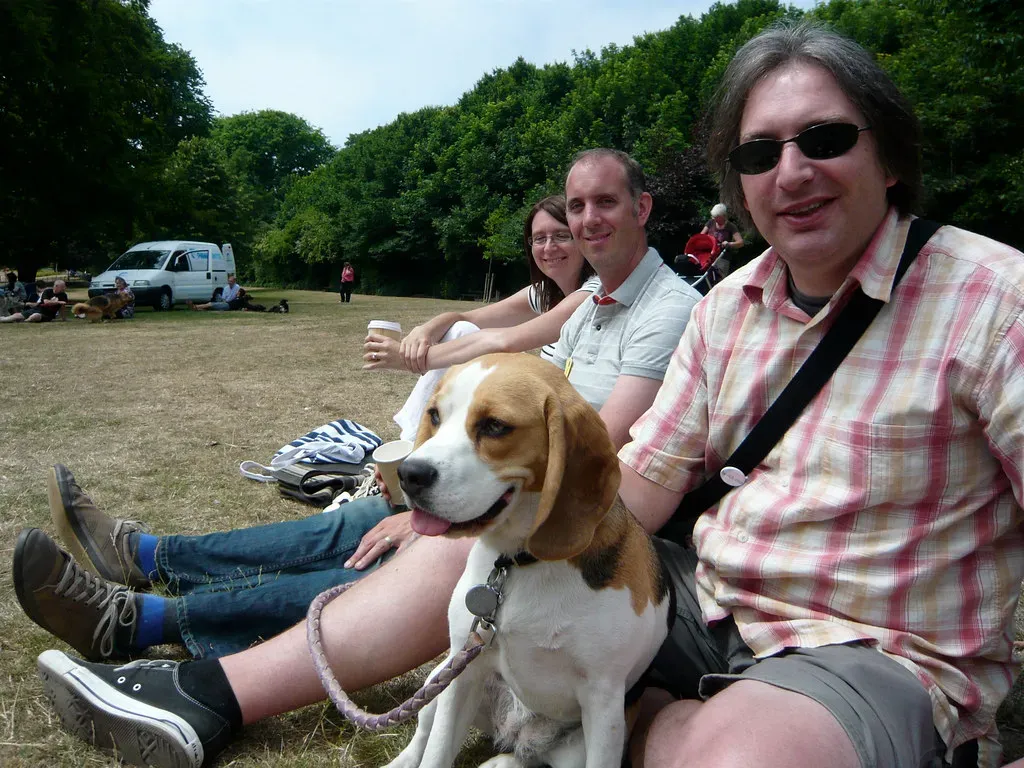
Beagles are hunting hounds who love to use their voice – barking, howling, and baying whenever they catch a scent. What makes them especially fascinating among vocal breeds is their three-part vocal range. Beagles are so talented at vocalizing, they do so in a few different ways. There’s the standard bark for everyday things like alerting when there’s someone at the door. Then there’s baying, which sounds a lot like doggy yodeling. This throaty yowl is used on the hunt to alert when they’ve picked up an interesting scent. Finally, there’s the forlorn howl. Beagles will howl if they are sad or bored – or if others are howling first.
Baying is a cross between a bark and a howl that sounds like a long and loud “aroo.” Beagles use baying to alert their owners or other dogs of their location or their prey. Baying is often triggered by scents or sounds that catch their interest. Their vocal nature is deeply tied to their pack heritage. Bred to work in packs, Beagles suffer acutely from isolation distress. A Beagle left alone for extended hours will become destructive and vocal. They are velcro dogs that thrive on constant presence.
If your Beagle is ramping up the volume, check the basics first. Beagles can bark to convey a range of emotions, including excitement, fear or anxiety, loneliness or boredom, and stress. Beagles need at least an hour of exercise per day to burn off their energy and keep them healthy. A tired beagle is less likely to bark than a restless one.
3. German Shepherd: The Deep-Voiced Protector Who Always Has an Opinion
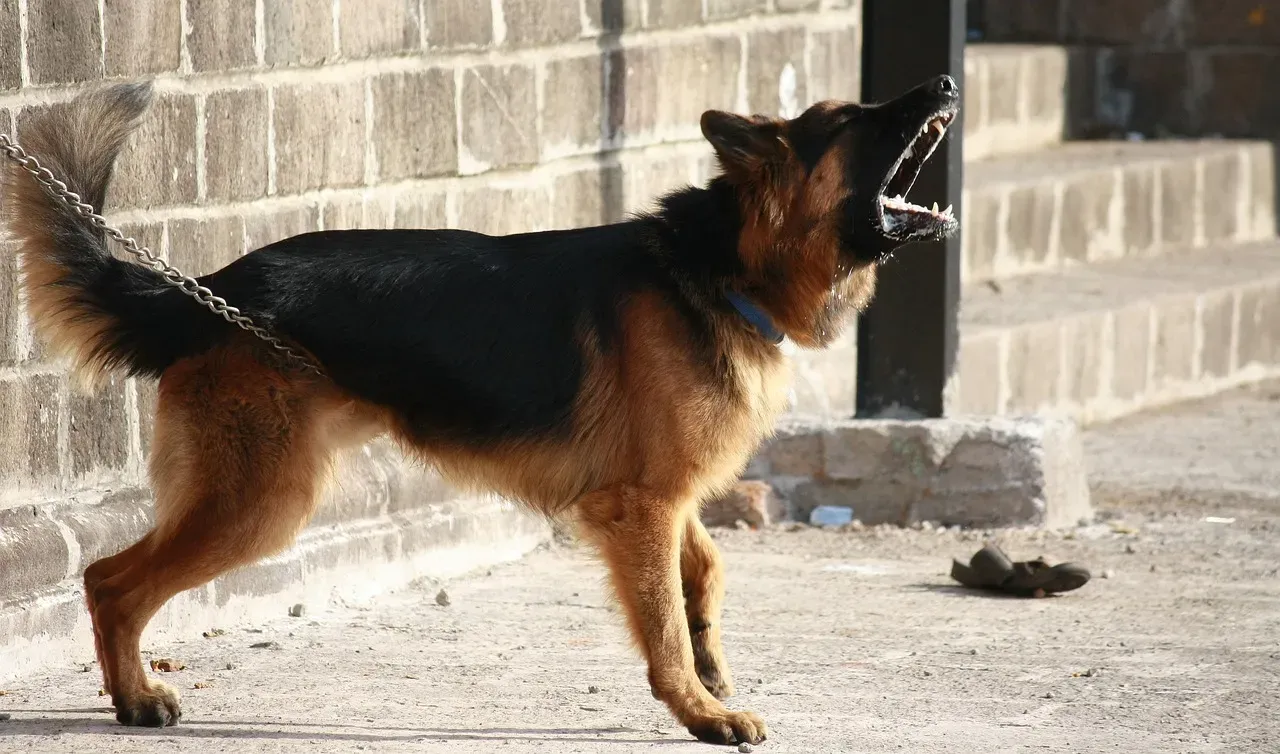
German Shepherds are known for their intelligence, loyalty, and vocal abilities. As a breed that has traditionally been used for guarding and police work, their barking is often deep and authoritative. They’re not just alert barkers, though. Bred to guard and herd livestock, German Shepherds are extremely talkative. They communicate by barking, whimpering, grumbling, or whining. Living with a GSD means you’ll hear a full emotional spectrum across the day.
German Shepherds can be quite expressive and may use their voice to communicate discomfort, suspicion, or affection. This versatility is what makes them so effective in working roles. German Shepherds can be trained to be quiet, and this is evidenced by their use in police work and rescue missions. It also means that when your GSD seems to have something urgent to tell you, it usually pays to listen.
One important thing to understand: German Shepherds may use their voice to alert their owners to unfamiliar or potentially dangerous situations. If excessive barking becomes a problem, avoid rewarding bark-for-attention behavior by giving them what they want. Instead, ignore your dog while they’re barking and then reward them with attention when they have quieted down. This will reinforce that barking won’t get them what they want, but being quiet will.
4. Shiba Inu: The Drama Queen With a Vocal Range That Defies Belief
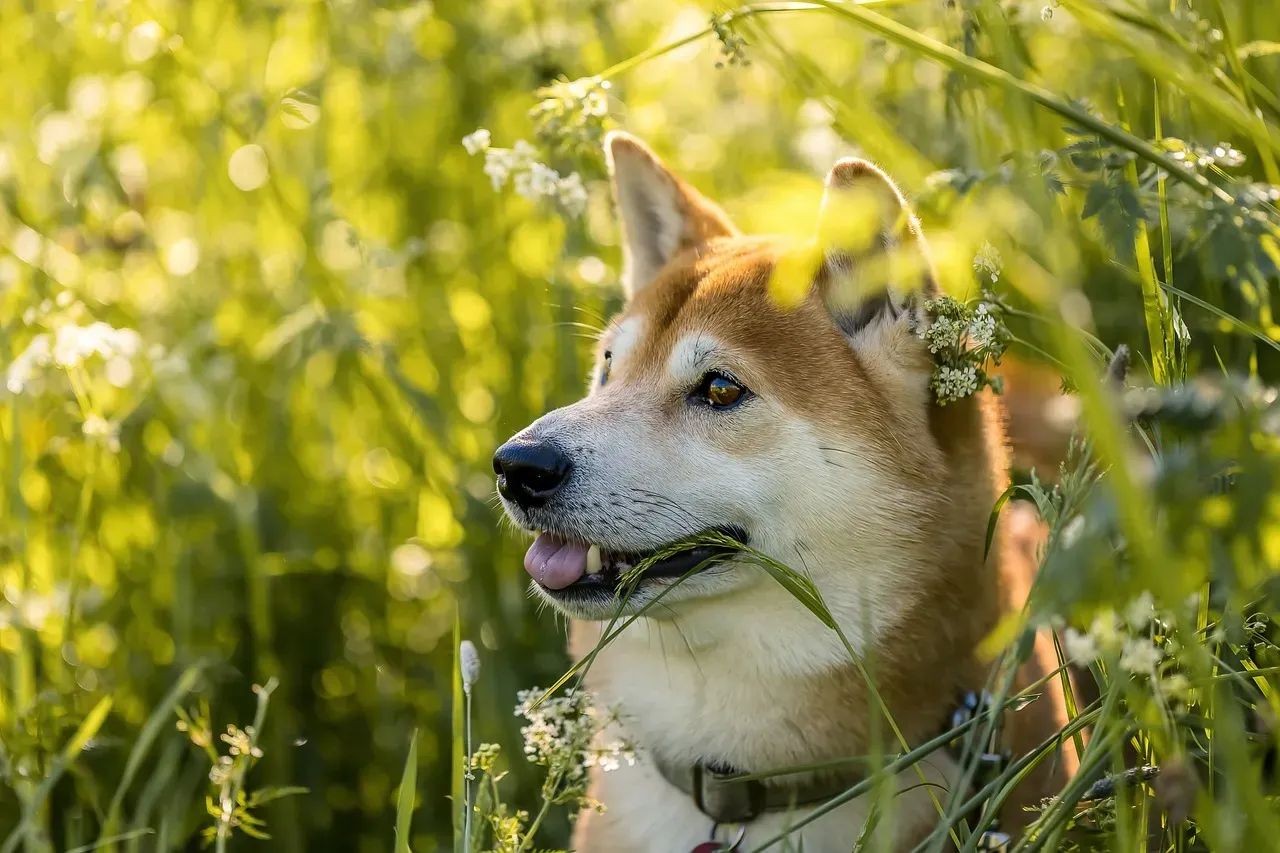
Beyond traditional barking, Shiba Inus are famous for their unique vocalization known as the “Shiba scream.” This distinctive sound can range from high-pitched yodeling to dramatic vocalizations, typically occurring during moments of extreme excitement, displeasure, or when they’re trying to express strong emotions. It’s genuinely unlike anything else you’ll hear from a dog. Not quite a bark and not quite a howl, the “Shiba Scream” is a high-pitched, often dramatic vocalization that Shiba Inus usually emit when they’re feeling excited, stressed, scared, or frustrated.
The scream can be either a loud, vehement protest – sometimes during nail trimming and bathing – or a squeal of glee when their family returns home. Shibas are also known to “huff and puff,” using grunts and snorts to get their owners’ attention. Away from the drama, their barking is typically situational and purposeful, rather than constant or attention-seeking. These intelligent dogs are known for being selective about when they vocalize, usually reserving their barks for specific circumstances.
Pay close attention to context. Sustained, frantic screaming with avoidance likely signals fear or distress or pain, while brief excited screams with wagging and play-bows indicate enthusiasm. Rule out medical causes first: sudden or unusual screaming accompanied by limping, reluctance to move, or changes in appetite warrants veterinary evaluation. Early socialization also makes a meaningful difference. Shiba Inu puppies should be extensively socialized starting from a young age. Puppies that are correctly socialized and exposed to various handling procedures rarely have any problems with handling as adults.
5. Bearded Collie: The Herding Bark That Never Really Clocked Off
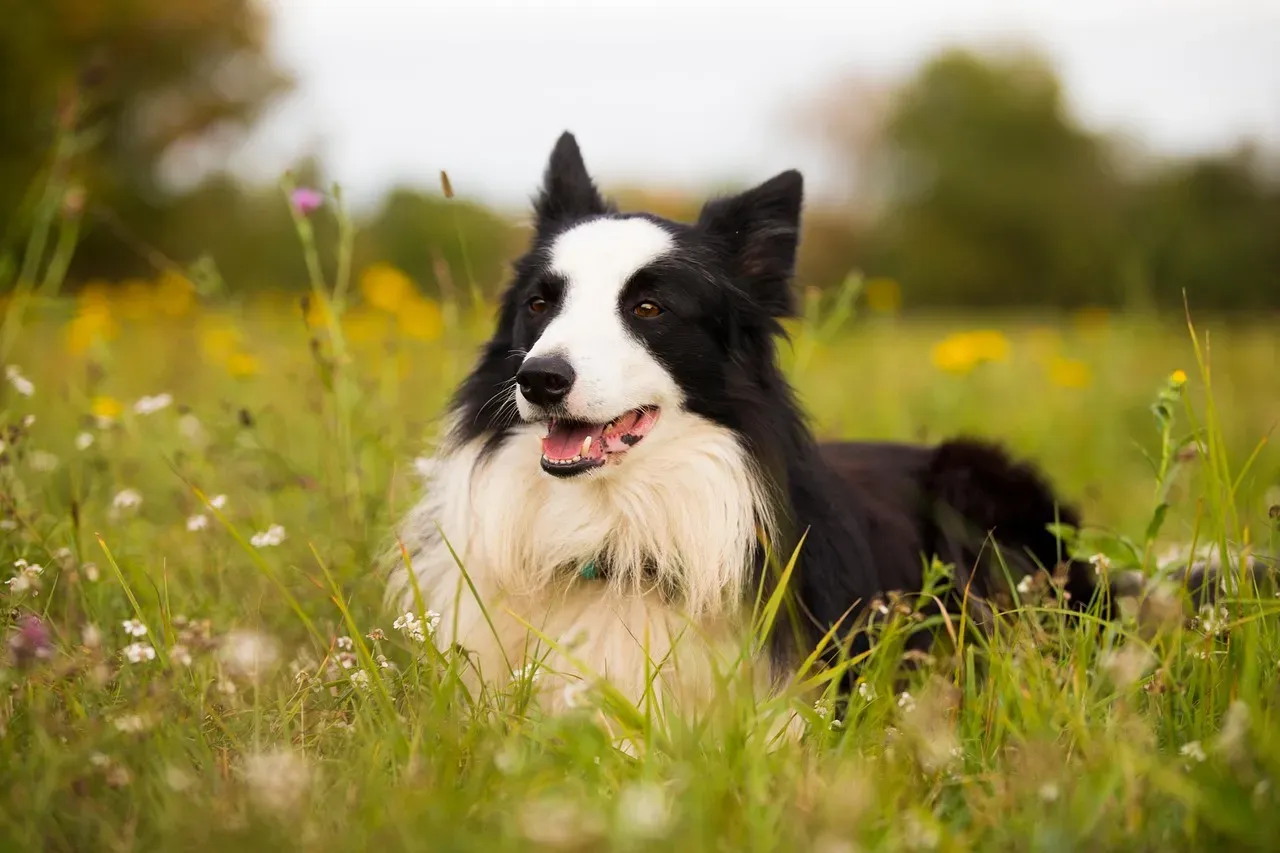
Bearded Collies are herding dogs and, like Border Collies, they use barking to communicate with their owners and herd their livestock. They’re incredibly vocal when they’re left alone or when they feel the need to alert their family to something. What strikes most owners is how purposeful the noise feels. These dogs aren’t barking randomly – they seem to genuinely believe they’re conveying important information. Bearded Collies bark frequently, and their barking can often become persistent if they feel they’re not getting enough attention.
The Beardie’s vocal instincts track directly from their working dog roots. Their voice was a tool, not a habit, and that distinction still shows. Personality traits include being playful, friendly, energetic, and independent, with health considerations including a tendency toward hip dysplasia, eye problems, and allergies. Keeping them mentally engaged is as essential as physical exercise – a bored Beardie finds many ways to make themselves heard.
For families considering a Bearded Collie, the vocal nature is simply part of the package. It’s worth embracing it thoughtfully rather than fighting it outright. Channel their communication instinct through structured training, regular herding games if possible, or dog sports that satisfy their natural desire to work alongside you. When their energy has an outlet, the barking becomes conversation rather than complaint.
6. Miniature Schnauzer: Small Dog, Big Opinions, Constant Commentary
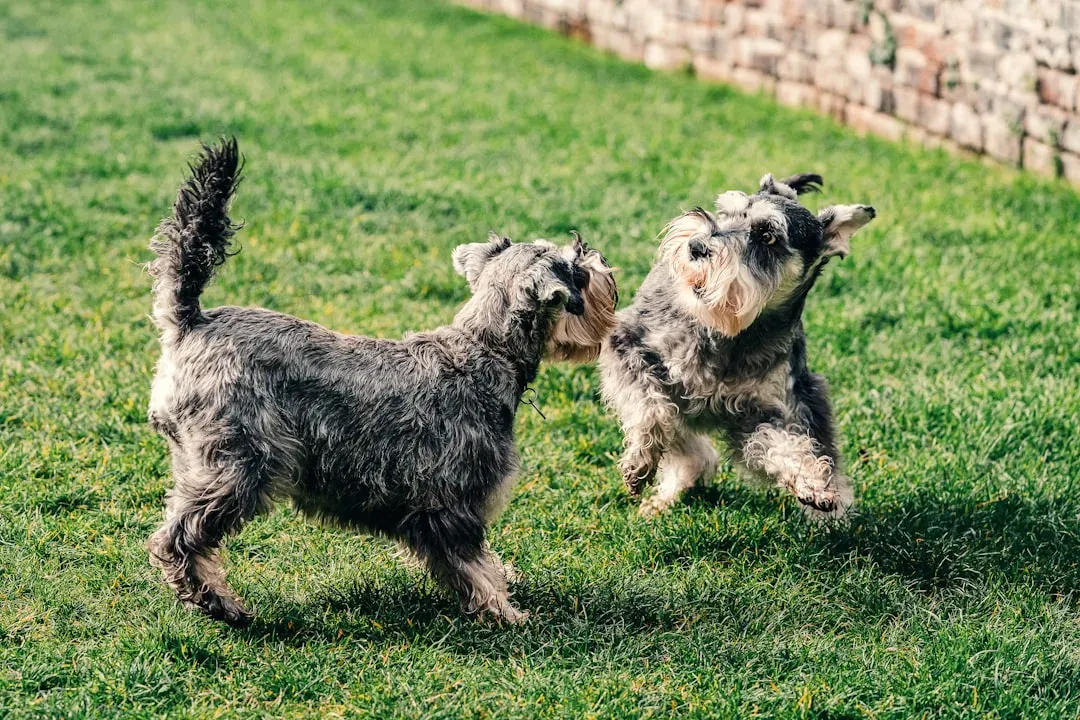
Miniature Schnauzers were originally bred to work on farms. Their job was to alert owners of intruders, so they naturally use their voices a lot. This trait is still seen today, as these dogs often let you know about anything unusual around the house. The breed communicates in a rich variety of tones. You might notice your Miniature Schnauzer using barks, growls, and even yodel-like sounds to get your attention.
These dogs are playful and full of energy. They enjoy being involved in daily activities and love joining in with family chatter. Because of their alert nature, you might find that your Miniature Schnauzer always wants to be part of what’s going on. They’re rarely content to observe from a distance. Miniature Schnauzers are not only talkative with people but can also be quite vocal around other animals.
Managing their vocal tendencies requires consistency more than force. Their talkative habits can become excessive barking if they do not get enough attention or activity. Give your Miniature Schnauzer regular playtime and training to help manage their energy and voice. Think of their communication as a direct reflection of how stimulated – or unstimulated – they feel at any given moment. Meet that need and the noise finds its natural level.
7. Australian Shepherd: The Working Dog That Needs to Narrate Everything
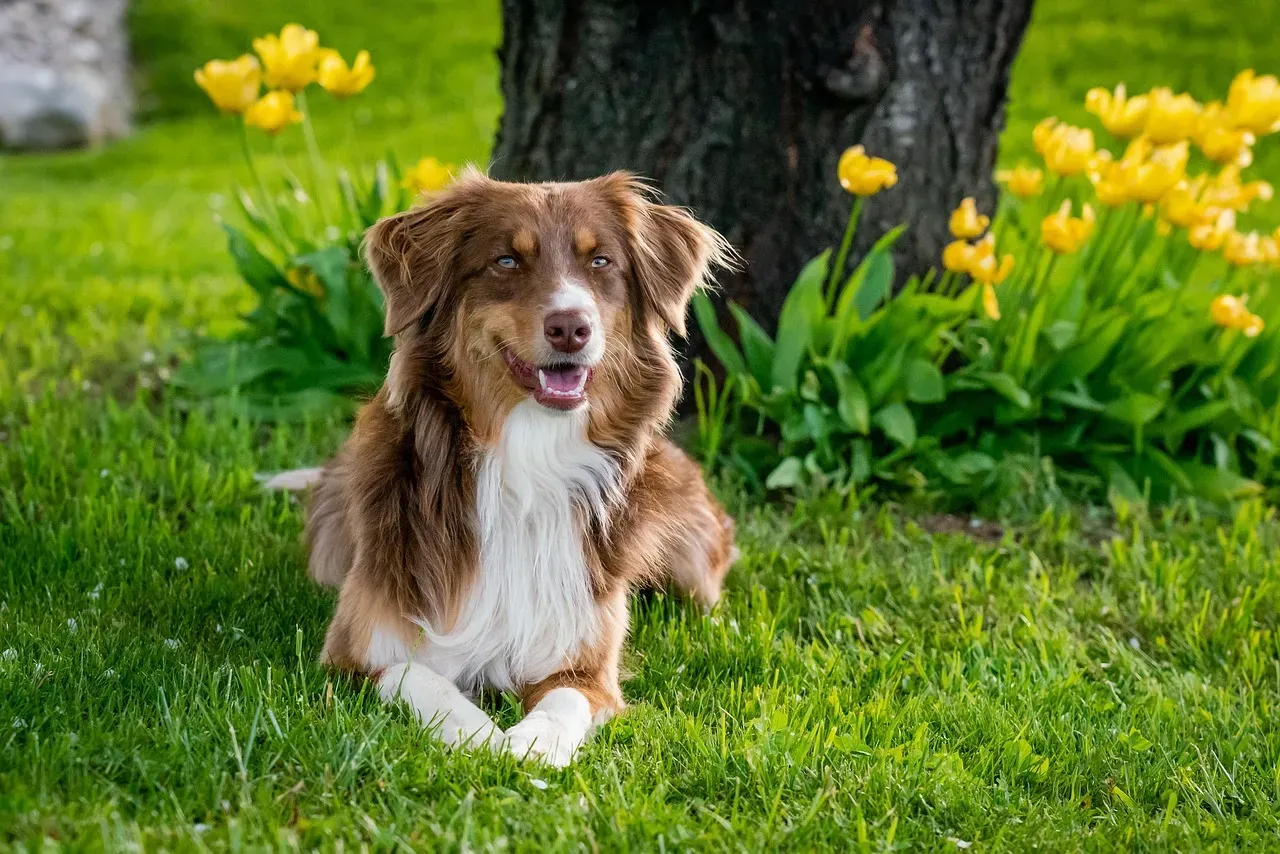
Australian Shepherds are as chatty as they are intelligent. These hardworking dogs love to communicate with their owners, whether it’s through barks, whines, or a series of playful yips. Aussies often use their voice to express excitement and frustration or join the household chatter. Their vocalization is inseparable from their drive to participate in whatever the family is doing. Their talkative nature reflects their desire to stay involved in family life, making them excellent companions for active homes where their vocal personalities can shine.
Australian Shepherds are not only intelligent and active but also vocal. They use their barking to communicate, especially when herding animals or playing. Their vocalizations can also include howling and whining, which they might use to express a range of emotions or desires. Unlike some vocal breeds that sound the alarm for seemingly no reason, Aussies tend to have something specific on their mind when they speak up.
Without sufficient exercise, enrichment, and attention, these dogs will bark, growl, whine, yelp, or howl to communicate how they’re feeling. They may also resort to destructive behaviors or excessive vocalizations if left alone for too long. Daily mental challenges – agility, herding sports, puzzle games – are the single best way to keep an Australian Shepherd’s communication healthy and intentional rather than anxious and endless.
8. Pomeranian: Big Personality Packed Into Very Small, Very Loud Packaging
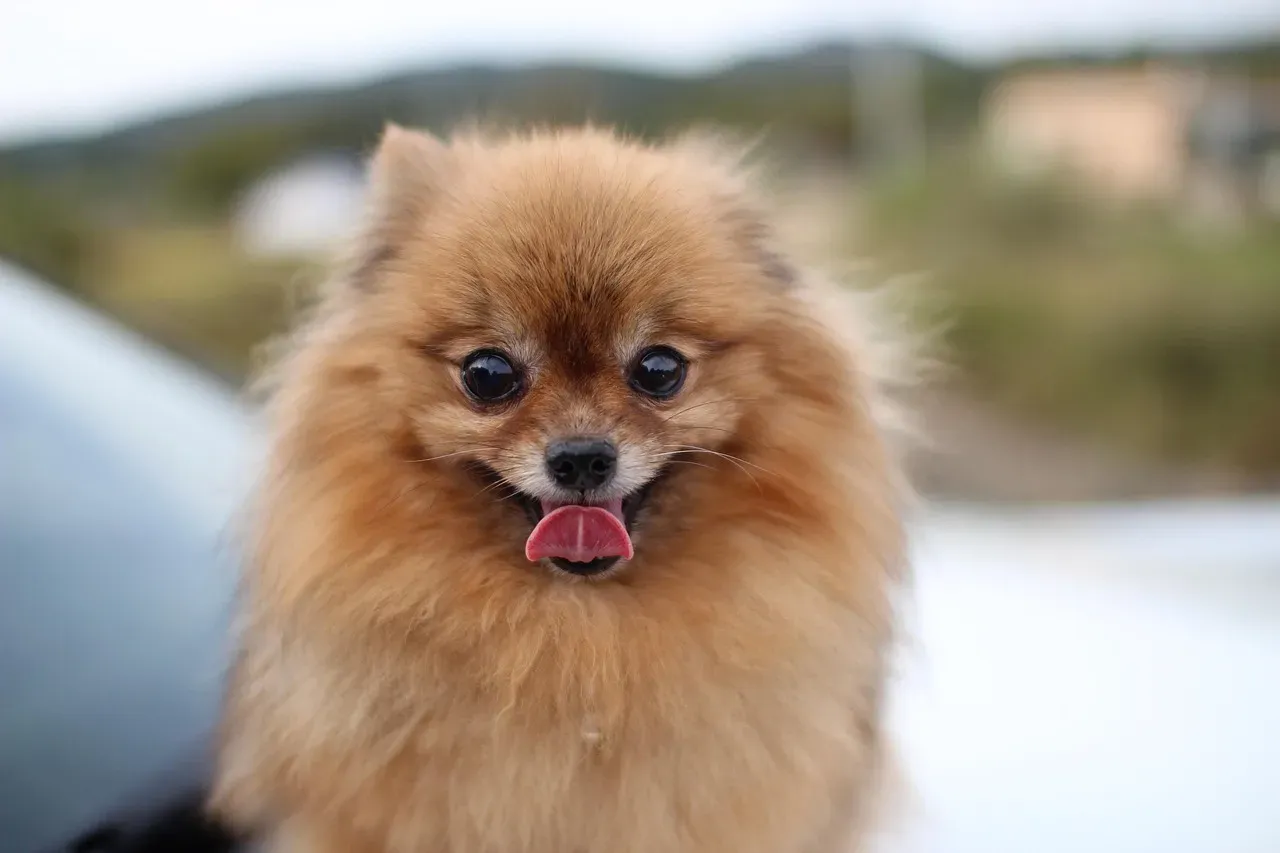
Energetic, affectionate, sassy, and vocal, the Pomeranian is the epitome of a small dog with a big personality. These little pooches were bred as companion dogs, wanting nothing more than to be with their people and the center of attention. As a result, they may bark, whine, and yip – loudly – to get attention or alert you of a perceived threat, even if it’s just a strong gust of wind.
Pomeranians, with their fluffy coats and animated personalities, use their voices frequently, whether it’s to alert their owners to visitors or simply to demand attention. Their high-pitched bark can be persistent, which is why consistent training is essential to manage their vocal tendencies. What’s interesting about Pomeranians is that their noise is almost always communicative rather than random. Pomeranians are playful, curious, and full of energy. Their chatty behavior is part of their personality. These dogs communicate not just with barking but also soft grumbles or whines.
If you live in an apartment or close quarters, be aware that Pomeranians can be very talkative. They may not suit families who need a very quiet home. Early training, calm responses to demand barking, and plenty of social engagement go a long way. Pomeranians thrive when their need for connection is met – and they’ll absolutely tell you, in considerable detail, when it isn’t.
What to Do When Your Vocal Dog Speaks Up
Across all these breeds, a few principles hold true. Any change in the way or frequency of a dog’s vocalization could be a sign of a problem. Understanding what’s normal for your specific dog is the first and most important step. Most owners learn how to differentiate between the various sounds that their dogs make and what they are trying to communicate. That fluency takes time, but it builds a genuinely richer relationship.
Having a dog that vocalizes about everything can become frustrating. It’s important as a dog owner to be prepared to train your dog to use their vocalizations properly. Excessively noisy dogs can become a problem with neighbors, and it can also become very easy to ignore their vocalizations when they’re actually trying to warn you of a problem. The goal isn’t silence – it’s meaning. A dog that knows their voice matters is a happier, more settled dog.
If your normally vocal dog suddenly goes quiet, that deserves attention too. Changes in either direction – dramatic increases or unexpected silence – can signal stress, pain, or illness. When in doubt, your veterinarian is always the right first call. Providing training, exercise, and mental stimulation is key to keeping their voices happy and constructive.
Conclusion: Learning to Listen Back

Living with a vocal dog is, in many ways, an ongoing lesson in paying attention. These breeds don’t just make noise – they’re reaching out, trying to bridge the communication gap between species in the only way available to them. Every howl, bay, grumble, and scream carries something worth understanding.
The more fluently you learn to read your dog’s vocal cues, the more responsive and connected your relationship becomes. It’s a two-way conversation – and your dog started it a long time ago. The only question is how well you’re listening.


