
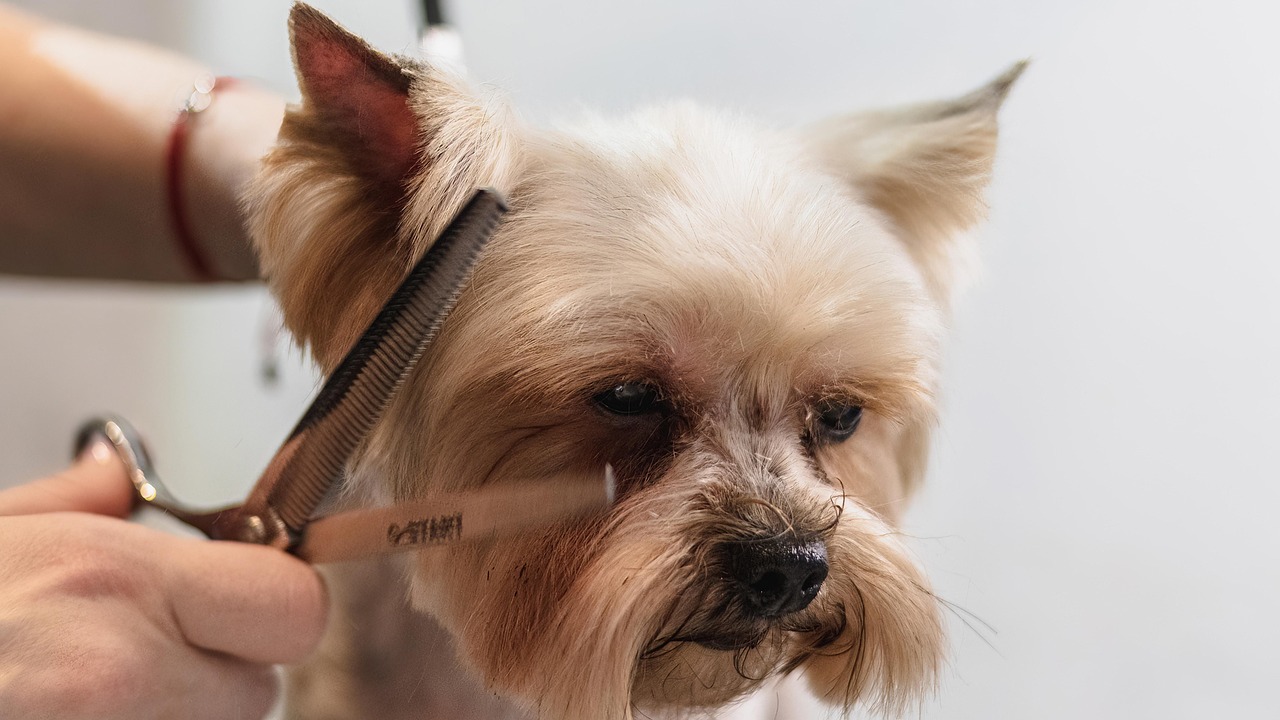
Most dog owners are doing their best. They buy the shampoo, they set aside the time, and they genuinely love their dogs. So it can feel confusing, even a little deflating, when your pup still ends up with irritated skin, matted fur, or a serious case of bath-time dread. Here’s the honest truth: grooming is about more than cleanliness. Done right, it’s one of the most meaningful ways you show your dog that they’re safe and cared for.
The good news is that most grooming mistakes aren’t born from neglect. They come from not knowing what we don’t know. This guide is here to close that gap, covering the ten most common grooming mistakes dog owners make and, more importantly, exactly how to course-correct before things get uncomfortable for anyone involved.
1. Not Brushing Often Enough (Or Brushing Too Hard)
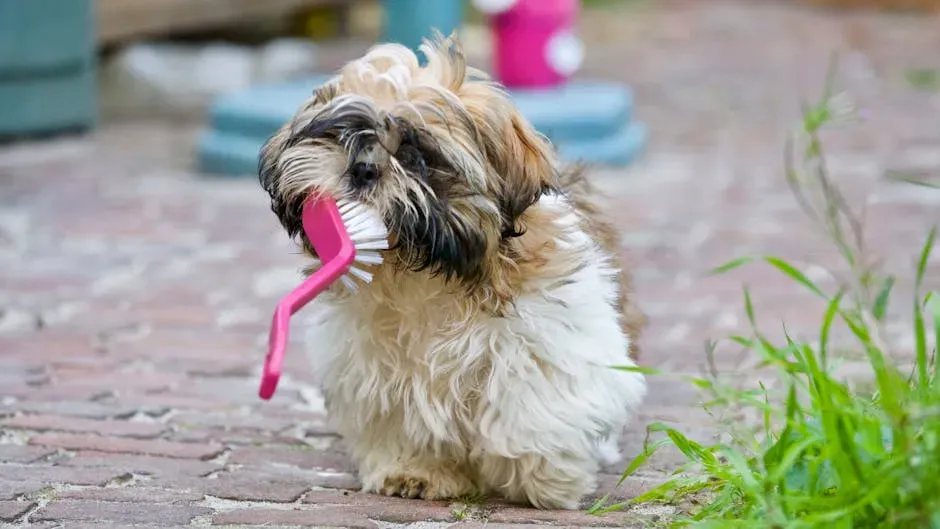
One of the most frequent grooming mistakes is simply not brushing your dog’s coat often enough. Regular brushing removes dirt, prevents tangles, and distributes natural oils throughout the coat, promoting healthier skin and fur. Skipping this step can lead to matting, especially in long-haired breeds, which can be painful and lead to skin issues.
Setting a regular and consistent brushing schedule that aligns with your dog’s coat needs makes a real difference. Long-haired breeds may require daily brushing, while short-haired breeds might only need it once a week. On the flip side, brushing too hard or too often can irritate your dog’s skin, so it’s important to be gentle and follow a schedule that suits your dog’s coat type. Think of brushing as a daily check-in, not a chore.
2. Over-Bathing Your Dog
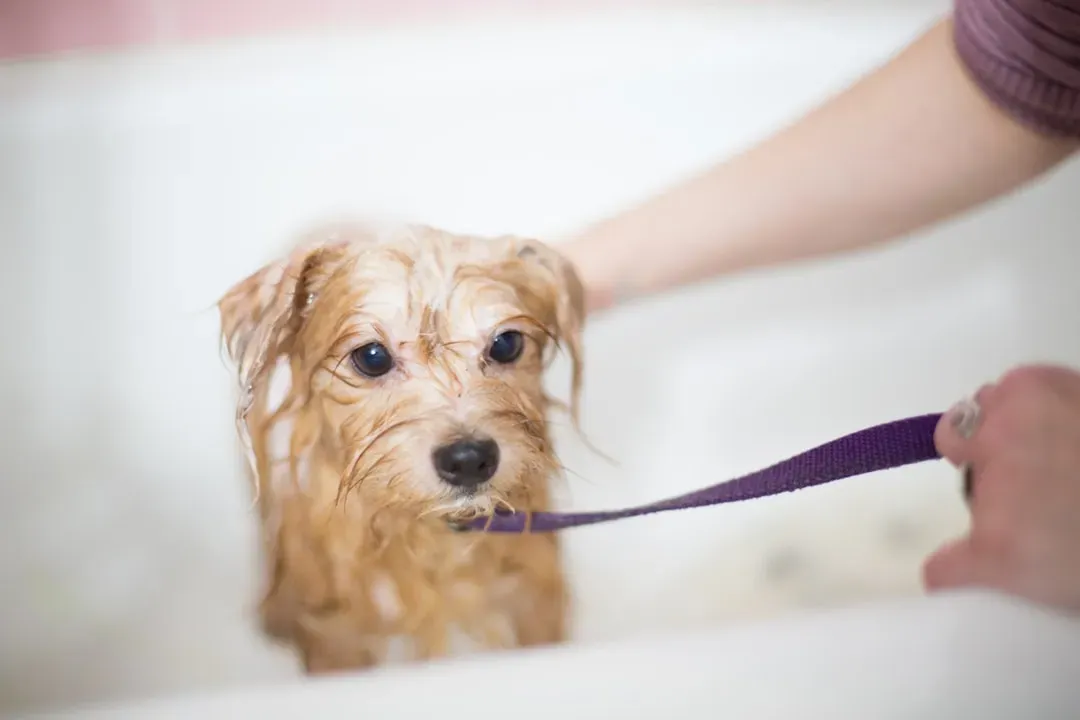
Over-bathing can strip essential oils from your dog’s coat, leading to dry skin and a dull appearance. Many pet owners mistakenly believe that frequent baths are necessary to keep their dogs smelling fresh, but this can do more harm than good. It’s one of those well-meaning habits that quietly backfires.
Over-bathing strips a dog’s coat of natural oils, leading to dry skin and a dull coat. Most dogs should be bathed based on their breed and activity level, which for most means every four to six weeks. Frequent bathing disrupts the skin’s delicate balance, stripping away those oils and leaving the skin dry and susceptible to irritation. This can also lead to an overproduction of oils as the skin attempts to compensate, which actually makes the problem worse.
3. Using the Wrong Grooming Tools
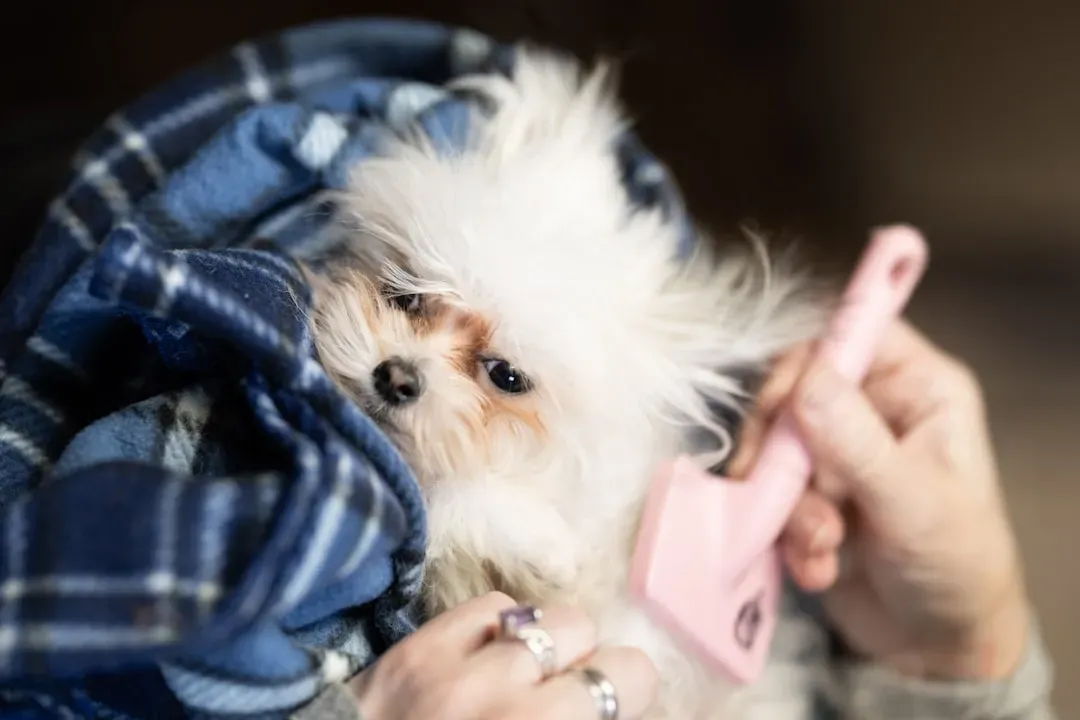
One of the most common mistakes dog owners make is using the wrong grooming tools. Different dog breeds have different coat types, and using the wrong brush or clippers can cause discomfort or even injury. For instance, using a fine-toothed comb on a dog with a thick, dense coat can lead to painful tangling and pulling. Always choose grooming tools that are suitable for your dog’s specific coat type and consult with a professional groomer if you’re unsure.
Using the wrong grooming tools can make your dog feel uncomfortable or hurt them, which will make them less amenable to grooming sessions in the future. Improper tools might also be incapable of getting the job done, causing you to waste time. A slicker brush works well for long or curly coats, while a bristle brush is better suited to short coats. Getting this right from the start changes everything about how your dog experiences grooming.
4. Skipping Nail Trims (Or Cutting the Nails Too Short)
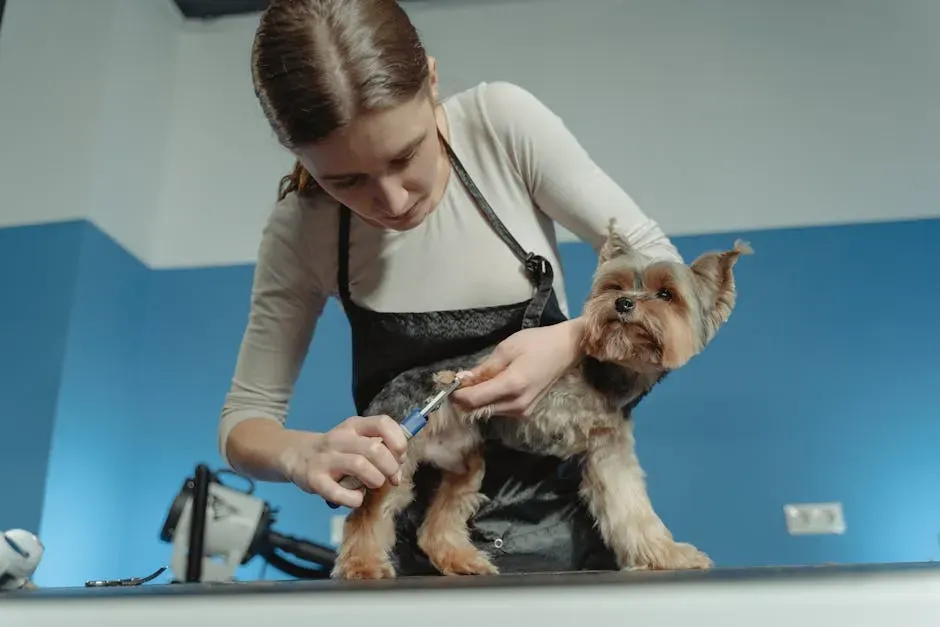
Long nails can have many negative impacts on your pup’s health and happiness, including causing pain when your dog walks, possible infection if they grow into the paw pad, and even arthritis in the feet if your dog suffers from chronic long nails. A good rule is to trim your dog’s nails once a month. Dogs who run or walk a lot on pavement may need their nails cut less frequently, while dogs who spend most of their time indoors or on grass may require trimming every couple of weeks.
Cutting nails too short can cause pain and bleeding. This mistake often happens when owners are unsure of where the quick, the blood vessel inside the nail, is located. To avoid this, trim small sections of the nail at a time and keep a styptic powder on hand to stop any bleeding if you accidentally cut the quick. When nails begin to tap loudly on the floor, they’re already too long. This can hurt your dog more than we realize. If you hear clicking, it’s time to trim.
5. Neglecting Ear Cleaning
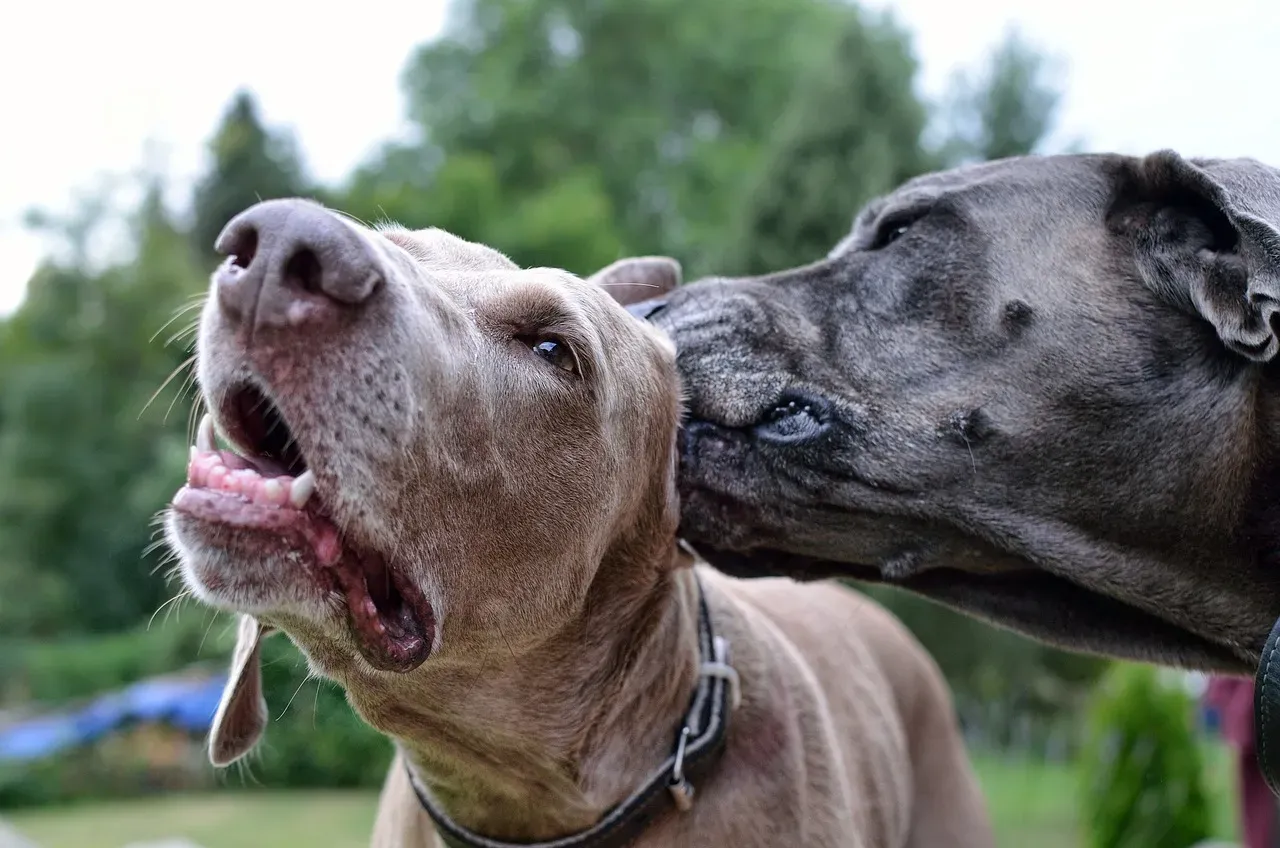
Ears are often overlooked during grooming, yet they are a critical area prone to infections, especially in dogs with floppy ears. Failing to clean your dog’s ears regularly can lead to wax build-up, bacteria, and yeast growth. A common grooming mistake is allowing water to enter your dog’s ears, even if you’re not intentionally washing them. The vertical shape of a dog’s ear canals can cause moisture to become trapped in their inner ears more easily than it does with humans. That water gives bacteria an ideal breeding ground, leading to a potential ear infection.
Failing to clean your dog’s ears regularly can lead to infections and other health problems. Use a vet-recommended ear cleaner and gently clean your dog’s ears once a week. Avoid using cotton swabs, because they can push debris further into the ear canal and cause damage. Watch for behavioral cues like head shaking, scratching at the ear, or a strong odor coming from the ear canal. These are your dog’s way of saying something isn’t right.
6. Ignoring Dental Hygiene
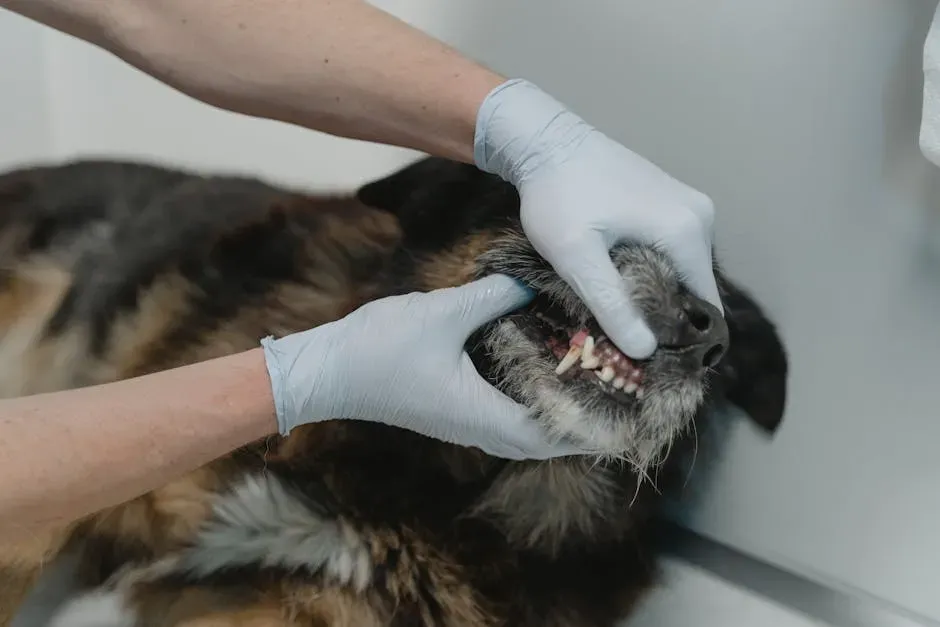
Periodontal disease is a serious issue that affects many dogs, and more than four out of five dogs over the age of three have some form of it. Advanced dental disease can cause pain and discomfort, making it difficult to eat properly, which can lead to malnutrition, tooth loss, and even systemic infections. Most owners don’t connect the dots between skipping teeth brushing and their dog’s overall health, but the link is very real.
We don’t often think of dental care as part of grooming, but neglecting your dog’s teeth can have serious consequences. Conditions like periodontal disease can make for a lot of discomfort. Ideally, you should brush your dog’s teeth several times a week using a dog-specific toothpaste and toothbrush. Starting this habit early in your dog’s life makes it easier to maintain as they grow older. For dogs that are less tolerant of brushing, dental chews and toys can help reduce plaque and tartar buildup.
7. Shaving Double-Coated Breeds
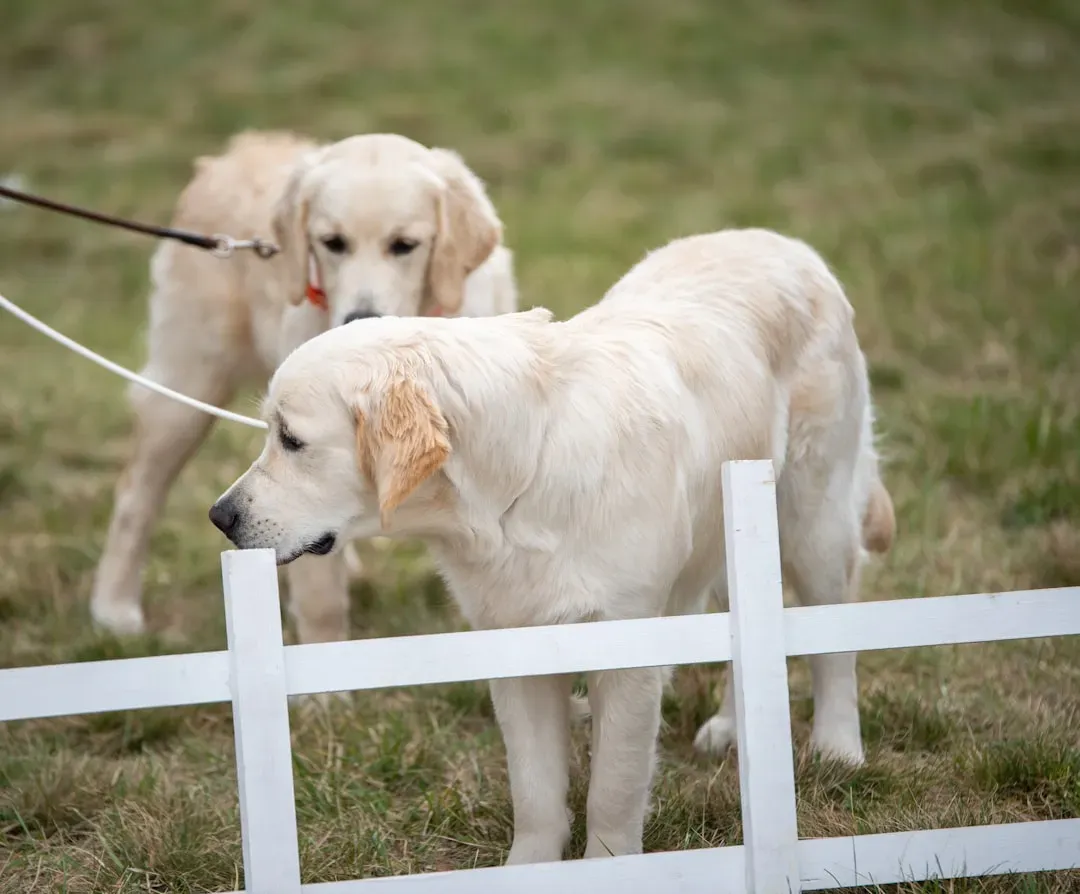
Shaving dogs with double coats, such as Huskies or Golden Retrievers, is a common mistake. These breeds have a topcoat and an undercoat that work together to regulate their body temperature. Shaving can disrupt this balance and lead to overheating or sunburn. Instead of shaving, focus on regular brushing to remove loose undercoats and keep your dog comfortable.
In reality, a thick coat helps a dog regulate body temperature in both hot and cold weather. When you shave their fur, you increase their risk of sunburn and other serious health conditions, like heat stroke. Shaving can also result in poor hair regrowth, a less shiny coat, and patchiness. Instead, remove any excess undercoat by brushing regularly. Your dog’s coat is genuinely working for them, even when it feels like a lot to manage.
8. Using Human Shampoo on Your Dog
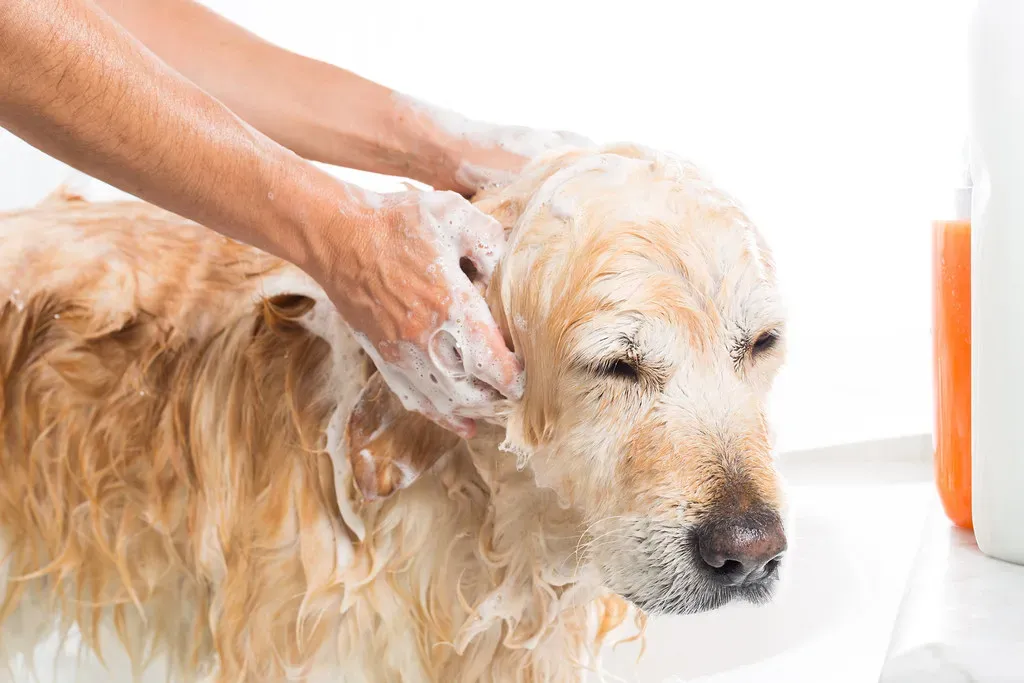
Some owners use human shampoo, or one filled with harsh chemicals, which can disrupt the acidity levels, leaving dogs vulnerable to parasites and bacteria, not to mention making the skin dry and flaky. When you bathe your pet, always use a high-quality shampoo formulated for dogs, as their skin has a different pH than humans, and human shampoo can irritate it. This is a small switch that makes a large difference.
Look for a natural shampoo that is pH balanced for pets, is soap free, contains no harsh ingredients like SLS or parabens, and is full of natural botanicals that will nourish your dog’s skin and coat. Be mindful that the water isn’t too hot or cold either. Not rinsing the shampoo off properly is also a common mistake, as is allowing shampoo and water to go into a dog’s eyes and ears. If you notice flaking or itching after a bath, the shampoo is one of the first things worth reconsidering.
9. Rushing Through the Grooming Session
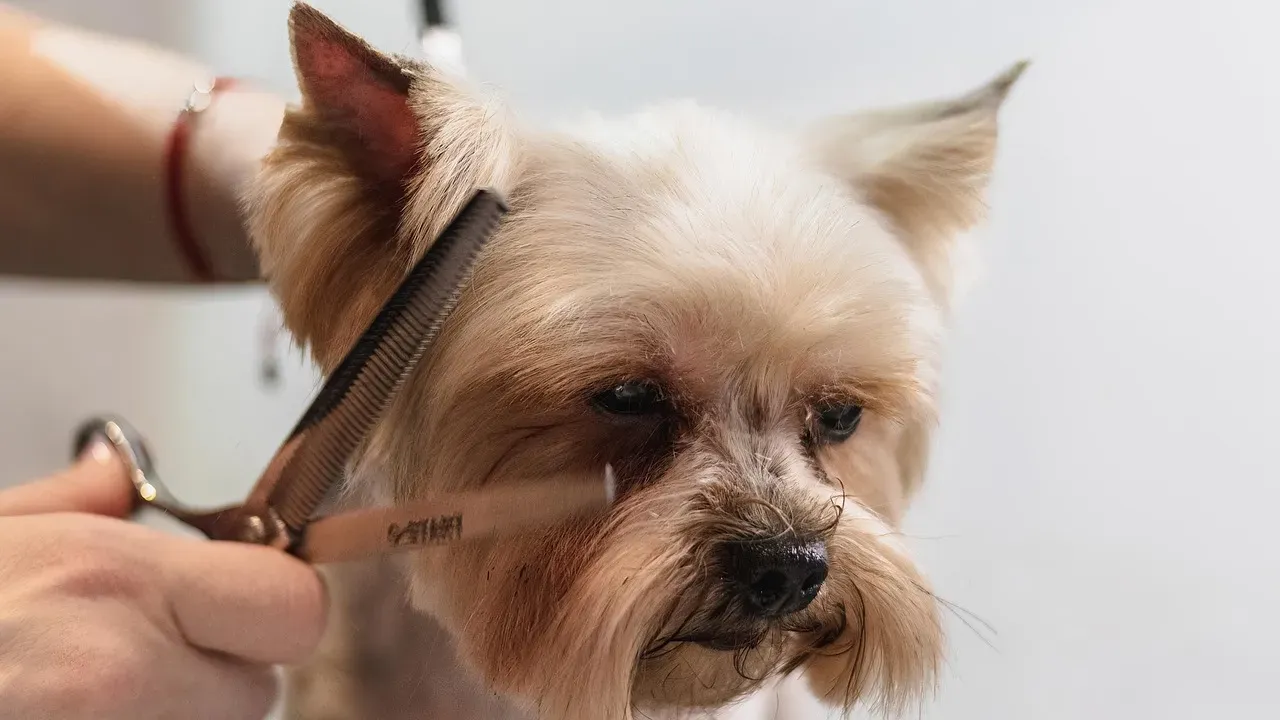
Grooming should be a calm and positive experience for your dog and for you. Rushing through the process can cause anxiety and make your dog resist future grooming sessions. Dogs are routine-based animals, and trying to groom them suddenly out of the blue can make it more difficult than necessary, often resulting in them becoming restless or causing trouble while you are trying to work.
It’s important to take your time and be patient. Grooming can be a stressful experience for some dogs, so it helps to go slow and provide plenty of reassurance as you work. Pay close attention to behavioral cues. If your dog is panting, yawning excessively, tucking their tail, or trying to escape, they’re telling you they’re overwhelmed. Slow down, offer a treat, and try shorter sessions until they build more confidence and trust with the process.
10. Skipping Professional Grooming Sessions
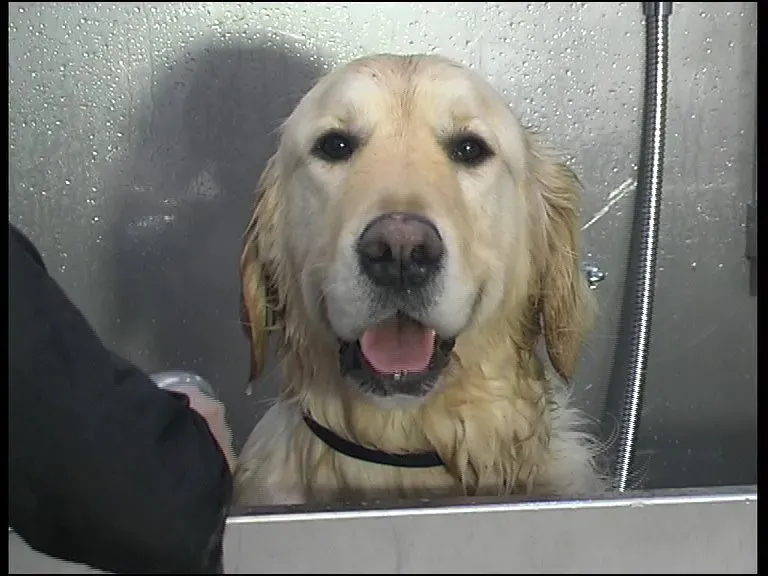
Many dog owners underestimate the value of professional grooming, viewing it as a luxury rather than a necessity. Professional grooming services offer much more than a simple wash and trim. They provide comprehensive care that addresses your dog’s overall health and well-being, from skin and coat condition to nail and ear health. Regular visits to a professional groomer can prevent many issues caused by common grooming mistakes.
While at-home grooming is necessary and beneficial, regular visits to a professional groomer can significantly enhance your dog’s overall health and well-being. Professional groomers are trained to handle dogs safely and can spot potential health issues early, such as skin conditions or ear infections. Groomers also have access to advanced tools and techniques that ensure a thorough grooming experience. Think of professional grooming not as outsourcing, but as adding another layer of care to what you’re already doing well at home.
Conclusion: Small Changes, Big Difference
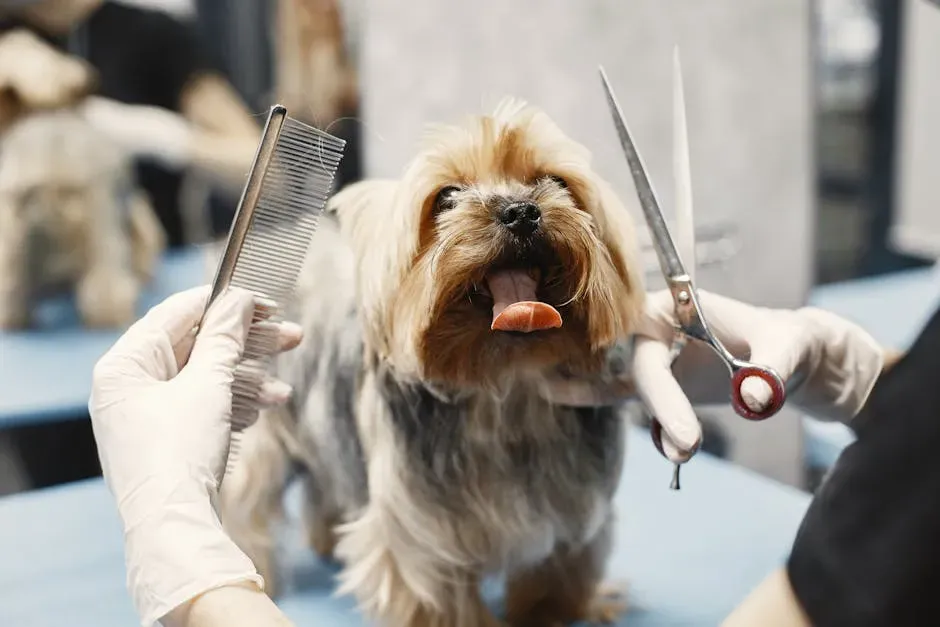
Grooming your dog doesn’t have to feel overwhelming, and none of the mistakes on this list make you a bad dog parent. They make you a normal one. Every experienced owner has bathed a dog too often, grabbed the wrong brush, or trimmed a nail a little too short at some point. What matters is what you do next.
The goal isn’t perfection. It’s consistency, attention, and a willingness to learn what your specific dog needs. A well-groomed dog isn’t just cleaner. They’re more comfortable, healthier, and often noticeably happier. Pay attention to your dog’s cues, build a routine that works for your household, and don’t hesitate to lean on a professional groomer or your vet when something feels uncertain.
At the end of the day, grooming is just one more language you and your dog share. Get it right, and they’ll let you know in the best possible way: a relaxed body, a calm demeanor, and maybe a full-body shake the moment you’re done.


