
Most people imagine the perfect family dog as a furry shadow who happily trails behind sticky fingers and noisy toddlers. The reality can be very different. Some dogs find the chaos, sudden movements, and inconsistent behavior of young kids deeply stressful rather than cute, and that stress can show up as avoidance, anxiety, or even aggression if everyone misses the warning signs.
This does not mean these breeds are “bad” or “dangerous.” It simply means they often have traits that make them a tougher fit for homes with very young children, especially first-time dog owners. With the right set‑up, training, and boundaries, many can still live safely and happily around kids – but they are rarely the easygoing, instantly kid‑obsessed dogs people picture. Let’s look at eight breeds that commonly struggle to bond closely with young children, and why that gap happens in the first place.
1. Chihuahua
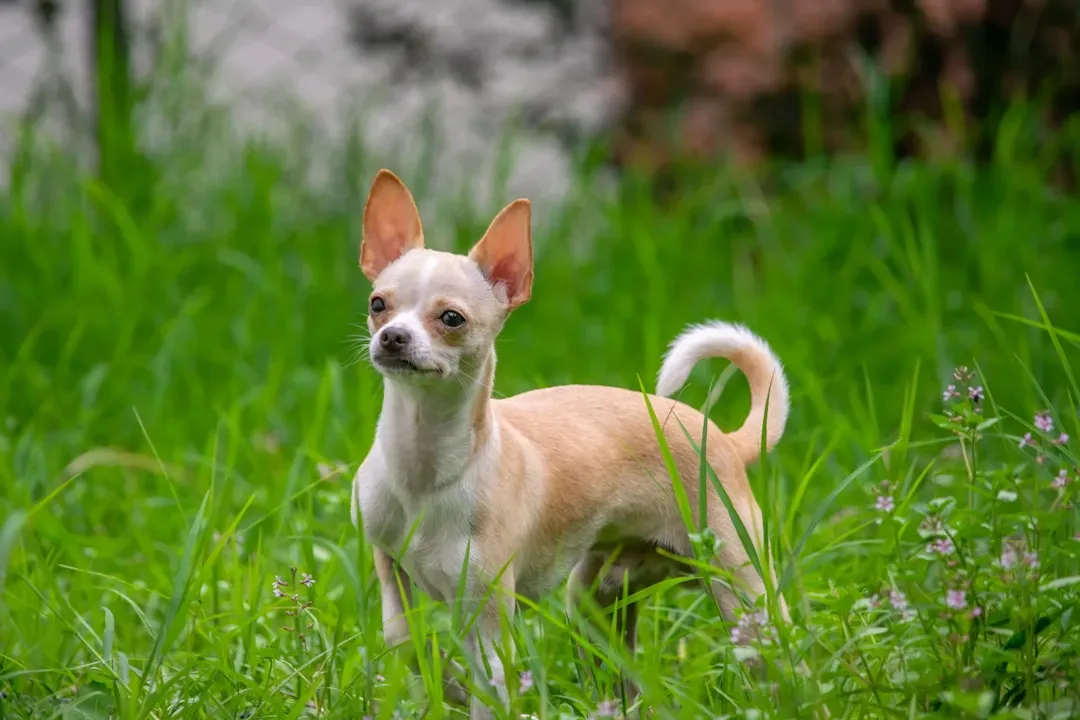
It can be shocking to people that a dog who weighs less than a bag of groceries often has one of the lowest tolerances for rough handling. Chihuahuas are tiny, fragile, and keenly aware of how easily they can be hurt, so they tend to react quickly when they feel threatened – snapping or growling long before a big dog would bother. To a toddler who grabs, hugs too hard, or trips and falls, a Chihuahua is not a toy; it is a small animal suddenly fighting for its safety.
Many Chihuahuas also form an intense bond with one adult and see everyone else as background characters or potential intruders. Young kids, with their unpredictable energy and shrill voices, can be especially unsettling. Instead of bonding, the dog may spend most of its time hiding under furniture, trembling on a lap, or warning kids to stay away. In the right home – quiet, structured, and respectful of personal space – Chihuahuas can be wonderful companions, but they are rarely a natural match for households with small children racing around.
2. Chow Chow
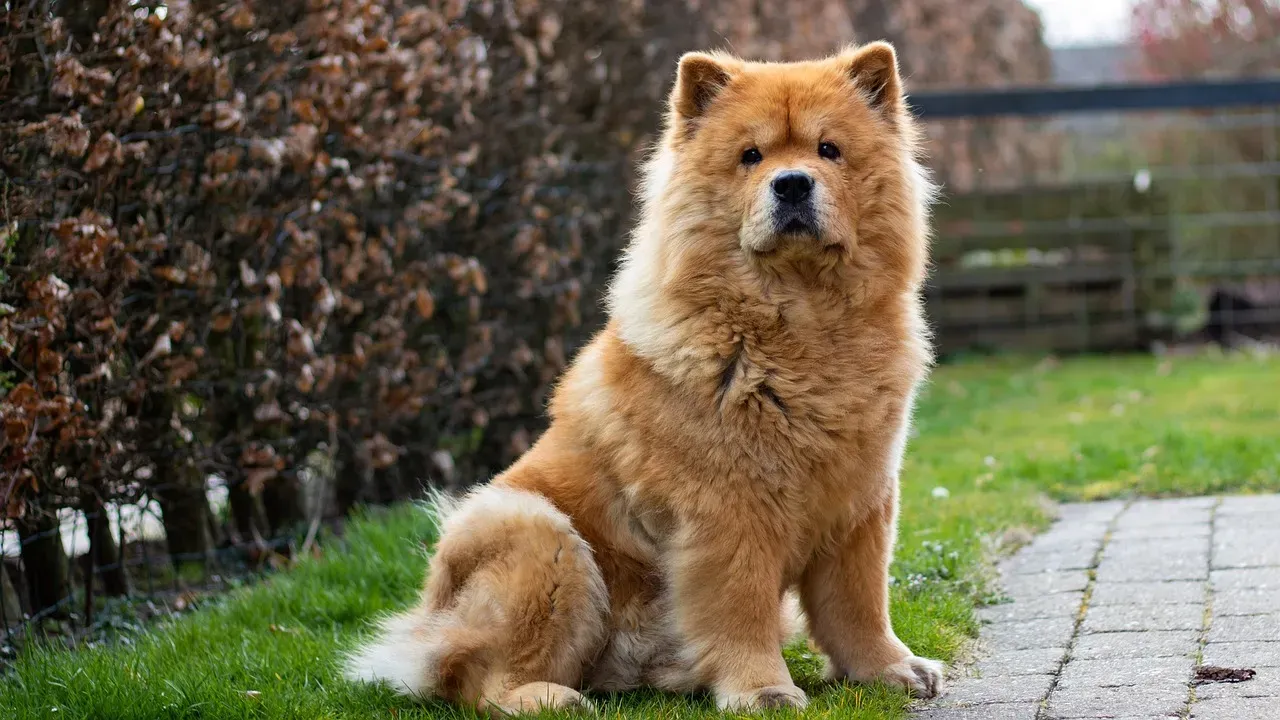
Chow Chows look like giant, living teddy bears, and that visual is exactly what gets families into trouble. Under all that fluff is a breed with a long history as a guard and watchdog – independent, reserved, and often indifferent to people outside their inner circle. Many Chows are deeply loyal to one or two adults and simply do not see young kids as “theirs” in the same way, especially when those kids are loud, grabby, or constantly changing the rules.
Because they were bred to be alert, many Chows are suspicious of fast, unpredictable behavior, and small children are pretty much a walking definition of that. Instead of bonding through play, they may respond by retreating, staring stiffly, or placing themselves between “their” person and the kids. This can be misread as protective love for children when it’s actually resource guarding of the adult. A Chow in a home with kids needs very careful supervision, dog‑savvy adults, clear rules about touch and space, and a realistic expectation: this dog may coexist politely with children but never be the snuggly, kid‑centric family mascot.
3. Akita
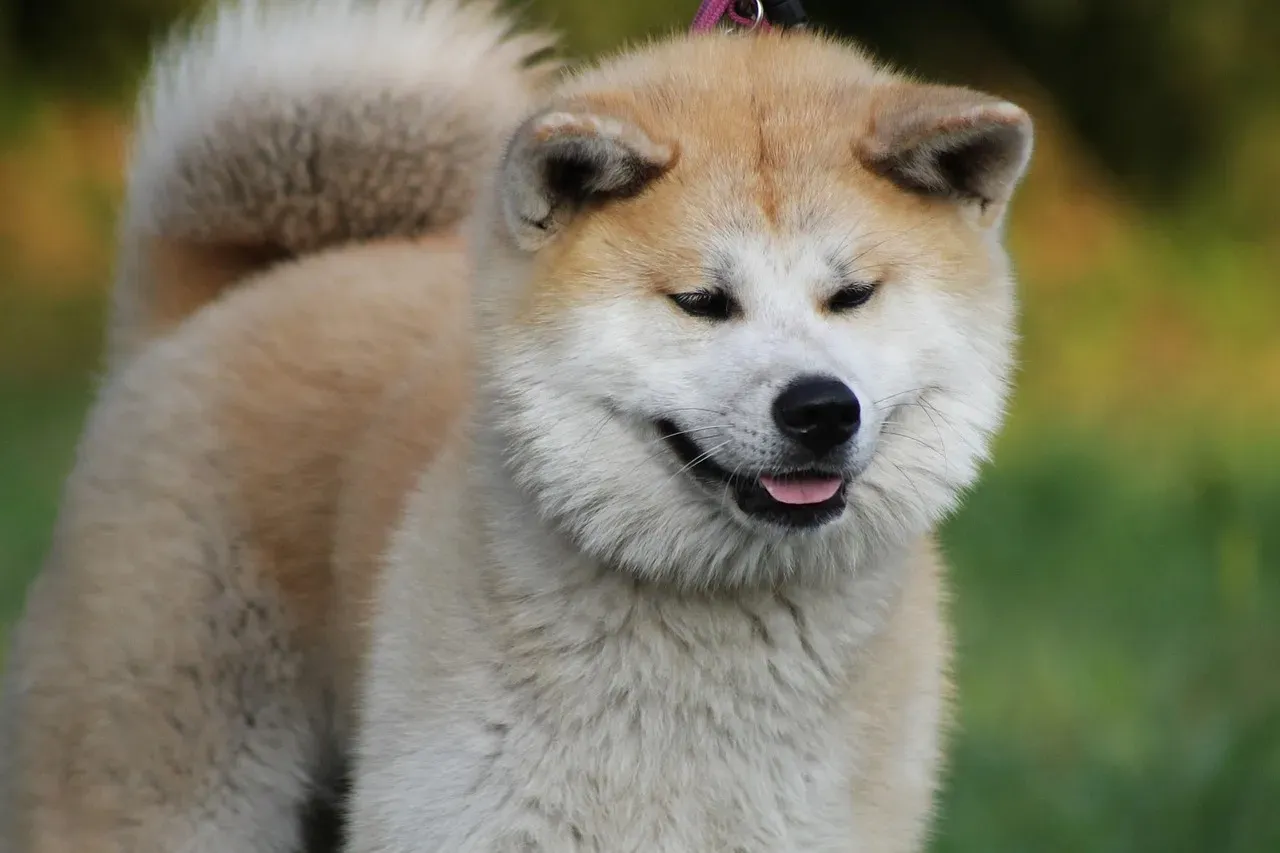
Akitas are impressive, dignified, and often intensely loyal – but they are not naturally geared toward chaos or compromise. Traditionally bred in Japan as guard and hunting dogs, many Akitas bring a serious, sometimes aloof temperament into modern homes. They typically bond strongly with the adults who provide structure and leadership, and can be much less patient with young children who do the opposite of that: break routines, ignore rules, and test boundaries all day long.
Many Akitas also have strong guarding and protective instincts, along with a low tolerance for being pushed around. Rough play, climbing, or hugging from small kids can be seen not as affection but as disrespect or threat. Instead of growing closer, the dog may choose distance or constant watchfulness around the children, which is the opposite of relaxed bonding. Families who love this breed usually wait until their children are older, capable of following detailed instructions about behavior around the dog, and understand that an Akita is a partner to be respected, not a big plush animal to be climbed like a jungle gym.
4. Basenji
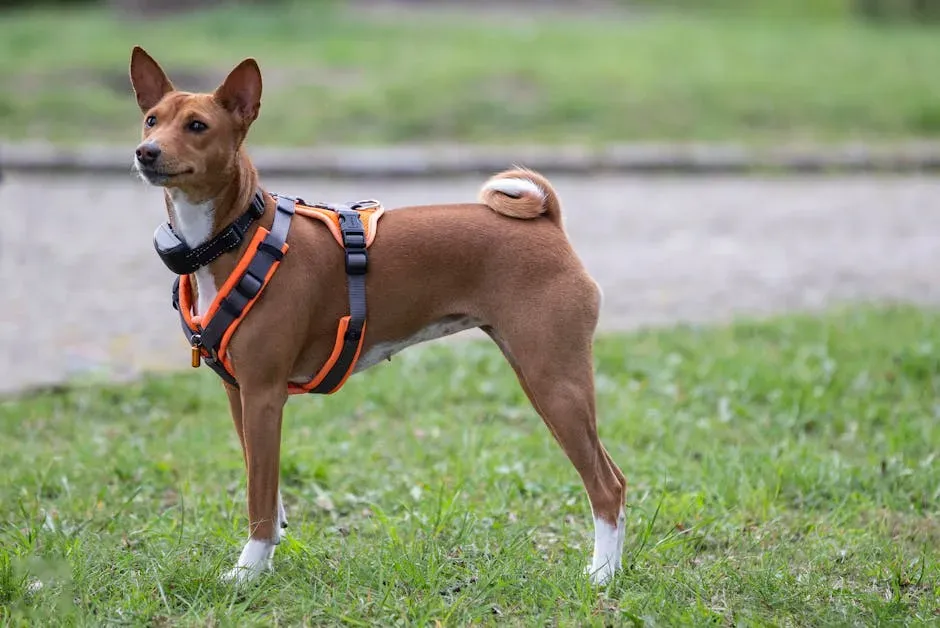
The Basenji is often called the “barkless dog,” but anyone who has lived with one knows silence does not mean easy. This is a primitive, highly intelligent, and very independent breed. Many Basenjis act more like a cat who tolerates humans on its own terms than a Labrador eager to please. Young children tend to want instant reactions, cuddles, and constant engagement, while a Basenji may prefer to watch from a distance, investigate on its own schedule, or disappear when things get too overwhelming.
On top of that independent streak, Basenjis are notoriously sensitive to chaos and boredom. A noisy, unpredictable home full of toys, visitors, and screaming playdates can overload them quickly. Instead of becoming a child’s best friend, they may become secretive, anxious escape artists or aloof roommates. They often bond most strongly with calm, consistent adults who give them mental challenges and space to be themselves. When placed in a high‑energy household with young children and little structure, the relationship can become tense and distant rather than warm and connected.
5. Shar-Pei
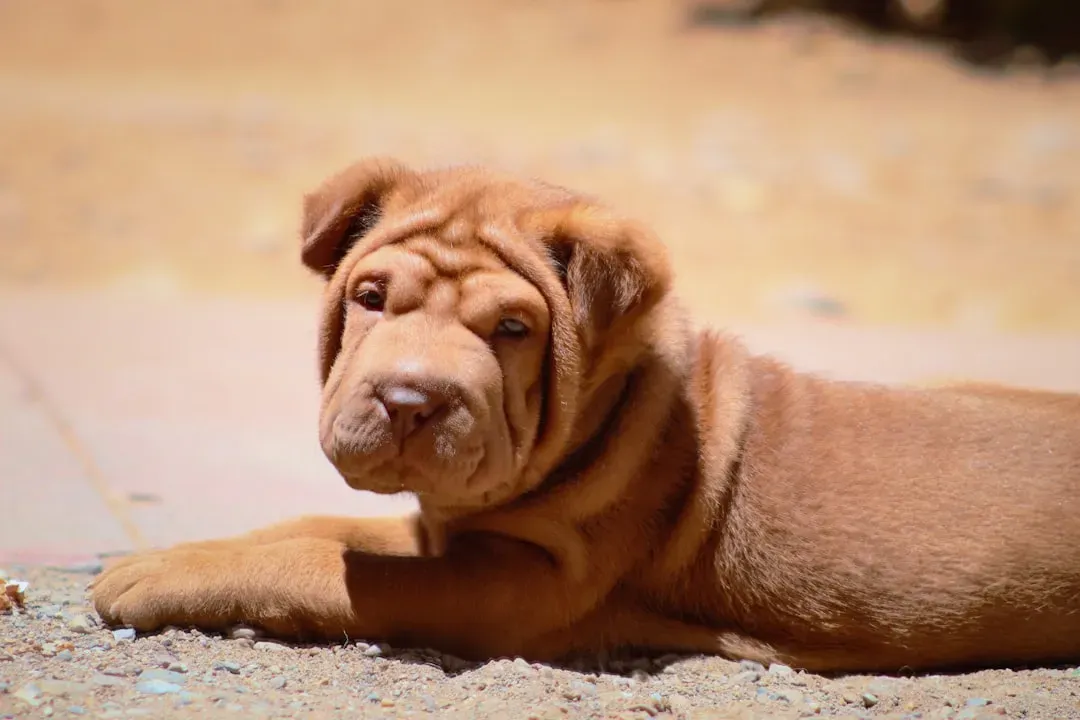
With their wrinkled faces and soulful eyes, Shar-Peis look heartbreakingly sweet, but their personalities are often much more serious and reserved. This breed was originally developed in China as a guardian and farm dog, which has left them with strong territorial instincts and a natural wariness of strangers. Many Shar-Peis bond closely with one or two adults and remain cautious or aloof with anyone else, including children who live in the same home but behave in ways the dog finds confusing.
Shar-Peis can also be somewhat stoic and subtle in their body language. They may not give big, obvious warnings before they are fed up with being poked, hugged without consent, or woken from sleep. Young kids are notoriously bad at reading early signs of canine stress, which can make this mismatch particularly risky. Instead of developing a relaxed bond, the dog may constantly feel the need to manage its space around kids, creating an invisible wall between them. In experienced, structured homes, Shar-Peis can live peacefully with older, respectful children, but they are rarely a first choice for families with toddlers who are still learning basic boundaries.
6. Afghan Hound
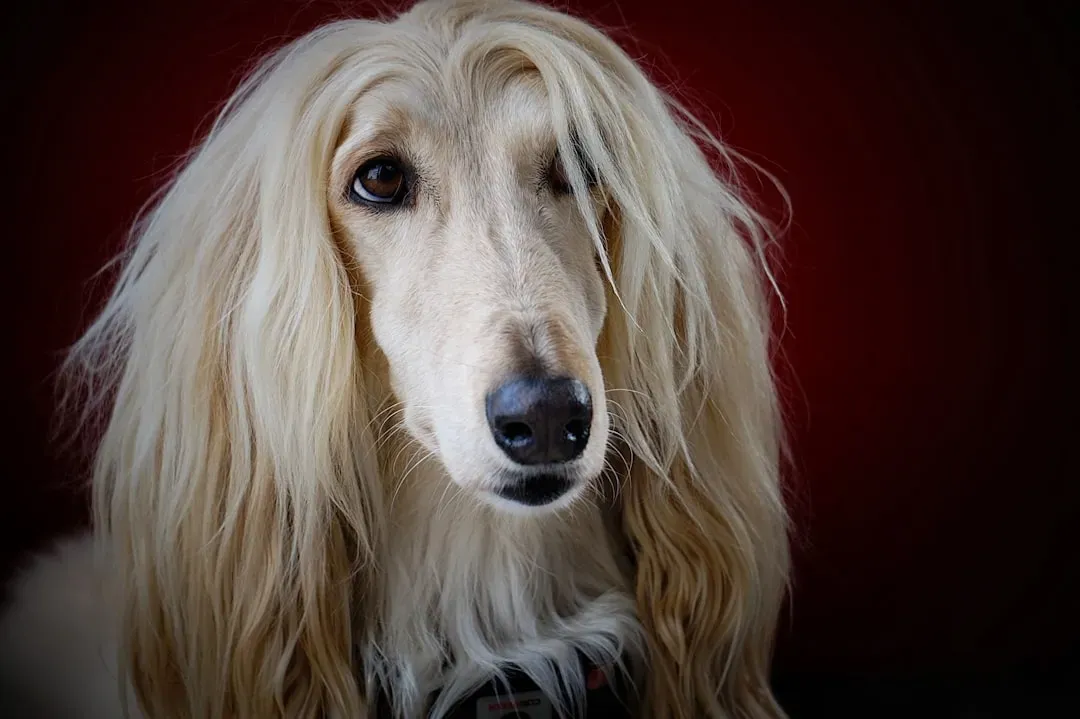
Afghan Hounds are often described as aristocrats of the dog world, and they tend to agree with that description. They are sensitive, elegant, and usually quite aloof with people who do not immediately earn their trust. Young children, who tend to be loud and grabby and not terribly gentle with long, silky hair, are not usually the type of human an Afghan warms up to quickly. Many Afghans respond to rough or chaotic handling by shutting down, fleeing, or simply ignoring the offender entirely.
Even their play style often clashes with what children expect. Afghans like to run, chase, and move in flowing bursts of athleticism, but they may not enjoy close‑quarters wrestling or constant petting. When kids try to interact in the only way they know, the dog can seem distant or “snobby,” which disappoints families hoping for a movie‑style bond. The truth is that Afghans tend to form deeper connections with calm, patient people who respect their sensitivities. In a busy home with small kids, that kind of connection may never fully develop, and everyone can end up feeling a bit rejected.
7. Shiba Inu
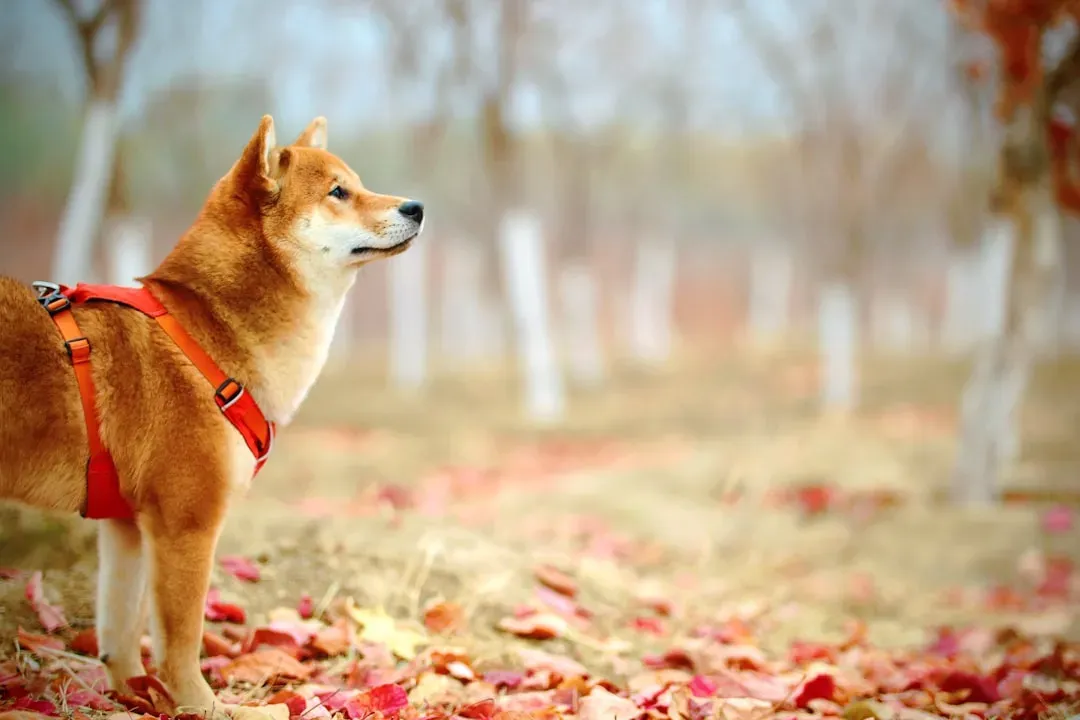
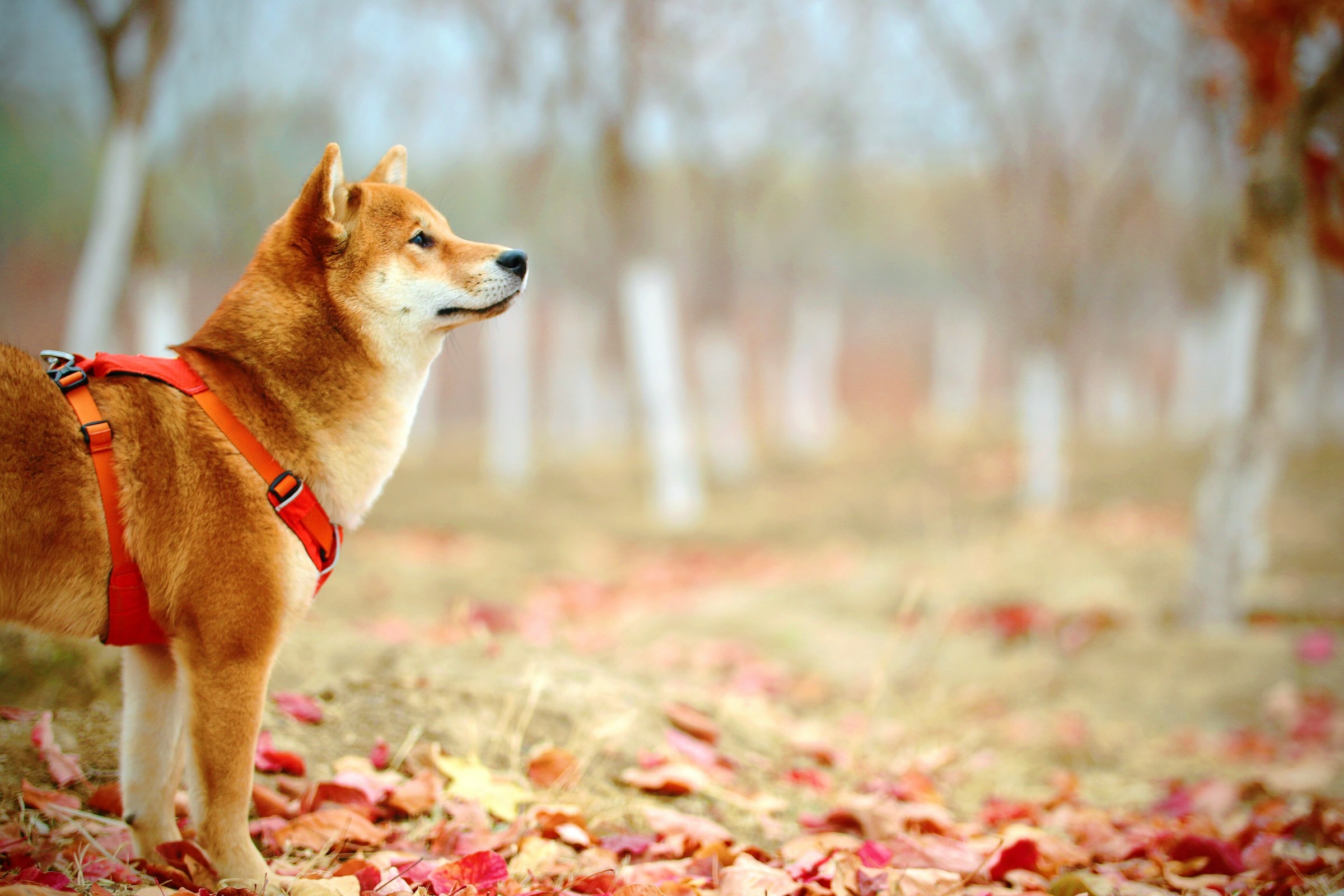
Shiba Inus have exploded in popularity thanks to memes and social media, but many new owners are shocked by how little they behave like the goofy cartoons online. A typical Shiba is independent, strong‑willed, highly alert, and not particularly interested in doing something just because a human wants it. These traits can be charming for adults who appreciate a spirited dog with personality, but they often clash with the inconsistent, hands‑on style that young children bring to relationships with animals.
Many Shibas also have a low tolerance for rough touch and restraint. Being hugged, grabbed around the neck, or pulled by the tail can trigger a dramatic vocal response or quick snap, not because the dog is evil but because it feels trapped and panicked. Instead of building trust, repeated negative interactions with children can teach the Shiba that kids equal stress. Families who thrive with Shibas usually put a lot of effort into management – baby gates, supervised interactions, escape spaces – and bring them into homes where kids are old enough to listen and respect the dog’s clear, sometimes dramatic boundaries.
8. Dalmatian
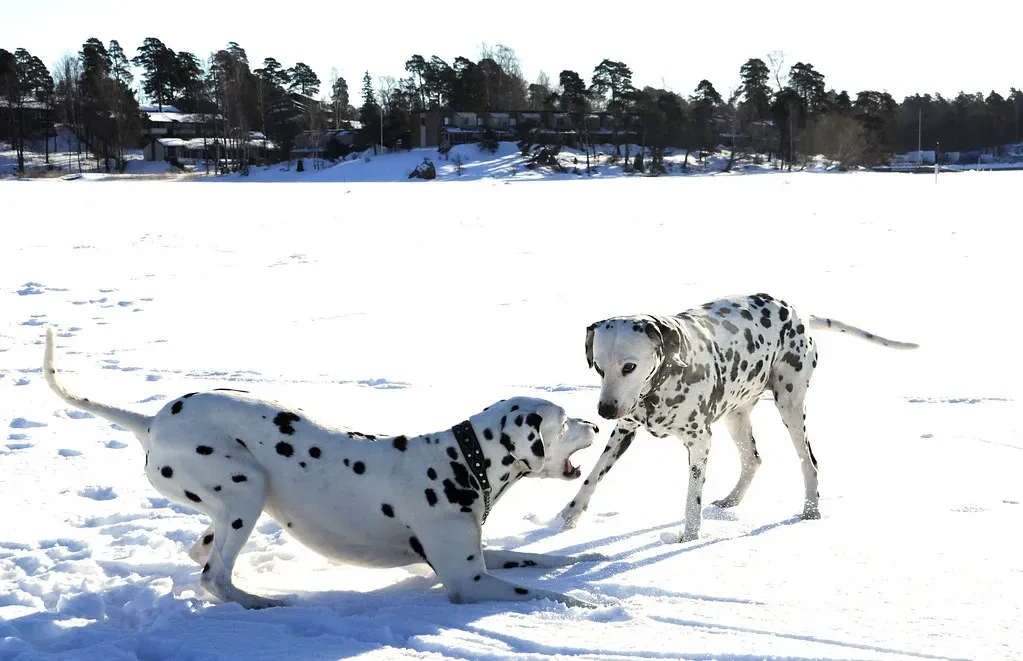
Dalmatians look like they were designed in a kid’s sketchbook, which makes it especially ironic that many struggle in homes with very young children. Historically, they were carriage and guard dogs – athletic, vigilant, and sometimes quite sensitive. Many Dalmatians are prone to anxiety or overstimulation in loud, chaotic environments, and modern family life with constant screens, visitors, and noisy play can feel like a never‑ending test. Instead of relaxing into family life, some become on edge, reactive, or hypervigilant.
On top of that, Dalmatians are high‑energy and highly intelligent, so they need a lot of exercise and mental work to feel stable. Parents of toddlers are often already stretched thin, and when the dog’s needs go unmet, stress piles up on both sides. A bored, under‑exercised Dalmatian living with young kids may jump, mouth, or herd children roughly, which scares the kids and earns the dog more scolding, not understanding. In families where adults prioritize training, structured exercise, and calm interactions, Dalmatians can bond very well with older children – but they are rarely the simple, plug‑and‑play “kids’ dog” that their movie image suggests.
Conclusion: Matching the Dog to the Childhood, Not the Pinterest Board
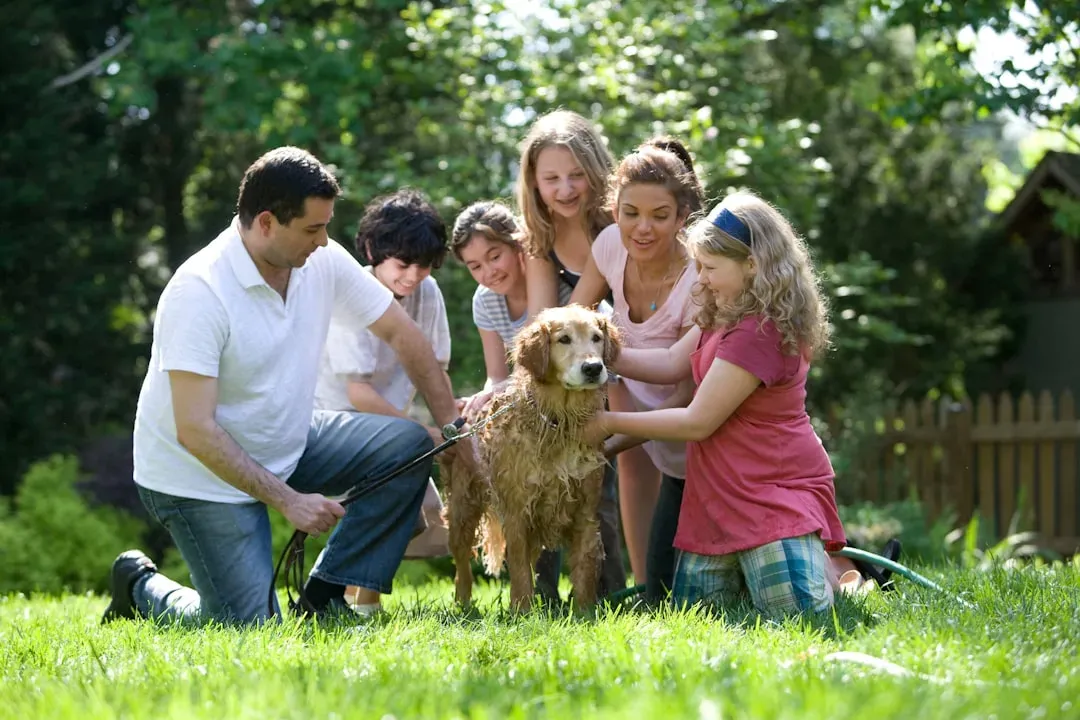
Looking at this list, it is tempting to slap labels on these breeds as “bad with kids,” but that is too simplistic and, honestly, unfair. What these dogs really highlight is a mismatch between what many families imagine – an endlessly patient, bend‑but‑never‑break playmate – and what certain breeds are wired to handle. Some dogs thrive on rough play and noise; others value personal space, predictability, and a certain level of emotional maturity in their humans. When we ignore those differences and just pick what looks cute in photos, we set both the dog and the child up for disappointment or, in the worst cases, real harm.
My own view, after seeing far too many rehomed “problem dogs,” is that the best family pet is not the breed trending online – it is the dog whose instincts, sensitivities, and energy level fit the actual life your kids are living right now. If your home is full of toddlers and chaos, that probably means leaning toward sturdy, tolerant, people‑oriented breeds and individuals, and saving the more aloof or sensitive dogs for when your children are older and more predictable. In the end, the kindest thing we can do for both kids and dogs is to respect who they really are instead of forcing them into roles they were never meant to play. Looking at your own life, does your dream dog match your reality – or just your imagination?


