
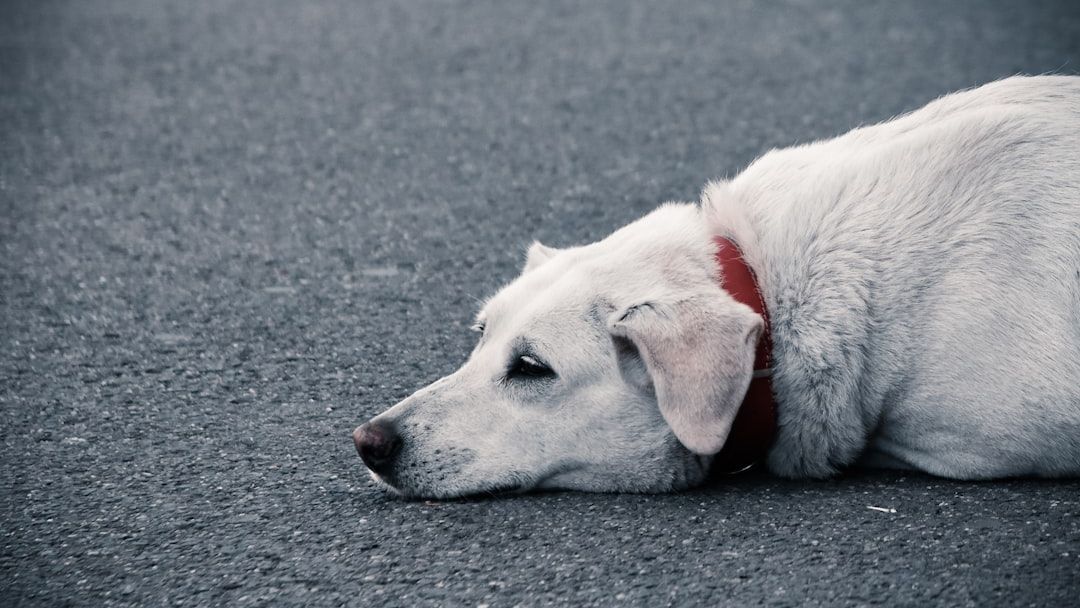
Vizsla

Vizslas earn their nickname as Velcro dogs through constant closeness to one main person. Their history as hunting companions built an intense need for human presence and activity. When that person disappears, many owners report the dog becoming unusually quiet and inactive for weeks or longer.
These dogs often stop seeking play or exercise on their own. They may linger near familiar spots like a favorite chair or bed, showing little interest in food or new surroundings. The shift feels sudden because their normal energy level drops so sharply.
Border Collie
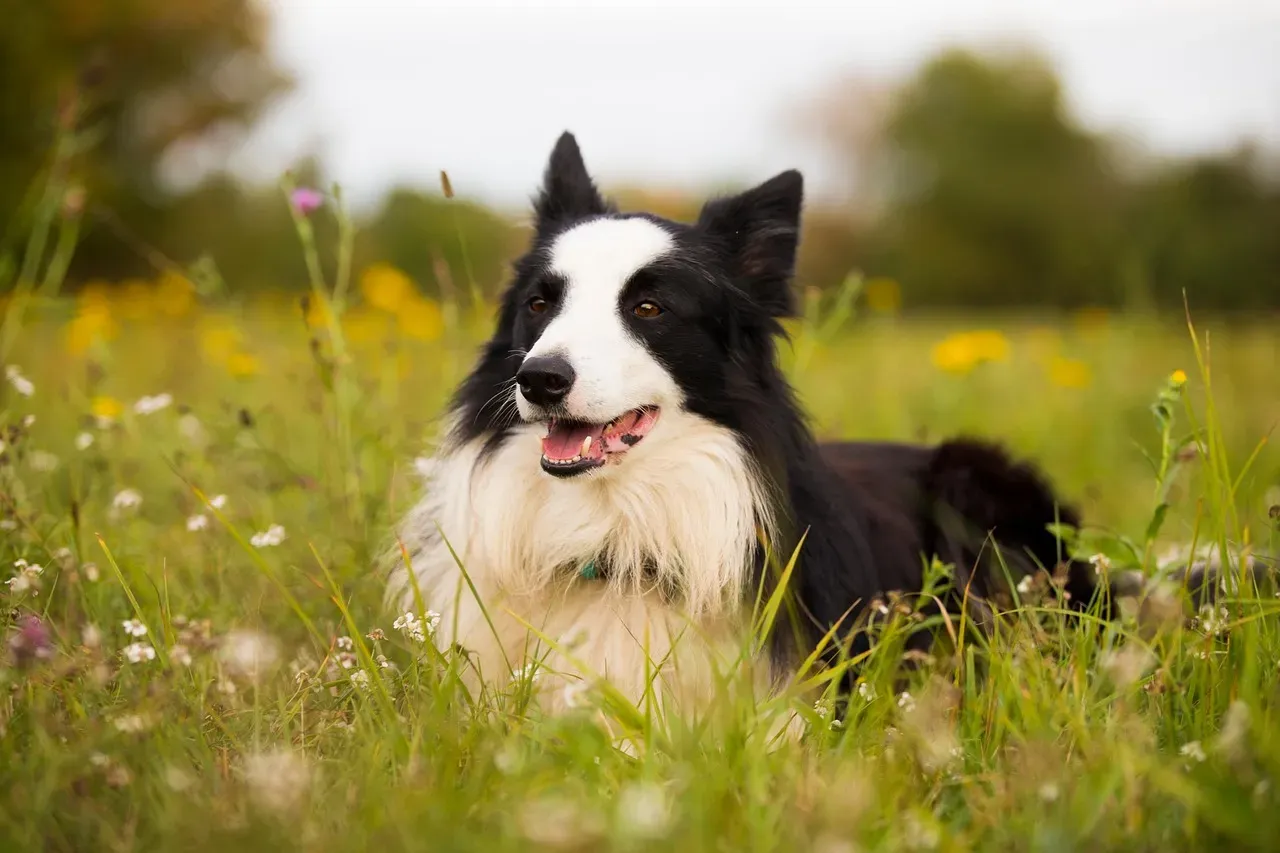
Border Collies thrive on mental and physical work tied closely to their handler. Their intelligence makes them quick to notice routine changes, including the permanent absence of a key family member. Grief can appear as reduced herding drive or a general lack of focus on tasks they once loved.
Many become withdrawn, sleeping more and moving less around the house. They might ignore toys or commands that previously sparked excitement. The breed’s strong work ethic seems to pause while they adjust to the new reality.
German Shepherd
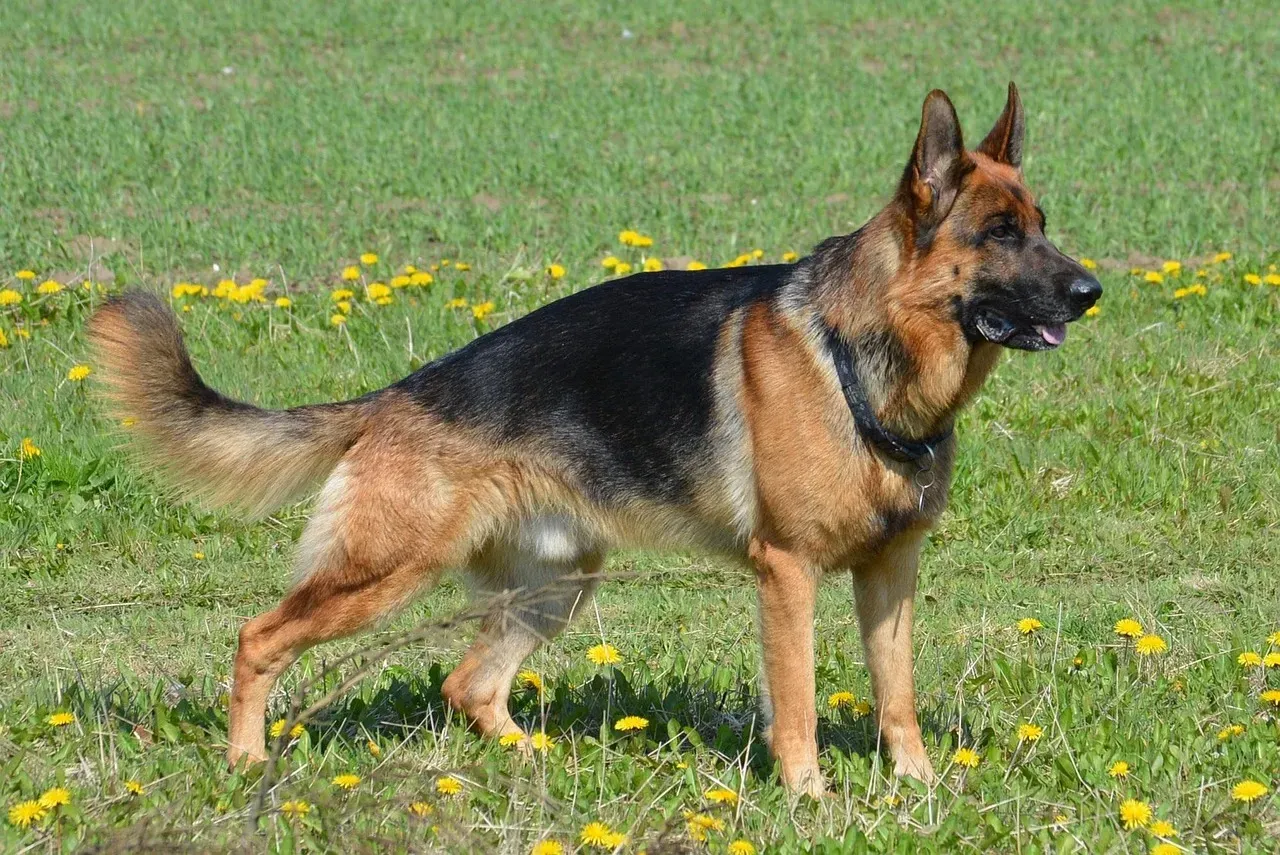
German Shepherds often form protective, one-on-one loyalties that last a lifetime. Their role in service and family protection reinforces deep dependence on a primary caregiver. Loss frequently brings reports of the dog becoming less alert and more sedentary.
Appetite changes and longer rest periods are common observations. Some stop patrolling their usual routes inside the home. The once vigilant posture gives way to a quieter presence that lasts until new bonds form.
Australian Shepherd
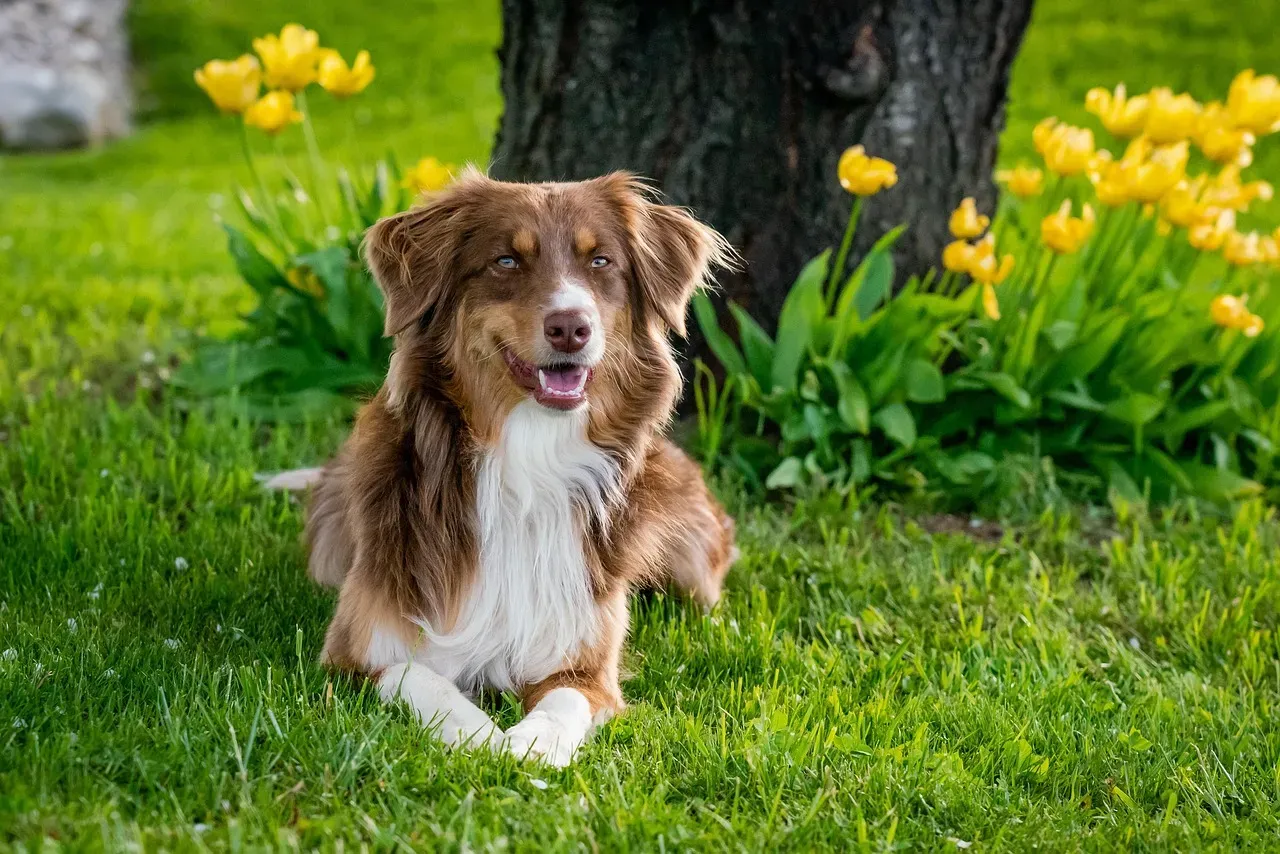
Australian Shepherds bond tightly through shared activities and constant companionship. Their herding background encourages close monitoring of their person’s movements. After a significant loss, these dogs may show less enthusiasm for outdoor time or group play.
Owners notice increased time spent resting in one spot and fewer vocal interactions. The breed’s typical curiosity about new people or situations can fade temporarily. Recovery often involves gradual reintroduction to familiar routines with remaining family members.
Labrador Retriever
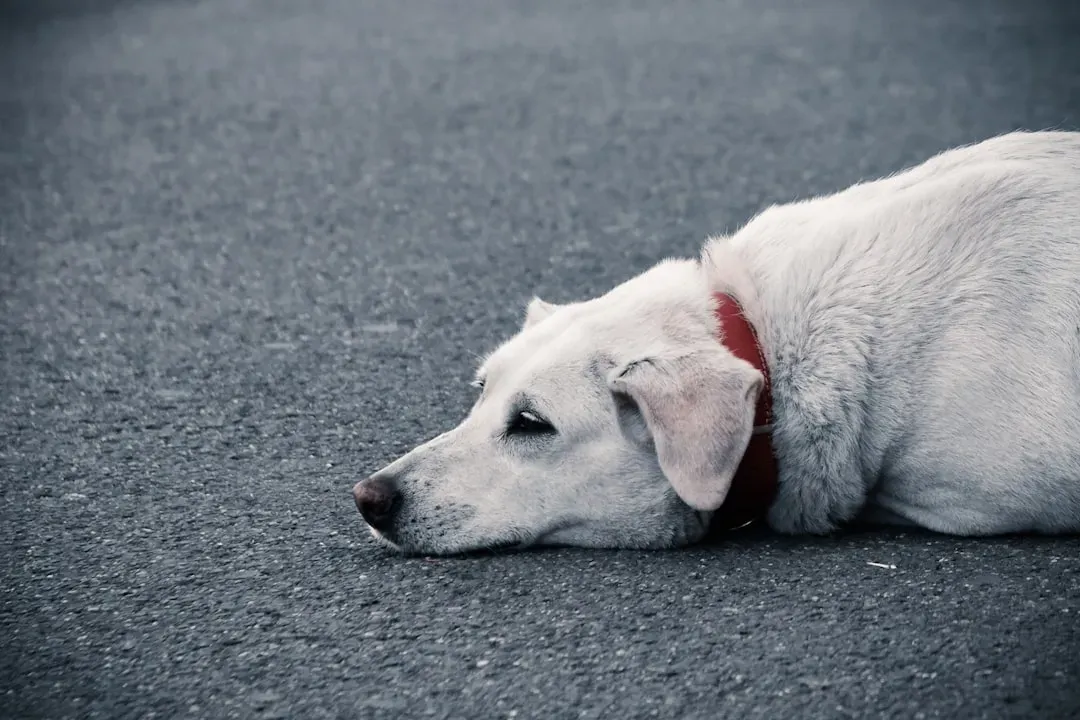
Labrador Retrievers are known for their friendly, people-oriented nature that centers on one or two key humans. Their retrieving instincts and love of interaction make sudden separation noticeable. Grief responses include longer naps and reduced interest in fetching games.
Some Labs turn away from treats or walks they once enjoyed eagerly. The change stands out because of their usual high sociability. Over time, gentle encouragement from other household members helps restore some of their former energy.
Chihuahua
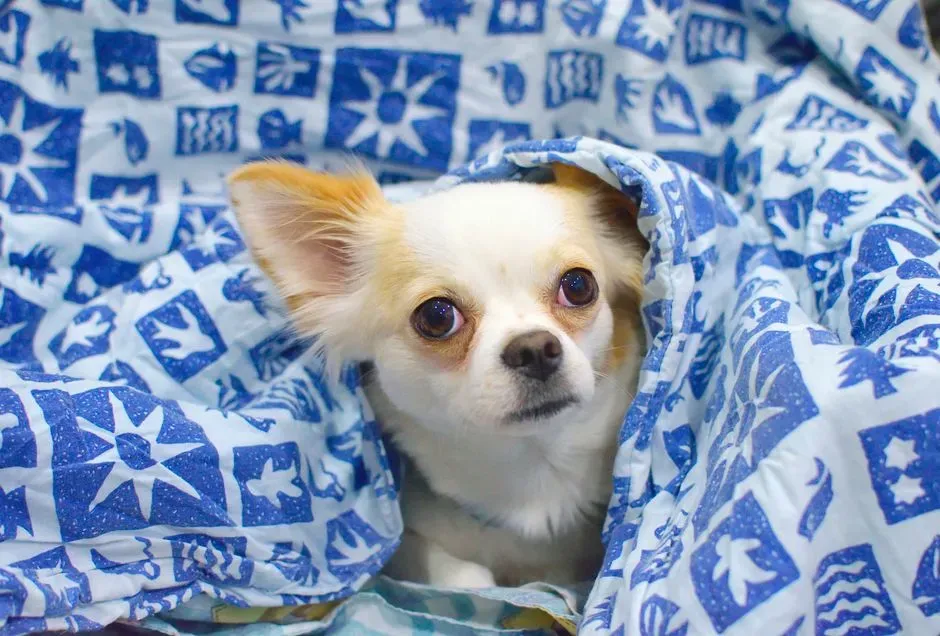
Chihuahuas frequently attach themselves intensely to a single person despite their small size. Their alert personalities make them sensitive to shifts in household dynamics. When their favorite human is gone, many become less active and more prone to hiding in safe corners.
They may eat less and show little reaction to sounds or visitors that once triggered barking. The breed’s typical boldness gives way to a subdued state that can persist for months. Small size sometimes makes these changes easier to overlook at first.
Beagle
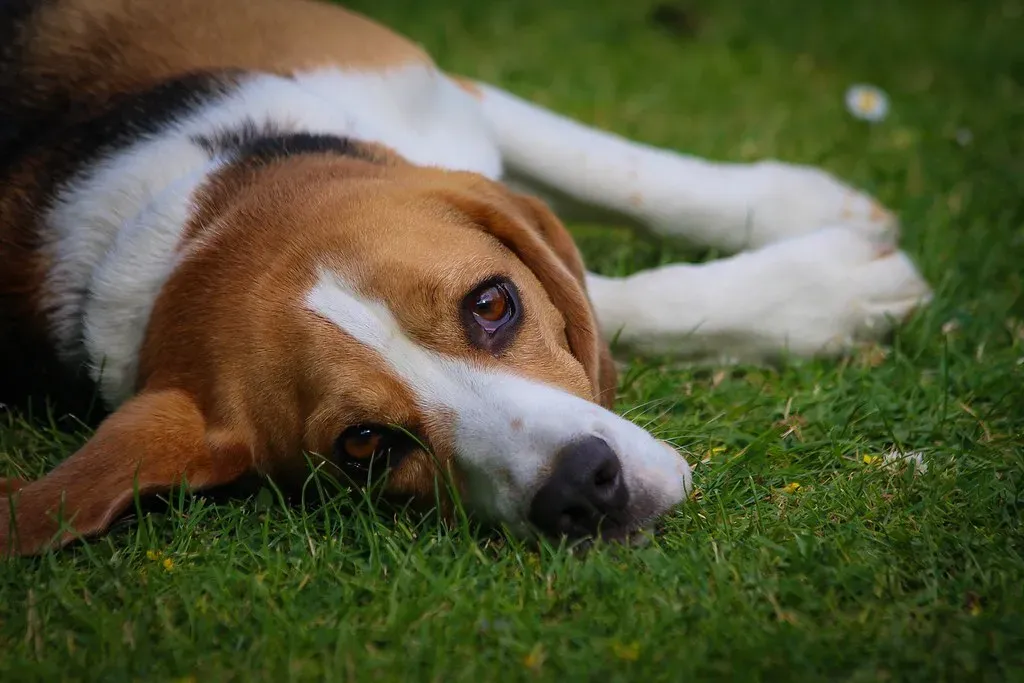
Beagles rely on scent work and pack connections, often centering on one primary owner. Their vocal and curious traits make behavioral shifts stand out after a loss. Reduced baying and slower movement around the yard are frequent notes from owners.
These dogs sometimes spend more time in one resting area and show less drive to explore smells. Food motivation can drop noticeably during the initial period of adjustment. Their social nature usually reemerges with consistent interaction from others in the home.
Cavalier King Charles Spaniel

Cavalier King Charles Spaniels were bred as lap companions, creating strong preferences for one person’s company. Their gentle demeanor means grief often shows through quiet withdrawal rather than dramatic displays. Many owners describe longer periods of stillness and less engagement with toys or affection from others.
Appetite and playfulness tend to decline together. The breed’s usual eagerness to be near people can turn inward for a while. Supportive routines and patience help these sensitive dogs regain their characteristic warmth over time.
Dogs of every background can feel the absence of a close human, yet the intensity varies with individual temperament and history. The breeds highlighted here often display more visible shifts because of how closely they tie their daily rhythm to one person. Paying attention to these changes allows families to offer the steady presence that helps a grieving dog find its footing again. In the end, the quiet resilience many show reminds us that loyalty runs both ways, even when words are not involved.


