
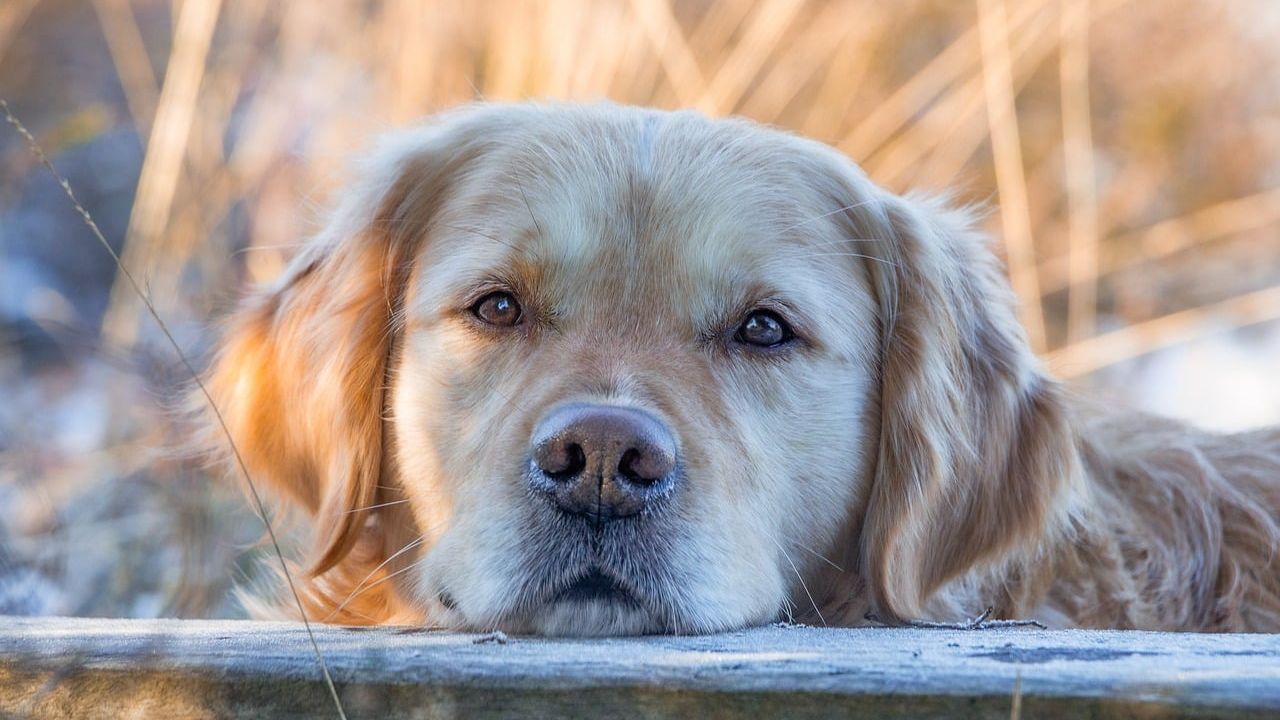
Dogs watch their people with an intensity that feels almost human at times. Their eyes track movements, read moods, and hold steady during quiet moments at home. Yet the idea of a single instant when they grasp permanent loss remains layered and hard to pin down exactly.
Behaviorists note that dogs process absence through routines disrupted and familiar scents fading. This creates a gradual shift rather than one dramatic revelation. Still, certain expressions in their eyes can hint at deepening awareness over days or weeks.
How Dogs First Register an Empty Routine
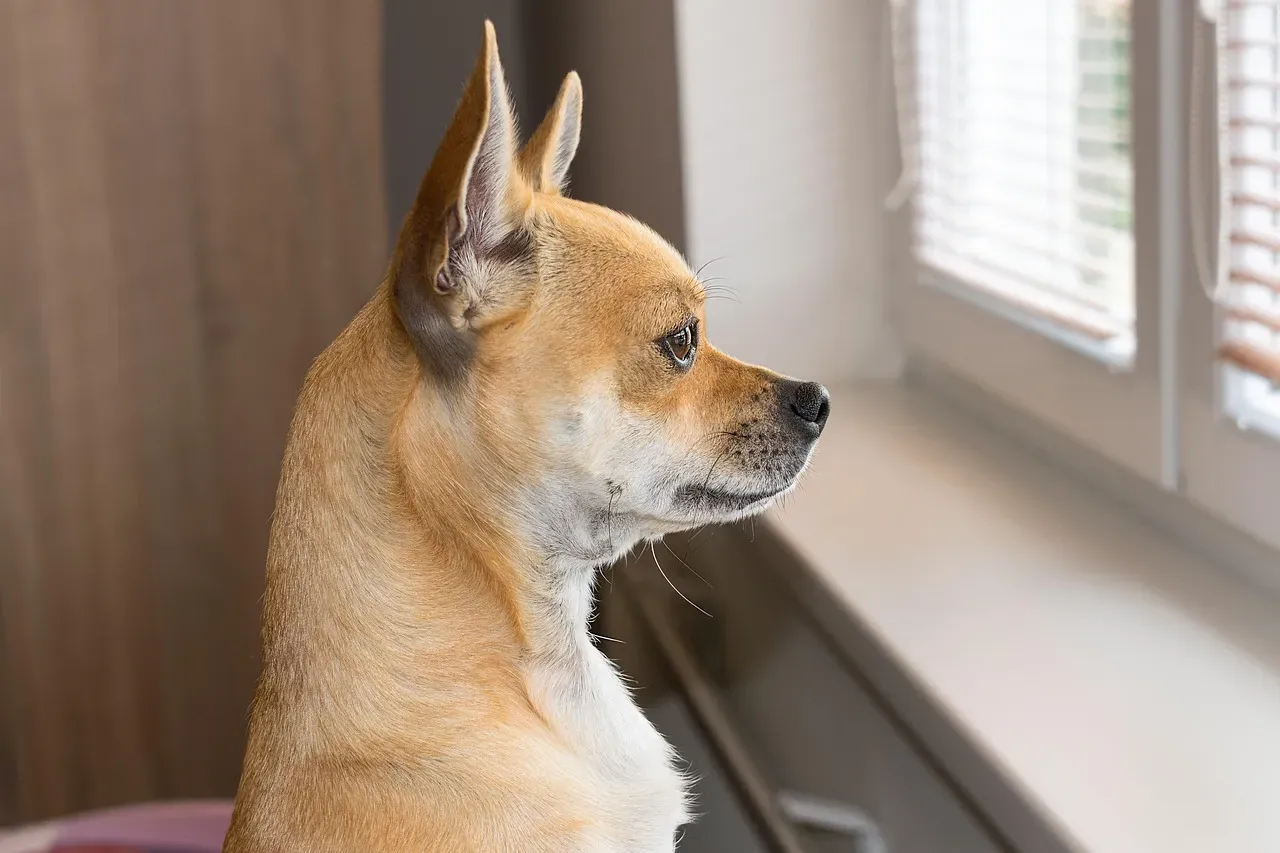
Dogs rely heavily on predictable patterns like morning walks or evening meals shared with their owner. When those patterns break without explanation, their gaze often lingers longer on doorways or familiar spots. This initial phase shows up as a searching look rather than outright distress.
Over repeated days without return, the eyes may soften or appear less focused during play attempts. Experts observe that such changes stem from the dog’s strong attachment to daily cues. The shift builds quietly as expectations go unmet.
Subtle Shifts in Direct Eye Contact
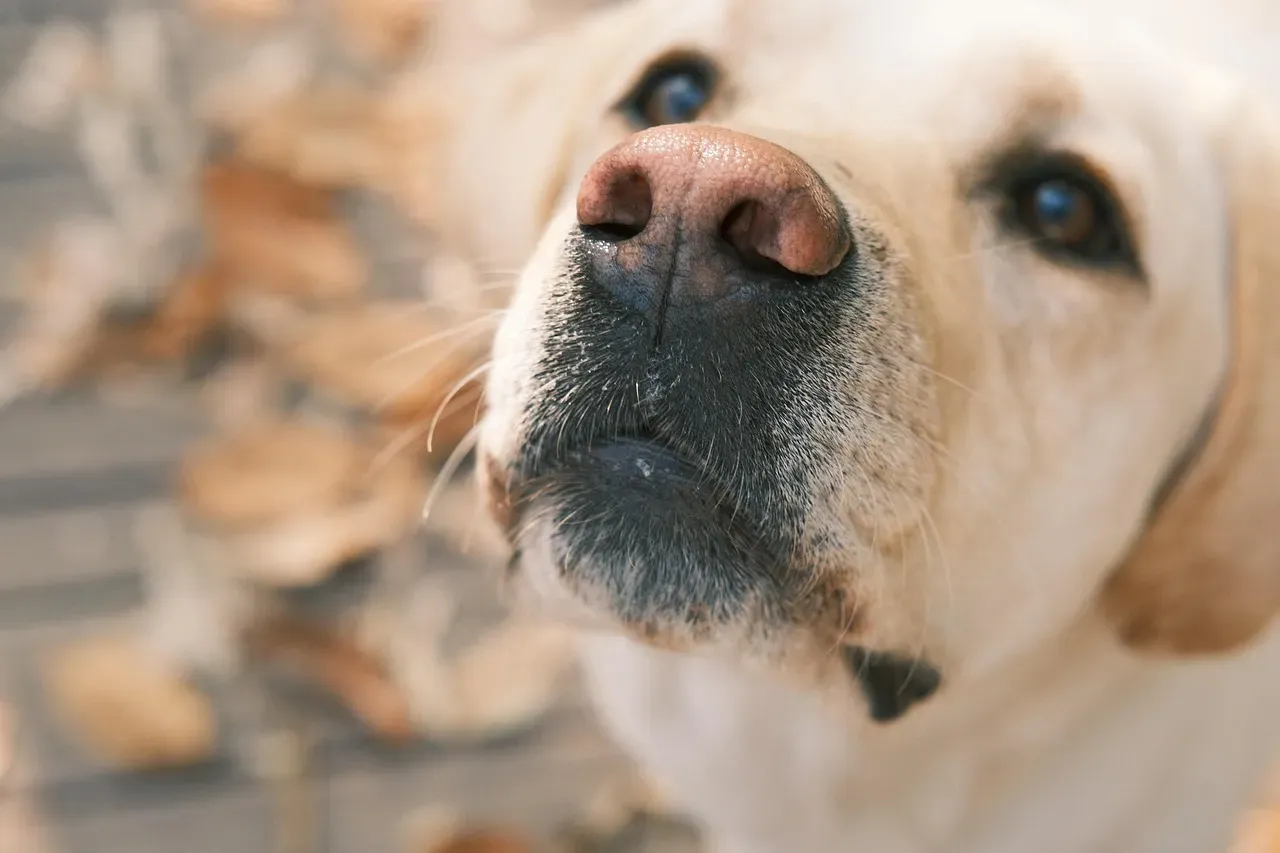
Many dogs maintain soft eye contact with trusted humans as a sign of connection. In the wake of permanent separation, that contact can turn hesitant or break more quickly. The eyes might dart away during attempts at interaction with new caregivers.
This avoidance reflects an adjustment in how the dog reads social signals around them. Studies on canine cognition show dogs interpret prolonged stares differently based on context and trust levels. A once steady gaze becomes more fleeting as uncertainty grows.
The Appearance of Tension Around the Eyes
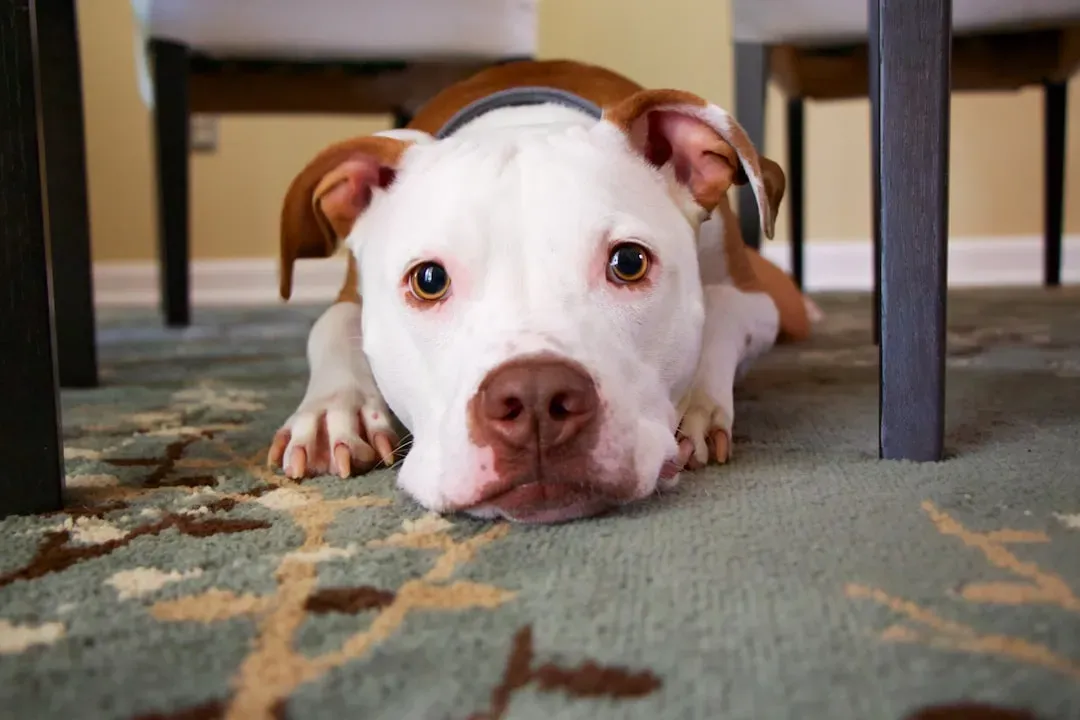
Tension often appears as slight squinting or a furrowed brow area above the eyes in stressed dogs. When routines collapse long term, this can replace the relaxed openness seen in secure moments. The change develops as the animal processes ongoing absence.
Observers note that such expressions accompany other body signals like lowered ears or tucked posture. These visual cues build from repeated experiences of disappointment rather than a sudden flash of understanding. The eyes convey a guarded quality that was not present before.
Changes in Pupil Size and Alertness
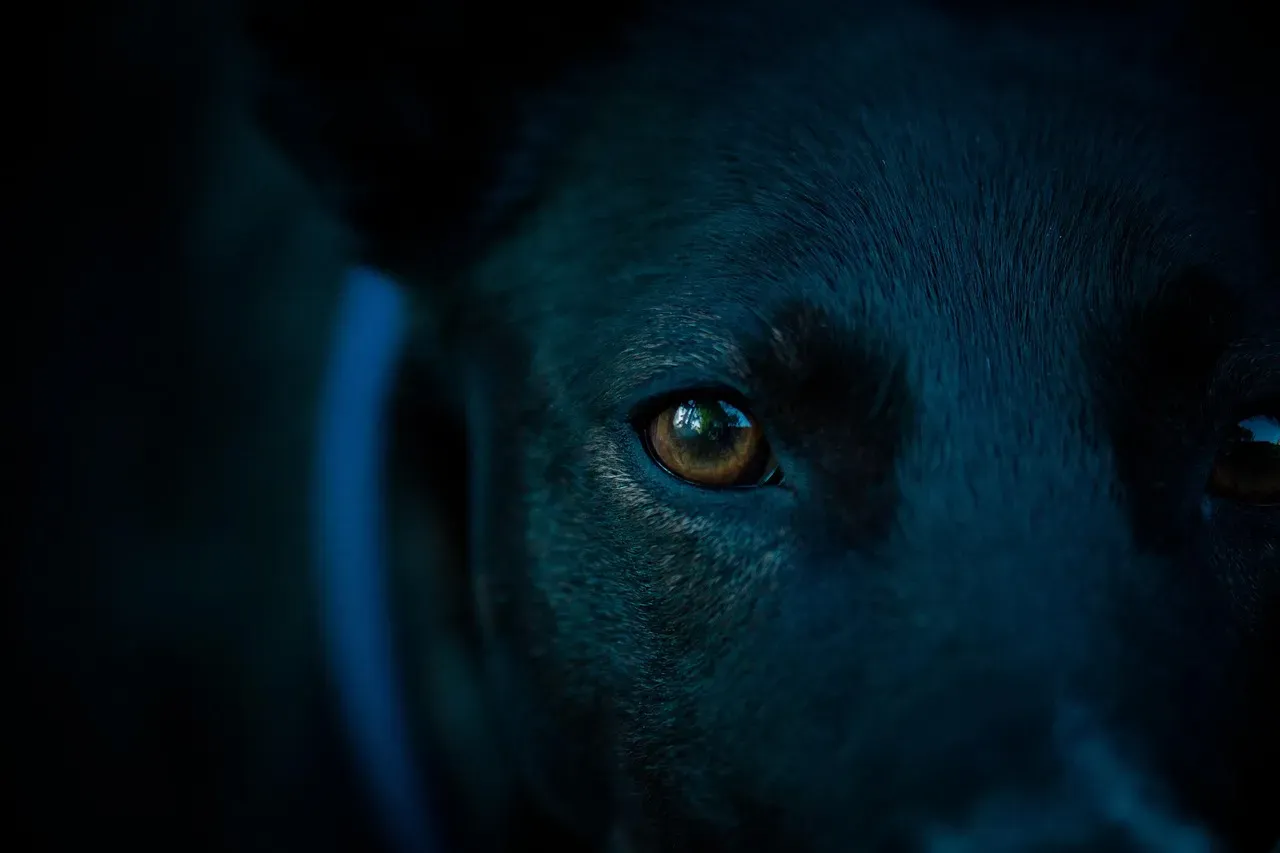
Pupils can dilate during heightened states of alertness or mild anxiety in dogs. Following a major loss, this response may linger even in calm settings as the dog scans for familiar returns. The effect ties into their heightened sensitivity to environmental shifts.
Over time the baseline alertness may settle into a more subdued state with smaller, less reactive pupils during rest. This evolution mirrors how dogs adapt to new realities without their primary person. The eyes reflect both the initial vigilance and the later settling.
Seeking or Withdrawing Through the Gaze
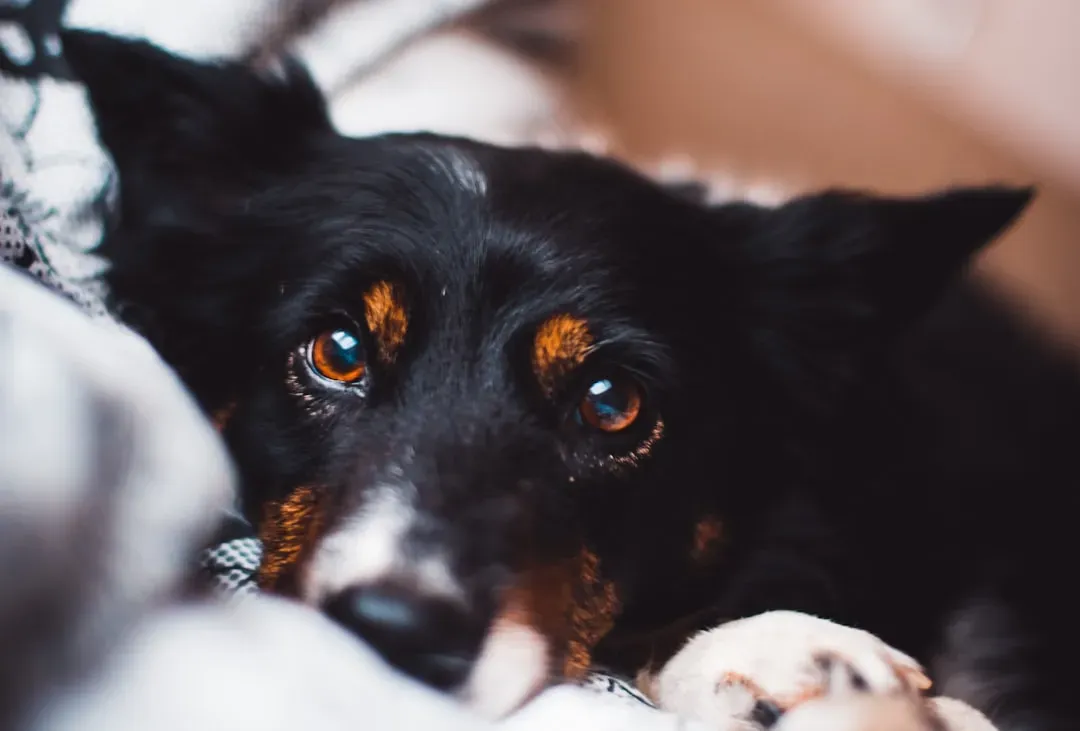
Some dogs respond to loss by seeking out eye contact more intensely with remaining family members. Their eyes follow people around rooms in a way that suggests a search for reassurance. This pattern emerges as they test new bonds for stability.
Others withdraw visually, keeping their eyes down or turned toward corners during group activities. Both responses stem from the same root of disrupted attachment. The variation depends on the individual dog’s temperament and prior experiences.
Longer Term Evolution in Their Expression
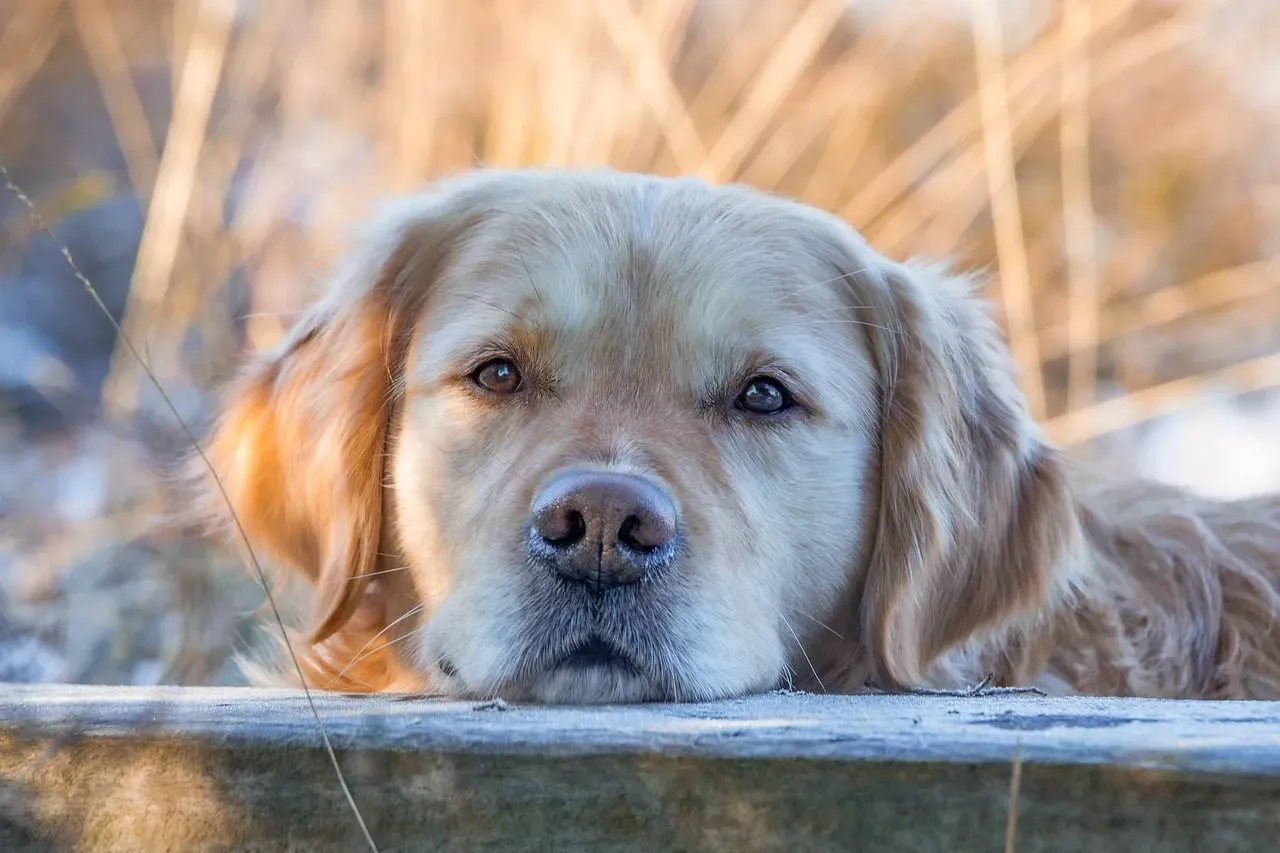
Months after a permanent separation, many dogs show eyes that appear calmer yet less bright during everyday activities. The spark tied to anticipation of a specific person’s arrival fades into a steadier acceptance. This adjustment happens alongside new routines taking hold.
Rescue organizations report that adopted dogs often regain a softer, more engaged look once trust rebuilds with new owners. The transformation underscores the resilience in canine emotional processing. Eyes that once carried a searching quality settle into present moment focus.
Supporting Dogs Through Major Transitions
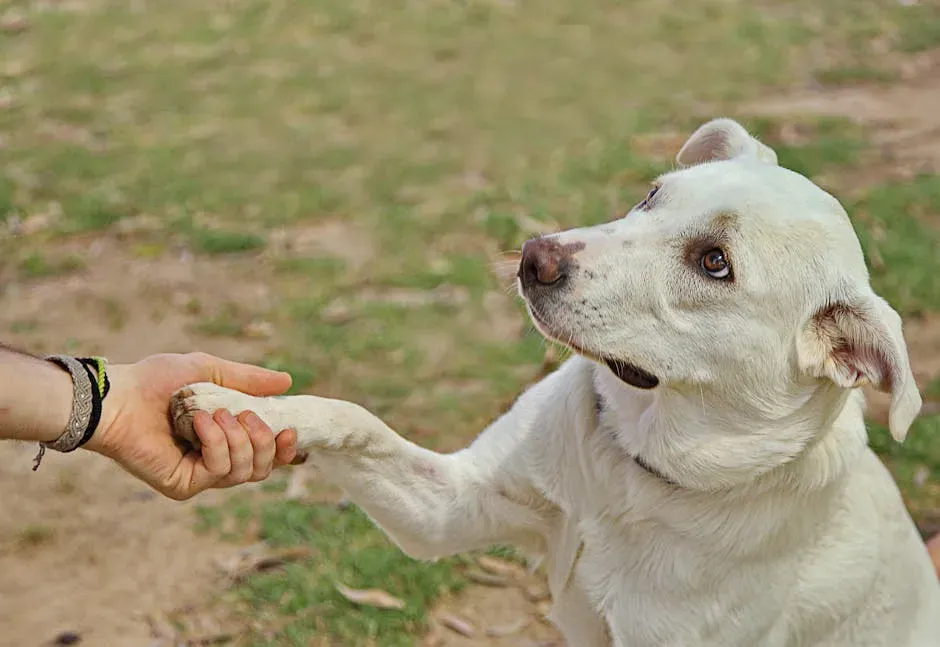
Providing consistent routines and gentle introductions to new environments helps ease visible signs of distress in the eyes. Short training sessions focused on positive associations can restore some of the relaxed openness dogs show when secure. Patience plays a central role here.
Many owners find that extra quiet time spent simply being present allows the dog’s gaze to soften naturally. This approach respects the gradual nature of their adjustment without forcing quick fixes. The result often includes a return to more connected eye contact over weeks.
Ultimately the bond between dogs and people runs deeper than any single moment of realization. Their eyes continue to reflect loyalty and adaptability long after loss. Choosing to honor that connection through thoughtful care leaves both sides steadier in the years ahead.


