

Fireworks Bursts

Explosive pops from fireworks travel through walls and windows with surprising force. Dogs pick up the low frequency rumbles long before humans register the full impact. Their acute hearing turns distant celebrations into perceived threats right inside the living room.
Many pets associate these sudden blasts with danger because the sounds lack any predictable pattern. The result shows up as trembling or attempts to burrow under furniture. Over time repeated exposure can make even quiet evenings feel uncertain for sensitive animals.
Thunderclaps

Deep rolling thunder creates vibrations that dogs sense through the floor as much as through their ears. The unpredictable timing and intensity leave little room for them to settle. What starts as a distant rumble quickly escalates into something that feels immediate and overwhelming.
Pets often seek out small enclosed spaces like closets or under beds when storms roll in. Their response stems from an inability to locate the source of the noise. This instinctive reaction persists even when the rest of the household remains calm and unaffected.
Vacuum Cleaner Roar

The steady drone of a vacuum cleaner fills an entire room with a mechanical whine that dogs find difficult to ignore. The machine moves unpredictably across floors and changes direction without warning. Sensitive ears register every shift in pitch and volume as a potential hazard.
Some dogs learn to associate the sound with restricted movement or sudden changes in their environment. Others simply retreat to another part of the house until the noise stops. Either way the appliance turns a routine cleaning task into a source of ongoing tension.
Doorbell Chimes
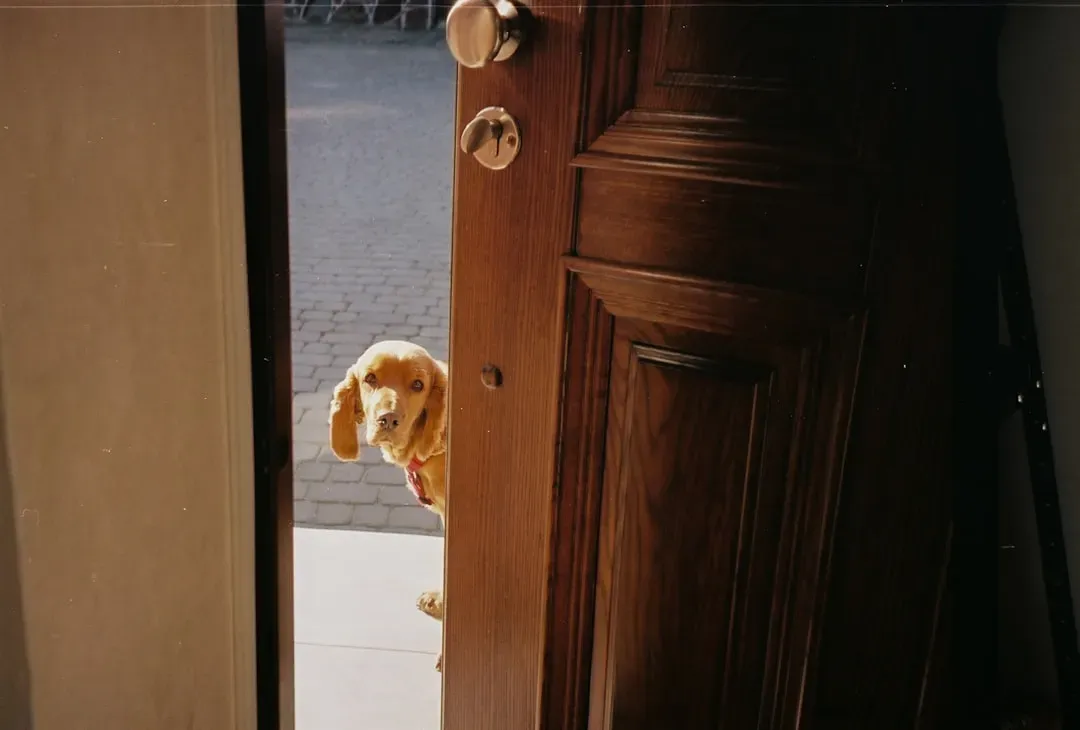
A sharp doorbell tone signals an arrival that dogs cannot see or control. The sound often precedes unfamiliar voices or footsteps that heighten their alertness. Even in a secure home the chime breaks the usual quiet and demands immediate attention.
Repeated rings can train dogs to expect visitors who may or may not enter the space. Their reaction ranges from barking to anxious pacing near the door. The pattern reinforces a sense that the home boundary has been crossed without their input.
Emergency Sirens

Wailing sirens from outside cut through household noise with a rising and falling pitch. Dogs detect these tones at greater distances than people do. The sound carries associations with urgency that feel out of place in a familiar setting.
Because the source remains invisible the noise leaves pets scanning for threats that never appear. Some animals hide while others become restless and vocal. The effect lingers after the siren fades because the sudden alert state takes time to subside.
Shouting Voices

Raised voices during arguments create sharp changes in tone and volume that dogs interpret as conflict. The lack of consistent rhythm makes the sound harder to predict. Pets often respond by moving away or showing signs of stress even when the words themselves carry no direct meaning.
Over time repeated exposure can make dogs wary of certain rooms or times of day. Their hearing picks up subtle shifts in breathing and inflection that signal tension. The home environment loses some of its safety when these vocal patterns become common.
Power Tool Whines

Drills and saws produce high pitched whines that slice through background noise with ease. The mechanical repetition feels unnatural compared with everyday household sounds. Dogs may retreat to quieter corners or show avoidance behaviors until the work stops.
Because the tools often appear without much warning the noise catches pets off guard. Their response reflects both the volume and the unfamiliar vibration patterns. What seems like minor home improvement to people registers as disruption to a dog trying to rest.
Smoke Alarm Beeps
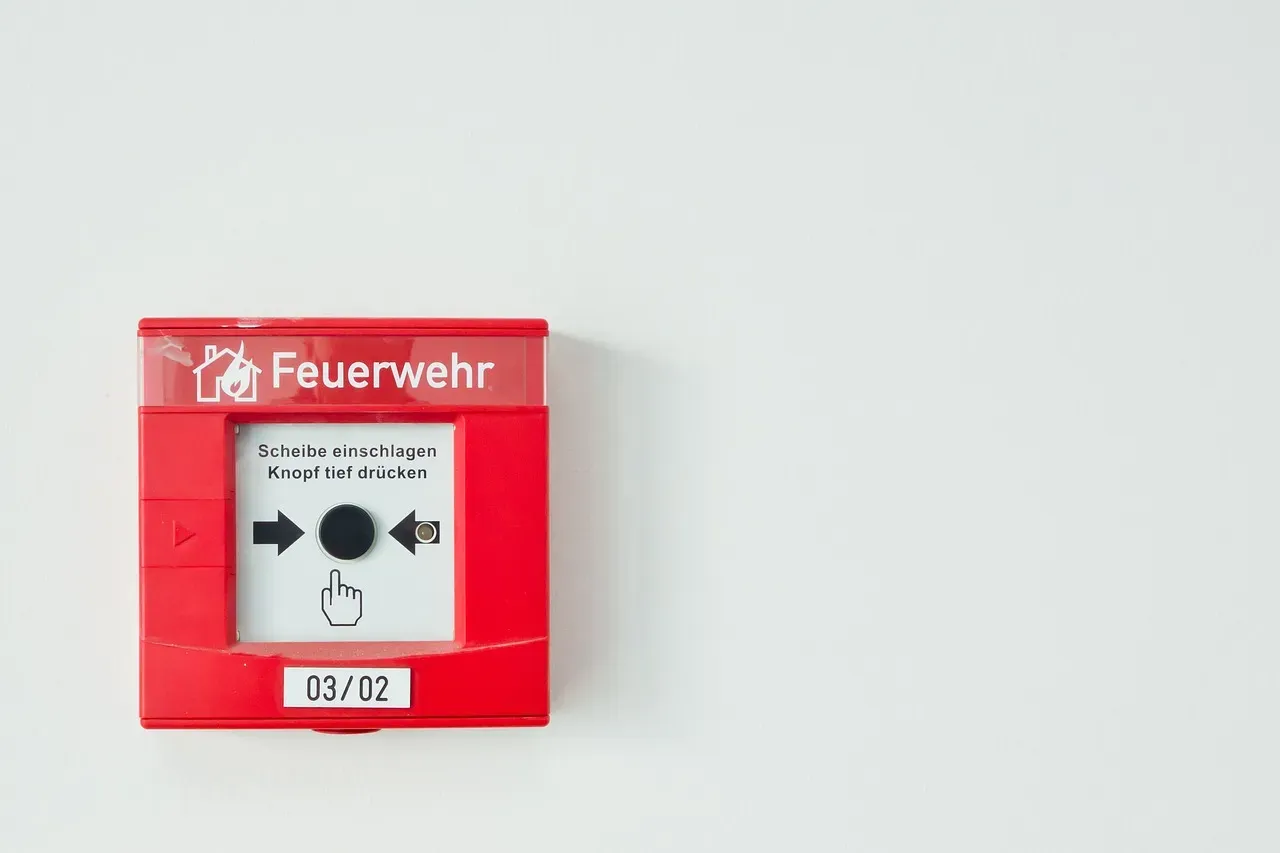
Intermittent beeps from smoke detectors or carbon monoxide alarms create a piercing tone that demands attention. The sound repeats at intervals that prevent dogs from fully relaxing. Even when the cause is a low battery the effect on pets remains the same.
Many animals associate the alert with past experiences of evacuation or sudden household changes. The high frequency stands out against normal background noise. Owners sometimes overlook how these routine safety devices affect the animals sharing the space.
Understanding these triggers helps owners create calmer environments without eliminating every possible sound. Small adjustments like white noise machines or designated quiet zones can make a noticeable difference. Paying attention to individual reactions remains the most practical step toward reducing unnecessary stress at home.


