
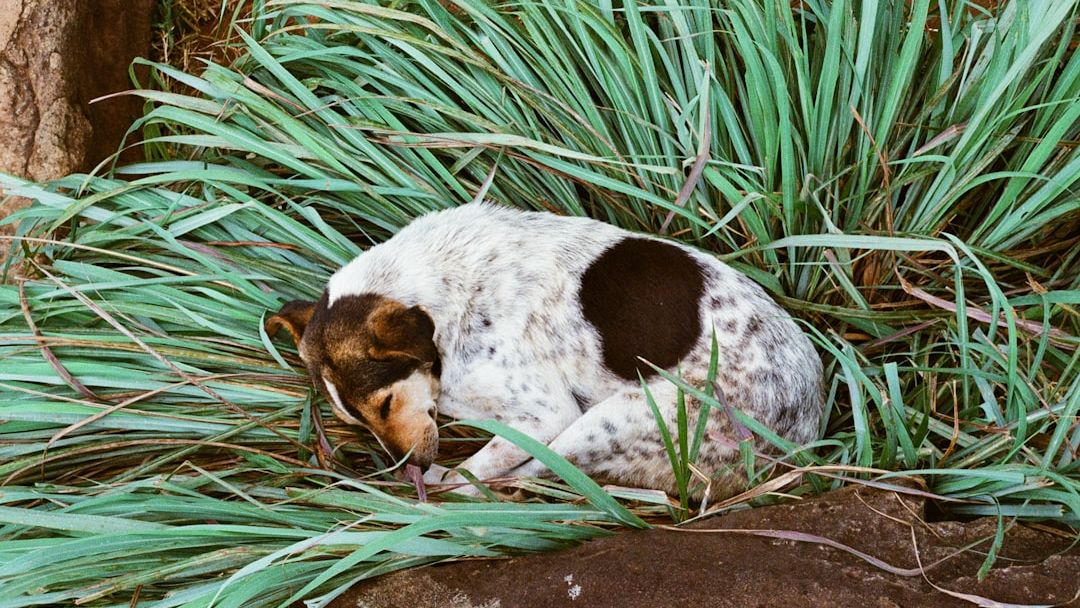
Watch your dog spin in tight loops before settling onto the couch or the rug. That familiar routine might look like simple fussiness at first glance. Yet it carries echoes of something far older, a pattern shaped long before dogs shared our homes.
The motion draws from instincts that once helped wild canines stay alive. Recent insights into canine behavior have brought fresh clarity to what these circles really accomplish. It turns out the habit connects modern pets to a world of grass, predators, and careful preparation.
Roots in Wild Canine Life
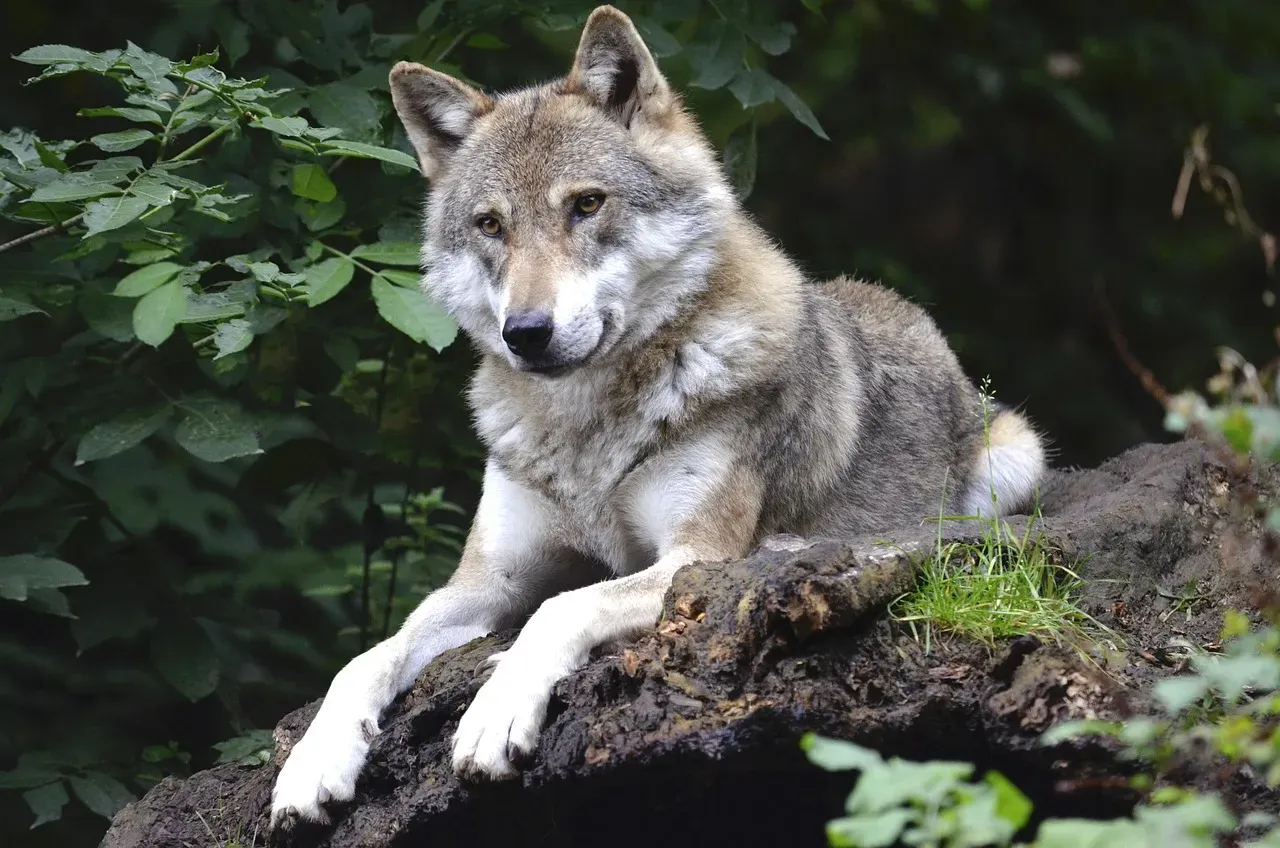
Dogs inherited this circling habit from ancestors who roamed open landscapes. Those early wolves and wild dogs faced nights filled with uncertainty. The behavior helped them prepare a resting place that offered real advantages in harsh conditions.
Over countless generations the pattern became fixed in their genes. Domestic dogs kept the trait even as their lives changed dramatically. It persists because it once made the difference between safety and vulnerability.
Flattening Grass Into a Nest
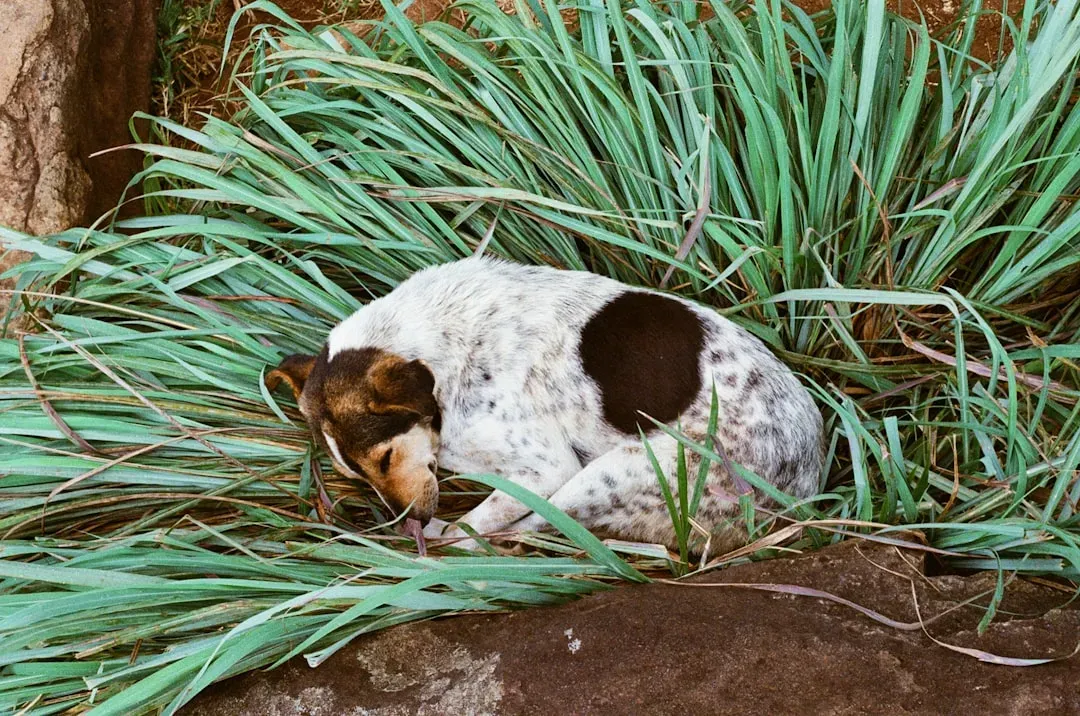
Circling presses down tall vegetation and creates a smoother surface. In the wild this step removed sharp stems and hidden debris that could poke or irritate. The result was a shallow depression that felt more secure and insulated.
Modern floors and beds do not need the same treatment. Still the motion continues because the instinct runs deep. Dogs repeat the action even on carpet or tile because the drive feels automatic and satisfying.
Scanning for Hidden Threats
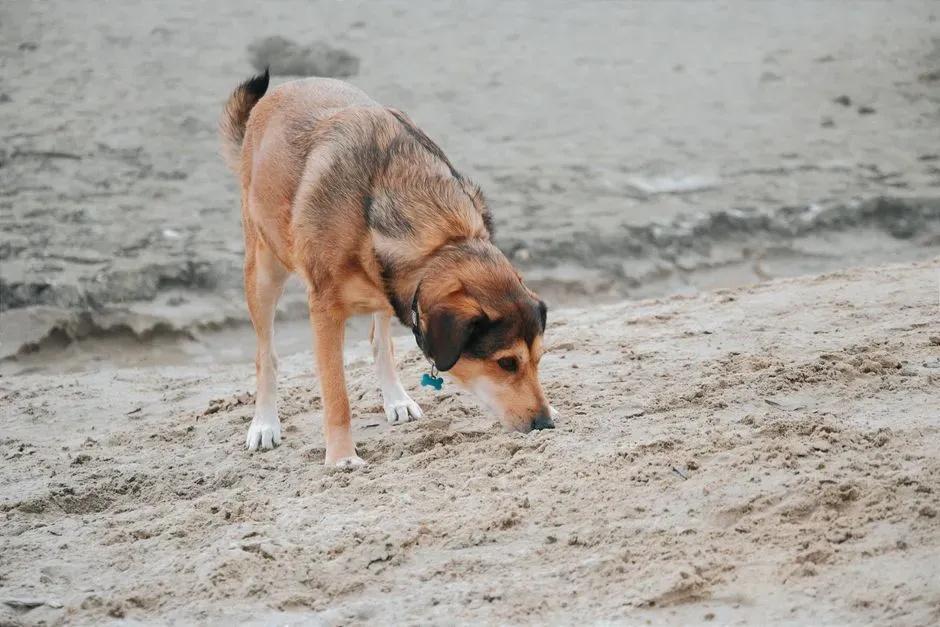
The turns also let dogs check the immediate area for signs of danger. A quick survey could reveal snakes, insects, or other animals that might disturb rest. This quick inspection reduced the chance of an unpleasant surprise during sleep.
Today the same motion happens in living rooms where no real threats exist. The ritual still provides a sense of readiness. It reassures the dog that the spot is acceptable before full relaxation sets in.
Adjusting for Comfort and Temperature

Repeated steps help dogs fine tune the exact spot where they will rest. Slight shifts in position can improve warmth or airflow depending on the season. The circles serve as a final check that everything feels right.
Soft beds and blankets receive the same treatment as rough ground once did. The action smooths wrinkles and creates a preferred shape. Comfort remains a key part of why the behavior endures.
Why the Habit Survived Domestication
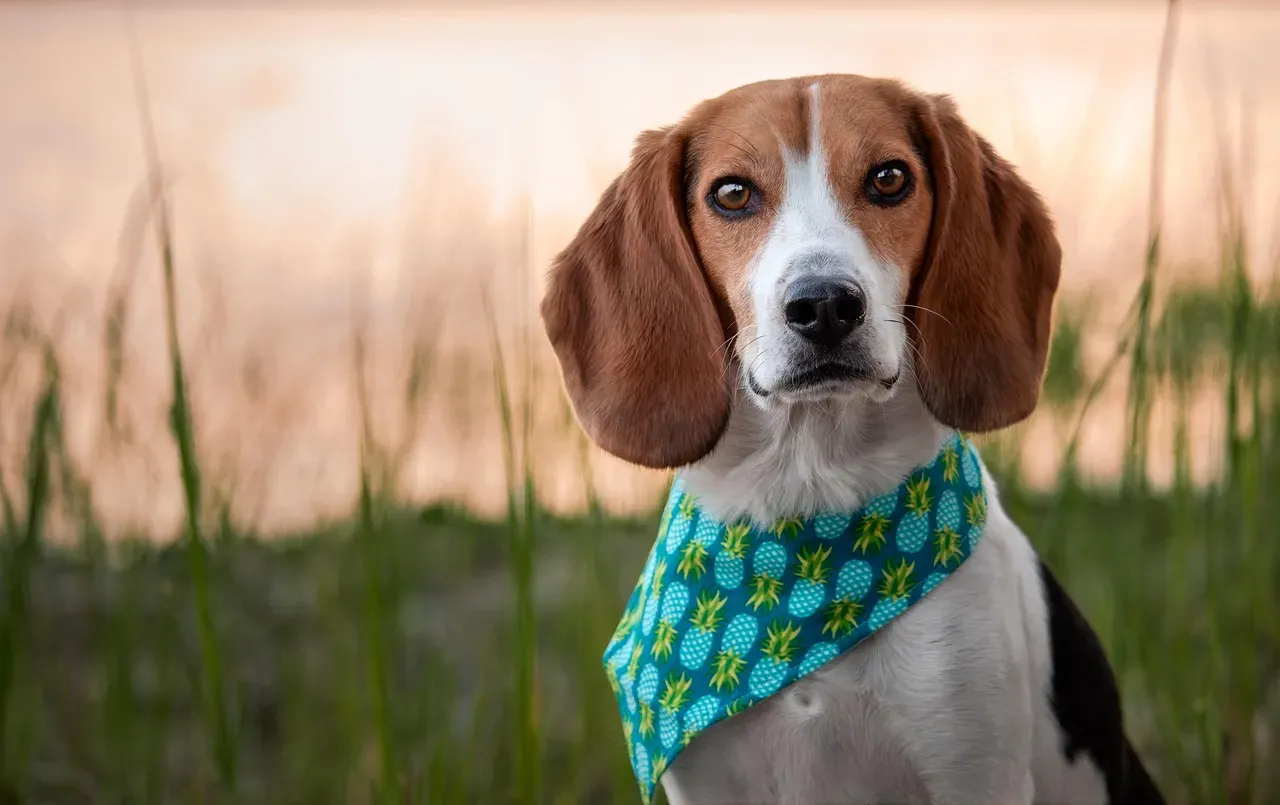
Selective breeding changed many dog traits over time. Yet this particular ritual proved useful enough to stay intact across breeds. It offered survival value that outweighed any cost in energy or time.
Even small dogs with no need for outdoor survival still perform the sequence. The instinct operates independently of current living conditions. It reflects a deeper biological memory rather than learned necessity.
Observing the Behavior in Daily Life
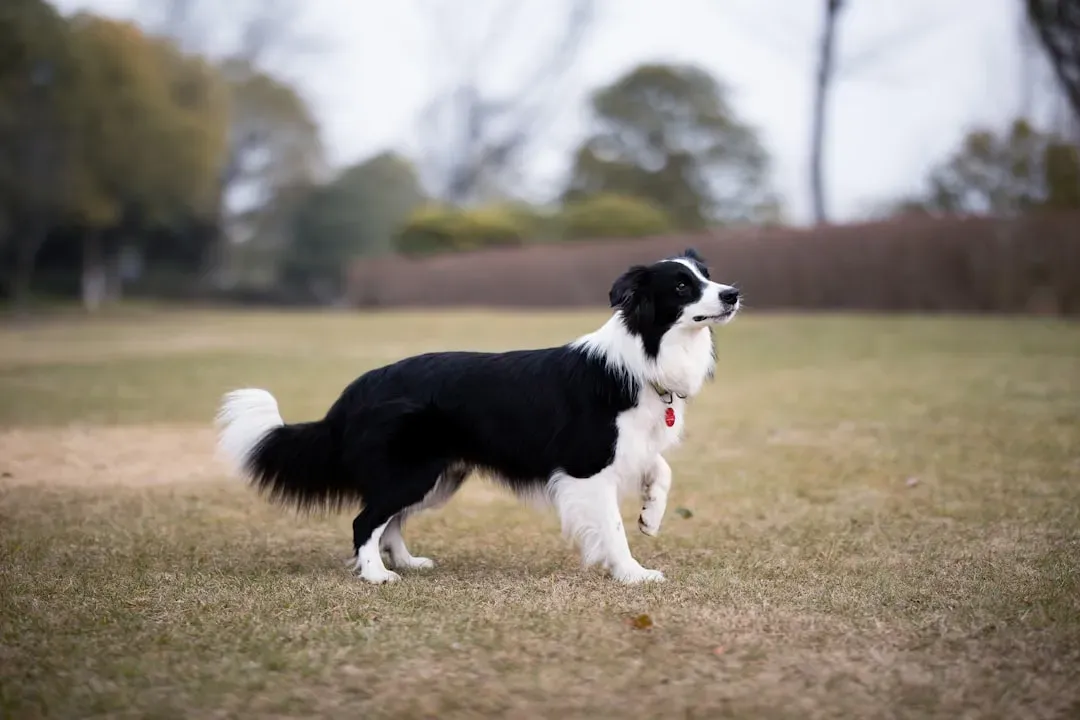
Some dogs circle more than others depending on breed, age, and surface type. Puppies may experiment with the motion while older dogs perform it with practiced efficiency. The number of loops can vary from one or two turns to several full rotations.
Excessive or frantic circling sometimes signals discomfort or joint issues. Most of the time the action stays brief and purposeful. Paying attention to these patterns helps owners notice when something feels off.
Appreciating the Ritual in Our Homes
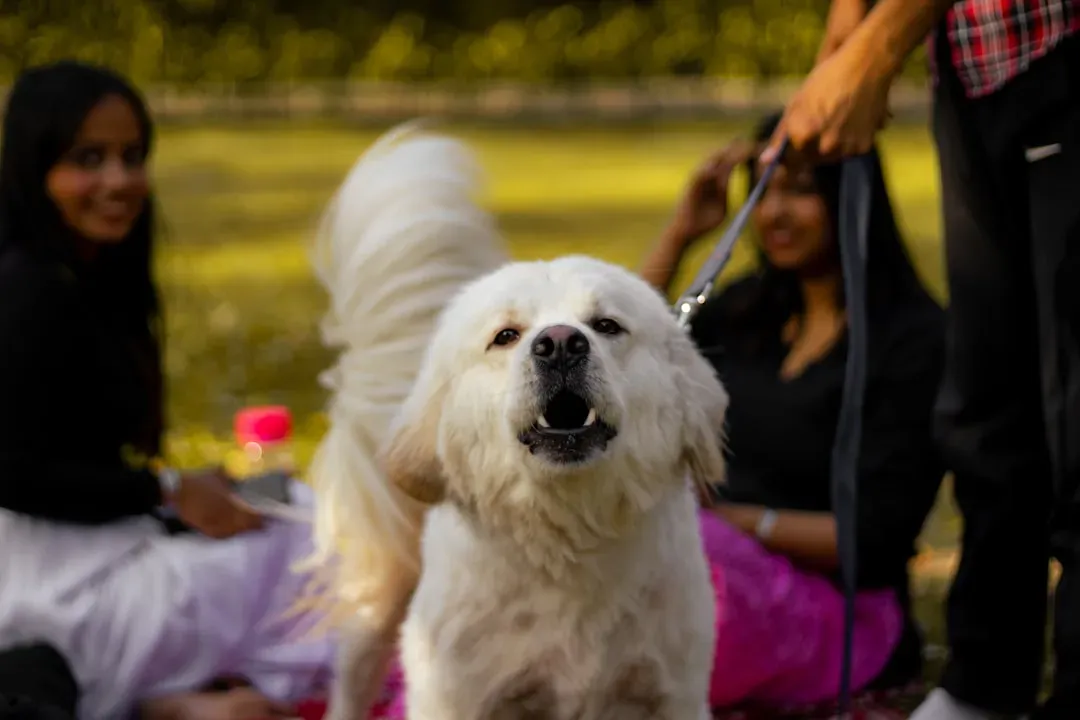
This ancient sequence reminds us that dogs carry their history into every ordinary moment. The circles are not random quirks but quiet links to a tougher past. Recognizing the instinct adds a layer of respect for what our pets still carry inside them.
Next time the spinning begins, consider the long journey that shaped it. The behavior connects us to a world we no longer share yet still influence through care and understanding. In that small routine lies a story of adaptation that continues to unfold.


