
Big dogs often project an image of unbreakable confidence. Their size and strength suggest they would stand firm against almost anything. Yet plenty of everyday sights and sounds can send even the largest breeds into a tailspin of anxiety.
These reactions catch many owners off guard. What seems harmless to us registers as a genuine threat to a dog wired for survival. Understanding the triggers helps explain why a 100 pound protector might suddenly seek shelter behind the couch.
Thunderstorms
Thunder rolls in with low rumbles that vibrate through the floor. Large dogs hear frequencies humans miss, so the storm feels closer and more intense than it does to us. Many seek out small spaces like closets or under beds even though their bodies barely fit.
Lightning flashes add sudden bursts of light that startle them further. The combination of sound, pressure changes, and static electricity creates a perfect storm of discomfort. Owners often notice pacing or heavy panting long before the first clap arrives.
Fireworks
Explosions from fireworks mimic the chaos of a battlefield. The sharp cracks and lingering booms echo unpredictably, leaving little time for a dog to adjust. Even confident breeds retreat to corners or shake uncontrollably during neighborhood displays.
Colors and sparks visible through windows heighten the sense of danger. Dogs cannot understand the celebration behind the noise. Their instinct pushes them toward escape or hiding until the last rocket fades.
Vacuum Cleaners
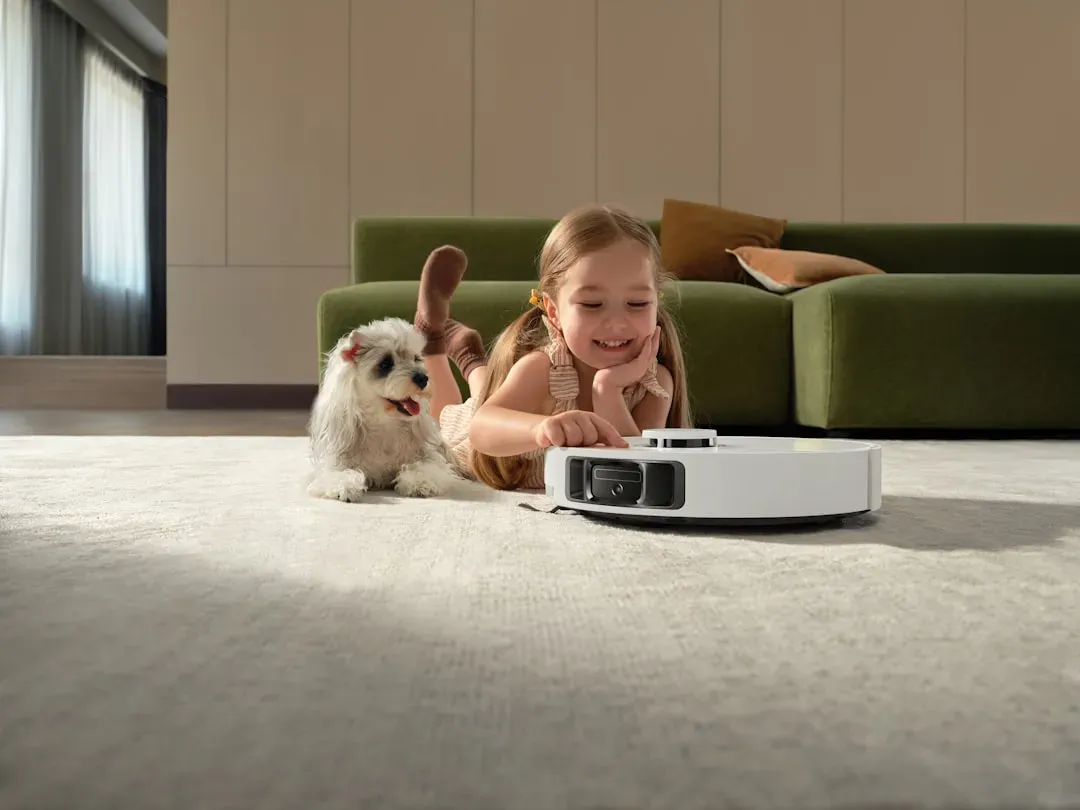
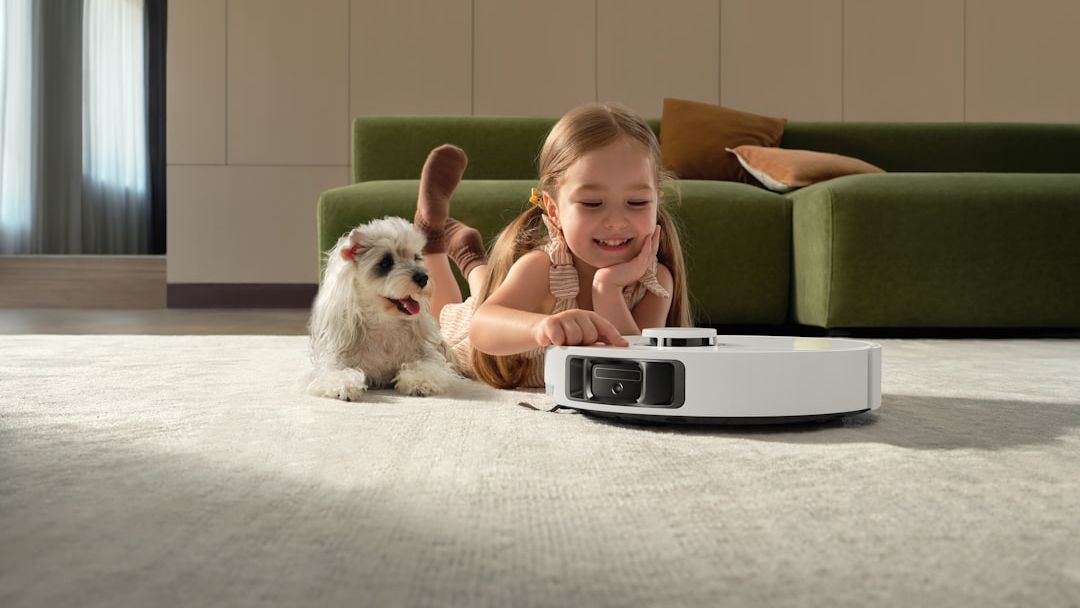
The low drone of a vacuum starts harmless enough yet grows louder as it approaches. Large dogs often associate the machine with restricted movement because it sweeps across their usual paths. Some bark or lunge at the device while others freeze in place.
The suction sound and the way the hose moves independently trigger a prey drive response in reverse. What looks like a simple cleaning tool becomes an unpredictable intruder. Many dogs learn to leave the room entirely once the vacuum appears.
Delivery Drivers
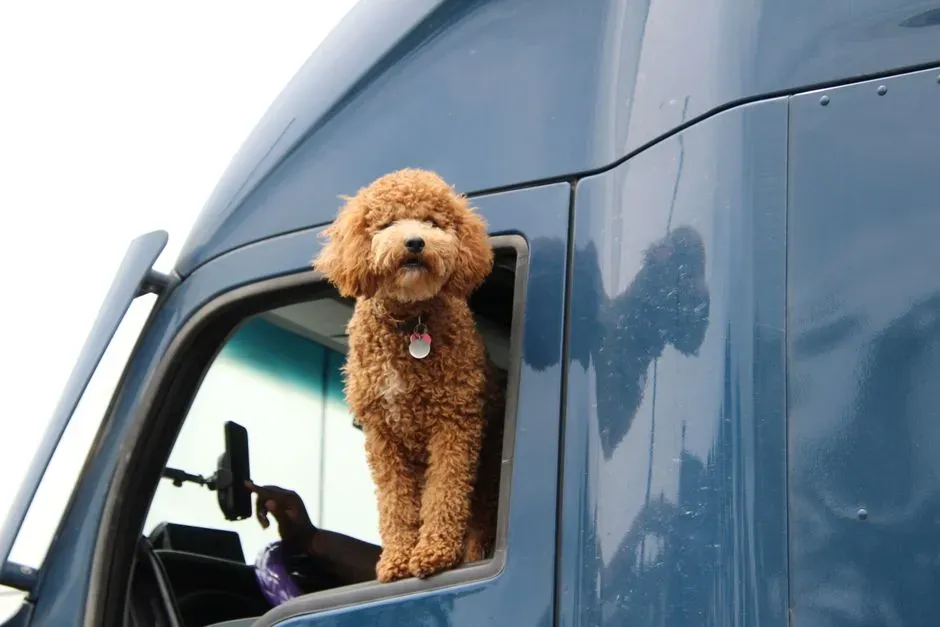
Knocks or doorbells signal an unknown person approaching the territory. Large dogs view their home as something worth guarding, so any stranger at the threshold activates protective instincts. The brief interaction through a door or window rarely satisfies their need to investigate further.
Uniforms and packages add visual novelty that heightens suspicion. Even friendly giants may growl or position themselves between the family and the visitor. Repeated visits sometimes reduce the reaction, yet the initial alert remains strong.
Other Dogs
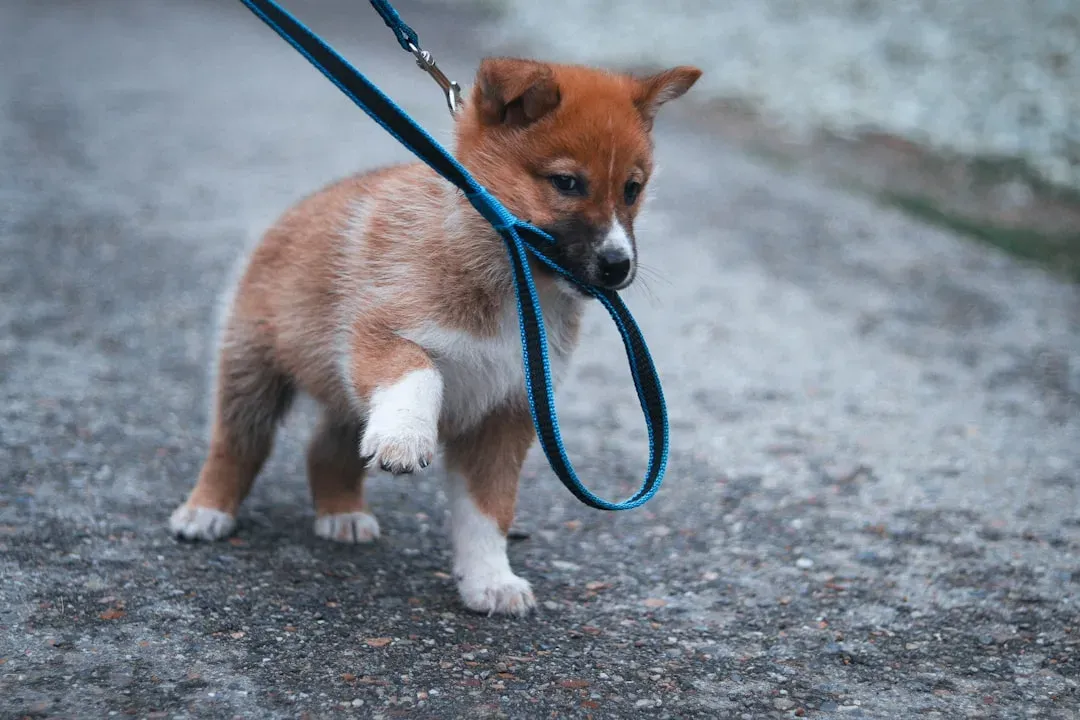
Encounters with unfamiliar dogs on walks can shift from curiosity to tension in seconds. Size does not guarantee dominance, and a large dog may still feel threatened by an aggressive smaller animal. Body language cues like stiff tails or direct stares escalate quickly.
Leash restrictions prevent natural resolution through play or retreat. Owners often feel the sudden pull as their dog tries to create distance. These moments reveal that confidence depends heavily on context and past experiences.
Car Rides
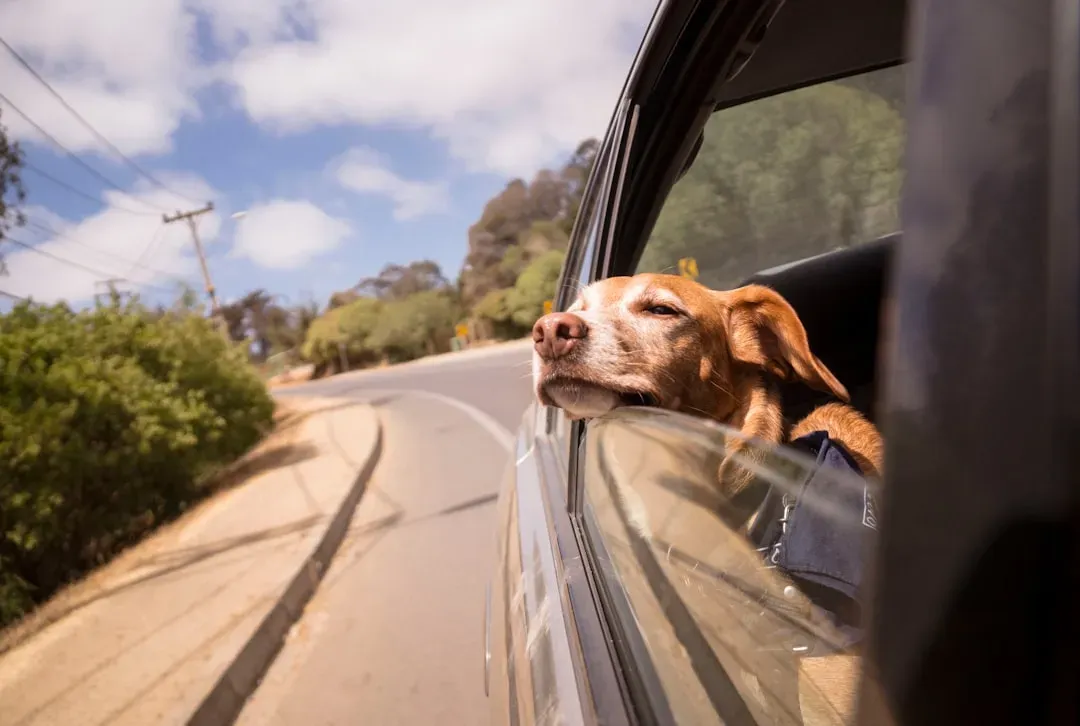
The motion of a vehicle introduces unfamiliar balance challenges. Large dogs feel every turn and stop more intensely because of their mass. Some drool or whine while others press against the seat in an attempt to stay steady.
Windows that reveal fast moving scenery add visual overload. The enclosed space limits their usual freedom to explore or escape. Over time many dogs associate the car with vet visits, which compounds the unease.
Baths And Water
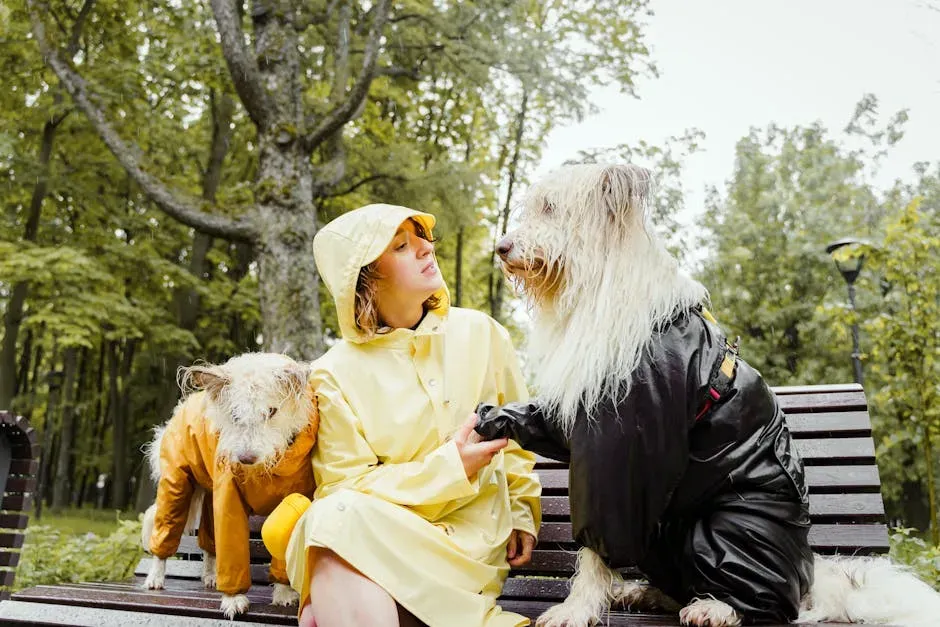
Running water produces unpredictable splashes and temperature shifts. Large dogs dislike the sensation of wet fur clinging to their skin because it affects their ability to move freely. The slippery tub surface removes their usual sure footing.
Shampoo smells and the sound of drains add layers of discomfort. Even dogs that enjoy swimming outdoors may resist indoor baths. The whole process feels like a loss of control rather than simple grooming.
Being Left Alone
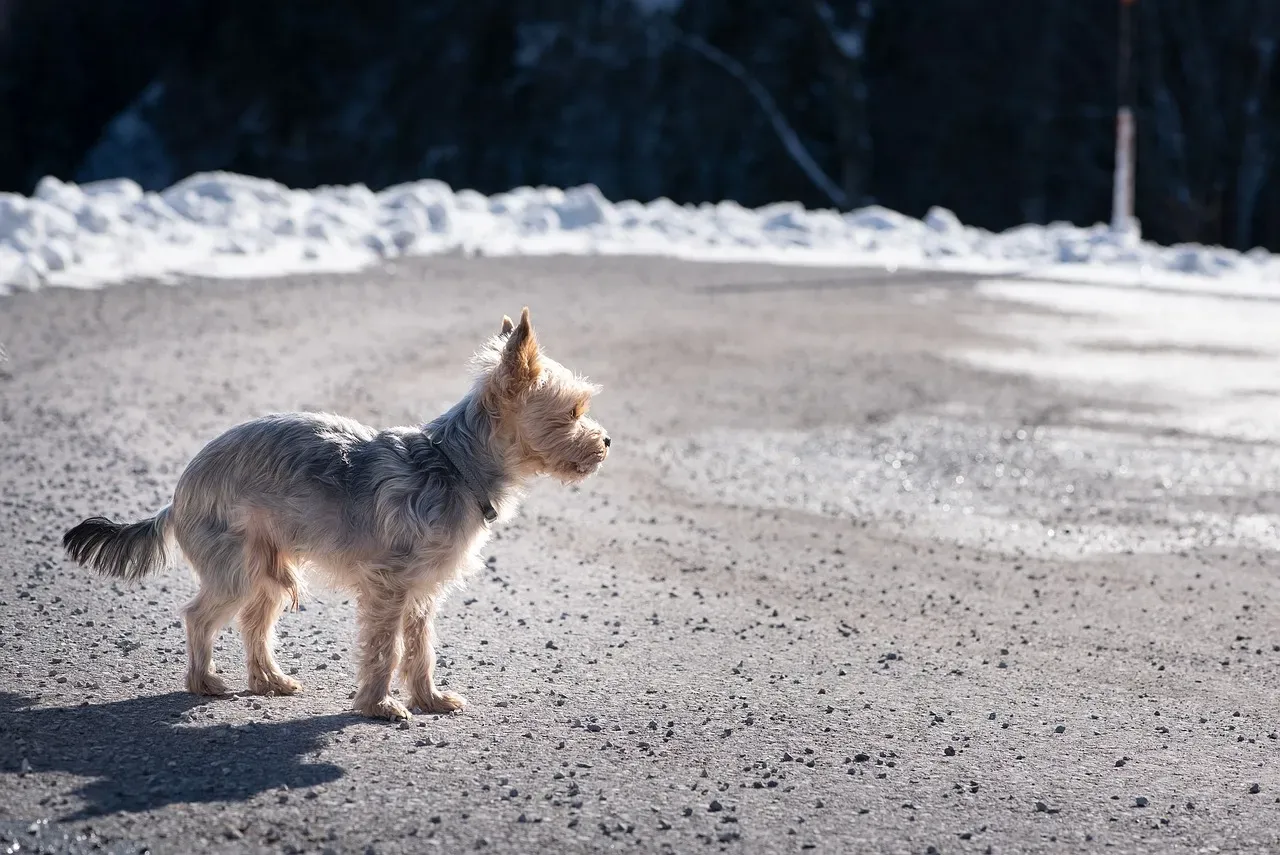
Separation triggers a deep rooted pack instinct in dogs of any size. Large breeds often form strong attachments to their people, so an empty house registers as abandonment. Pacing, howling, or destructive chewing appear as attempts to cope with the sudden quiet.
The absence of familiar scents and routines leaves them without clear signals about when the family will return. Some dogs settle after a few minutes while others remain on edge for hours. This reaction shows that emotional security matters more than physical strength.
Recognizing these common fears allows owners to create calmer environments. Simple adjustments like white noise during storms or gradual desensitization to the vacuum can ease daily stress. The payoff comes in stronger trust between dog and human.
Every dog carries its own history, yet these eight triggers appear across breeds and sizes with surprising consistency. Paying attention to early signs of discomfort turns potential meltdowns into manageable moments. In the end, patience and understanding turn even the toughest looking dog into a more relaxed companion.


