
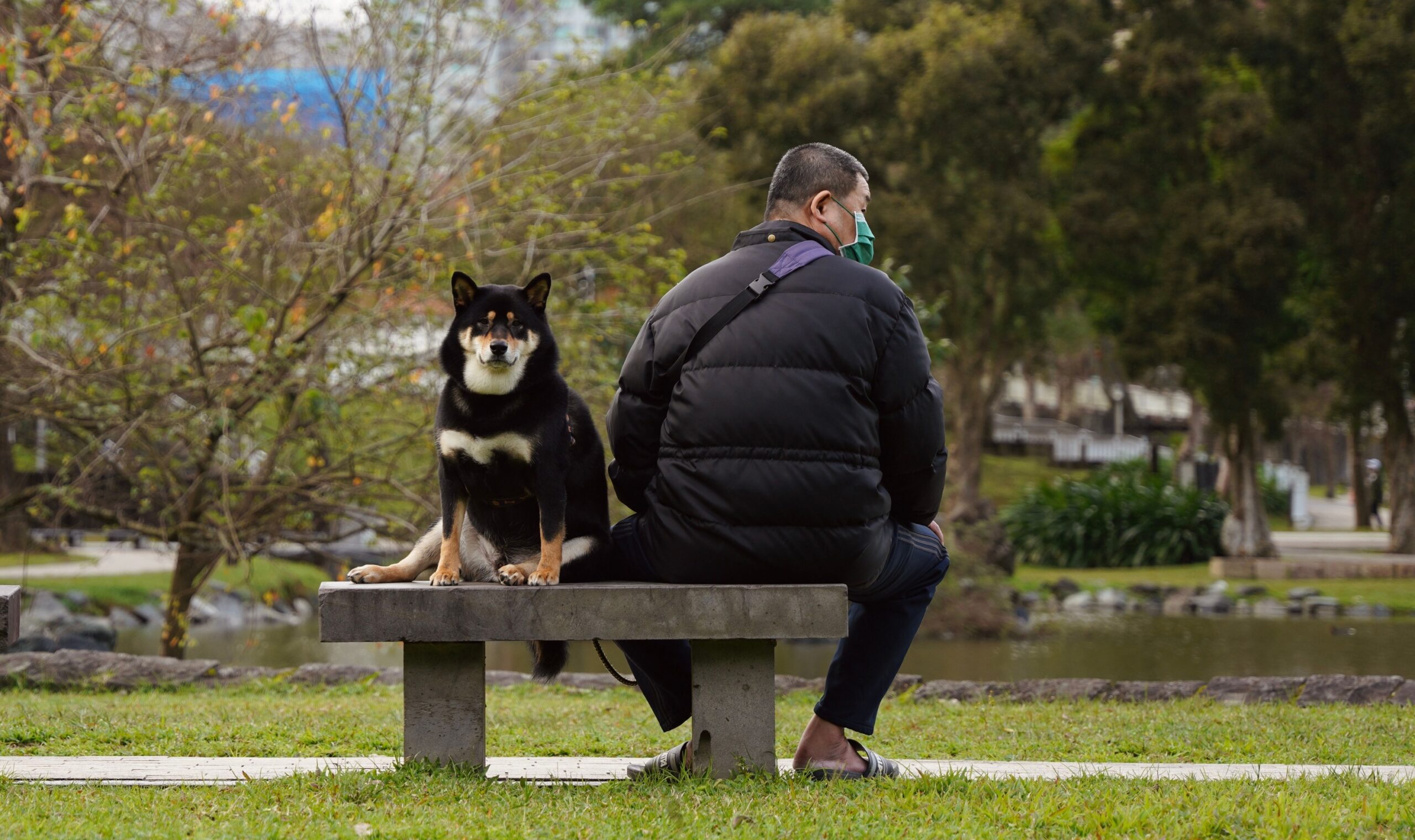
You probably adore your dog, and if anyone suggested you’d ever abandon them, you’d be horrified. Yet, from your dog’s point of view, some of the tiny everyday things you do can feel exactly like that. Dogs do not live in our world of texts, deadlines, and “I’ll be home late” messages. They live in routines, smells, tones of voice, and the simple question: are you here for me, or not?
When I first brought my dog home, I thought love, toys, and good food were enough. It took a while to realize that the moments I brushed her off, rushed out without a word, or buried myself in my phone were quietly teaching her that she didn’t matter as much as I said she did. Once you see it, you can’t unsee it. Let’s walk through eight incredibly common habits that can make your dog feel completely abandoned, even when you’re technically right there.
1. Rushing Out The Door Without A Goodbye
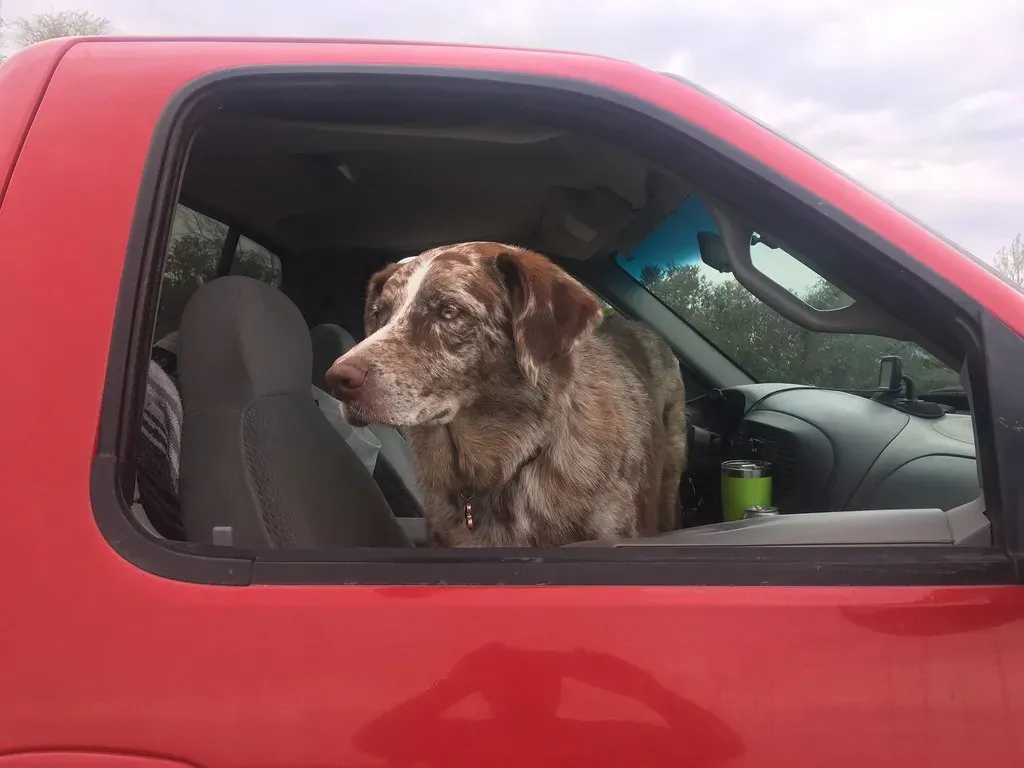
Imagine you’re sitting with someone you love and, without warning, they just get up and disappear. No “back soon,” no eye contact, nothing. That’s what it feels like to your dog when you grab your keys, slam the door, and vanish. Dogs thrive on predictability; when you leave abruptly, it can crank up their anxiety because they have no sense of what’s happening or when you’ll come back.
Over time, this can make goodbyes a trigger for panic: pacing, whining, drooling, the classic heartbreaking scene of them pressed against the door after you. A simple, calm goodbye ritual – a soft word, a gentle pat, a consistent routine before you leave – helps them connect the dots. You are leaving, yes, but you always come back, and you’re not emotionally ghosting them on your way out.
2. Ignoring Them When You First Get Home
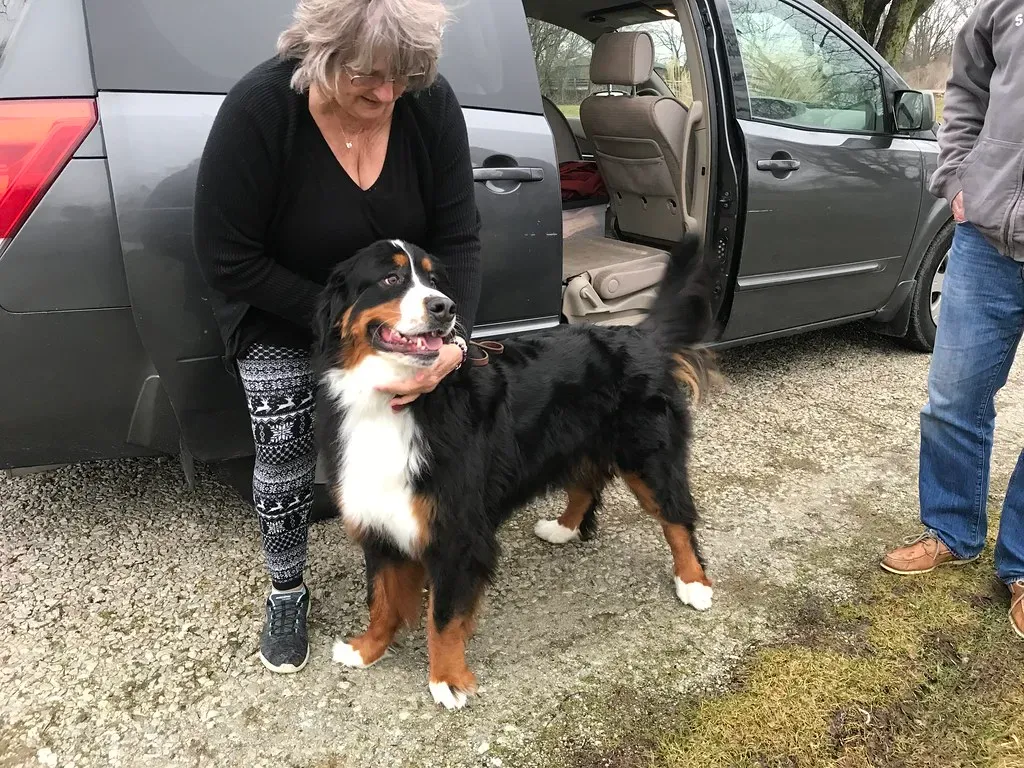
Your dog has been waiting for you all day in a world that barely changes: the same walls, the same smells, the same yard. When you walk in, that moment is like a fireworks show of joy for them. If you breeze past their wiggling body to answer messages, drop your bag, or complain about traffic, they’re left hanging in emotional limbo, wondering why their favorite person barely noticed them.
You do not need a huge reunion every time, but that first minute matters more than you think. A few seconds of focused connection – greeting them by name, getting down to their level, offering calm touch – tells them they haven’t been forgotten. When you treat coming home like a chore and your dog like background noise, it quietly teaches them their feelings are at the bottom of your list.
3. Being Physically Present, But Glued To Your Phone
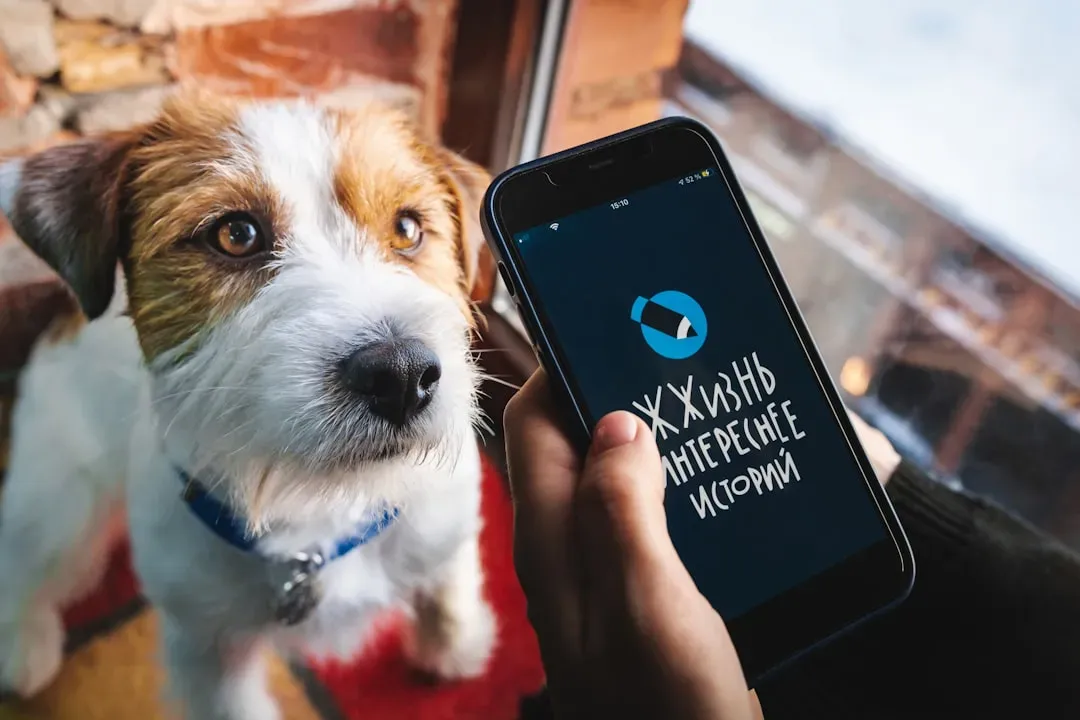
Dogs do not understand “I’m busy scrolling.” To them, you’re there, your body is on the couch, but your attention is locked inside a glowing rectangle. Dogs read our eyes, posture, and tiny movements to feel safe and connected. When you spend most of your shared time staring at a screen, they are like a kid talking to a parent who never looks up – technically not alone, but emotionally sidelined.
Over time, many dogs stop trying to engage when you’re on your phone, because they learn it never works. That quiet withdrawal can look like a “chill” dog, but often it is just a dog who has given up asking. Building little phone-free pockets – like ten minutes of real play, or just sitting with them while you absentmindedly stroke their fur – can completely change how seen and secure they feel.
4. Only Interacting When You’re Correcting Them
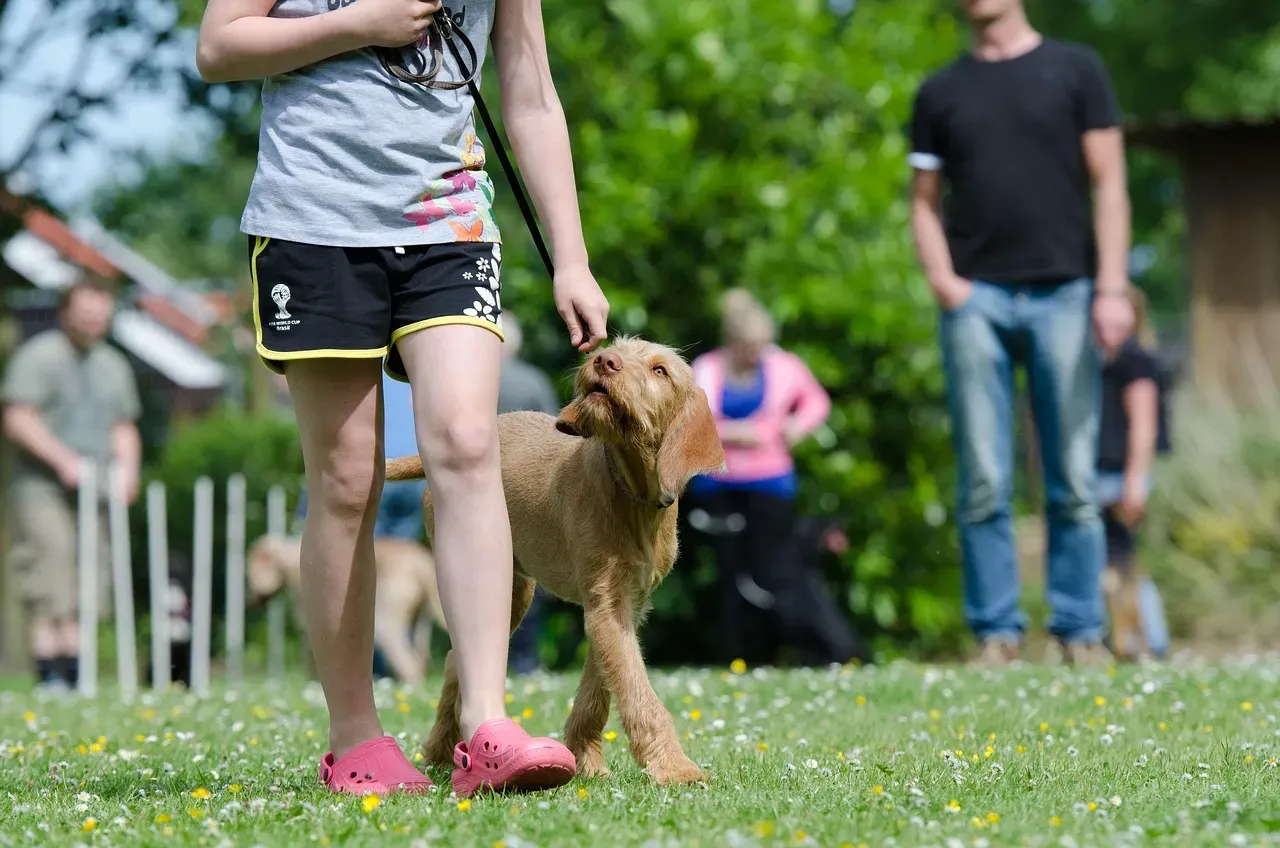
If most of the times you say your dog’s name, it’s followed by “no,” “stop,” or a frustrated sigh, you turn yourself into a walking bad-news signal. From your dog’s perspective, seeking you out risks scolding: jumping on the couch, barking, grabbing your sock – they reach for you, you push them away. This pattern can grow into a dog who seems oddly detached or “independent,” when in reality they have learned that attention from you usually feels negative.
Dogs are wired to work for connection; they just need to know what behavior will make that connection happen. If you only react when they do something wrong, you accidentally starve the relationship while feeding tension. Catch them doing something right – lying calmly, chewing the right toy, checking in with you on a walk – and let that be the moment you engage. Otherwise, you become like a boss who only shows up to complain, and who wants to run to that?
5. Leaving Them Alone With Endless Energy And No Plan
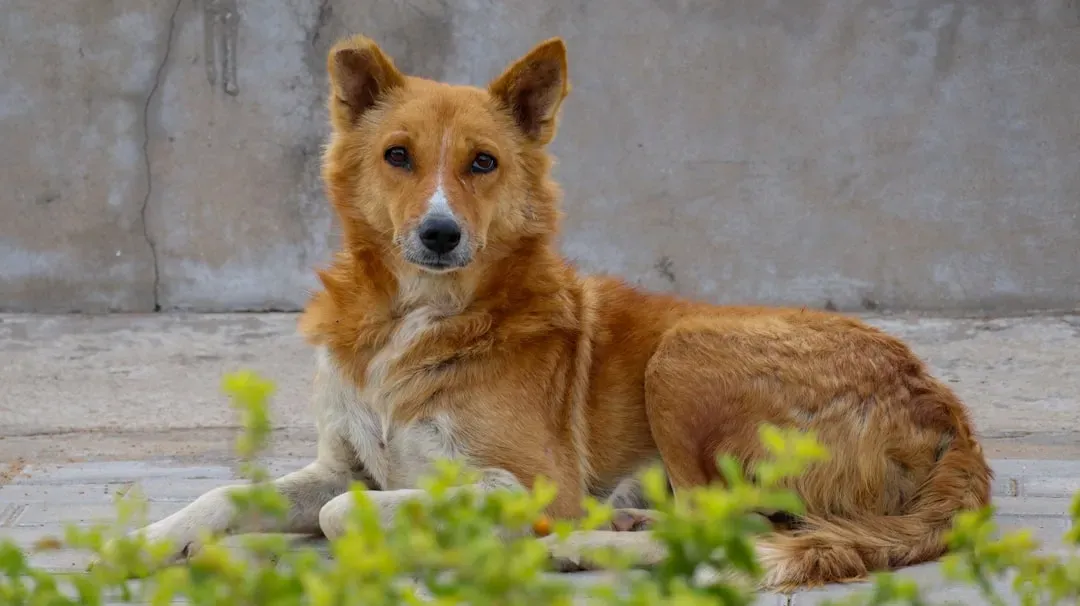
Many people underestimate how lonely and restless a dog feels when left alone with a full tank of energy and nothing to do. You close the door, and for hours they are stuck in a tiny loop: pacing, napping, staring out the window, maybe barking, maybe chewing something just to feel less bored. When we repeatedly expect them to simply “deal with it,” it can feel like abandonment because their needs for stimulation and movement keep going unheard.
Dogs do not want twelve hours of intense exercise, but they do need both physical and mental work to feel settled. Leaving puzzle toys, safe chews, or even hiding a few pieces of their food around the house can make solo time feel less like being dumped and more like being given a job. Without that, some dogs slide into anxiety, others into shutdown; both are different faces of the same message: I’m alone, and nobody thought about what I need while they’re gone.
6. Shutting Them Out Of “Family Time” Without Explanation
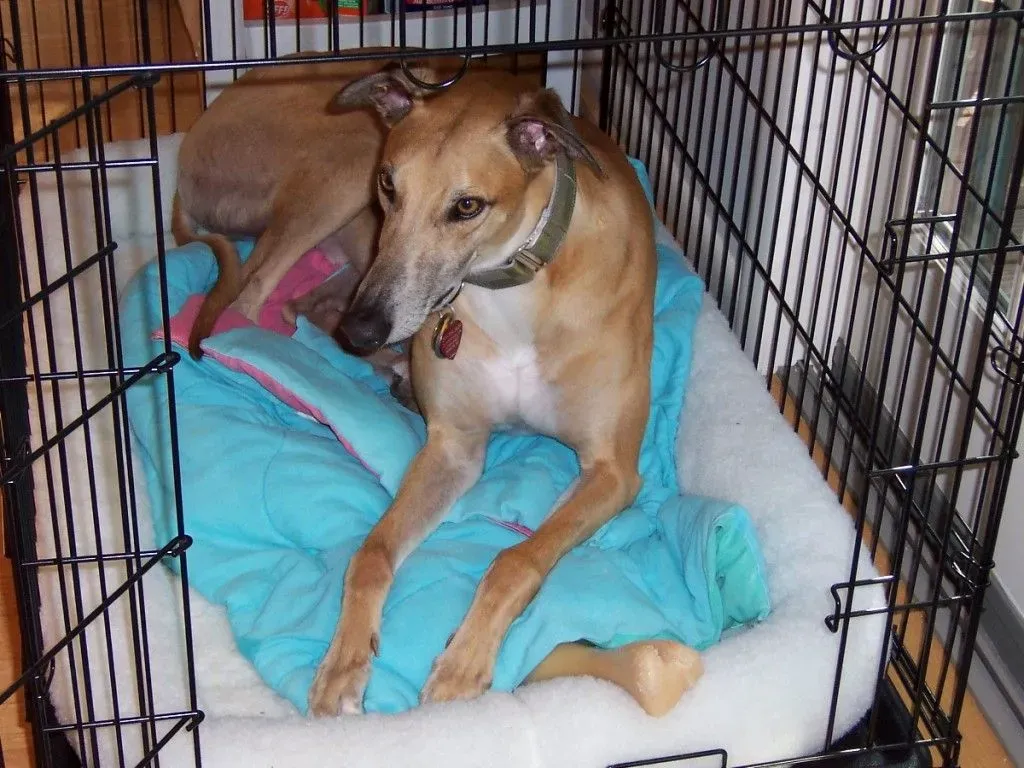
Picture this from your dog’s eyes: you hear laughter, smell food, sense the buzz of people in the next room – and you’re on the other side of a closed door or baby gate. Sometimes it is absolutely necessary to separate dogs from guests, kids, or certain situations. The problem is when this becomes a default pattern and no effort is made to make that separation feel safe or positive. To a dog who lives for being near their family, constant shut doors can feel like social exile.
If your dog is always crated or gated away whenever life gets fun or busy, they can start associating those sounds and smells with being excluded. Instead, you can give them a stuffed food toy in their safe space, play gentle background sound to mask the noise, or rotate in short, calm interactions when possible. The point is not to never separate them; it is to avoid turning “family time” into a regular reminder that they are not really part of the group.
7. Changing Routines Without Any Transition
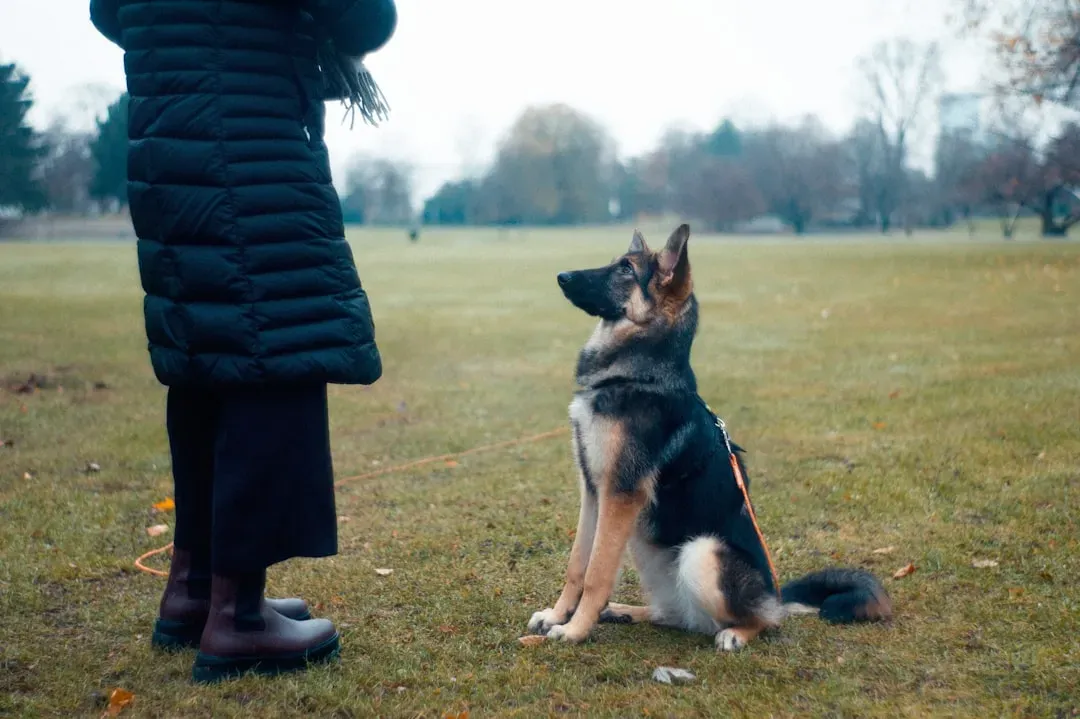
Dogs are routine addicts. They map their day by when you wake up, when you feed them, when you walk out the door, and when you usually return. When that pattern suddenly changes – a new job with different hours, a new baby, a new partner moving in – and nothing about your dog’s world is carefully re-explained through consistent new rituals, it can feel like their entire life has cracked in half overnight.
From our side, it can seem small: “I’m just getting home a bit later now.” But to a dog that was used to your footsteps at a specific time, the first extra hours alone can trigger confusion, pacing, whining, or even house-soiling. Gently easing into new schedules, adding comfort items, or bringing in a dog walker during the transition tells your dog they have not been pushed to the emotional edge of your life just because your calendar changed.
8. Withdrawing Emotionally When You’re Stressed Or Upset
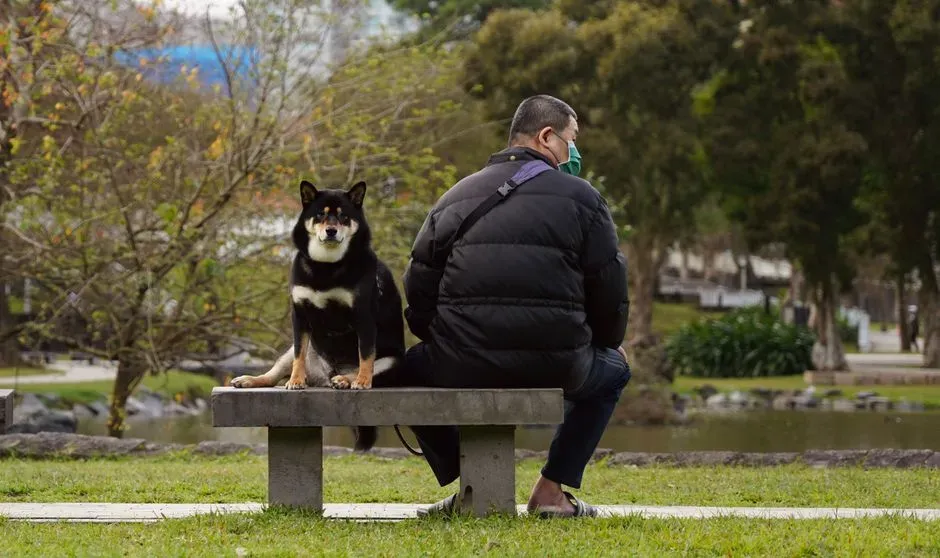
On hard days, it is tempting to go numb: you come home, move like a ghost, and shut down emotionally. Your dog has no idea about your bank account, your inbox, or the fight you had with someone. All they know is that their person feels far away. When this happens often, and your dog’s attempts to nuzzle, play, or comfort you are met with cold distance or irritation, they can start to feel like their love only counts when you are in a good mood.
Dogs are remarkably sensitive to our emotional weather; many will mirror our stress, growing clingier or more anxious. Taking thirty seconds, even on the worst days, to acknowledge them – a soft word, a slow stroke, letting them curl by your side – can keep them from feeling frozen out. You are allowed to be human and overwhelmed, of course, but if your dog repeatedly hits an invisible wall when they reach for you, it lands as a kind of emotional abandonment they cannot possibly make sense of.
Conclusion: Your Dog Is Not Clingy – They’re Connected
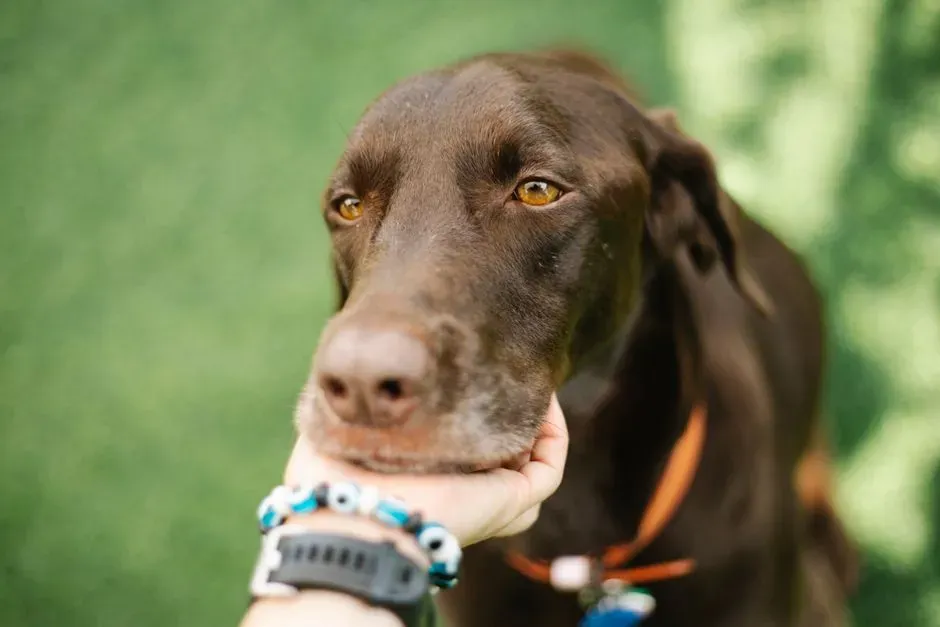
It is easy to dismiss some of this as “clingy” behavior or to joke that your dog is obsessed with you. The truth is more sobering and more beautiful: you are their whole world. The tiny, unthinking habits that chip away at that bond are not signs that you are a bad person; they are simply blind spots in a busy human life that a dog’s heart feels very clearly. Once you start seeing those moments – the rushed exits, the cold returns, the distracted evenings – you gain the power to do better without completely reshaping your life.
To me, the most humbling part of living with a dog is how little it takes to make things right: a consistent goodbye, five minutes of fully present play, a small enrichment game before you leave, a soft touch when you feel like shutting down. None of this is dramatic or glamorous, but it adds up to one message your dog never gets tired of hearing: you are not alone, I am here with you. Looking at your own routine, which of these quiet “abandonment” moments are you ready to change first?


