
If you’ve ever watched a group of dogs at the park and thought, “Wow, there’s a lot going on here,” you’re right. Dogs are constantly negotiating personal space, comfort zones, and social rules with each other, often in ways we barely notice. What looks like random sniffing or an awkward freeze can actually be a pretty sophisticated conversation about boundaries.
Once you start seeing these patterns, it changes how you understand your dog. You realize they aren’t being “dramatic” or “rude” for no reason; they’re following a quiet code that keeps interactions peaceful and safe. Let’s break down nine key , and what they might really be saying.
1. The Arc Approach vs. the Head‑On Charge
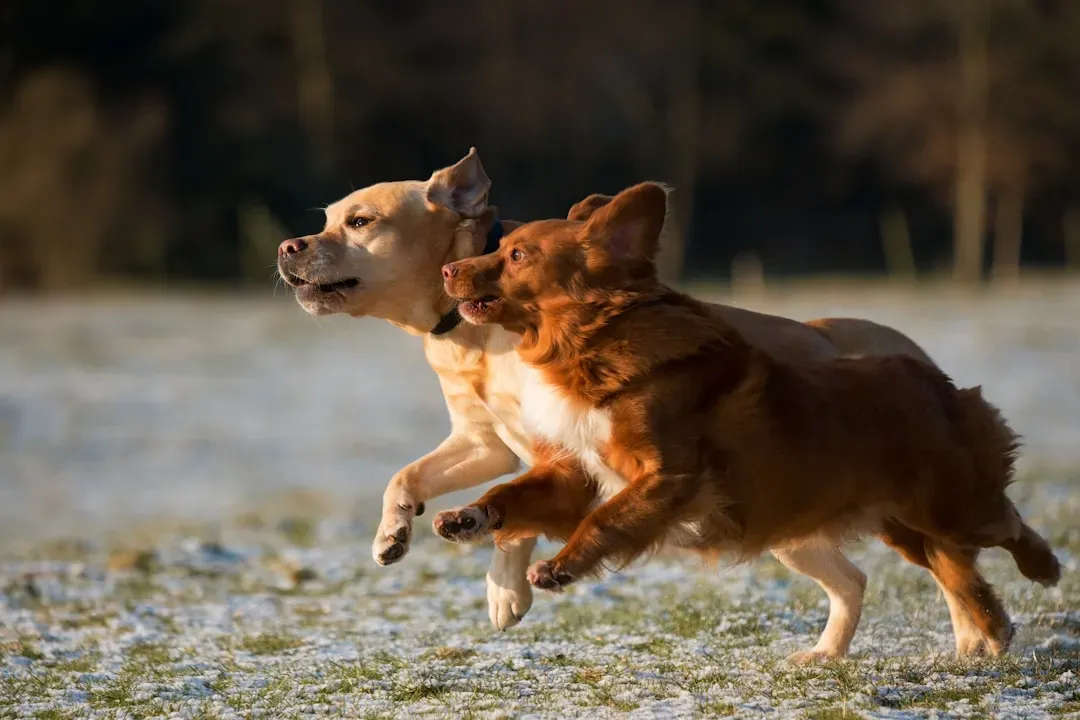
One of the clearest signs that dogs care a lot about personal space is how they choose to approach each other. A polite, socially skilled dog will usually move in an arc, curving their body and path instead of marching straight in. That curved approach is like a doggy version of knocking on the door instead of barging into someone’s living room.
When a dog charges in head‑on, especially with stiff legs and high tail, that’s much more intense and can feel threatening. Some confident, rough‑and‑tumble dogs tolerate it, but more sensitive or anxious dogs often tense up, turn away, or even snap because their space just got bulldozed. Watching the path of approach alone can tell you who understands boundaries and who might need a little help learning them.
2. The Sideways Turn and “C‑Shape” Body
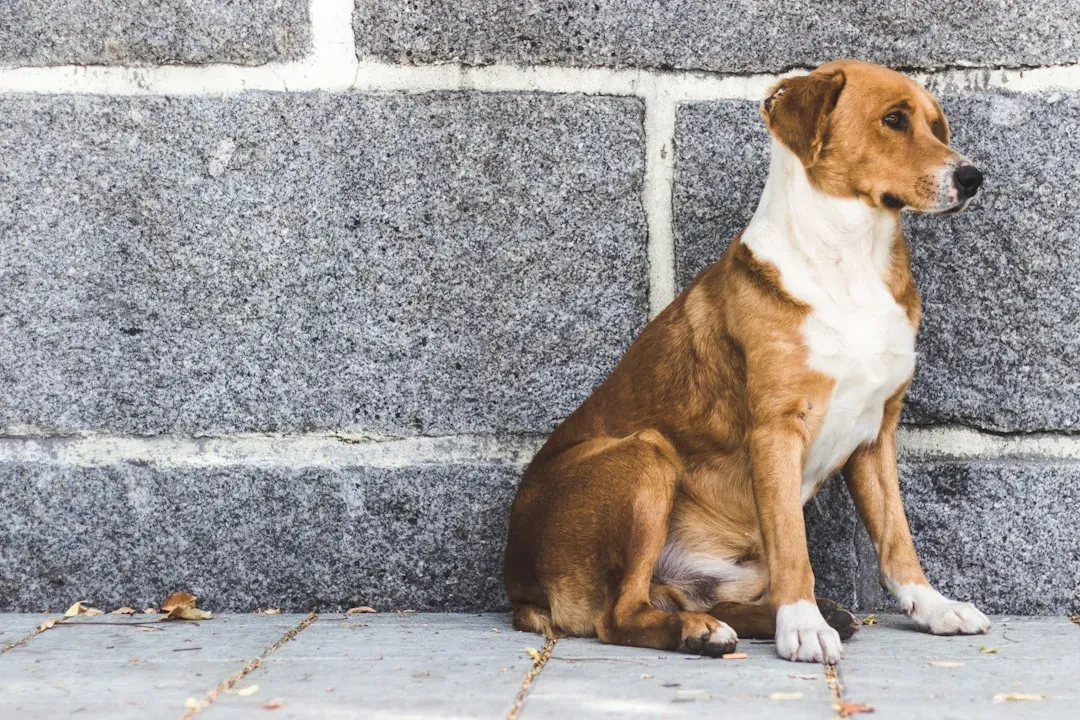
When two dogs get close, you’ll often see one of them twist their body slightly sideways, forming a gentle “C” with their spine. This looks subtle, but it’s a major personal‑space move: by turning sideways, the dog is softening the confrontation and saying, “I’m friendly, I’m not trying to crowd you.” It is the opposite of a chest‑to‑chest stare‑down.
Dogs who consistently offer that side‑on posture tend to be the social diplomats of the dog world. They know that direct, square contact can feel like someone stepping right up into your face at a party. When you see two dogs both curving their bodies, taking turns turning away, that’s usually a sign of respectful space‑sharing, even if they never actually touch.
3. Sniffing Rituals and How Long They Last
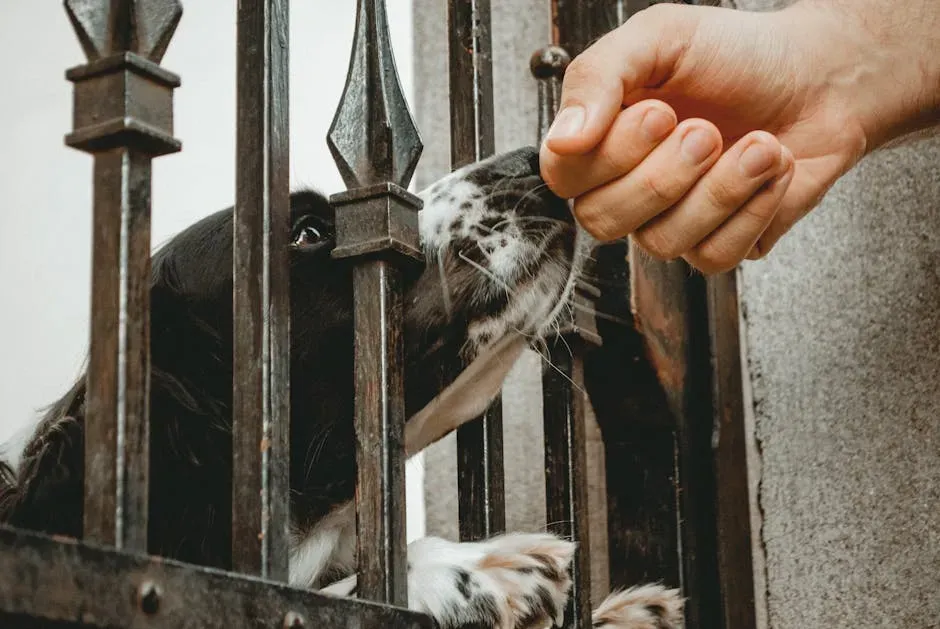
Butt sniffing looks hilarious to humans, but to dogs it’s a serious information exchange with built‑in personal‑space rules. A typical polite greeting is brief: one dog sniffs, then the other, then they move away or take a quick break before deciding what to do next. It’s a bit like a handshake followed by stepping back to a comfortable distance.
Problems usually show up when one dog stays glued to the other’s rear end long after the other dog has tried to move away. If the “sniffed” dog steps aside, turns their head, or walks forward and the sniffer keeps tailgating, that’s a boundary being ignored. Dogs who manage space well will interrupt themselves, back off, or redirect, instead of turning a normal sniff into harassment.
4. Freeze, Stare, and the Personal Space “Red Alert”
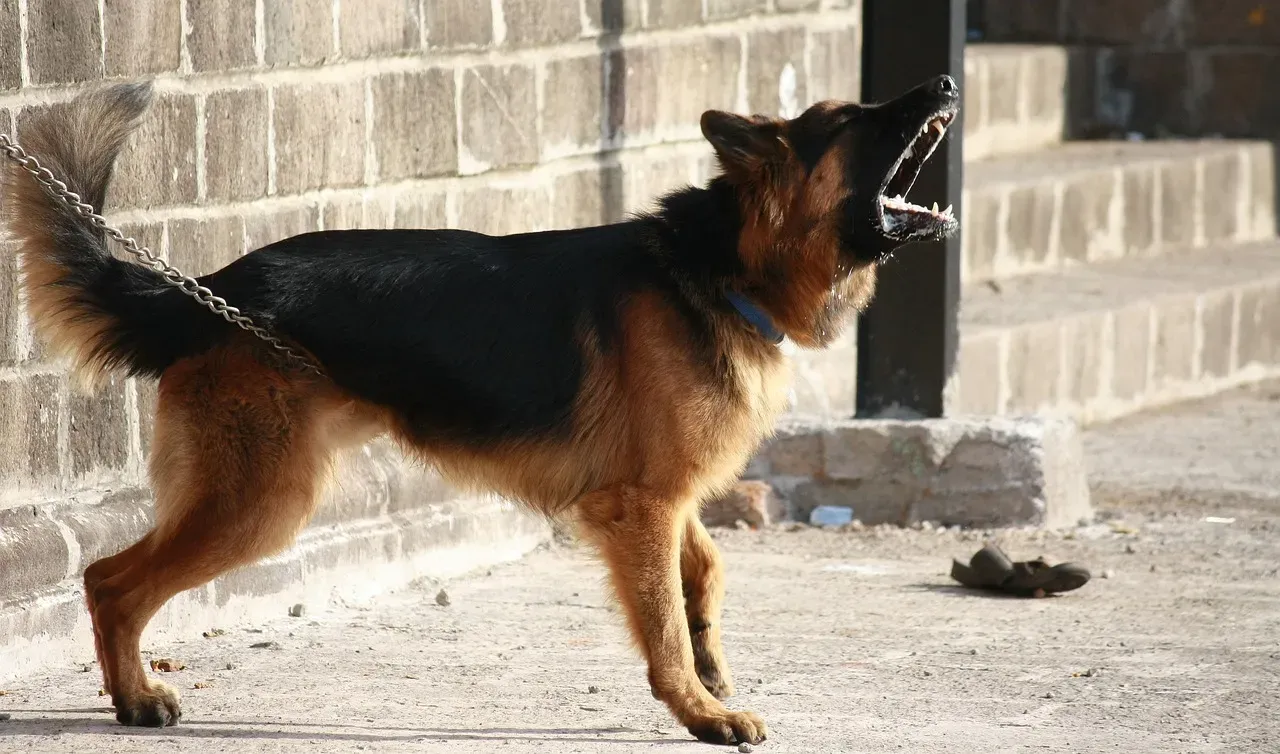
When a dog suddenly freezes in place around another dog, it’s rarely random; it’s a warning flare about personal space. A freeze, especially combined with a hard stare and tense muscles, usually means the dog feels their boundary is being pushed and they’re debating their next move. Think of it like a person who stops mid‑conversation, goes quiet, and stares after someone steps way too close.
Dogs that keep getting crowded despite showing this freeze may escalate to growling, snapping, or lunging, not because they are “mean,” but because their quieter signals were ignored. Many conflicts between dogs could be prevented if humans recognized that moment of stillness as the serious message it is. When you see a freeze around another dog, that’s the time to create space, not to encourage more interaction.
5. Shake‑Offs, Sniff‑the‑Ground, and Other “Pressure Release” Moves
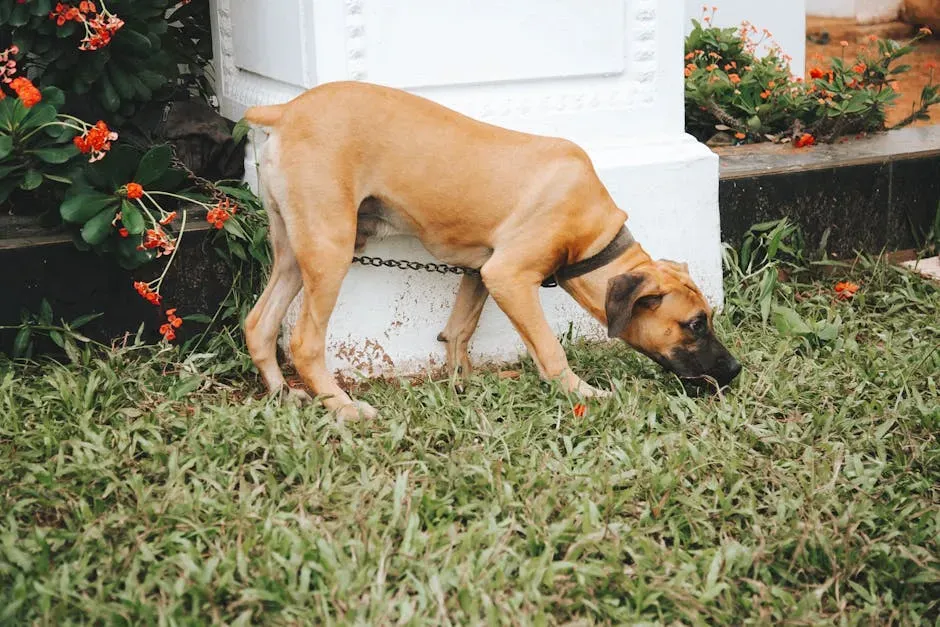
Ever notice how dogs often shake their whole body or suddenly start sniffing the ground after a tense or overly close interaction? Those moves work like emotional reset buttons. A shake‑off is a way of dumping leftover stress; ground‑sniffing, even when there’s nothing particularly interesting there, is a polite way of saying, “I need a second; let’s take the pressure down a notch.”
These behaviors show that dogs actively manage how much social intensity they can handle. When one dog backs off and starts sniffing, a respectful partner gives them that breathing room instead of charging back into their space. If the other dog keeps pressing, you’ll often see stress build quickly, because one dog is trying to cool down the interaction and the other is ignoring every hint.
6. Turning Away, Curving Off, and Strategic Avoidance
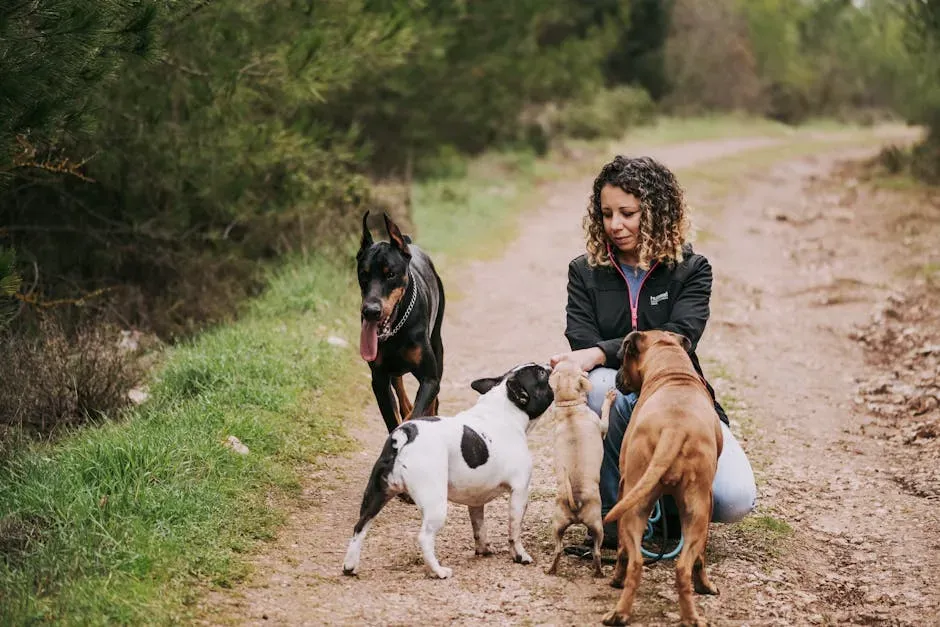
A dog that repeatedly curves away from another dog, turns its head to the side, or casually wanders off is not being rude; they’re drawing a line. These avoidance moves are gentle but firm ways of saying, “I don’t want you this close right now.” Sometimes it’s because the other dog is too intense, sometimes it’s because the dog is tired, nervous, or just not in the mood for more contact.
What’s interesting is that socially smart dogs will respect this and mirror the avoidance, giving the other dog more space or switching to parallel walking instead of face‑to‑face interaction. Dogs who ignore these cues and keep following, pawing, or jumping often get labeled as “hyper” or “pushy,” but at the core, they’re missing the rules about personal space. Over time, that mismatch is how you end up with growls, spats, and dogs who no longer want to go to the park.
7. Play Bows, Body Slams, and the On/Off Switch of Rough Play
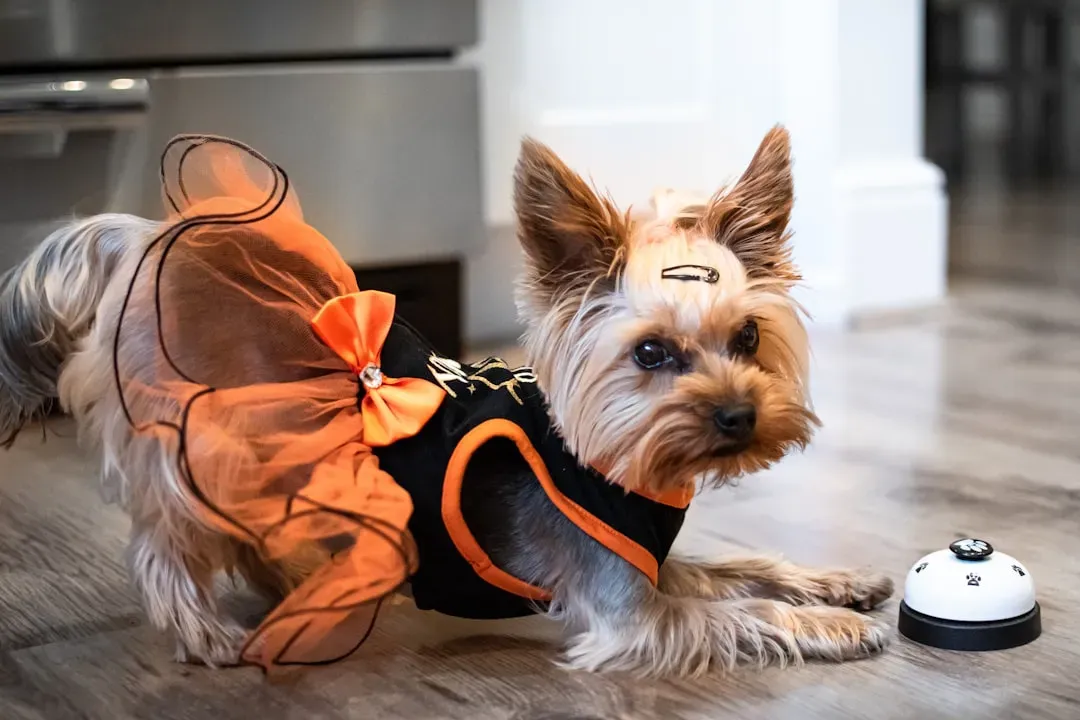
Rough play can look wild, but even in the chaos, dogs are negotiating space constantly. The classic play bow – front legs stretched forward, rear in the air – is an invitation that says, “I’m about to get into your space, but it’s for fun.” When play is healthy, you’ll see a rhythm: one dog pushes in with a chase or body slam, then backs off, giving the other a chance to reset and re‑enter if they want.
Where things go wrong is when one dog never offers that space break and just keeps plowing into the other. If one dog is always on top, always pinning, and never yielding room for their partner to get up or move away, that’s not balanced play – it’s one dog steamrolling the other’s boundaries. Dogs who manage personal space well in play show a kind of on/off switch: bursts of contact, followed by pauses or softer movements that check in on their buddy’s comfort.
8. Guarding, Resource Zones, and Bubble Expansion
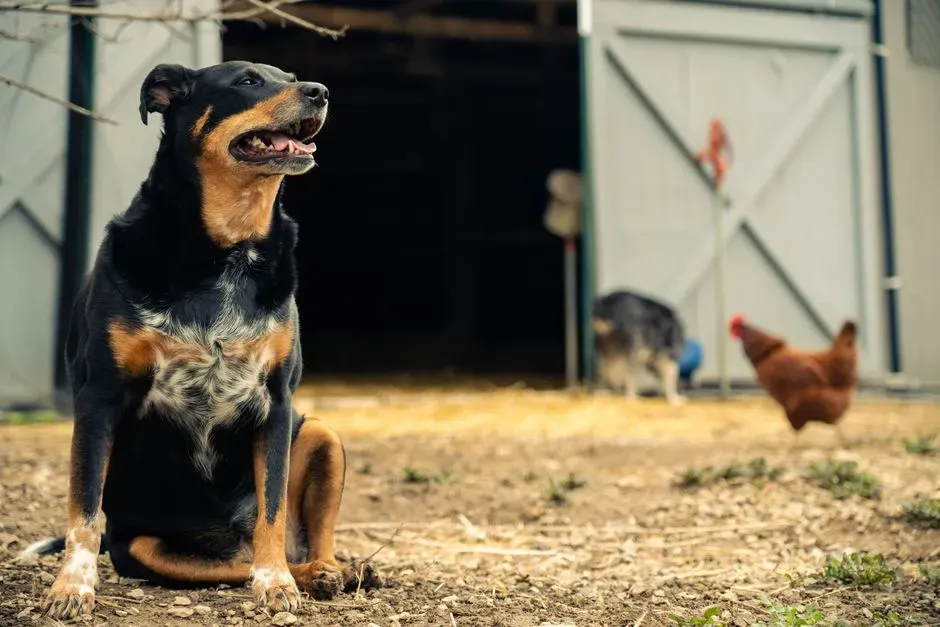
Many dogs have invisible “bubbles” around high‑value things like food, toys, beds, or even their favorite person. Another dog stepping into that bubble can trigger guarding behaviors: stiffening, hovering over the item, blocking access with their body, or moving the resource away. It is not just about the object; it is about a dog saying, “This entire little area is my personal space right now.”
Some dogs have very flexible bubbles – they share toys or bowls easily, move aside, or invite other dogs in. Others have tight, rigid bubbles and struggle when another dog approaches even from a distance. Neither is morally right or wrong; it is simply about how wide a dog’s comfort zone is. The key is noticing when that zone suddenly shrinks or expands around specific triggers so you can manage interactions before conflict sparks.
9. The Shadow Dog vs. the Lone Wolf: Preference for Distance
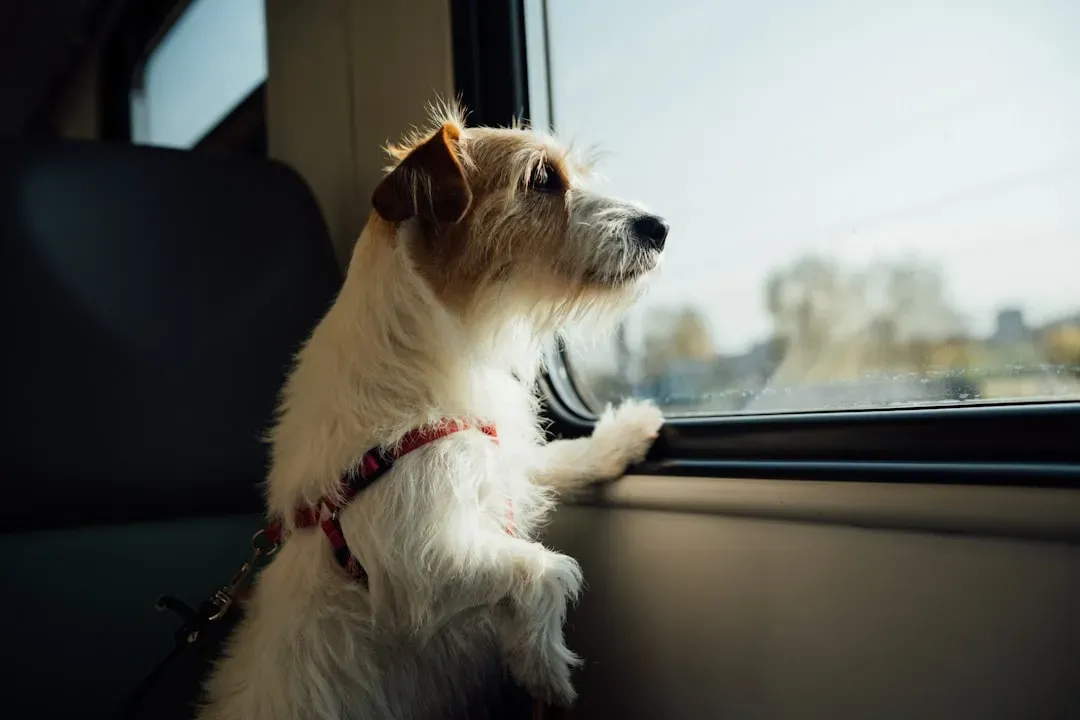
Just like people, some dogs are social butterflies who love being shoulder‑to‑shoulder, while others prefer a bit of breathing room. The “shadow dog” is the one who wants to be right next to other dogs, often leaning, resting their head on another’s back, or curling up in the same bed. When this closeness is mutual, it’s beautiful – two dogs whose personal space bubbles intentionally overlap.
But when a more independent, “lone wolf” dog gets paired with a shadow dog, you can see a constant negotiation over distance. The lone wolf might repeatedly move away, choose the far end of the couch, or settle across the room, only to have the shadow dog creep closer again. Watching how each dog responds – relaxing into shared space or getting more tense and restless – tells you whether their bubbles truly align or if one dog’s need for space is quietly being ignored.
Conclusion: Why Personal Space Makes Dogs Easier to Live With
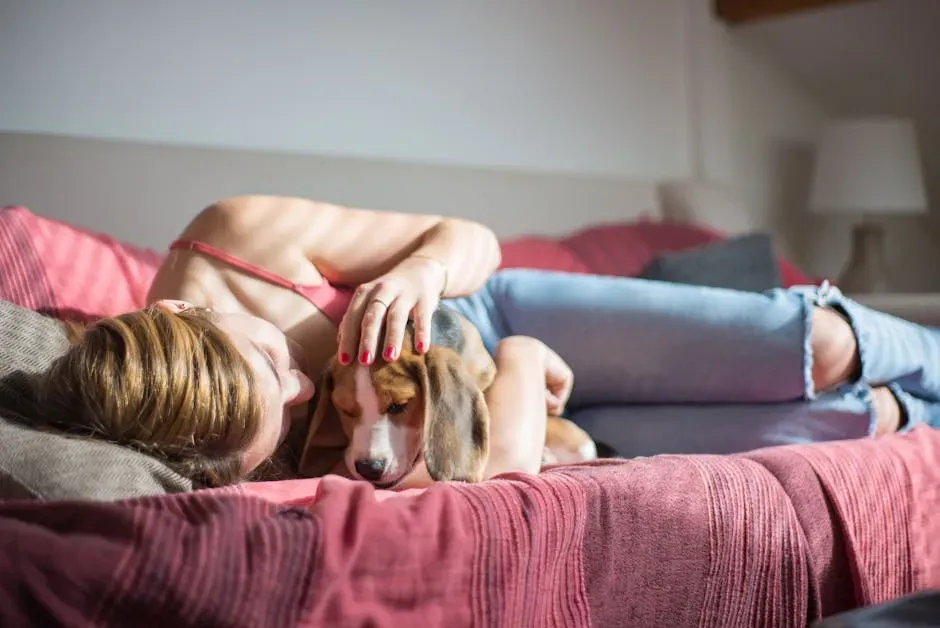
Once you start seeing all these tiny signals – curved approaches, sideways turns, shake‑offs, freeze moments – you realize dogs are not being random at all. They’re constantly trying to keep the peace, protect their comfort, and avoid direct conflict by managing personal space as skillfully as many humans do, sometimes more. In my opinion, the biggest mistake we make as owners is expecting dogs to “just get along” without giving them room to use that language.
When we honor what they’re saying – stepping in to create distance, interrupting pushy behavior, protecting anxious dogs from being crowded – we don’t just prevent fights; we make their whole social world feel safer. That safety shows up as calmer walks, better greetings, and dogs who actually want to interact instead of dreading it. The next time you watch dogs together, what hidden space negotiations do you think you’ll notice first?


