
Watch two dogs long enough and you start to realize something quietly brilliant is going on. One dog nudges a gate latch just right, squeezes through, and suddenly the other dog is staring, thinking, and then trying the exact same move. It is not just mimicry for fun; it is real problem‑solving, passed from one furry brain to another like a tiny classroom with paws and whiskers.
Dogs do not sit down and take notes, but they absolutely pick things up by observing each other, especially when there is a payoff like food, freedom, or attention. When one dog figures out how to crack a puzzle toy or open a door, nearby dogs are quietly learning the rules of the game. It is part curiosity, part social pressure, and part survival instinct. Let’s dig into what they are actually learning in those moments, and why it matters more than most people realize.
1. Shortcuts To Rewards (And How To Skip The Trial And Error)
When one dog watches another dog solve a problem, the first big lesson is simple: how to get the good stuff faster. Instead of randomly pawing at a puzzle feeder for ten confusing minutes, a watching dog can see the exact motion that makes treats fall out and copy it almost immediately. It is like getting the answer key to a test without having to struggle through every wrong option.
Dogs are natural opportunists, and social learning is an energy‑saving hack for them. Trying things at random burns time and effort, and not every dog is brave enough to keep experimenting when something seems confusing or scary. Seeing another dog succeed shows that the solution is possible and safe, so the observer can jump straight to the winning move, whether that is pressing a lever, nosing a latch, or weaving around a piece of furniture to reach a toy.
2. What Is Worth The Effort (Reading Another Dog’s Motivation)
Dogs do not just copy the action; they also pay attention to the reaction. If another dog works hard on a puzzle and then explodes into wagging, crunching, and happy zoomies, that emotion is contagious. The observing dog is quietly learning that whatever caused that joy is probably worth chasing too. On the flip side, if the first dog gives up quickly or looks stressed, the watcher may decide the task is not worth the trouble.
This is huge, because it shapes what a dog chooses to focus on in daily life. Instead of every object or challenge getting equal attention, dogs use each other as a filter for importance. A nervous dog might ignore a squeaky toy until it sees a confident dog having the time of its life with it. Suddenly, the toy is not just plastic; it is a social signal that fun lives here, and effort will likely pay off.
3. Which Actions Actually Matter (Fine‑Tuning Their Technique)
When a dog tackles a problem, there are usually lots of extra, useless movements mixed in with the one key action that actually works. The magic of watching another dog is that an observer can begin to sort out which pieces are important. Over time, they learn to focus on the crucial paw swipe, nose push, or body angle that leads to success, while ignoring the random bouncing and circling that does nothing.
That kind of fine‑tuning is a quiet sign of growing intelligence. It means the dog is not only copying but also editing the behavior based on what seems to cause the result. You can sometimes see this in real time: the first dog flails at the door, nudging and pawing all over, while the second dog goes straight for the handle with a single clean movement, almost like a seasoned pro refining a beginner’s clumsy method.
4. How To Be Brave Around New Or Scary Things
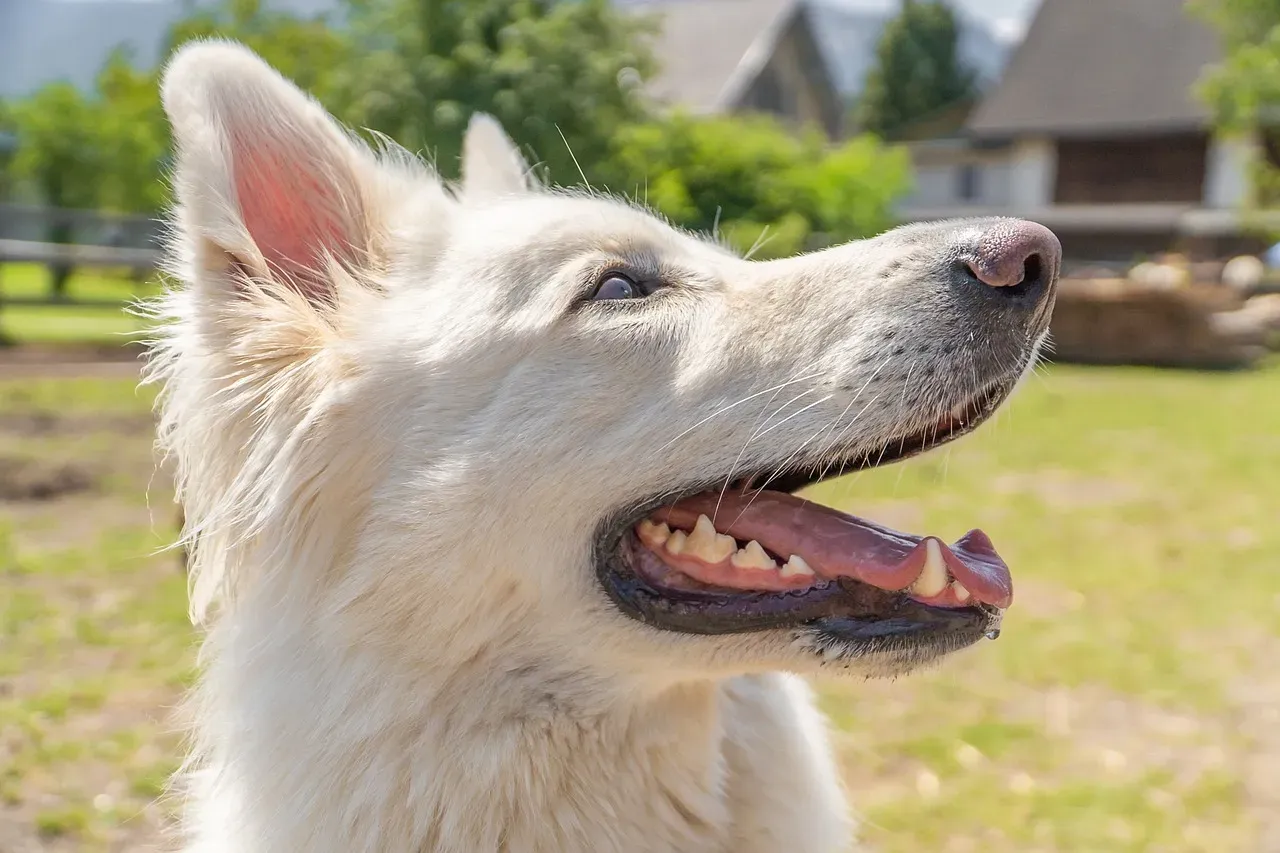
Many dogs are wary of anything unfamiliar, whether it is a wobbly balance board, a noisy puzzle toy, or a narrow tunnel. Watching another dog interact confidently with that same object can be more powerful than any pep talk from a human. If a friend walks across the strange surface and comes out fine, the observer learns that maybe it is not a monster after all.
This kind of borrowed courage is especially obvious with shy or anxious dogs. They might refuse to approach something alone but slowly inch closer when a stable, relaxed dog is demonstrating that the world will not end if you touch it. Step by step, they learn that it is safe to explore, and every small success becomes a brick in a sturdier, more confident mindset.
5. When To Wait And When To Jump In (Timing And Patience)
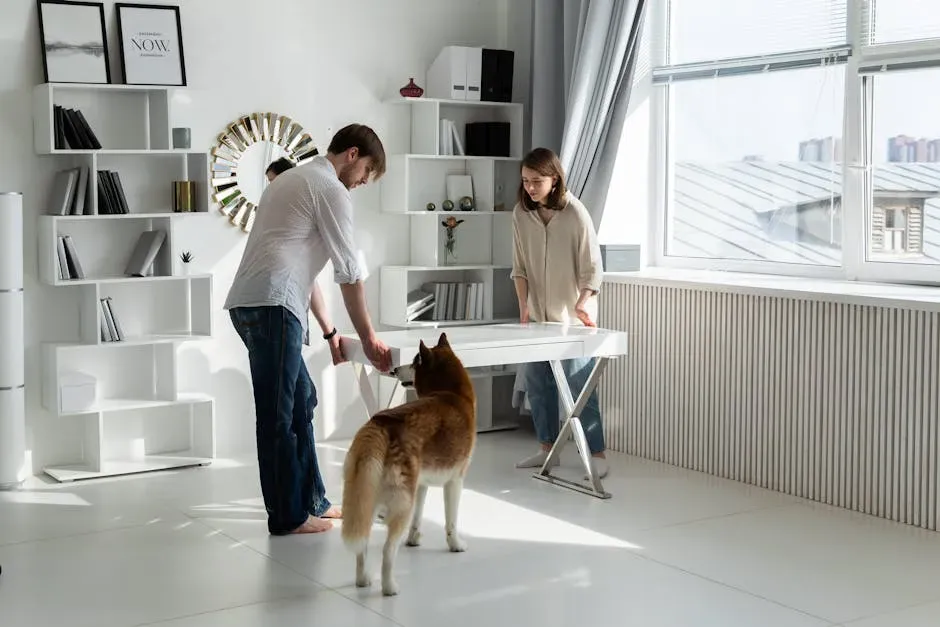
Solving a problem is not just about what you do, but also when you do it. Dogs pick up on this by watching the pacing of another dog’s attempts. They may learn that if they rush in too early, they get shoved out of the way or miss the treat, but if they hang back and jump in right after the crucial move, they can still score a reward. Over time, this shapes their sense of timing around other dogs and around complicated tasks.
This is especially clear when there is something like a gate or automatic door involved. The first dog figures out that nudging or scratching in a certain spot makes the barrier move; the second dog learns not just the motion, but also that there is a small window of time to slip through before it swings shut again. That kind of observation turns a random accident into a repeatable strategy, and it makes dogs much more efficient collaborators in everyday life.
6. Social Rules About Sharing (Or Stealing) Solutions
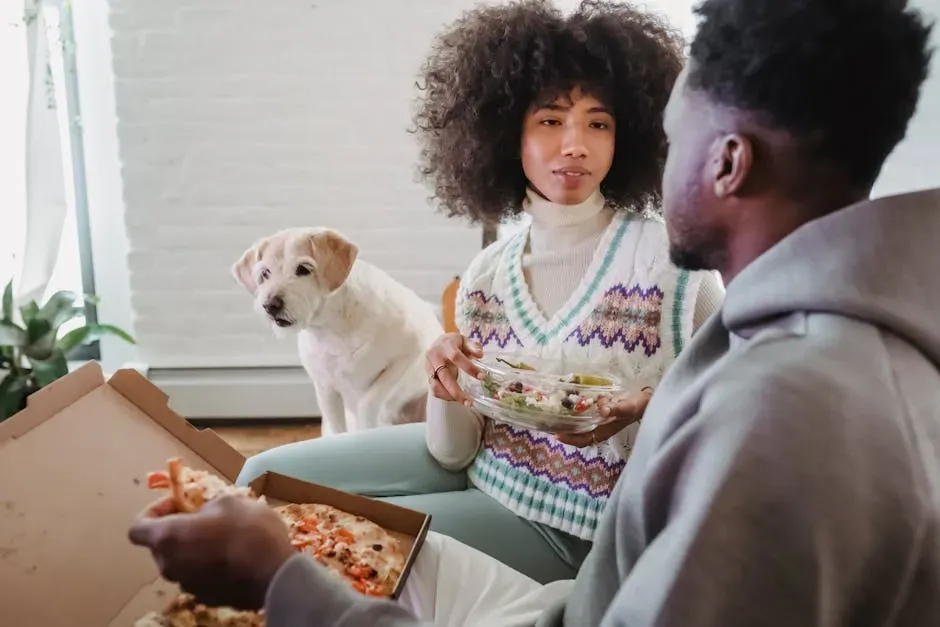
When one dog solves a problem, the other dogs are not only learning the trick but also the politics that come with it. Some dogs see a friend open a puzzle toy and immediately swoop in to grab the reward, learning that it is socially acceptable, at least in their group, to free‑ride off someone else’s effort. Others hang back and wait for their turn, figuring out that crowding or stealing leads to growls, tension, or being shut out later.
These tiny moments are how dogs build their own unwritten rules about fairness, patience, and pushiness. Even if we never formally teach them about taking turns, many dogs pick up that pattern by watching how others react. Over time, a dog can learn which housemate is safe to share space with at a food bowl, which one cannot be trusted with a prized toy, and when it is smarter to show respect than to test their luck.
7. That Humans Are Part Of The Puzzle Too
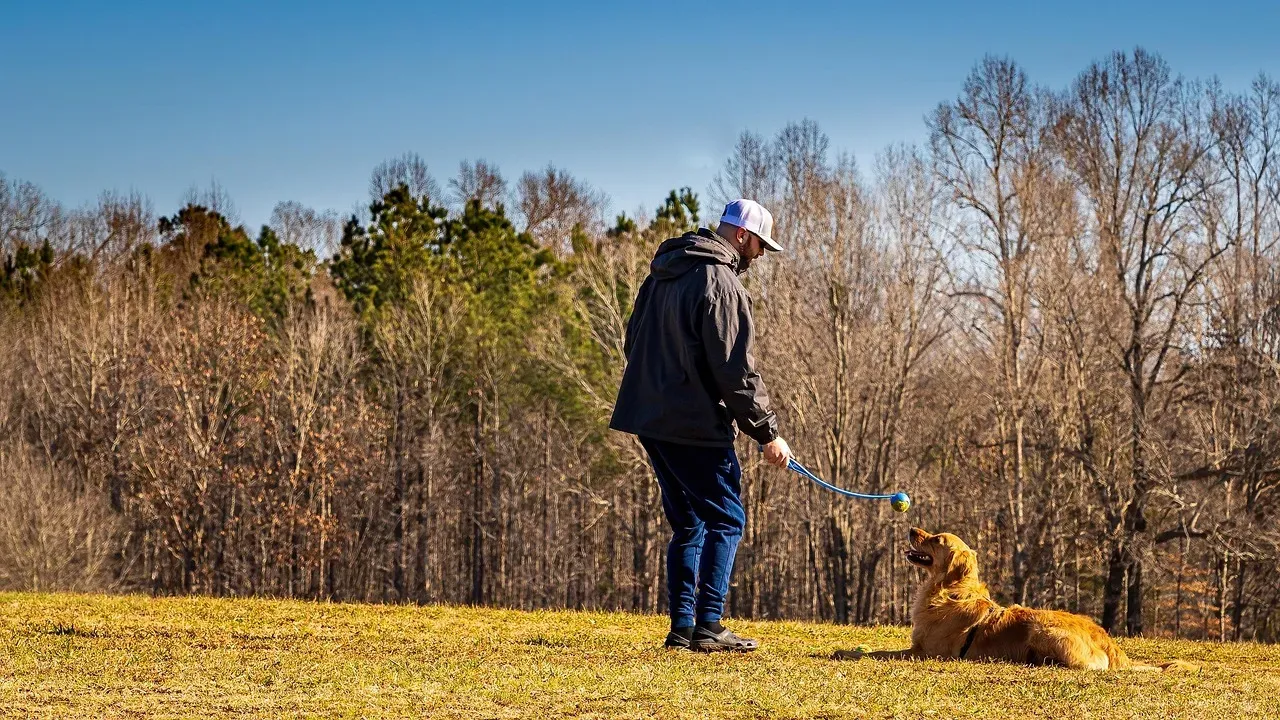
Dogs are incredibly tuned in to human behavior, and they learn quickly that we are often the missing piece in any problem. When one dog figures out that sitting calmly by a door makes a person open it, the other dog is watching that invisible cause‑and‑effect. To us it might look like good manners spreading, but to them it is a strategy: certain actions toward the human unlock access to what they want.
You can see this most clearly around training sessions and daily routines. A dog that watches another dog get praised and rewarded for making eye contact, touching a target, or waiting politely before eating will often start offering those same behaviors. They are not just copying tricks; they are learning how to work the strange two‑legged creature who controls all the leashes, car rides, and snacks.
8. How To Use Their Body In Smarter Ways
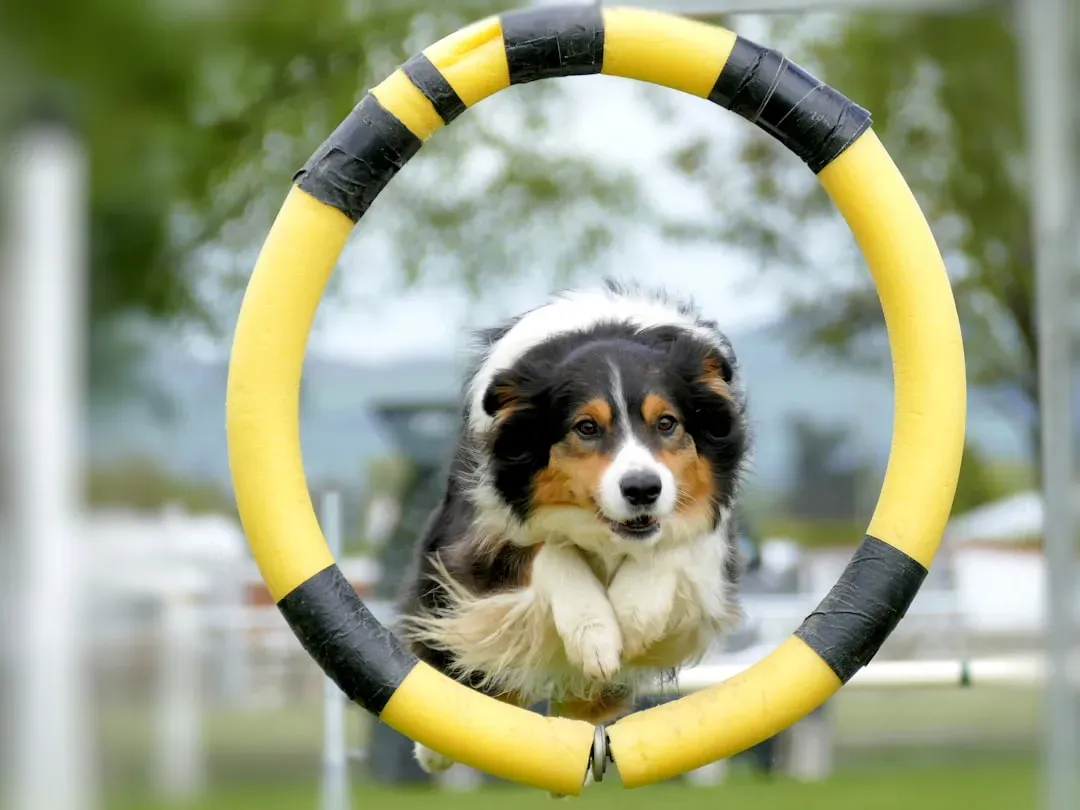
Problem‑solving often forces dogs to move in ways they would not naturally choose: backing up onto a small platform, using their paws more deliberately, shifting their weight to push something heavy. When they watch another dog do these things, they are exposed to new possibilities for how their own bodies can move. It is a bit like watching a friend at the gym demonstrate an exercise you never thought you could try.
Over time, this builds both physical and mental flexibility. A dog who has seen others climb, balance, twist, and experiment is more likely to try odd movements when stuck, instead of freezing or giving up. That willingness to move differently can be the difference between staying trapped behind a stuck door and wriggling their way out, or between getting frustrated with a puzzle toy and finding a whole new angle that finally makes it click.
9. Confidence In Their Own Ability To Figure Things Out
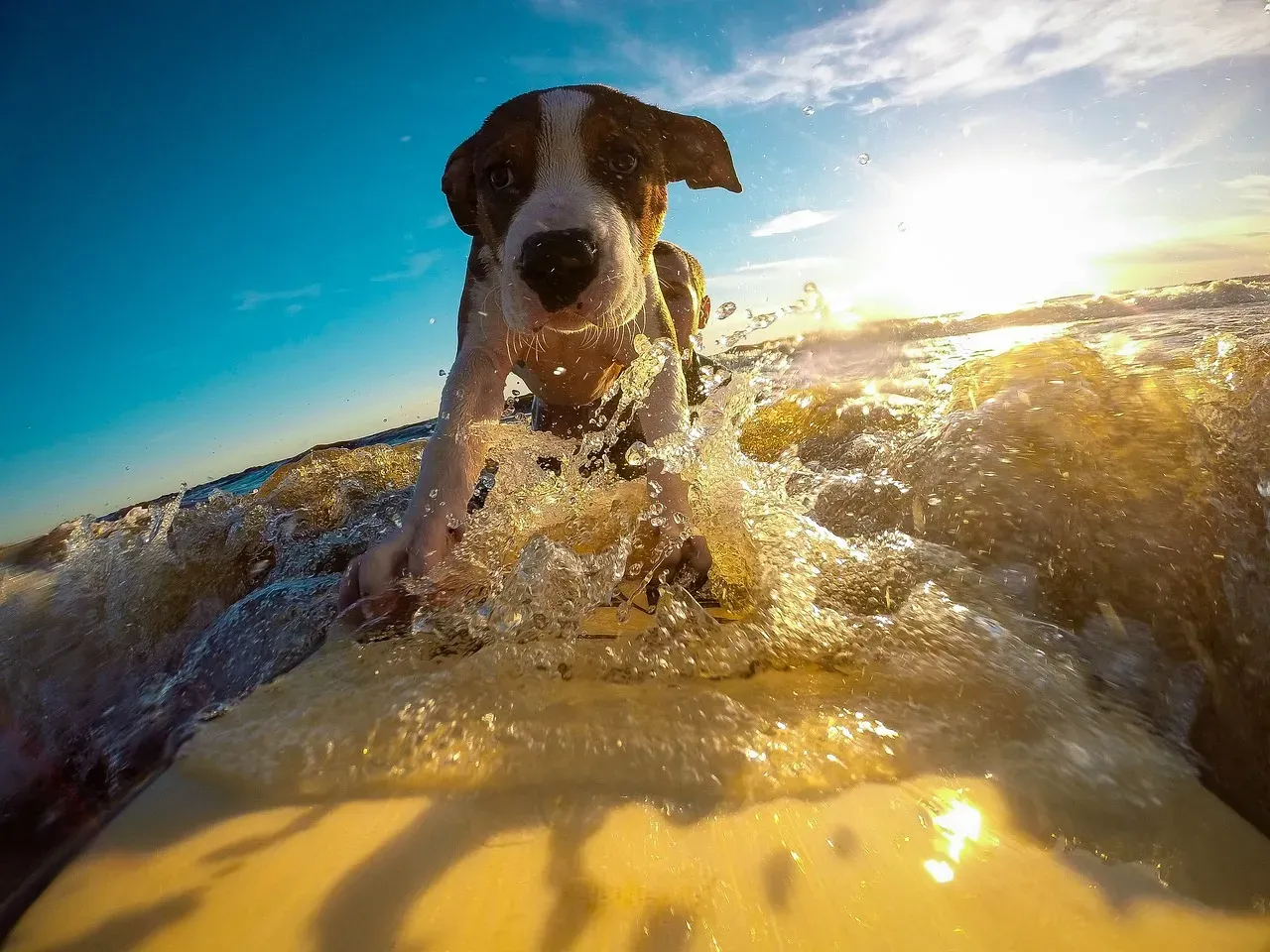
Maybe the most underrated thing dogs learn from watching others solve problems is a kind of quiet self‑belief. When they see a familiar dog wrestle with a challenge and eventually succeed, it sends a message: this is something dogs like us can do. That sense of possibility can slowly shift a dog from avoiding new tasks to at least giving them a try, especially if they have already benefited from copying a solution once or twice.
I have seen this play out with nervous dogs who started out hanging at the edges of the action, only stepping in after a braver dog cracked the code. After enough repetitions, those same dogs began to approach new puzzles with less hesitation, as if their inner script had changed from that will never work to maybe if I try, I can make this work too. That is not just behavior; that is mindset, and it grows through every little moment of watching and learning.
Conclusion: Dogs Are Studying Each Other More Than We Think
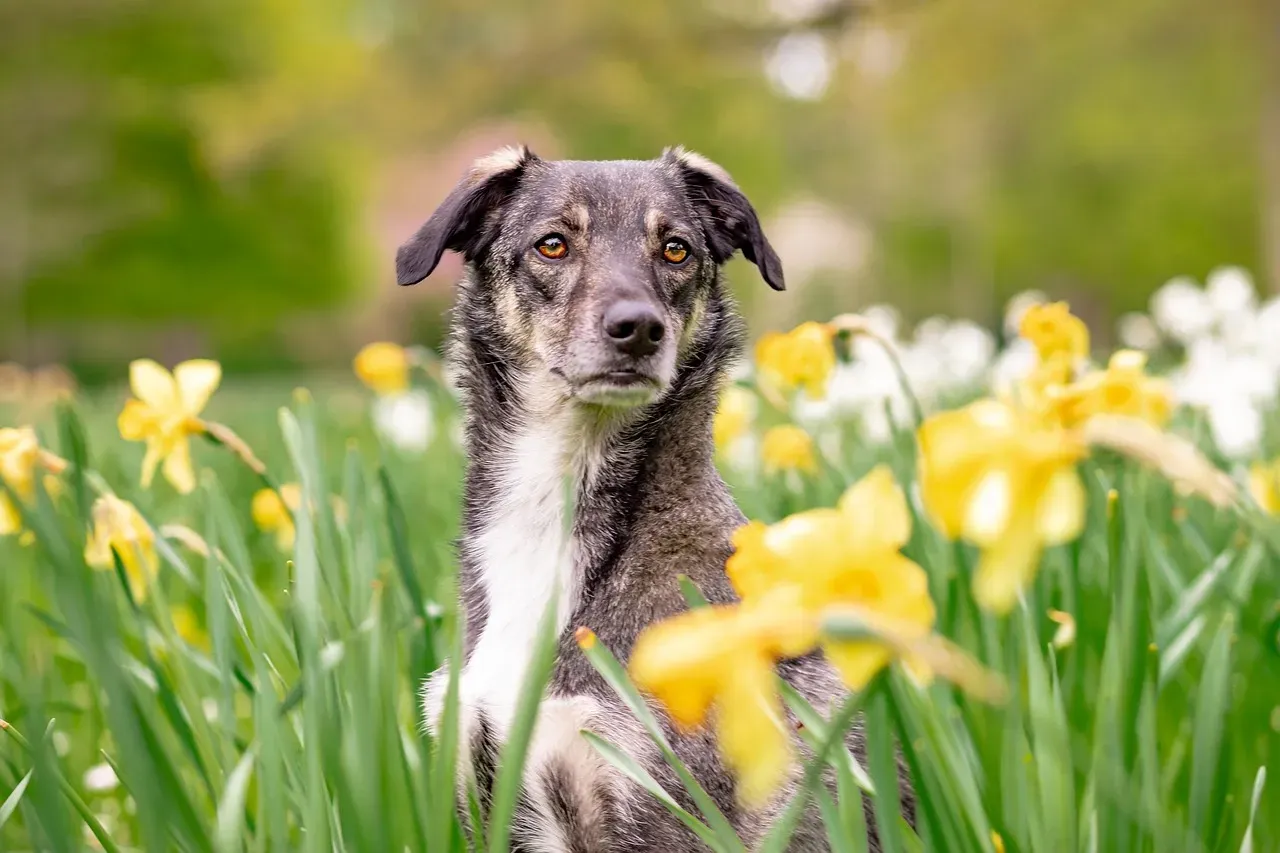
When you really pay attention, it becomes hard to see dogs as simple, impulsive creatures who stumble into solutions by luck. They are watching each other, editing what they see, and building their own little libraries of techniques and social rules. In my view, ignoring that quiet intelligence does them a disservice; it is like living with a roommate who is always learning in the background and assuming they are just there for decoration.
The next time one dog in your home solves a puzzle, opens something, or figures out a new way to get your attention, look around at the other eyes in the room. Those eyes are not just admiring; they are taking notes. Maybe the real question is not whether dogs learn from watching each other, but how many of their clever “habits” we have been falsely giving ourselves credit for all along. What do you think they have already picked up from simply watching your household in action?


