
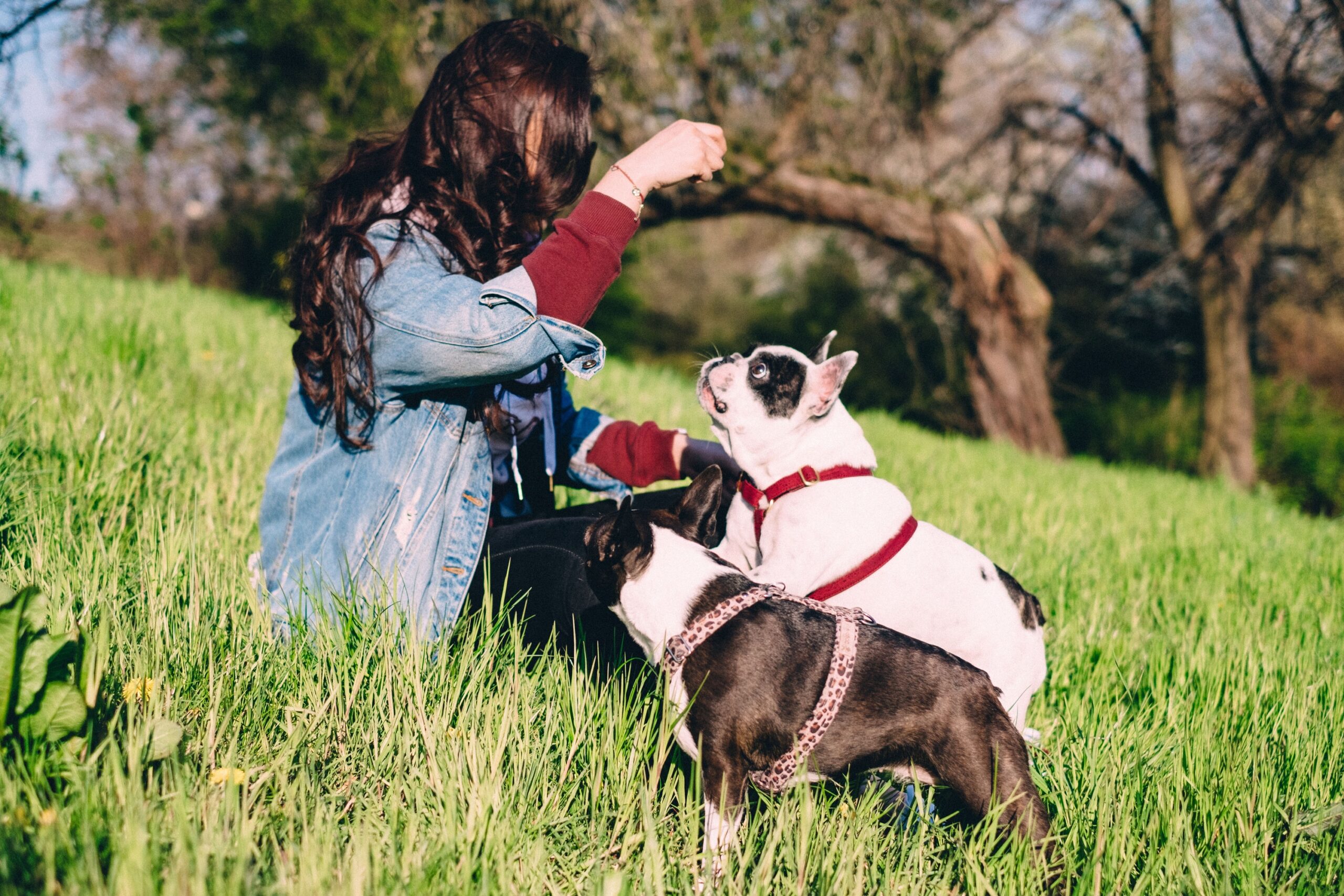
If you’ve ever stared at your dog and thought, “You know exactly what I’m saying and you’re just ignoring me,” you’re not alone. A lot of what we call stubbornness in dogs is actually stress, confusion, anxiety, or simply a mismatch between what we want and what they understand.
When we mislabel these behaviors as attitude problems, we usually respond with more pressure, louder voices, or harsher corrections. That not only fails to fix the issue, it can quietly damage trust. Once I realized my own “stubborn” dog was mostly just overwhelmed and unsure, everything about our relationship changed – training went from a power struggle to a partnership.
1. “Selective Hearing” When You Call Them
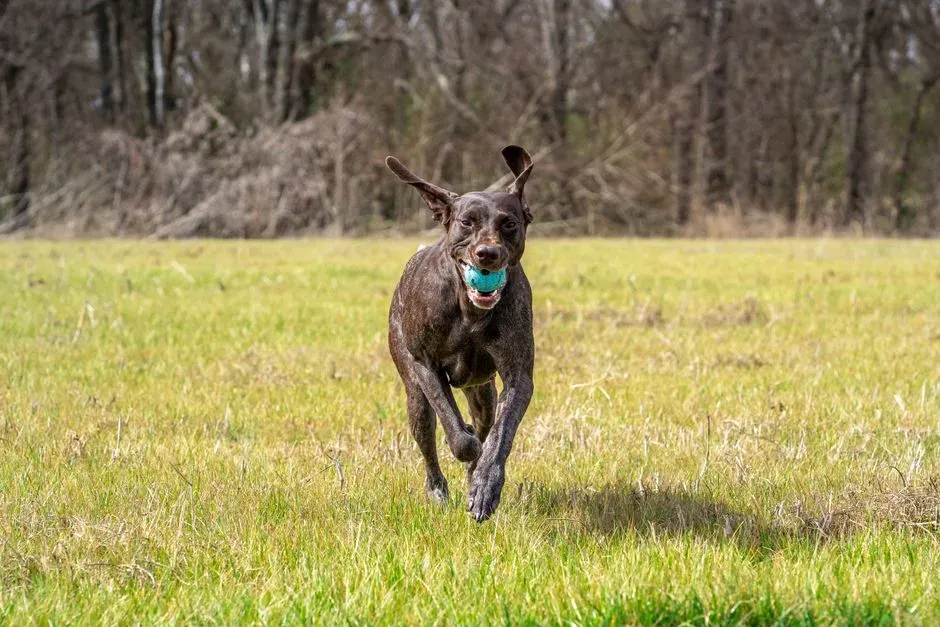
It feels personal: you call your dog at the park, they glance at you, then sprint after a squirrel instead. It looks like flat-out defiance, but most of the time it’s a combination of poor recall training and a super-stimulating environment. Dogs do what pays off most, and chasing something fast and furry usually outranks walking away from the fun to go home.
Many dogs only practice recall in quiet, boring places, often on a short leash with no real distractions. Then we suddenly expect them to respond flawlessly in a park full of smells, people, and other dogs. Rather than branding them stubborn, it makes more sense to see it as asking a first-grader to solve a college exam – the “disobedience” is really just an impossible upgrade in difficulty.
2. Refusing to Walk or Planting Their Feet

When a dog suddenly refuses to move on a walk, some owners assume they’re being dramatic or difficult. In reality, planted feet often signal fear, pain, or sensory overload. A dog might be scared of a particular street, overwhelmed by traffic noise, or uncomfortable because of an ill-fitting harness or aching joints.
Think of it like a friend who stops at the edge of a shaky bridge; you wouldn’t accuse them of being stubborn before asking what feels wrong. Checking for patterns – do they freeze near certain houses, busy intersections, or only after a few minutes of walking – can reveal whether it’s anxiety, physical discomfort, or confusion about what’s being asked. Addressing the root cause works far better than dragging them forward on the leash.
3. Ignoring Cues They “Know”
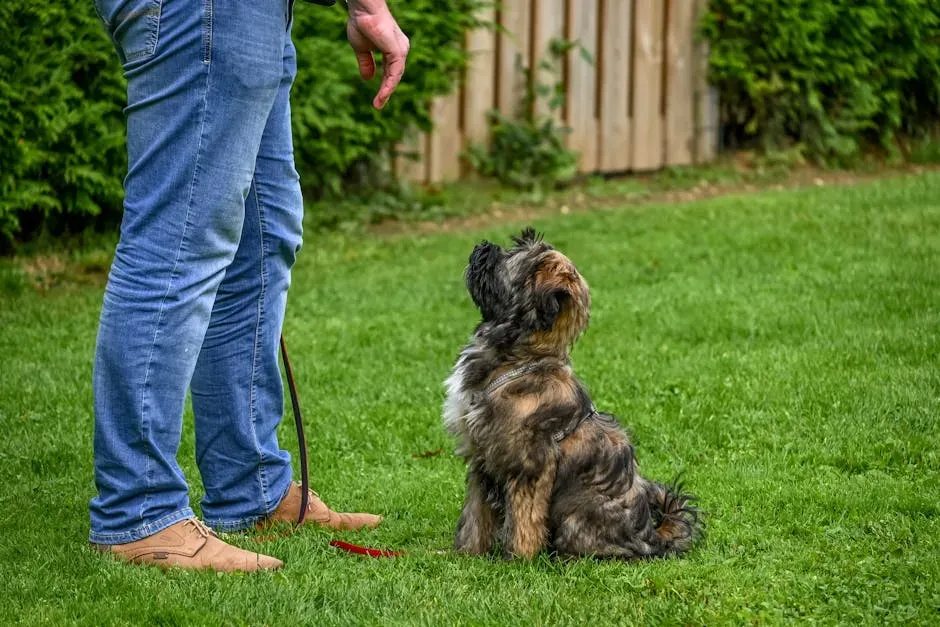
One of the most frustrating moments is when a dog who performs sit or down perfectly in the kitchen suddenly “forgets” in a new place. This often gets labeled as willful disobedience, but it’s actually a gap in generalization. Dogs do not automatically understand that a cue learned in one context applies everywhere, especially when the environment is full of distractions.
In human terms, it’s like learning a new language phrase in a quiet classroom, then trying to use it in a crowded market. Your brain stalls, not because you’re stubborn, but because your processing power is overloaded. Dogs need practice responding to cues in different locations, around different people, and with varying levels of distraction before we can fairly say they “know” it and are choosing to ignore us.
4. Pulling on the Leash Nonstop
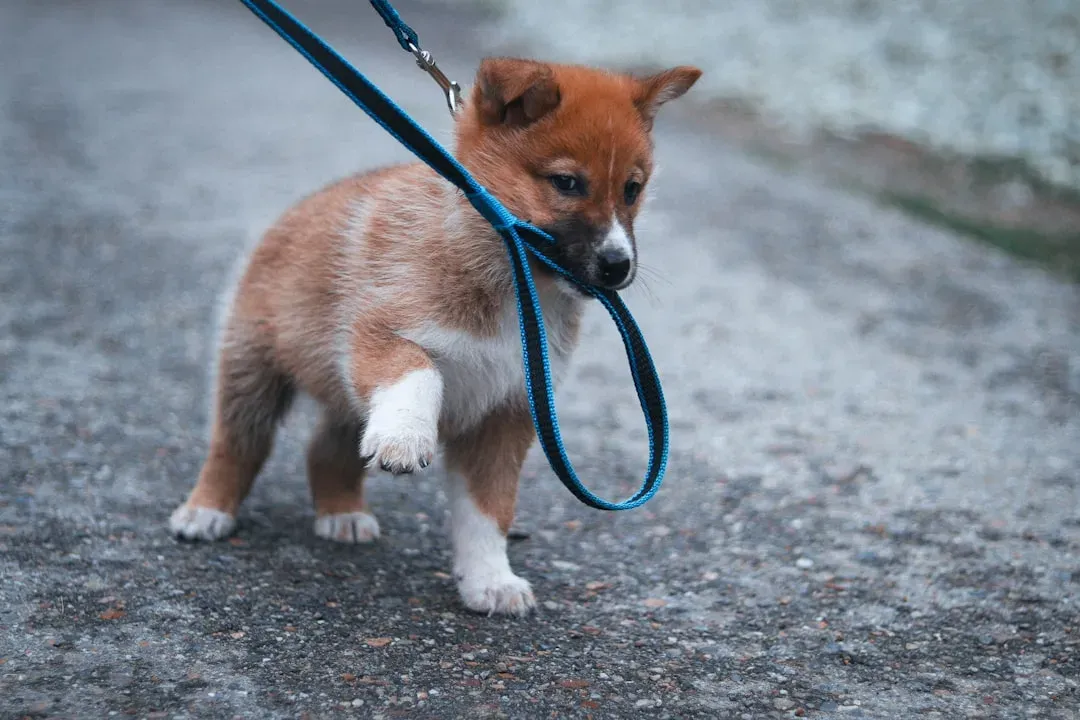
Leash pulling can feel like a deliberate battle of wills, as if your dog is determined to drag you down the street. In most cases, though, pulling is simply a combination of excitement, natural walking speed, and reinforcement history. Every step your dog takes while pulling that gets them closer to a good smell or interesting object teaches them that pulling works.
Dogs also tend to walk faster than we do, especially when they’re young or enthusiastic. Without consistent training, they default to their natural pace and movement, not a slow human stroll. Labeling this as stubbornness skips over the reality that we usually have not taught them, clearly and patiently, how to walk politely on a leash in real-world conditions.
5. Not Taking Treats or Responding During Training
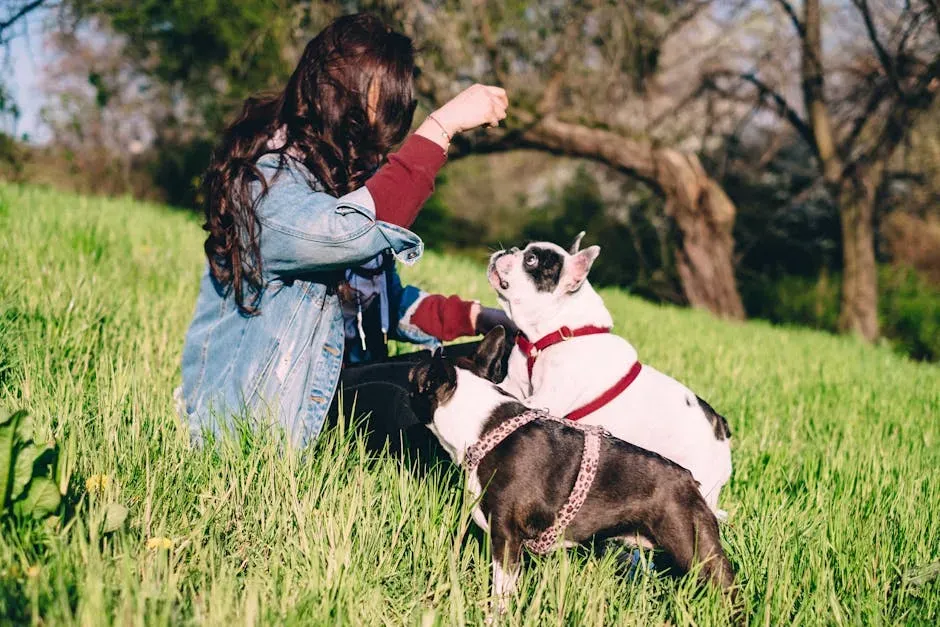
When a dog turns away from food or seems to “zone out” during training, some people assume they’re uninterested or trying to be difficult. In truth, many dogs who refuse treats are actually too stressed, scared, or overstimulated to eat. High arousal and anxiety can shut down appetite temporarily, even in dogs that usually love snacks.
Imagine trying to enjoy your favorite dessert while standing on the edge of a cliff; your brain is in survival mode, not snack mode. Dogs in busy classes, crowded parks, or chaotic homes may struggle to think clearly, let alone learn new skills. In those moments, the kindest and most effective move is to reduce the intensity of the situation, create more distance, and help the dog feel safe before asking for more effort.
6. Chewing, Digging, and Other “Naughty” Mischief

Destroyed shoes, chewed table legs, and craters in the garden are often written off as spite or stubborn rule-breaking. Yet these behaviors are almost always about unmet needs: physical exercise, mental stimulation, teething, or stress relief. Chewing and digging are deeply natural dog behaviors, not moral failings.
When we fail to provide appropriate outlets – durable chew toys, puzzle feeders, safe digging areas, enough play and movement – dogs improvise with whatever’s available. It’s a bit like leaving a bored child alone in a room full of markers and a white wall, then being shocked at the result. Instead of blaming the dog’s character, it’s more honest (and productive) to redesign the environment and routine so their needs are met in acceptable ways.
7. Growling, Snapping, or Avoiding Touch

Many people interpret growling or moving away from touch as rude, defiant, or “dominant.” In reality, these are communication signals that something feels wrong: pain, fear, discomfort, or a desperate need for space. When dogs are punished for early warnings like growls, they often skip straight to more intense reactions later because the subtle messages stopped working.
Think of growling as your dog’s version of saying, “Please stop, I’m not okay with this.” Calling it stubborn or disobedient completely misses the point and can escalate the situation. Listening to those signals, adjusting handling, checking for medical issues, and creating consent around touch turns a potential conflict into a chance to build trust instead of break it.
8. Slowness, “Laziness,” or Low Energy Responses

When a dog responds slowly to cues, lies down instead of playing, or seems uninterested in activities, some owners quickly label them lazy or stubborn. But low energy can point to medical issues, chronic pain, breed tendencies, environmental stress, or plain old fatigue. Not every dog is wired like a high-octane shepherd or retriever, and expecting that level of enthusiasm from every dog is unfair.
There’s also something called learned helplessness, where a dog who has been repeatedly corrected, confused, or overwhelmed essentially gives up trying. They move slower, offer fewer behaviors, and look checked out. That shutdown is heartbreaking once you recognize it – it isn’t stubbornness, it’s a dog who has stopped believing their choices matter.
9. Barking or Lunging at Dogs and People
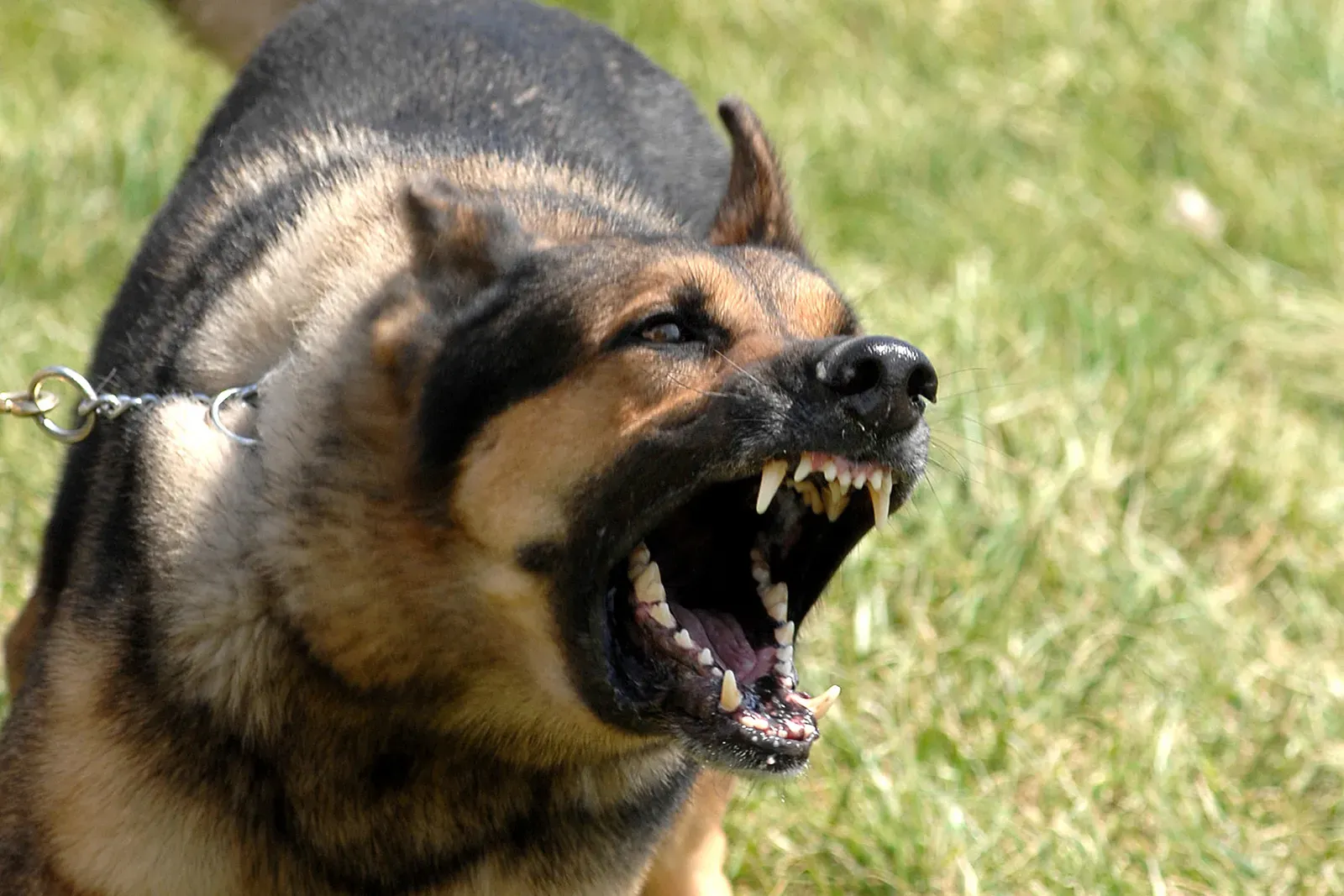
Reactive barking and lunging often get framed as a dog being hard-headed or willfully disobedient, especially if they ignore cues in the moment. More often than not, reactivity is a fear or frustration response. The dog is either trying to make the scary thing go away or is so amped up that they’ve lost the ability to think clearly.
Expecting perfect obedience from a highly reactive dog is like expecting someone to stay calm and polite during a panic attack in a crowded elevator. Their nervous system is in overdrive, and the thinking brain has taken a back seat. Understanding this shifts your role from “enforcer of rules” to “bodyguard and coach,” using distance, management, and training to gradually change how your dog feels, not just how they look on the outside.
Conclusion: Your Dog Probably Isn’t Stubborn – They’re Communicating
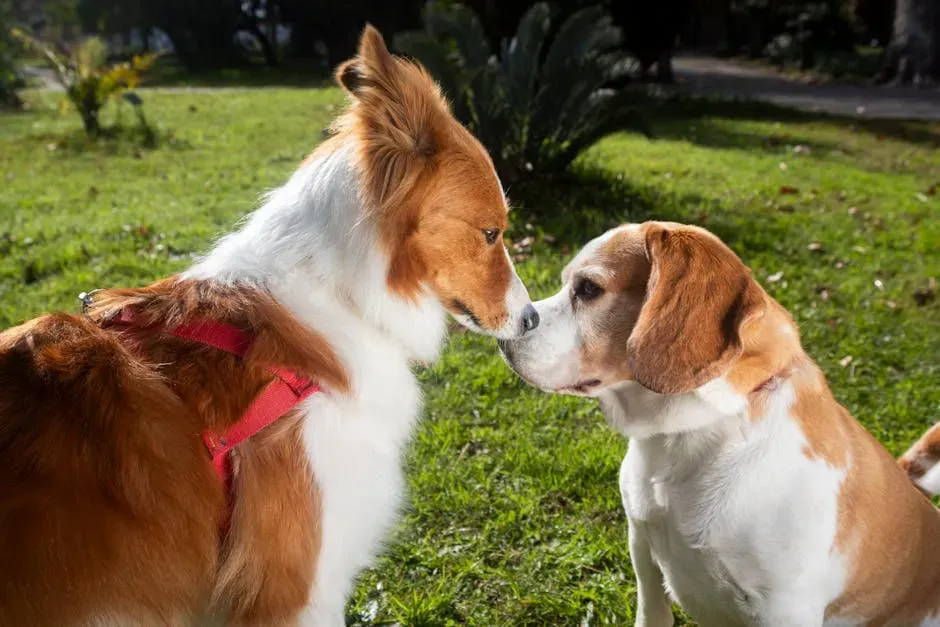
When we slap the stubborn label on our dogs, we shut down curiosity, and curiosity is exactly what we need most. Every so-called stubborn behavior in this list is really a clue about your dog’s emotions, understanding, health, or environment. The more we look for those clues, the more clearly we see that our dogs are not giving us attitude; they’re giving us information.
In my own experience, the day I stopped asking, “Why is my dog being so difficult?” and started asking, “What is my dog trying to tell me?” was the day training stopped feeling like a tug-of-war. It became a conversation. If we’re willing to listen, adapt, and do a little honest self-audit, we usually find the “problem” is not a stubborn dog, but a gap in teaching, trust, or setup. Next time your dog seems defiant, what happens if you treat it as a question they’re asking you, instead of a battle you have to win?


