
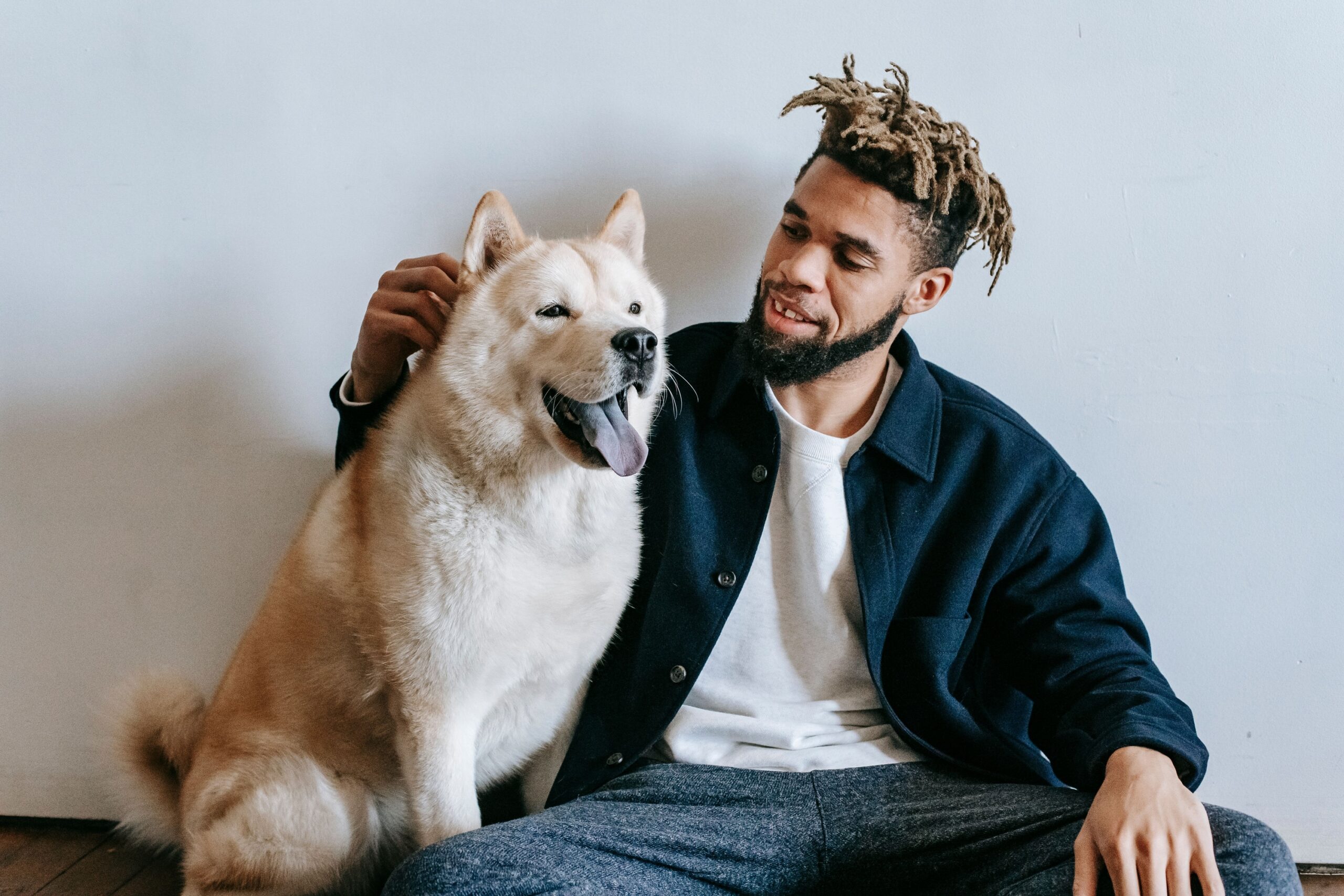
There’s something quietly life-changing about realizing your dog doesn’t just love you – they actually feel safe because of you. Not safe in a casual way, like you’re the person who fills the food bowl, but safe in a deep, nervous-system kind of way. You’re their home base, their emotional anchor, the one living creature the world feels less scary around.
Once you start noticing the little details, you can’t unsee them: the way they breathe differently near you, the way their eyes soften, the way their body literally melts when you walk into the room. This article walks through the clearest signs that, in your dog’s mind, you are that safe person. Some of them are adorable, some are subtle, and a few might surprise you – but together, they paint a powerful picture of what trust really looks like in a dog’s world.
1. They Can Fully Relax Around You (Real Relaxation, Not Just “Lying Down”)
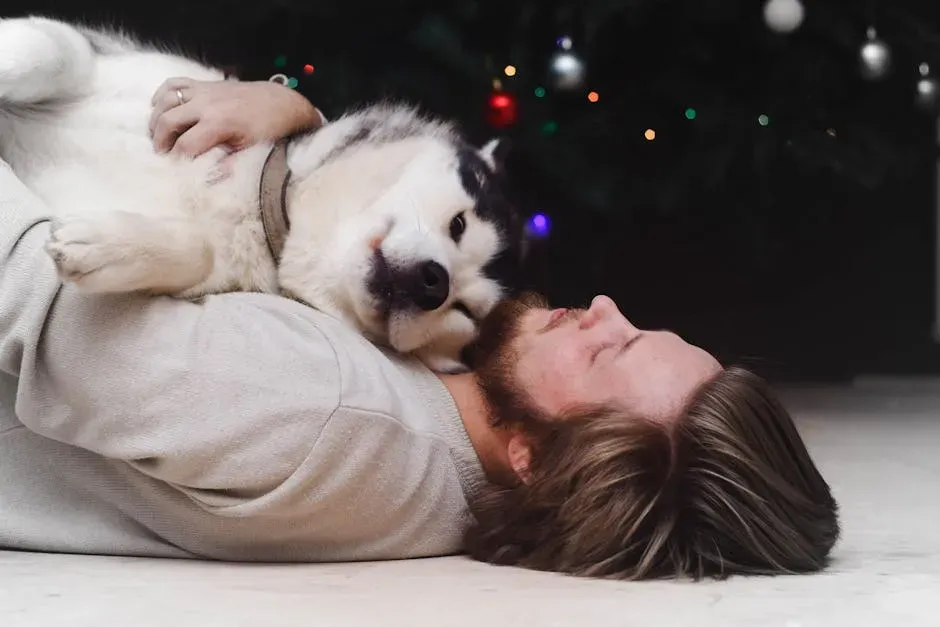
A dog that sees you as their safe person doesn’t just hang out near you; they truly switch off. You’ll see loose muscles, soft eyes, a relaxed mouth, and often a dramatic flop onto their side or back, exposing their belly. That exposed belly is not just an invitation for rubs; it’s a sign your dog feels secure enough to put their most vulnerable parts on display.
Another big giveaway is how they sleep when you are nearby. Dogs that feel safe will often enter deeper, more restful sleep in your presence, sometimes twitching, snoring, or even “running” in their dreams. If you notice they sleep more soundly next to you than alone, that’s a strong signal their nervous system reads you as a calming presence, not a potential threat.
2. They Choose To Be Near You, Even When Nothing Fun Is Happening
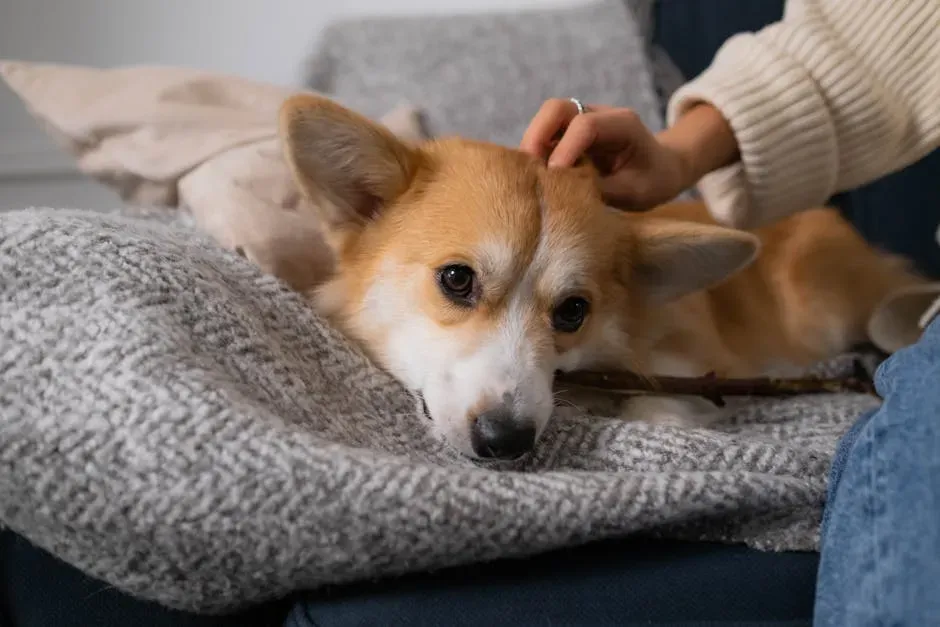
Most dogs will appear when food, toys, or something exciting is happening. But a dog who sees you as their safe person will seek you out when absolutely nothing is going on. They’ll follow you from room to room, settle at your feet while you work, or quietly curl up on the bath mat while you shower. It is not neediness for the sake of it; it is comfort-seeking.
Pay attention to what they do when they have options: a comfy bed across the room, a sunny spot on the floor, or your slightly awkward leg space under the desk. If they consistently sacrifice the “ideal” lounging spot just to be closer to you, they’re not just attached – they’re anchoring themselves to the presence that makes the world feel safer and more predictable.
3. When They’re Scared or Overwhelmed, They Run To You
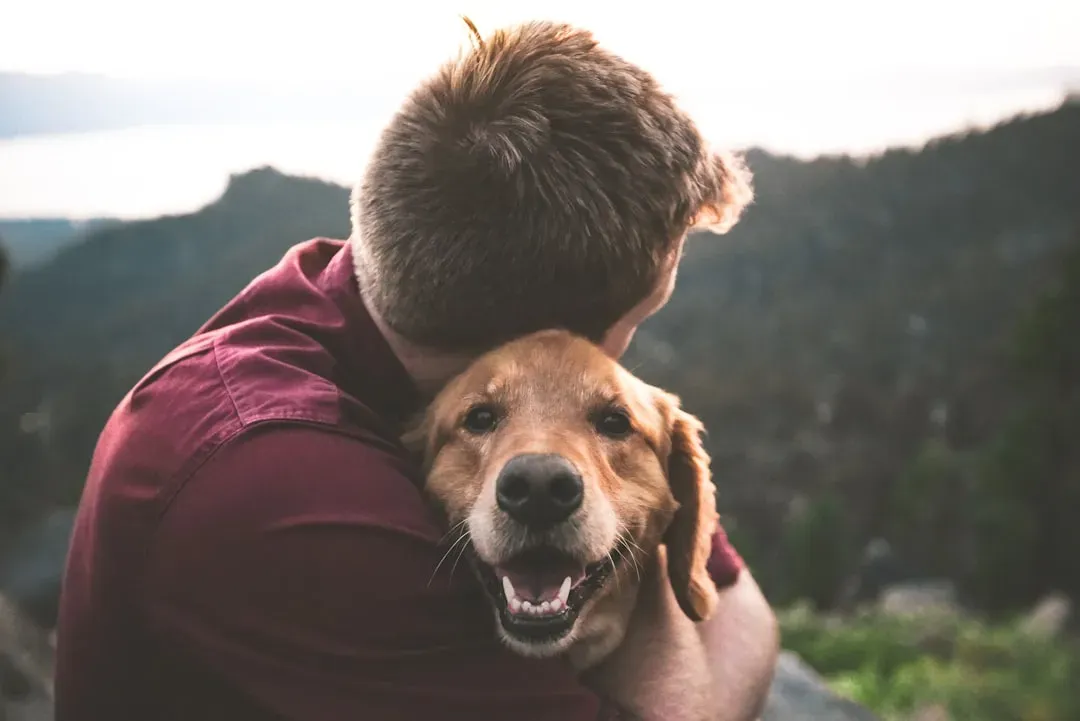
One of the clearest signs you are a dog’s safe person is how they behave when something startles or stresses them. Loud noises, unfamiliar visitors, crowded parks, or even a plastic bag blowing down the street can trigger a fear response. A dog that trusts you at a deep level will instinctively move closer to you, lean into your legs, hide behind you, or even try to climb into your lap, no matter how big they are.
This isn’t just cute; it is your dog using you as a literal emotional shield. In that moment, you are not just a companion – you are their buffer between “danger” and safety. If your presence noticeably changes their body language from tense and alert to softer and more settled, it is a strong indicator their brain has paired you with safety and reassurance.
4. They Check In With You Regularly, Even When Off Exploring
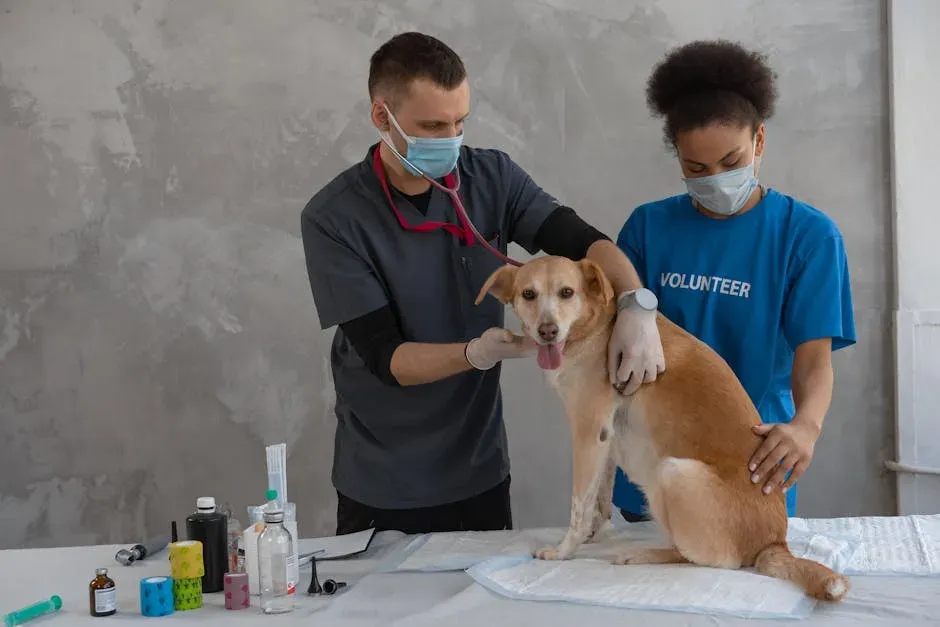
Watch a confident dog with their safe person at the park or on a walk. They might trot ahead, sniff, explore, and investigate every interesting scent, but they’ll keep glancing back to you or circling back periodically. These quick “check-ins” are like emotional Wi‑Fi pings: they’re making sure their secure base is still there before diving back into the world.
This behavior shows a healthy balance of independence and attachment. Your dog trusts you enough to move away and explore, but also values you enough to keep you on their mental radar. If every new situation includes those little glances, pauses, or quick returns to your side, it means your presence is their reference point for what feels safe and manageable.
5. Their Greeting Ritual With You Is Different (And Softer) Than With Others
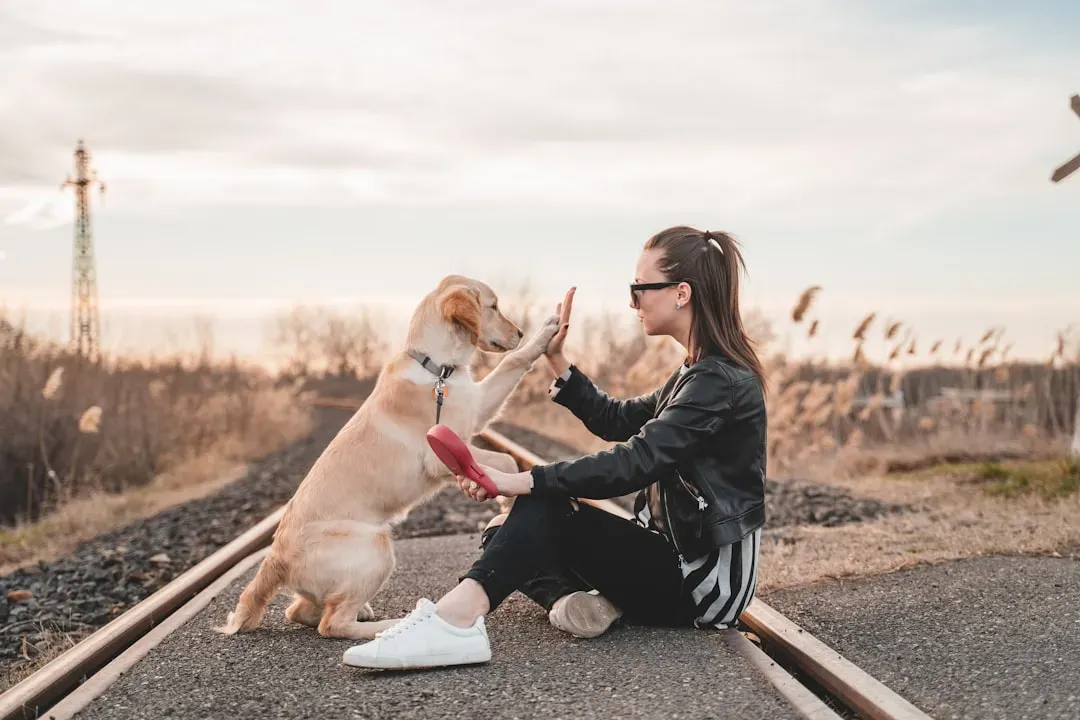
Many dogs greet people enthusiastically, but the way they greet their safe person is often distinct. You might see wiggly bodies, relaxed tails, soft blinking eyes, or that full-body stretch accompanied by a slow approach. It is usually less frantic and more joyful-relieved, like they’re exhaling tension they did not even realize they were holding.
Compare how your dog greets you after you’ve been gone with how they greet other familiar people. If your return seems to reset them emotionally – they settle more, cling a little, or quickly return to calmness once they’ve said hello – that shows you are not just another person they like. You are the emotional baseline they return to after the world feels a little too loud.
6. They Trust You With Handling, Touch, and Vulnerable Moments
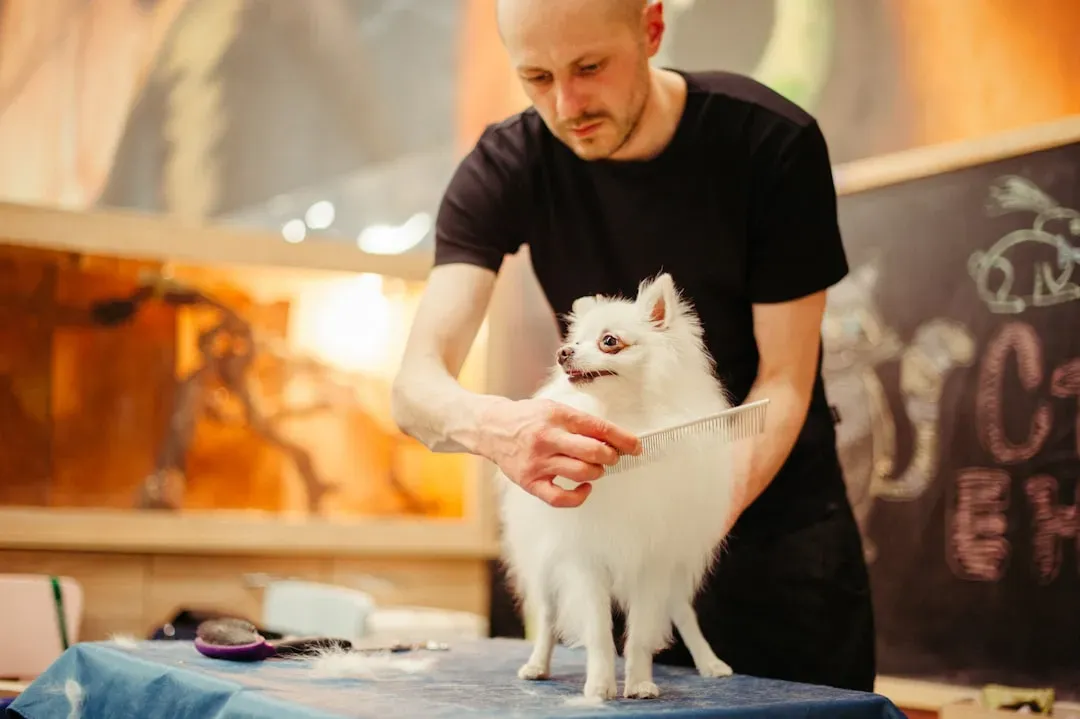
Handling can be stressful for many dogs: nail trims, ear cleaning, checking paws, lifting them into the car, or inspecting a sore spot. A dog that sees you as safe may still dislike the procedure, but they will tolerate it far better from you than from others. They might lean into your touch, bury their head into you, or choose to stay near you even when uncomfortable things are happening.
Watch what they do when they are not feeling well or are in pain. Many dogs hide discomfort, but some will seek out their safe person, nudging your hand, resting their head on you, or simply choosing to lie where they can feel or see you. That tendency to come closer – rather than withdraw – is a powerful vote of confidence in your ability to keep them secure during their most vulnerable moments.
7. Your Voice and Presence Can Calm Them Down
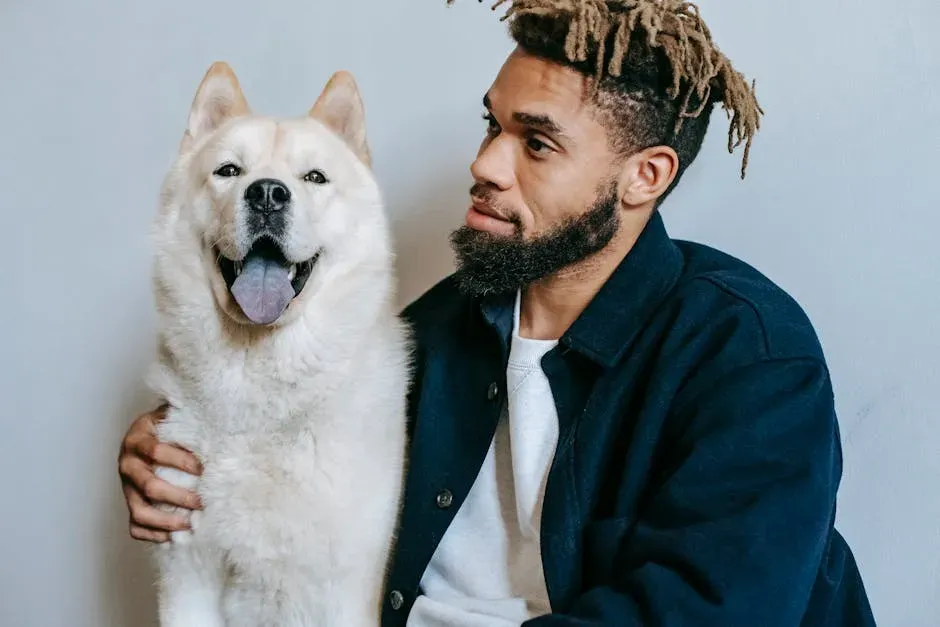
If your dog is worked up – barking at a noise, anxious at the vet, restless when guests arrive – your ability to help them regulate is a massive indicator of safety in their eyes. Sometimes it is as simple as you stepping closer, speaking in a familiar, steady tone, and their body slowly unwinding. Their ears soften, their breathing slows, and the frantic edge fades as they tune into you.
Dogs are incredibly sensitive to human emotional states. If your dog reliably settles faster with you than with anyone else, it suggests they read your cues as trustworthy information about whether things are truly dangerous. In their internal equation of “Am I safe right now?”, your presence heavily tips the answer toward yes, even when their instincts are pulling them toward worry.
8. They Mirror You and Build Little Rituals Around You

Dogs that feel deeply safe with someone often start mirroring that person’s routines and rhythms. They wake when you wake, nap when you settle in, and hover around the door at the time you usually come home. They may even begin to anticipate micro-rituals: the way you always scratch their chest before bed, the little trot they do before you throw the ball, the half-step they take to match your walking pace.
These small, repeated patterns are more than habit; they are shared rituals that reinforce safety. When a dog knows what to expect from you, and you respond consistently and kindly, their world becomes predictable. That predictability is gold for a dog’s sense of security. If your dog seems to build their day around you – emotionally and physically – it’s a strong sign you are not just their human, but their safe place.
Opinionated Conclusion: Being the “Safe Person” Is a Responsibility, Not Just a Compliment
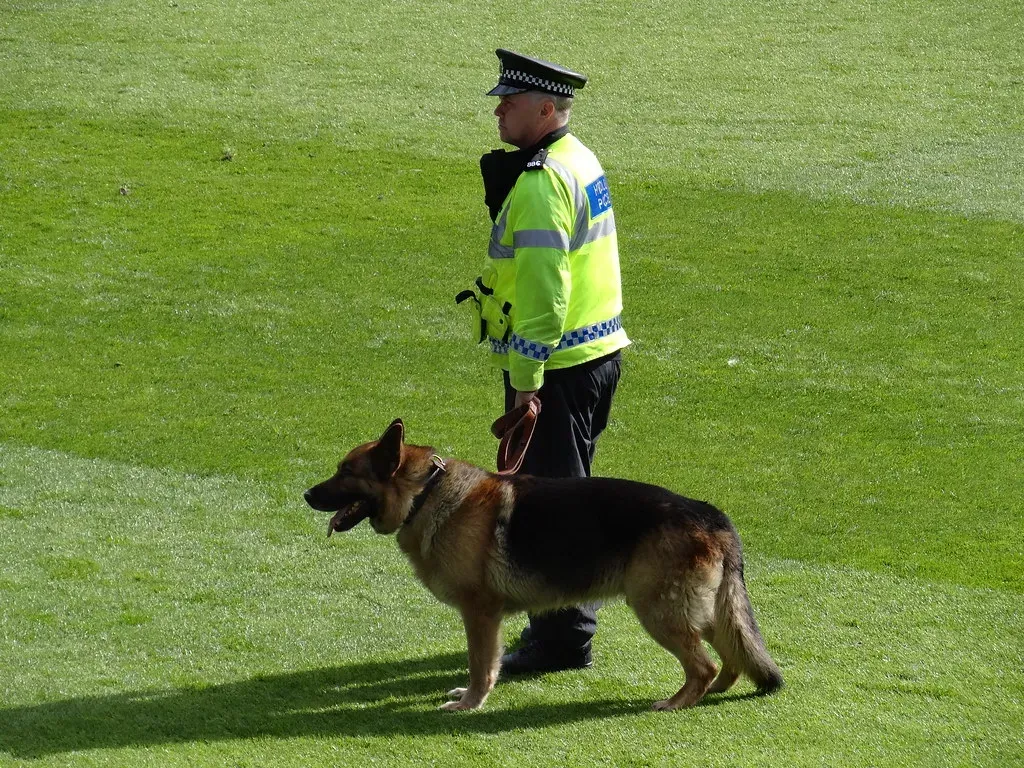
Realizing you are your dog’s safe person can feel incredibly flattering, almost like a warm badge of honor you didn’t know you were earning. But it is also a responsibility that goes far beyond cuddles and cute photo moments. When a dog has decided you are their secure base, they’re trusting you with their emotional stability, not just their physical care.
In my view, that means we owe them more than occasional affection; we owe them consistency, patience, and a genuine effort to understand how they experience the world. If your dog has quietly voted you as their safe person, that is one of the most intimate forms of trust another species can give – and it is worth protecting with everything you’ve got. The real question is not just whether your dog sees you as their safe person, but what you’ll do differently now that you know – will you live up to the trust they’ve already placed in you?


