
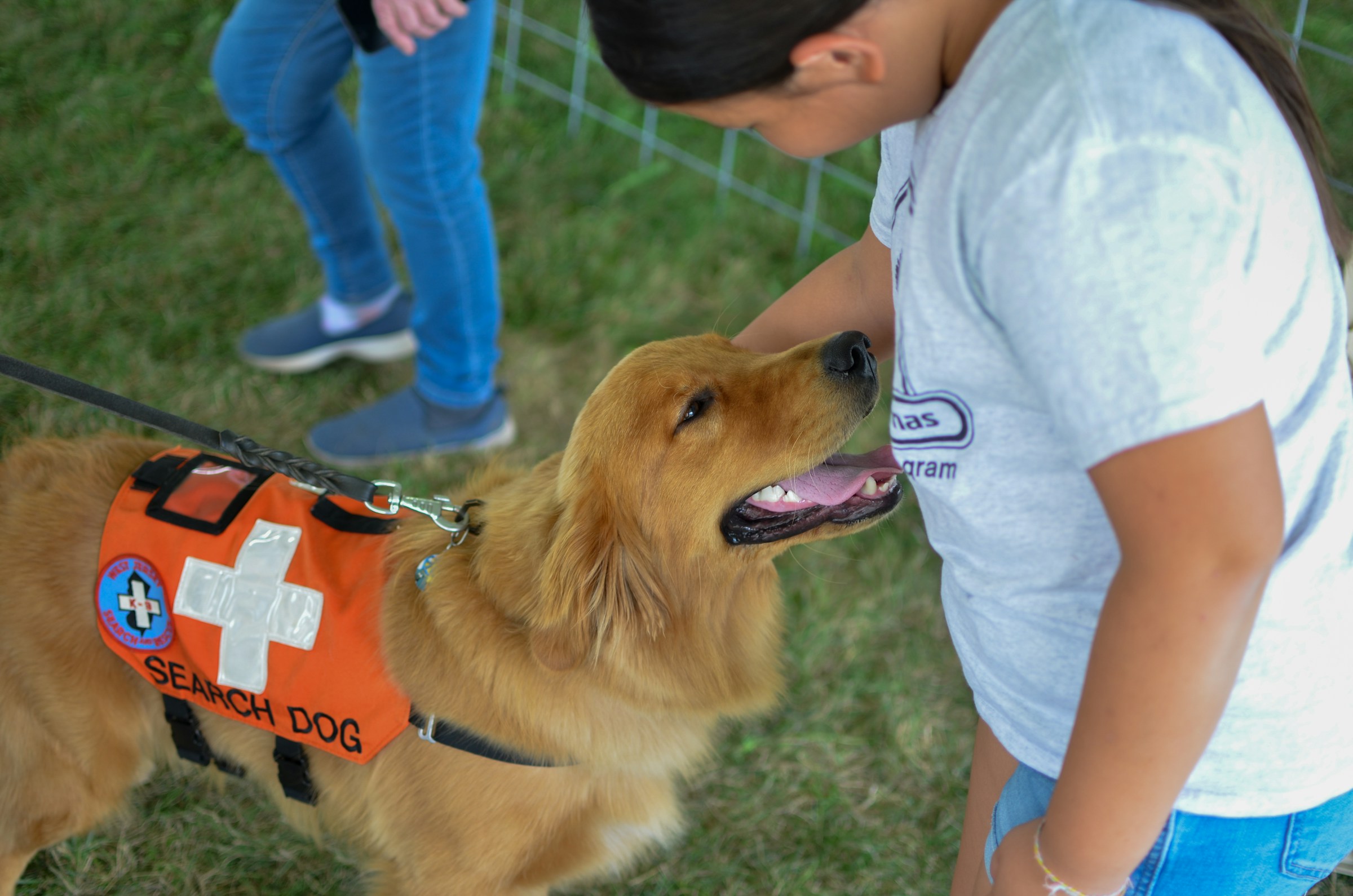
Imagine walking into an airport, lifting your arm for just a second while a friendly dog sniffs your sleeve, and in less time than it takes to unlock your phone, you know whether you might be carrying a dangerous virus. It sounds like science fiction, but this is exactly what research into COVID-19 detection dogs has been pointing toward. These animals are not only good at sniffing out explosives or drugs; they are showing an almost shocking ability to detect disease, including COVID-19, in human sweat.
What makes this so fascinating is not just the novelty of “virus detection dogs,” but what it reveals about the partnership between humans and animals. We tend to underestimate dogs, seeing them as companions first and helpers second, yet scientific studies keep nudging us to broaden that view. The idea that a dog’s nose can rival a laboratory PCR machine feels wild at first, but the more you learn about it, the more it starts to make practical, even urgent sense.
How Dogs Ended Up on the Front Lines of COVID-19 Detection
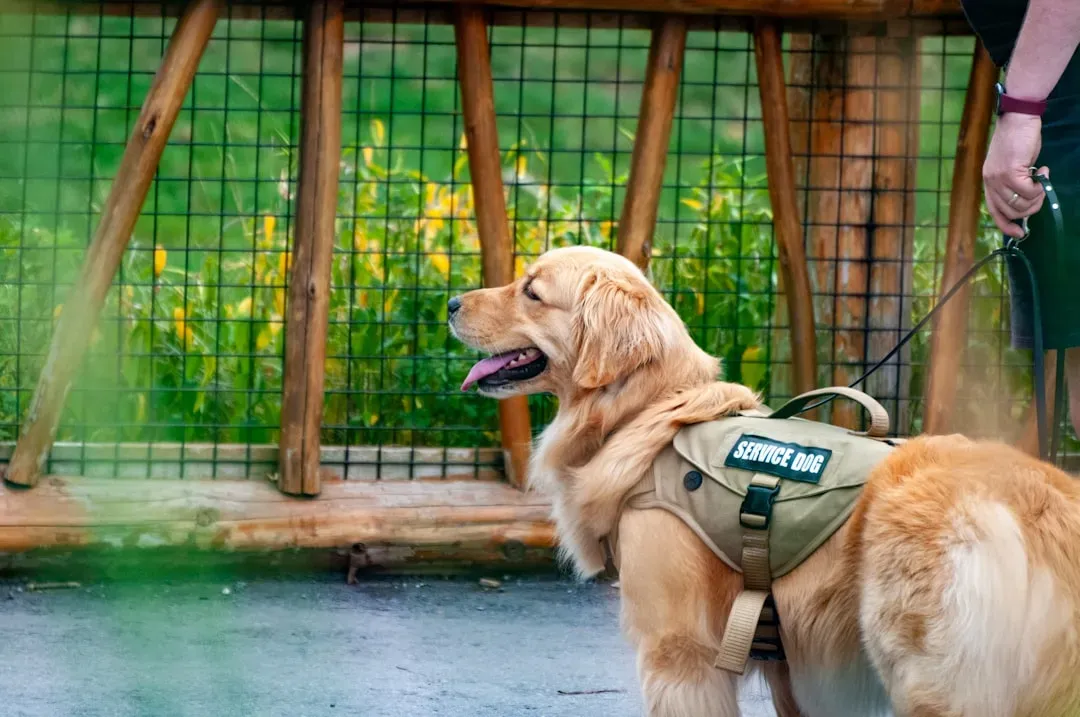
It might feel surprising that in the middle of a high-tech global pandemic response, the world turned to dogs, an ancient ally, for help. But if you look at the history, it tracks perfectly: dogs have been used to detect explosives, drugs, missing people, and even conditions like low blood sugar in diabetics. COVID-19 detection is just the next logical step in a long story of scent-based collaboration.
Researchers realized early in the pandemic that if COVID-19 changed the body’s chemistry, it might also change body odor in ways humans could not smell, but dogs possibly could. That insight pushed scientists to design structured experiments using sweat samples from infected and non-infected people to see if trained dogs could consistently tell the difference. It was less about a wild guess and more about building on a chain of evidence from other diseases where dogs had already shown promise.
The Science of Sweat: Why COVID-19 Has a Smell (to a Dog)
When a virus infects a human body, it does more than cause symptoms; it disrupts normal metabolism. Those internal changes can create tiny shifts in the chemicals released through breath, urine, and sweat, known as volatile organic compounds. To humans, these changes are invisible and odorless, but to a dog, they can be as obvious as a campfire on a cold night.
Sweat is especially useful for scientists because it is relatively easy to collect without needles or invasive procedures. In COVID-19 studies, researchers gathered sweat samples from confirmed positive and negative individuals and stored them under clean conditions. Dogs were then trained to identify specific scent patterns associated with infection, turning each sweat sample into something like a “scent fingerprint” of COVID-19 for a highly sensitive nose.
Training Protocols: From Playful Sniffs to Diagnostic Skill
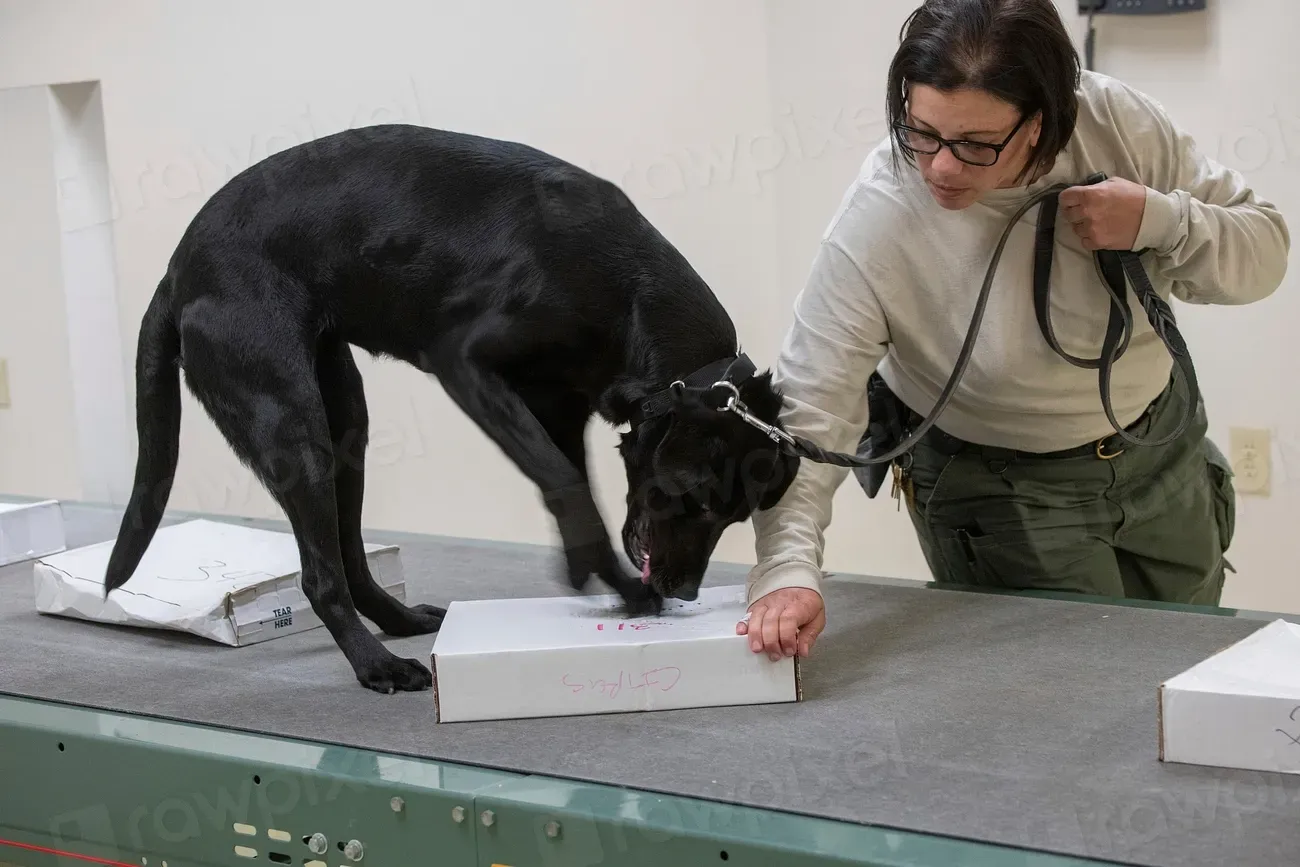
Training a COVID-19 detection dog is not as simple as letting it smell a shirt and calling it a day. Handlers use carefully designed training protocols similar to those used for bomb or drug dogs, where the animal learns to associate a particular target odor with a reward, like a favorite toy or treat. Over time, the dog shifts from random sniffing to a focused, deliberate search behavior, because it knows a correct indication leads to something fun or satisfying.
In COVID-19 studies, dogs are typically presented with multiple sweat samples at once, some from infected individuals and some from healthy controls. The dog must identify which one carries the COVID-associated odor and then perform a specific signal, such as sitting or pawing near the sample. This repeated, high-quality training with controlled samples is what transforms an ordinary pet into a kind of living biosensor with consistent, measurable performance.
How Close Do Dogs Really Get to PCR-Level Accuracy?
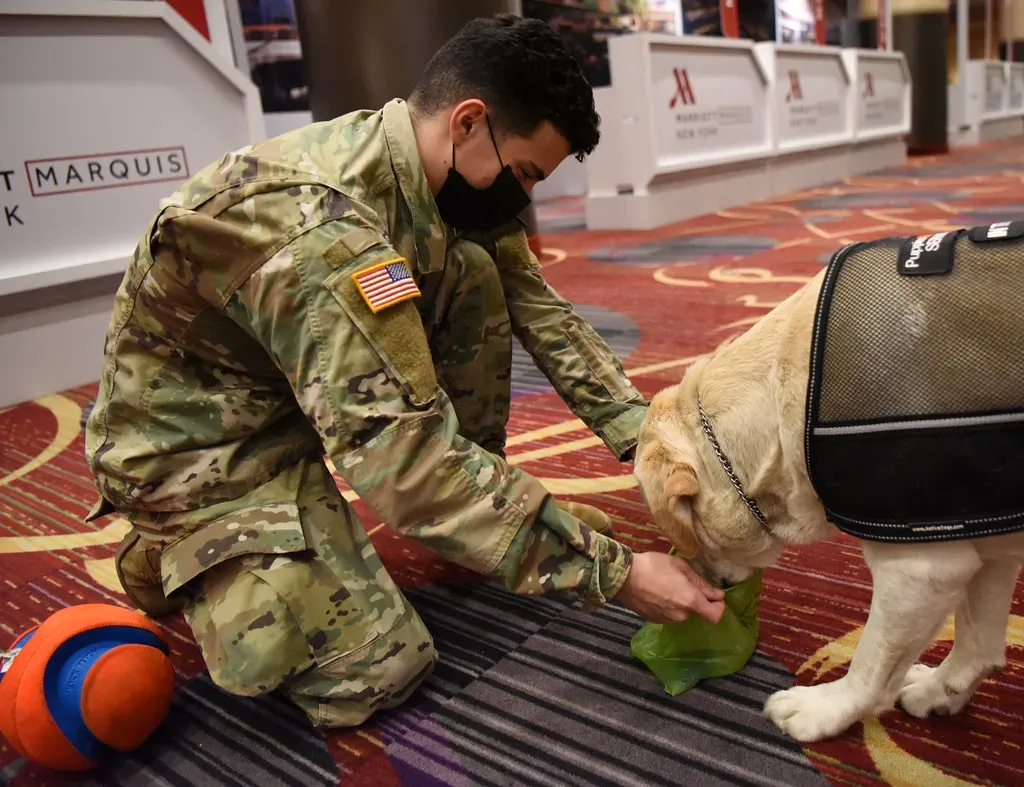
Here is where things get genuinely mind-bending. Multiple studies have reported that well-trained dogs can identify COVID-19 in sweat samples with accuracy metrics that sometimes approach those of PCR tests, particularly in terms of sensitivity, which is the ability to correctly flag infected individuals. In some research, dogs have correctly identified many positive cases, including some that were asymptomatic, using nothing but their noses and a few seconds of sniffing.
Of course, it is important not to oversell this: PCR remains the gold standard in laboratory diagnostics, and dog performance can vary depending on training quality, environment, and sample handling. But the fact that dogs can even be in the same conversation as PCR when it comes to detecting a viral infection is remarkable. It suggests that for certain use cases, like rapid screening in crowded settings, dogs could function as a fast, non-invasive first layer of detection, with lab tests reserved for confirmation.
Real-World Settings: From Airports to Sports Arenas
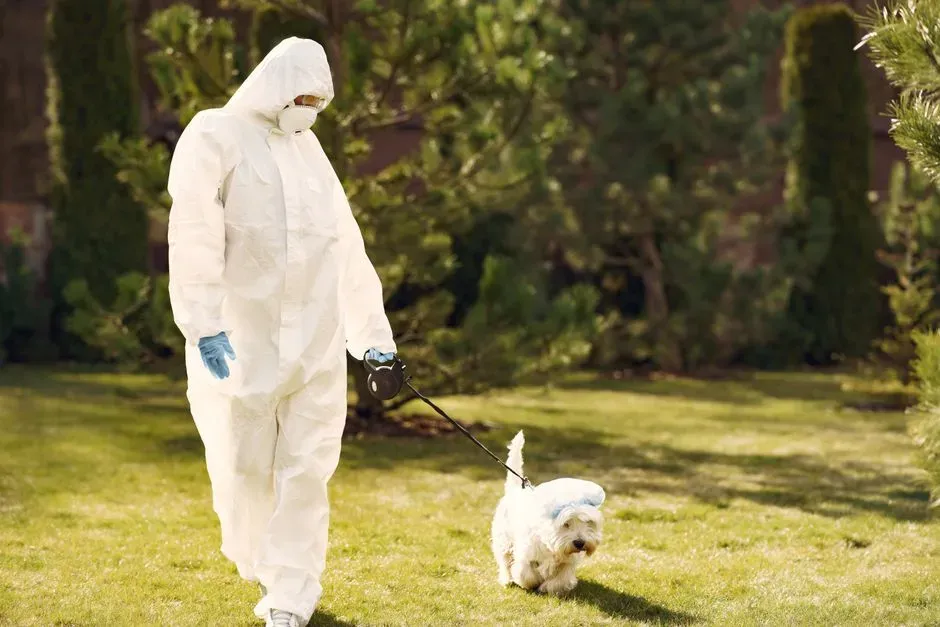
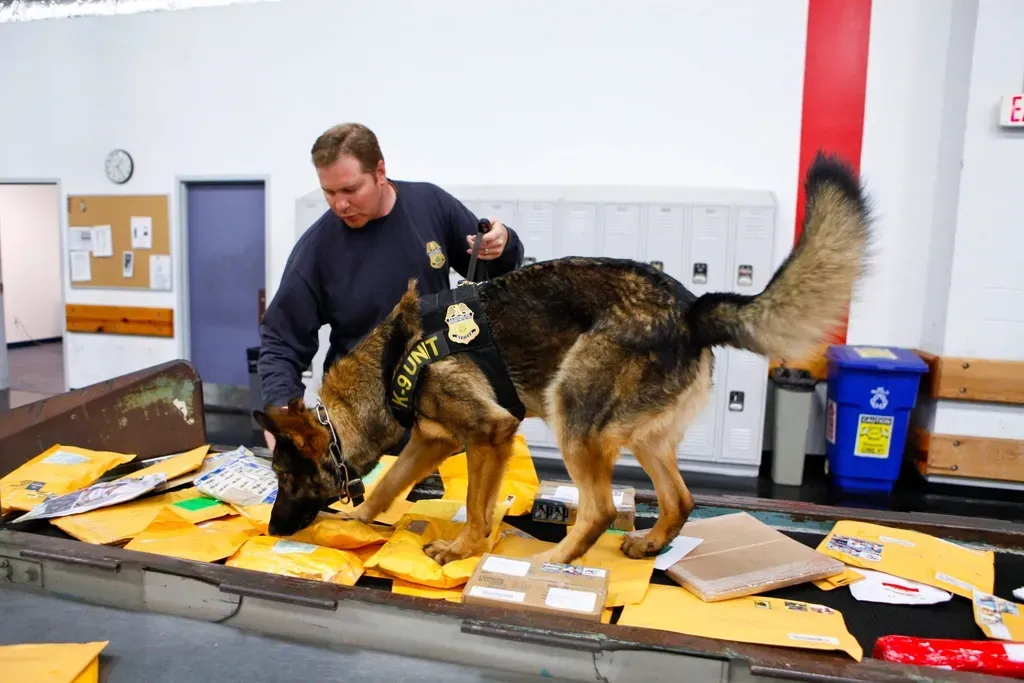
As soon as early data started to look promising, public venues began experimenting with COVID-19 detection dogs for on-site screening. Airports, stadiums, and large events tested systems where dogs would sniff the air around people or their sweat samples to help flag possible infections before they entered crowded spaces. This approach offered something people were craving during the pandemic: speed, simplicity, and a hint of reassurance.
In practice, these deployments had to juggle privacy, logistics, and public perception. Not everyone is comfortable around dogs, and organizers needed clear protocols for what happens when a dog indicates someone might be positive. Still, even trial runs showed how powerful the concept could be, especially in places where rapid testing capacity was limited or where results needed to be available within minutes, not hours.
The Ethics and Limits of Turning Dogs into Medical Devices
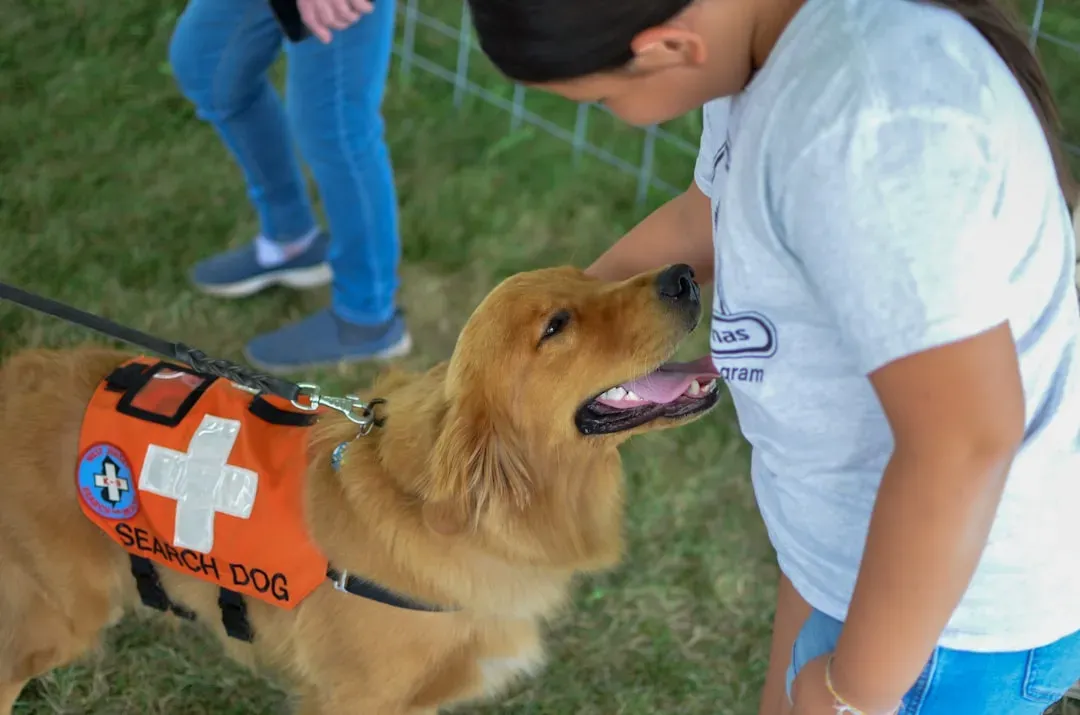
As impressive as this all sounds, there are ethical questions that should not be brushed aside. Dogs are living beings, not machines, and using them in disease detection raises concerns about welfare, overwork, and exposure risk. Handlers must ensure that detection dogs are well cared for, given rest, protected as much as possible from infection, and not treated as disposable tools in a public health crisis.
There are also scientific limits we have to acknowledge. Dog performance can vary from one animal to another, and results can be influenced by distractions, handler bias, or environmental conditions. Unlike machines, dogs cannot simply be calibrated with a software update. That means any use of detection dogs needs strict protocols, ongoing validation, and realistic expectations, rather than blind faith or hype.
On a personal level, I find the ethical tension pretty real: I am inspired by what dogs can do, but I am also wary of humans pushing them too far just because we are in a bind. It is a bit like asking a gifted athlete to compete nonstop without rest simply because they keep winning; at some point, the admiration turns into exploitation if we are not careful.
Beyond COVID-19: What This Means for the Future of Disease Detection
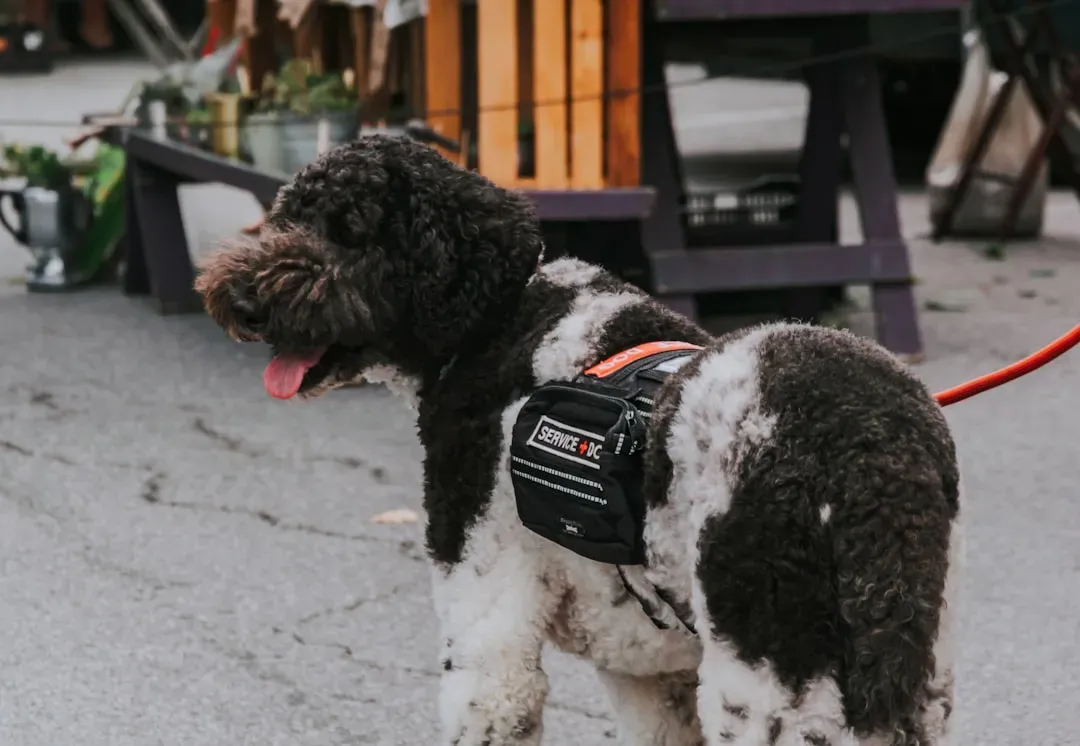
The most exciting part of this story might not even be about COVID-19 at all. If dogs can reliably detect one viral infection in sweat, it opens the door to exploring their potential with other diseases too, from respiratory viruses to certain cancers and metabolic conditions. Researchers were already investigating some of these before the pandemic, and the COVID-19 experience has only accelerated interest and investment.
In the future, you could imagine integrated systems where dogs help screen people quickly, and then positive indications are followed by high-tech confirmatory tests, creating a hybrid model of biological and digital diagnostics. It is not about dogs replacing machines, but about adding a flexible, mobile, remarkably sensitive tool to the toolkit. In that sense, the story of COVID-19 detection dogs feels like a glimpse into a more creative, more collaborative version of medicine, one where animals and technology work side by side.
What This Says About Our Relationship With Dogs
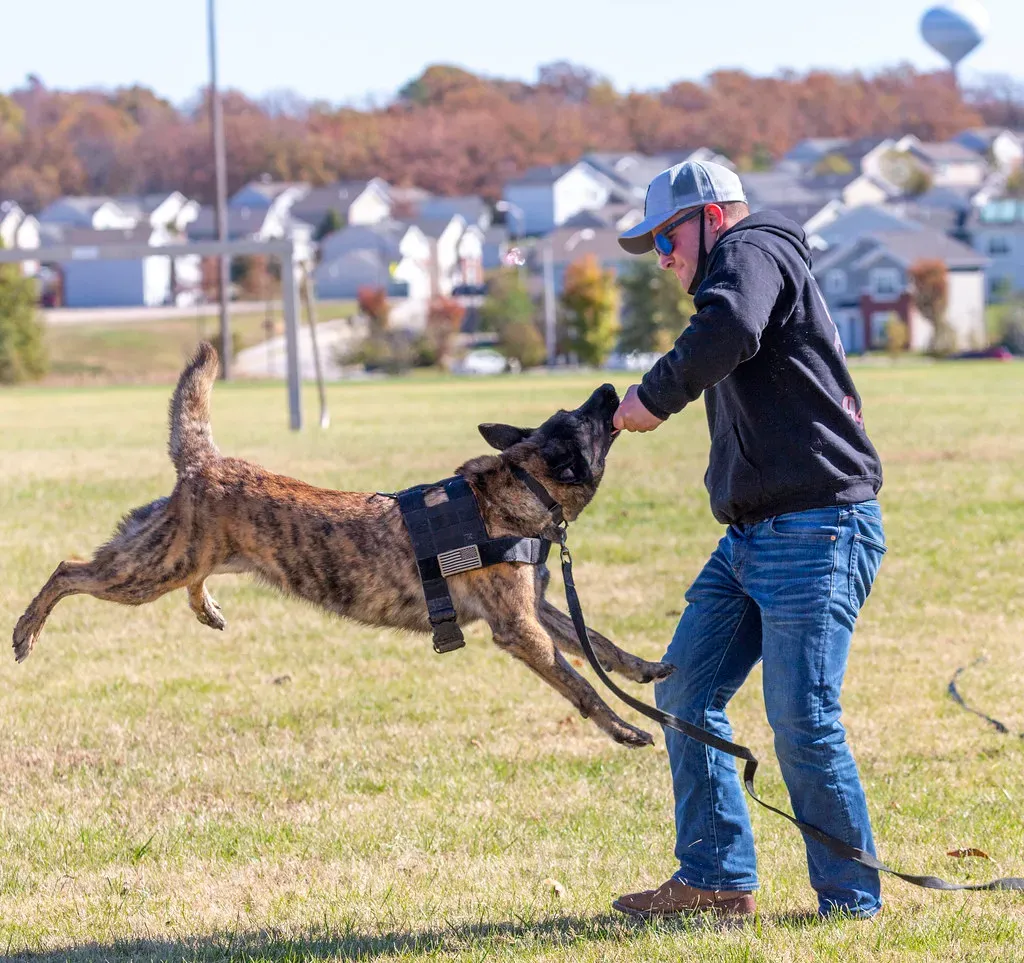
Underneath all the science and data, there is something deeply human about looking to dogs for help during a global crisis. We have shared thousands of years of history with them, from hunting and herding to guarding and guiding, and now they are stepping into roles that would have sounded absurd a few decades ago: disease detector, early warning system, public health partner. It is hard not to feel a mix of gratitude and awe at that evolution.
At the same time, this reminds us of a simple truth: we often underestimate the abilities of the animals around us. Dogs are not just pets curled up on the couch; in the right conditions, they can operate on the frontier of modern science. The pandemic has forced us to rethink what counts as “advanced” technology, and sometimes the answer is not a complex machine but a living creature with instincts and sensory powers that we barely understand.
Opinionated Conclusion: Powerful Nose, Not a Magic Wand
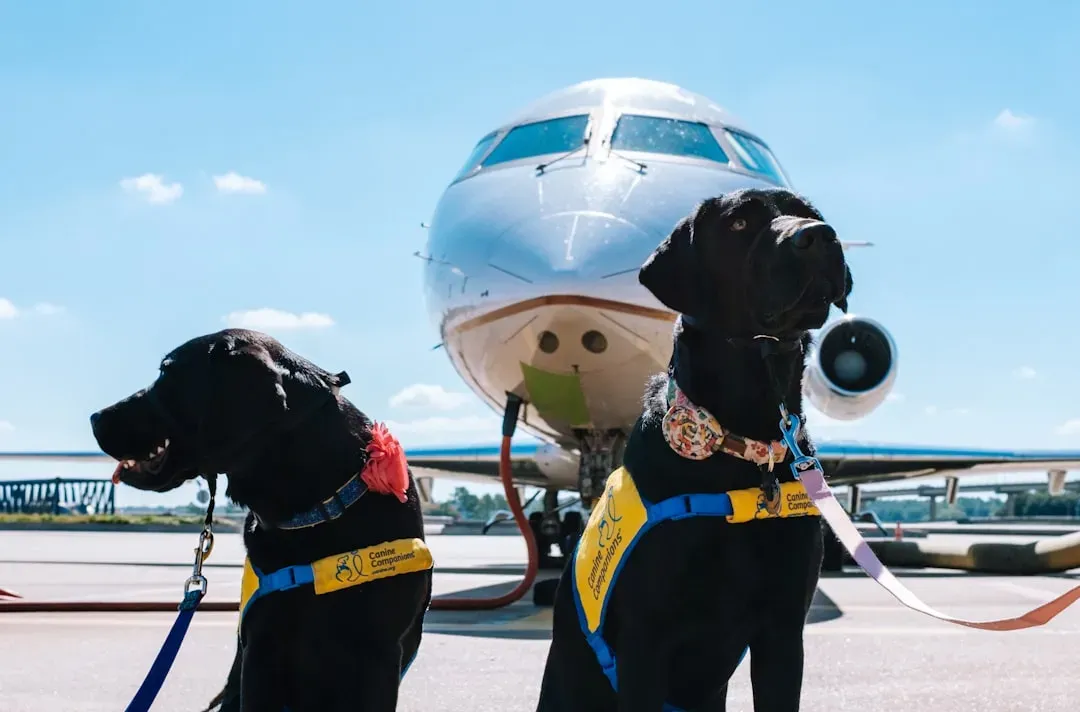
In my view, the story of COVID-19 detection dogs is both inspiring and a little humbling. It proves that an animal we often associate with fetch and belly rubs can, under careful training, rival sophisticated lab tools in narrow but crucial ways. That should shake up our assumptions about what is possible in medicine, especially when we combine old allies like dogs with modern scientific methods. We would be foolish not to explore and refine this approach further.
But we would be just as foolish to treat dogs as miracle machines that can single-handedly solve complex public health problems. Their success depends on rigorous training, ethical treatment, and realistic integration with existing diagnostics, not on wishful thinking. If we can hold both truths at once – that dogs are astonishingly capable yet not infallible – we might build a smarter, kinder system that respects them as partners rather than tools. When you think about the next big health challenge the world will face, does it surprise you that one of our best allies might already be sleeping at the foot of your bed?


