
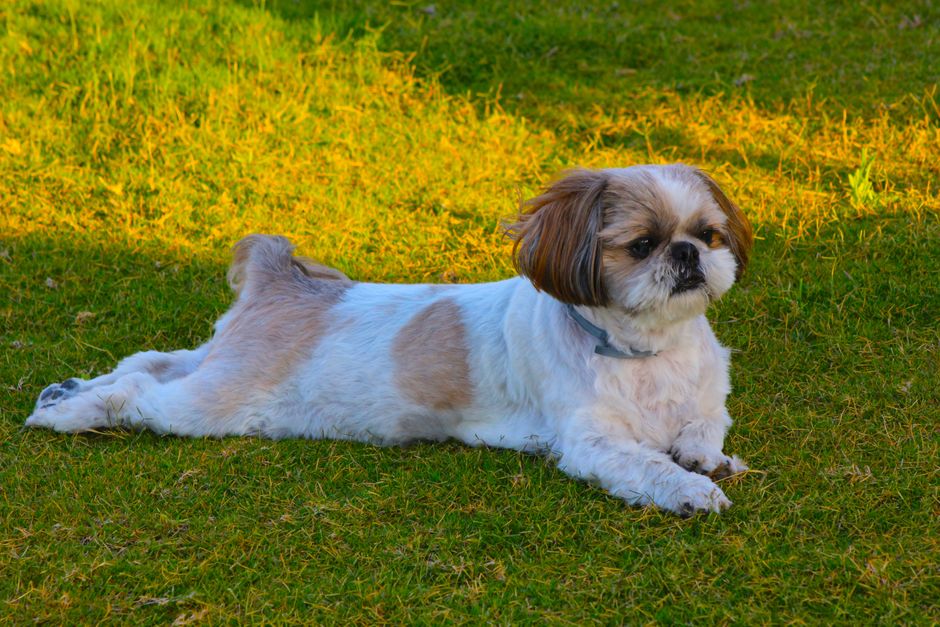
The bond between a dog and its owner is profound, often transcending the typical pet-owner relationship. While all dogs can experience grief, certain breeds are particularly sensitive and may struggle to recover fully after the loss of their beloved human. Let’s explore nine such breeds known for their deep emotional connections and the challenges they face in coping with such a significant loss.
Labrador Retriever
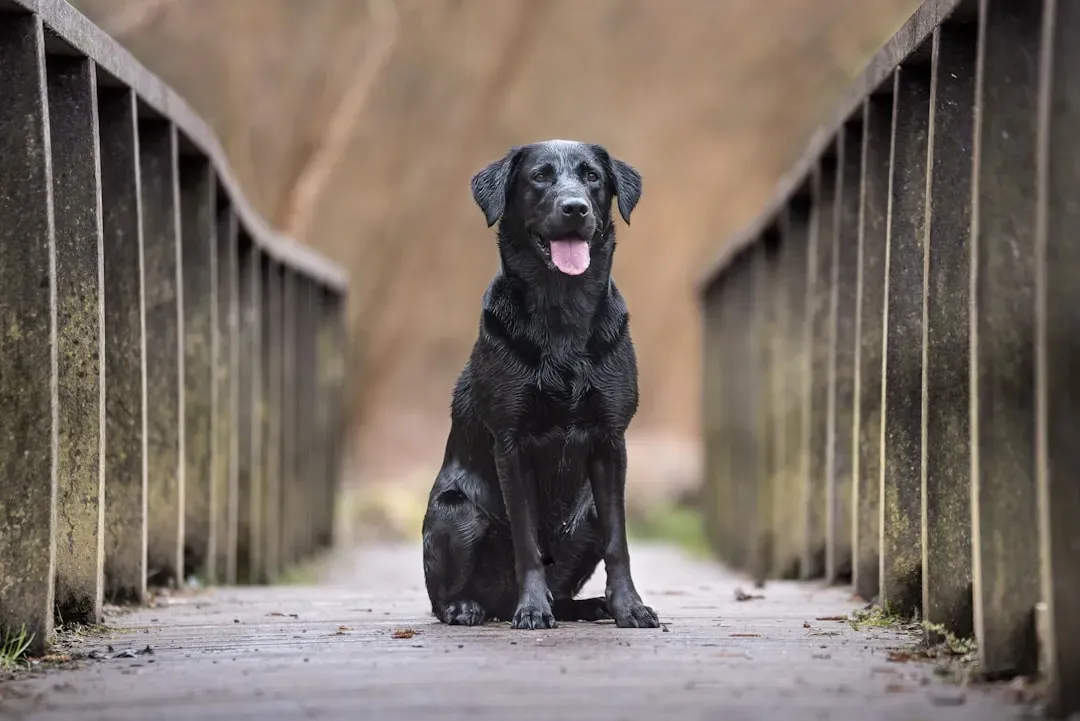
Labrador Retrievers are renowned for their friendly and loyal nature. They form strong attachments to their families, thriving on companionship and affection. When a Labrador loses its owner, the void left behind can lead to noticeable behavioral changes.
These dogs may exhibit signs of depression, such as decreased appetite, lethargy, and withdrawal from activities they once enjoyed. Their innate desire to please and be close to their humans makes the absence particularly challenging, often resulting in prolonged periods of mourning.
German Shepherd
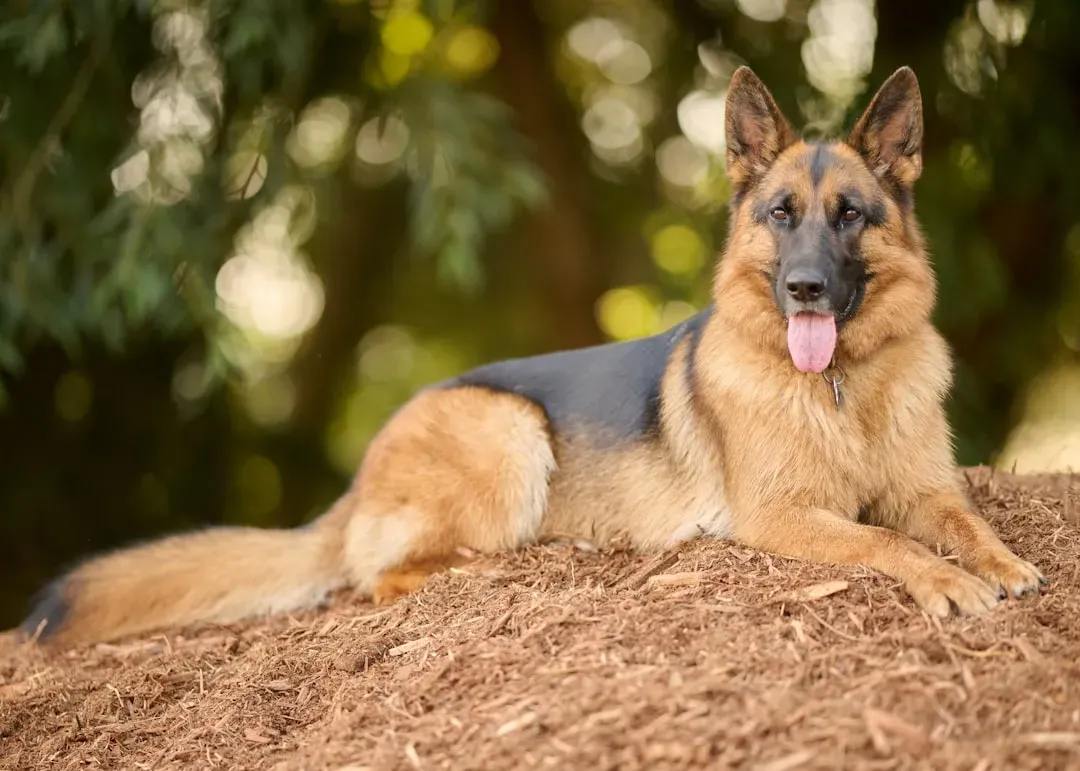
German Shepherds are intelligent and protective, often serving as working dogs due to their strong sense of duty. Their loyalty to their owners is unparalleled, creating a deep bond that, when broken, can lead to significant distress.
After the loss of an owner, German Shepherds may become anxious and exhibit behaviors like pacing, whining, or searching for their missing human. Their protective instincts can turn inward, leading to self-destructive behaviors or a heightened state of alertness, making recovery a slow and arduous process.
Border Collie
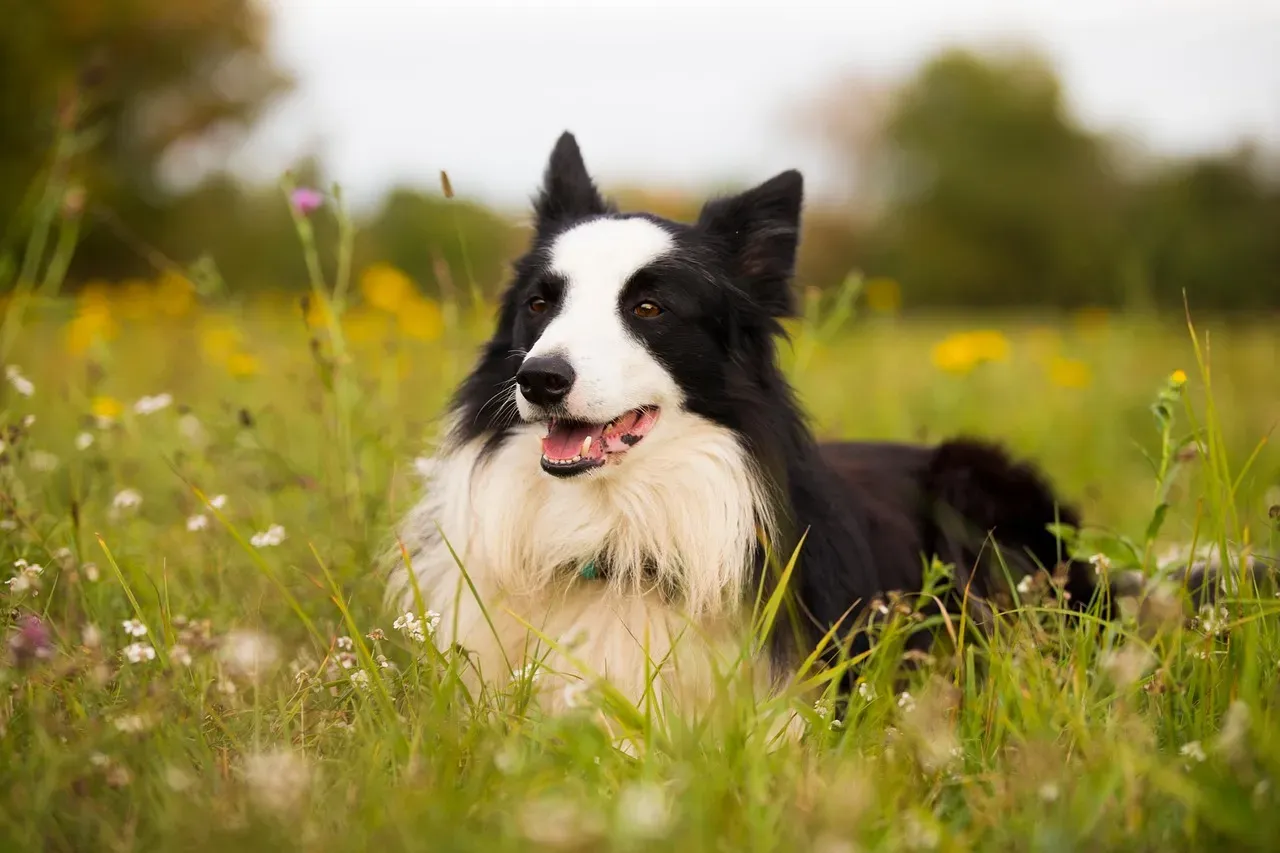
Border Collies are highly intelligent and energetic, requiring mental stimulation and close interaction with their owners. Their sensitivity to human emotions means they are acutely aware of changes in their environment, including the absence of a loved one.
When a Border Collie loses its owner, it may become withdrawn, showing a lack of interest in play or exercise. The breed’s need for routine and purpose can make adjusting to a new normal particularly difficult, often resulting in prolonged periods of grief.
Jack Russell Terrier
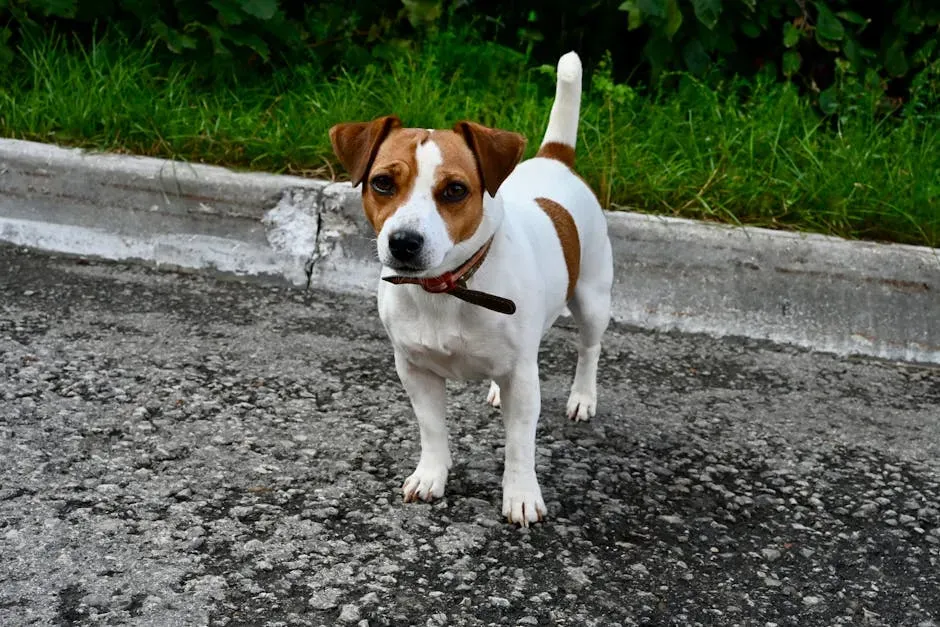
Jack Russell Terriers are spirited and tenacious, forming strong bonds with their owners. Their energetic nature and desire for companionship mean they thrive in active households where they are an integral part of daily life.
The loss of an owner can lead to noticeable changes in behavior, such as increased anxiety, restlessness, and even destructive tendencies. Their high energy levels, coupled with a deep emotional connection, make it challenging for them to cope with such a significant loss.
Akita
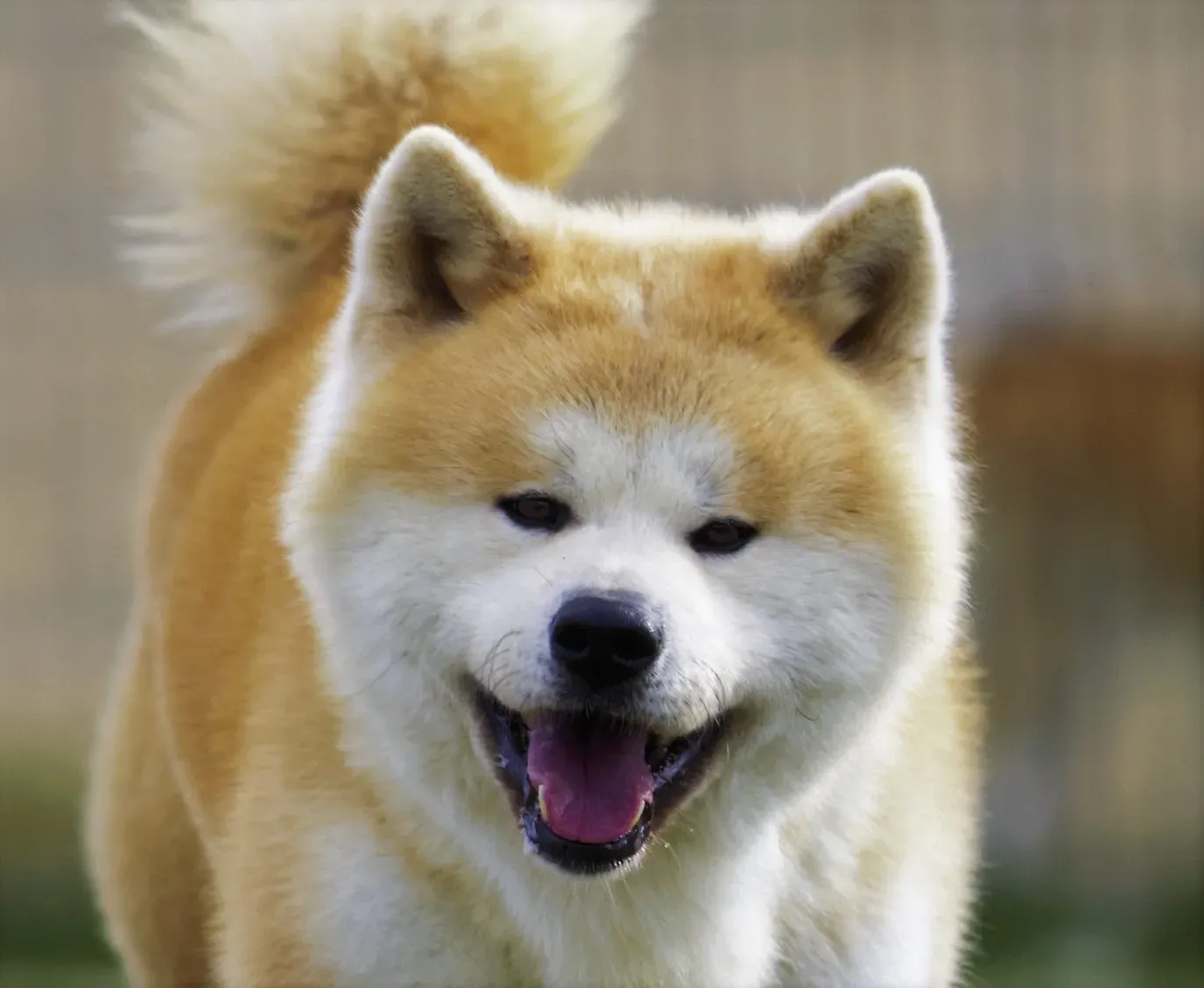
Akitas are known for their loyalty and devotion, often forming a singular bond with one person. This deep attachment means that the loss of their owner can be particularly devastating.
An Akita may exhibit signs of severe depression, including loss of appetite, lethargy, and withdrawal from social interactions. Their stoic nature can make it difficult to recognize the depth of their grief, but the impact is profound and long-lasting.
Chihuahua
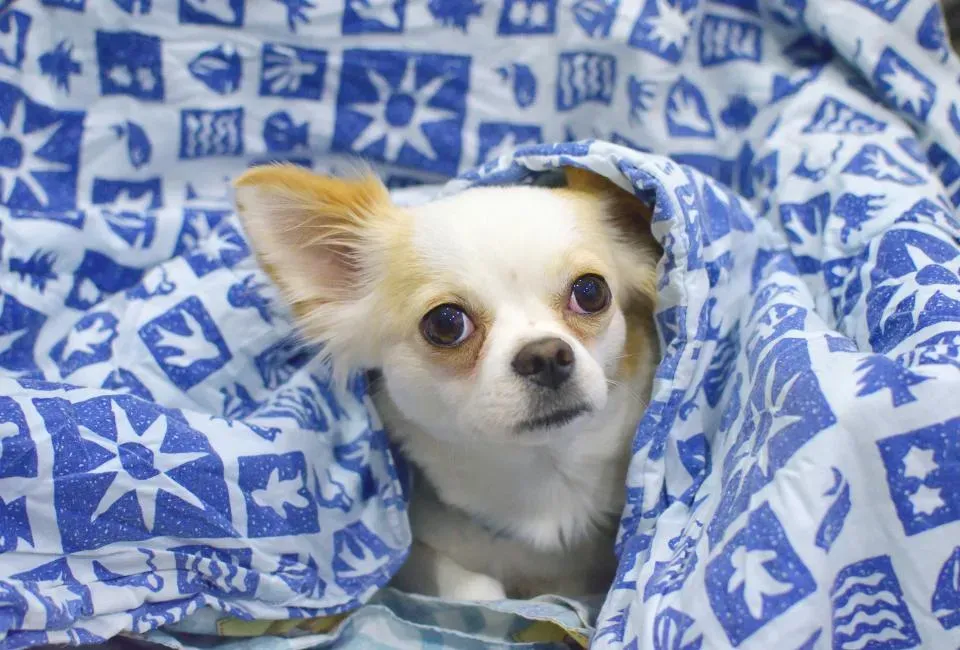
Despite their small size, Chihuahuas have big personalities and often form intense bonds with their owners. They are known to be “velcro dogs,” always wanting to be close to their human companions.
The death of an owner can lead to significant anxiety and stress in Chihuahuas, manifesting as excessive barking, clinginess, or even aggression. Their strong attachment makes it difficult for them to adjust to new caregivers, often resulting in prolonged periods of mourning.
Great Dane
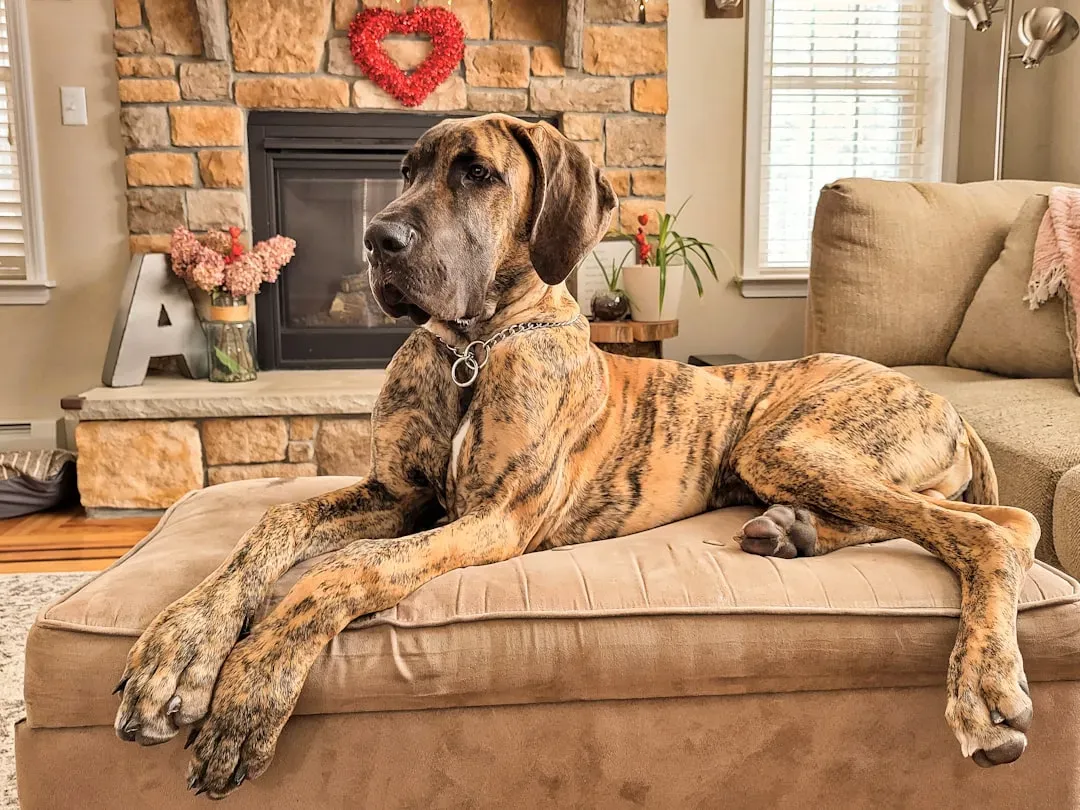
Great Danes are gentle giants, known for their affectionate and loyal nature. They often see themselves as lap dogs, despite their size, and crave close physical contact with their owners.
When a Great Dane loses its owner, the emotional impact can be immense. They may become withdrawn, refuse to eat, or exhibit signs of anxiety. Their size and sensitivity make it crucial to provide them with ample support and understanding during the grieving process.
Shih Tzu
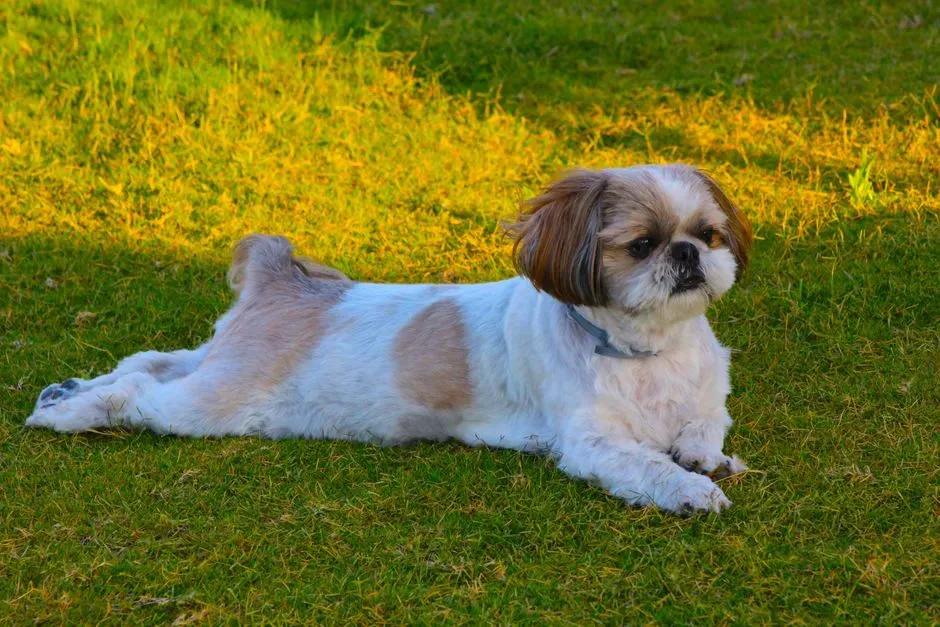
Shih Tzus are affectionate and thrive on human companionship. They are often described as “people dogs,” forming close bonds with their families and enjoying being the center of attention.
The loss of an owner can lead to depression and anxiety in Shih Tzus, resulting in changes in behavior such as decreased activity, loss of appetite, and increased clinginess. Their need for social interaction makes it challenging for them to cope with the absence of a beloved human.
Boxer

Boxers are playful and energetic, known for their boundless enthusiasm and love for their families. They form strong attachments and are often protective of their human companions.
After the loss of an owner, Boxers may exhibit signs of grief such as lethargy, loss of interest in play, and changes in appetite. Their expressive nature means that their sadness is often visible, and they may require significant support to navigate their grief.
Conclusion
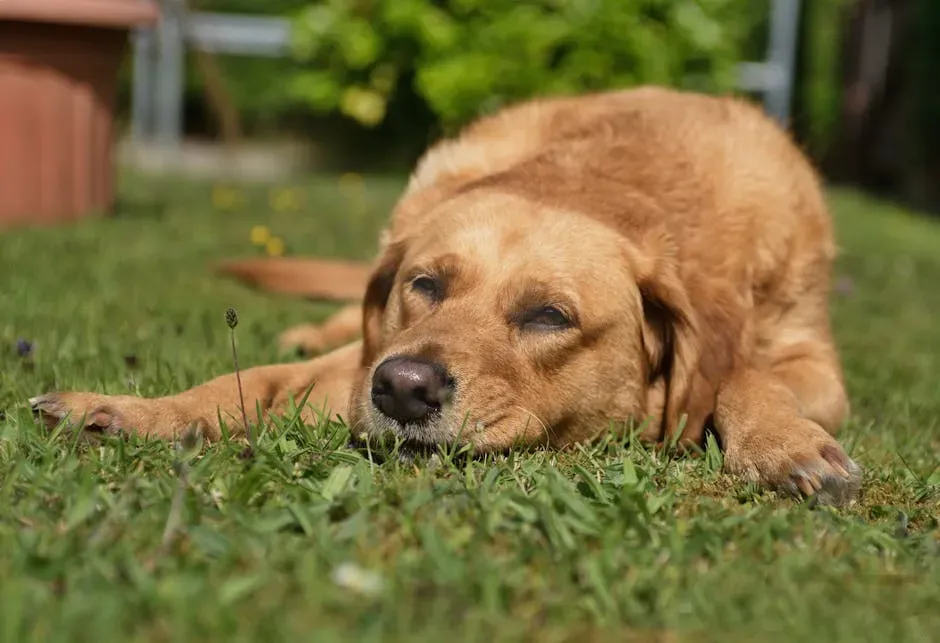
The depth of a dog’s grief after losing an owner is a testament to the profound bond shared between humans and their canine companions. While all dogs can experience loss, these nine breeds are particularly susceptible to prolonged mourning, often struggling to fully recover. Recognizing and understanding their grief is crucial in providing the support and care they need during such a challenging time. After all, isn’t the unwavering loyalty and love of a dog one of the most beautiful aspects of our shared existence?


