
9 Dog Breeds That Fall Apart Emotionally When Their Owner Raises Their Voice – Even Just Once
You know that awful feeling in your stomach when you realize you snapped at your dog, and they instantly shrink, lower their head, or slink away like their world just ended? Some breeds shake this off pretty quickly. Others act like you’ve just shattered their soul. This article is about those dogs – the soft, sensitive, people‑pleasing breeds that feel your tone like a punch to the heart.
Of course, every dog is an individual, and there’s no magic list that fits everyone perfectly. But certain breeds are famously more emotionally fragile and deeply tuned in to their humans’ moods. With these dogs, a raised voice – even just once – can leave a mark. Let’s walk through nine breeds that tend to crumble emotionally when you lose your cool, and what you should do instead if you share your life with one of these gentle souls.
Border Collie: The Overachiever Who Takes Everything Personally
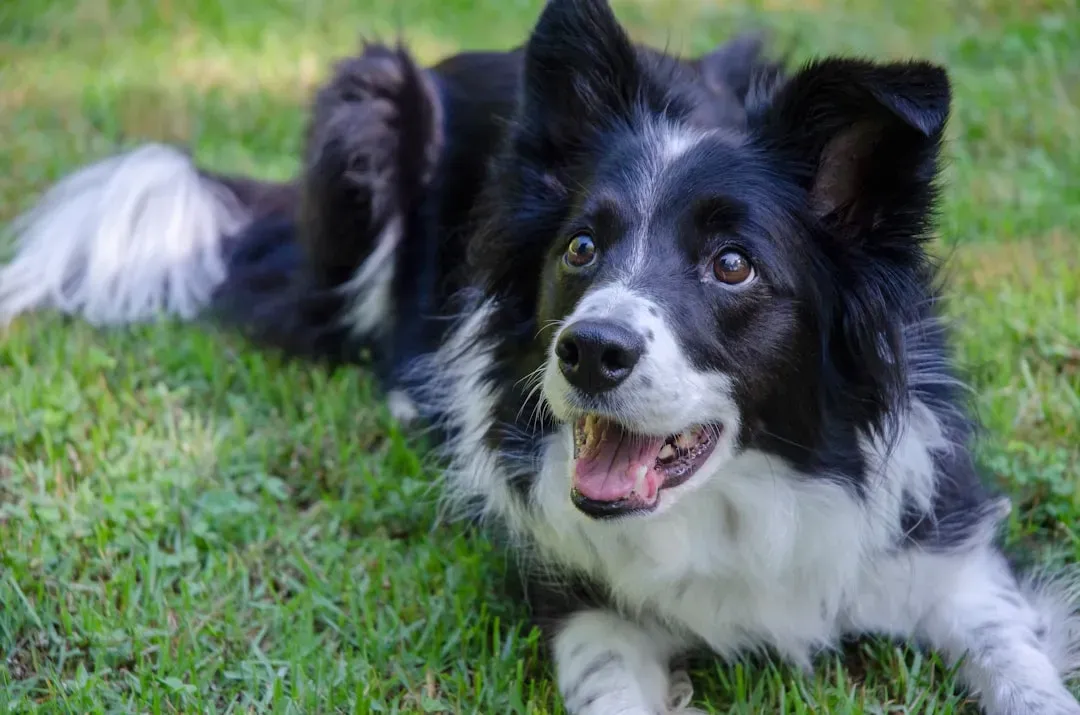
Border Collies are often called the workaholics of the dog world, and that intensity applies to their emotions too. They are bred to read the tiniest cues from humans and sheep, so a small change in your tone can feel like a blaring alarm to them. A single sharp word can make a sensitive Border Collie freeze, avoid eye contact, or obsess over what they “did wrong.”
Because they’re so smart and so tuned in, they can spiral into anxiety if they think they’ve displeased you. You’ll sometimes see them pacing, hiding, or trying frantically to offer behaviors to “fix” the situation, even if you were never really mad at them. With Border Collies, calm consistency and clear, positive training is absolutely non‑negotiable if you don’t want to damage that fragile trust.
Cavalier King Charles Spaniel: The Little Shadow With a Glass Heart

Cavaliers are often described as velcro dogs – they don’t just love their people, they orbit them. This close emotional attachment means they can be extremely sensitive to your mood. Raise your voice around a Cavalier and they’re likely to flatten their ears, tuck their tail, and look utterly crushed, even if you weren’t talking to them.
They were bred as companion dogs, not workers, so their main “job” is emotional bonding. That also means they’re not built to handle a harsh environment. A single angry outburst can make a Cavalier associate you, or even a room, with fear for a long time. Soft voices, gentle handling, and lots of reassurance are what help this breed blossom instead of emotionally folding in on themselves.
Golden Retriever: The People-Pleaser Who Just Wants You to Be Happy
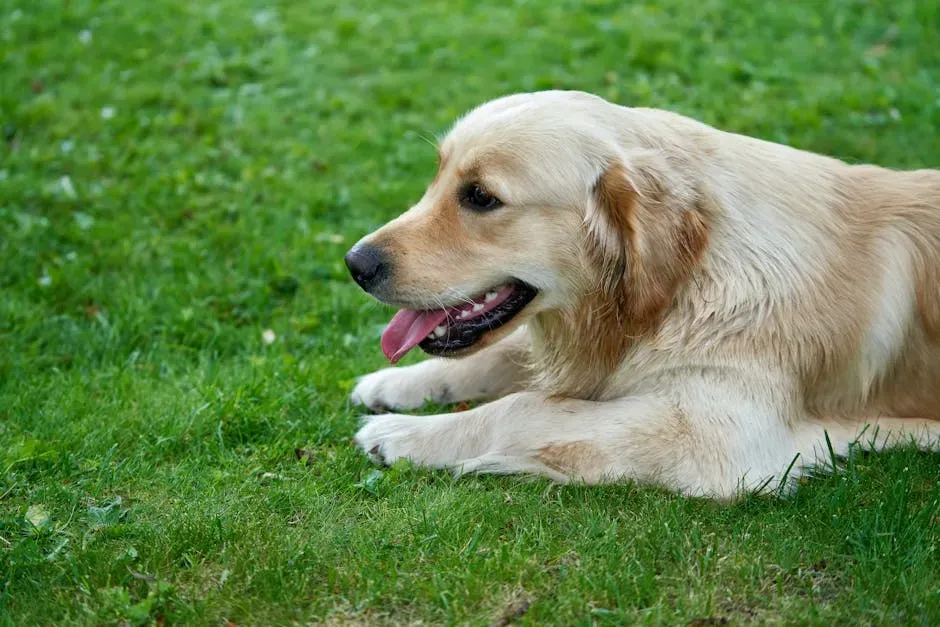
Goldens usually have that classic happy‑go‑lucky vibe, but underneath the goofy smile is a dog that cares deeply about your approval. Many Goldens crumble when they realize you’re upset, even if your anger isn’t directly aimed at them. A raised voice can make them shut down, lick their lips, avoid looking at you, or slink away and hide.
Because they’re so eager to please, they may respond to scolding by becoming overly submissive or anxious, which can ironically lead to more “misbehavior” driven by stress. Goldens thrive on upbeat training, praise, and structure. If you routinely yell at a Golden, you don’t just hurt their feelings – you can slowly erode their natural confidence and turn a bright, sunny dog into a worried, clingy one.
Australian Shepherd: The Sensitive Control Freak
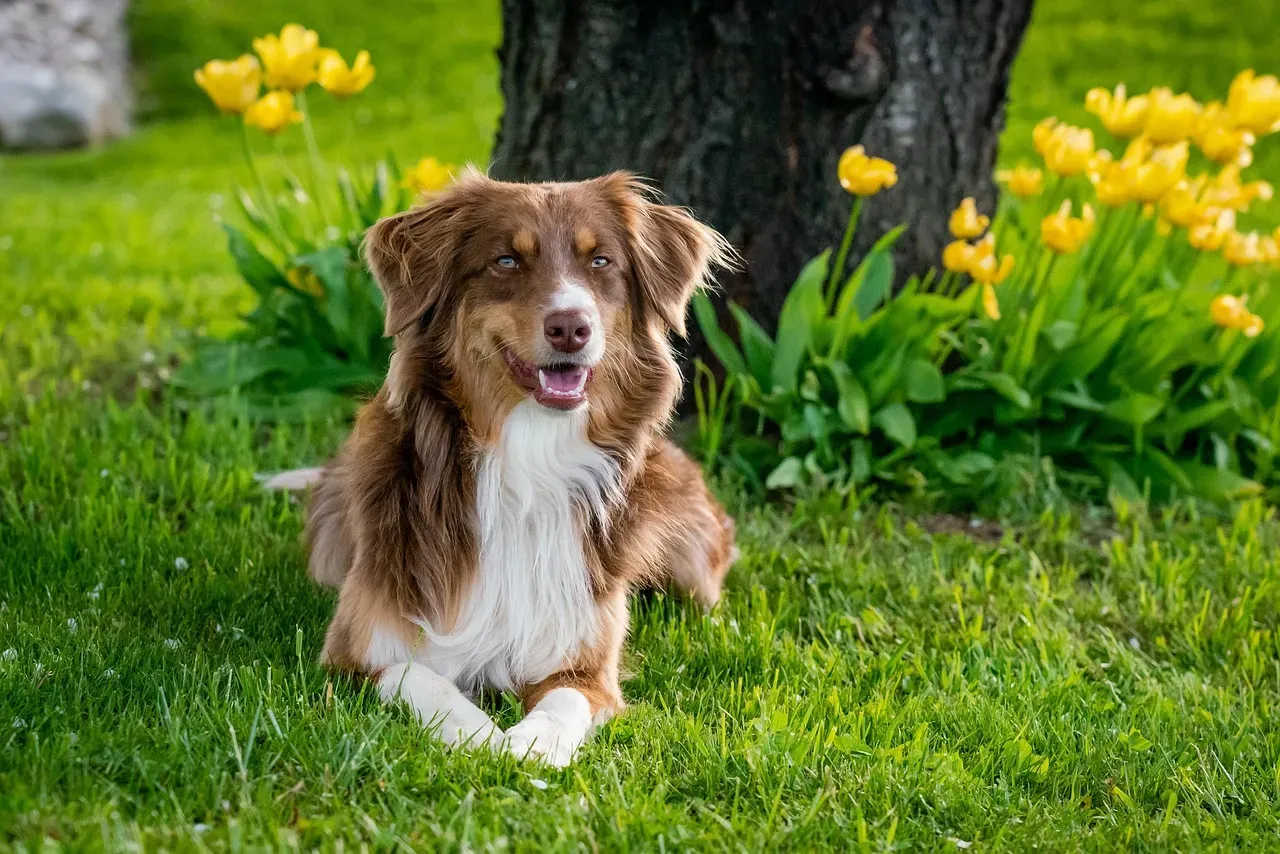
Australian Shepherds are incredibly observant and often a bit intense. They like to know what’s happening, what their job is, and whether their person is okay. When you suddenly raise your voice, it shakes that sense of control and predictability they cling to. Many Aussies respond by becoming hypervigilant, jumpy, or even more frantic in their behavior.
Some Aussies shut down emotionally, while others start overcompensating – herding harder, barking more, or hovering around you like a helicopter friend who’s terrified of messing up. They do best in a home where communication is clear, routines are stable, and corrections are calm and precise rather than loud and emotional. To an Aussie, your tone is data, and a harsh tone feels like danger.
English Toy Spaniel (King Charles Spaniel): The Gentle Aristocrat Who Can’t Handle Drama
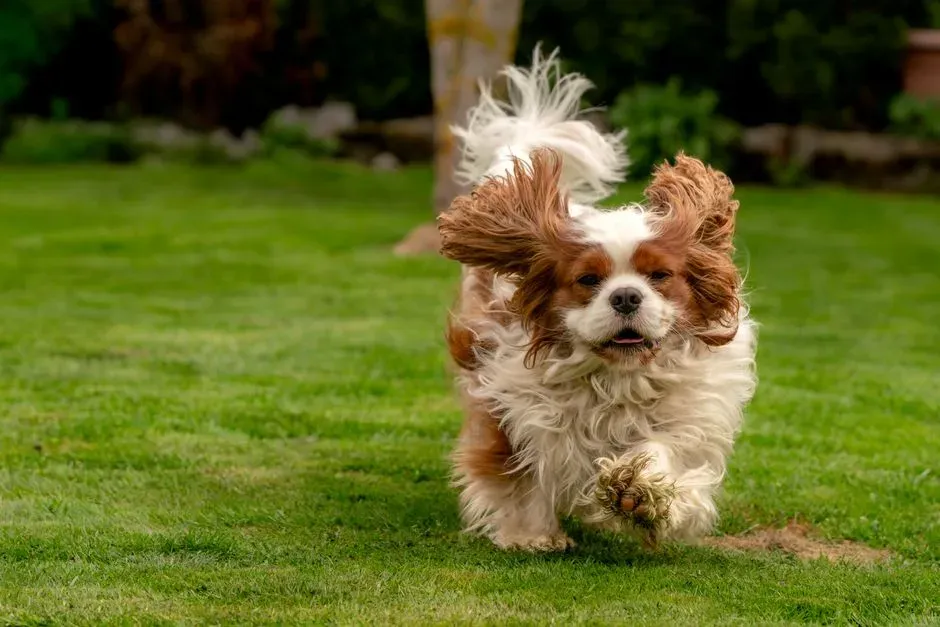
English Toy Spaniels are closely related to Cavaliers but tend to be even more reserved and delicate in temperament. These are dogs that want a quiet, predictable household and a soft, affectionate connection with their person. A sudden shout can feel like a thunderclap dropping right on their tiny chest.
Because they are so small and often naturally timid, harsh voices can easily push them into chronic wariness or fearfulness. You might notice them avoiding certain family members who yell more, or hiding when voices rise for any reason. This is the kind of dog that truly thrives in a low‑conflict home, where problems are solved more like a calm family meeting than a shouting match.
Whippet: The Sensitive Sprinter With a Fragile Ego
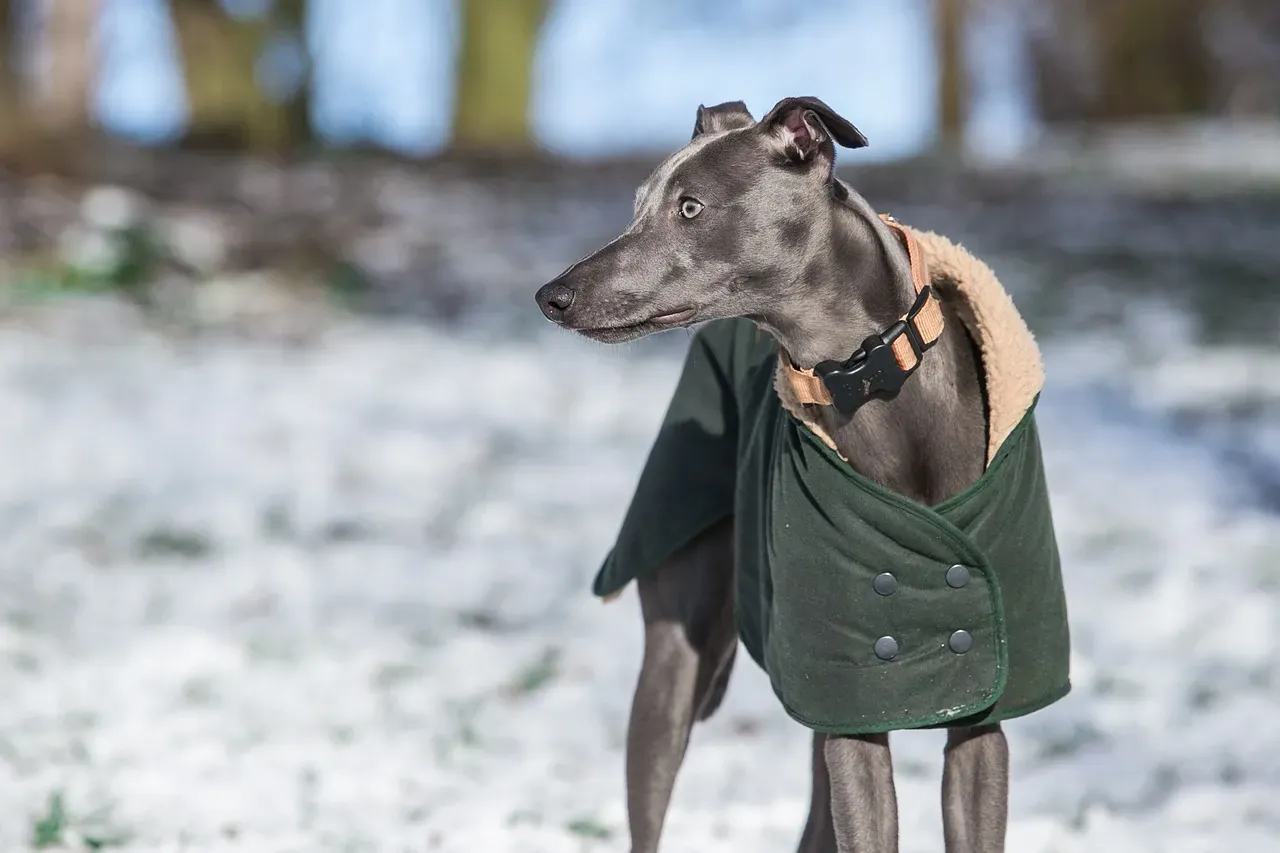
Whippets may look sleek and athletic, but emotionally they’re often soft, almost cat‑like creatures who want peace and comfort. Many Whippet owners will tell you their dogs take scolding very hard. A raised voice can cause a Whippet to tremble, retreat to a quiet corner, or refuse to approach you for a while.
They tend to be sensitive not just to sound, but to the overall atmosphere in the home. Tension, arguments, and yelling can make them anxious and withdrawn. Whippets respond far better to gentle redirection and positive reinforcement than to any kind of forceful correction. With this breed, your job isn’t to “show them who’s boss” – it’s to build enough trust that they want to listen to you.
Sheltie (Shetland Sheepdog): The Worrier Who Reads Your Every Mood
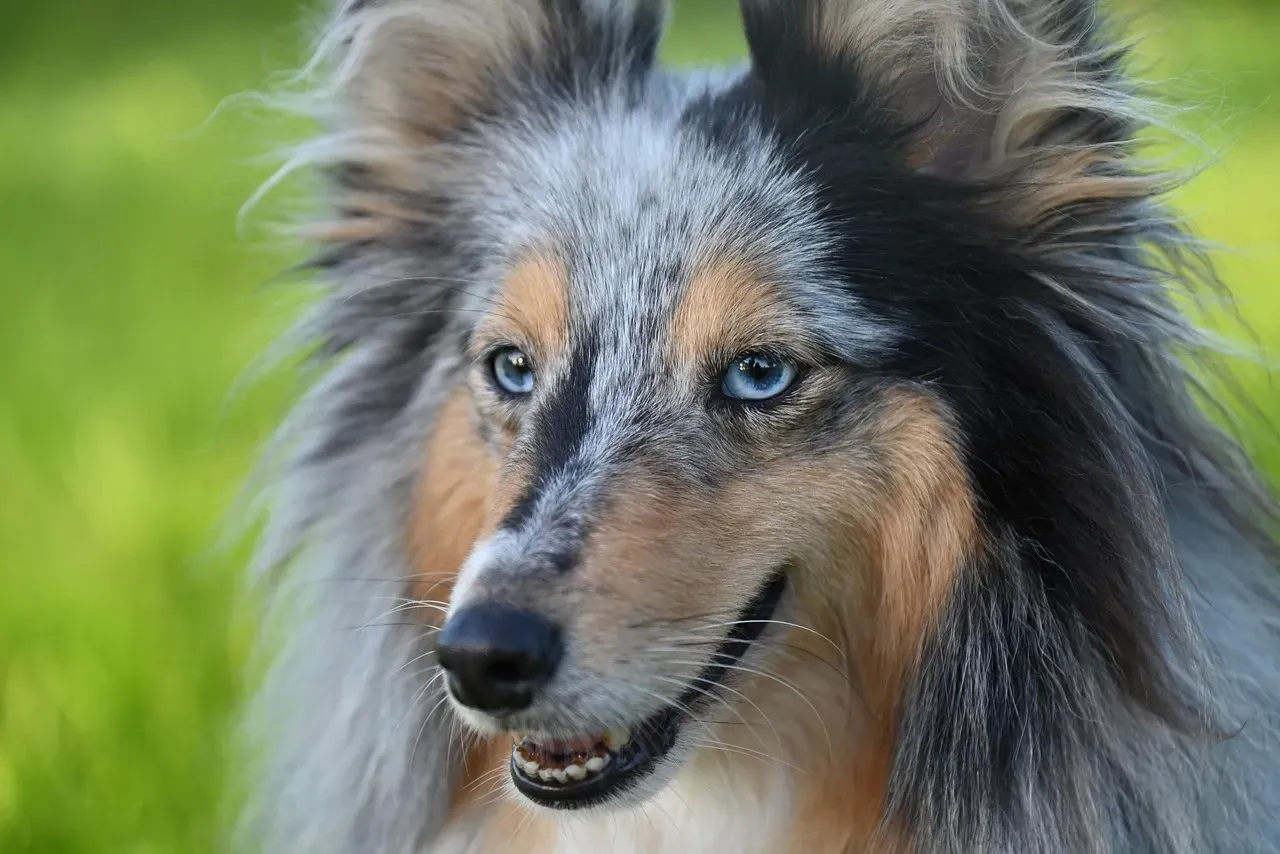
Shelties are often described as sensitive little herding dogs who seem to worry about everything. They are incredibly in tune with their owners’ emotional states and can pick up on changes in body language and voice almost instantly. When you raise your voice, many Shelties react as if they’ve committed a serious crime, even if they were just lying there minding their business.
This breed is prone to anxiety to begin with, so harsh corrections or loud arguments in the home can make them more fearful, noise‑sensitive, and reactive over time. On the flip side, when Shelties are trained with patience, games, and encouragement, they often blossom into confident, eager little partners. Their emotional world is delicate; your tone is a big part of how safe they feel.
Papillon: The Big Brain in a Tiny, Sensitive Body
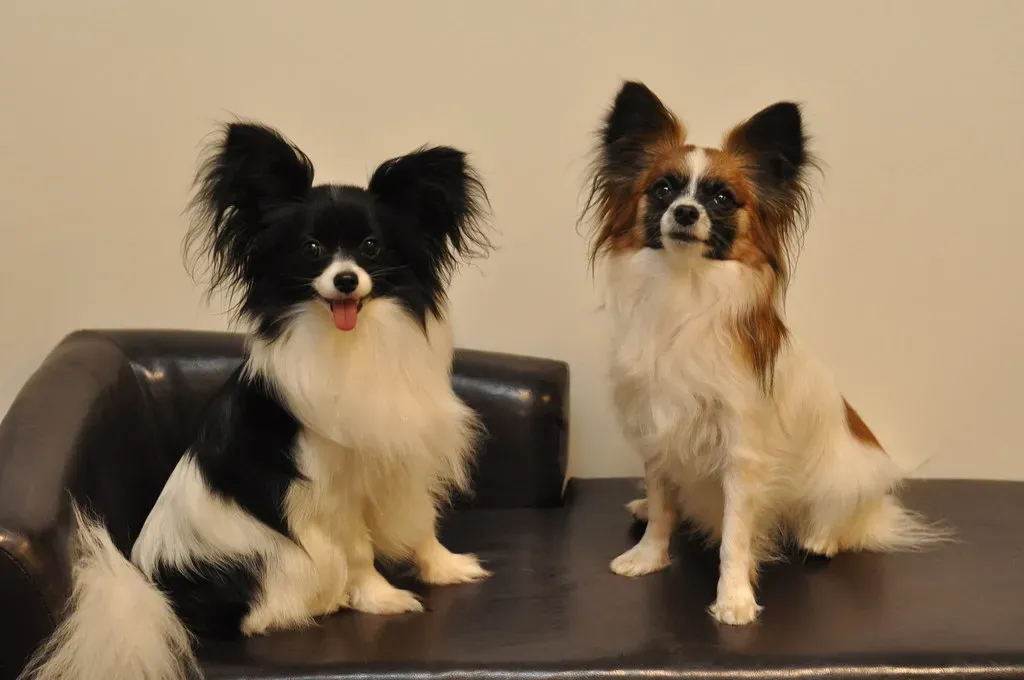
Papillons are small but incredibly intelligent and alert. They tend to bond very strongly with their people and pay close attention to every move you make. That sharpness means a loud, angry tone hits them like a sudden storm. Some Papillons may bark back or get yappy from stress, but many simply fold, looking deeply hurt or slinking away.
Because of their size and sensitivity, repeated yelling can push a Papillon into chronic anxiety or defensive behaviors. You might see more reactivity, clinginess, or even avoidance of the person who does the most shouting. They do best with owners who use structure, clear cues, and reward‑based training rather than emotional outbursts. Think “firm but kind teacher,” not “angry coach yelling from the sidelines.”
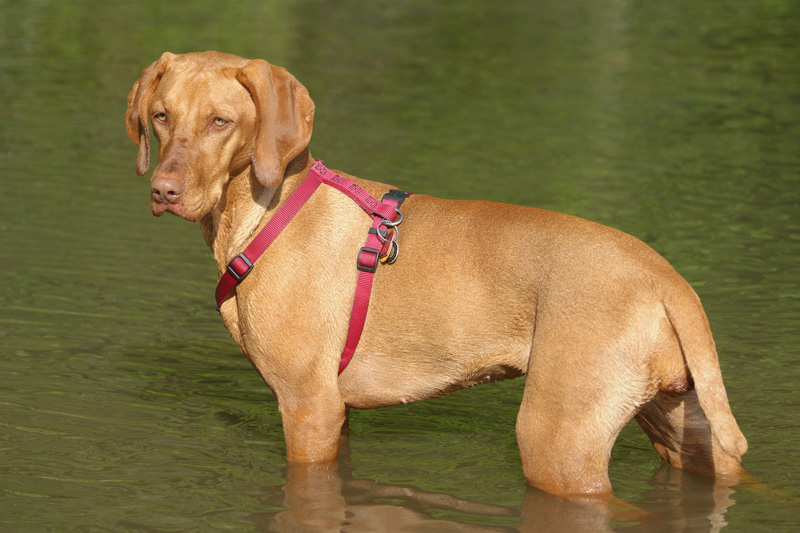
Vizsla: The Velcro Athlete With an Open Nerve System

Vizslas are often nicknamed velcro dogs for a reason – they bond hard and fast, and they don’t just want to be near you, they want to be part of you. This deep attachment comes with a high level of emotional sensitivity. Many Vizslas react to raised voices with clear signs of distress: pacing, whining, avoiding eye contact, or climbing into your lap to seek reassurance.
They are energetic and strong, but emotionally they can be surprisingly fragile. A harsh tone can derail training sessions, tank their confidence, and make them hesitant to offer behaviors for fear of being “wrong.” With Vizslas, upbeat, energetic, and positive training channels their drive beautifully, while yelling tends to shut them down or spin them up into anxious chaos.
Why Yelling Hurts Sensitive Breeds More Than You Think
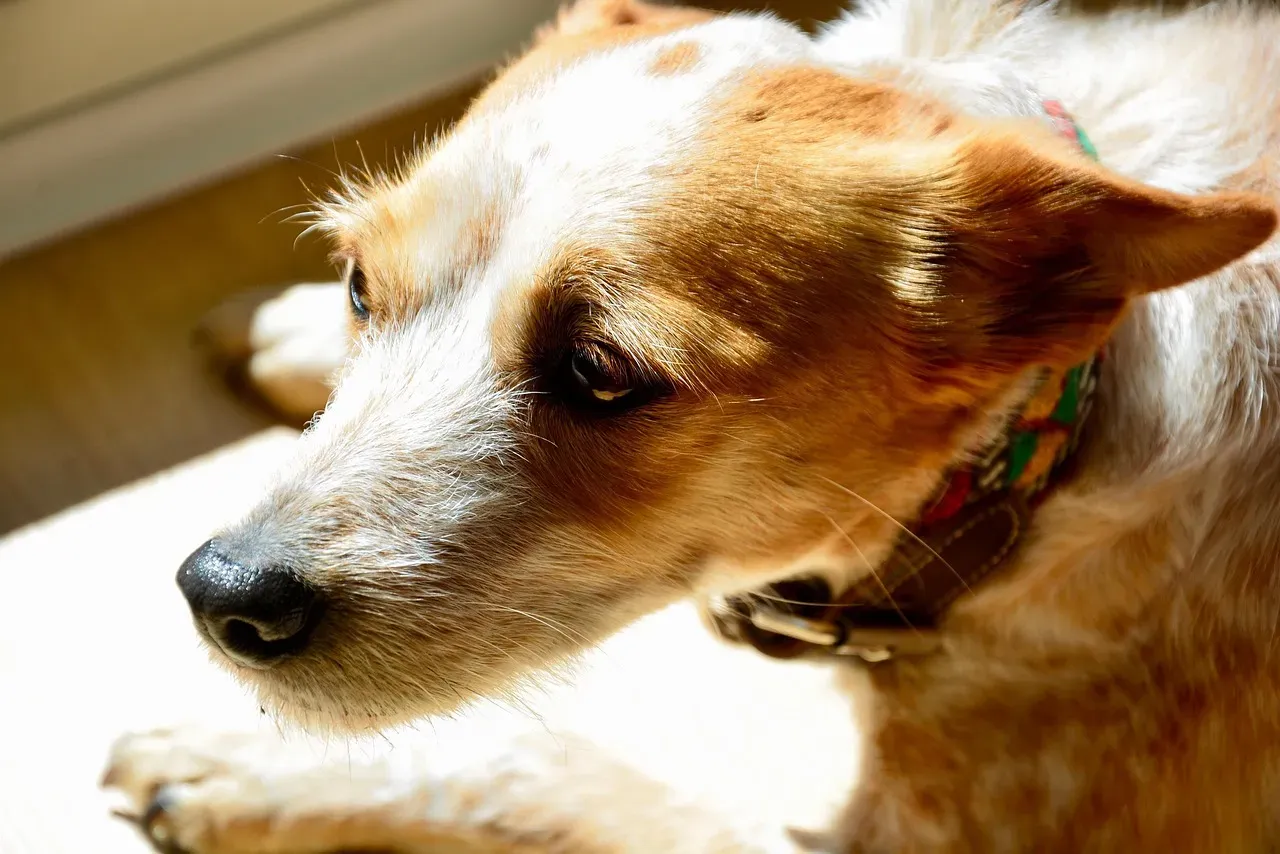
Dogs don’t understand human arguments the way we do; they understand tone, volume, and body language. Sensitive breeds, especially those bred to work closely with humans, are wired to monitor you constantly. To them, a shout isn’t “I’m annoyed you chewed my shoe” – it can feel like “my safe person just turned into a threat.” That emotional whiplash sticks, particularly in dogs that already lean anxious or people‑pleasing.
Some dogs adapt and shrug it off, but the breeds in this list often internalize that moment. They may avoid situations where yelling happened, become nervous about training, or act hyper‑submissive. Over time, this can create a dog that looks “well behaved” but is actually walking on eggshells around you. That isn’t respect; it’s fear disguised as obedience, and it is not a healthy bond.
How to Correct Without Crushing Your Dog’s Spirit
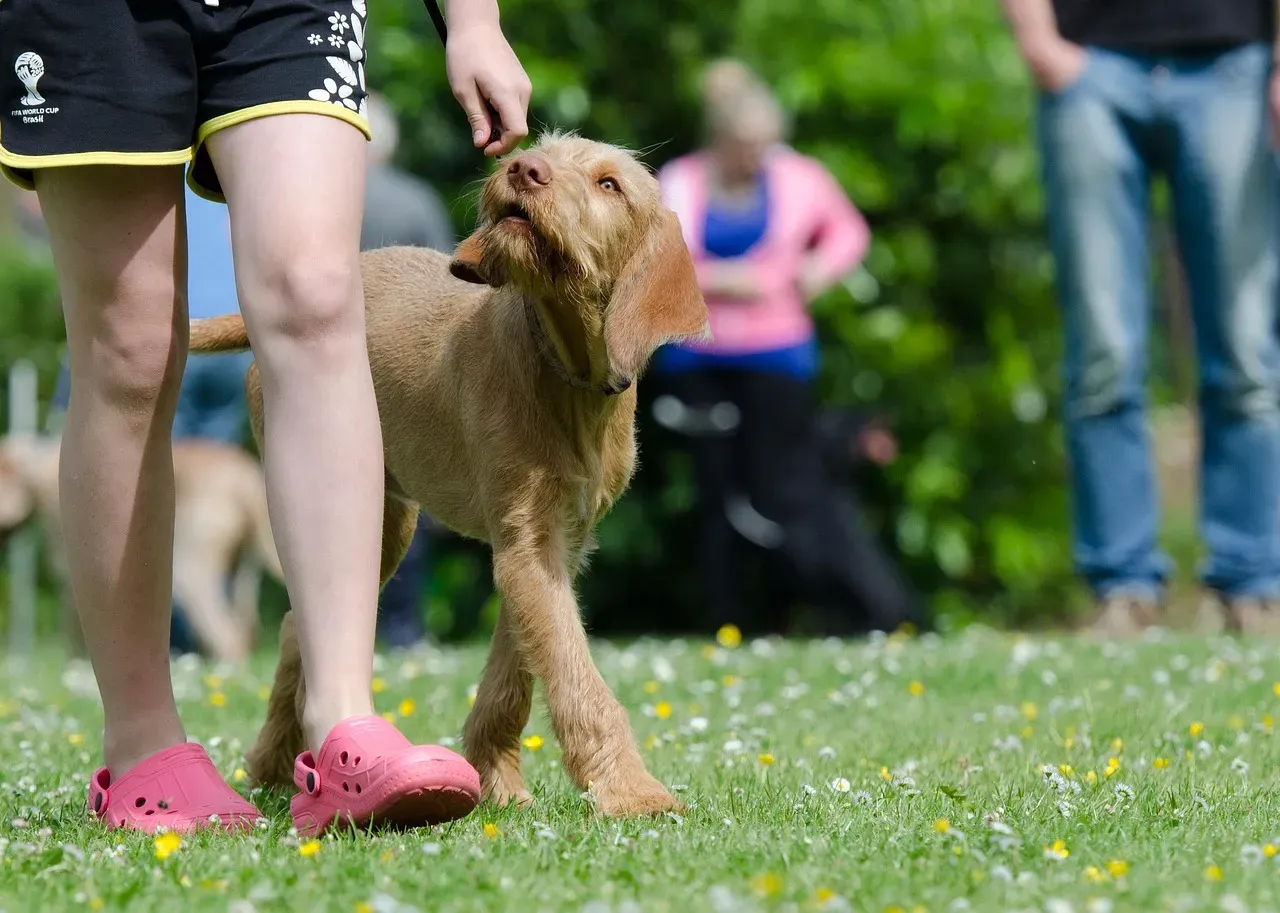
None of this means you have to let your dog run wild or pretend everything they do is fine. Sensitive dogs actually thrive on boundaries, but how you deliver those boundaries matters. Instead of yelling, use calm, clear markers: a firm but neutral “uh‑uh,” removing access to something they want, or redirecting them to an appropriate behavior, then rewarding that choice.
Leaning into reward‑based training – treats, toys, play, praise – builds a dog that tries new behaviors and learns quickly because they feel safe making mistakes. If you do lose your temper (and let’s be honest, everyone does sometimes), repair matters: soften your body, speak gently, and give them time and space to relax. You’re not aiming to be a perfect robot; you’re aiming to be predictable, fair, and safe in your dog’s emotional universe.
Conclusion: Sensitive Dogs Are a Mirror, Not a Problem
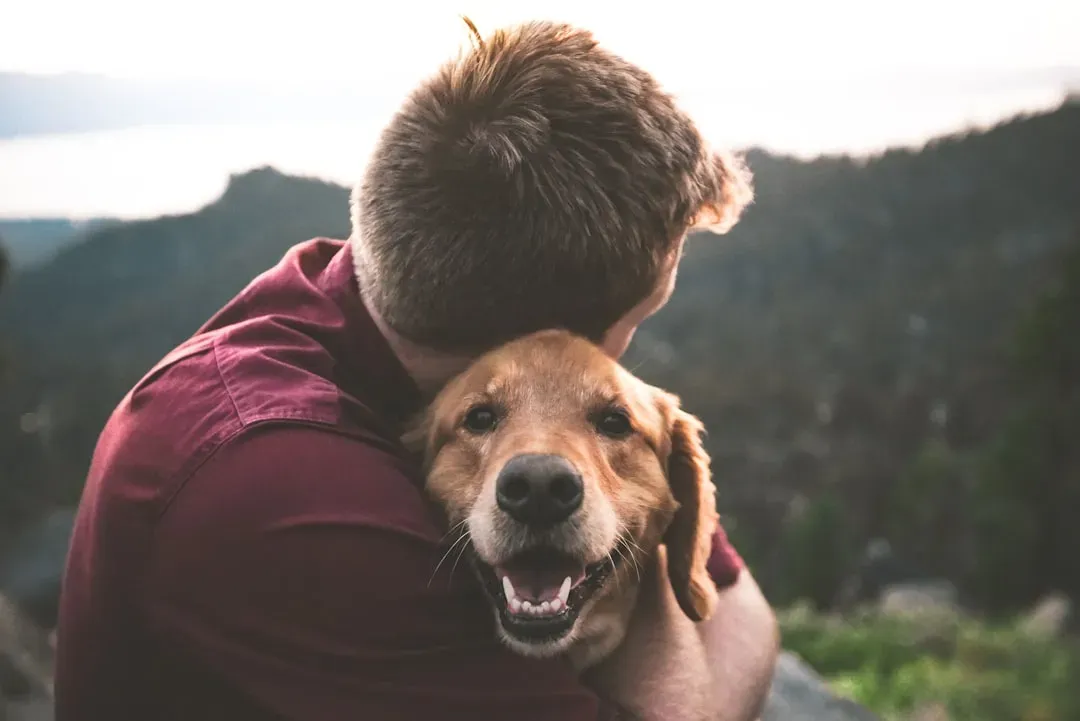
Living with a dog that seems to fall apart when you raise your voice can be frustrating, but it can also be a powerful mirror. These breeds force you to look at your own emotional regulation and communication. They don’t tolerate chaos because they are wired for connection, clarity, and safety – and that is not a flaw. It’s the very thing that makes them such deeply bonded, intuitive companions.
If anything, a sensitive dog is a quiet invitation to grow up emotionally right alongside them. You learn to pause before you shout, to train with intention instead of impulse, and to build a relationship based on trust rather than fear. In the end, the real question isn’t “Why is my dog so sensitive?” – it’s “What kind of person do I want to be in my dog’s story?”