
9 Dog Breeds That Were Born With the Emotional Vocabulary of a Therapist and the Patience of a Saint
Some dogs don’t just sit beside you on the couch; they feel like they’re sitting inside your heart. You know the ones: they lean into you when you’ve had a bad day, watch you with those soulful eyes, and somehow seem to understand the mood in the room better than most humans. It almost feels like they were born with an emotional radar and the gentle patience of a lifelong therapist.
This isn’t magic. Different breeds were shaped over centuries to work closely with humans, read subtle cues, and stay calm in confusing or stressful situations. That history shows up today as incredible emotional intelligence, steady temperaments, and a kind of quiet, comforting presence. Let’s look at nine dog breeds that are especially famous for that therapist energy and saint‑level patience.
1. Golden Retriever: The Gold Standard of Emotional Support

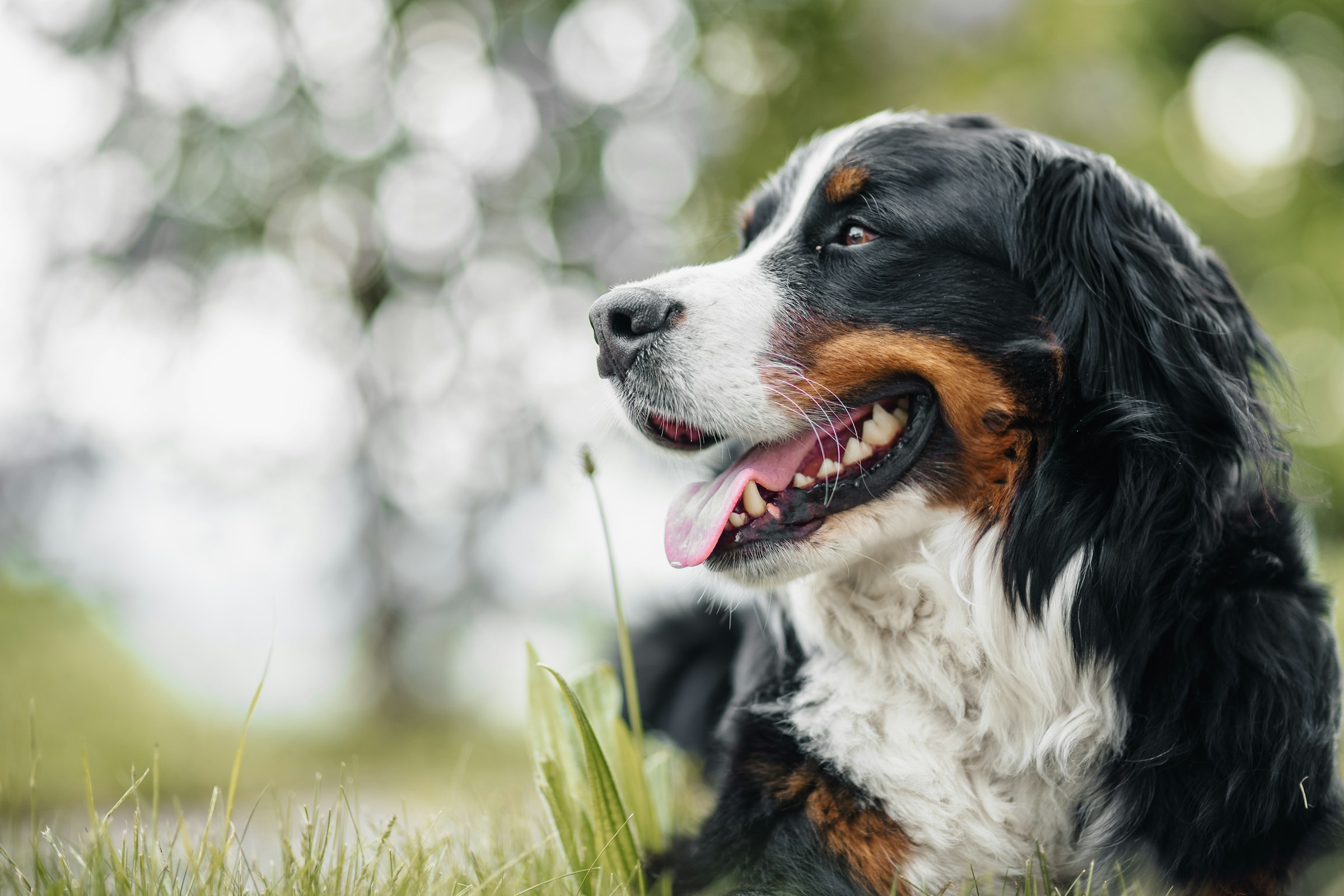
Golden Retrievers are the classic “how is this dog nicer than most people?” breed. They’re famously gentle, eager to please, and tuned in to human emotions in a way that feels almost uncanny. They were originally bred as hunting companions, but over time their calm temperament and sensitivity made them stars as family dogs, therapy dogs, and service dogs.
Spend time with a Golden and you’ll notice how they naturally gravitate to whoever is struggling in the room, often just lying beside them or resting a head in their lap. They’re patient with kids, tolerant of clumsy hugs, and usually unbothered by loud environments. That combination of emotional attunement and forgiving temperament is exactly why so many hospitals, schools, and counseling centers partner with Goldens to help people feel safe and seen.
2. Labrador Retriever: The Steady, Big-Hearted Best Friend
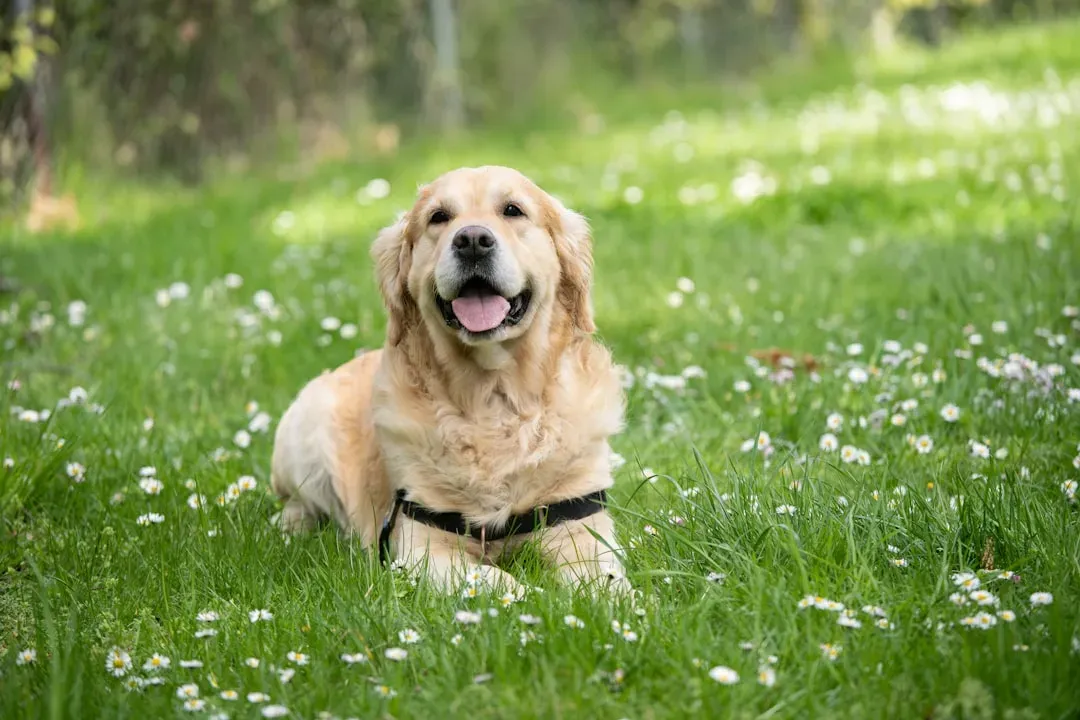
Labrador Retrievers are the emotional equivalent of a warm hoodie: reliable, comforting, and always there when you need them. Labs were bred as working dogs that needed to stay calm on boats, follow instructions, and handle chaos without freaking out. That history turned into a dog that’s naturally even‑tempered, people‑oriented, and surprisingly intuitive about human energy.
They’re used worldwide as guide dogs, medical alert dogs, and emotional support animals because they can stay focused, patient, and calm even when life is throwing curveballs. Around the house, Labs are often the unflappable center of family life, absorbing noise, mess, and drama with a wagging tail and a soft nuzzle. If you want a dog that can roll with toddlers, teens, and tough days without losing their gentle vibe, a Lab is hard to beat.
3. Cavalier King Charles Spaniel: The Little Empath With Big Eyes

Cavalier King Charles Spaniels may be small, but emotionally they’re powerhouses. They were bred as companion dogs for nobility, which basically means their entire job description was “be near humans and understand them.” That intense companion history shows up today as dogs that seem tuned to your moods, often shadowing you from room to room as if they’re on an emotional security detail.
Cavaliers are usually soft, patient, and incredibly affectionate without being pushy. They’re often content to curl up in your lap for hours and will adjust their energy to match yours – more playful when you’re up, more subdued when you’re down. Their size makes them especially suited for people who live in apartments or who want a dog that can join them on the couch, in bed, or even on a plane, quietly being that reassuring presence when the world feels overwhelming.
4. Standard Poodle: The Smart, Sensitive Overachiever
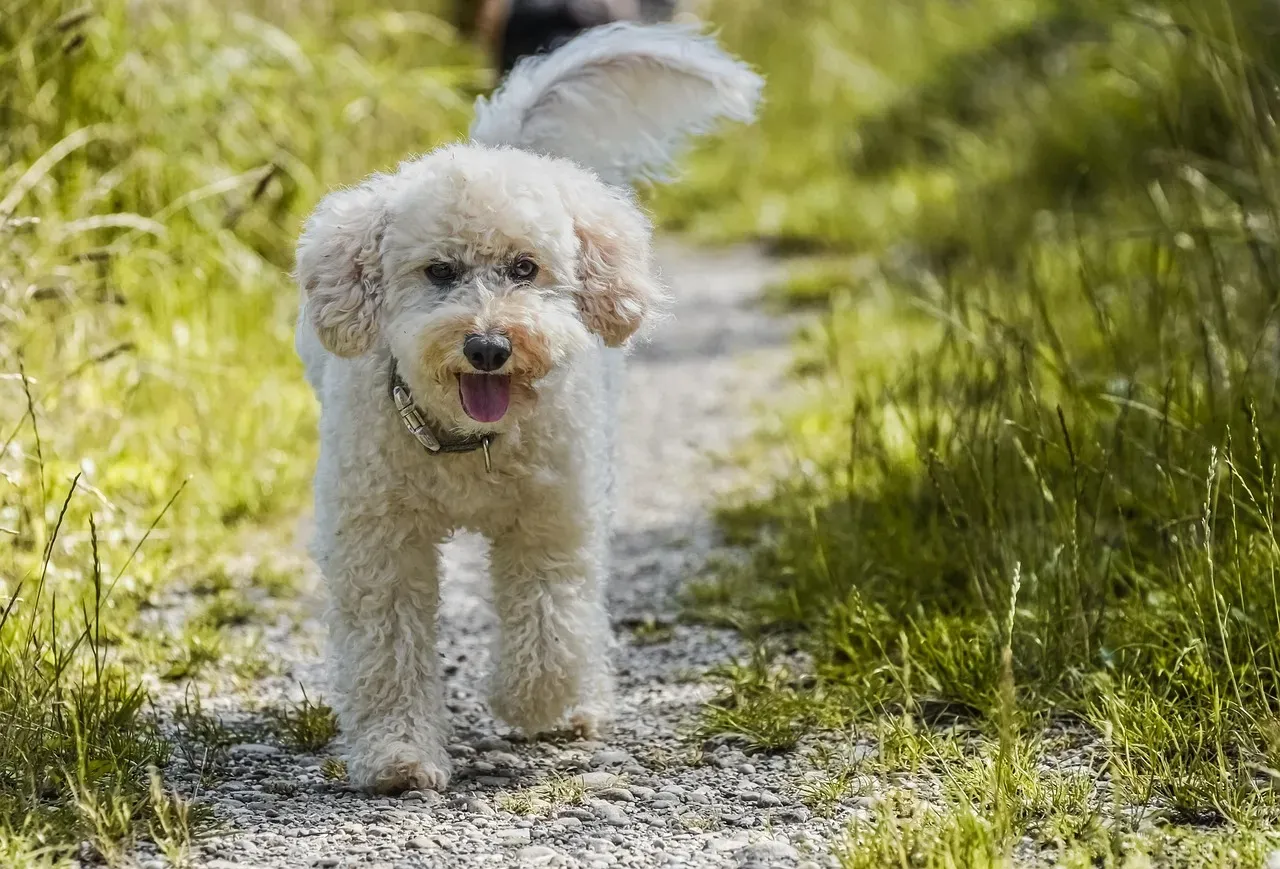
Standard Poodles are sometimes misunderstood because of their fancy grooming, but underneath the curls is a deeply intelligent, emotionally tuned dog. They were originally bred as water retrievers, which required focus, trainability, and steady nerves. That blend of brains and balance has made them one of the go‑to breeds for service and therapy work in modern times.
What stands out with Standard Poodles is how quickly they notice and respond to human cues. Many owners describe them as sensitive – in a good way – with dogs that seem to pick up on tone of voice, facial expressions, and changes in routine. They often mirror the emotional energy of their household, and when paired with thoughtful training, that sensitivity becomes a superpower in environments like hospitals, schools, and therapy settings, where reading the room is everything.
5. Bernese Mountain Dog: The Gentle Giant With a Soft Soul
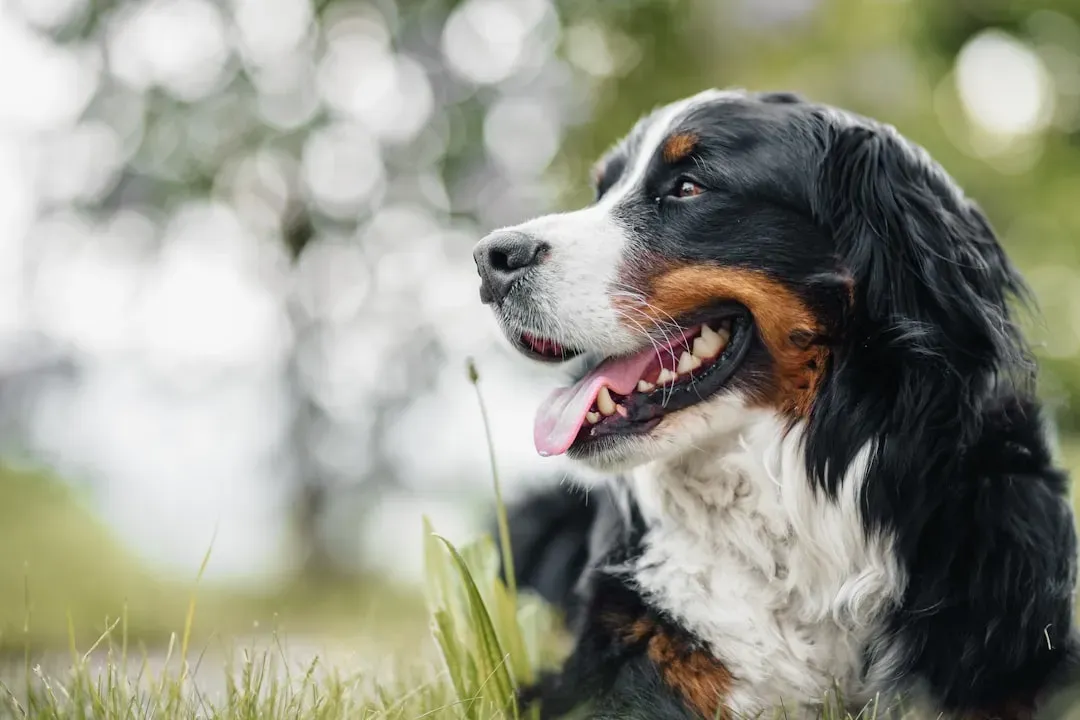
Bernese Mountain Dogs look huge and impressive, but emotionally they’re often big, cuddly marshmallows. Bred in Switzerland to work on farms, they’ve long been used to staying close to people, helping with tasks, and calmly existing around livestock and kids. That working background rewarded dogs who were steady, patient, and devoted rather than intense or reactive.
Today, many Berners are known for their slow, thoughtful movements and almost old‑soul energy. They tend to be incredibly gentle with children and often choose to quietly sit or lie nearby rather than demand attention. When someone in the home is upset, a Berner is the kind of dog that will slowly wander over and lean their full weight against them, like a living weighted blanket with deep brown eyes and quiet concern.
6. Newfoundland: The Lifeguard With an Endless Well of Calm
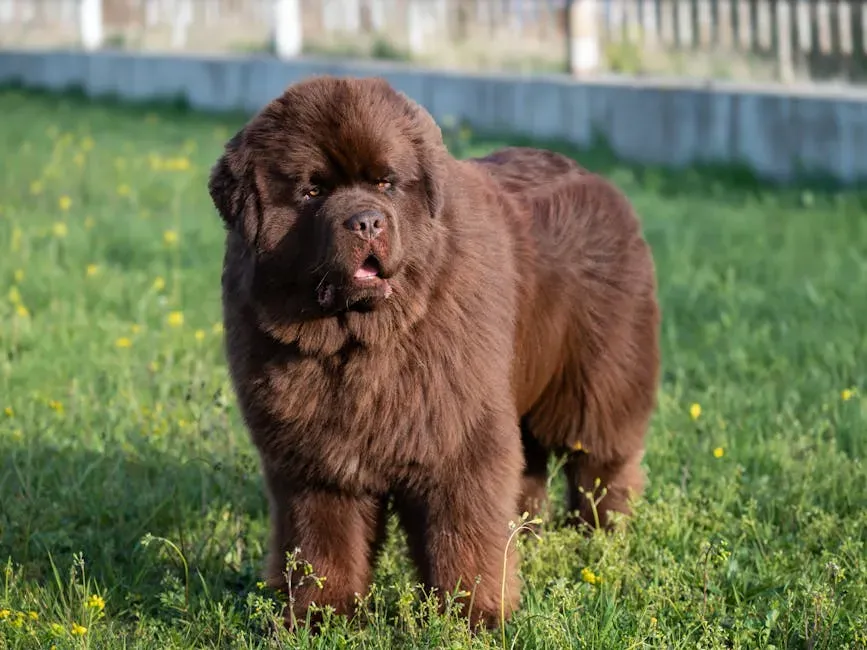
Newfoundlands were bred to work in icy waters, helping fishermen and even rescuing people from drowning. To do that job, they had to stay level‑headed when humans were panicking. That calm under pressure is still very visible in modern Newfies, who are often described as incredibly patient, tolerant, and almost impossibly gentle for their size.
They move through the world at a slow, steady pace, which can be incredibly soothing if you’re anxious. Newfoundlands tend to accept handling, noise, and chaos with quiet resignation rather than dramatic reactions. Around kids or vulnerable adults, they often act like self‑appointed guardians, watching from a small distance or settling right at their feet, exuding a calming presence that feels almost like having a very large, very furry counselor in the room.
7. Border Collie: The Hyper-Aware Emotional Reader (With an “On” Switch)
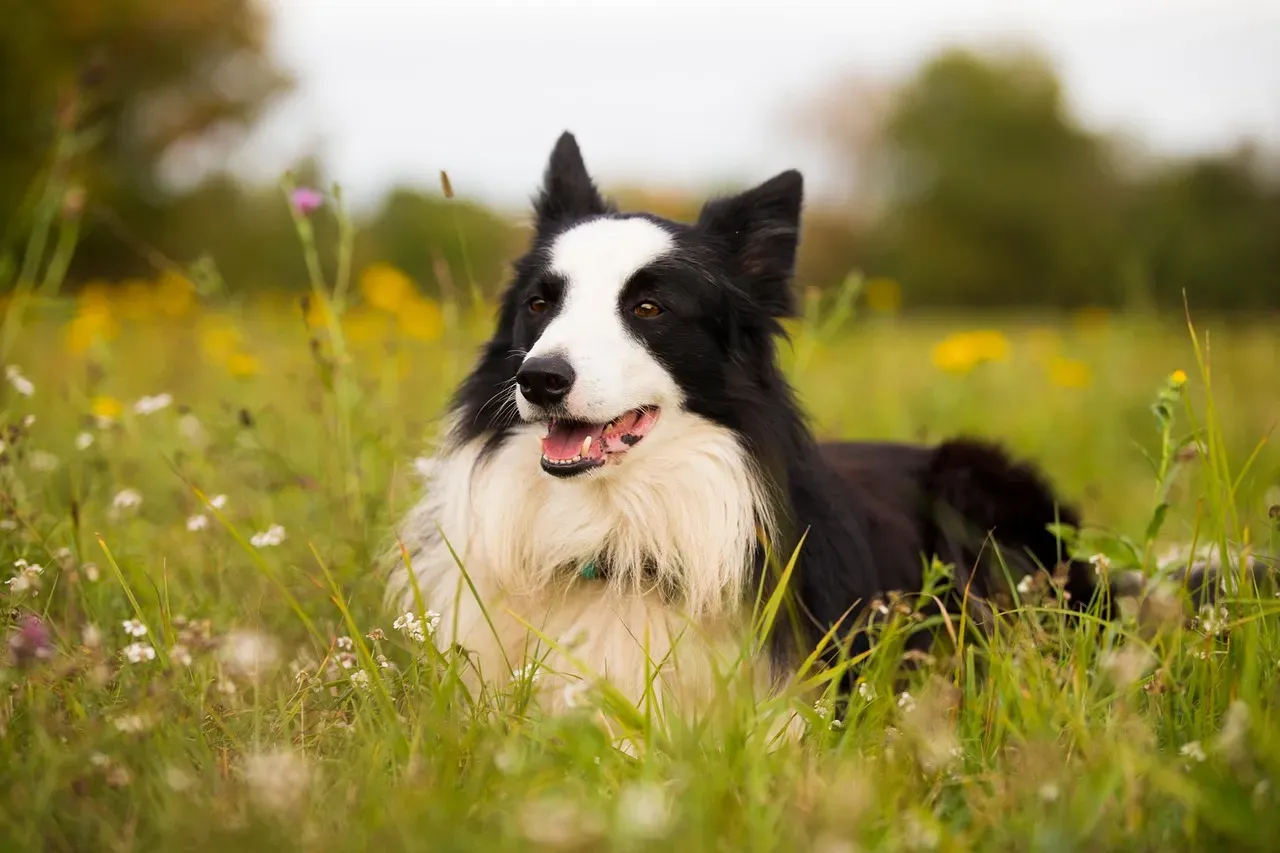
At first glance, Border Collies might not seem like the calmest candidates for “therapist dog” – they’re energetic, driven, and always ready to work. But that herding background also built some of the most observant, human‑aware dogs on the planet. They’re constantly reading body language, micro‑movements, and shifts in the environment, which can translate into a kind of emotional x‑ray vision when they live closely with people.
Because they’re so mentally sharp and tuned in, Border Collies can pick up on stress, tension, and mood changes very quickly. With the right outlet for their energy and thoughtful training, they can be incredibly responsive and emotionally supportive, often checking in, nudging, or lying close when they sense something is off. They’re like that intense friend who notices when you’re off your game before you’ve even admitted it to yourself – but in a fluffy, four‑legged form.
8. Greyhound: The Surprisingly Sensitive Couch Therapist
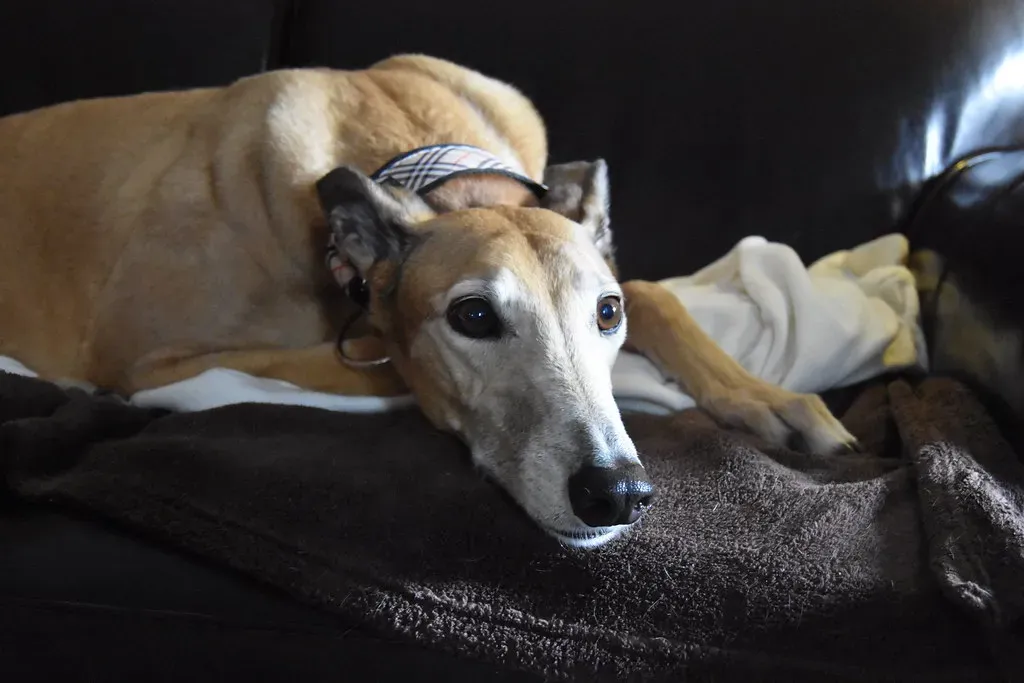
Racing history makes people assume Greyhounds are always high‑octane, but retired Greyhounds are often some of the calmest, most gentle dogs around. Once they leave the track, many settle into a life that is equal parts long naps, quiet observation, and soft companionship. Their laid‑back nature and subtle sensitivity can feel perfect for people who need a dog that brings peace, not chaos.
Greyhounds often bond deeply with their people and can be surprisingly intuitive about emotional shifts. They’re usually low‑drama, preferring to sidle up and rest a long, narrow head in your lap when they sense something is wrong. Because they’re not usually barky or hyper, their presence can feel like a soft background reassurance – less like a cheerleader, more like that calm friend who just sits next to you and makes everything feel slightly easier.
9. Australian Shepherd: The Loyal Emotional Project Manager
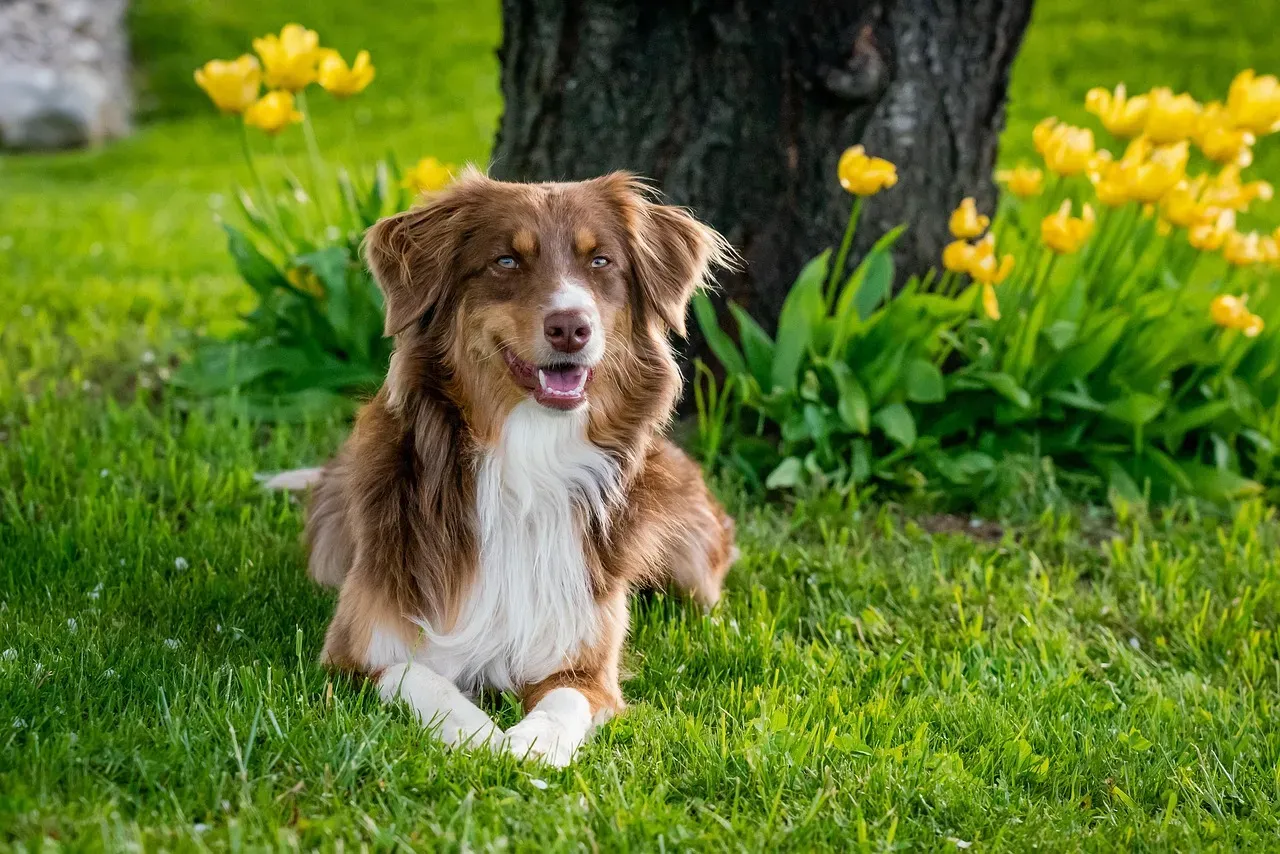
Australian Shepherds are another herding breed with emotional radar built in. They were bred to keep track of livestock and stay closely attuned to their handlers, which meant paying close attention to movement, voice, and energy. In a modern home, that can translate into a dog that tracks you through the house, anticipates your next move, and keys into your emotional patterns almost scarily well.
They tend to bond intensely to their families and can be especially protective of kids or more vulnerable members of the household. With enough exercise and mental stimulation, Aussies can channel their alertness into being calm, steady shadows who notice when you’re off and respond with nudges, eye contact, or quiet closeness. It often feels like living with a furry, blue‑eyed project manager who has decided that your emotional stability is now their full‑time job.
Conclusion: The Right “Therapist Dog” Is About Fit, Not Just Breed
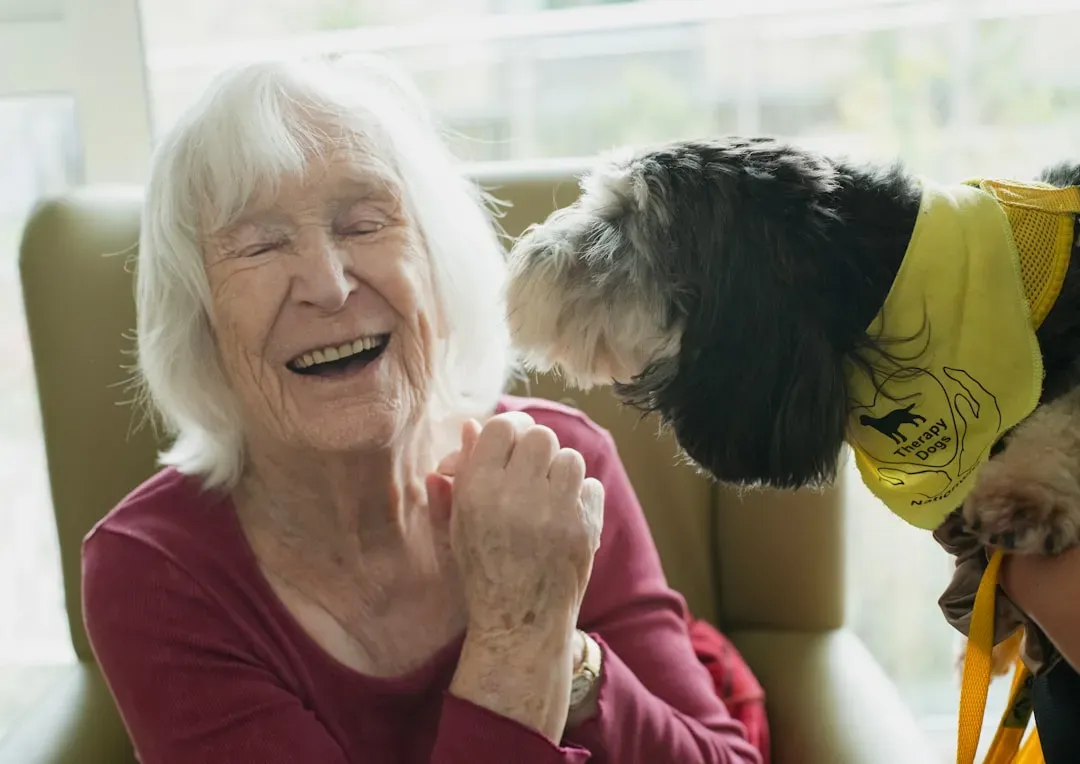
Looking at these nine breeds, it’s tempting to believe that emotional intelligence and patience live in specific bloodlines – but the reality is more nuanced. Breed tendencies matter, but so do upbringing, socialization, training, and the simple, mysterious bond between one human and one dog. I’ve met high‑energy breeds that were endlessly gentle and “calm” breeds that were emotional hurricanes, and it was almost always about the life they’d lived, not just their genetics.
If you’re searching for a dog with therapist energy, start with breeds known for patience and sensitivity, then zoom in on the individual dog in front of you. Ask how they respond to stress, watch how they read people, notice whether they choose closeness on their own. In the end, the most healing dog for you is the one whose temperament, history, and personality match your real life, not just your wish list. When you picture your ideal four‑legged therapist, which of these gentle souls comes to mind first?