
9 Surprising Things Dog Owners Who Live Alone Do Differently That Improve Their Long-Term Mental Health
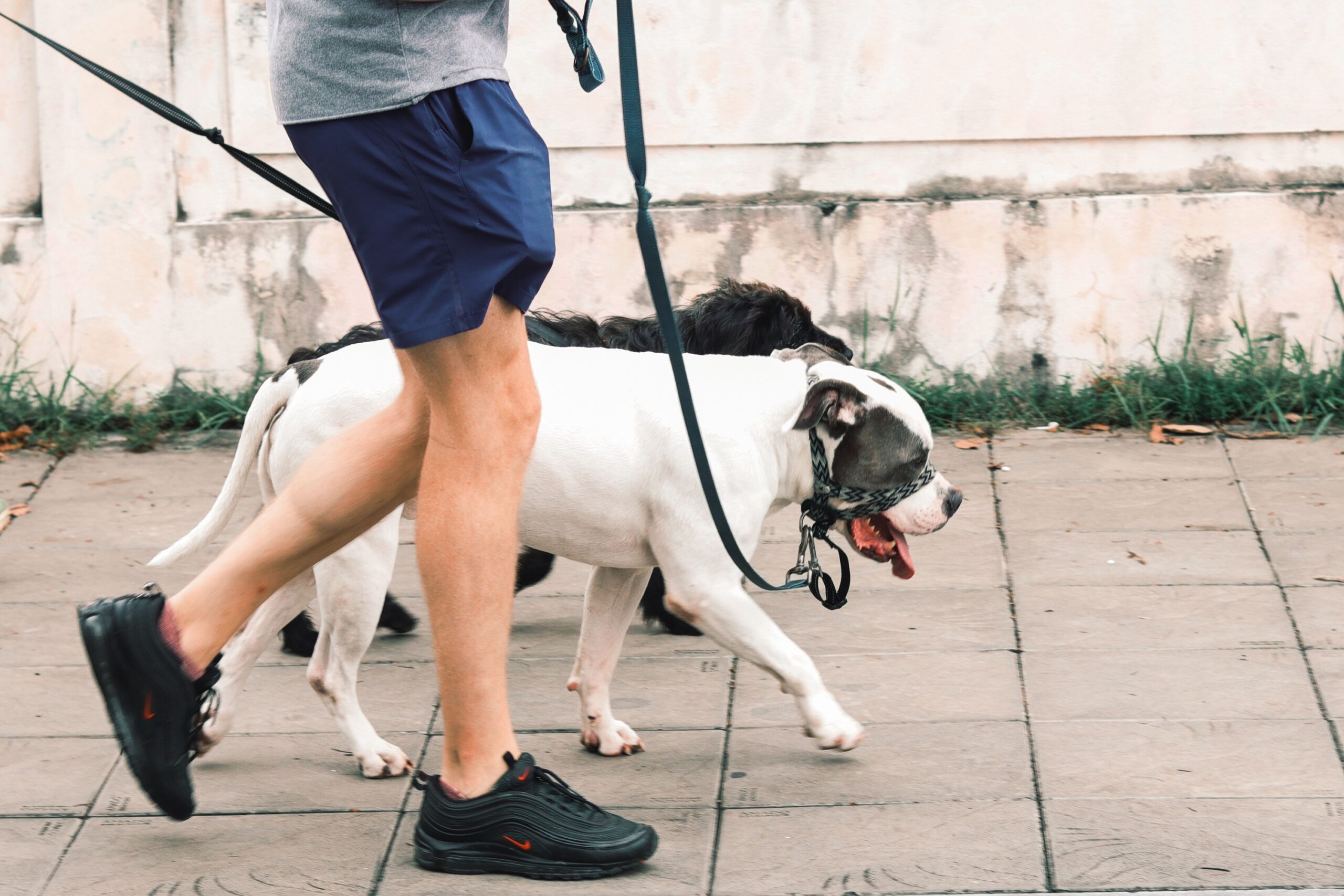
Living alone can be a double-edged sword. On one hand, it offers independence and freedom; on the other, it can sometimes lead to feelings of loneliness and isolation. However, for those who share their solitary lives with a canine companion, the experience can be profoundly different. Dog owners who live alone often adopt unique habits that not only enhance their daily lives but also bolster their long-term mental health. Let’s delve into these surprising practices.
Embracing Daily Walks as Mindful Rituals
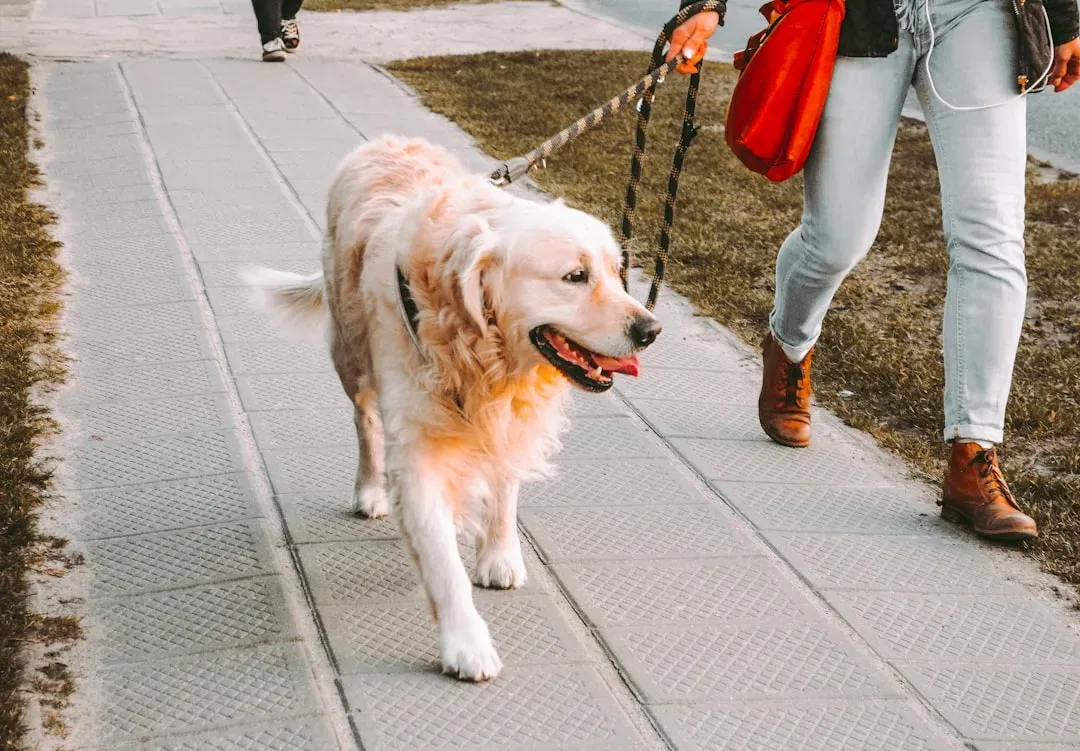
For solo dog owners, daily walks transform from mere routines into mindful rituals. These moments become opportunities to connect with nature, clear the mind, and practice mindfulness. The rhythmic pace, combined with the presence of their furry friend, allows them to be present in the moment, reducing stress and anxiety.
Moreover, these walks often lead to increased physical activity, which has been linked to improved mental health. Engaging in regular exercise releases endorphins, the body’s natural mood lifters, helping to combat feelings of depression and loneliness.
Engaging in Conversations with Their Dogs

It might seem unconventional, but many solo dog owners find solace in talking to their pets. These one-sided conversations provide an outlet for expressing thoughts and emotions without fear of judgment. Verbalizing feelings can be therapeutic, offering clarity and reducing feelings of isolation.
Additionally, the act of speaking aloud can help in processing emotions and organizing thoughts. While dogs may not understand the words, their attentive presence provides a comforting sense of companionship.
Establishing Structured Daily Routines

Living alone can sometimes lead to erratic schedules. However, dog owners often develop structured routines centered around their pet’s needs. Feeding times, walks, and play sessions create a framework for the day, instilling a sense of purpose and responsibility.
This structure not only benefits the dog but also provides the owner with a consistent daily rhythm. Such routines can be grounding, offering stability and predictability, which are essential for mental well-being.
Participating in Dog-Centric Social Activities

Solo dog owners frequently engage in activities like visiting dog parks, attending training classes, or joining dog walking groups. These interactions provide opportunities to meet like-minded individuals, fostering social connections and reducing feelings of loneliness.
Building a community around shared interests can lead to meaningful relationships. The mutual love for dogs serves as a natural icebreaker, making socialization more accessible and enjoyable.
Celebrating Small Milestones and Achievements

Every new trick learned or behavioral improvement in their dog becomes a cause for celebration. Solo dog owners often find joy in these small victories, which can boost self-esteem and provide a sense of accomplishment.
Recognizing and celebrating these moments can shift focus from negative thoughts to positive experiences. This practice reinforces a positive outlook and contributes to overall mental resilience.
Practicing Unconditional Love and Acceptance

Dogs offer unwavering love and acceptance, qualities that solo owners often reciprocate. This mutual bond fosters a deep sense of connection and belonging, counteracting feelings of isolation.
Experiencing such unconditional love can enhance self-worth and provide emotional stability. It serves as a reminder of the importance of compassion and empathy, both towards oneself and others.
Utilizing Pet Care as a Form of Self-Care

Caring for a dog requires attention to grooming, feeding, and health check-ups. Solo owners often integrate these tasks into their self-care routines, finding satisfaction and purpose in ensuring their pet’s well-being.
This act of caregiving can be therapeutic, offering a sense of purpose and fulfillment. It also encourages owners to be more attuned to their own health and well-being, promoting a holistic approach to self-care.
Creating a Safe and Comforting Home Environment

Solo dog owners often prioritize creating a home environment that is safe and comforting for their pets. This focus on the living space can lead to a more organized, clean, and harmonious home, which in turn positively impacts mental health.
A well-maintained living space can reduce stress and promote relaxation. The effort put into creating a nurturing environment for the dog often reflects back, providing the owner with a sanctuary of peace and comfort.
Embracing the Present Moment Through Play

Engaging in play with their dogs allows solo owners to immerse themselves in the present moment. This playful interaction serves as a form of stress relief, bringing joy and laughter into their daily lives.
Playtime can act as a natural antidepressant, releasing endorphins and fostering a sense of happiness. It also strengthens the bond between the owner and the dog, reinforcing feelings of companionship and love.
In conclusion, the unique habits adopted by dog owners who live alone offer profound insights into enhancing mental well-being. These practices, rooted in companionship, routine, and mindfulness, provide valuable lessons for anyone seeking to improve their mental health. Perhaps it’s time to consider how these habits can be integrated into our own lives. What small change could you make today to boost your mental well-being?