
9 Surprising Things Dog Owners Who Live Alone Do Differently That Improve Their Long-Term Mental Health
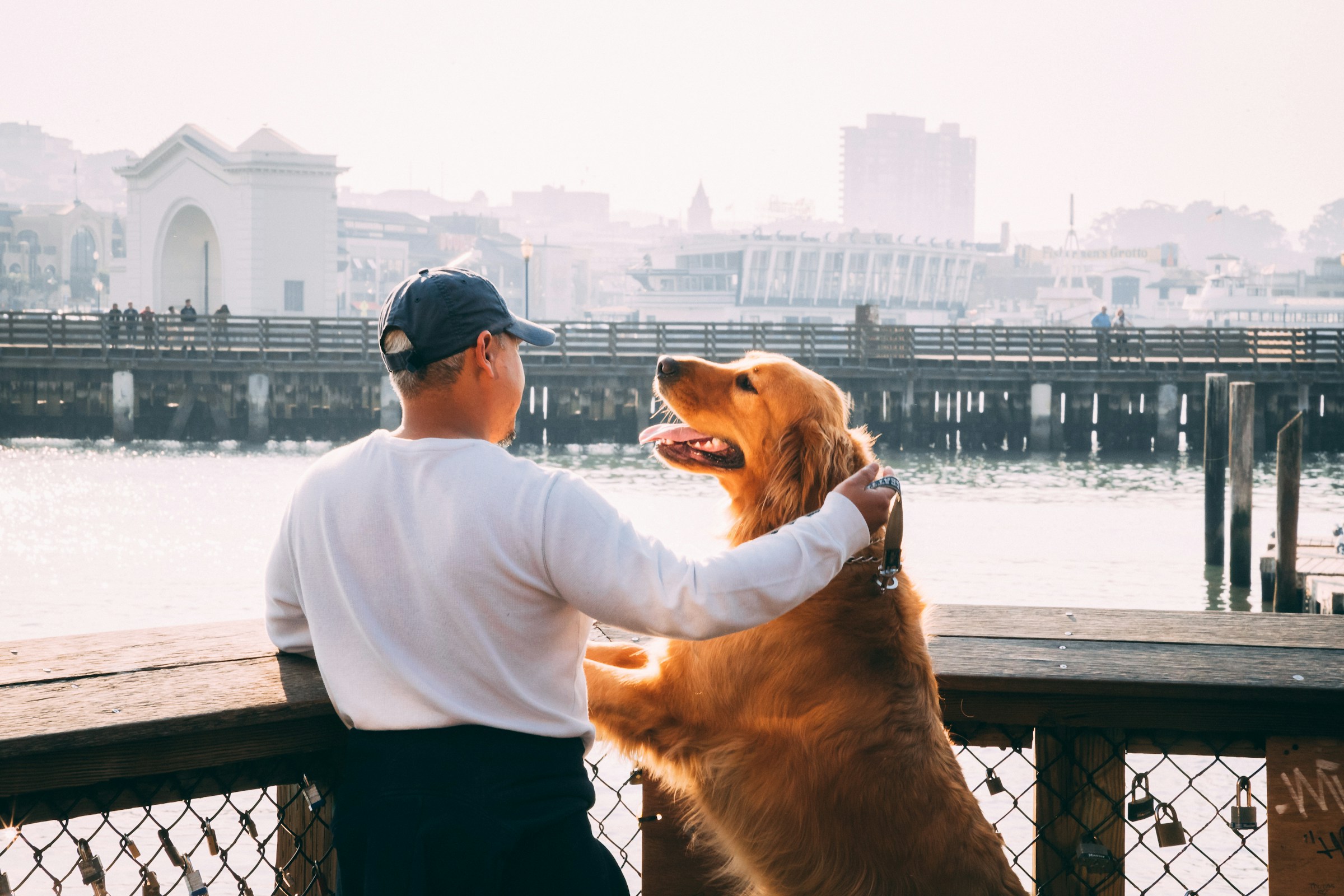
Living alone with a dog changes you in quiet, powerful ways. It is not just about having a fluffy roommate who steals your spot on the couch; it rewires your routines, your stress levels, even how you talk to yourself when no one else is around. Many people think of dogs as cute distractions, but for solo dog owners, they often become the backbone of better mental health, day after day, year after year.
What is really fascinating is how differently people behave when it is just them and their dog. Tiny, almost invisible habits start to form: how they start and end their days, how they move through tough emotions, how they organize their lives around walks, play, and quiet companionship. Over time, these small, dog-shaped changes can add up to something surprisingly protective for the mind. Here are nine of those habits that often show up, and why they quietly matter so much.
They Build Their Entire Morning Around Their Dog’s Needs
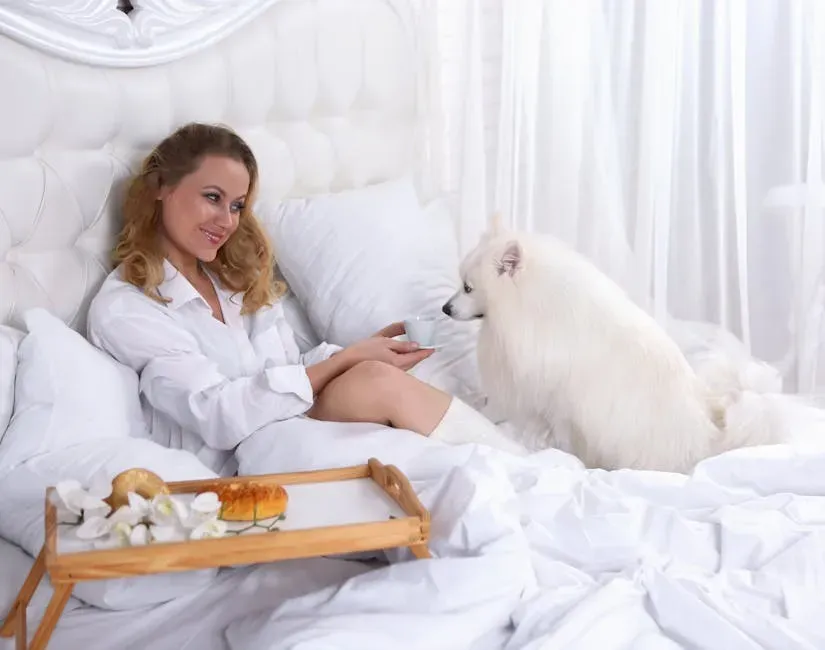
Solo dog owners rarely roll out of bed scrolling through their phone; they roll out because a tail is thumping against the wall. That simple shift, from waking up to notifications to waking up to a living creature that needs you, changes the tone of the whole morning. It pulls your attention out of your own head and into purposeful action: feeding, walking, refreshing water, maybe a quick game of tug.
Psychologically, that early sense of purpose is huge. Having a reason to get up and move, especially on days when mood or motivation is low, can protect against the kind of mental fog that makes everything feel heavy. Over time, this repeated pattern becomes a stabilizing ritual, like emotional scaffolding you can lean on when your brain wants to check out or spiral.
They Turn Walks Into Non-Negotiable Mental Health Breaks
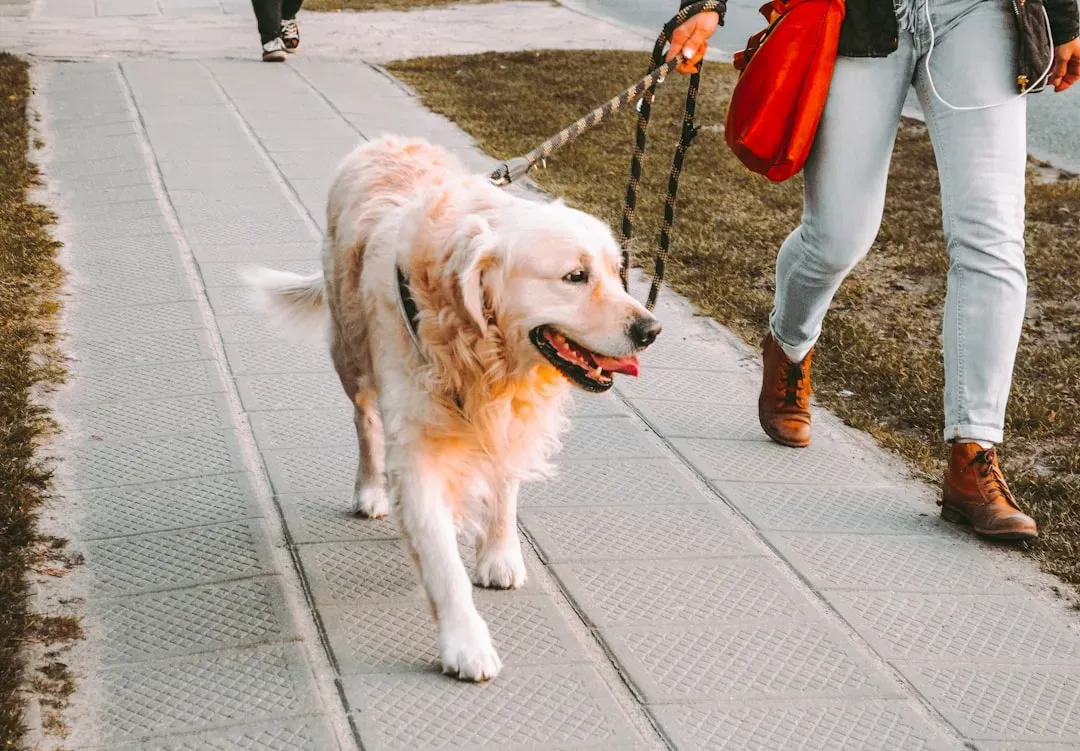
Ask any person who lives alone with a dog, and you will notice something: walks are not just for the dog. They become a built-in break from rumination, a reason to step away from screens, and a way to get gentle exercise without it feeling like a chore. You may head outside telling yourself it is for your dog’s bladder, but your nervous system secretly gets the benefit.
Regular walks mean daylight exposure, movement, fresh air, and at least a little contact with the outside world, even if it is just nodding at a neighbor or noticing the seasons change on your favorite street. For long-term mental health, that simple routine supports better sleep, more stable mood, and a sense of being part of the world instead of trapped in your own four walls. When you live alone, that can be the difference between feeling stuck and feeling steady.
They Talk Out Loud to Their Dogs (And It Actually Helps)
People who live alone with dogs quickly drop the act and start narrating their lives out loud. It looks a little funny from the outside, but it is sneaky emotional regulation. Saying things like “That was a rough day, huh?” or “We’re gonna be okay; we always figure it out” may sound silly, yet it is a gentle way of processing feelings instead of swallowing them.
Talking to a dog is emotionally safer than talking to a person who might judge you, interrupt you, or minimize what you are going through. The dog just listens, tilts their head, maybe rests a paw on your leg. That sense of being heard without criticism builds emotional resilience. It gives you a kind of practice space for honesty, where you can sort your thoughts and calm yourself down in a way that feels tender instead of harsh.
They Create Soothing Micro-Rituals Around Feeding and Care

Feeding a dog sounds basic, but people who live alone often turn it into a consistent, grounding ritual. Same bowl, same spot, same words, same little routine of measuring food, adding water, maybe tossing in a bit of something special now and then. Those repeated actions become tiny islands of predictability in a world that feels chaotic and uncertain more often than anyone likes to admit.
Humans do well with gentle structure, and solo dog owners end up building it almost accidentally through pet care. These micro-rituals send a quiet message to the brain: life has rhythm, some things are stable, you can rely on yourself to show up. That feeling of reliability – of being someone who takes care of things – can ease anxiety and strengthen self-trust over the long haul.
They Get Comfortable Being Physically Affectionate Without Feeling Awkward

Many adults are touch-starved without even realizing it, especially if they live alone. Dog owners get a built-in solution: they hug their dogs, scratch ears, bury their face in fur, and let a warm, breathing creature curl up against them at night or on the couch. That physical contact is not just cute; it has real calming effects on the body’s stress system.
Over time, solo dog owners often become more at ease with giving and receiving affection in general. They get used to the idea that touch can be comforting rather than awkward or risky. This can soften emotional edges, reduce feelings of isolation, and make it easier to seek out healthy connection with people too, because their nervous system already recognizes that closeness can feel good, not dangerous.
They Use Their Dog as a Social Bridge (Without Forcing Extroversion)

When you live alone, it is easy to drift into isolation, even if you do not consider yourself shy. Dog owners, though, have a natural conversation starter attached to a leash. People on the street smile, ask the dog’s name, share a quick story about their own pet. Those micro-interactions can break up long stretches of silence that might otherwise feed loneliness.
Importantly, most solo dog owners do not suddenly become social butterflies; they just slip into gentle, low-pressure connection more often. Maybe it is chatting with the person at the park whose dog your pup always runs to, or saying hello at the vet, or exchanging a wave with another regular walker. These tiny threads of contact weave a loose social net that supports mental health without demanding that you transform into an extrovert.
They Plan Their Days With Built-In Pauses Instead of Endless Hustle
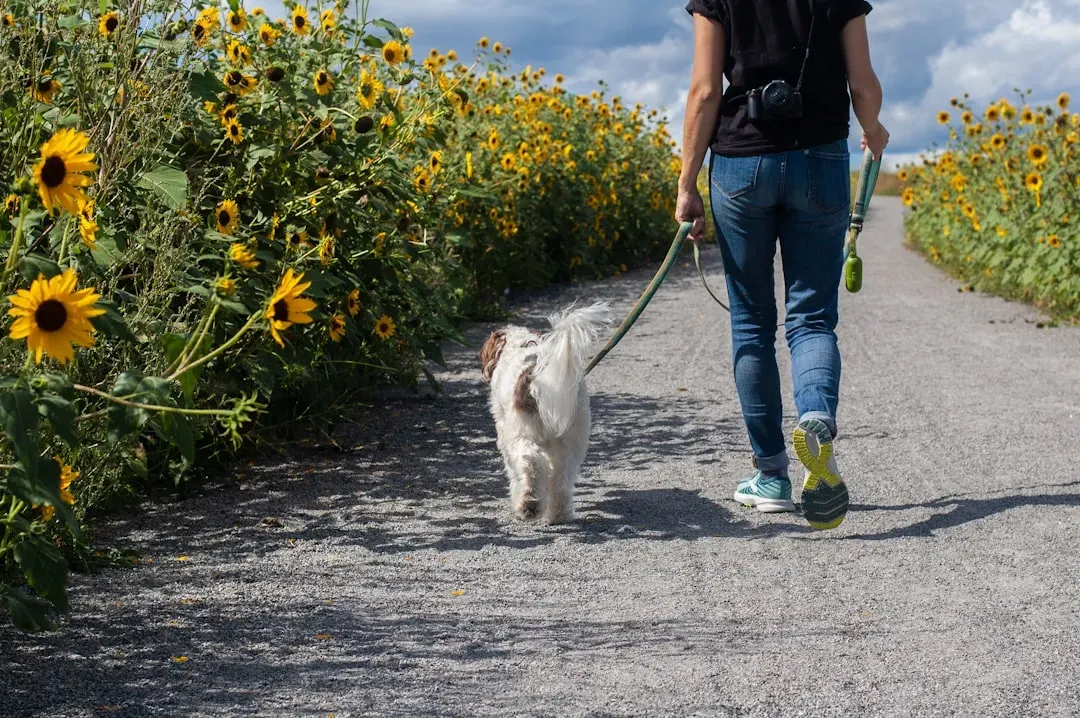
People who live alone often fall into the trap of working nonstop – answering emails late, staying on the couch with a laptop, forgetting to eat at normal times. A dog blows that pattern up. You have to pause for walks, for feeding times, for a quick game when your dog drops a toy at your feet and looks at you like you are the only thing that matters in the universe.
Those interruptions, annoying as they might feel on a busy day, are actually mental health breaks in disguise. They force you to step away from your stress cycle and move your body, smile a little, or at least stand up and stretch. Over months and years, that keeps burnout at bay more effectively than willpower alone, because the dog is basically a fuzzy alarm clock reminding you you’re a human, not a machine.
They Learn to Regulate Their Emotions Because Their Dog Mirrors Them

Dogs are surprisingly sensitive to tone of voice, tension, and body language. Solo dog owners eventually notice that when they are anxious, short-tempered, or upset, their dog often becomes restless, jumpy, or withdrawn. That feedback loop can be a powerful motivator to manage emotions more thoughtfully, not just for themselves, but to keep their dog calm and secure too.
Over time, many people start taking a breath before slamming a door, softening their voice when they are on edge, or stepping outside for a moment instead of letting frustration explode. They learn that their inner world does not stay inside; it spills over into their dog’s experience. Working on emotional regulation for the dog’s sake often ends up benefitting the human, building healthier coping patterns without it feeling like a lecture from a self-help book.
They Reframe “Coming Home” as Returning to Someone, Not Something
There is a big psychological difference between walking into an empty apartment and walking into a home where someone is genuinely thrilled you exist. Solo dog owners get the second one. Even after a draining day, the moment they turn the key and hear paws skittering across the floor, their nervous system gets a rush of comfort and belonging that no notification or TV show can really match.
That consistent “welcome back” effect quietly protects against the sharp edge of loneliness that can come with living alone. It reminds you that your presence matters, that your arrival changes the energy in a room for the better. Over years, that shapes how you see yourself – not as an isolated person drifting through life, but as a needed, loved anchor in a tiny, meaningful relationship.
They Accept Help From Their Dog, Instead of Pretending They Don’t Need Anyone
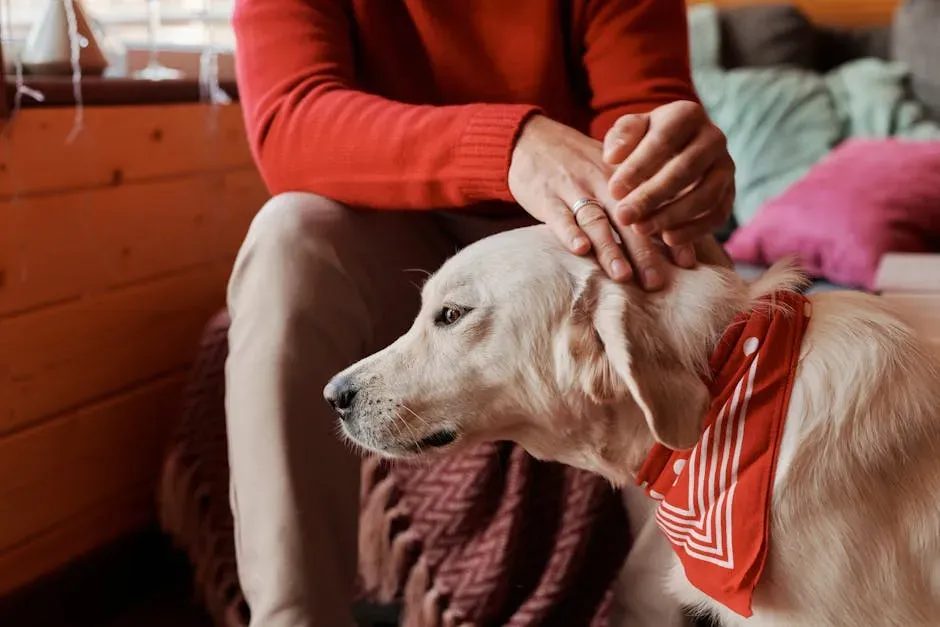
One of the most surprising things about living alone with a dog is realizing how much you actually lean on them emotionally. You start to notice how you feel calmer when they are asleep at your feet during a bad day, or how their excited trot on a tough morning nudges you out of a dark mood. For people who pride themselves on being independent, that quiet reliance can feel like a radical softening.
Learning to receive that help – to admit you feel better because your dog is there – is a form of vulnerability that many of us resist with other humans. But letting a dog steady your emotions can be a first step toward allowing support more broadly. Long-term mental health thrives when you do not try to white-knuckle everything alone, and a dog makes that lesson more gentle, more tangible, and a lot less intimidating.
Conclusion: The Quiet Power of a Dog-Shaped Life
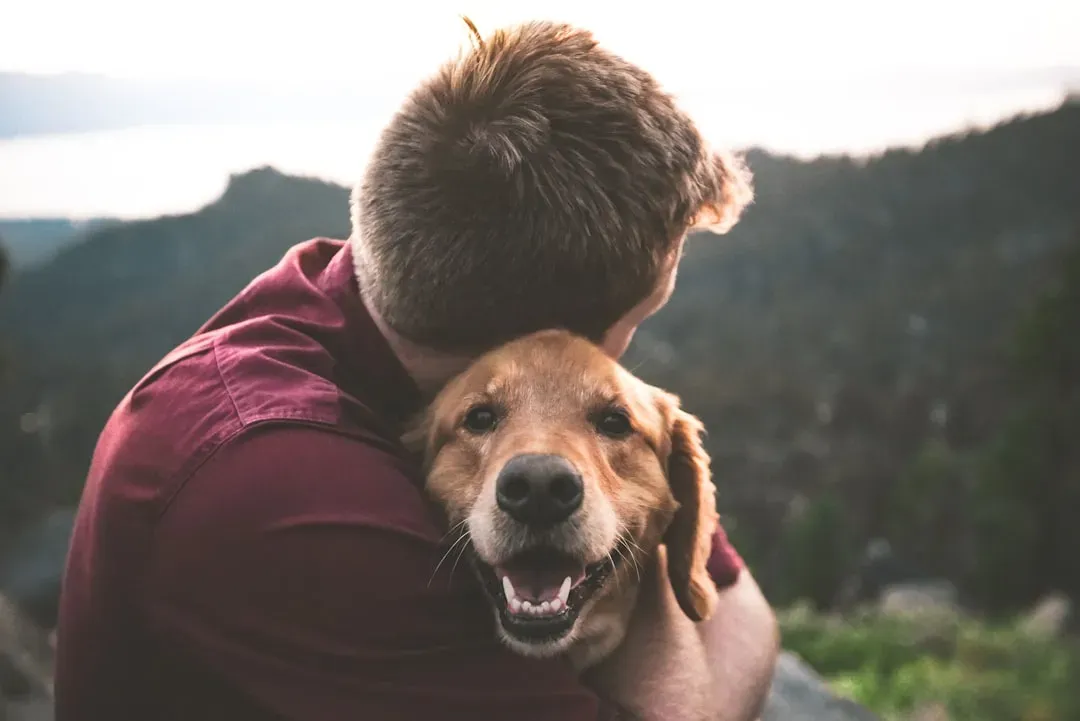
Living alone with a dog does not magically fix mental health struggles, and it should never be painted as some perfect cure. But it does reshape your daily life in ways that are hard to replicate: more structure, more movement, more touch, more tiny moments of connection and purpose. Over time, those repeated patterns act like emotional armor – not blocking out pain, but cushioning it, making it more bearable, and reminding you that you are not facing it entirely on your own.
Personally, I think people seriously underestimate how much these “small” habits matter. From talking out loud in the kitchen to planning your day around walks, the changes look ordinary from the outside but feel profound on the inside. If you live alone and share your space with a dog, you are not just a pet owner; you are quietly building a life that is kinder to your mind. Does it surprise you how much difference one wagging tail can make over the long run?