
9 Things Dog Owners Do in the Last Year of Their Dog’s Life They Wish They Had Started Years Earlier
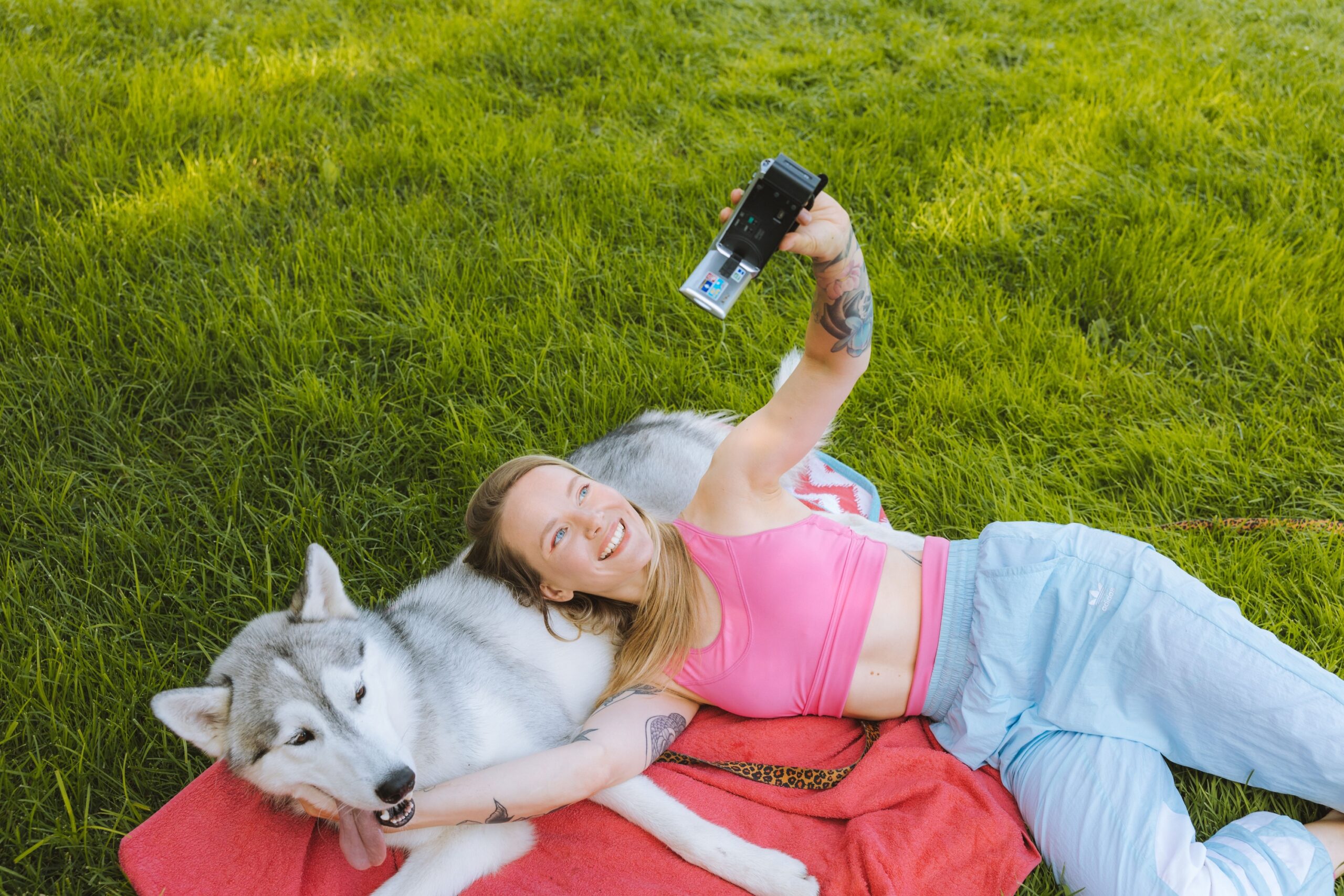
If you’ve ever loved a dog deeply, you know this: their lives move in fast‑forward. One day you’re teaching them to sit, and what feels like a few blinks later, the vet is gently using words like senior, arthritis, and quality of life. Many owners look back on that final year with a bittersweet realization – there were so many beautiful, simple things they only started doing when time was running out.
This article is about those things. The small daily choices, the emotional shifts, the practical habits that people often discover too late…but you still have time to start now. Some of them are backed by research in animal behavior and veterinary science, others are grounded in raw, lived experience – the kind that hits you at 2 a.m. when you suddenly understand what really mattered.
1. Prioritizing Comfort Over Perfect Training and Rules
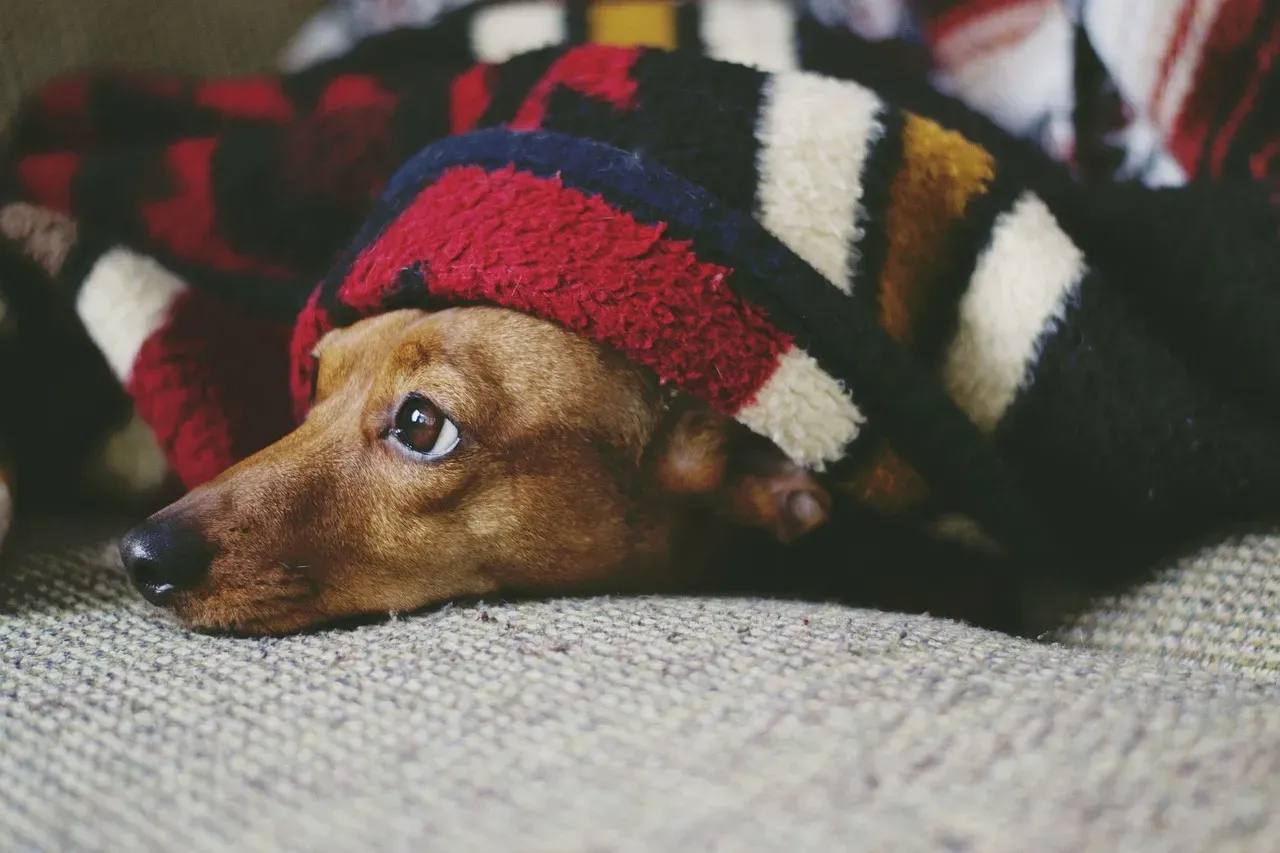
One of the most common shifts in the last year of a dog’s life is how quickly owners drop the strict rules that once felt so important. The no‑dogs‑on‑the‑couch policy suddenly feels ridiculous when you realize your old pup is happiest snuggled into a warm blanket next to you. Many people finally let their dogs sleep in the bed, relax about exact feeding times, or ignore that sigh when the dog steals a spot on the favorite armchair.
What they often wish is that they’d loosened up years earlier, while their dog was still full of energy but just as in need of affection. From a behavioral point of view, comfort and emotional security play a huge role in a dog’s overall wellbeing, especially as they age and experience more pain or confusion. Making your home more comfortable – soft beds in sunny spots, ramps instead of stairs, a cozy corner away from noise – can transform not just their final months, but their whole life story.
2. Scheduling Regular Senior Checkups Instead of Waiting for Crises

Many owners only start truly proactive veterinary care when their dog is clearly slowing down – limping on walks, struggling to get up, losing weight, or seeming off. In that final year, they suddenly become familiar with bloodwork panels, pain management plans, arthritis medications, and nutrition tailored for aging dogs. They walk out of the clinic thinking: why didn’t we start this sooner?
Senior‑focused checkups, often recommended once or twice a year for older dogs, can catch issues like dental disease, kidney problems, arthritis, or heart conditions before they turn into emergencies. Early detection does not just add time; it can dramatically improve comfort and function in the time they have. Owners frequently realize in hindsight that routine screening, weight management, and joint support years earlier might have meant a gentler, less painful aging process for their dog – and fewer frantic, guilt‑soaked vet visits near the end.
3. Taking More Photos and Videos of Everyday Moments, Not Just Milestones
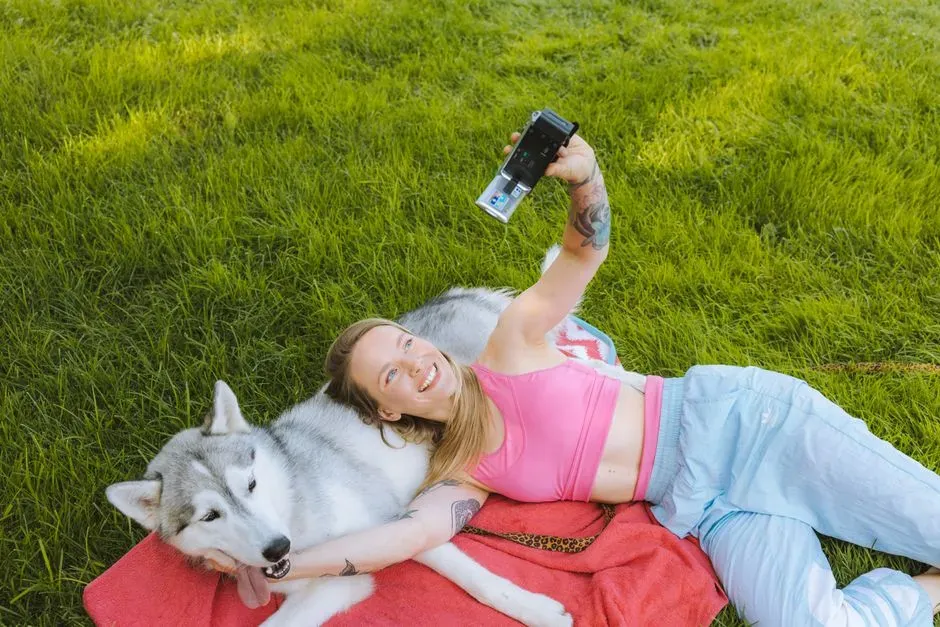
In the last year, people suddenly start recording everything: the slow wag of an old tail, the way their dog does the little head tilt, the sound of paws shuffling across the kitchen floor. The phone fills up with short clips and candid snapshots, and only then do they understand that these quiet, ordinary moments are the real gold. Many owners confess they wish they had more video of their dog simply existing in those earlier, healthier years.
From a psychological perspective, our brains tend to highlight big events – first day home, hikes, birthdays – and overlook the daily rituals that actually define a relationship. Making a habit of casually documenting your dog’s normal life creates an emotional time capsule. Years later, it’s the short clip of them snoring or trotting down the hallway with a favorite toy that hits you the hardest, not the perfectly posed holiday photo.
4. Adjusting Exercise Instead of Quietly Letting Activity Fade Away
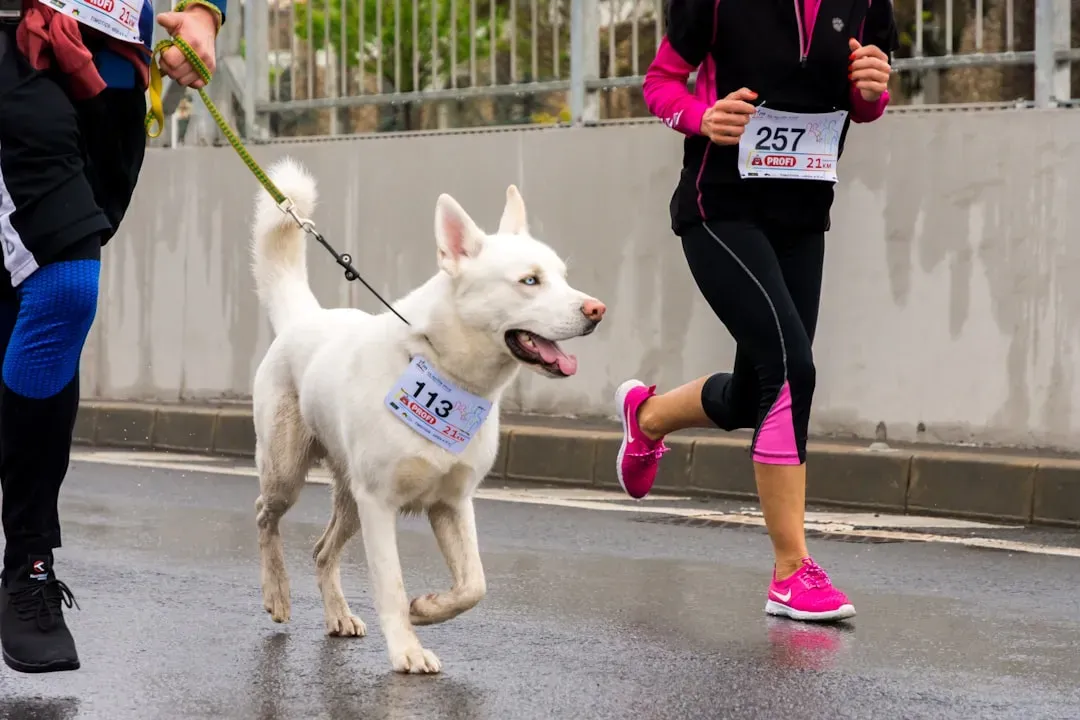
In that final year, many owners suddenly get very intentional about how their dog moves. They shorten walks, choose softer surfaces, add gentle warm‑ups, or switch from intense fetch sessions to slow sniff‑walks. At that point, the dog may already be stiff, sore, or anxious in crowded places, and the adjustments feel like damage control rather than thoughtful planning.
What often gets overlooked is that dogs, like people, benefit from a lifelong pattern of appropriate, consistent movement. Joint‑friendly exercise, muscle maintenance, and controlled weight early in life can reduce strain on aging bodies later on. Activities like swimming, controlled leash walks, and mentally stimulating sniffing games could be introduced years before obvious decline, making the final phase less of a steep drop and more of a gentle slope. Owners frequently look back and realize they waited for the slowdown instead of preparing for it.
5. Leaning Into Mental Enrichment, Not Just Physical Tiredness
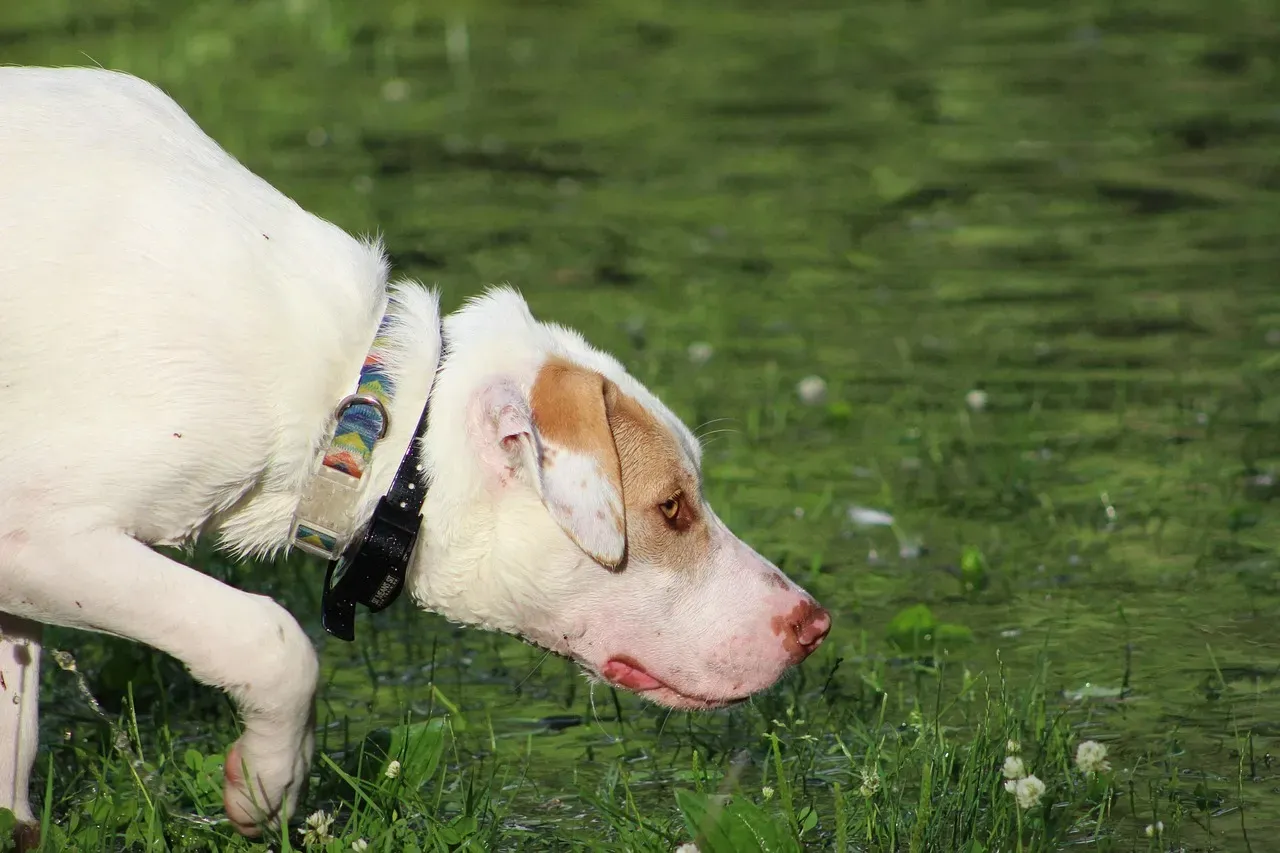
When a dog gets older and can’t charge through long hikes or endless fetch, owners often discover puzzle feeders, scent games, low‑impact training tricks, and calm enrichment activities. They watch their senior dog light up with a simple snuffle mat or a slow, exploratory walk where sniffing is the main event, and they realize how powerful mental engagement really is.
Many wish they’d started this years earlier, instead of relying mostly on physical exhaustion as the main outlet. Research in canine cognition suggests that mental stimulation can support brain health and reduce problem behaviors, a bit like how crosswords and learning new skills are encouraged for older humans. Teaching easy new tricks, letting your dog make choices, and building in daily brain games can enrich every stage of life – not just the twilight years when bodies are failing but minds are still hungry.
6. Having Honest, Ongoing Conversations About Quality of Life
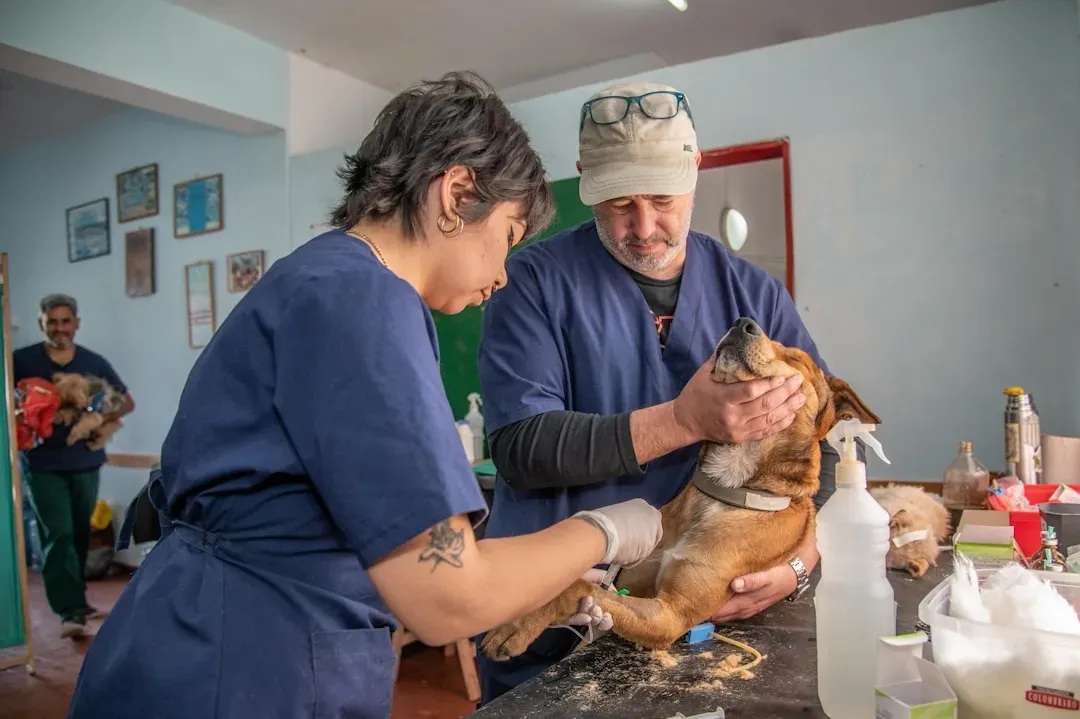
For a lot of people, the words quality of life only show up in the last stretch, when a veterinarian gently raises them or when daily care becomes overwhelming. Owners scramble to fill out checklists, track pain scores, and debate whether their dog is still having good days, often feeling blindsided and emotionally unprepared. It can feel like being asked to make the most important decision of your dog’s life in a fog of panic and grief.
What many wish, looking back, is that they had started talking about these things earlier – when their dog first became a senior, not when crisis hit. Discussing your values with your vet, partner, or family, and even writing down what a good day looks like for your dog while they’re still relatively well, can make later choices kinder and clearer. It does not make the ending easy, but it makes it less chaotic, less haunted by what‑ifs, and more aligned with what genuinely matters to both you and your dog.
7. Saying Yes to More Little Joys Instead of Saving Them for “Special Occasions”
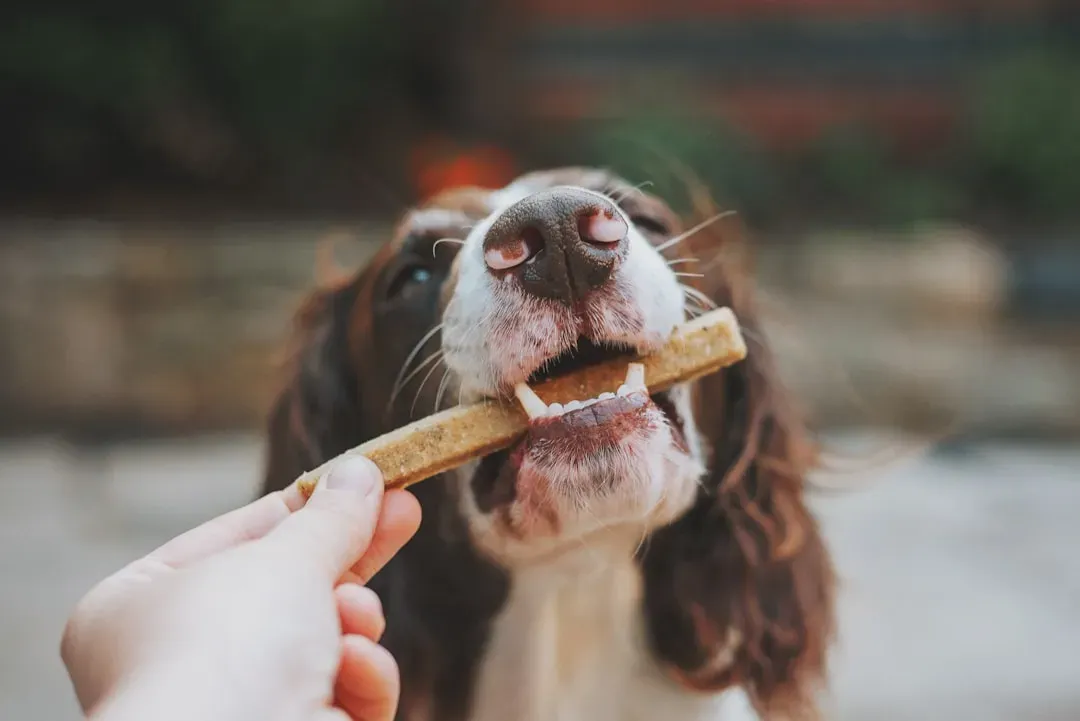
In the last year, a lot of owners start dropping the word later. They offer the extra‑tasty treats, the car ride just to feel the wind, the visit to the favorite park, the goofy photo in matching bandanas. Suddenly they are making bucket lists: one last beach trip, one last visit to the grandparents, one last puppuccino. It is sweet and beautiful – and it also carries a quiet sting of regret.
Looking back, people often wish they had sprinkled those joys generously throughout their dog’s life instead of hoarding them for the end. From a welfare perspective, regularly offering varied positive experiences – new smells, gentle adventures, social visits your dog enjoys – enriches their emotional world and builds resilience. Small pleasures do not need to be earned or rationed; they can simply be part of the normal rhythm of a life well lived, not just a farewell tour.
8. Being Fully Present Instead of Half‑Distracted Around Them
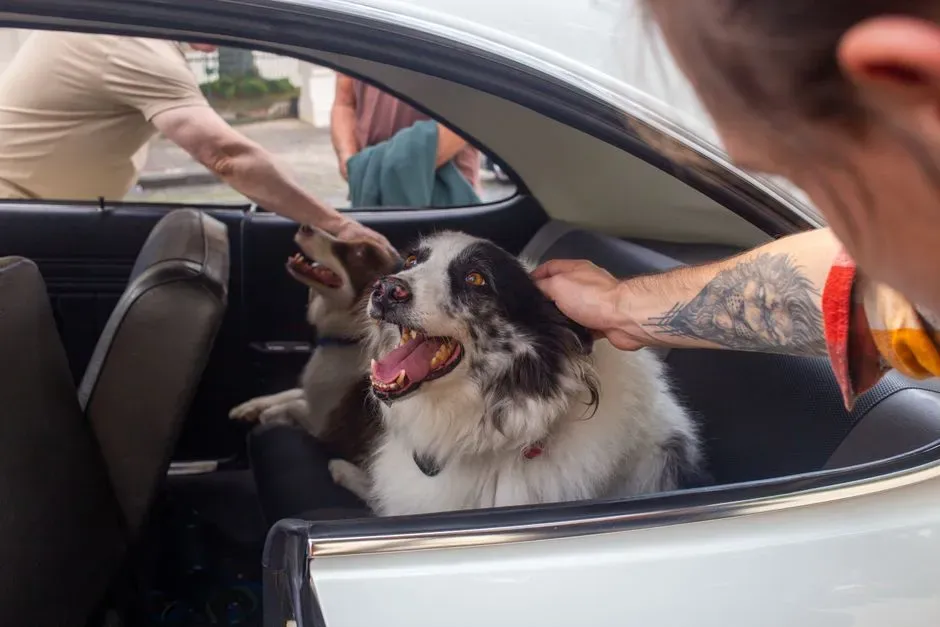
One of the hardest realizations people have in that final year is how many hours they technically spent with their dog but were mentally somewhere else – scrolling, answering emails, half‑listening while the dog lay at their feet. When time feels short, they suddenly put the phone down more often, really feel the weight of that furry head on their lap, and notice the tiny details of their dog’s face, from gray whiskers to sleepy blinks.
This kind of presence is not abstract or sentimental; it is a practical habit you can build. Choosing even ten distraction‑free minutes a day to simply sit, pet, talk to, or play with your dog creates a different emotional texture to your relationship. When the end comes, people rarely regret not sending one more message or watching one more show – but they do sometimes ache for all the quiet minutes with their dog they let slip by in a blur of multitasking.
9. Talking About Grief Early and Creating Rituals on Purpose
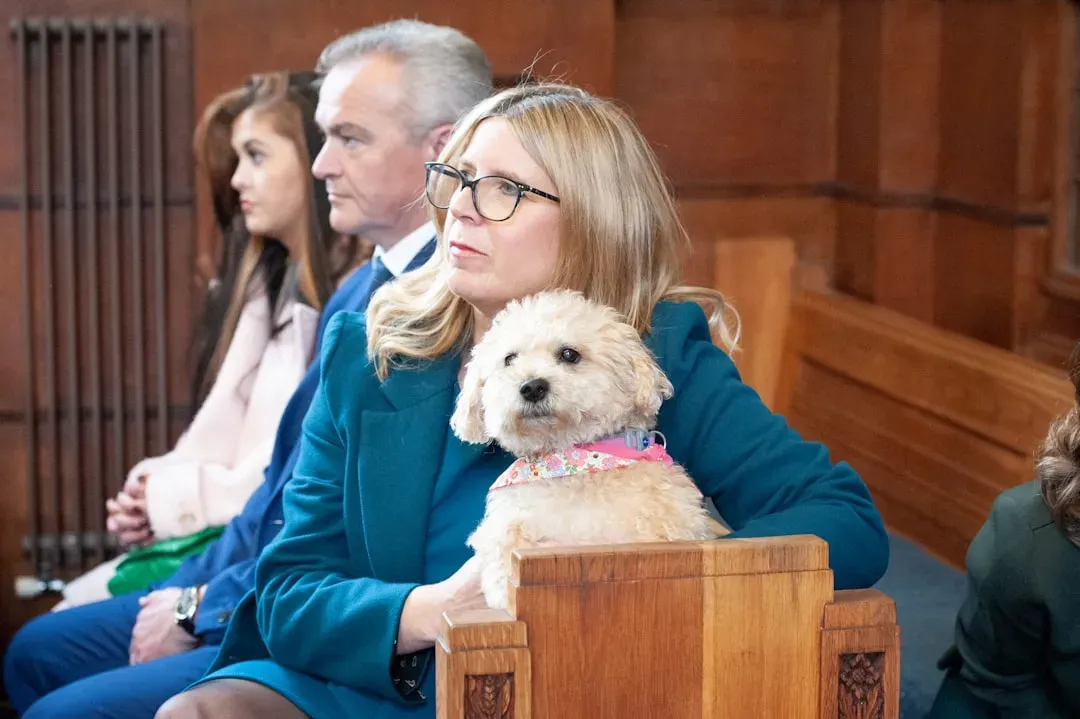
Most owners only begin to think seriously about grief when their dog is clearly fading or after euthanasia is scheduled. They are shocked by how intense the sadness is, how physically heavy it can feel, and how lonely it sometimes is when the world expects them to just move on. In that last year, they might rush to make paw prints, save collars, keep a favorite toy, or plan a goodbye day, often improvising through tears.
What many later recognize is that it helps to talk about grief before you are drowning in it. Sharing your fears with a trusted friend, partner, therapist, or online community, and quietly deciding what mementos or rituals matter to you, gives you a kind of emotional scaffolding. You can choose to take a last photo in a beloved spot, write down your favorite memories, or plant something in their honor when the time comes – not as a panicked reaction, but as an intentional act of love. It does not make the loss hurt less, but it can make that hurt feel more meaningful and less chaotic.
Conclusion: Start Living Like Time Is Precious While You Still Have Plenty
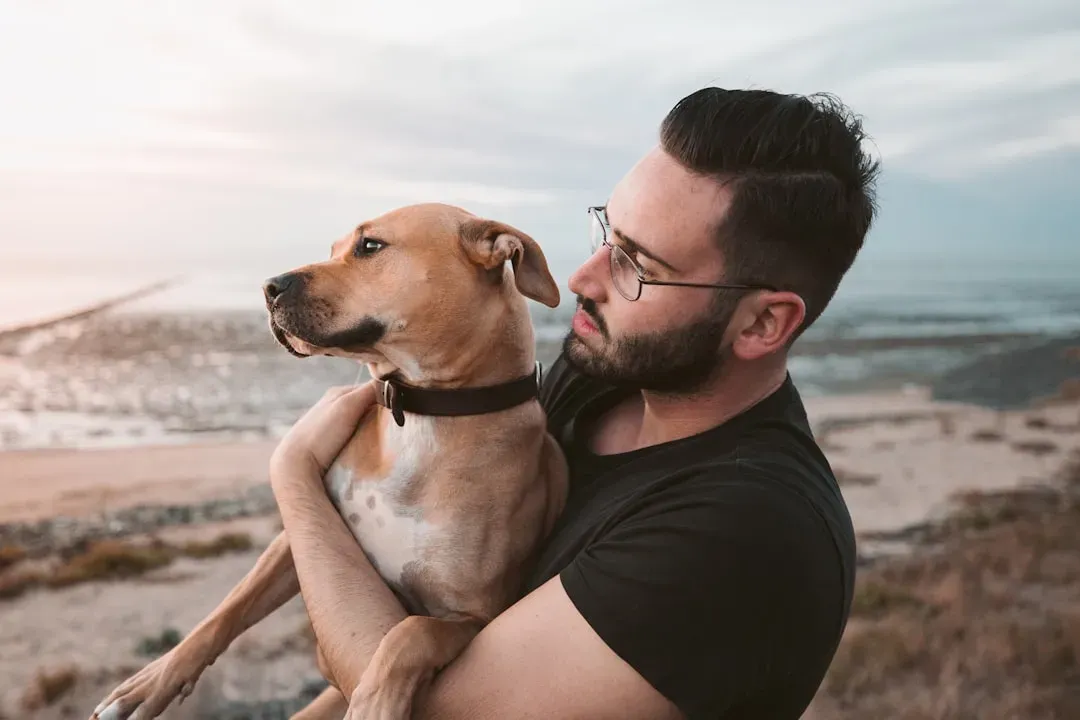
If there is a single thread running through all of this, it is the gap between what we value in hindsight and how we actually live day to day. In the final year, people become softer with rules, more proactive with care, more generous with joy, and more present in the tiny moments – and almost all of them wish they had started much earlier. They realize that a dog’s life is not measured only in years, but in how deeply those years were actually shared.
My own opinion, after watching many people go through this (and having gone through it myself), is that the kindest thing we can do is to start loving our dogs as if they are old long before they actually are. Not in a sad or fearful way, but in a deliberate, no‑regrets way: more vet checks, more sniff‑walks, more photos, more silly treats, more honesty, more presence. One day, whether it is soon or far off, you will look back – and the question will not be how long you had, but how fully you used the time. When you think about your dog lying at your feet right now, what is one thing from this list you’re willing to start today instead of in their final year?