

Spend enough time with a dog and it starts to feel like they can read your mind. They move when you move, stare at you right before you get off the couch, or wander into the kitchen seconds before you even think about grabbing a snack. It can feel spooky, flattering, and deeply comforting all at once.
That is not magic. It is the result of a brain wired to watch, copy, and decode humans with a level of focus we rarely give back. Dogs quietly build a living, breathing profile of the person they are closest to, learning far more than most people realize. Let’s peel back the curtain on what your dog is actually picking up about you – day after day, walk after walk, couch nap after couch nap.
1. Your Daily Rhythm And Micro‑Routines

Dogs are world‑class pattern detectors. Long before you think of your day as a routine, your dog has already mapped it: the time you usually wake up, how you move when you are really getting out of bed versus just rolling over, the sound of your footsteps before coffee, the way you sigh before grabbing your keys. To them, your life is a repeating sequence, and they predict what happens next the way we predict the next line of a familiar song.
Over time, they also learn your tiny micro‑routines. Maybe you always check your phone just before going for a walk, or you always put on lip balm five minutes before bed. Your dog links these trivial actions to bigger events: walk, food, bedtime, alone time. That is why they can suddenly appear excited at what seems like a random moment to you. To them, you have just played the first note of a very familiar melody.
2. Your Emotional Weather Pattern

Living with a dog is like living with a furry, four‑legged emotional barometer. They do not understand human problems in detail, but they are insanely good at reading the emotional “temperature” in the room. Your dog learns what your face looks like when you are frustrated, how your shoulders sit when you are exhausted, and the way your voice changes when you are stressed versus genuinely happy.
With repetition, they start pairing those emotional states with outcomes that matter to them. Maybe you are more distant when you are anxious, or extra affectionate when you have had a good day. They adjust their behavior accordingly: staying closer, being calmer, or sometimes becoming clingy or restless. It is not them being dramatic; it is their nervous system syncing to yours, like two instruments slowly tuning to the same note.
3. Your Communication Style And “Secret Language”
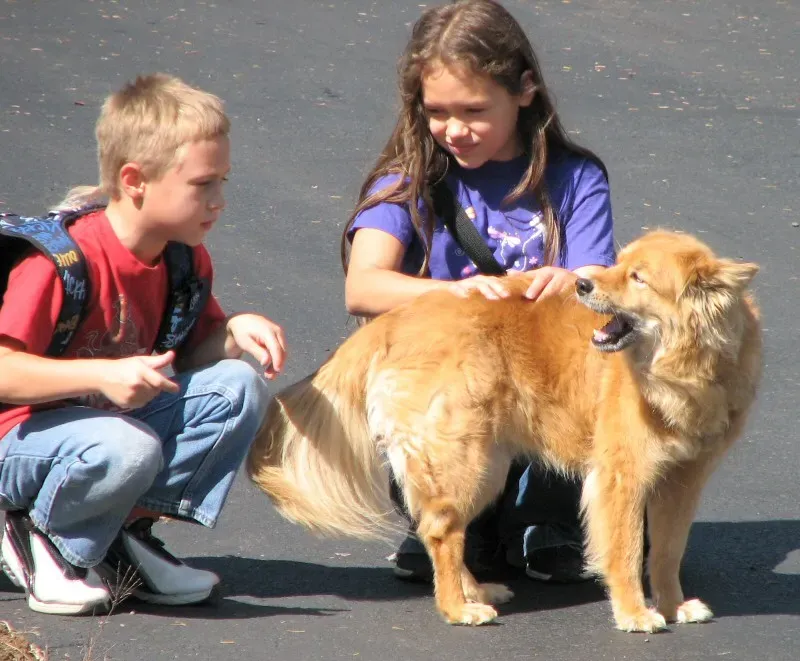
We like to think we “train” dogs, but the truth is they are training us at the same time. Your dog learns your personal communication style: how often you talk, the words you overuse, your favorite phrases for praise, and the sound you make when you are about to say no. They become experts not just in the meaning of words, but in your rhythm, cadence, and body language.
Over time, you and your dog develop what feels like a secret language. Maybe you have a certain look that means “come here,” a tiny hand flick that means “enough,” or a half‑smile that always leads to a game. Your dog will test and refine this constantly, noticing what works and what does not. By living with you every day, they essentially become bilingual: part dog, part fluent‑in‑you.
4. How Safe Or Unpredictable You Feel
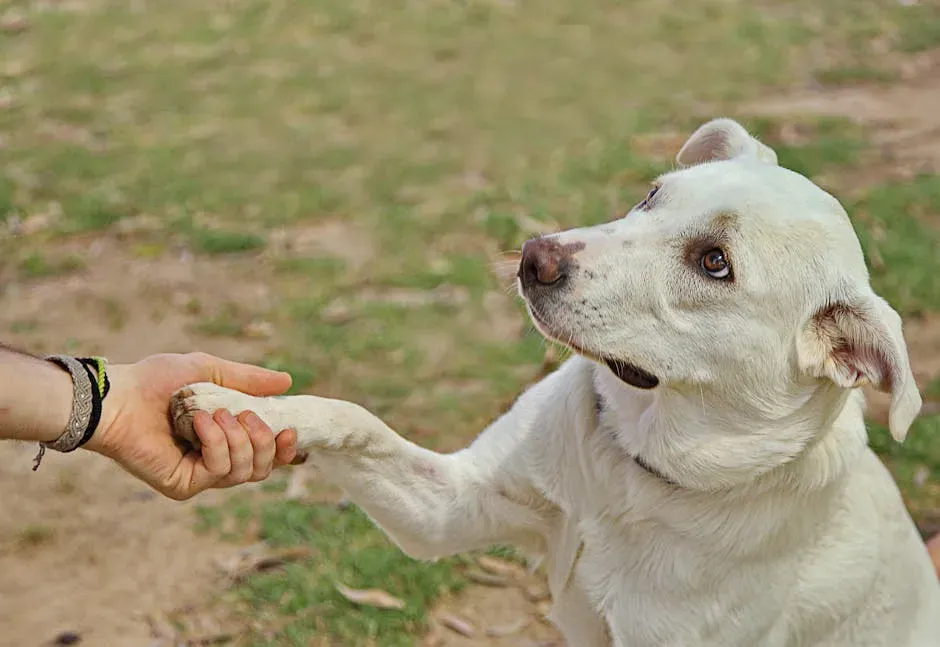
Dogs are always surveying one big question: Am I safe with this person? Day after day, they collect data. Do you lose your temper easily? Do you move in sudden, unpredictable ways? Are you mostly calm and gentle, even when you are annoyed? This shapes how deeply they relax around you. A dog that feels truly safe will sleep deeply near you, show you their belly, or turn their back to you without hesitation.
If your moods and reactions are all over the place, they learn that, too. They might become hyper‑vigilant, watching your every move, reacting fast to small cues, or hesitating before approaching. Living with someone is, for them, a long‑term study in predictability. The more your actions match your signals, the more their nervous system can stand down. That is when you see the really soft behaviors: slow blinks, loose bodies, and that heavy exhale they give when they finally feel safe enough to completely let go.
5. Your Energy Level And “Default Setting”

Every person has a kind of default setting: some of us are naturally high‑energy and loud, others are quiet, slow, and gentle. Your dog learns where you sit on that spectrum and starts to regulate themselves to match. A highly active person often ends up with a dog that is more alert, ready to move, and tuned into action cues. Someone who lives a slower, calmer life usually has a dog that spends more time quietly napping nearby.
This does not mean the dog becomes a different breed. A working‑type dog will not suddenly turn into a couch potato just because you like Netflix. But they will fine‑tune how much of their natural energy they show around you and when. They learn what gets a response, what gets ignored, and what gets them told off. Over months and years, this shapes a shared rhythm: your lifestyle molds their day, and their needs nudge yours, until you almost unconsciously meet in the middle.
6. What You Value And Reward (Even Accidentally)
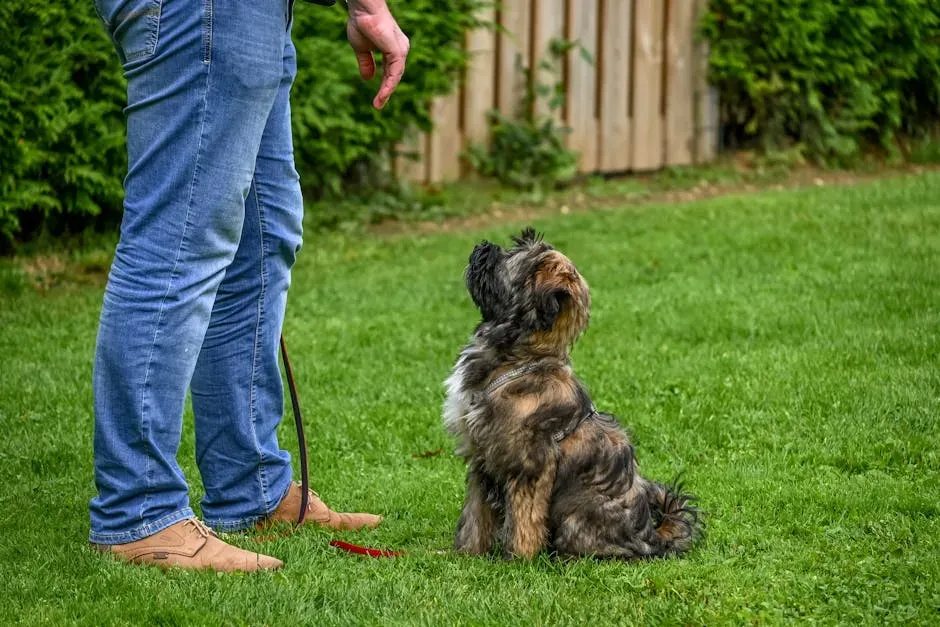
Dogs are reward detectives. They pay close attention to what you respond to, even when you do not realize you are doing it. If you laugh when they do something silly, they file that away. If you give attention when they bark, that becomes a powerful data point. If you always reach for treats after they sit calmly, that behavior starts to feel like a safe bet. Day by day, they slowly reverse‑engineer your value system.
That is why your dog seems to “mysteriously” pick up some habits and not others. They are not randomly misbehaving; they are chasing the behaviors that your reactions have reinforced, even if those reactions were subtle. You might not think of eye contact, a small chuckle, or talking back to them as a reward, but your dog does. To them, your attention is a currency more valuable than any gourmet treat, and they are constantly running experiments to see how to earn more of it.
7. Your Social Habits And How You Treat Others
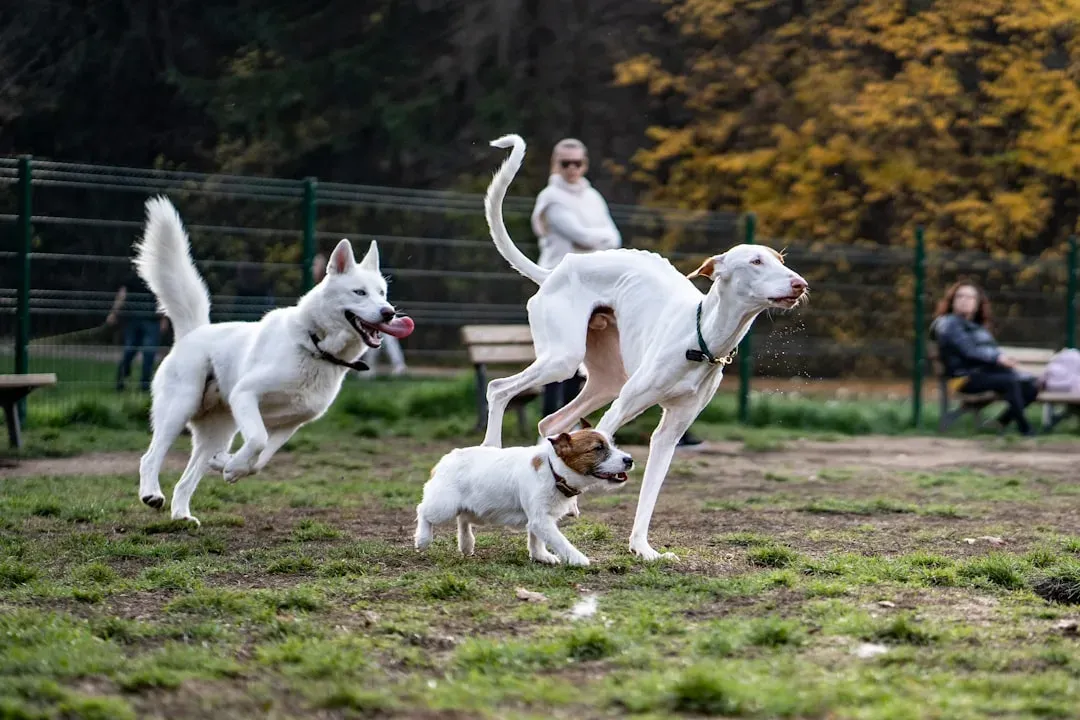
Your dog does not just study how you treat them. They watch how you treat everyone. They see how you talk to delivery drivers, whether you greet neighbors warmly or ignore them, how you respond to guests, and how you handle conflict in the home. Dogs are surprisingly good at noticing whether your body relaxes around some people and tenses around others, and they often mirror that in their own reactions.
Over time, this shapes how they feel about the wider world. If you are patient and friendly with others, your dog is more likely to approach new people with curiosity instead of suspicion. If you constantly seem on edge or hostile around strangers, they may become more wary, protective, or anxious outside. In a way, you are their lens on humanity. By spending most of their time with you, they learn what “normal” social behavior looks like and adjust their expectations of everyone else accordingly.
8. Your Coping Mechanisms And Stress Signals

Dogs live close enough to us that they start to recognize not only when we are stressed, but how we deal with it. Maybe you pace the house, scroll endlessly on your phone, slam cabinets, or go quiet and withdrawn. Your dog notices the sequence. To them, these actions are part of a familiar chain that starts with an internal feeling: you are overwhelmed.
Some dogs respond by trying to soothe you: nudging your hand, bringing a toy, or lying pressed up against you like a weighted blanket with a heartbeat. Others become unsettled and show their own stress behaviors: yawning, licking their lips, walking in circles, or retreating to another room. I’ve seen this firsthand in my own dog; he mirrors my tension so fast it feels like holding up an emotional mirror. When I catch myself and deliberately slow down, he does the same. It is a quiet reminder that our inner storms do not stay inside us; they echo in the animals that share our space.
9. How Deeply They Can Trust You With Their Vulnerability
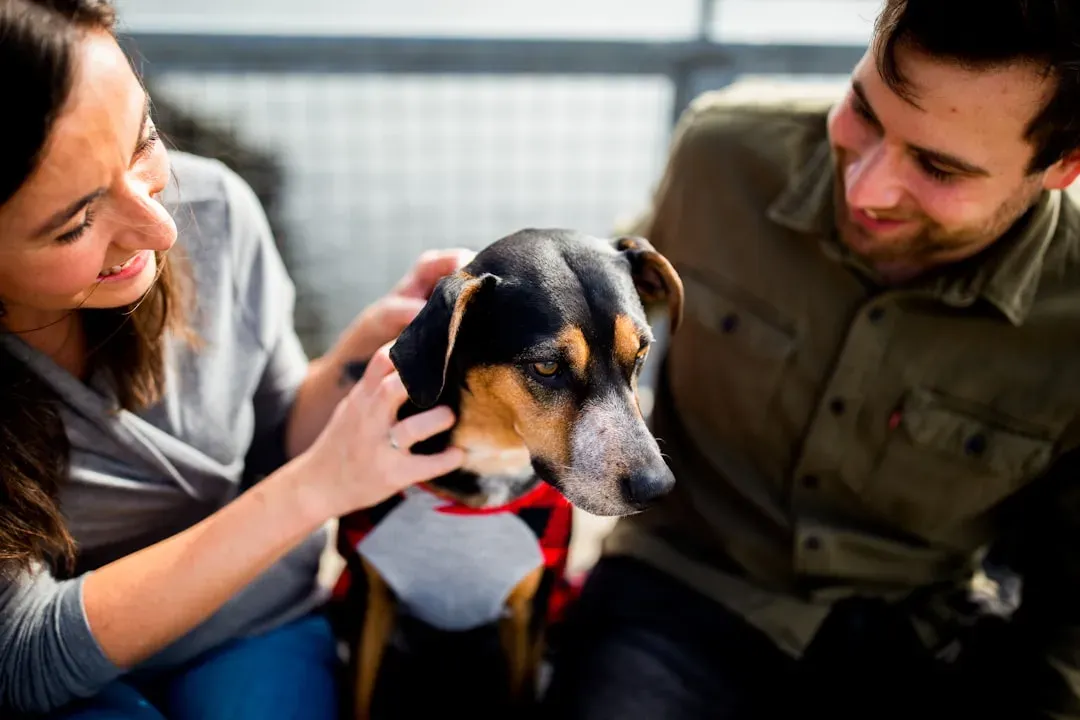
At the simplest level, your dog spends every day learning one core truth: Can I trust you with my most vulnerable self? They watch what happens when they are scared, sick, in trouble, or just confused. Do you comfort or punish? Do you listen or ignore? Do you stay patient when they do not understand what you want, or do you explode? Each of these moments gets stored in a mental ledger that, over time, becomes their gut feeling about you.
When that ledger is mostly filled with safety, kindness, and reliability, you see a different dog. They seek you out when they feel unsure, lean into your touch instead of flinching, and offer soft, open behaviors that signal trust. When the ledger is mixed or negative, they may love you but still hold a part of themselves back. That is the tough truth of living with any animal: every small choice teaches them something about whether your presence is simply familiar, or genuinely safe.
Conclusion: Your Dog Is Studying You – So What Are You Teaching Them?

Living with a dog is not just about teaching them to sit, stay, or walk nicely on a leash. It is an ongoing, two‑way study. Every single day, they are quietly collecting data on who you are, how you move through the world, and what life by your side really feels like. In a way, your dog knows a raw, unfiltered version of you that almost no one else sees: the version that exists in the sleepy mornings, the messy evenings, and the unguarded, in‑between moments.
That can feel uncomfortable if you think about it too long – but it is also an incredible opportunity. Because if your dog is going to learn you this deeply anyway, you might as well become someone who is worth being studied: calmer than your worst days, kinder than your sharpest moods, more consistent than your impulses. When your dog looks up at you, they are not just seeing their person; they are seeing the environment their whole emotional life is built around. So the real question is: if you could see yourself the way your dog sees you, would you be proud of what you have taught them?


