
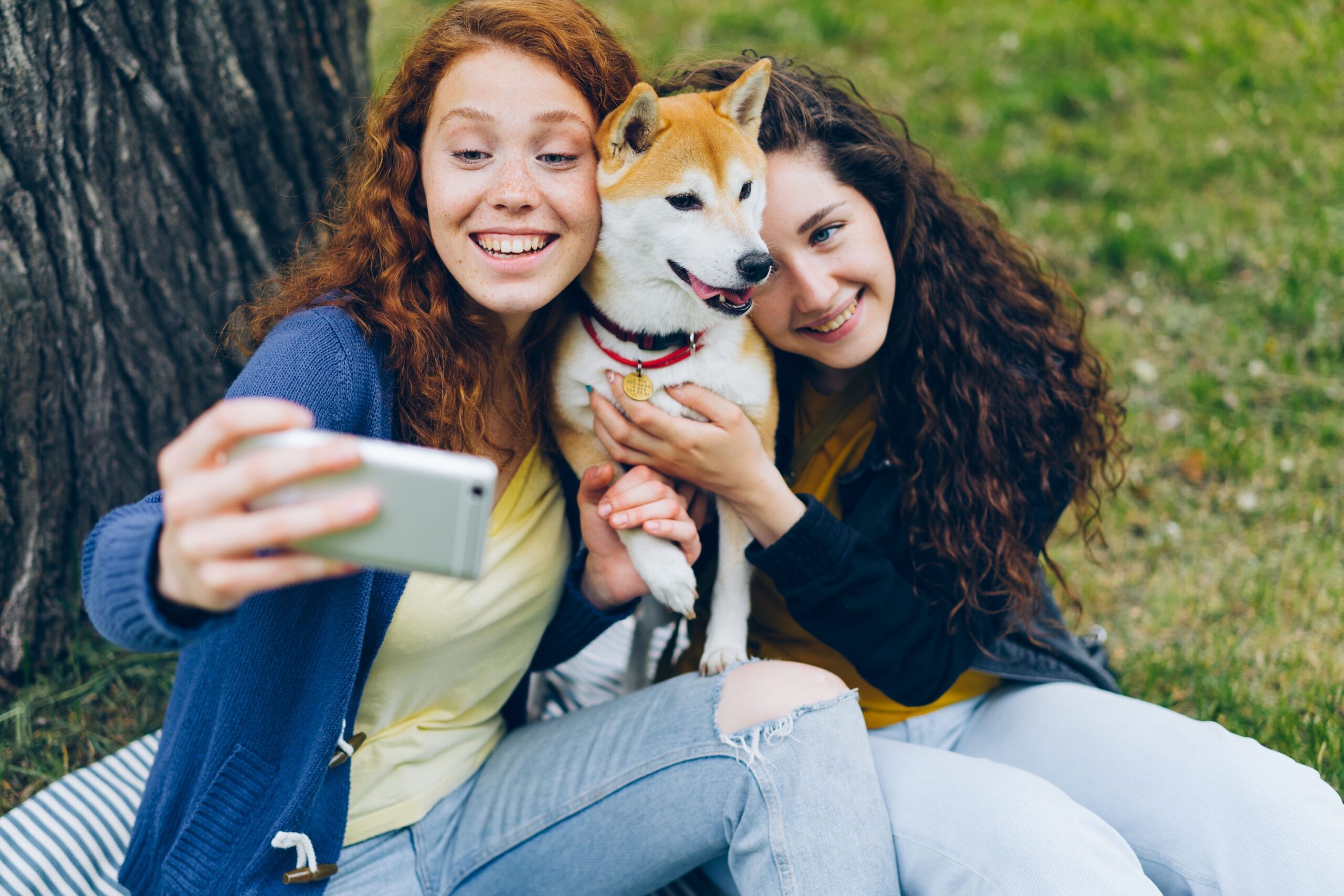
Walk into a room where a dog has not seen you for years, and you might expect hesitance or confusion. Yet many people describe that almost cinematic moment when the dog freezes, sniffs the air, tilts its head at the sound of a familiar voice, and then explodes into joy. It feels like recognition that goes much deeper than simple training cues or routine habit.
Scientists are steadily unpacking what is actually going on in those moments, and the emerging picture is both more complex and more beautiful than the old cliché that dogs just love everyone. Research points to a powerful blend of scent memory, voice recognition, and emotional experiences that allows dogs to form surprisingly durable mental profiles of the people in their lives. Once you realize how layered their memory of you is, your next reunion with a dog might feel very different.
Why Your Dog’s Nose Is Basically a Supercharged Memory Device
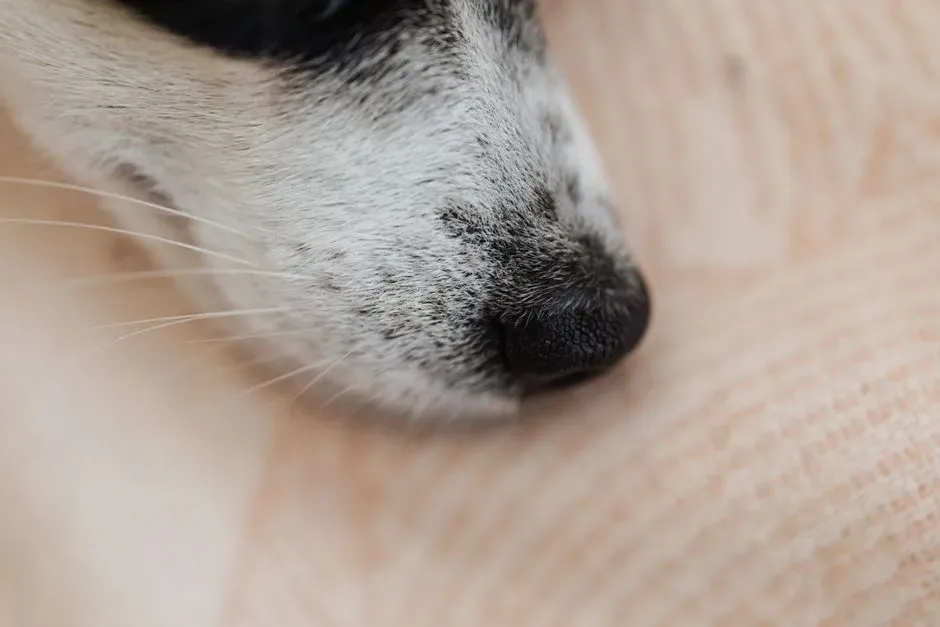
Imagine living in a world where every person, place, and event leaves a vivid scent trail that your brain can file away like high‑resolution photos. For dogs, that is not a fantasy; it is close to daily reality. Their sense of smell is vastly more sensitive than ours, and that sensitivity does not just help them detect things in the moment, it helps them store and retrieve memories about the people connected to those smells.
When you pet your dog, sweat a little on the leash, or sit on the same couch, you are constantly refreshing an invisible signature that their brain can recognize later. Even if your clothes change or you shower, enough of that underlying chemical pattern stays consistent to light up their scent memory. This is why dogs can often recognize people they have not seen in a very long time, responding instantly once they catch even a faint whiff that fits a stored profile.
Familiar Voices Light Up the Dog Brain in Special Ways
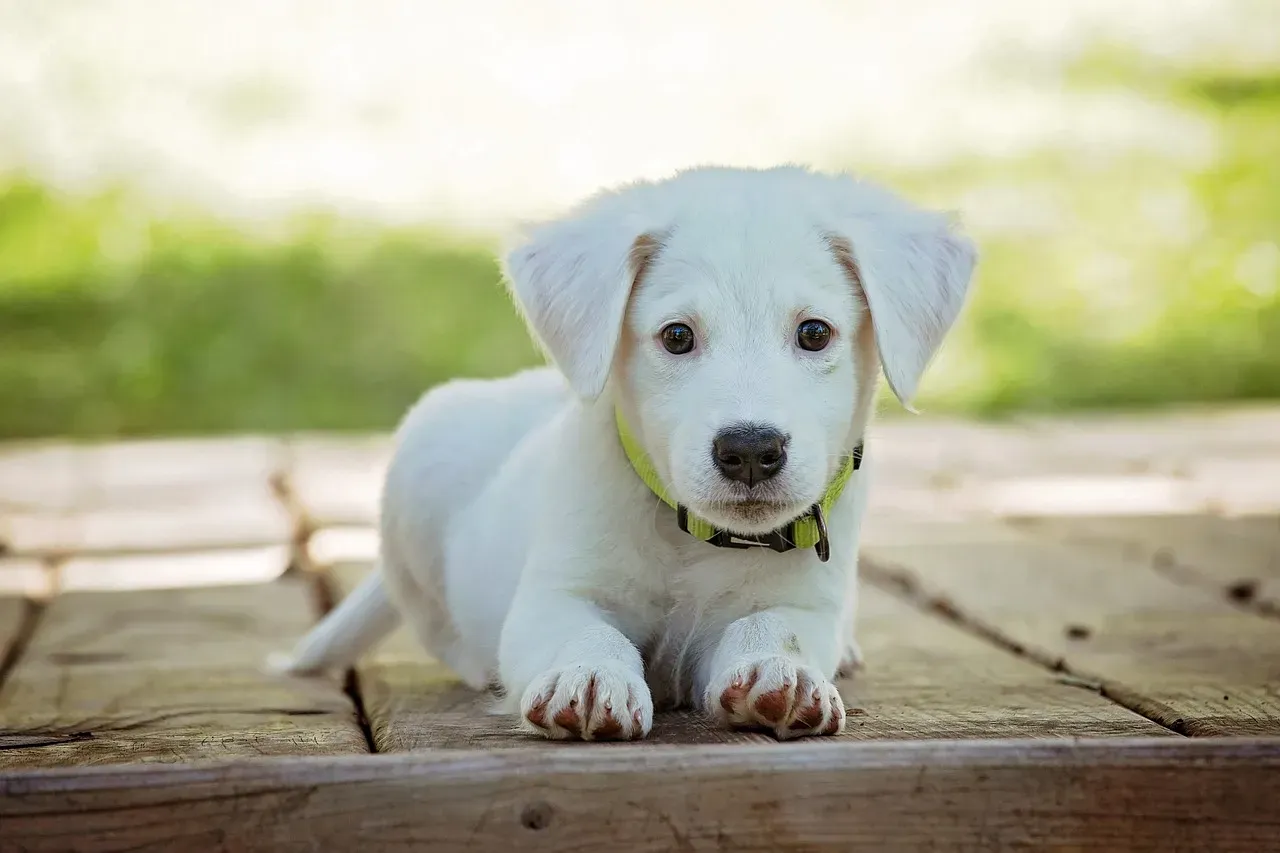
Most dog owners swear their pet knows their voice over all others, and science backs that up more than many people realize. Dogs do not just respond to the sound of any human talking; they can pick up on individual vocal fingerprints, like pitch, rhythm, and emotional tone, and link those features to memories of past interactions. That means your dog is not only hearing you, it is remembering what your voice has meant in previous moments.
Brain imaging studies show that dogs process human voices in regions tied to emotion and social meaning, not just raw sound processing. When they hear a familiar voice, particularly one associated with warmth or play, the emotional centers of the brain become more active. Over time, this repeated pairing of a specific voice with good or bad outcomes builds a durable audio‑emotional memory that helps your dog quickly sort friend from stranger, comfort from threat.
Experience Turns Scent and Sound Into Deep Emotional Memories
Scent and voice on their own would be powerful, but what really shapes a dog’s memory of you is the emotional context wrapped around those signals. Every walk, treat, scolding, cuddle, or stressful vet visit is quietly teaching your dog what your presence usually predicts. Over months and years, these experiences fuse with your smell and your voice into a kind of emotional profile that your dog can recall surprisingly fast.
This is why two people with similar voices or similar colognes will not feel the same to a dog. One may be associated with play and comfort, while the other may be linked to tension or inconsistency. Dogs are constantly learning these patterns, and their brains are very efficient at tagging sensory cues with emotional labels like safe, exciting, neutral, or worrying. When you walk through the door, your dog is not just thinking “human,” it is replaying a whole history of how you have made it feel.
Long‑Term Recognition: How Long Can Dogs Actually Remember People?
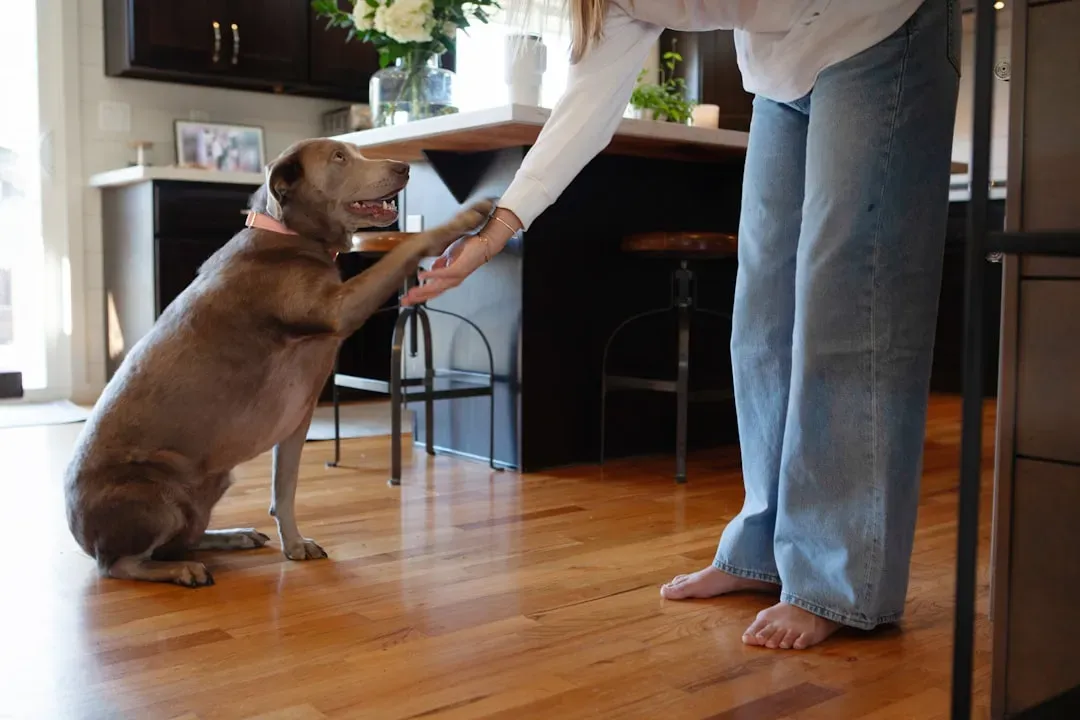
Stories abound of dogs recognizing former owners or family members after years apart, and while personal anecdotes are not science, they do align with what researchers understand about canine memory systems. Dogs do not remember every single detail of daily life, but they are good at retaining patterns that matter for survival and social bonding. People who played a major role in their world, especially during emotionally intense periods, seem to sit in a special mental category.
Instead of thinking of memory as a perfect video recording, it helps to think of it as a layered impression. What sticks is the combination of smell, voice, body language, and emotional history. If these elements are strong and repeatedly reinforced, a dog can appear to recognize someone after a very long interval, sometimes within seconds of catching a familiar scent or tone of voice. We may not have an exact time limit for how long this recognition lasts, but the evidence suggests that significant human relationships can leave remarkably durable traces in a dog’s mind.
Why Some People Become “Unforgettable” While Others Fade
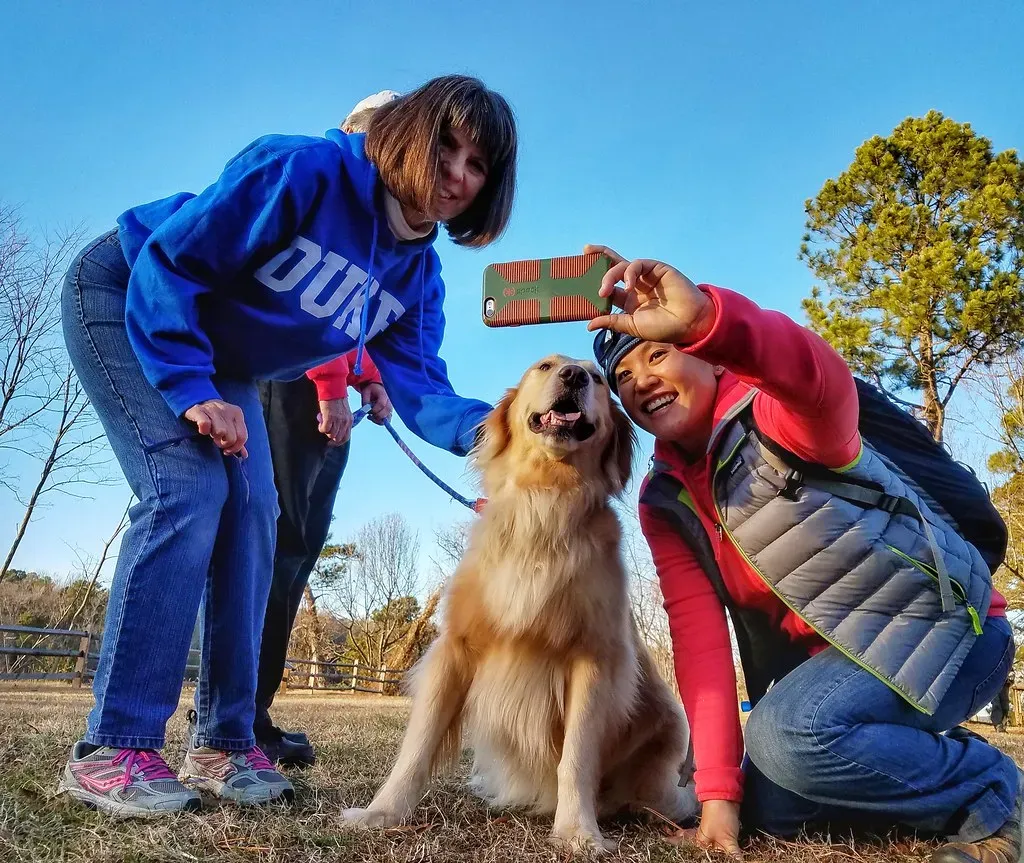
Not everyone leaves the same deep imprint on a dog, and that difference is not just about how often they show up. Dogs prioritize people who have clear roles in their emotional and practical lives. The person who feeds them, walks them daily, and comforts them during storms is going to sit in a much brighter memory spotlight than the visitor who drops by once a month and offers a quick pat on the head.
Consistency also matters. If someone is sometimes kind, sometimes harsh, and often unpredictable, the dog’s emotional profile of that person may be confusing or conflicted. That does not mean the dog will forget them, but it may react with more caution or stress rather than exploding with joy. In my experience around rescue dogs, you can almost see their internal ranking system at work: a small core of unforgettable people and a larger circle of vaguely familiar faces that never quite break into that inner circle.
How You Can Strengthen Your Dog’s Memory of You (In a Healthy Way)
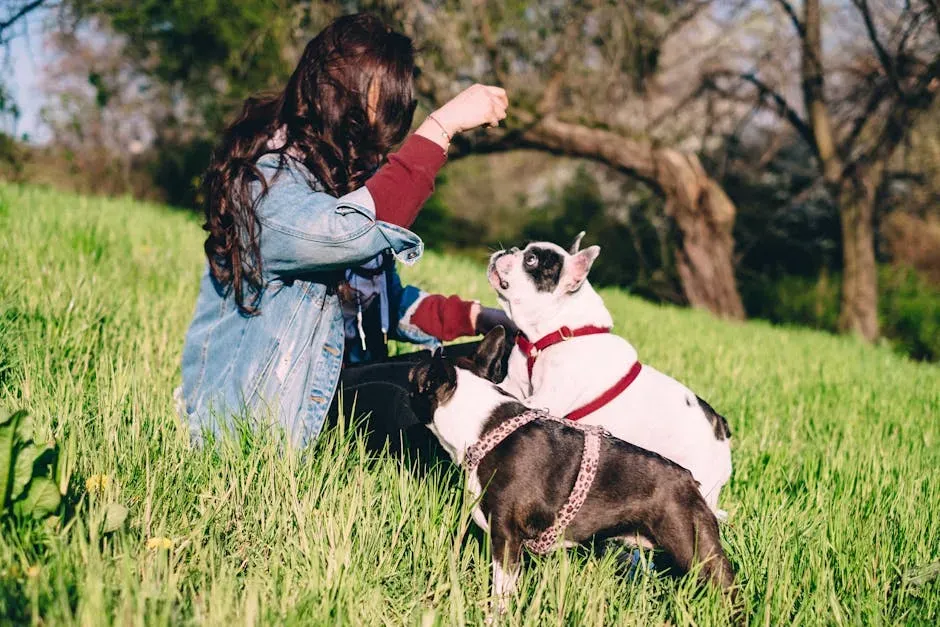
If dogs remember people through scent, voice, and experience, then you actually have more influence over your “place” in their memory than you might think. Simple habits like using a consistent verbal cue, keeping a relatively stable tone of voice, and making routines predictable can help your dog feel secure and form a clear, positive association with you. You do not need to act like a robot, but a certain level of reliability is deeply reassuring to dogs.
On the scent side, there is a reason leaving a worn T‑shirt in a dog’s bed can comfort them when you are away. Familiar smell acts almost like an emotional anchor, especially for anxious or newly adopted dogs. Pair that with positive experiences, such as calm greetings, patient training, and gentle touch, and you are continually reinforcing a memory of you as safe and rewarding. You are essentially building a long‑term, multi‑sensory story in their mind, one small moment at a time.
Common Myths About Dog Memory We Really Need to Let Go Of
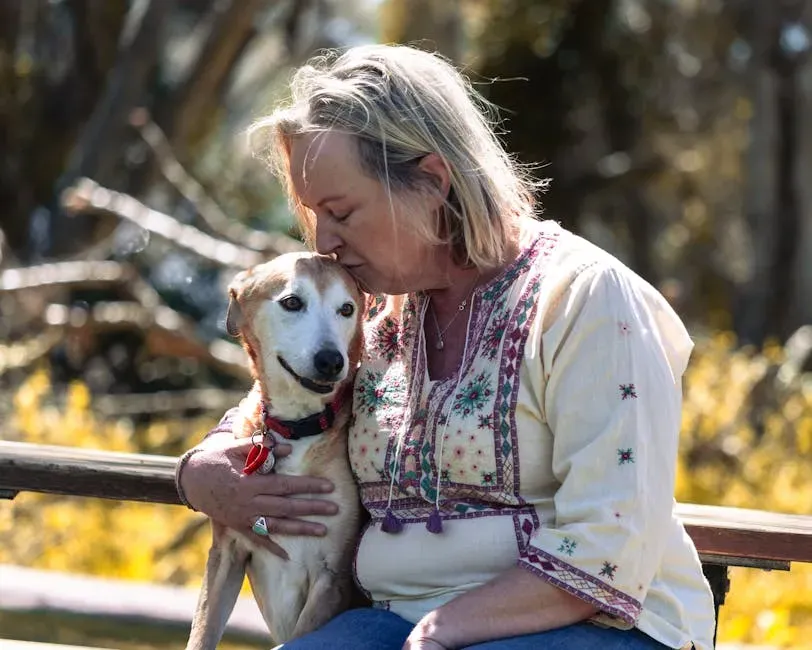
For years, people repeated the idea that dogs live completely in the present and forget everything else within moments. That belief is comforting in some contexts, like when we hope they quickly forget a bad day, but it does not match the growing body of research or what observant owners see in everyday life. Dogs may not replay past events the way humans narrate memories, yet they clearly carry forward learned associations, fears, and loyalties.
Another stubborn myth is that dogs love everyone equally and instantly, as if they are programmed for blind affection. In reality, dogs can be deeply selective, and that selectivity is driven by the same trio of scent, sound, and experience that underpins their memory. When a dog lights up for one person but stays cautious with another, it is not being irrational or dramatic. It is drawing on a very real internal database of who has proven safe, kind, and trustworthy over time.
What Dog Memory Says About Our Responsibility to Them
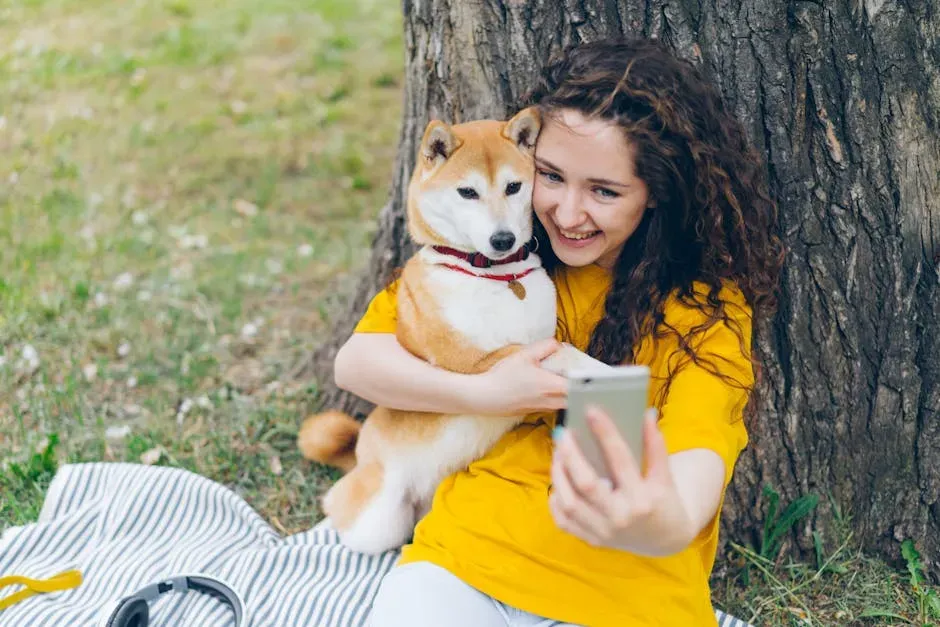
Once you accept that dogs remember us through a rich blend of smell, voice, and emotional history, it becomes harder to treat their reactions as simple or shallow. If you shout, yank a leash, or ignore a scared dog, that moment is not just gone because the hour has passed. It becomes part of how that dog’s brain categorizes you and maybe other humans who look or sound like you. Their memory of you is not a single snapshot; it is an evolving collage that you add to every day.
I think this is where the science hits hardest on a personal level. When we say a dog is loyal, we are really saying that it has built an incredibly strong, positive memory of us and continues to bet on that memory even when things are confusing or scary. That loyalty is not blind; it is earned through countless small moments where our scent, our voice, and our actions aligned to say, over and over, you are safe with me. Knowing that, the real question is not whether our dogs remember us, but whether we are living in a way that deserves the powerful, lasting memories they carry of who we are. Did you expect their minds to be paying such close attention all along?


