
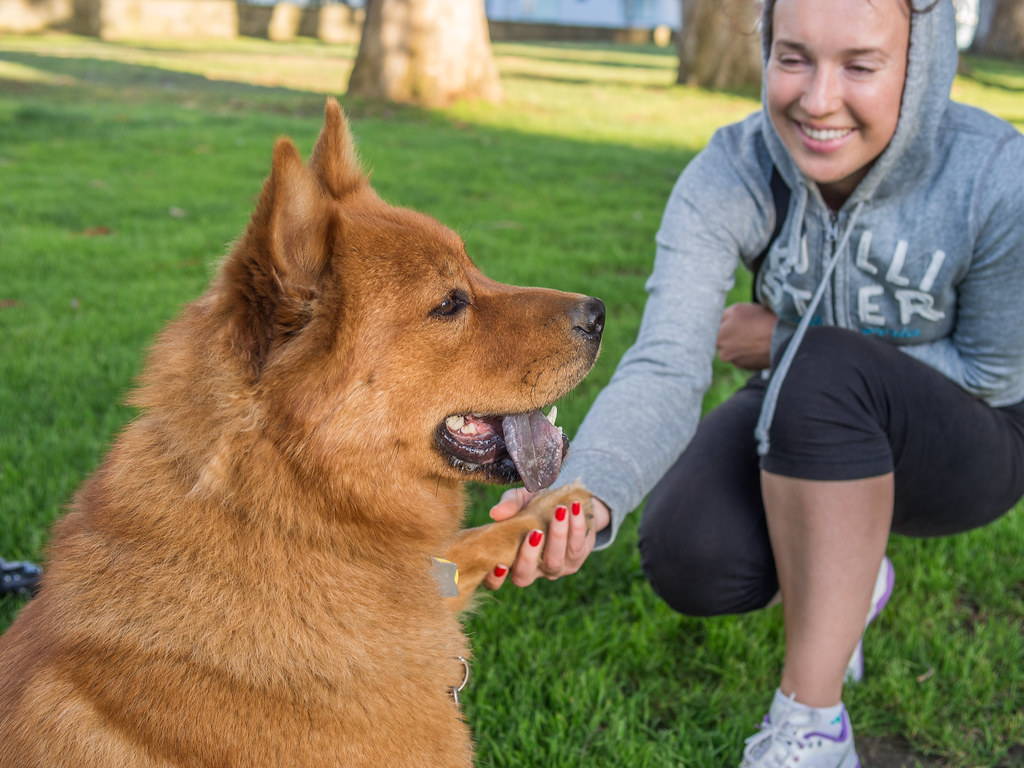
You’ve probably seen your dog do it a thousand times and never thought twice: a full-body shake, like they just stepped out of the bath, even though they’re completely dry. Maybe it happens right after a loud argument at the dog park, a visit to the vet, or an encounter with a pushy stranger. It looks small and ordinary, but animal psychologists say it may be anything but.
That seemingly casual shake-off is now being taken more seriously by behavior experts. Many believe it’s part of a built-in reset system, helping dogs recover from emotional arousal and stress in real time. Once you understand what’s really going on, that tiny moment suddenly feels like watching your dog hit their own internal reset button – and it can change how you respond to them, and even how you think about stress in your own life.
Why Dogs Shake Off When They Are Not Wet
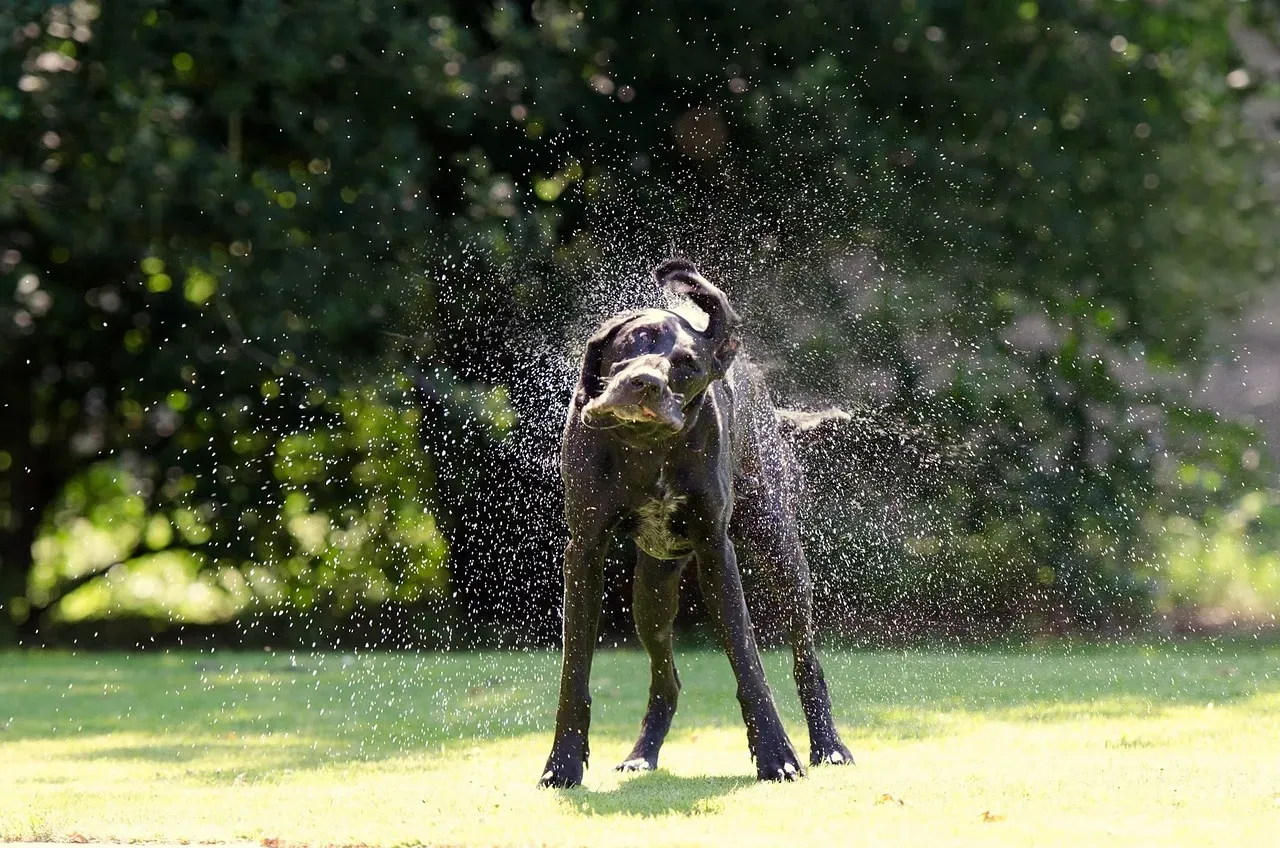
When a dog shakes off after a bath, it makes perfect sense – they are literally trying to dry themselves. But when the same full-body shake shows up in situations where there’s no water in sight, something else is going on. In these moments, many behaviorists view the shake-off as a physical expression of inner tension, like your dog quickly clearing out leftover emotional static.
Think about times you’ve seen it: after being hugged a little too tightly, after a growl exchange with another dog, or right after a vet finishes examining them. The dog is not cold, itchy, or wet. Instead, they’ve just gone through a spike in emotional arousal – stress, excitement, uncertainty – and the shake can be a way of discharging that built-up energy so they can return to baseline faster.
The Science of Emotional Arousal in Dogs
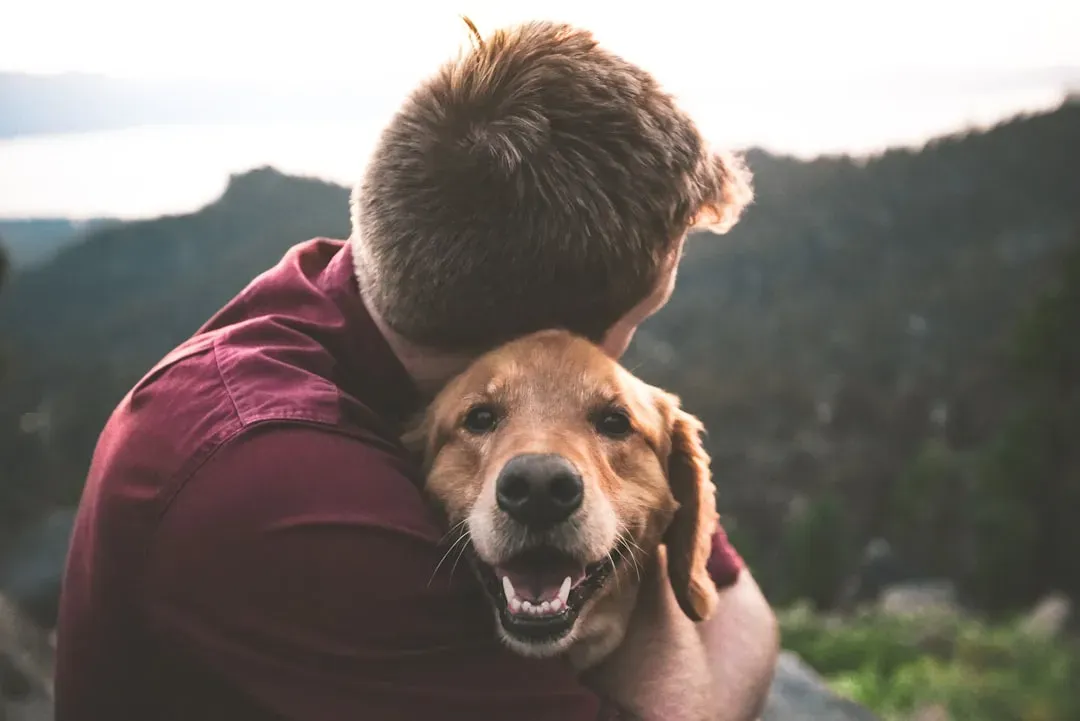
Emotional arousal in dogs is not just about being scared or upset; it refers to any heightened state of alertness, whether positive or negative. Heart rate goes up, muscles tense, breathing changes, and stress hormones like cortisol can increase. The body is gearing up to respond – fight, flight, freeze, or sometimes just hyper-focus on whatever triggered the reaction.
What matters is not only the trigger itself, but how long the dog stays in that elevated state. If a dog remains on edge for too long, their stress system keeps firing, which over time can chip away at their overall well-being. Shake-offs, along with other small calming behaviors, seem to be one of the body’s ways of gently steering itself back toward normal when the emotional volume has been turned up.
How a Shake-Off Functions Like a Reset Button
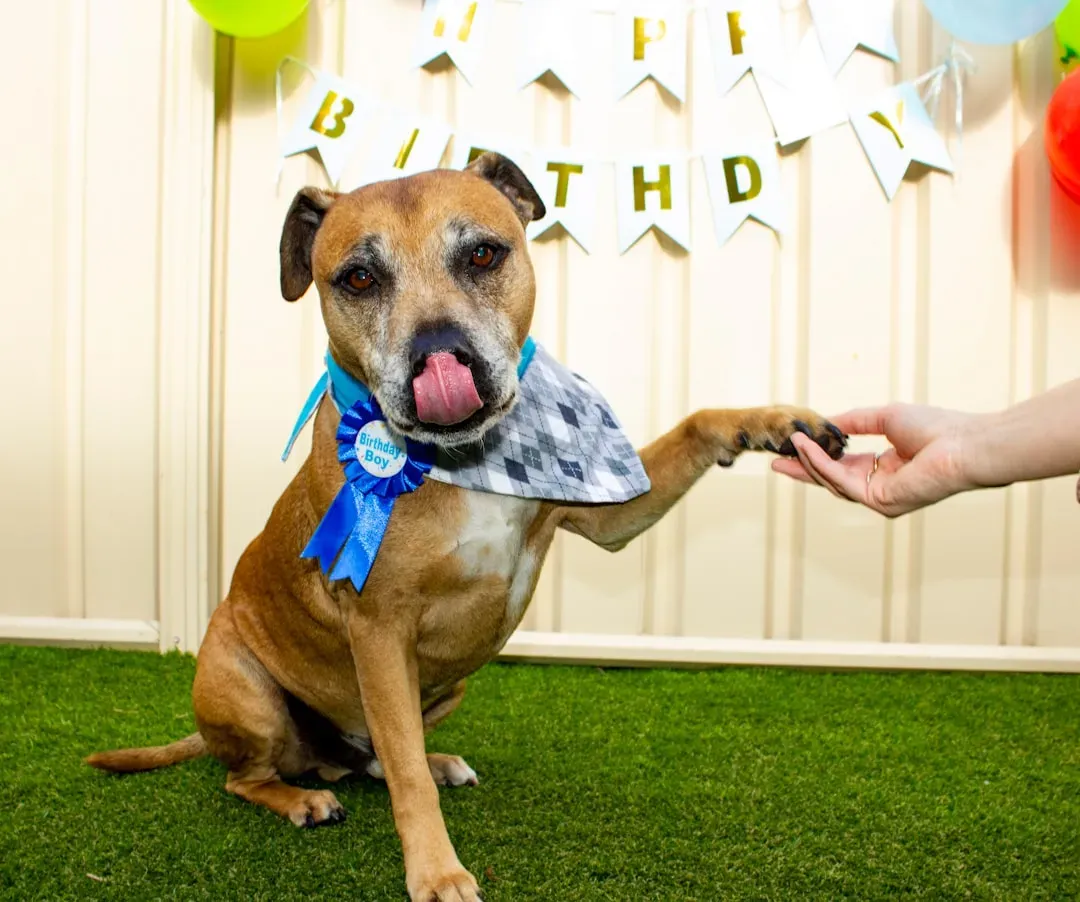
That dramatic, rippling shake from nose to tail is more than just a cute quirk. When a dog shakes off after stress, muscles from the neck to the back and legs contract and release in a rapid wave. This full-body movement likely helps break up lingering tension that built up during the stressful encounter, similar to how a person might stretch or roll their shoulders after a tough meeting.
Some experts compare it to hitting a reset button: the shake marks a transition from “I was dealing with something” to “I am done with that now.” You’ll often notice that after a good shake, a dog will literally move on – sniff the ground, trot away, or re-engage in play. It’s as if their body has signaled to their brain that the incident is over and it’s safe to refocus on the present moment.
What Dog Body Language Tells Us Before and After a Shake
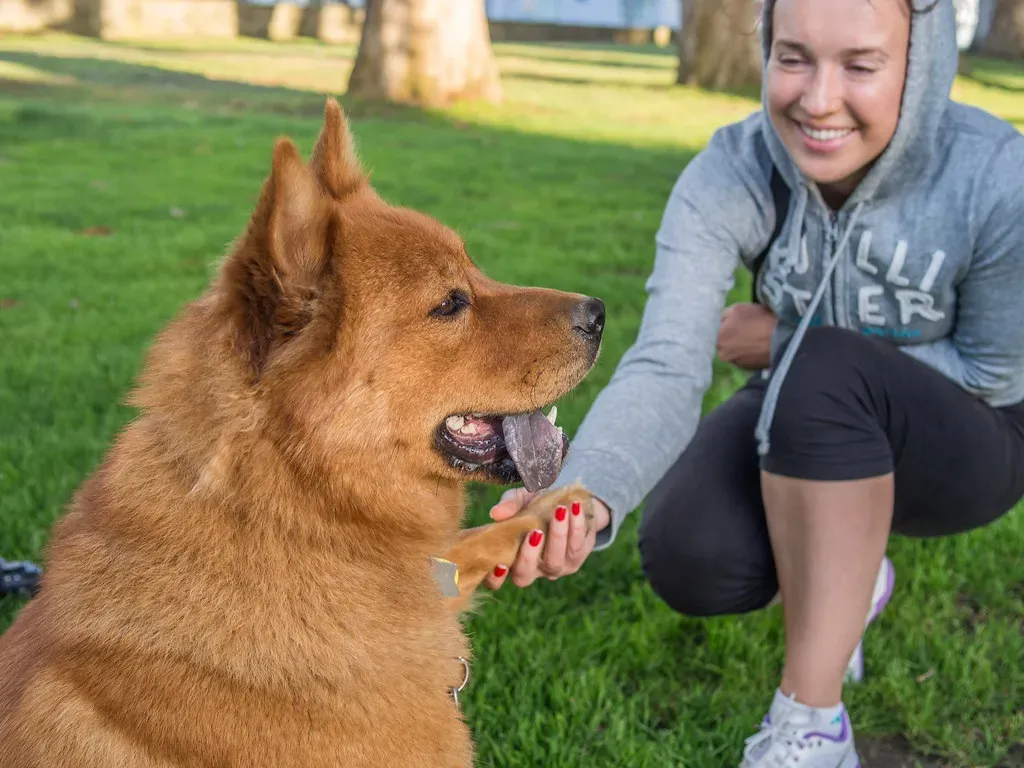
If you pay close attention, the shake-off is rarely an isolated behavior. It often comes wrapped in other body language clues. Before the shake, you might see pinned ears, a stiff tail, lip licking, yawning, turning the head away, or a slightly hunched posture – signs that the dog is uneasy or under social pressure. The whole body can look a bit compressed, like a spring that’s been wound too tight.
After the shake, there’s usually a visible change. The dog may stand more loosely, their tail softens, their face looks less tight, and their movements appear more fluid and relaxed. The contrast can be subtle but powerful. For anyone living with a dog, noticing that “before and after” moment is like watching stress come and go in real time – and it can teach you when your dog needs space, support, or a change of environment.
Stress, Cortisol, and the Hidden Cost of Staying Wound Up
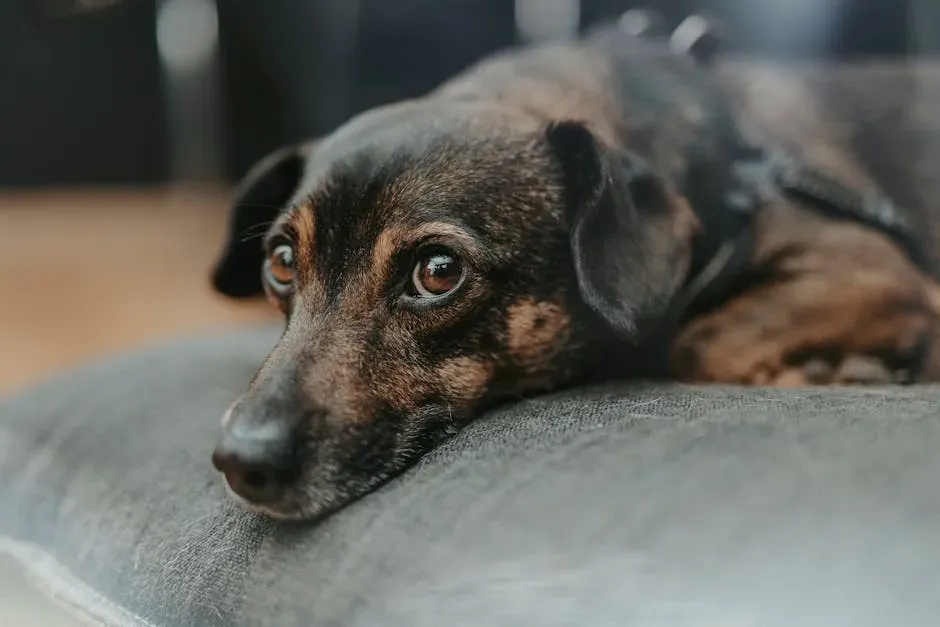
Under the surface of that quick shake-off, a lot is happening in your dog’s body chemically. When dogs encounter something stressful, their adrenal system responds by releasing hormones like adrenaline and cortisol. This is helpful in the short term because it prepares them to react quickly and stay alert, but it becomes a problem if the dog stays in that activated state for too long or too often.
Chronic stress – constantly elevated cortisol over time – can contribute to issues like digestive upset, sleep problems, irritability, and reduced resilience in general. That is why these tiny self-regulating gestures matter. A behavior that helps nudge the system back down after a stressful spike, like a shake-off, could be one of the many small ways a dog protects themselves from the wear and tear of daily emotional ups and downs.
Shake-Offs as Displacement and Conflict Behaviors
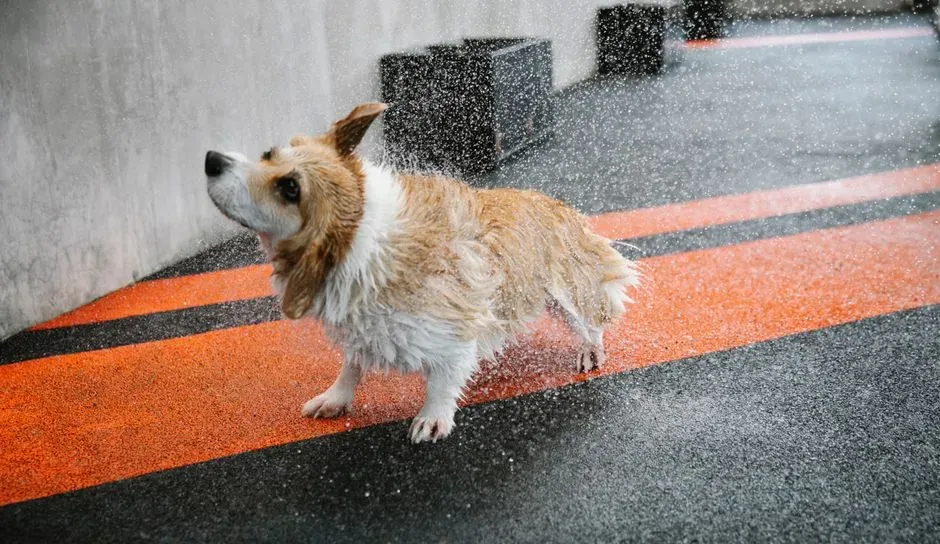
In animal behavior science, actions like shaking off can sometimes be described as displacement behaviors. These are behaviors that appear slightly out of place for the situation, and they often show up when an animal is feeling conflicted or uncertain. Instead of directly confronting the problem or running away, the dog does something seemingly random – like sniffing the ground, yawning, or shaking off.
When a dog shakes off after a tense greeting or a mild scolding, they might be navigating an internal tug-of-war: part of them wants to engage, another part wants to avoid. The shake-off can serve as a safe, non-confrontational way to manage that conflict. It allows the dog to release some emotional steam without escalating the situation, which is actually an incredibly adaptive and socially safe strategy.
When a Shake-Off Is Healthy – and When It Might Signal Trouble
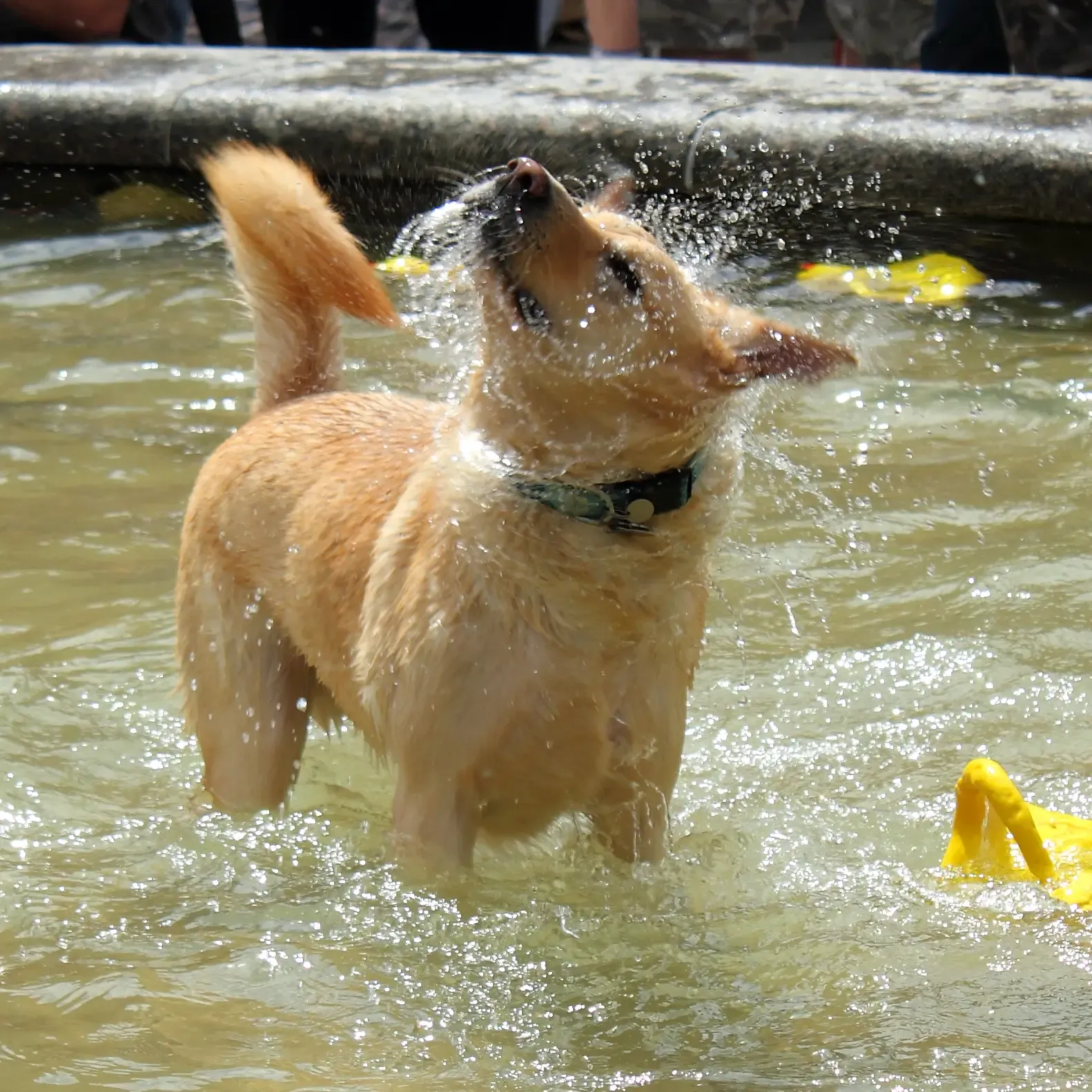
Seeing your dog shake off every now and then after a loud noise, an awkward social interaction, or a quick scare is usually a healthy sign. It shows that your dog is not getting stuck in the stress response – that they have tools to settle themselves. In fact, if you occasionally notice a shake-off after something mildly tense, you can almost take it as evidence that your dog is emotionally processing and moving on.
However, if you start seeing frequent, intense shake-offs in all kinds of ordinary situations, especially paired with other signs like constant tension, avoidance, or reactivity, it might point to a dog who is living with a higher-than-ideal stress load. In those cases, a shake-off can still be a coping strategy, but the sheer number of times it appears may suggest the environment, routine, or interactions need adjusting, possibly with help from a qualified trainer or veterinary behavior professional.
What This Behavior Teaches Us About Empathy and Timing
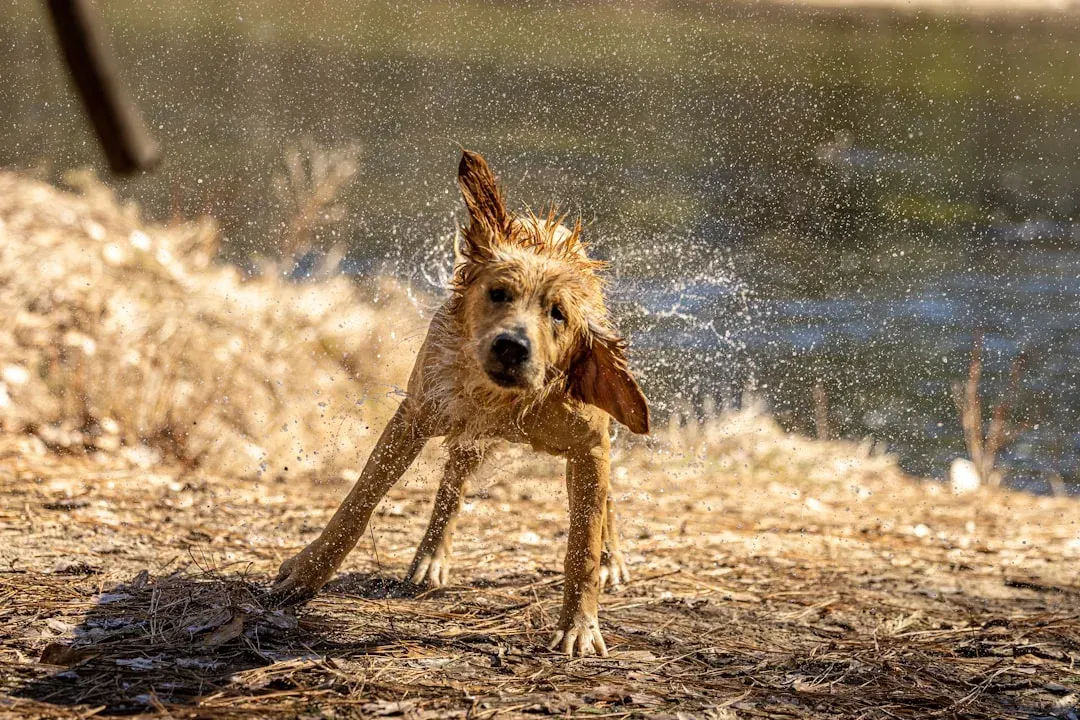
One of the most powerful things about learning what a shake-off means is that it quietly invites us to be more empathetic. Instead of seeing your dog as being “dramatic” or “overreacting,” you start to see a sensitive creature doing their best to handle emotional waves with the tools they have. That small shake becomes a message: something just felt like a lot, and they’re trying to deal with it.
It also teaches you about timing. If your dog shakes off right after you hug them tightly or insist on a greeting with a stranger, that is priceless feedback. Maybe you give them more choice next time, more space, or more gradual introductions. Over time, responding thoughtfully to these signals can deepen trust and create a more cooperative relationship, where your dog feels heard even though they never say a word.
On a personal note, once I started paying attention to shake-offs, I realized how often I’d been missing my own dog’s stress signals. I used to think she was just being “weird” after meeting new dogs, but really she was saying, in the only language she has, that she needed a second to reset. It changed the way I saw her, and honestly, it made me question how many “little” stress signs I ignore in humans around me too.
Practical Ways Owners Can Support Emotional Resets
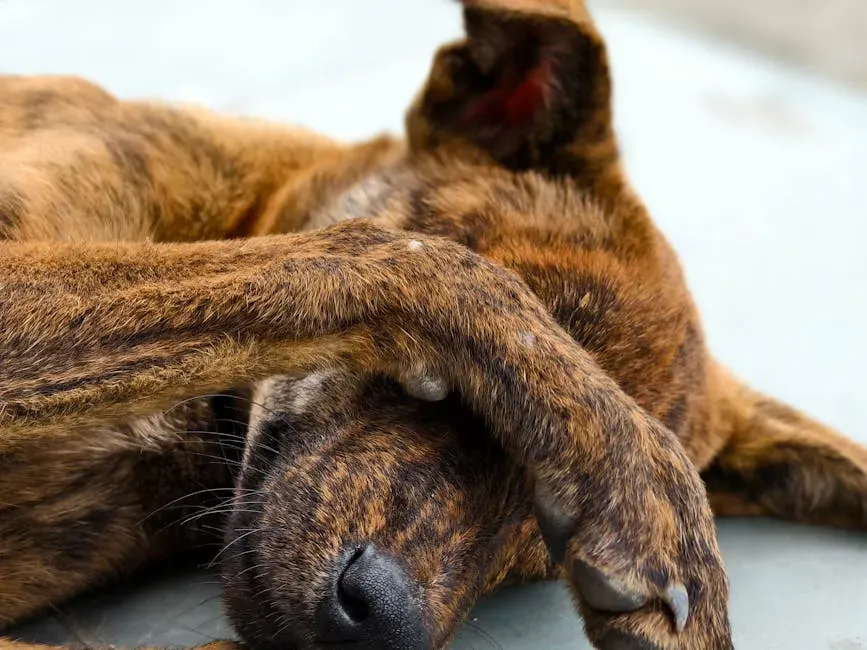
When you see your dog shake off after a stressful encounter, the first and most important thing you can do is simple: let them have that moment. Do not interrupt, restrain, or rush them back into whatever just happened. Give them a bit of space, maybe step slightly aside or soften your own body posture, so they can complete that reset without extra pressure.
Afterward, guide them toward something calming and predictable – sniffing, gentle walking, a familiar toy, or a quiet spot. Over time, you can also adjust your dog’s world to reduce unnecessary stress spikes in the first place: avoiding chaotic dog parks if they hate them, advocating for them during greetings, and building positive, slow exposures to things that worry them. Supporting their emotional resets is not about bubble-wrapping them; it is about respecting that stress is real for them and helping their nervous system recover well.
Why Understanding Shake-Offs Can Improve Training and Behavior Work
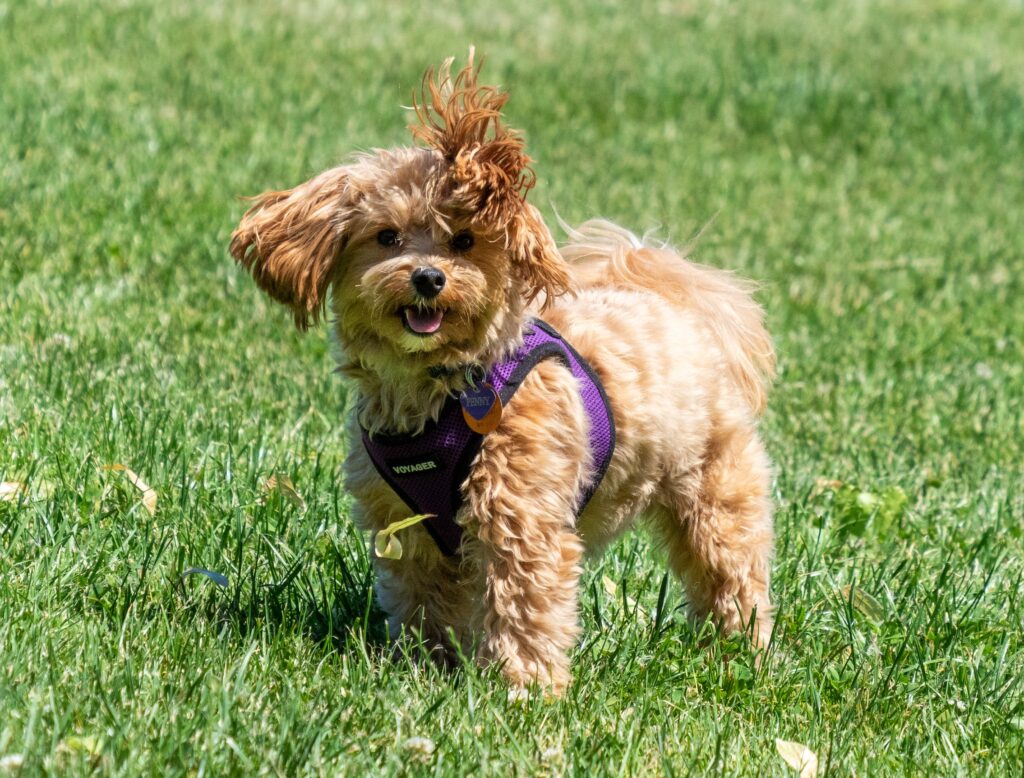
If you are working on training or behavior issues, watching for shake-offs can completely change how you pace your sessions. A dog who suddenly shakes during a training exercise may be telling you they hit their mental limit for that moment. Instead of pushing harder, that is often the perfect time to take a short break, make the task easier, or end on a small success and walk away.
Trainers and behaviorists who pay close attention to these subtle stress signs can catch overwhelm much earlier and avoid tipping dogs into full-blown fear or reactivity. In my opinion, this is where modern, humane training shines: it does not just focus on whether the dog performs the behavior, but also on how the dog feels while learning. Respecting the shake-off as a meaningful emotional reset is part of treating dogs as sentient individuals, not furry robots.
What Dogs’ Shake-Offs Reveal About Our Own Stress Habits
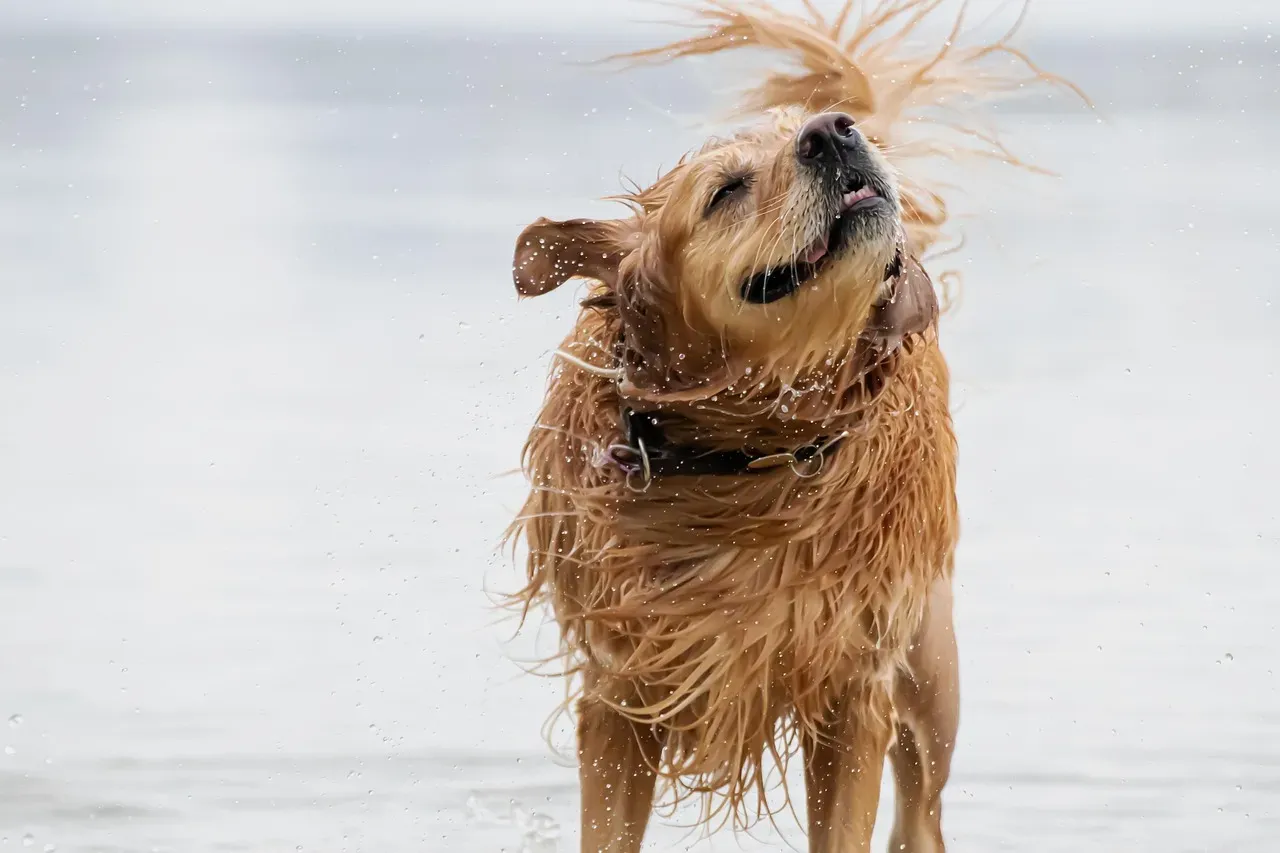
Once you know what you are looking at, it is hard not to see a bit of yourself in your dog’s shake-off. Humans do our own versions: deep sighs after a tense phone call, pacing after an argument, vigorous stretching after a stressful day. We might not whip our whole bodies like a wet retriever, but the idea is the same – our bodies are trying to help us offload emotional noise and come back to center.
There is something strangely grounding about watching a dog handle stress in such a simple, embodied way. No overthinking, no replaying the moment a hundred times in their head, no doomscrolling – just a shake, a breath, and then moving on. In a world where many of us stay stuck buzzing with anxiety for hours or days, that tiny, instinctive reset is almost enviable. It makes you wonder what would change if we started honoring our own need to “shake off” more, physically and emotionally.
Conclusion: A Small Gesture With Big Emotional Meaning
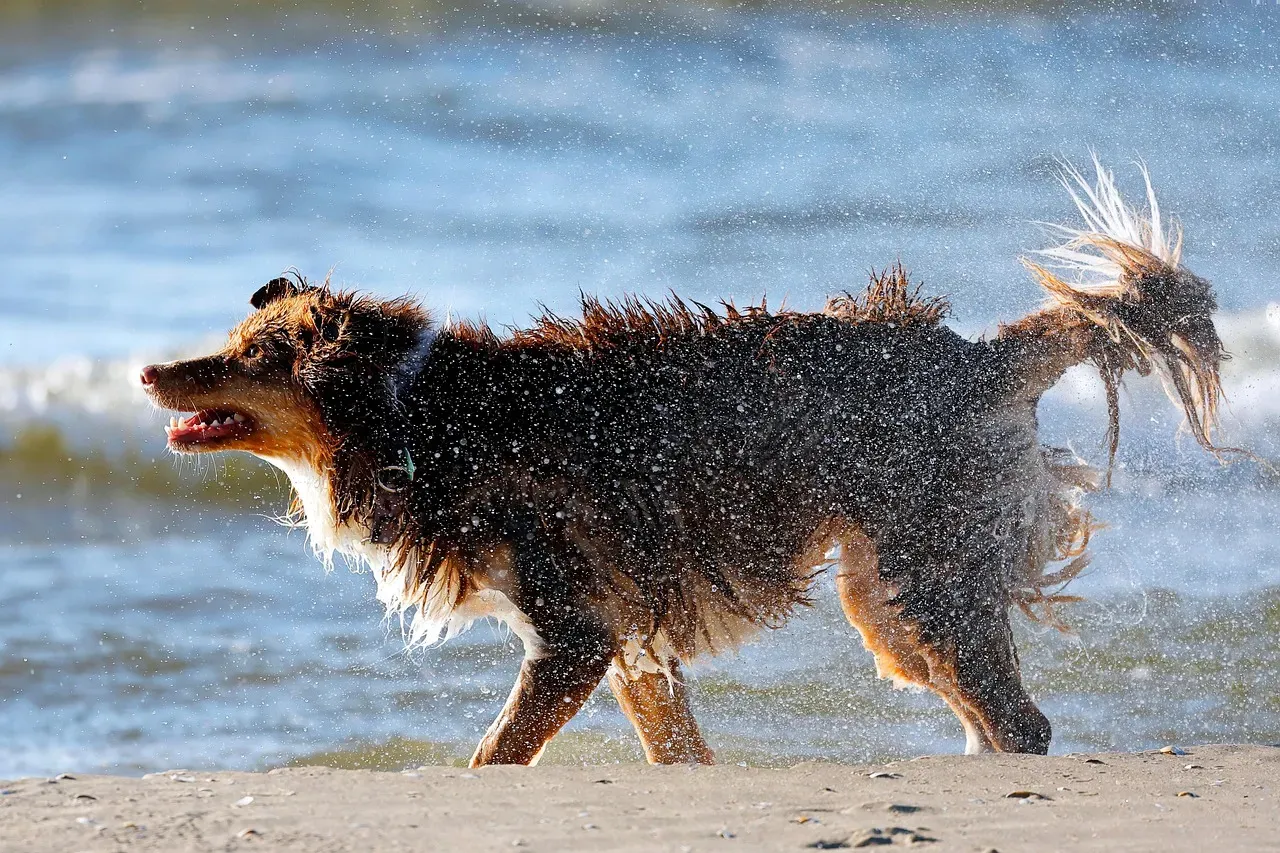
Dry shake-offs might look like a throwaway behavior, but when you put them in the context of animal psychology, they feel more like a window into your dog’s inner world. I think we underestimate how sophisticated their emotional self-regulation really is, partly because it shows up in such humble, easily overlooked gestures. That single, dramatic ripple through their fur can mark the moment they decide to let something go and move forward.
Owning a dog will always come with a bit of guesswork, but paying attention to shake-offs is one of those rare times when the guess becomes clearer. In my view, taking this behavior seriously is not overanalyzing – it is choosing to respect your dog’s emotional life, even when it shows up in just a second or two of movement. Next time your dog shakes off after a strange encounter, will you see it as nothing, or as a tiny, powerful act of resilience you are lucky enough to witness?


