
9 Things Senior Dogs Do Differently Long Before Their Daily Routine Changes
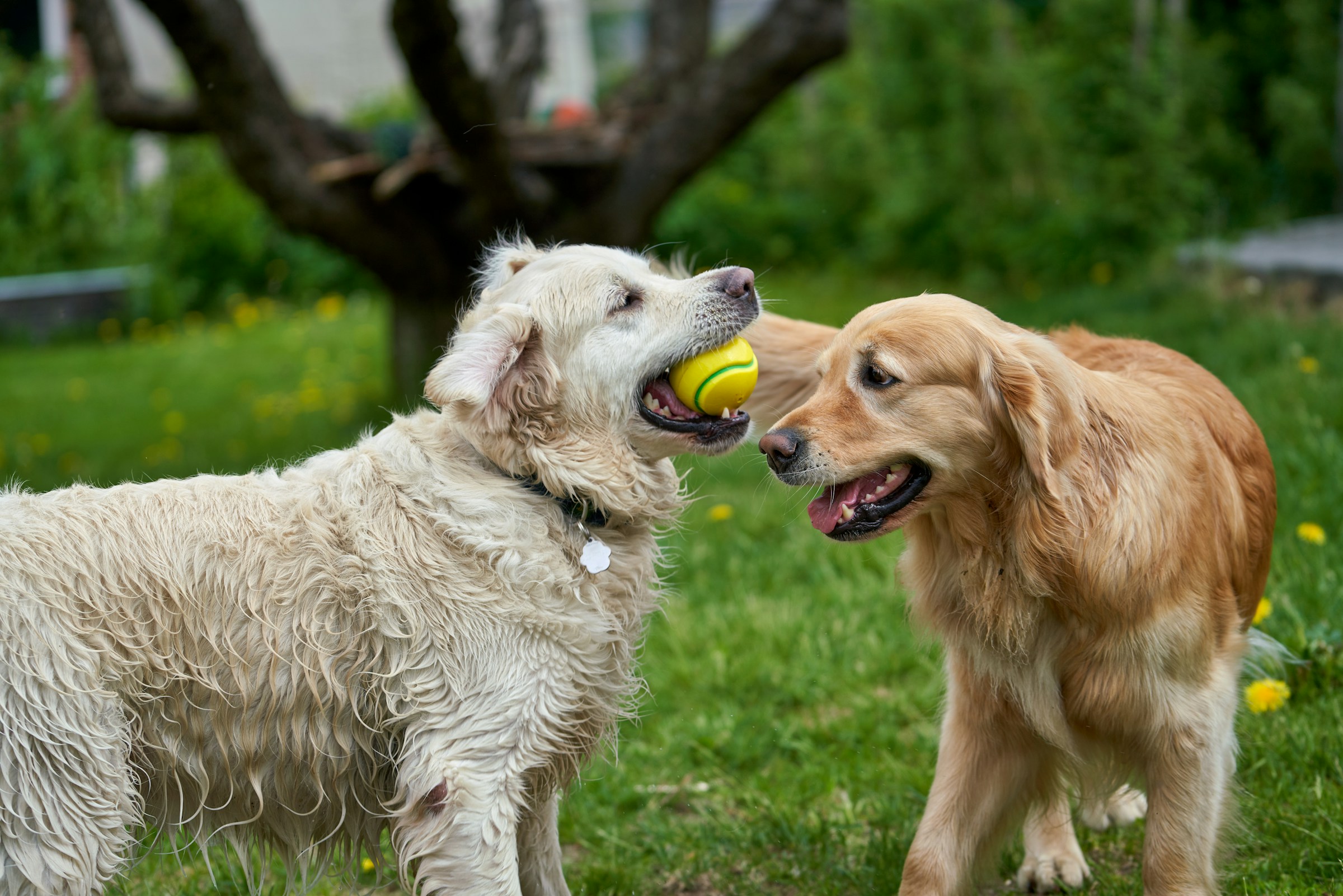
If you live with an older dog, you already know this: they rarely wake up one morning and suddenly feel “old.” The real shift is quieter and more emotional, woven into tiny moments you almost miss at first. Their walk schedule stays the same, their food bowl still clinks at the usual time, but something in the way they move, look at you, or react to the world begins to change.
What makes this phase so powerful – and honestly, a little heartbreaking – is that senior dogs often start acting differently long before their official routine ever budges. You still go on the same evening walk, yet your dog lingers a little longer at the corner. You still toss the ball, but they watch it roll away instead of chasing it. These are the whispers of aging, not the loud sirens. Once you know how to read them, you can step in earlier with comfort, vet care, and extra love – exactly when it matters most.
1. They Become Quiet Observers Instead Of Constant Explorers
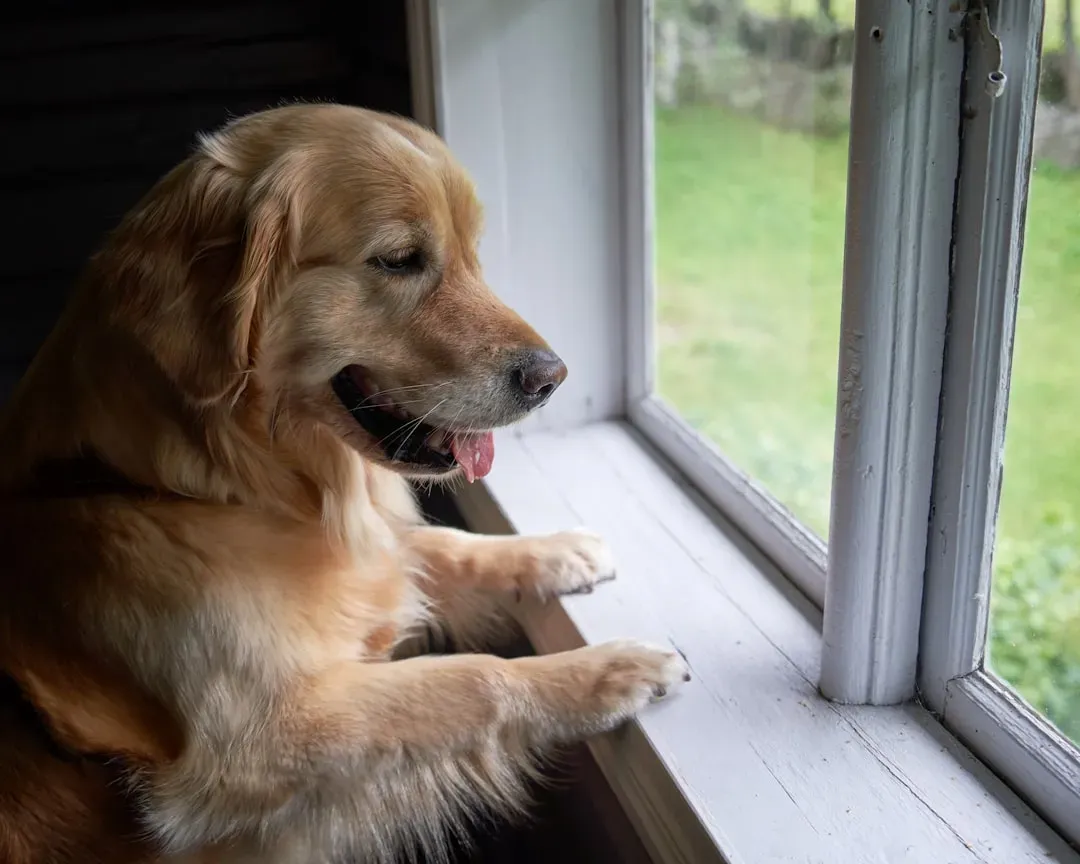
One of the earliest changes many people notice is not in how far their dog walks, but in how intensely they explore. A younger dog might zigzag on a walk like a tiny, furry detective, sniffing every leaf and lamppost as if it holds state secrets. A senior dog, even while keeping the same walk schedule, may slow their curiosity, pausing only for a few especially interesting smells and then simply standing there watching the world.
It is like they shift from being the hero of the story to the narrator. They may spend more time sitting at a window, not whining or pacing, just calmly taking everything in like a retired traveler who has finally decided the best view is from the porch. This quieter, more observational way of being is not necessarily sadness or depression; it can be a kind of aging wisdom. Their brain is still engaged, but the urge to constantly seek out new things fades into a softer interest in what is already familiar.
2. Their Social Filters Get Much Stronger
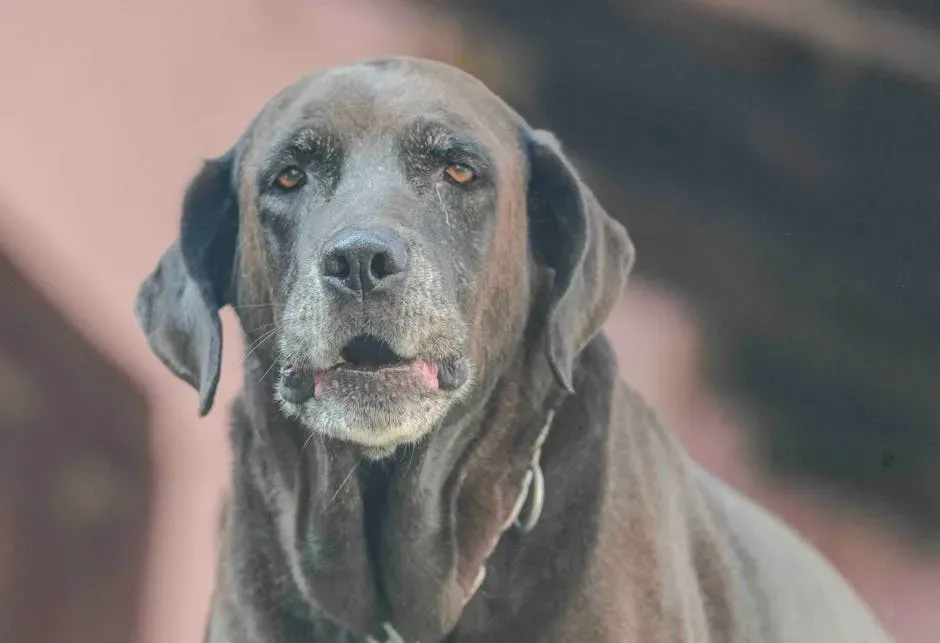
Senior dogs often get pickier about who and what they interact with, long before they sleep more or eat less. A dog who once flung themselves at every new person in the park may start hanging back, watching carefully before deciding whether a greeting is worth the effort. With other dogs, especially bouncy youngsters, they might opt out completely, turning away or giving a clear “no thanks” body signal like a head turn or walking behind you.
This change can feel startling if you are used to your dog being the life of the party, but it is usually their way of protecting their physical comfort and emotional energy. Just like older humans might skip crowded concerts in favor of quiet coffee with a close friend, senior dogs often prefer calm, predictable company over chaos. Their circle shrinks, but their loyalty deepens; they may become more attached to “their” people and less interested in everyone else.
3. They Start Choosing Comfort Over Excitement
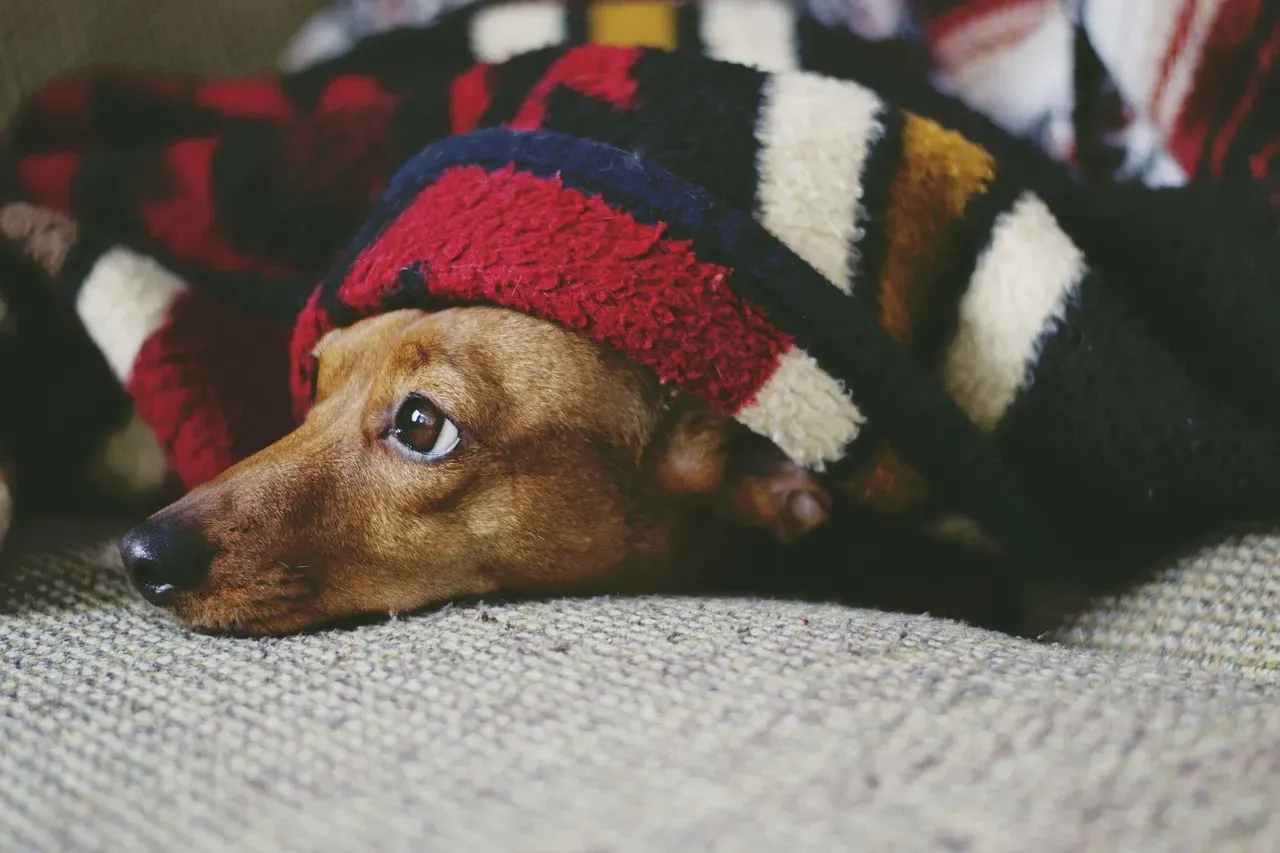
Before an older dog sleeps more during the day or stops jumping on the couch, you might notice something subtler: they start picking the softer, easier, more predictable options. Given the choice between playing tug and curling up on a plush bed near you, they may increasingly choose the bed – even if the tug toy was once their absolute, tail-wagging obsession. Their routine walks happen at the same times, but maybe they stick to the smoother path and avoid the steep hill they used to love.
This shift toward comfort is often an early sign of sore joints, slower recovery, or simple fatigue that is not yet extreme enough to change the clock on their schedule. They might still follow you from room to room, but instead of leaping up after you instantly, they take a second to decide whether it is worth getting off that cozy spot. It is not laziness. It is an older body negotiating with an older brain and deciding that peace, softness, and predictability sometimes beat thrills.
4. Their Play Style Becomes Gentler And Shorter
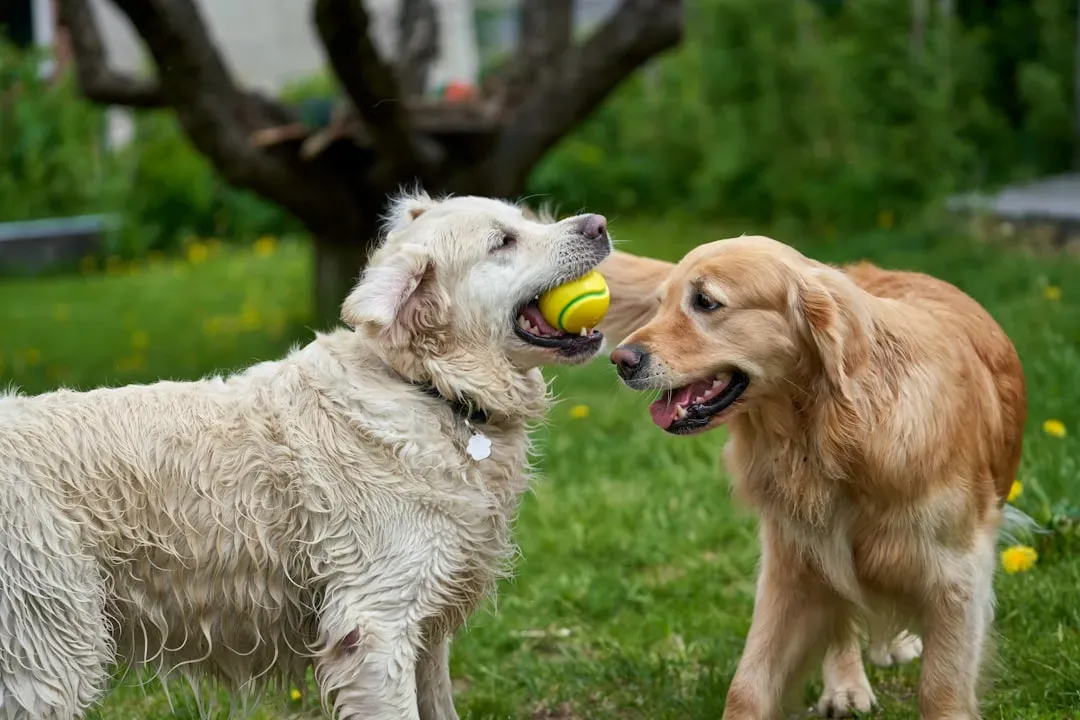
Senior dogs rarely stop playing altogether right away; they just change how they play. Fetch sessions that used to feel endless might shrink dramatically, even if you take them out at the same time every afternoon. You might throw the ball five times and notice that after the second or third toss, your dog brings it back and then lies down with it instead of demanding another round like an overcaffeinated athlete.
They may also switch to games that use their brain more than their muscles. Instead of sprinting after a frisbee, they might enjoy calm nose-work games where you hide treats around the living room or let them gently chase a toy at their own pace. The pattern here is key: the routine of “we play after dinner” remains, but the flavor of that play shifts. It is as if they are telling you, very politely, that they still want the connection, just not the high-impact version.
5. Their Sleep Patterns Shift In Quality, Not Just Quantity
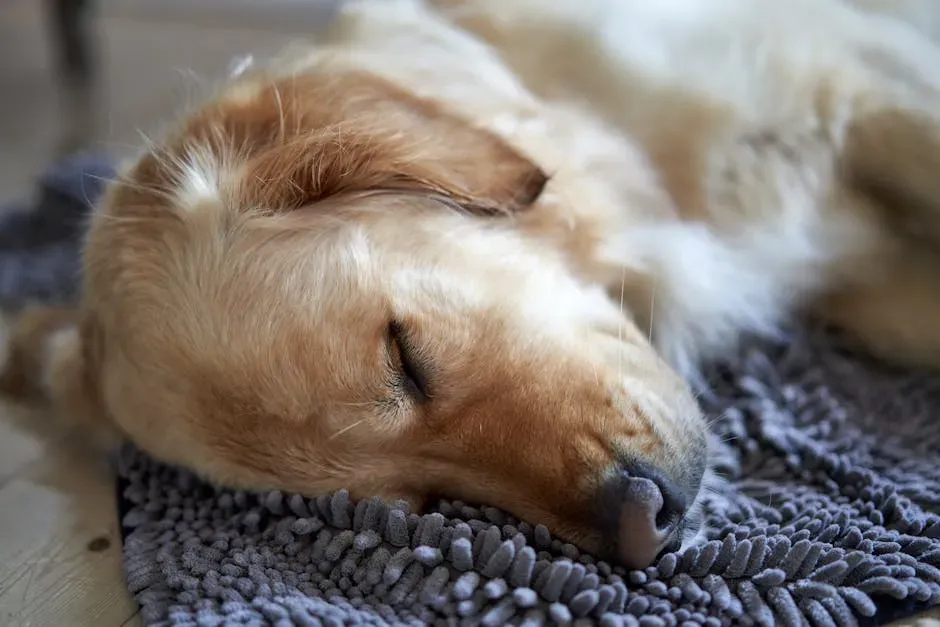
Even before they start obviously sleeping more, senior dogs can sleep differently. You might see them wake more easily at night, pacing a bit, changing spots, or needing to readjust like someone who cannot quite get comfortable in bed anymore. During the day, they may take more frequent but lighter naps, dozing near you with one ear always half-listening, instead of flopping into that deep, dream-filled puppy sleep.
Sometimes this is tied to physical discomfort, and sometimes to mild age-related changes in the brain, just like older humans who wake more often at night. You might also notice more vivid dreaming or small twitches and little grumbles when they sleep, as if their brain is replaying old adventures while the body does less. The clock on the wall has not changed – their morning and evening routine still looks the same – but their rest is more broken into shorter, delicate fragments.
6. They Communicate Their Needs More Directly
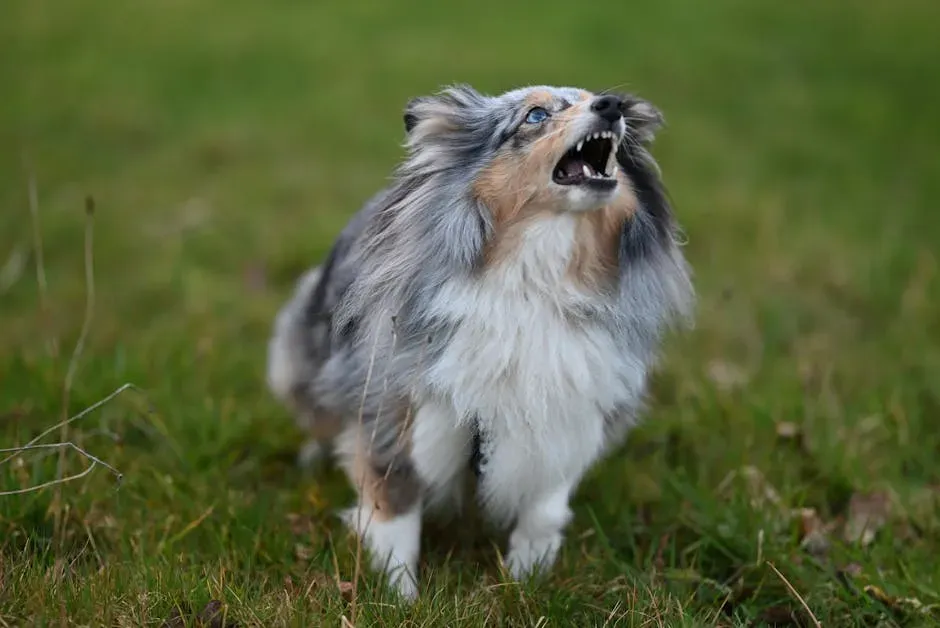
As dogs age, they often lose patience for subtlety. A senior dog is far more likely to give you a very clear look or sound when they want something: a sharp little bark at the door when they are ready to come back inside, a firm paw on your leg when they are done with cuddles, or a pointed stare at the water bowl if it is not up to their standards. This can happen long before you switch to shorter walks or special diets.
I have seen older dogs become almost bossy in a charming way, like an opinionated grandparent who is no longer afraid to send back cold soup at a restaurant. They may be less flexible about delays – if dinner is usually at six and you are late, they might hover near the kitchen, pacing or sighing dramatically. These behaviors can sound demanding, but they are also incredibly useful clues. A senior dog who suddenly becomes more vocal or insistent is often trying to tell you about changes in pain, anxiety, or comfort that their old, easygoing self used to brush off.
7. They Develop New Little Quirks And Habits
Before the big, obvious changes in routine, many senior dogs quietly pick up new micro-habits that feel random at first. Maybe your dog starts standing in doorways for a moment as if they are thinking about where to go next, or they begin circling a bit more before lying down. Some dogs become more attached to one particular toy or blanket, carrying it from room to room like a child with a favorite stuffed animal.
Other quirks may look more mental than physical, such as hesitating at shadows on the floor, being startled by things that never bothered them before, or repeating small actions like checking the same corner twice. While some of these changes can point to cognitive decline, many are just the brain trying to adapt to slower processing and fading senses. The structure of the day stays the same, but inside that structure, your dog’s little rituals shift in ways that are easy to miss unless you are really paying attention.
8. Their Responses To Noise And Movement Change
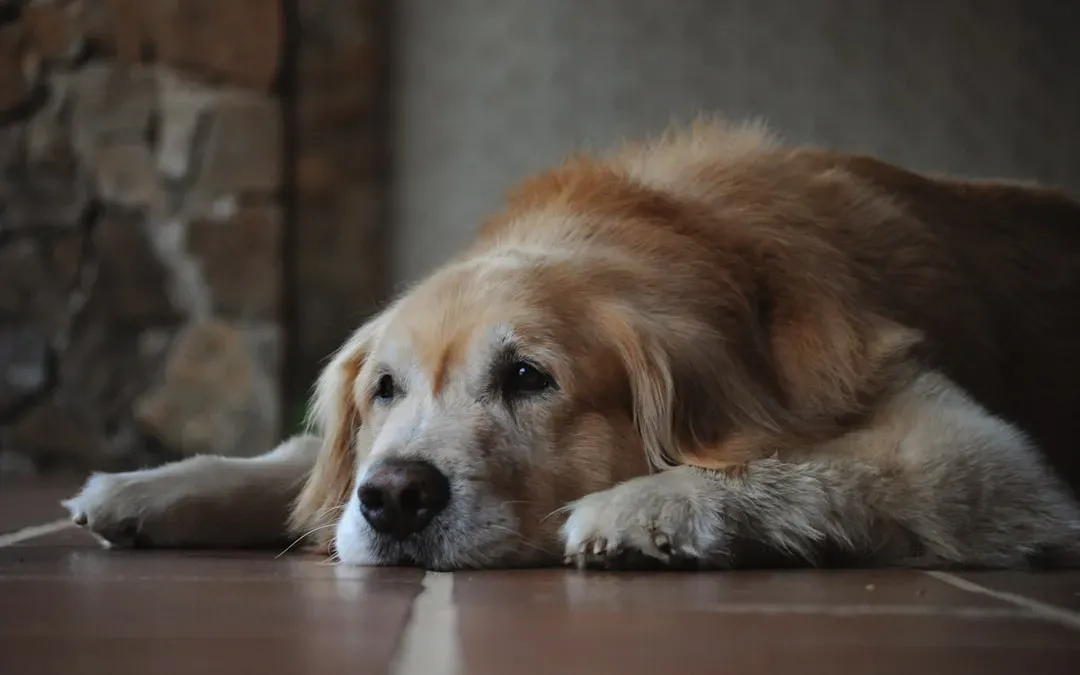
Hearing and vision changes in senior dogs often show up in behavior long before a vet formally calls it hearing loss or reduced eyesight. You might notice that your dog no longer startles when you open a snack bag in the kitchen, or they sleep through noises that would have launched them off the couch years ago. On the flip side, they might startle more at sudden movements close to their face because they do not see them coming as clearly.
These shifts can make them seem “stubborn” when you call their name and they do not respond, or “jumpy” when you walk past and they flinch a little. In reality, they are just navigating the world with slightly dimmer headlights and muffled speakers. The walk still starts at the same time, and you still grab the leash from the same hook, but maybe you have to step a little closer, use more touch, or rely on consistent hand signals so they understand what is happening.
9. They Cling A Little Closer To Their Favorite People
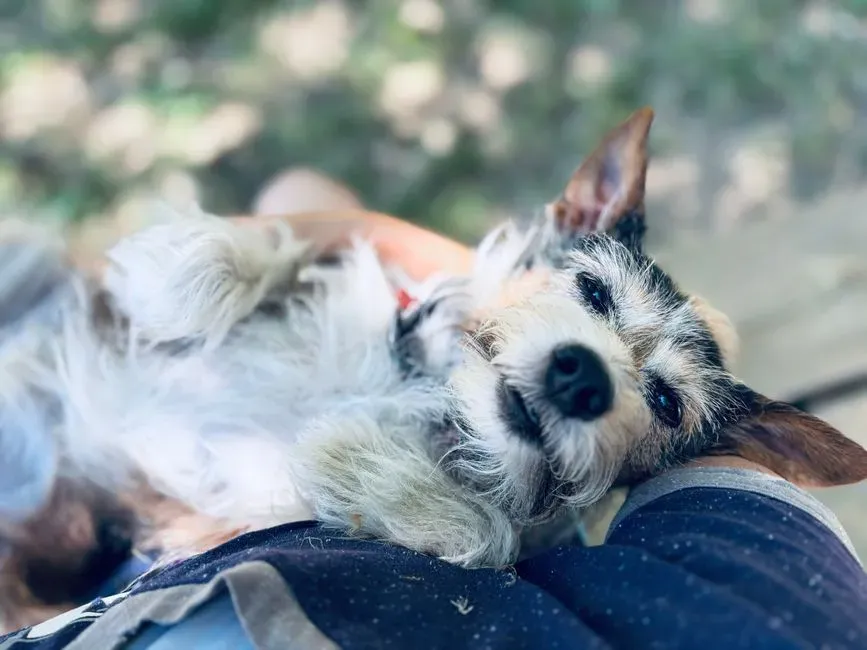
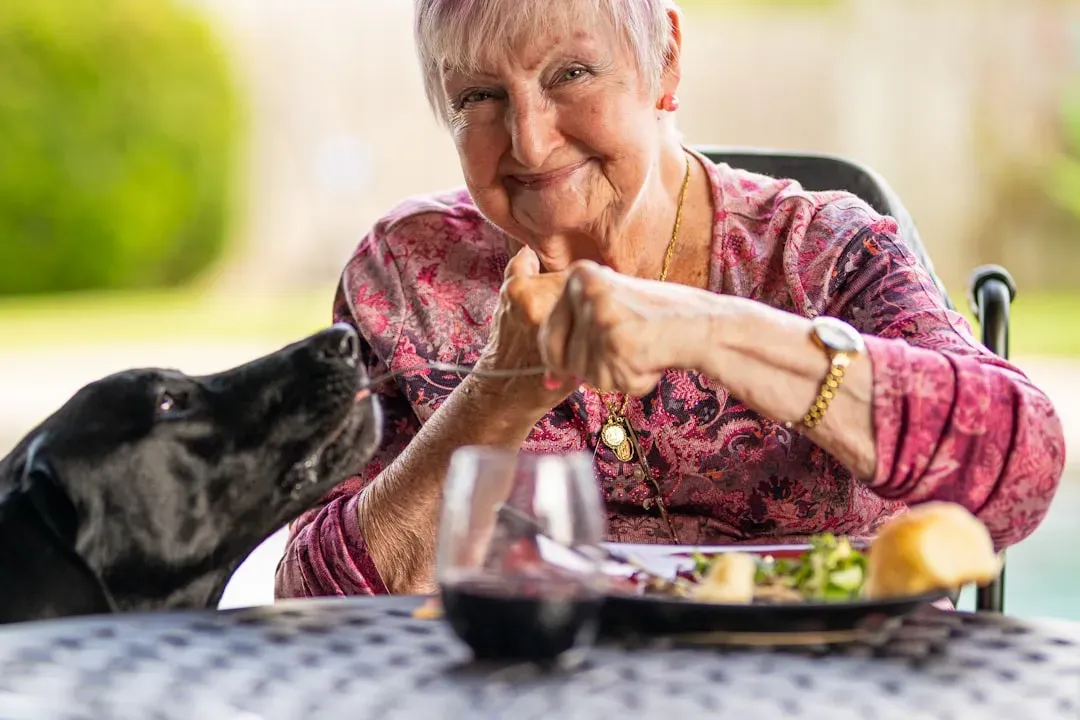
One of the most touching early changes is how senior dogs often deepen their attachment to the people they trust most. They may follow you with a little more determination or rest their body against your leg more often, as if anchoring themselves. They might move their bed closer to your bedroom or lie in doorways where they can keep track of everyone, not out of separation panic but out of a gentle, almost nostalgic need to be near their family.
From the outside, the daily routine still looks identical: same feeding times, same park, same couch. But within that pattern, your dog might start using you as their emotional home base more than ever. Aging can be confusing and sometimes a bit scary for them – less reliable joints, fuzzier senses, slower reflexes – so they do what almost any of us would do in that position: they lean hard into the person who has always been there. It is one of the clearest, most beautiful signals that their world is changing, even if the clock on the wall says nothing has.
Conclusion: Listening To The Quiet Changes Before The Loud Ones
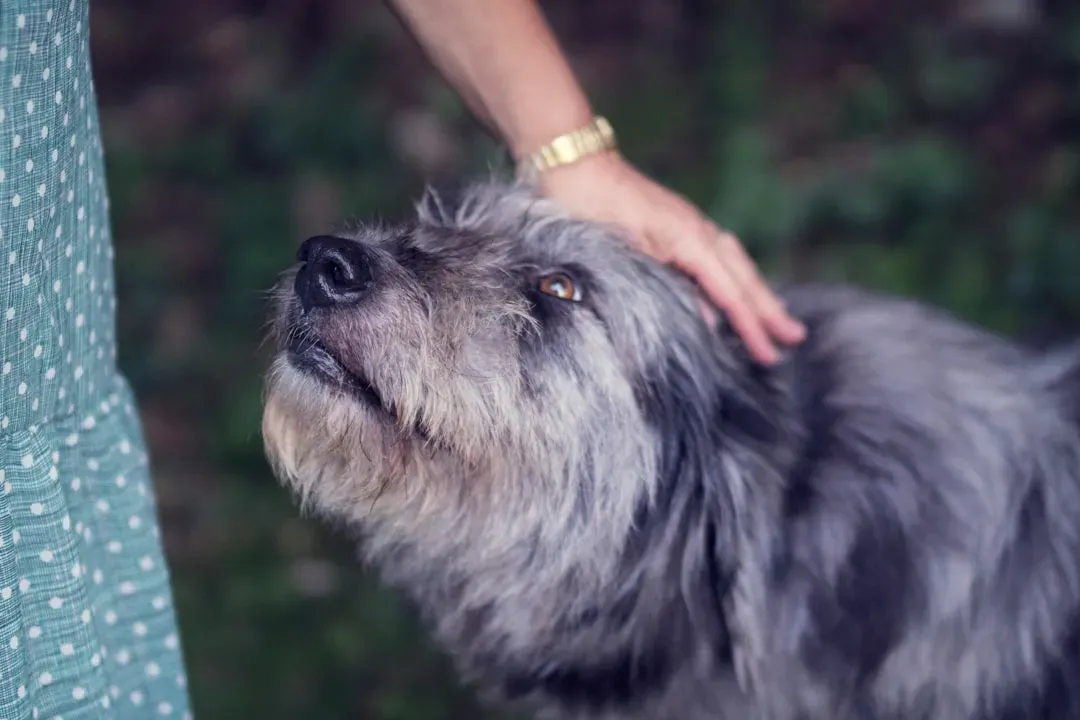
I am convinced that the biggest heartbreak with senior dogs is not that they age; it is that they age so softly we often realize it only in hindsight. Their daily routine can look “normal” on paper while their body and brain are slowly renegotiating every piece of it behind the scenes. When we learn to notice these early, subtle changes – the gentler play, the pickier social life, the extra clinginess, the new little quirks – we are not just being sentimental; we are giving ourselves a head start on helping them feel safe and comfortable.
There is a quiet kind of responsibility in loving an older dog: to pay attention, to adjust before they struggle, and to honor every small signal as meaningful instead of brushing it off as them just being weird. That might mean adding a soft ramp before they refuse the stairs, booking a vet check when they suddenly avoid rough play, or simply sitting down on the floor more often so they do not have to climb up to reach you. Our dogs rarely complain out loud, but they are always telling us something with their behavior. The real question is, now that you know what to look for, what will you start noticing in your senior dog that you might have missed yesterday?