
8 Things Your Dog Does When They Watch You Leave – And Why the Answer Will Change How You Say Goodbye Forever
You probably think you’re just grabbing your keys and heading out, but to your dog, that tiny daily ritual is a whole emotional movie. There’s the stare, the pacing, the sigh, maybe a toy dragged across the room like a prop in a breakup scene. It can feel dramatic, but under all of that is something simple and powerful: you are their whole world, and watching you walk out the door actually changes how their body and brain are working in that moment.
Once you really understand what your dog is doing and feeling when you leave, it becomes almost impossible to treat goodbyes as an afterthought. You start to notice tiny details in their body language, the way they move, the way they refuse to move, and suddenly “See you later” takes on a deeper meaning. Let’s break down eight common things dogs do as you head out, what science and behavior research suggest is going on underneath, and how knowing this can completely change the way you say goodbye forever.
1. The Intense Doorway Stare
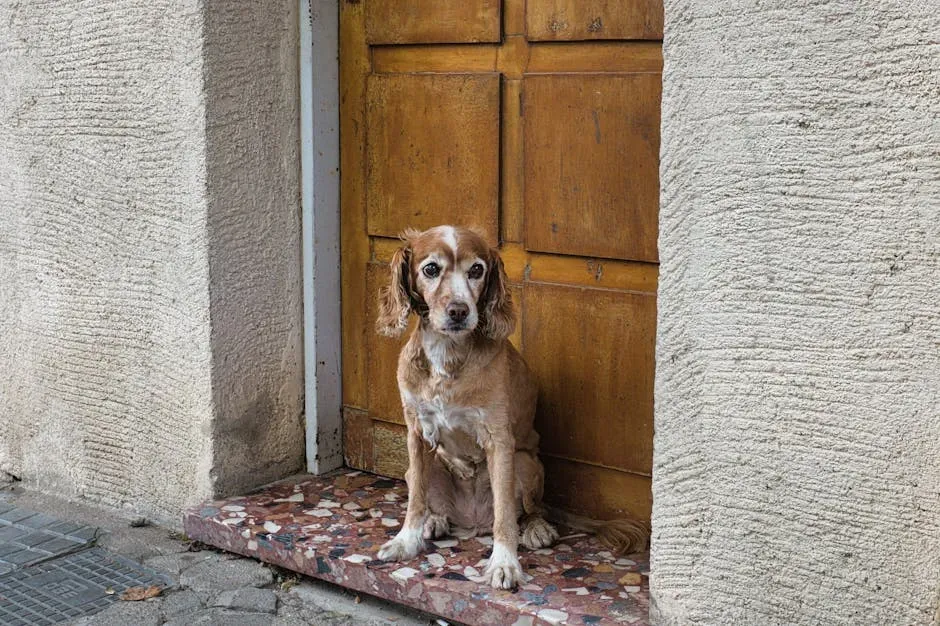
That look your dog gives you as you slip on your shoes or reach for the door is not just random eyeballing. Dogs are exceptionally good at watching human faces, and many learn that your tiny pre-departure rituals – grabbing a bag, putting on perfume, checking your phone – all predict you leaving. So that intense stare is your dog trying to read you like a book, scanning for clues about how long you’ll be gone and whether this is going to feel like a big deal or just a quick blip.
Emotionally, that stare is often a cocktail of curiosity, concern, and hope. Some dogs are quietly pleading for reassurance, others are simply trying to figure out the pattern so they can feel more in control. When you pause to meet that gaze, speak calmly, and keep your voice low and steady, you’re not just being sweet – you’re helping their nervous system shift from “alert and confused” to “this is predictable, and I’m safe.” The more consistent and calm your goodbye, the less that stare is loaded with worry over time.
2. Following You from Room to Room
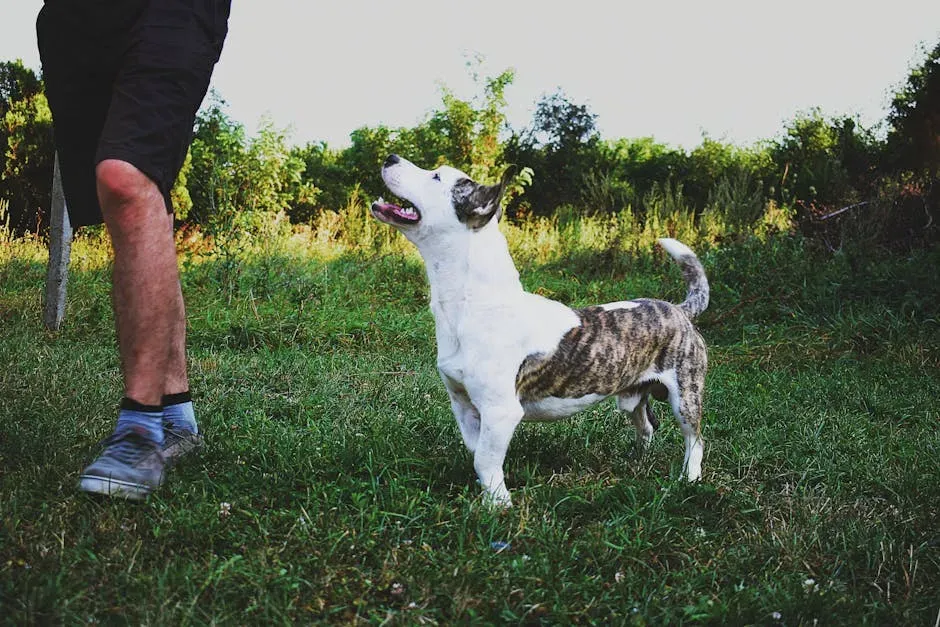
If your dog turns into a tiny shadow the second you start getting ready to go, that’s not them being clingy for no reason. Dogs are social animals whose survival, historically, depended on staying close to their group. When they sense you’re about to disappear, sticking to you like Velcro is their way of trying to keep the “pack” together. It’s also a little last-minute attempt to see if your plan might change – as if standing right under your feet could somehow convince you to stay.
On the inside, this trailing behavior can be fueled by mild anxiety, curiosity, or just habit. Over time, many dogs learn that following you leads to extra attention, one more pat, or a tossed treat before you leave. You can actually use that to their advantage: by calmly giving a small reward when they follow you to their bed or a specific spot instead of to the door, you teach them that “separation prep” ends in a predictable, safe place. That small shift can transform a panicked shadow into a dog who trots to their cozy corner when they see you picking up your keys.
3. The Sudden Freeze or “Statue Dog” Act
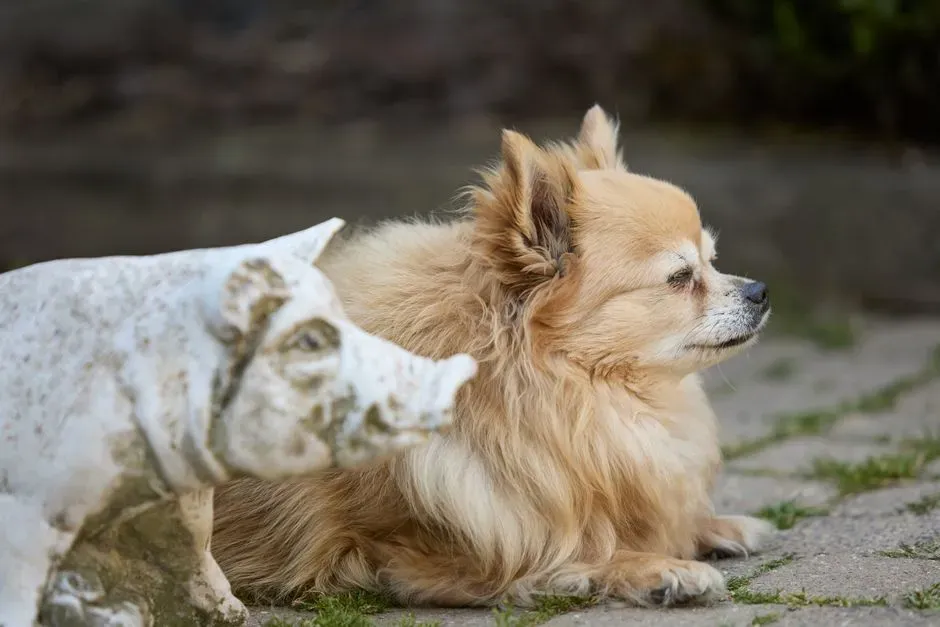
Some dogs go the opposite way: instead of pacing or following, they just stop. Maybe they lie down on the rug with their head on their paws, or sit perfectly still and watch like a statue while you move around. At first glance, this can look like indifference, but often it’s a quiet coping strategy. Freezing is one of the ways animals handle stress when they’re not sure what to do next; it’s like their body hits pause while their brain catches up.
This stillness can also mean your dog has learned that making a fuss doesn’t change the outcome. They have accepted that you go, and you come back, even if they still feel a little uncomfortable about it. When you recognize this “calm but concerned” posture, you can support it by keeping your goodbye routine low-key and short. A brief, gentle word or touch is enough; dragging out the farewell with lots of drama can actually stir up feelings they had just managed to settle down.
4. Pacing, Whining, or Restless Circling
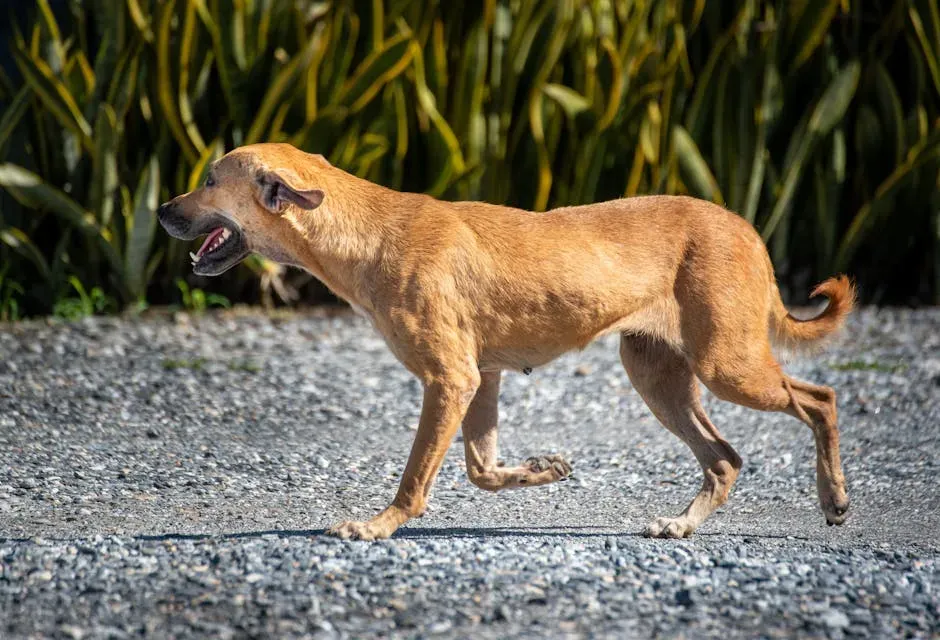
On the more obvious side of the emotional spectrum, there’s the dog who starts pacing, whining, or doing little circles when you get ready to leave. This is often a sign that their arousal level is climbing – heart beating faster, breathing changing, brain switching into a “What’s happening? What does this mean?” mode. For some dogs, this is mild nervous anticipation. For others, especially those with separation issues, it’s the first visible wave of real distress.
This is where your behavior has a huge impact. If you rush around, curse at your keys, slam the door, or repeatedly come back and forth, you accidentally confirm that leaving is a chaotic, high-stakes event. By contrast, if you keep your movements smooth, your voice neutral, and your pattern consistent, your dog gradually learns that this restless window always ends the same way: you go, they settle, and you return. Pairing your departure cues with something predictable and pleasant – like a long-lasting chew they only get when you leave – can slowly dial that pacing down to a quiet sigh and a nap.
5. Bringing You a Toy at the Last Second
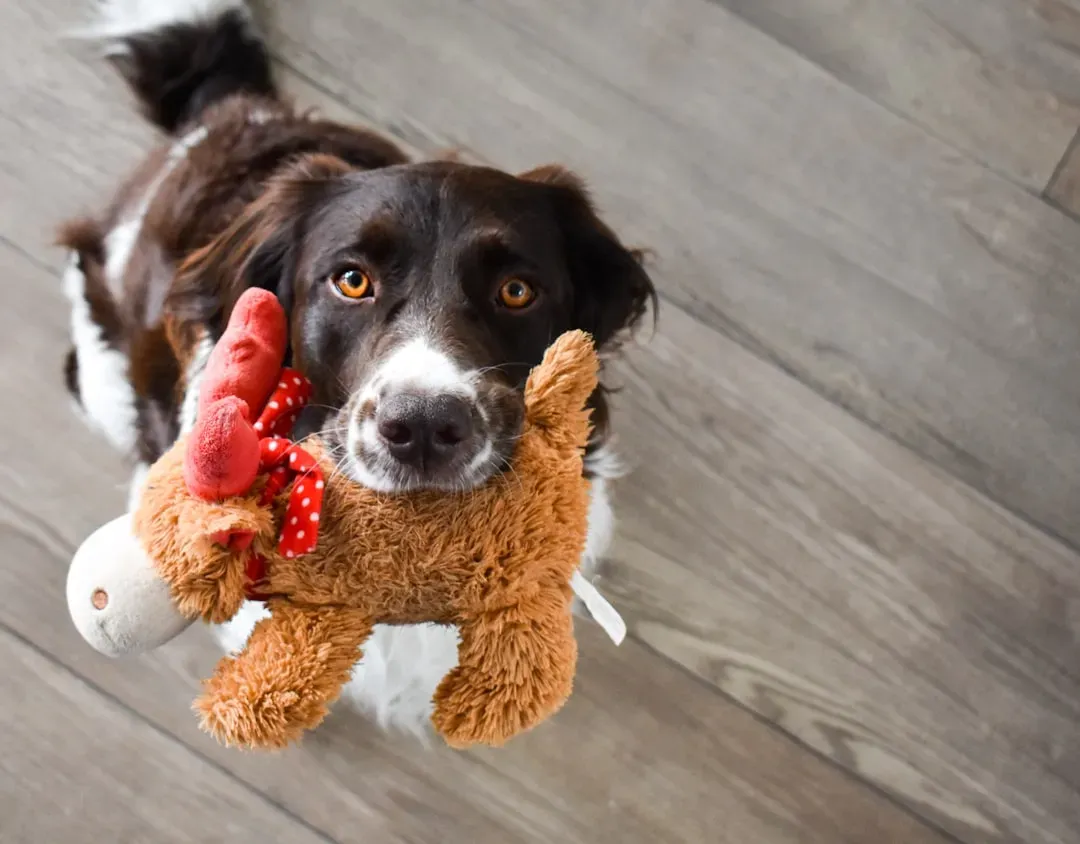
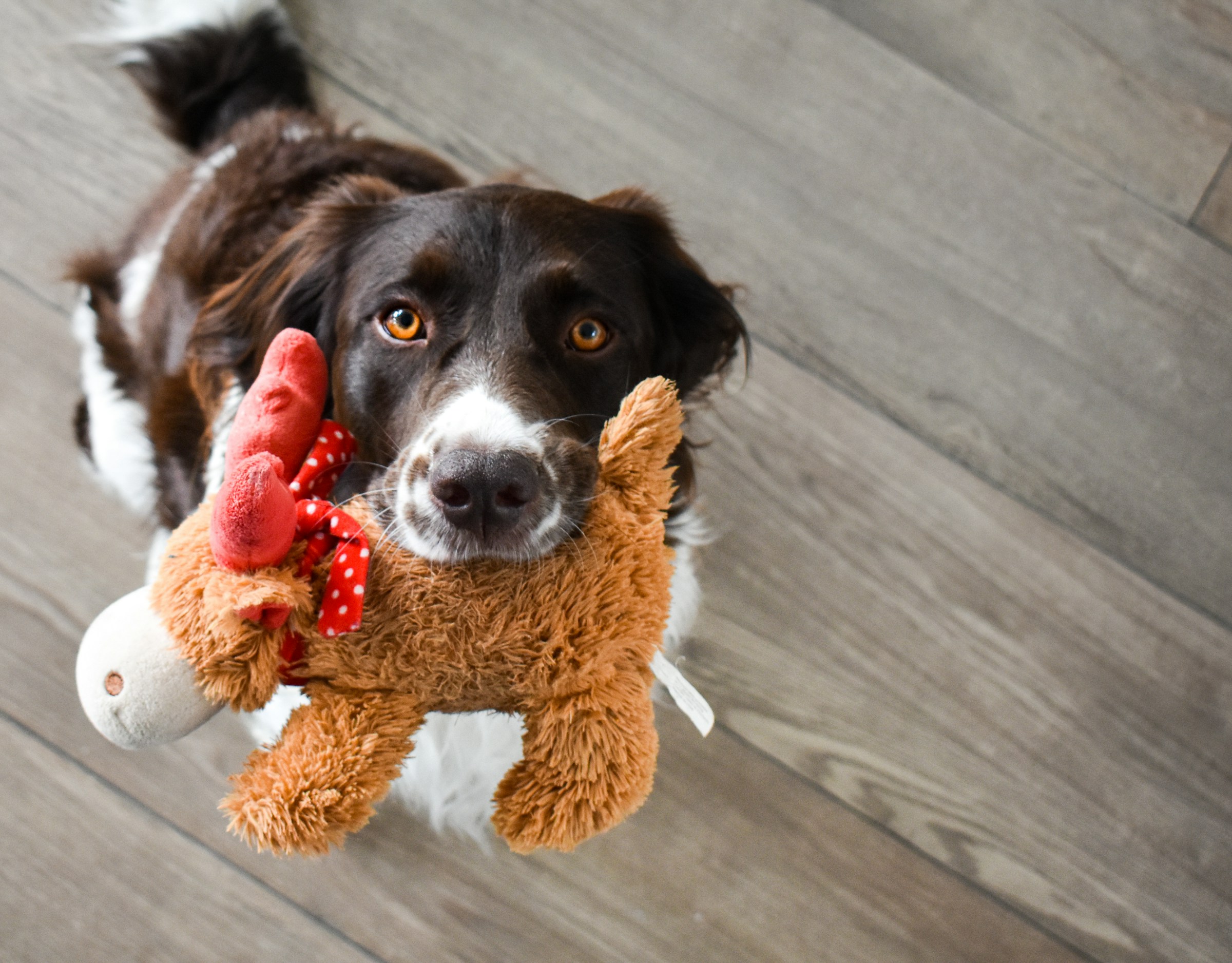
That moment when your dog rushes over with a toy as you’re halfway out the door can feel like they’re begging for one more game, and sometimes that’s exactly what it is. Dogs quickly learn that toys get your attention, and attention is their favorite currency. When they sense you pulling away, they may try one last strategy they know has worked hundreds of times before: look, here’s your shoe, your rope, your squeaky duck, stay and play.
But there’s another layer here that’s easy to miss. For some dogs, grabbing a toy is a self-soothing behavior, almost like a child clutching a stuffed animal. The toy carries your scent, your shared play memories, and the feeling of fun and safety. Letting them keep that toy or giving them a special “goodbye object” can help them bridge the gap between “you’re here” and “you’re not.” Just be careful not to turn those last seconds into a full-blown hype session; a gentle word and a calm pat as they hold their prize can keep things comforting instead of amped up.
6. Avoiding Eye Contact or Walking Away
It can sting when you say goodbye and your dog suddenly turns away, goes to their bed, or avoids looking at you. It’s easy to think they do not care, but a lot of animals actually use avoidance when they feel uneasy or conflicted. Your dog may be trying to manage their own stress by seeking a spot that feels safe, or they might have learned that big emotional scenes at the door make them feel worse later. So they preemptively check out, like someone who leaves the party early before the sad songs start.
In many cases, this is a sign of a dog who has become more secure with your comings and goings. They know you leave and you return, and they rely on that rhythm enough to choose their own “goodbye routine.” Respecting that choice – not chasing them down for a hug when they clearly want space – can actually strengthen their trust. You can quietly reinforce their calm independence by dropping a treat in their bed spot as you walk past, turning your farewell into a quiet ritual that matches their mood instead of yours.
7. Watching from the Window After the Door Closes
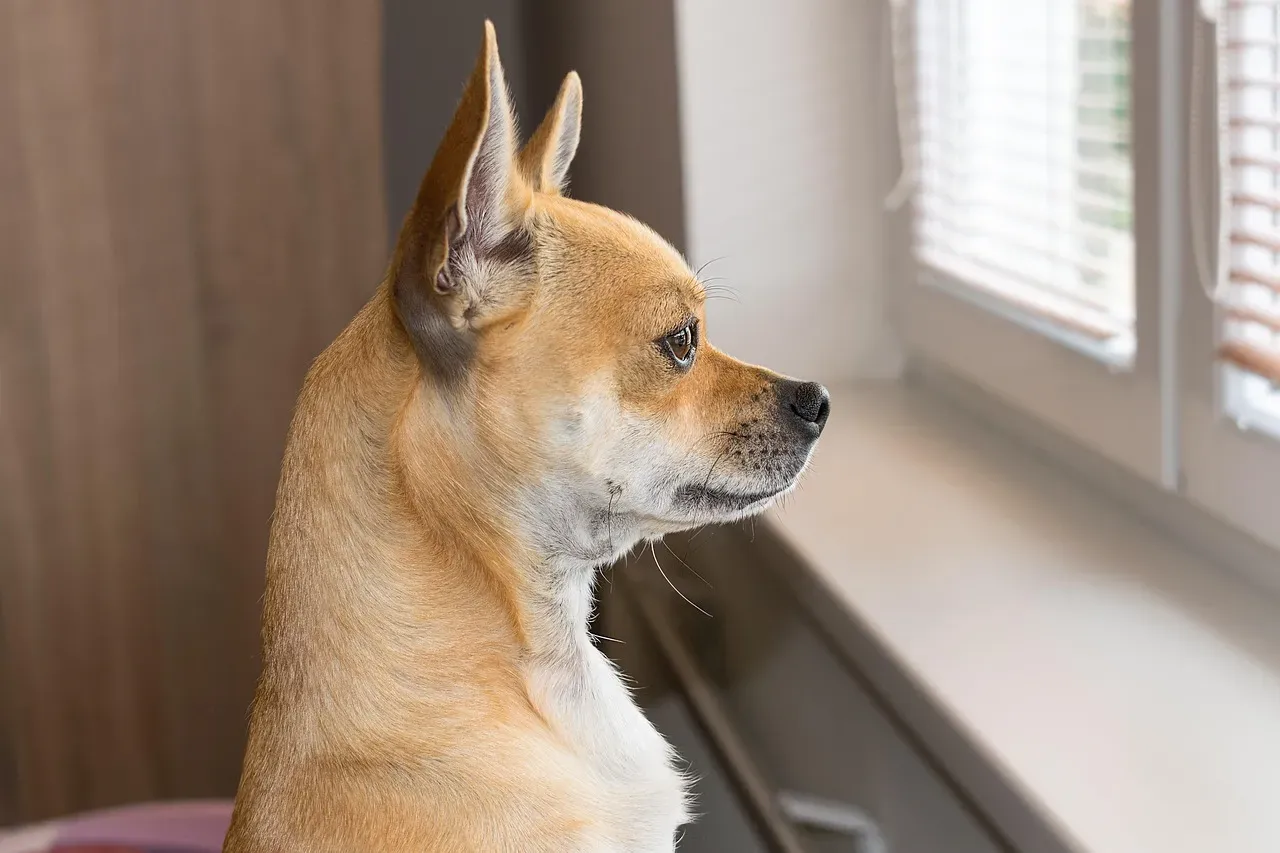
For many dogs, the real emotional moment isn’t when you say goodbye inside; it’s when they see or hear the final proof that you’re gone. They rush to the window, listen for your car, or watch you walk down the street until you disappear. This post-door vigilance shows just how closely they track your movements and how strongly your presence structures their world. Their internal clock is starting right then, timing how long until you come back.
Some dogs quickly move from the window to a favorite resting place, while others linger, checking repeatedly. You can help them transition by making sure what happens right after you leave is predictable and pleasant: soft music, a food puzzle that takes real effort, or a comfy, consistent resting area. Over time, your dog learns that “the sound of the door + the sight of you leaving” equals “my special routine starts now,” not “panic and wait at the glass for hours.” That mental shift is huge for their overall stress levels and well-being.
8. The Deep Sigh and Curling Up Once You’re Gone
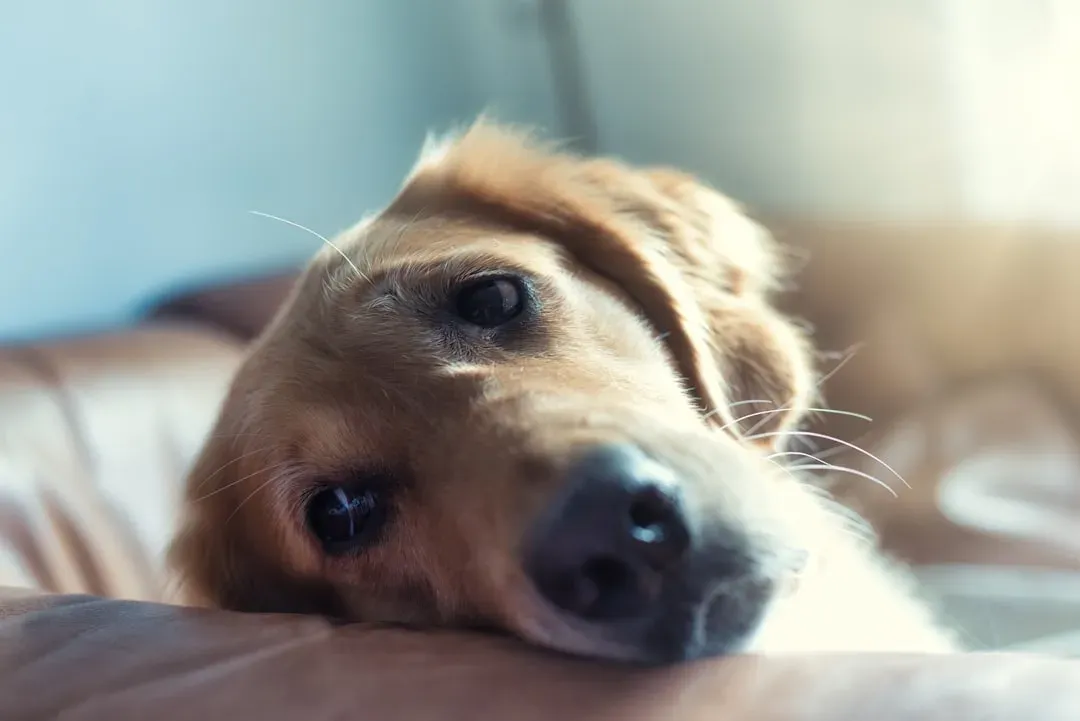
If you’ve ever watched your dog on a camera after you leave, you might have seen that long exhale followed by them curling up in their favorite spot. That sigh is more than just dramatics; it’s a sign that their body is resetting. After the mild buildup of “Are you really going? Is this happening?” their nervous system starts to come down again. Heart rate eases, breathing deepens, and their brain moves from “watch and worry” to “rest and wait.”
Here’s the part that can truly change how you say goodbye: dogs who can reliably reach this calm, curled-up stage after you leave are often the ones who have been given predictable, low-drama departures over time. By keeping farewells short, pairing them with something enjoyable, and not turning reunions into chaotic explosions, you teach your dog that separation is just another normal rhythm of life. Your goodbye becomes less of an emotional cliff and more of a gentle step, which means that sigh is not heartbreak – it is relief.
Conclusion: Why Your Goodbye Matters More Than You Think
Once you start noticing these little rituals – the stare, the following, the toy offering, the quiet retreat – it becomes obvious that your dog is not just passively watching you leave. They are actively trying to manage their feelings, read your signals, and make sense of a world where the person they adore sometimes disappears. In my view, we owe it to them to meet that effort halfway, not with guilt or over-the-top drama, but with calm, consistent kindness and routines that help their nervous system feel safe.
Changing the way you say goodbye does not mean you never leave or that you turn every departure into a big emotional speech. It means you treat those moments as part of your relationship, not background noise: a soft word, a predictable ritual, something comforting left behind, and a reunion that feels happy but not overwhelming. When you do that, you’re not just easing your own worry; you’re teaching your dog that even in the small heartbreak of a closed door, they are still secure and loved. Next time your hand touches the doorknob, will you see that moment as a rush to get out, or as a tiny daily chance to love your dog better?