
10 Things a Rescue Dog Does in the First 30 Days – And Why It Has Nothing to Do With Settling In
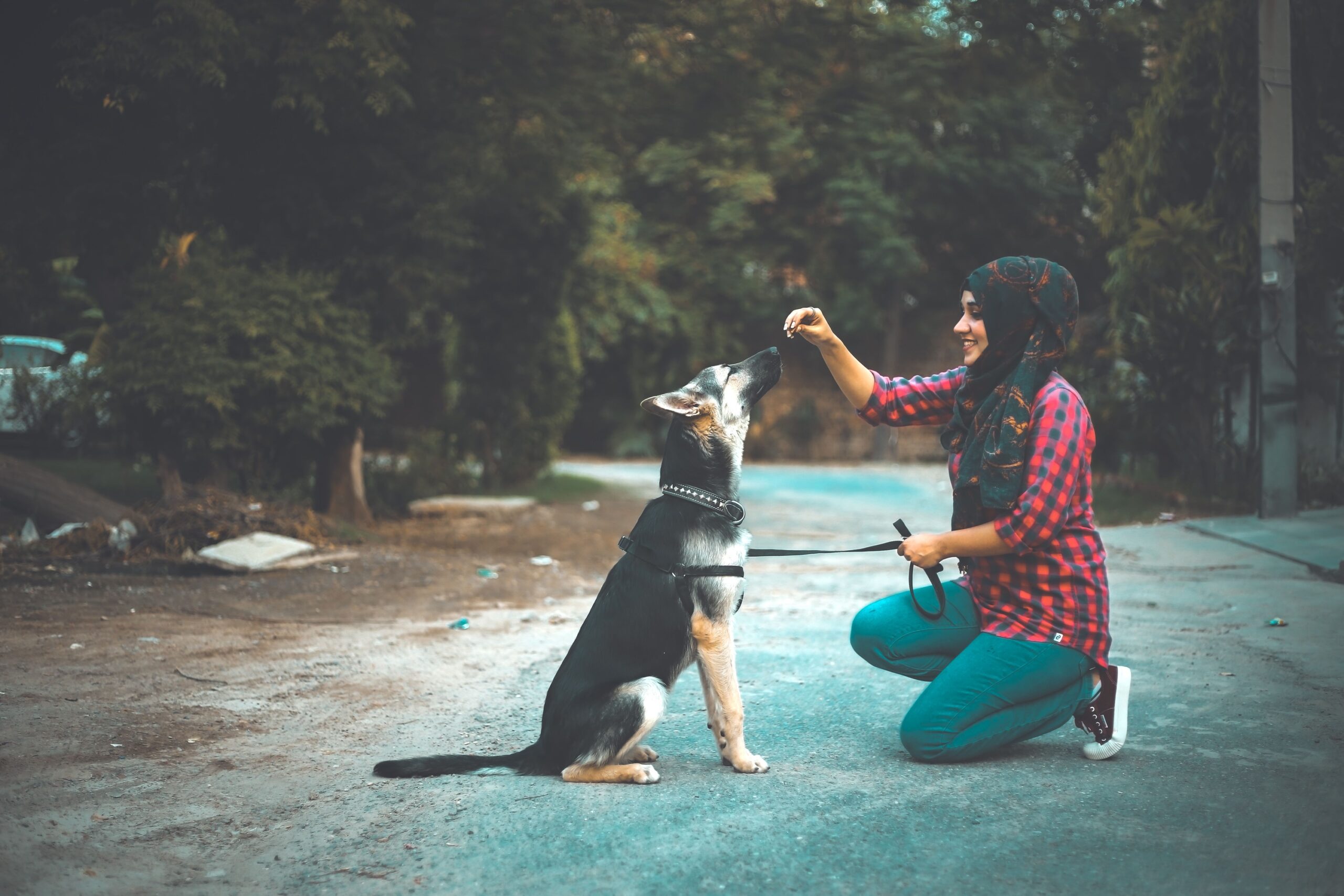
The first month with a rescue dog feels magical and messy at the same time. One moment they’re curled against you like you’re their whole world, and the next they’re bolting across the room because your phone buzzed. A lot of people assume this roller coaster is their dog “settling in” or “showing their true colors,” but most of what you see in those first 30 days is survival mode talking, not personality.
What a rescue dog does in that first month is mostly about nervous systems, habits, and history colliding with your home, not about whether they are “good,” “grateful,” or “bonded.” If you read those early behaviors as character, you’ll misjudge your dog and, honestly, you might misjudge yourself too. Let’s dig into what is really going on in that first month, behavior by behavior, and why it has way more to do with stress, safety, and biology than with “settling in.”
1. They Either Cling to You or Ignore You Completely

One of the most shocking things in the first week is how extreme rescue dogs can be about contact. Some glue themselves to you like a shadow, following you from room to room, whining if you close the bathroom door, and trying to sleep on your head at night. Others act like you’re basically furniture, hovering across the room, avoiding eye contact, or slipping away when you get too close.
Neither reaction means what people think it means. Velcro behavior is usually anxiety, not instant love, and distance is usually fear, not rejection. Both are survival strategies learned from whatever came before you: overcrowded shelters, neglectful homes, or just constant change. This isn’t your new dog “settling in” or “choosing you” yet; this is a nervous system trying to figure out if you’re safe, and it can swing wildly back and forth before any real relationship forms.
2. Their Appetite Is All Over the Place

In the first 30 days, food becomes its own little soap opera. Some rescue dogs inhale every kibble like it might be their last meal, even trying to grab food out of your hands or growling if another pet walks by. Others sniff the bowl, walk away, and seem completely uninterested in eating, especially in the first few days. New owners panic over both ends of the spectrum.
But this weird relationship with food is almost always about stress, not manners or “dominance.” A dog who has gone hungry or lived in an unpredictable environment is wired to guard or hoard resources until their body finally believes that food is consistent. A dog who is terrified may literally be too afraid to eat until the adrenaline drops. Appetite stabilizing is a sign that their body feels safer, not that they’ve finished “settling” into your home. It’s the nervous system saying, “OK, maybe I won’t starve here.”
3. They Sleep Too Much, Too Little, or in the Strangest Places

Sleep in that first month almost never looks normal. Some rescue dogs crash hard and seem to sleep for hours and hours, like they are making up for years of never feeling safe enough to fully relax. Others pace the house at night, panting, whining, or waking at every little noise. Then there are those who choose absurd sleeping spots: wedged behind the toilet, under the bed, or right up against the front door.
All of this is the brain trying to manage threat, not a “settled” routine. Deep, heavy sleep in weird places can mean, “This tiny corner finally feels safe enough to shut down,” while restless nights usually mean the opposite: a body stuck on high alert. You can help by creating predictable, cozy sleep spaces and stable routines, but expecting “normal” sleep in the first 30 days is like expecting a jet-lagged traveler to immediately sleep like a local. This phase is about safety, not schedule.
4. They Test Every Boundary You Didn’t Know You Had
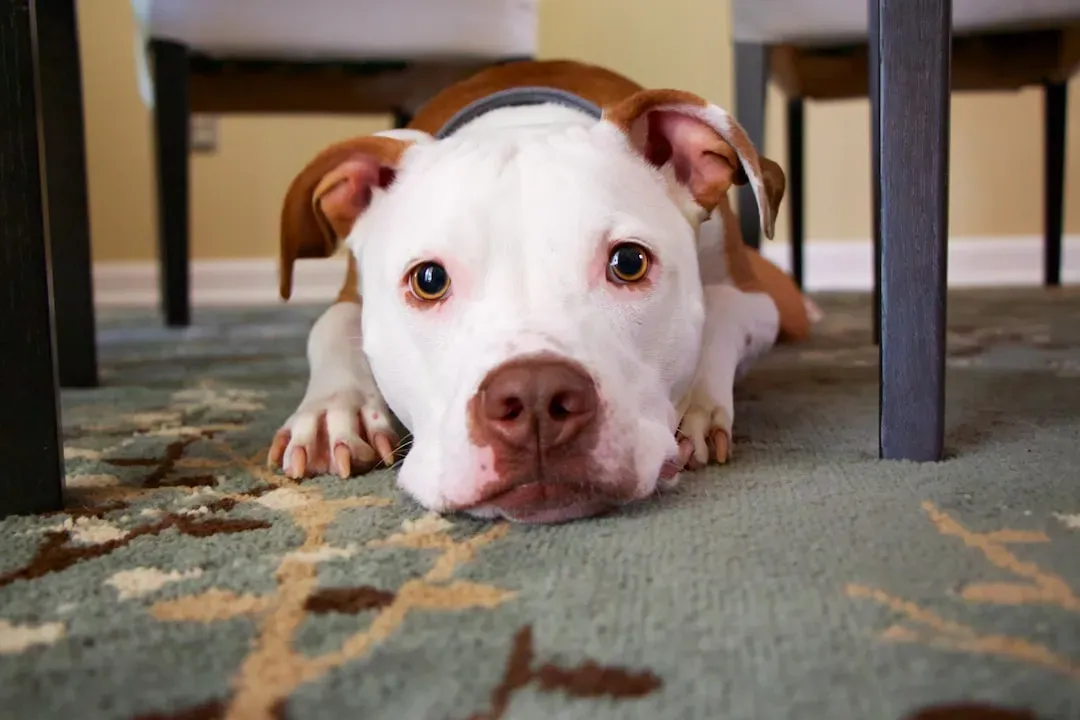
The first month with a rescue dog can feel like living with a furry lawyer who’s constantly checking for loopholes. Counter surfing, darting out doors, chewing shoes, barking at windows, jumping on guests – it’s easy to see these things as defiance or them “showing their true colors” after being sweet at the shelter meet-and-greet. In reality, they’re just doing what worked (or what was allowed) in every other place they’ve lived.
This is where people get it wrong: boundary testing is not manipulation, it’s data collection. Your dog is learning your household rules in real time, and they have no way of knowing that the couch in your house is a no-go when the last three couches were fair game. Calling this “settling in” misses the point; they are mapping your world. Consistent, calm responses teach them the rules, while emotional outbursts just make the environment feel less predictable and, for a rescue dog, less safe.
5. They Have Random Zoomies and Sudden Shut-Downs
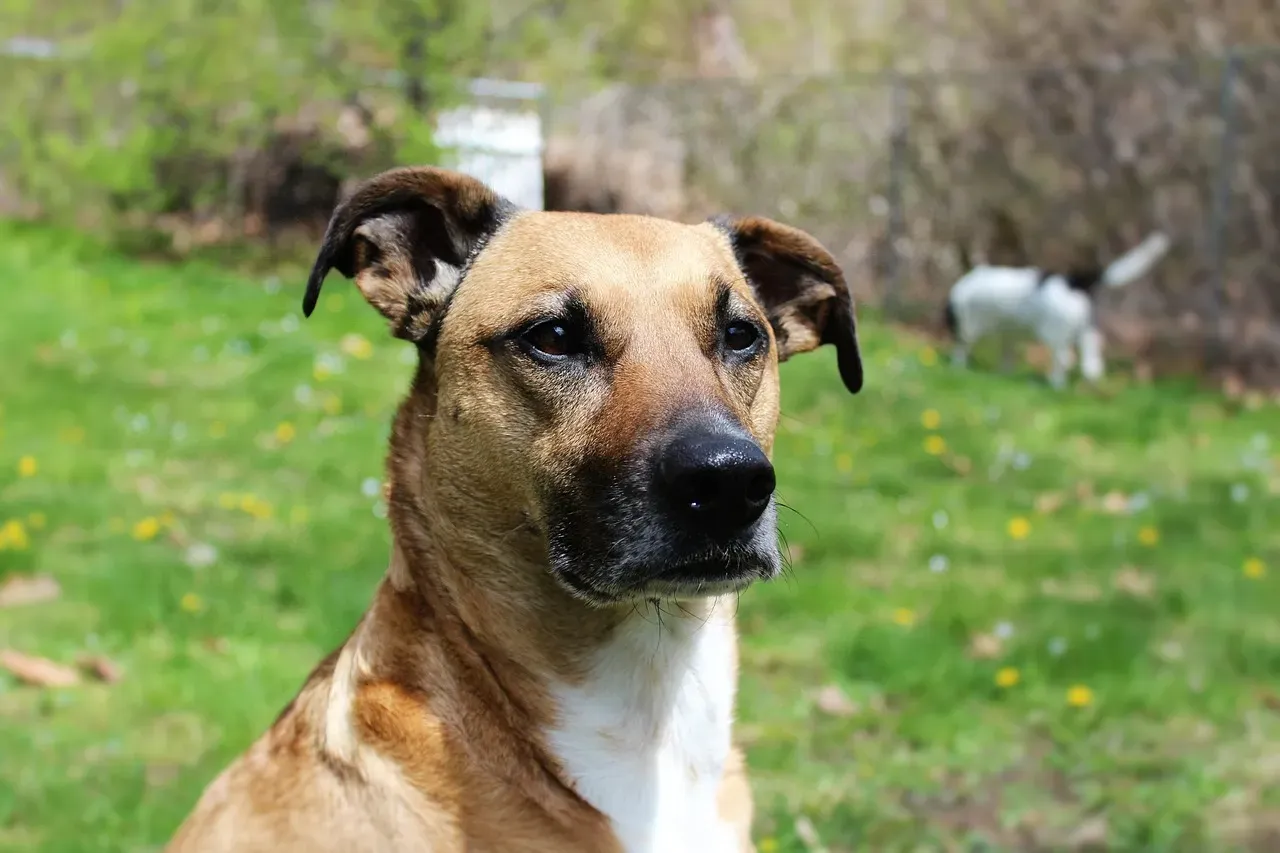
Rescue dogs in the first 30 days often swing between clown and statue. One minute they’re rocketing around the living room in wild zoomies, body loose and silly, and the next they freeze if you drop a spoon or raise your voice. People see the playful bursts and think, “Now they’re finally happy and settled,” then watch them shut down hours later and panic that they’ve regressed.
What’s really happening is emotional whiplash. Their stress levels surge and fall all day, and those dramatic bursts of play are often tension leaving the body, not evidence that everything is suddenly perfect. The shut-downs – that glazed look, the stiff body, the hiding – are just as normal in this stage. You’re seeing a nervous system wobble while it learns your home is predictable. Settling in is a long, slow curve; the first 30 days are more like choppy waves than a smooth landing.
6. They Overreact to Sounds, Movements, and New People
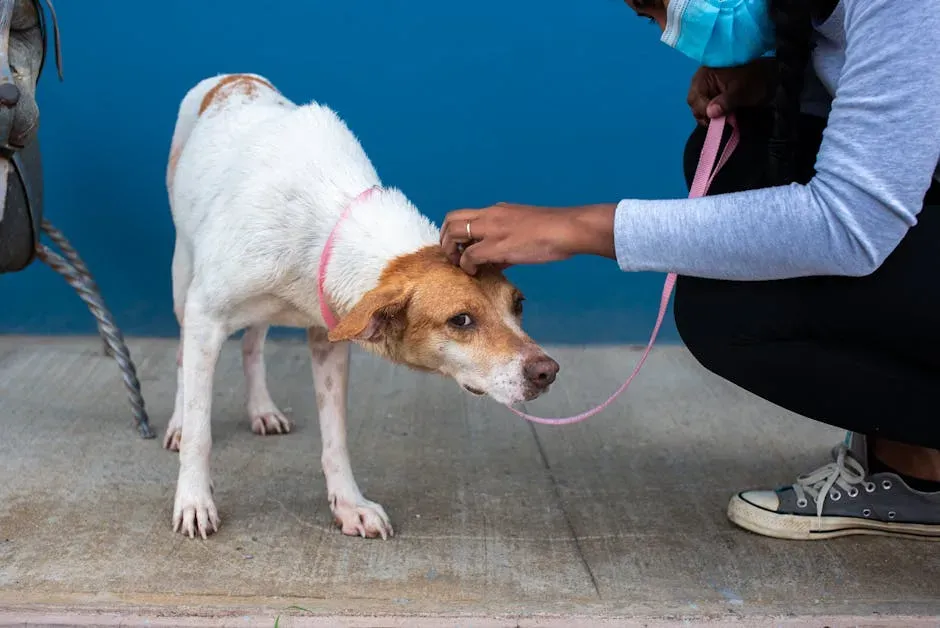
In the beginning, everyday life in your home can feel like a haunted house to a rescue dog. A blender whirs and they bolt. A skateboard rolls by the window and they bark like the world is ending. A friend stands up too fast and the dog flinches or growls. It’s easy to stamp these reactions as “aggression” or label the dog as “not socialized enough” forever.
But hyper-reactivity early on has much more to do with past unpredictability and current stress than with fixed temperament. Their brains are scanning constantly for danger because that strategy may literally have kept them alive before. Once your routines, sounds, and visitors become boringly predictable, many of these reactions soften. That shift is part of their nervous system relaxing, not a simple box you can tick called “settled.” Calling a dog dangerous or broken based on those first 30 days is like judging a person’s character by how they act the week after a car crash.
7. They Copy Your Other Pets or Cling to a Routine You Didn’t Mean to Teach
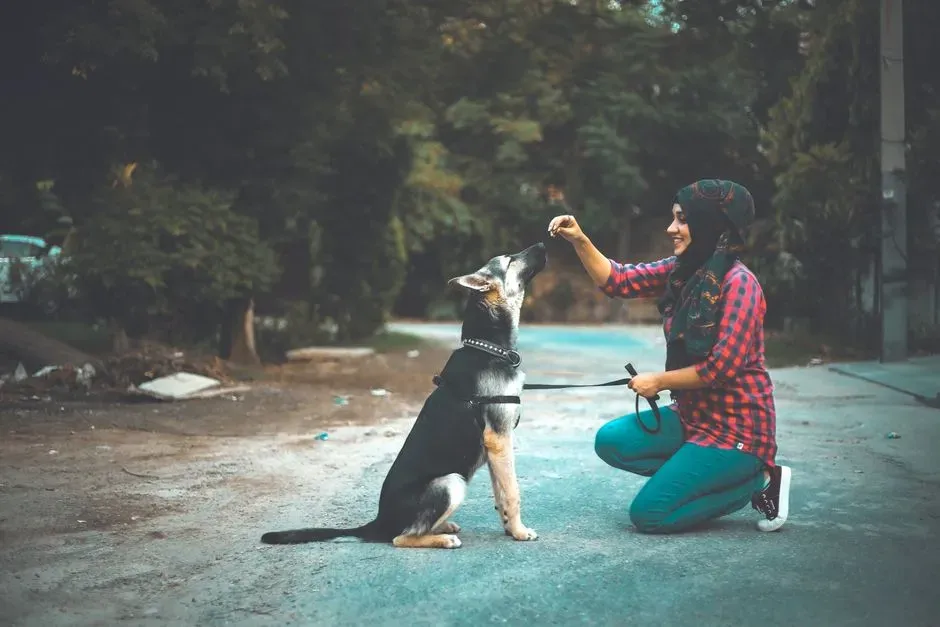
If you already have a dog or cat at home, your new rescue is probably studying them like a tutor. They may bark at the door because the resident dog does, figure out when it is dinner time by watching the cat head to the kitchen, or learn where to nap by copying whoever already lives there. Even in homes without other pets, they start reading your movements: when you pick up keys, when you sit down on the couch, when you head for bed.
In those first 30 days, they are not truly “settling into” a stable life; they’re grabbing onto any pattern that makes the world more predictable, even ones you didn’t intend. That can mean good habits, like following the older dog outside to pee, or not-so-great ones, like losing their minds when you put on shoes because they’ve linked it to you leaving. You’re seeing a pattern-hunting brain at work, not a finished version of who they’ll be. This stage is more about desperate scaffolding than polished lifestyle.
8. They Show You the “Social Mask” They Used to Survive
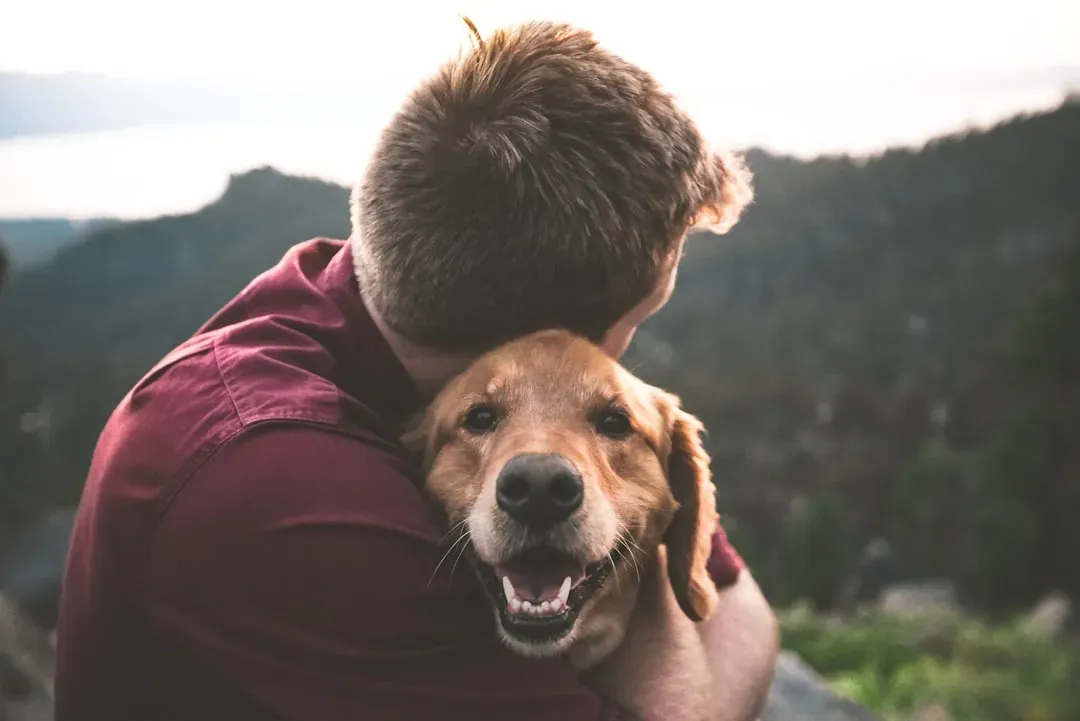
Many rescue dogs arrive looking strangely perfect – quiet, still, polite, almost too easy. Then, a few weeks in, the barking starts, the chewing appears, or the guarding behavior shows up. People often say they feel tricked, like the dog was pretending to be sweet and is now dropping the act. In reality, you’re watching a social mask loosening, not a con artist revealing themselves.
Dogs in shelters or unstable homes quickly learn what keeps them safe: staying very still, avoiding eye contact, not demanding anything. That mask can stay on tightly during the adoption process and even through the first couple of weeks in a new home. As their stress level drops just enough to breathe, the more vulnerable or intense behaviors often surface. That is not “bad behavior suddenly appearing,” it’s the parts of them that were too unsafe to show before. The first 30 days are the unmasking phase, not the finished painting.
9. They Struggle With Potty Routines and Basic “House Rules”
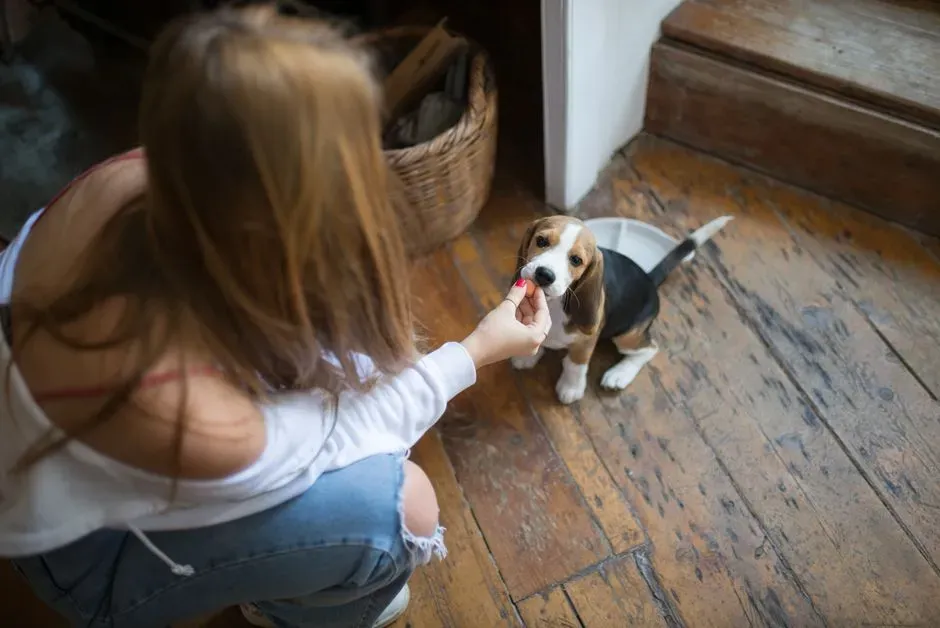
Even adult rescue dogs often act like they have never seen the inside of a house before, because, frankly, some of them haven’t. Accidents on rugs, peeing the second they walk back indoors, drinking obsessively and then having to go out constantly – it’s frustrating but very common in the first month. People jump quickly to, “They must have been abused” or “They’re being spiteful,” when usually it is much simpler.
To a dog, grass is not automatically a bathroom and a rug is not automatically off-limits. Add in stress, new water and food schedules, and possibly a history of having to eliminate wherever they were kept, and of course it gets messy. House training in the first 30 days is not a referendum on your dog’s intelligence or goodness. It is just your dog learning a new language with their body. When their stress stabilizes and your routine becomes boringly predictable, bathroom habits usually follow – that is routine learning, not some magical “settled” switch.
10. They Attach to One Tiny Ritual That Becomes Their Lifeline
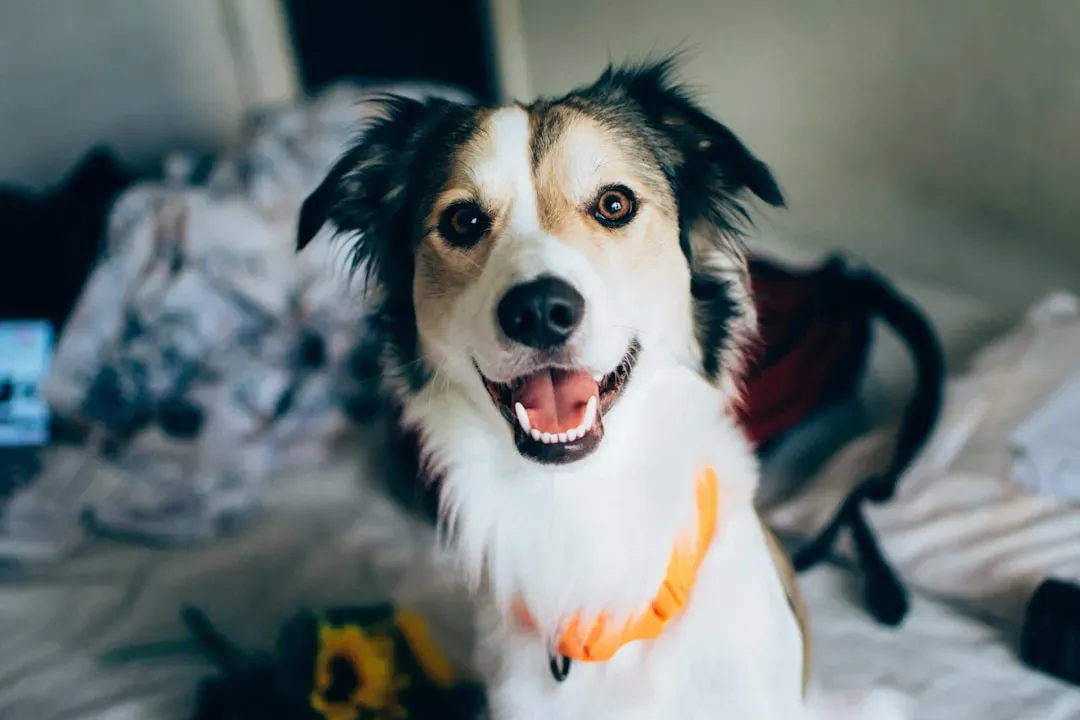
Almost every rescue dog I’ve known has had that one small ritual they latch onto in the first month. Maybe it is the late-night cuddle on the couch, the morning walk around the same block, the treat after you come home, or the way you say their name before bed. It can look like a quirky habit, but for them, it often becomes a key safety anchor: something they can count on in a world that just flipped upside down again.
This clinging to one ritual is not about being fully settled; it is about building a single, solid stepping stone in a river that still feels wild and fast. Over time, as they trust that you, the house, and the routine are not going to vanish, they build more stepping stones. That growing web of predictable moments is what real settling in looks like, months down the line. The first 30 days are when they grab onto that very first one and hold on tight.
Conclusion: The First 30 Days Are Survival, Not a Final Verdict
If there’s one thing I wish every new rescue owner understood, it is this: the first month is not a personality test, it is a trauma response in motion. The clinginess, distance, accidents, barking, shut-downs, and sudden play bursts are all just pieces of a nervous system trying to reorganize itself in a new world. Judging a dog’s character in that window is like judging a person’s soul by how they behave on moving day while surrounded by boxes and chaos.
In my opinion, we do rescue dogs a real disservice by expecting them to arrive grateful, obedient, and instantly bonded, then calling it “settling in” when they’re actually just exhausted or scared. Real settling is boring, gradual, and mostly invisible – it shows up months later in soft eyes, relaxed bodies, and quiet, predictable routines. The first 30 days are not your final answer on who this dog is; they’re the messy, beautiful prologue to the real story. So instead of asking, “Why aren’t they settled yet?” maybe the better question is, “How can I make this first chapter feel safe enough that settling in is even possible?”