
8 Things Your Dog Does After You’ve Hurt Their Feelings – That Show You Exactly What Unconditional Love Actually Means
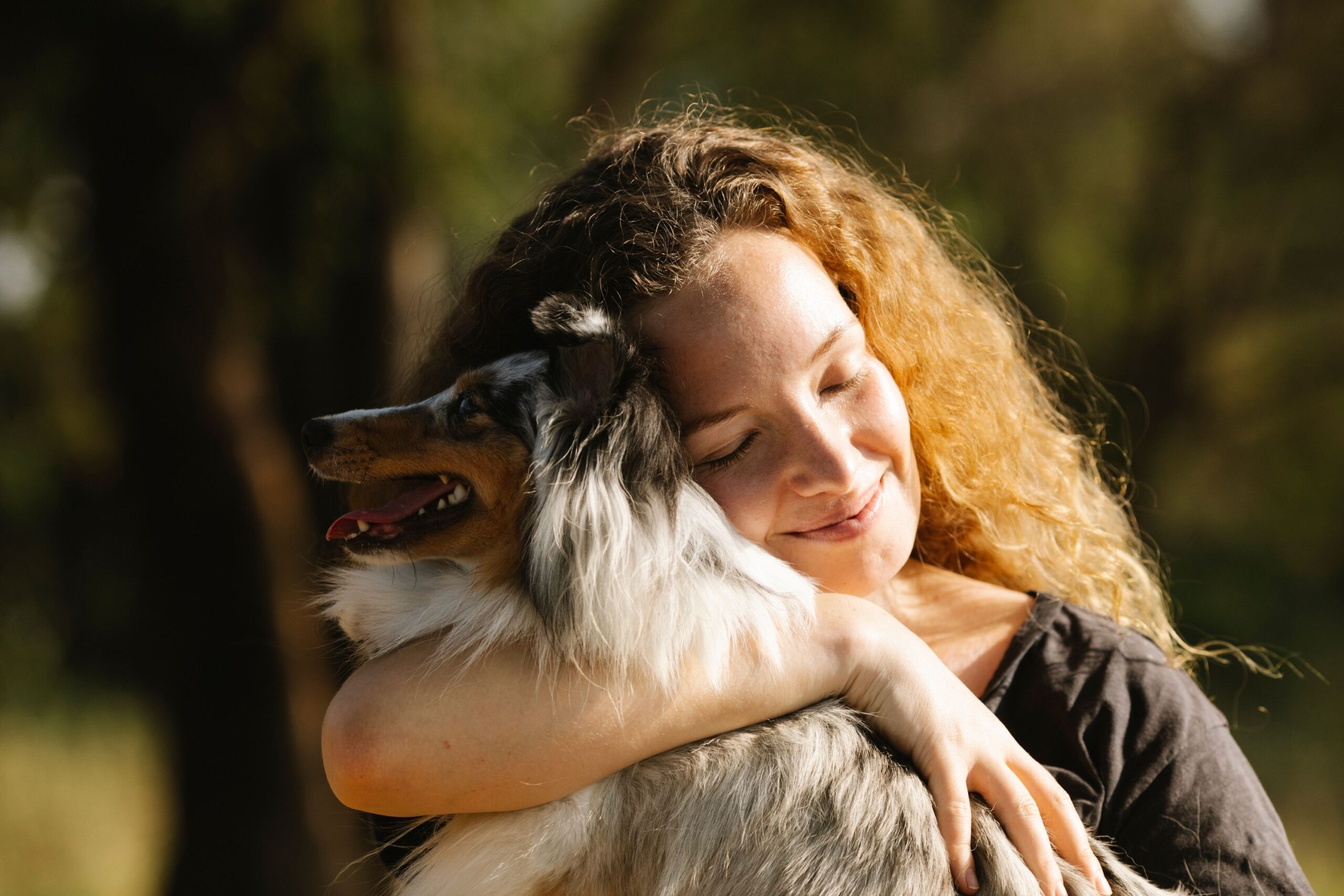
You know that sinking feeling when you realize you snapped at your dog for no real reason, or brushed them off when they were just trying to be close to you? You look down, and they’re staring back with those huge, confused eyes, and suddenly you feel like the worst human on the planet. The wild part is what usually happens next: instead of holding a grudge, your dog does something that somehow makes you feel even more loved.
Dogs can’t sit you down and talk through their feelings, but they absolutely react when they’re hurt, stressed, or confused. The way they move closer, soften their body, or try to reconnect with you is not just adorable; it’s a real-time lesson in forgiveness and loyalty. Once you know what you’re seeing, those little behaviors stop being “cute quirks” and start looking a lot like a living, breathing definition of unconditional love.
1. They Give You Those Big, Searching Eyes
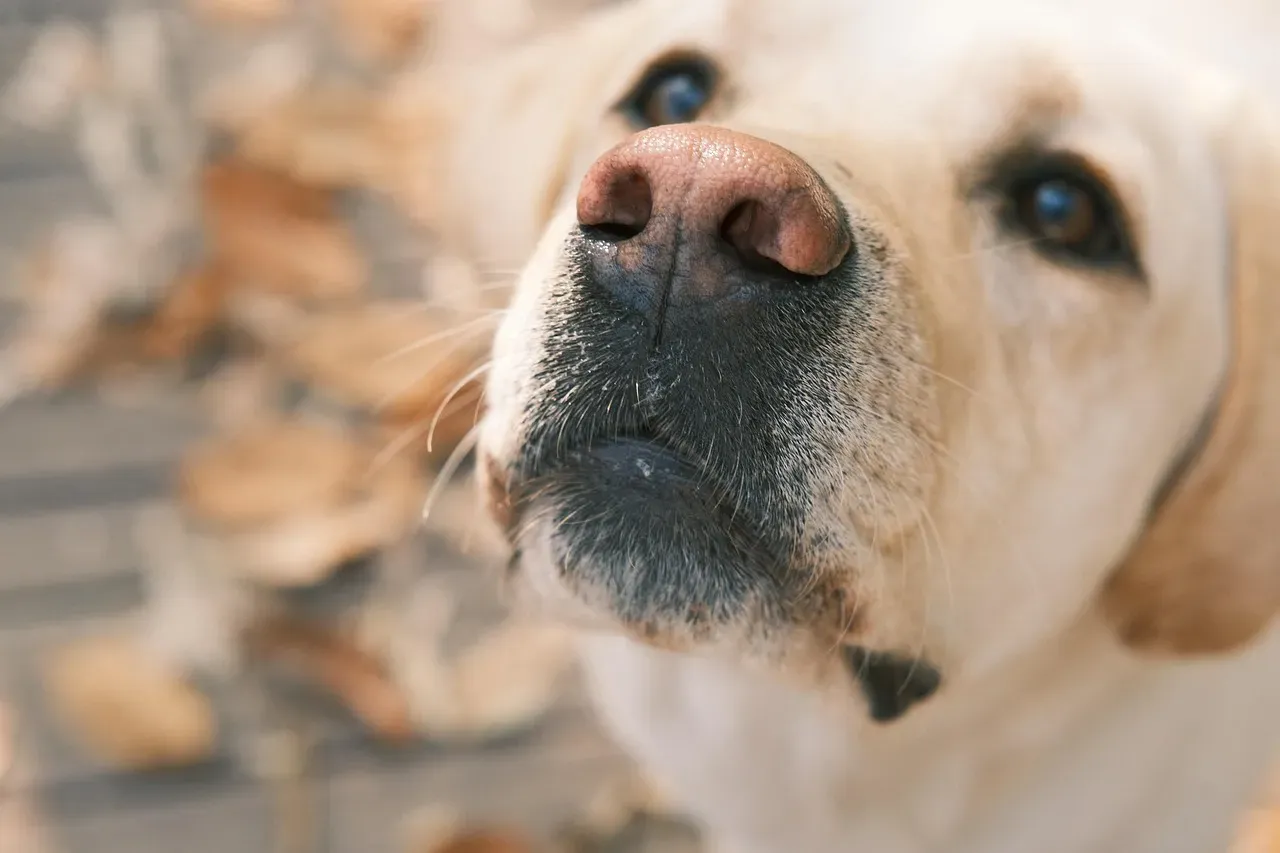
Right after you raise your voice or push them away, many dogs will look up at you with wide, soft eyes that seem to ask what went wrong. Behavior researchers call this kind of gaze a social cue, a way dogs check in with humans to understand our emotional state and intentions. It can look like guilt to us, but more often it’s confusion plus concern, like they’re scanning your face to figure out if you’re still their safe person.
Here’s the incredible part: even when they’re the ones who were just hurt, that gaze usually isn’t angry or resentful. It’s gentle, cautious, and open, as if they’re saying, “Are we okay? I still want to be close to you.” Watching that in real time can be almost painful because you realize your dog is prioritizing the relationship over their own feelings. That quiet, searching eye contact is your dog choosing connection over ego, something most humans struggle to do.
2. They Move Closer Instead of Walking Away

Humans tend to retreat when someone hurts us, at least for a while. Dogs often do the exact opposite. After a tense moment, many dogs will slowly inch closer, sit near your feet, or lean their body against you. From a behavioral point of view, this is a form of affiliative behavior – they are literally trying to restore the bond, even when they were the ones who got their feelings bruised.
It’s hard not to feel humbled when the creature you just snapped at is the one who initiates the repair. They could hide under the table, but instead they choose to share your space, to be close enough that you can reach down and make it right. That choice says a lot: your dog values the relationship so deeply that closeness feels safer than distance, even after a conflict. That’s not drama, that’s loyalty in motion.
3. They Offer You a Paw or a Gentle Nudge
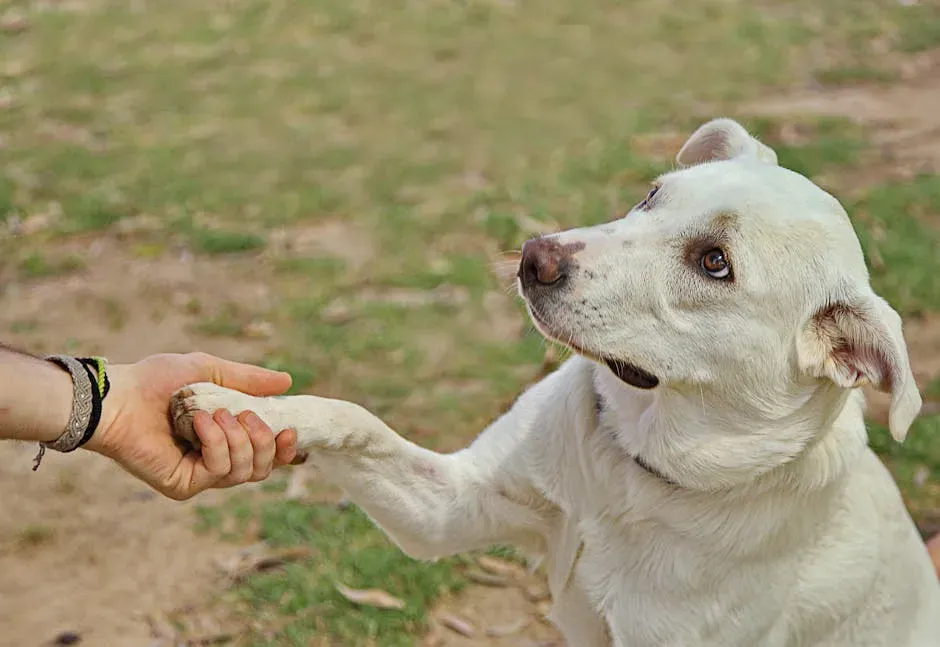
Have you ever been sitting there, feeling like a jerk, and suddenly there’s a paw on your leg or a cold nose pressing into your hand? That little gesture is your dog’s version of tapping you on the shoulder and saying, “Hey, I’m still here with you.” Studies on canine communication show that dogs use their paws and noses not just to get treats, but to seek attention, reassurance, and emotional contact from their humans.
What blows me away is that they do this even when they were the ones that got scared or scolded. Instead of sulking forever, they reach out – literally. It’s as if they’re offering you a reset button with a single touch. That quiet, physical invitation to reconnect is your dog refusing to let one bad moment define the relationship. They are giving you a second chance without a lecture, just a paw.
4. They Bring You a Toy Like a Peace Offering
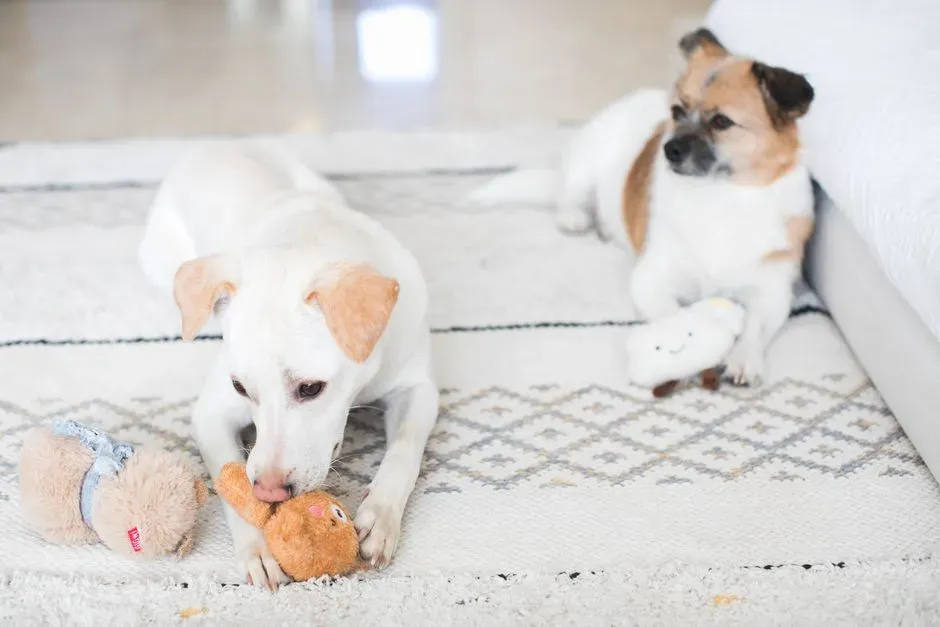
After tension in the house, some dogs will trot over with a favorite toy, drop it at your feet, and look up hopefully. On the surface, it might seem like they’re just trying to play, but it’s often more than that. Bringing a toy is a social gesture – a way of saying, “Can we do something fun together again?” It’s their way of reopening the door to positive interaction, flipping the script from conflict to connection.
What’s striking is that they aren’t demanding an apology in words; they’re offering an activity that makes both of you feel good. In human terms, it’s a bit like someone suggesting you cook together or go for a walk after an argument instead of rehashing every detail. Your dog is reminding you that joy still exists between you, and they’re willing to be the one to initiate it, even when they had every right to withdraw.
5. They Follow You From Room to Room Anyway
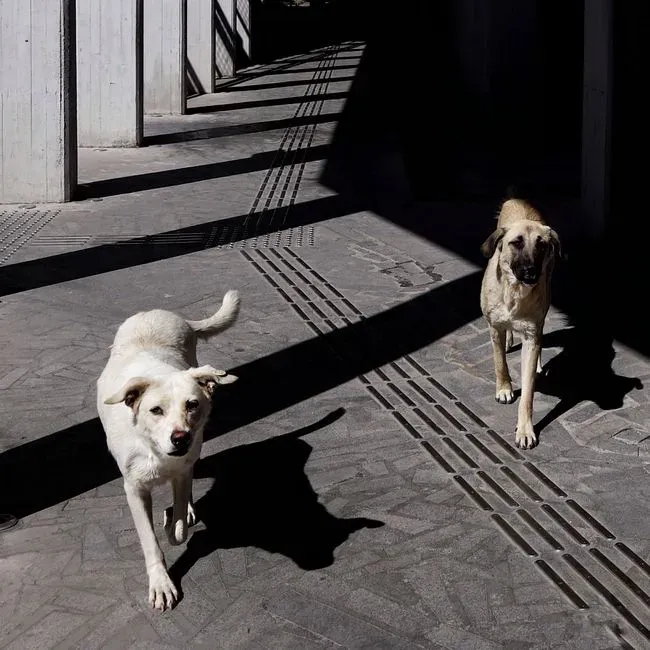
One of the most common signs of a strong dog-human bond is “shadowing” – your dog trailing you around the house like you’ve got the secrets of the universe in your pocket. After you’ve hurt their feelings, you might expect them to avoid you, but many dogs keep following, just a little more quietly or cautiously. That trailing behavior is rooted in attachment; they see you as their base, their reference point, the one who makes the world make sense.
When they keep choosing to be near you, even right after you’ve been impatient or harsh, it says something pretty profound. They’re not pretending nothing happened – you may notice they walk a bit slower or hang back at the doorway – but they still choose your presence over distance. In a way, they’re saying, “I’m not okay with what just happened, but I’m not giving up on us.” That is about as pure an example of unconditional love as you’ll ever see in real life.
6. They Offer a Belly or Turn Their Body Soft
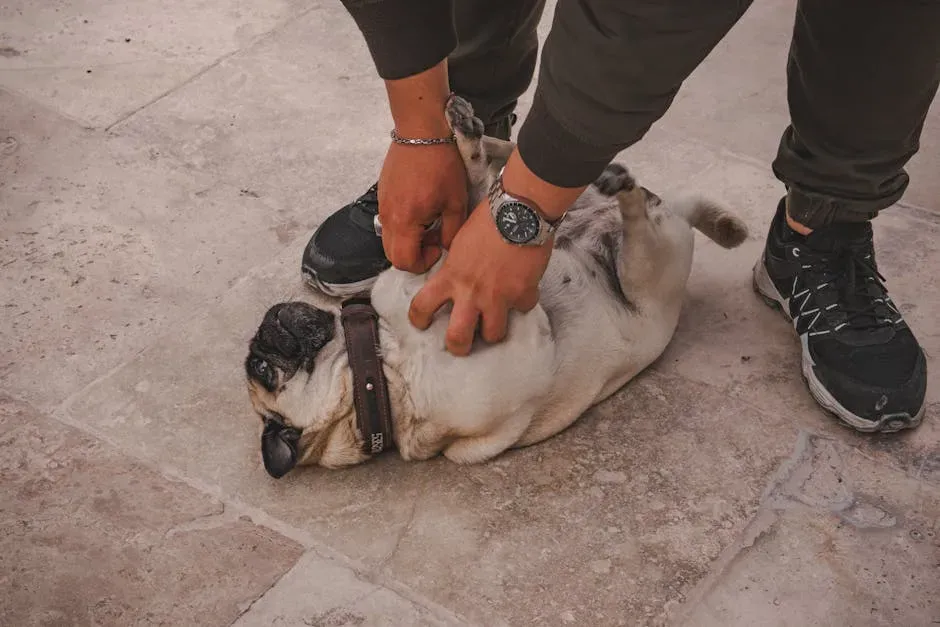
Dogs communicate a lot with posture. When your dog flops over, exposes their belly, or softens their whole body around you after a conflict, it isn’t just silliness. A relaxed, wiggly body and exposed belly are classic signs of trust and deference. Even if they felt scared a moment ago, choosing to become physically vulnerable again in your presence means they still see you as someone safe, not a threat.
That decision to soften instead of stiffen is huge. Imagine being hurt by someone and then, instead of crossing your arms and shutting down, you open yourself up to them physically and emotionally. That’s exactly what your dog is doing in their own species-specific way. They are choosing vulnerability over self-protection, letting you know they still believe in you, even when you temporarily didn’t deserve it.
7. They Check Your Mood Repeatedly Throughout the Day
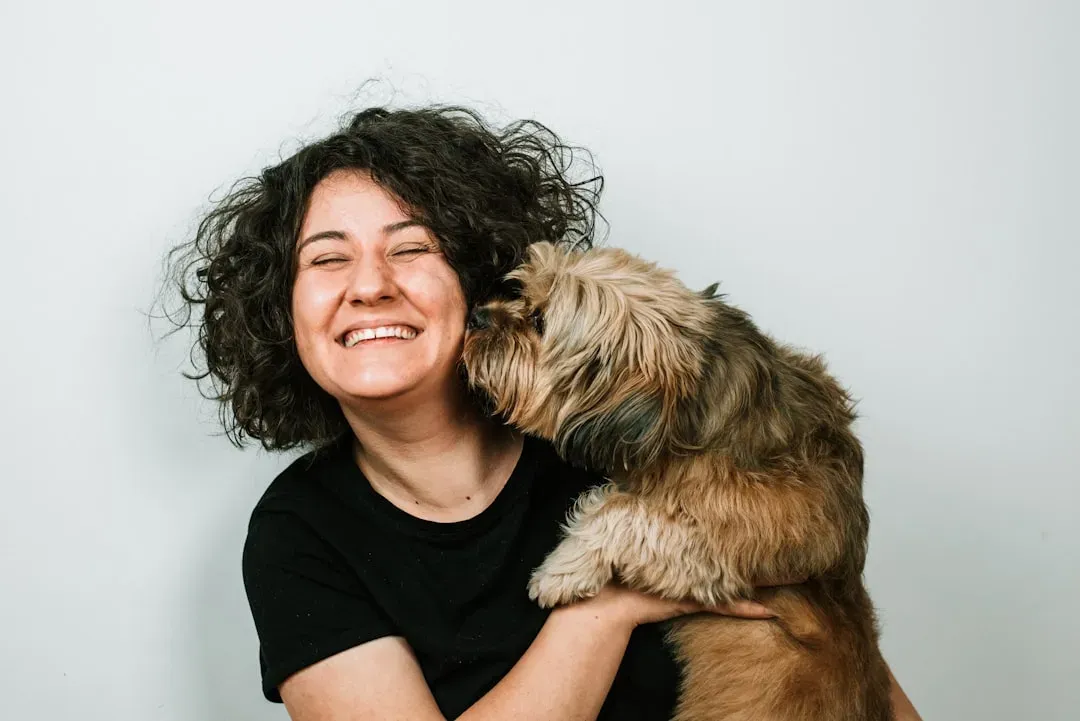
After a rough interaction, many dogs will spend the rest of the day quietly monitoring you. They may glance up often, approach slowly, or do quick “check-ins” where they briefly come close, sniff, and then wander off again. Research into dog cognition has shown that dogs can read human facial expressions and emotional tones far better than we once believed, and they use that information to adjust their own behavior.
In practical terms, that means your dog is doing emotional weather reports on you. Even if you made them feel bad earlier, they keep scanning you to see if the storm has passed, not just for their sake, but for yours. That kind of patient, ongoing concern looks a lot like caregiving. They are quietly making sure you’re okay, even though you were the one who messed up first. It’s humbling, and honestly, a little heartbreaking in the best way.
8. They Curl Up Next to You at the End of the Day Anyway
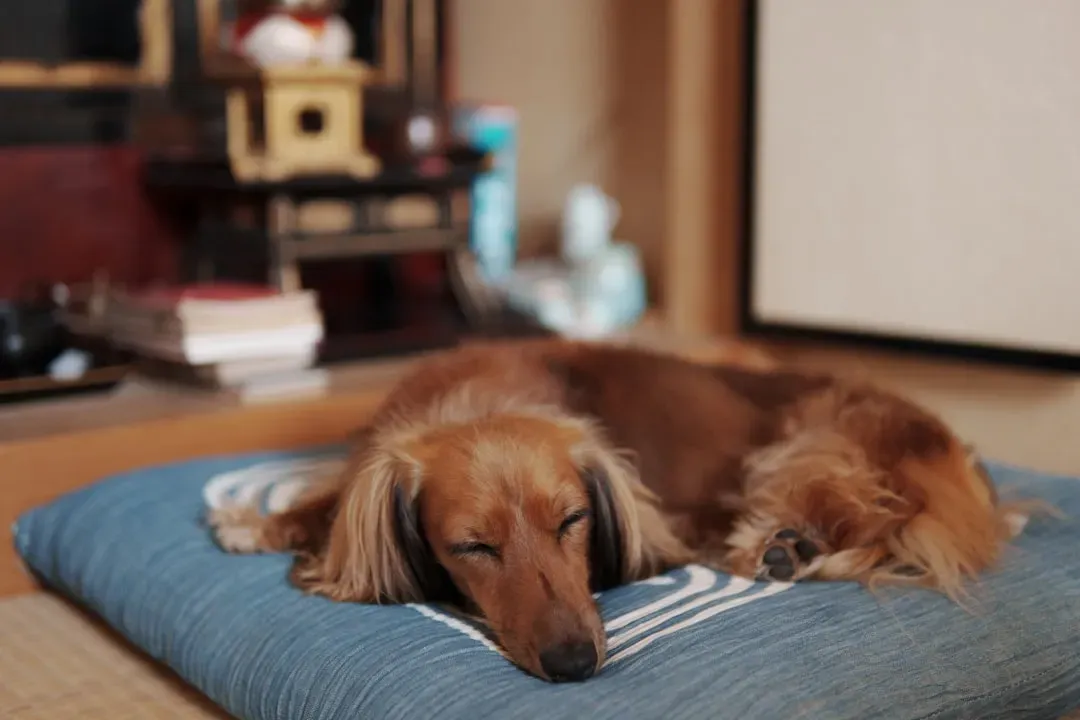
There is something almost sacred about the way a dog settles in beside you at night after a day that did not go perfectly. Maybe you were short-tempered, stressed, or distracted. Maybe you hurt their feelings more than once. Yet when evening comes, they still hop up onto the couch or onto their bed near yours, curl into a ball, and fall asleep with their back pressed against your leg or their head resting on your foot.
From a science perspective, that closeness is about warmth, safety, and attachment. From a human perspective, it is also a quiet form of forgiveness. Dogs live very much in the present; they remember, but they do not replay every bad moment the way we do. When your dog chooses to sleep near you after everything, they are voting with their entire body: you are still their home. That final, wordless act at the end of the day might be the clearest, simplest picture of unconditional love you will ever get.
Conclusion: Your Dog Is Teaching You How to Love Better
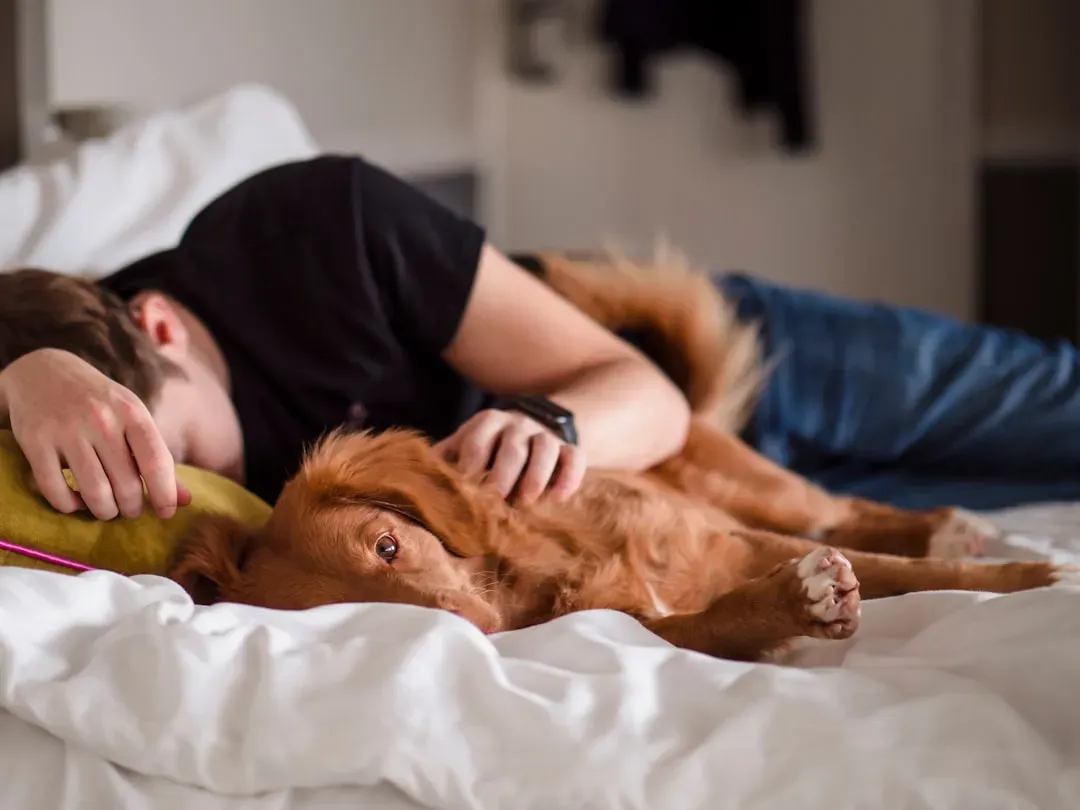
If you pay attention to these small behaviors – the searching eyes, the cautious closeness, the soft body, the bedtime curl-up – you start to realize your dog is not just “being a dog.” They are modeling a kind of love that is both deeply emotional and surprisingly practical: reach out instead of shutting down, move closer instead of walking away, choose the relationship instead of the ego. They feel hurt, but they do not let hurt have the last word.
I’ve lost count of the times I’ve felt ashamed after snapping at my own dog, only to have him shove a toy into my hand five minutes later like everything is fixable. That is the quiet power of unconditional love: it does not deny pain, but it keeps choosing connection anyway. Maybe the real question is not whether our dogs love us unconditionally – they’ve already answered that a thousand times – but whether we’re willing to learn from them and love them, and each other, even half as well. Did you ever realize your dog was showing you all of that, just by the way they stay?