
9 Things That Happen to an Only Dog When a Second Dog Is Brought Into the Home
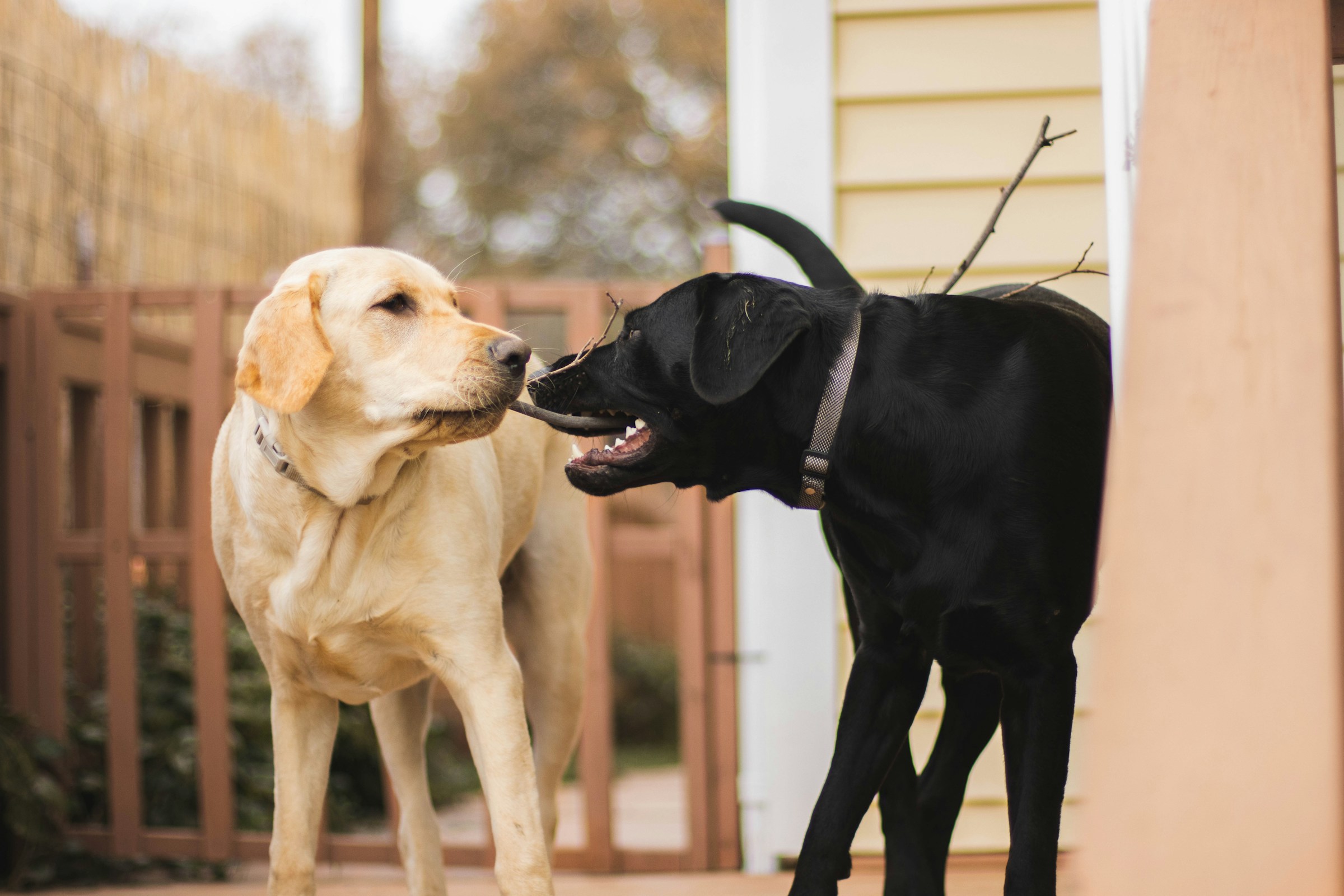
Bringing home a second dog can feel a bit like adding a new sibling to a tight-knit family. Exciting? Absolutely. But also a little chaotic, sometimes emotional, and almost always full of surprises. Your once-only dog suddenly has to share space, attention, toys, routines – and even you.
If you’ve ever wondered what actually happens inside your first dog’s head and heart when a new four-legged roommate moves in, you’re not alone. Let’s walk through what tends to change, what’s normal, and how you can help both dogs not just survive the transition, but turn into a real team.
1. The Shock Phase: “Who Is This and Why Are They in My House?”
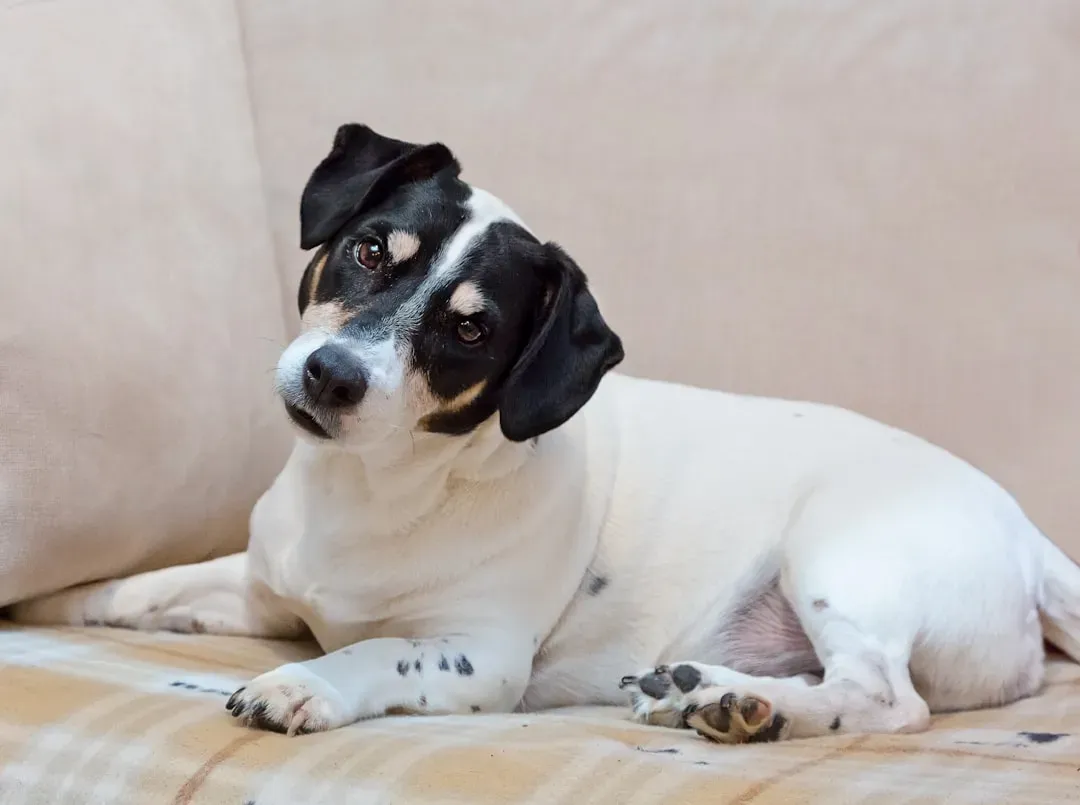
The very first reaction from an only dog is often plain confusion. Their territory, which has always smelled like them and you, now suddenly smells like someone else, moves differently, and makes unfamiliar sounds. Many dogs will follow the newcomer around, staring, sniffing, keeping a suspicious distance like they’re thinking, “Are you staying or just visiting?”
During this initial phase, your dog might seem wired or zoned out, panting more, pacing, or sticking to you like glue. This isn’t drama; it’s their brain dealing with a big social surprise. Dogs rely heavily on routine, so any sudden change can spike stress hormones and make them extra sensitive to noise, movement, and touch at first.
2. Jealousy and Guarding: Sharing You Is Hard
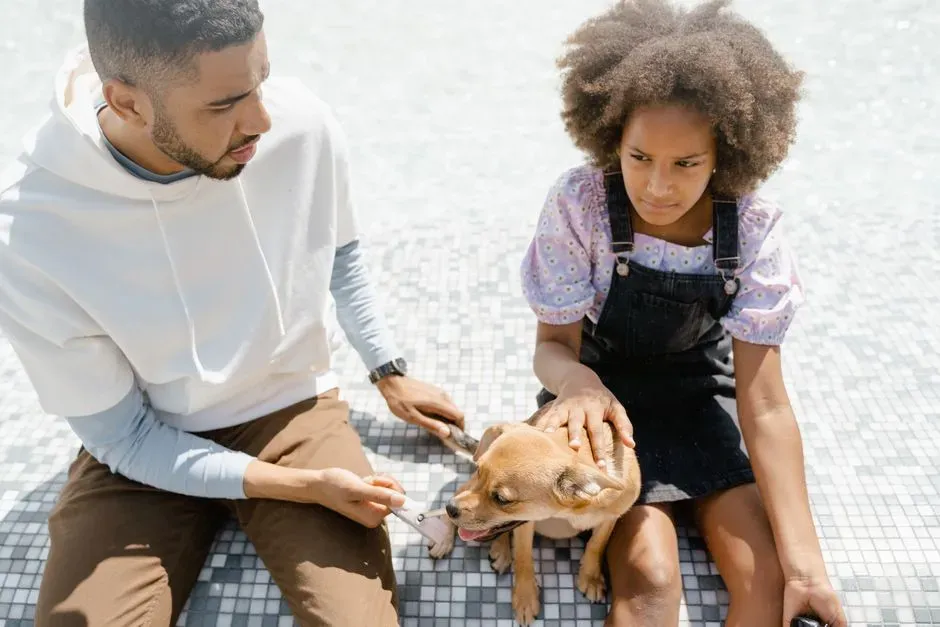
Once the novelty wears off a bit, the emotional reality hits: they’re not your one and only anymore. Many former only dogs show mild jealousy, like pushing between you and the new dog, glaring when you pet the other, or trying to claim the prime spot on the couch whenever the new dog comes near. It’s their way of asking, “Do I still matter as much?”
Resource guarding can pop up here too, especially around you, favorite toys, food bowls, or sleeping spots. Your first dog might stiffen, freeze, or growl if the new dog gets too close to what they value. It can be unsettling to see, but it’s common and usually manageable with calm supervision, separate feeding, and making sure your original dog still gets dedicated one-on-one time with you.
3. A New Social Role: From “Only Child” to Older Sibling
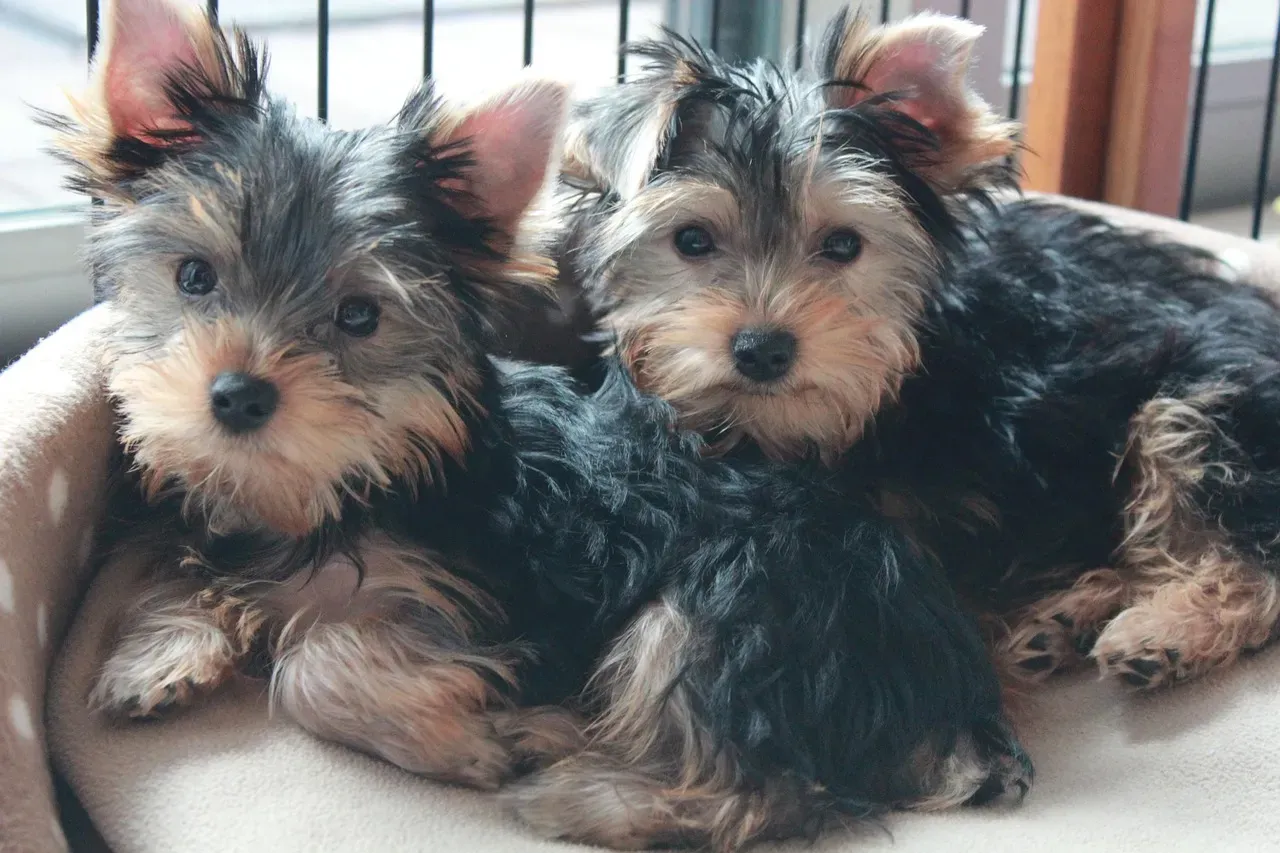
Every time you add a dog, the social structure in the house rearranges itself. Your original dog often slides into a kind of “older sibling” role, whether they want it or not. Some lean into it and become the steady adult in the room, quietly correcting wild puppy behavior or walking away when they’ve had enough.
Others struggle with this shift and act more like a rival than a big brother or sister at first. They might test boundaries, bark more when the newcomer gets attention, or copy whatever the other dog is doing. Over time, most pairs settle into a pattern where each dog figures out their place – who starts the games, who gets the favorite sleeping corner, who tends to lead on walks – and that predictability helps everyone relax.
4. Play Style Evolution: From Occasional Zoomies to Daily Dog Games
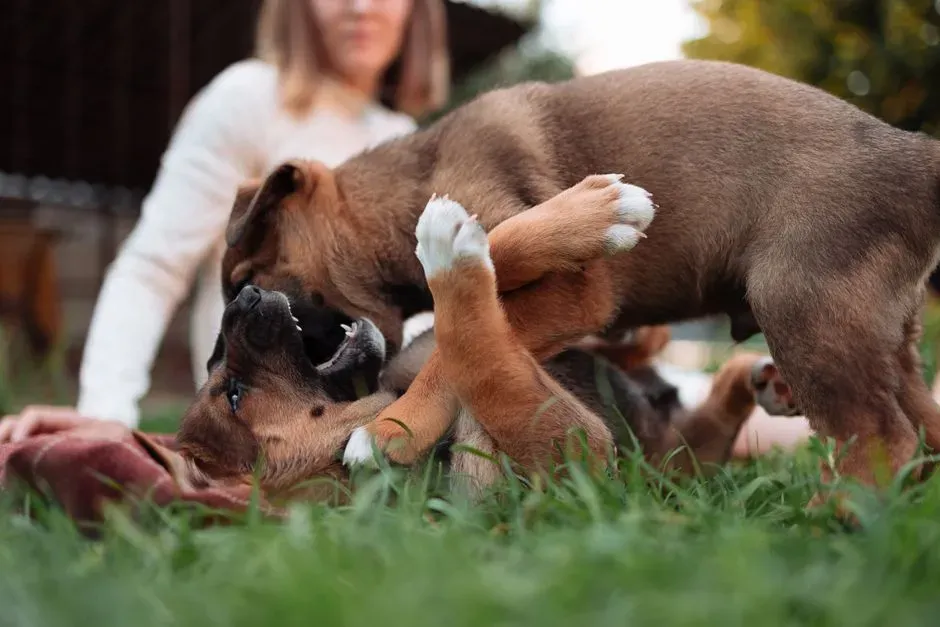
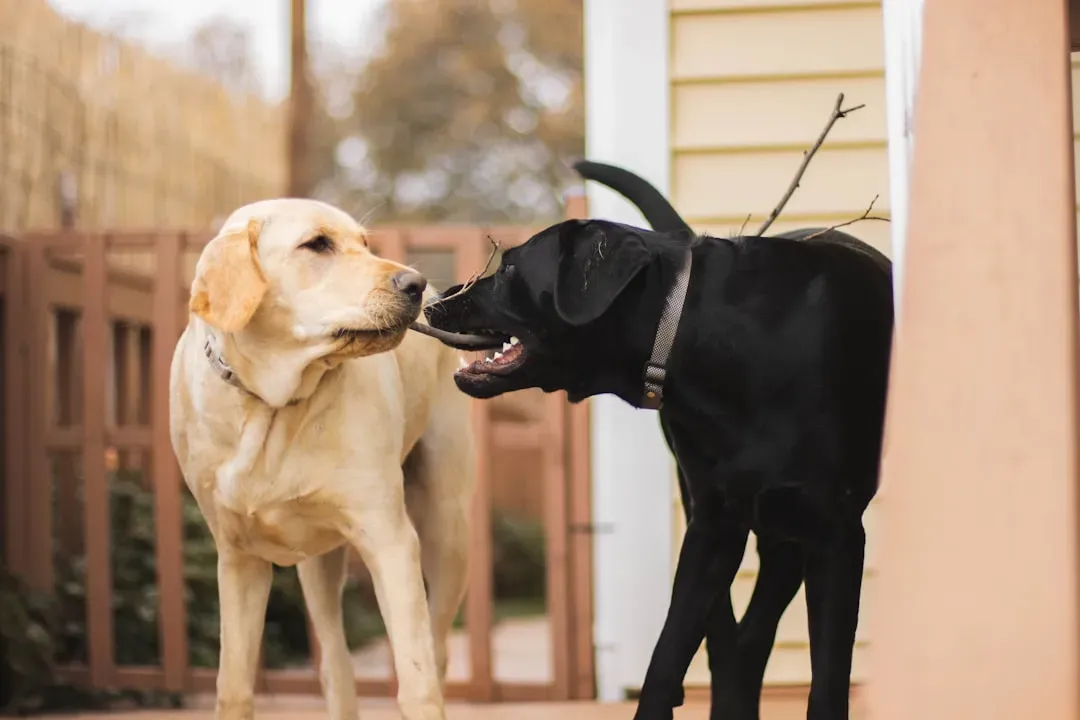
One of the biggest changes you’ll usually see is in how your first dog plays. Dogs have play styles: some love full-contact wrestling, some prefer chase, others like quieter tug games. When a second dog arrives, your original dog might adjust how they play to match the new dog, or they might clearly signal that certain types of play are off-limits.
Often, an only dog that seemed a bit lazy or bored suddenly lights up. You may see more wrestling, chasing up and down the hallway, mock “fights,” and silly bowing and pouncing. On the flip side, if your first dog is older or more reserved, they might become the referee instead, joining short games and then retreating. Either way, play becomes a shared language, and it can completely change your dog’s daily energy and mood.
5. Changes in Independence: Clingier or More Confident
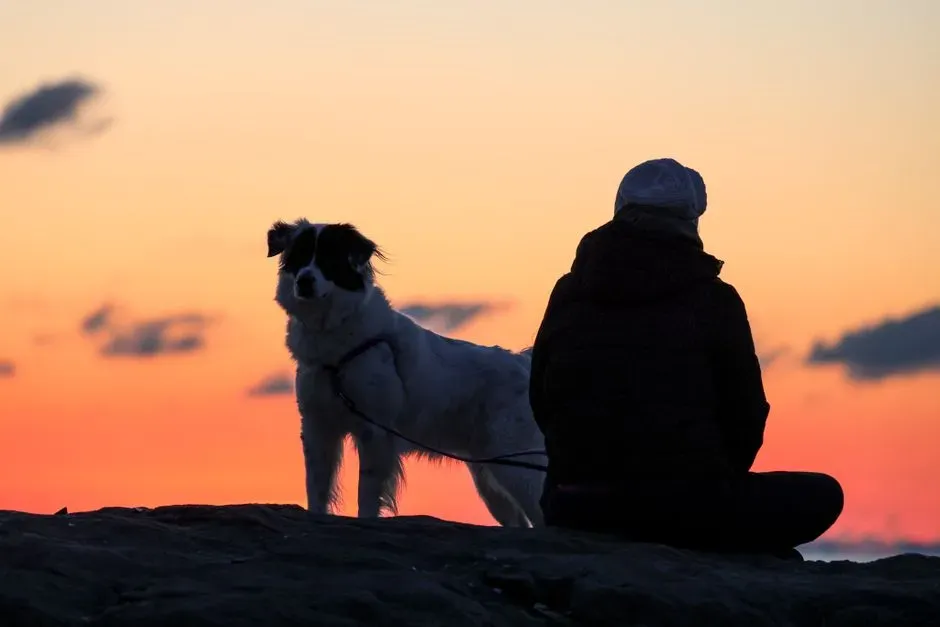
Adding a second dog can push your original dog in one of two directions: they either become surprisingly clingy with you for a while, or they grow more independent because they now have a canine companion. The clinginess is usually about insecurity – they’re checking in more often to see if they’re still safe and loved in this new setup.
Once the dust settles, many dogs actually become more confident. They’re not alone when you step out, they have a partner to explore the yard with, and social cues from the second dog can help them handle new sounds or experiences. Think of it like having a buddy in a new school: at first, you cling to the familiar, but eventually the presence of a friend makes everything feel less scary.
6. Communication Upgrades: Body Language Gets Louder
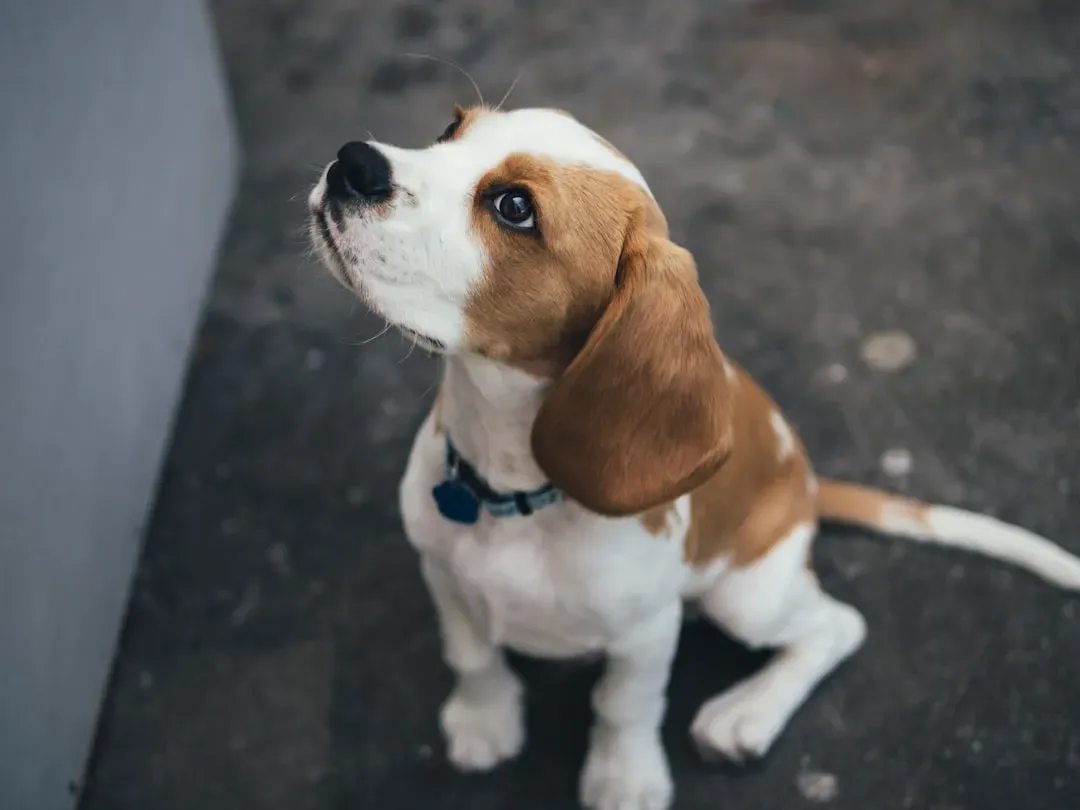
When there’s only one dog, humans tend to miss some of the finer points of canine body language. Add a second dog, and suddenly the signals get louder and easier to see. Your original dog may start giving clearer play bows, side glances, lip licks, or turn-away moves, especially when they’re unsure about the newbie’s behavior.
These signals are your dog’s way of negotiating boundaries and keeping peace. You might notice a quick freeze before a growl, or a slow head turn followed by walking away when they’ve had enough. When you support those signals – by giving space, redirecting over-the-top play, or separating them when needed – your first dog learns that they can communicate and be heard, which builds trust and reduces tension.
7. Routine and Territory Redefined: Sharing Space and Schedules
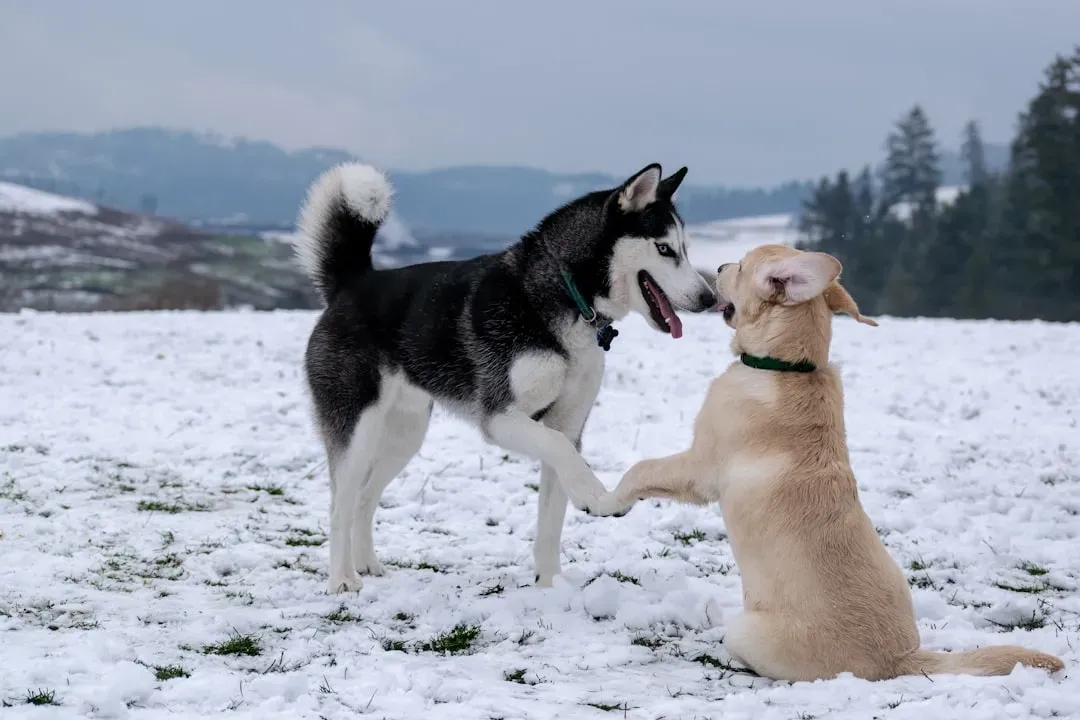
For an only dog, the house is a mapped-out world where every spot has meaning: that sunbeam in the afternoon, that corner by the front door, your bed at night. With a second dog, these “claimed” spaces suddenly become negotiable. You may see your original dog testing boundaries by guarding a favorite bed or suddenly choosing new resting spots further away.
Daily routines shift too. Walks might be at different times, feeding can become more structured, and play breaks can happen when your dog would normally be napping. At first, this can make your original dog look restless or even a bit grumpy. Over time, once the new pattern is predictable, most dogs relax again and accept that territory and routines are now shared assets, not solo privileges.
8. Emotional Ripple Effects: Stress, Excitement, and the “New Normal”
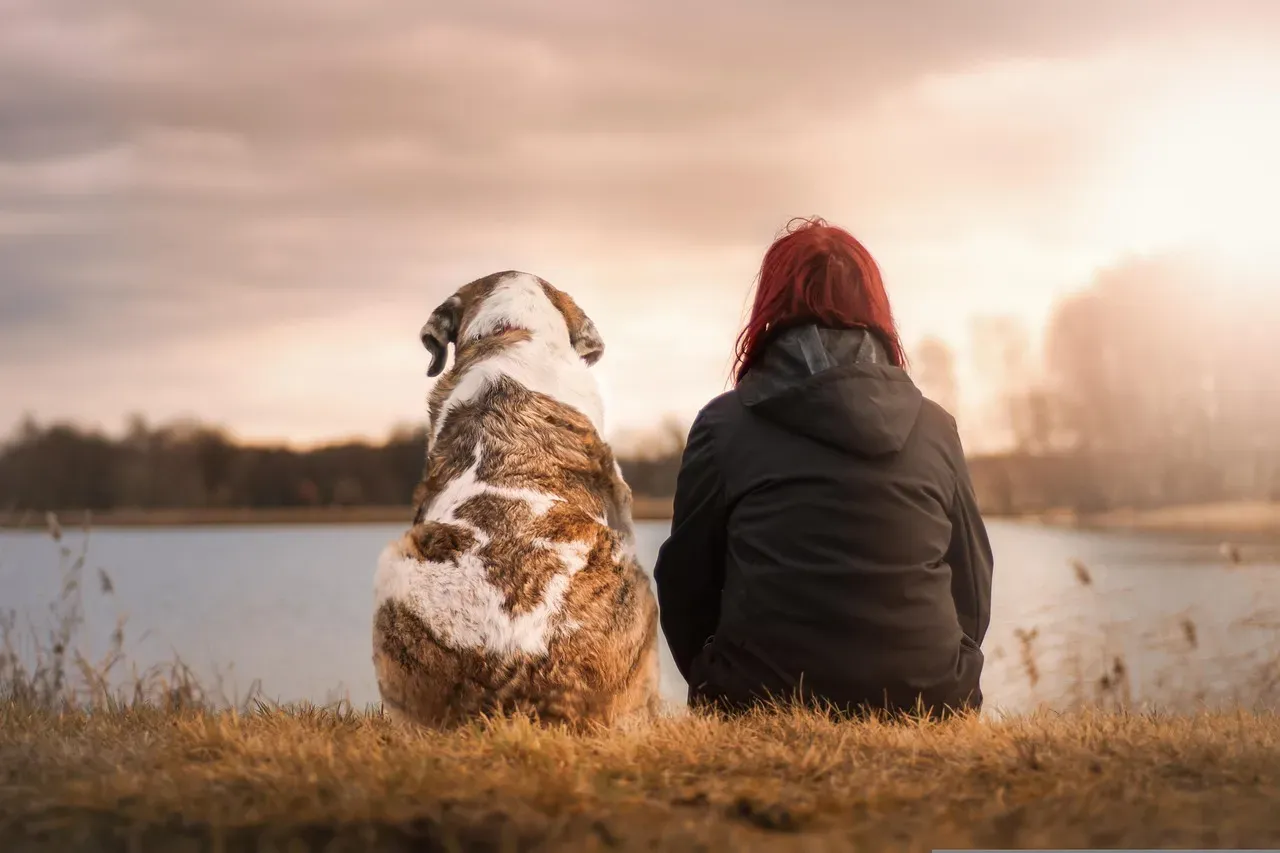
Emotionally, adding another dog is like turning the volume knob up on household energy. Your first dog might have spikes of stress – more barking, pacing, or even changes in appetite – mixed with bursts of happiness when they finally click with their new companion. It’s not unusual to see emotions swing around for the first few weeks.
As their nervous system adapts, though, something pretty special often happens: your original dog develops a broader emotional range. They may show more curiosity on walks, more relaxed sleep after a day of shared play, or a calmer attitude when left alone because they now have company. It’s not always a fairy tale, but when the match is right and you guide them well, your first dog’s emotional world can feel richer and more balanced than before.
9. The Bond Shift: From “My Dog” to “Our Dogs”
One subtle but powerful change is in how your first dog relates to you as part of a new little pack. They are no longer the single focus; they’re one member of a mini team, and that can actually deepen their connection to you in a different way. Instead of clinging to you as their only source of comfort and fun, they start to share experiences as a group – walks, training, couch time, even just hanging out.
You may notice that they still seek you out for reassurance or affection, but they also check on the other dog, mirror their behavior, or join them on the bed or in the yard. The relationship triangle – you, dog one, dog two – becomes its own ecosystem. When that ecosystem is nurtured with fair rules, consistent affection, and clear structure, your original dog often settles into a calmer, more secure bond with you, knowing they are part of something bigger.
Conclusion: Is a Second Dog Really “For” the First Dog?
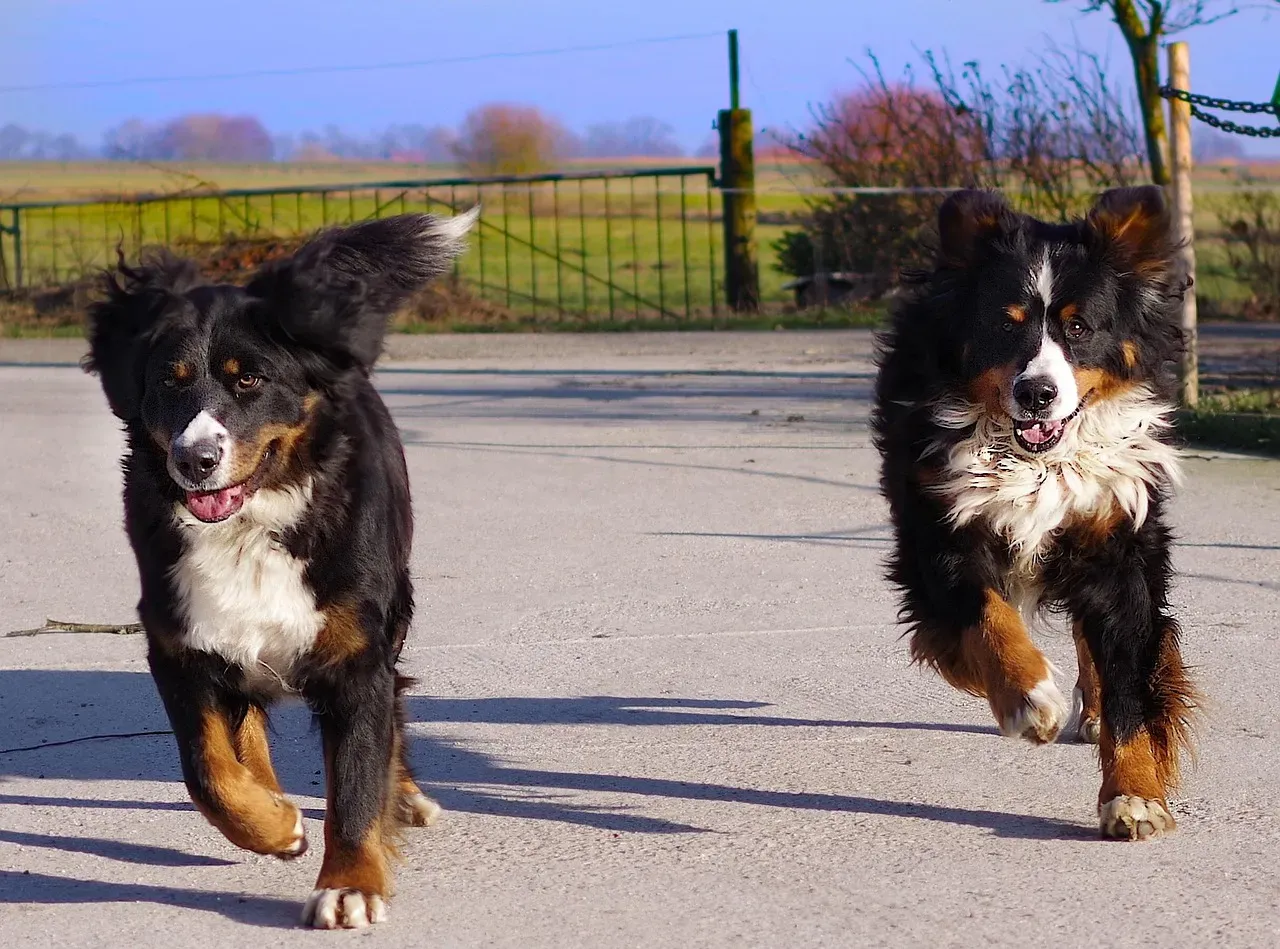
I’ll be honest: adding a second dog is rarely the smooth, magical upgrade people imagine. Your original dog might be confused, jealous, or stressed at first, and that can be hard to watch. But with realistic expectations, patient supervision, and a lot of individual love for dog number one, many households see their first dog grow in confidence, communication, and emotional depth.
In my view, a second dog should never be adopted only as an emotional support package for the first; it should be a decision you make for the whole family, with your original dog’s personality front and center. When the match is thoughtful and you actively guide the transition, your only dog doesn’t just “lose” their solo status – they gain a teammate, a playmate, and sometimes a quiet, snoring shadow on the other end of the couch. If you do it, will your first dog be a little shocked at first? Absolutely. But give them time, space, and stability, and you might be surprised at how beautifully they rewrite their story together – what do you think your dog would do?