
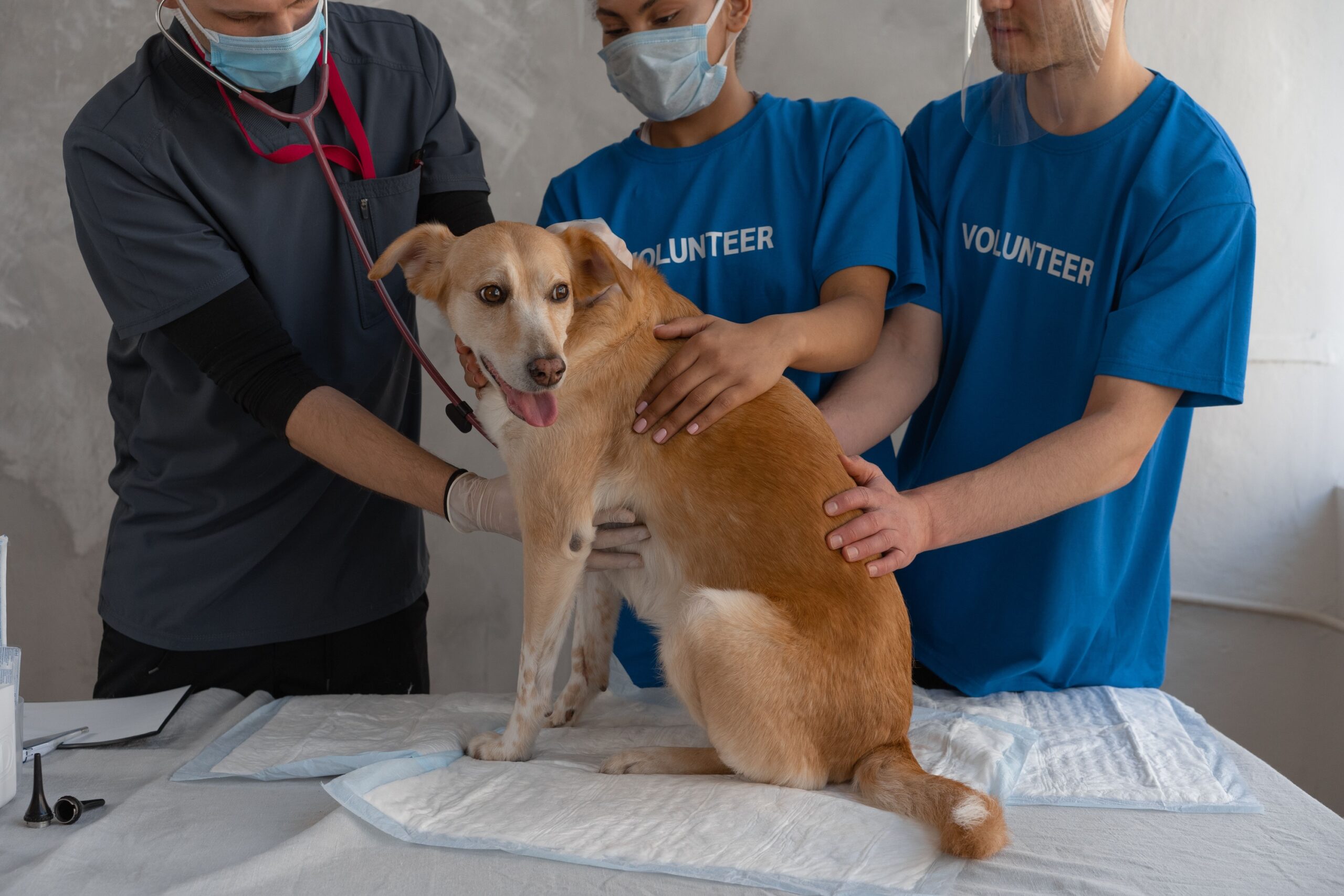
There are a few days in life that burn into your memory forever: the day you bring your dog home, and the day you have to say goodbye. Most people feel completely unprepared for that final chapter, and many only realise in hindsight that their dog had been quietly telling them something was wrong. Vets see these end-of-life patterns again and again, and they often wish owners had recognised the signs sooner – not to feel guilty, but to give their dog more comfort and peace.
This is not an easy topic, but understanding it is one of the deepest acts of love you can offer your dog. Some of these behaviours can also appear with treatable conditions, which is why context and veterinary input matter so much. Think of this as a compassionate guide to what may happen – not a checklist of doom. If even one of these signs helps you seek help sooner or create a gentler goodbye, then it’s worth every tough word.
1. Subtle Changes In Daily Habits That Don’t Bounce Back

One of the earliest and most easily missed signs is a slow, steady shift in your dog’s normal routines. Maybe the dog who used to sprint to the food bowl now wanders over slowly, eats half, and walks away. Or the one who always greeted you at the door with a toy suddenly chooses to stay on their bed, lifting their head but not their body. These are not the dramatic, movie-version signs; they’re small, repeated changes that never really improve.
Vets often say what worries them most is not a single off day, but a pattern that stretches into weeks. Appetite that steadily fades, water intake that suddenly surges or drops, energy that never quite returns after an illness – these can all hint that the body is struggling more than it can repair. As an owner, you know your dog’s “normal” better than anyone; when normal quietly disappears and never comes back, that’s a red flag you should never ignore.
2. Withdrawing From Family Or Seeking Unusual Distance

It can feel like a punch in the chest when a dog who usually clings to you suddenly chooses a far corner of the room, another room entirely, or even the garden to lie alone. Some dogs do this in the days or hours before they pass, and owners sometimes take it personally, as if their dog suddenly stopped loving them. But in many cases, this is a very old, instinctive behaviour – a way for a vulnerable animal to seek quiet, safety, and protection when they feel unwell or fragile.
Veterinarians often see this distancing as a sign of significant discomfort, fatigue, or disorientation. Your dog is not “rejecting” you; they’re trying to manage overwhelming sensations in the only way they know how – by limiting extra noise, touch, and stimulation. If your once-social dog is consistently choosing isolation or hiding spots they’ve never used before, especially combined with other changes like appetite loss or heavy breathing, it’s time to speak with your vet and carefully reassess their quality of life.
3. Clinginess, Restlessness, And A New Kind Of Anxiety

On the flip side, some dogs do the exact opposite of withdrawing – they become suddenly clingy, restless, or unsettled, almost as if they are searching for comfort and safety in you. A dog who used to nap happily in another room might now insist on pressing against you, following you from room to room, or panting at your feet even when nothing obvious seems wrong. This can be heartbreaking, because it often feels like they’re asking you for help you don’t know how to give.
From a medical point of view, this new anxiety or restlessness can be linked to pain, nausea, breathing difficulty, or changes in brain function that come with age or disease. Imagine trying to get comfortable when your body hurts or your thoughts feel foggy – of course you would look for your safest person. When this kind of clinginess appears suddenly and persists, it’s not “needy behaviour” to ignore; it is often your dog’s desperate way of telling you that they are not okay.
4. Marked Changes In Breathing, Posture, And Body Position

Many vets will tell you that the way a dog breathes and holds their body near the end of life can say more than any words ever could. You might notice your dog breathing faster even when they are resting, using more of their belly to pull air in, or pausing between breaths in a way that feels off. Some dogs start to sit or lie in a very specific way – front legs stretched out, neck extended, elbows held out – to try to ease the work of breathing or to reduce pressure on painful organs.
These are not just “old age quirks.” Laboured breathing, constant panting at rest, or sudden collapses after mild activity can signal heart failure, severe lung disease, internal bleeding, or advanced pain. Dogs rarely cry out or complain the way humans do, so their bodies speak through these quiet adjustments instead. If your dog seems to be fighting for every breath, or cannot find a comfortable position no matter how they shifts, this is a serious emergency sign and often one of the clearest indicators that their time may be very short.
5. Refusing Food, Water, Or Even Once-Irresistible Treats
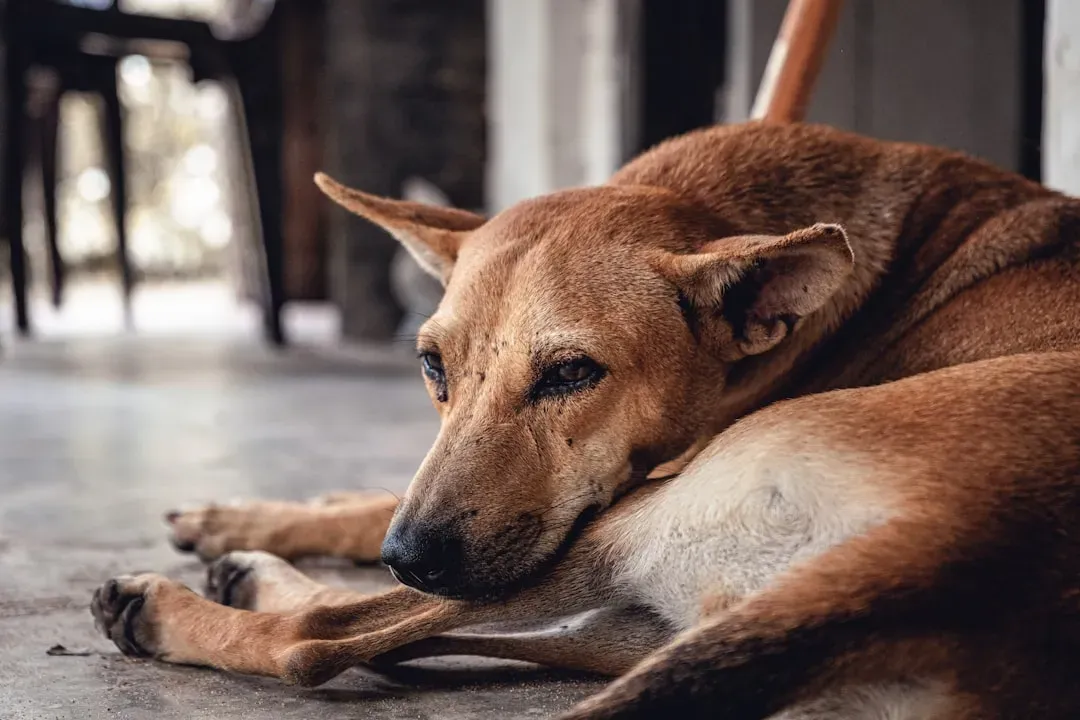
Almost every dog owner knows the gut-sinking moment when their dog turns away from a favourite treat. A skipped meal on a hot day or after a stomach upset is not always a disaster, but when a dog that has always loved food consistently refuses meals, snacks, or even hand-fed favourites, that’s a different story. At the end of life, the body often begins to shut down non-essential systems, and appetite is one of the first things to go.
What many people do not realise is that forcing food at this stage can actually make a dog more uncomfortable, especially if nausea, kidney or liver disease, or organ failure are involved. Vets often look at not just what the dog eats, but how they approach the bowl – do they seem interested but walk away, do they sniff and lick once, do they drool or swallow hard as if they feel sick? When the joy of eating disappears completely and stays gone, especially alongside weight loss and weakness, it is usually a sign that their body is nearing its limit.
6. Sudden Declines In Mobility And “Good Days” That Vanish
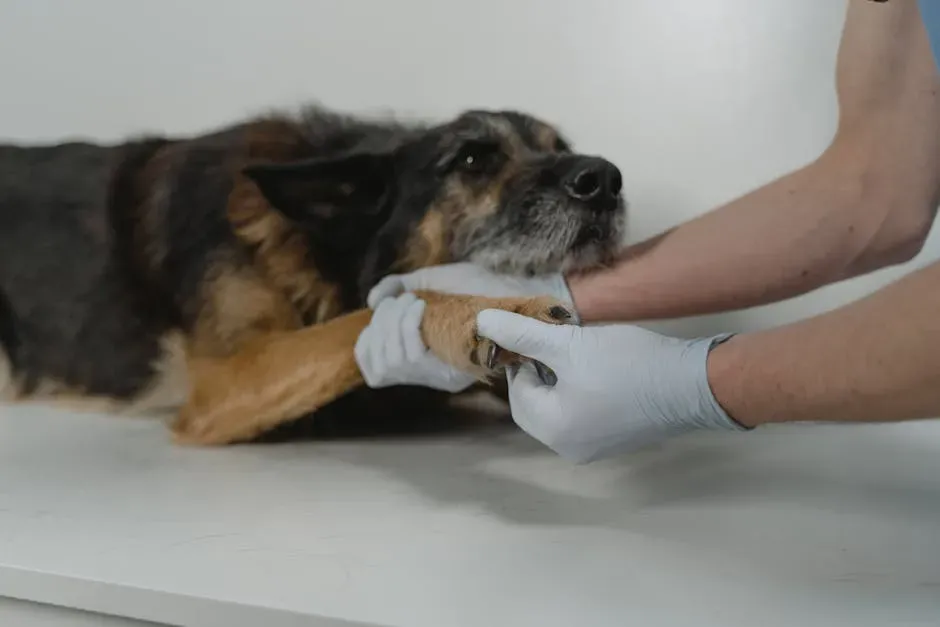
End-of-life changes in mobility can look dramatic or incredibly subtle. The dog who once happily hopped into the car may suddenly plant their feet and refuse. Stairs that were once slow but manageable become impossible. You might notice your dog slipping on floors, knuckling their paws, or needing help simply to get up from their bed. Arthritis, nerve damage, or serious internal illness can all show up in these small daily struggles with movement.
One pattern vets see often is a cycle of dwindling “good days.” At first, a dog may still have more good days than bad ones. Over time, the bad days increase, the recovery between them shrinks, and then one day the good days simply stop returning at all. When your dog spends most of their time lying down, reluctant or unable to walk, and clearly struggling or in pain whenever they moves, it is usually no longer just “old age.” It is a signal that their quality of life is falling below a point where comfort can be reliably maintained.
7. House-Training Accidents And Loss Of Normal Control
For many dogs, losing control of their bladder or bowels is not only a physical issue, but an emotional one. A previously house-trained dog may start having accidents indoors, leaking urine while resting, or soiling themselves without seeming to notice. Owners often feel frustrated or guilty, especially if they initially read it as stubbornness or laziness. In reality, these changes are often tied to serious illness, advanced arthritis, spinal problems, or organ failure.
Vets will often point out that when a dog begins to eliminate where they rest, or seems unaware that it is happening, the body is no longer operating in a normal, comfortable way. Constant moisture from urine or faeces can also cause painful skin irritation and infections, adding another layer of suffering. While accidents alone do not always mean a dog is at the end, when combined with other signs – like loss of mobility, appetite, and energy – they often signal that your dog’s dignity and comfort are slipping away faster than medicine can restore.
8. Unusual Vocalisations, Staring, Or Seeming “Not Quite There”
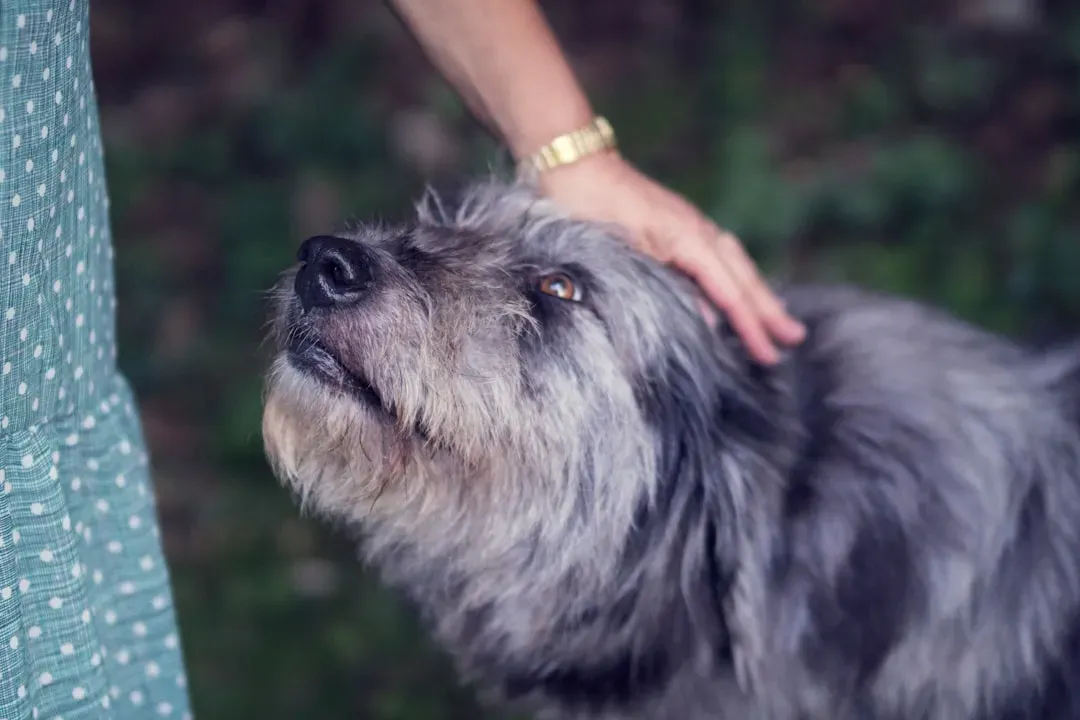
Some of the most unsettling end-of-life signs are neurological or behavioural. A dog might begin to pace aimlessly, get stuck in corners, stare at walls, or seem to forget familiar routines and people. Others may start vocalising in ways they never did before – whining at night, howling unexpectedly, or crying out when touched or moved. These changes can be linked to cognitive dysfunction (often compared loosely to dementia), brain disease, severe pain, or systemic organ failure affecting the brain.
It can be incredibly hard to watch, because it feels like you’re losing the “personality” of your dog before you lose their body. Vets often see these changes as a key part of quality-of-life discussions, because they indicate that your dog’s experience of the world may be deeply confusing, frightening, or uncomfortable. When a dog seems lost in their own home, no longer finds joy in former pleasures, and appears more distressed than content, it is often a sign that their final chapter is already well underway.
9. Brief “Rallies” Of Energy Before A Sudden Collapse
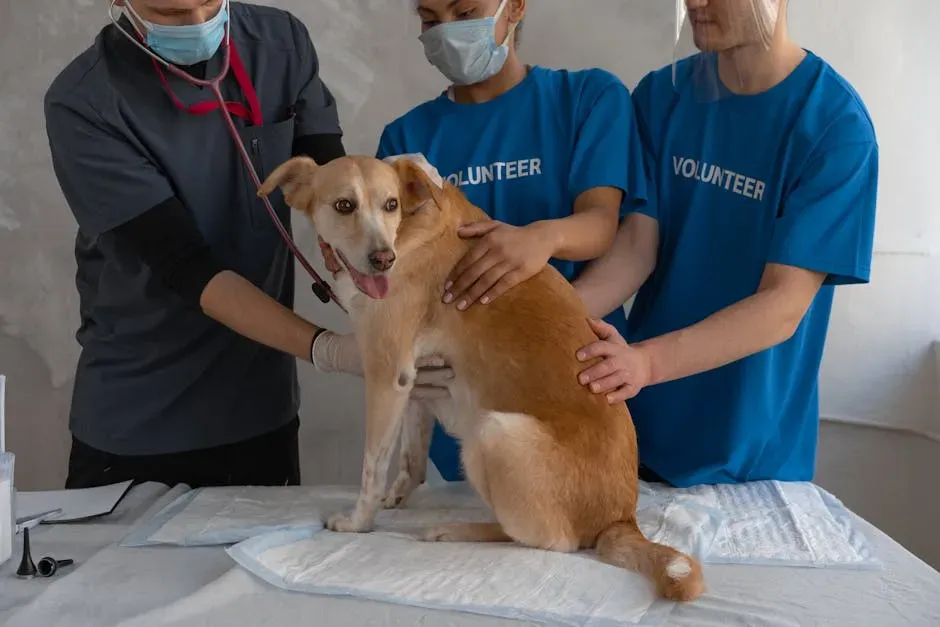
One of the most confusing – and emotionally brutal – phenomena owners describe is the so‑called last rally. A very sick or elderly dog who has been quiet, withdrawn, or weak may suddenly have a surprisingly bright day. They eat, they wag, they ask to go on a short walk, maybe even play for a moment. It feels like a miracle, like the turning point you’ve been praying for. Then, sometimes only hours or a day later, the dog crashes and passes away or deteriorates beyond recovery.
Vets explain that this “false sunrise” can happen as the body shifts its last reserves of energy or as internal systems briefly stabilise before final failure. It is not always a sign that things are getting better; sometimes, it is the body’s last flicker before the light goes out. That does not make the rally meaningless, though. Many people later treasure that last good day as a final gift. If your very sick dog suddenly seems much better, it is wise to enjoy the moment deeply but also stay in close contact with your vet and be emotionally prepared for what may follow.
Conclusion: Recognising The Signs Is An Act Of Love, Not Betrayal
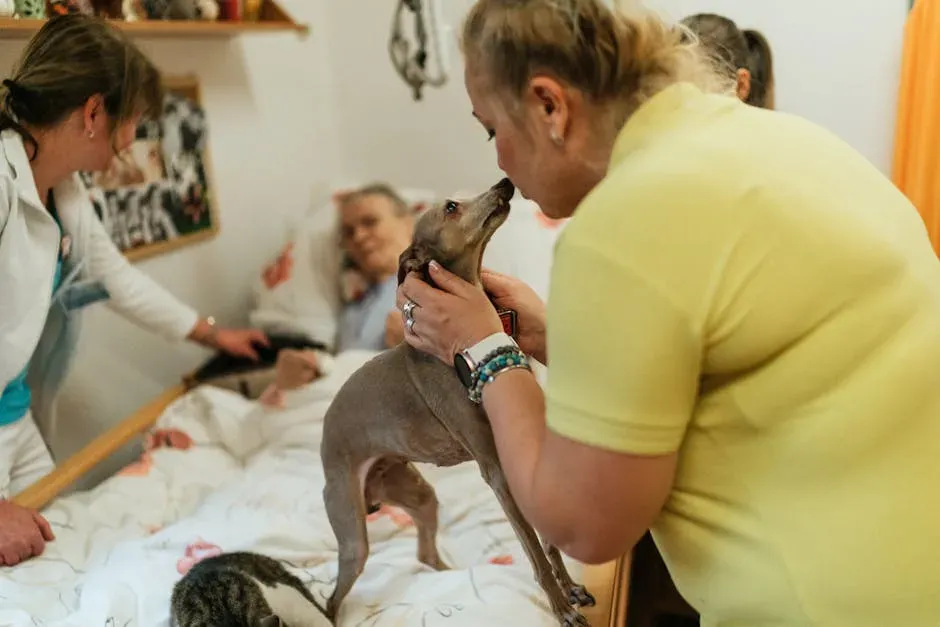
Talking about a dog’s final days feels brutal, but pretending it never happens is far worse – for them and for you. Vets are not asking owners to become fortune tellers; they simply hope more people will take these patterns seriously instead of brushing them off as “just old age.” When you recognise the signs early – declining appetite, painful mobility, laboured breathing, new anxiety or withdrawal – you get the chance to manage pain better, adjust expectations, and make end-of-life choices that prioritise comfort over clinging to a few extra days at any cost.
Here is the hardest truth I have learned, both personally and from countless vet stories: waiting until your dog is clearly suffering and terrified rarely feels like a kindness in hindsight. Letting go a little earlier than your heart wants often turns out to be the gentler path. In the end, your dog does not measure your love by how long you held on, but by how softly you let them go. When that time comes, will you be ready to believe them when their body tells you it is time?


